So, what is the difference between high end video and cinema grade footage?
I can tell when I am looking at one or the other, but have had a hard time working it out.
The main difference is the realistic look film or film-like cinema footage has, but how is that achieved?
This is what I see (or often don’t).
A three dimensional fullness, enough depth of field to look like the eye sees, a perception of lots of sharpness even if it is disguised by other factors and micro sharpness is missing and no flatness in tones or subject rendering. In other words realistic and beautiful.
Really shallow depth has its place, but it needs to have natural looking fall-off, not forced razors edge stuff, which is a video tell tale. Few pro cinematographers use unnatural looking shallow depth, because it looks like a lens trick. F4 in full frame (f2.8 in Super35 or f2 in M43) is far more commonly used than f1.4 and if 1.4 is used, it is often in context with distance, so the effect is less obvious.
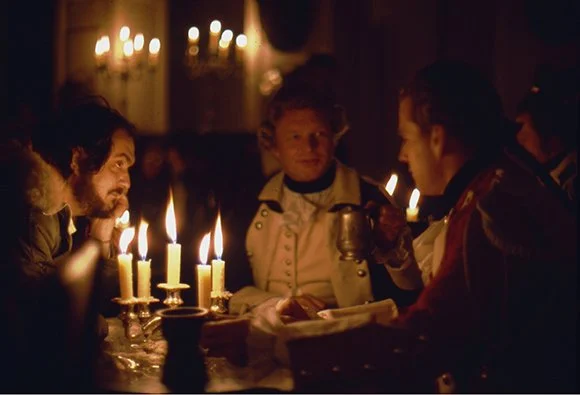
This scene from Barry Linden was shot with a super fast lens to emulate genuine low light interiors from the period, but greater working distance and the lens has rendered the subjects naturally to the eye. If really shallow depth of field, with unnatural flatness are used, they need to true to the eye. In this shot we feel like we are looking from across a room.

This shot from The Bear is beautiful, but it pushes reality. The perspective, compression and depth of field are an obvious technical manipulation that we accept in context, but are aware of because this is something our eyes cannot do. Unlike the shot above, we struggle to put ourselves in this space naturally, but accept that it is a part of modern cinematography.

This depth is dreamy to match the need of the shot, but it is not how we see naturally with too much compression and far too shallow rendering of depth of field at this viewing distance.
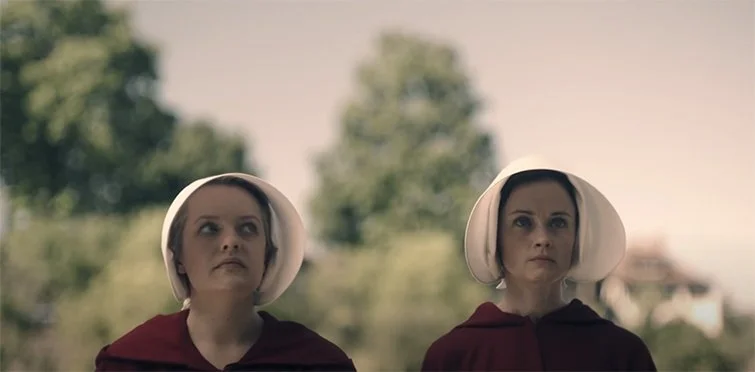
This is even less natural, showing strong lens compression and magnification and less than natural to the eye Bokeh.
It needs to be sharp like reality, but not bitingly sharp like video perfection. It has invisible roll-off and no tell tale sharp/soft point, which is part of the previous point, the look of clarity over visible sharpness.
I guess another way to say all that is sharpness needs to be invisible, or the effect of it at least. It needs to look like reality, not hyper-reality.
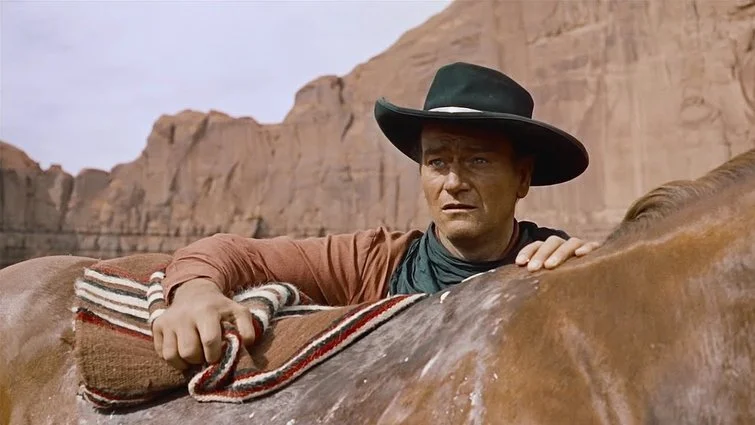
This image is sharp and has shallow depth of field, but the right amount to look natural and the colour, a product of the film tech of the period is also acceptable representing dust, sun and the arrid landscape.
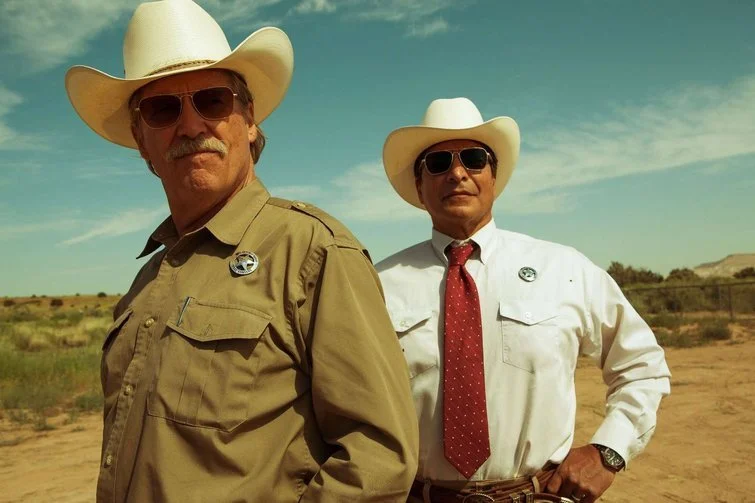
This scene is shot with a wide angle lens and a fast aperture, giving us the feeling of being too close, while also being too shallow in depth rendering. It is hyper sharp, then softened by filtering and the colouring is warm to match the sun shine, but unnaturally so (teal sky?). It looks cinematic, but only because we have been conditioned to accept it as that.
A lot of current shooters using top end digital cine cameras and lenses use filtering to remove the hard-sharp digital look, but this is less appealing than film and has become a look unto itself. The reality is the age of technology reaching a point of perfection that surpasses reality is here.
Ok, funny thing happening here.
I started writing this to try to articulate what made a “film” level image, but seem now to be comparing the old and the new styles of doing that.
The irony is, all of the quality available to film makers these days is often squandered, meaning they could have used almost anything to make it. Super sharp becomes deliberately dreamy, huge exposure range becomes murky, infinite depth of field becomes a slice of un-reality and perfect lenses are flared.
The experience of the movie or TV show has become the experience in itself, more than the attempt to tell a story that has to stand on its own merits.
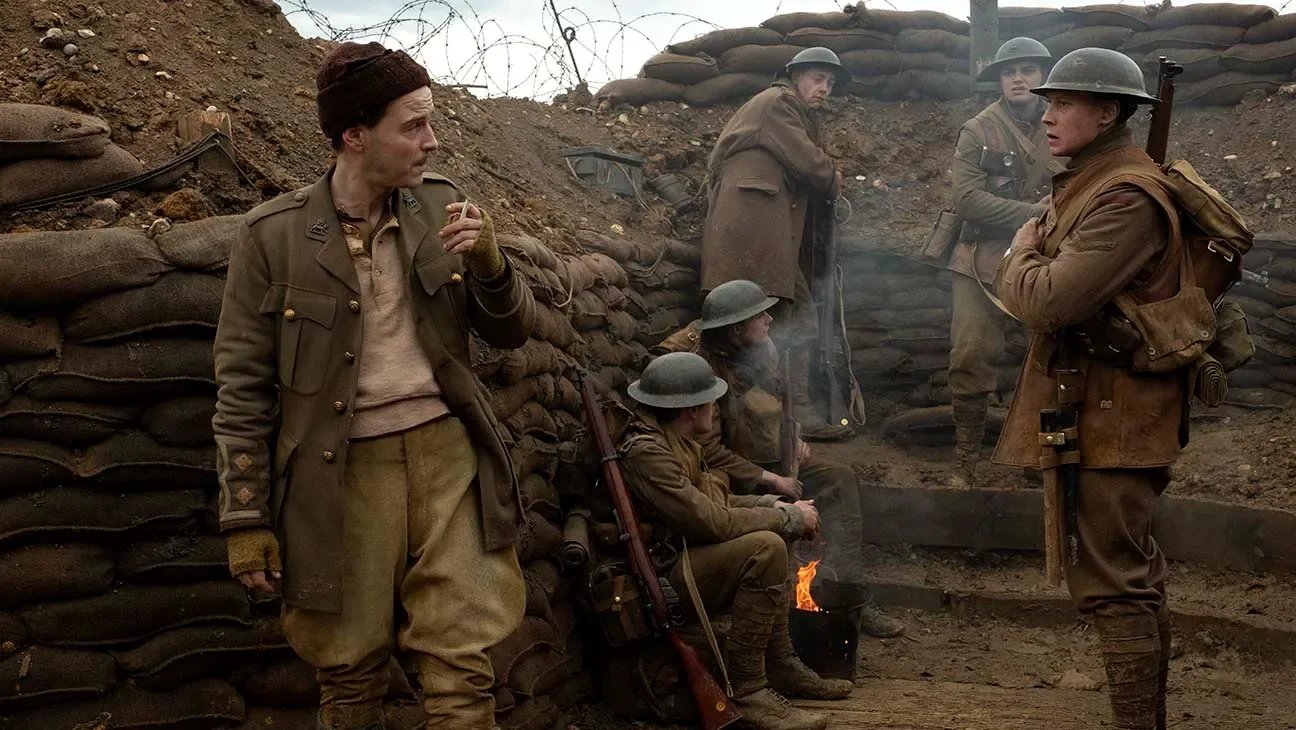
A rare case from 1917 of something looking “right” using the best gear available, by limiting the shoot to eye-normal lenses and deep depth of field. This is how we see, choosing what top look at in a scene, not having the majority of it taken away from us with tech.
It is up to the director and DP to draw our eye to the important elements using light, blocking, acting and writing, rather than relying on tricky focus and shallow depth of field to do it.
Paul Thomas Anderson, Roger Deakins, Kurasawa, Hitchcock, the Cohen brothers, Wes Anderson, Tarantino and Spielberg all know this, so we should remember it also.
The process is taking over the story.
The irony of course is, artificially created scenes often adhere to realistic needs to help fool us, while real scenes are manipulated to look unrealistic.
This probably explains this better https://www.youtube.com/watch?v=tvwPKBXEOKE
ed. The new Coke add, heavily slammed by the majority, is a sign of what is coming. https://www.youtube.com/watch?v=3PfWzHpT_Kw
The trend of a $100k ARRI with a $25k lens in front being softened by a $300 filter is responding to the look and feeling we have lost from the film era clumsily re-captured. When digital and photoshop arrived, the push was to make it “realistic like film”, the same with the CD after the record, all new things that fully failed to replace the old, needing to find their own space to be useful.
AI will have its uses, but the things that matter, things that people make for people consume will survive because otherwise, what is the point of any of it? A manufactured work of drab perfection in a self destructive creative death spiral will run out of steam sooner rather than later, it always does.
We are constantly looking for ways of winding back the clock and rediscover that special something we have lost. We also need to stay relevant.