This is a reality;
Gear is getting dearer, but not necessarily better.
Sponsored reviewers are pushing the same old body wearing a new outfit and no brand is excepted. Feature shuffling is not advancement.
Part of the problem is makers are hitting a wall of realistic sufficiency at the same time as the market is softening and tech is topping out, which is reducing funds and incentive for research at the same time as living costs are increasing and AI threatens the whole point of it.
A developmental spiral of death.
In other words, fewer people need fewer new things, but brands need to push product forward to survive and grow, even if all they can do is regurgitate the same old things re-dressed.
Another opinion.
https://www.youtube.com/watch?v=5gvXPuqLzZc
Is there really a need for growth from a users perspective?
Stills photography has reached a point of sufficiency for most needs, but video does have some rough edges to smooth out.
We have enough now, have had for a while and client realities often lower our own expectations for us but the push is for professional movie making gear at a premium and to be honest, we are getting closer right now than we possibly realise.
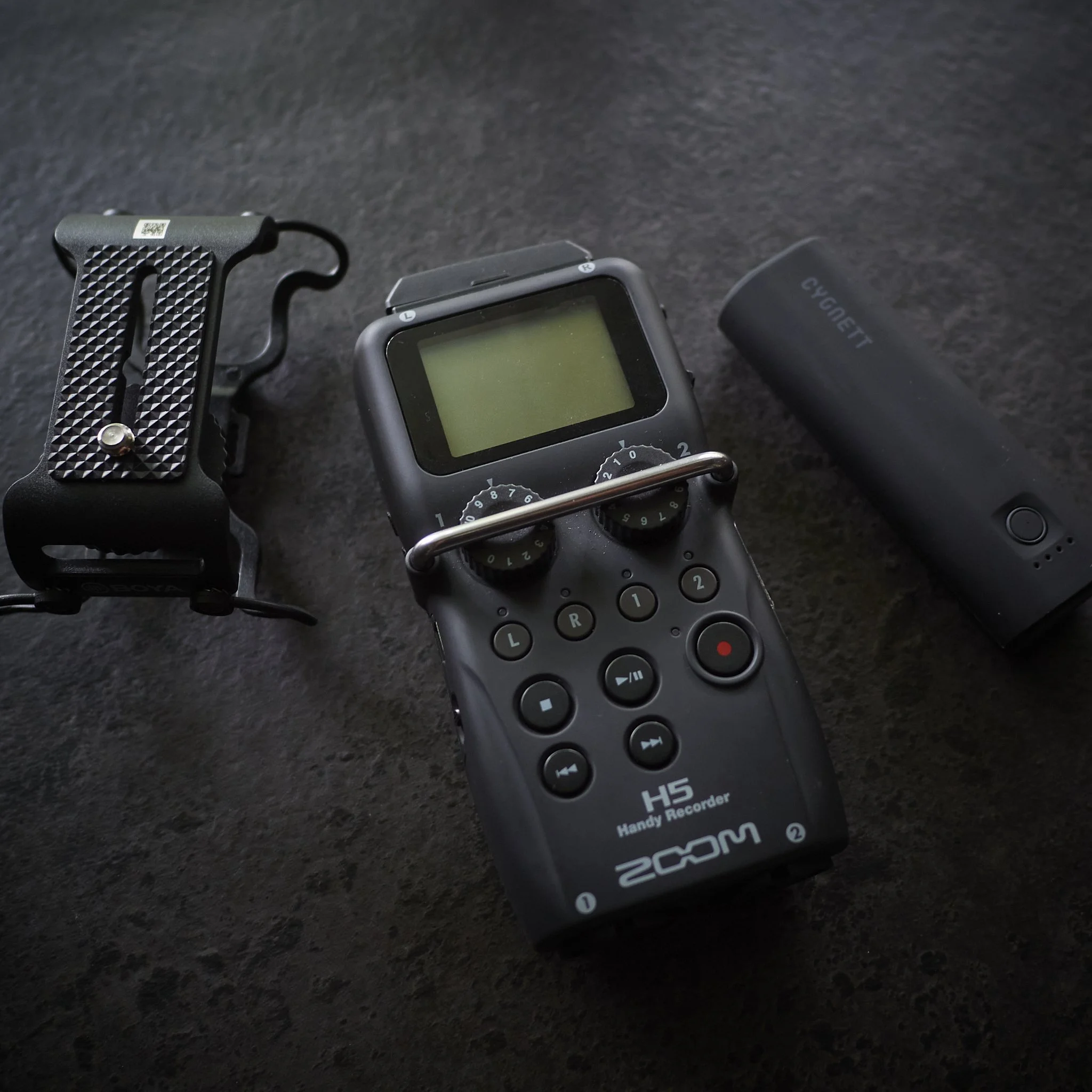
A brand suffering a lot of recent criticism for releasing improved versions of all their work horse recorders, with 32 bit float (a good thing usually), but with interference, questionable firmware, hardware and handling choices, creating a chorus of “just buy the old one, it’s better” from reviewers and users.
I am running a few Panasonic hybrid cams, all recently purchased, but not all are new (GH5s/S5), because looking at them in direct comparison to newer cams, they still hold up, indeed in some ways they are better. Often a camera line is perfectly balanced at some point, but need or perceived need for improvements tend to break that balance.
Do we need 6k, 4k 300fps, super-super sharp sensors, lenses and screens, that then get softened by ever more aggressive filtering.
I remember years ago having the chance to compare a 1970’s ring-lock Canon FD 100mm f4 macro to the latest EF 100 f2.8 USM-L. What struck me was the image quality difference. There was none to any appreciable measure. The new lens was the fifth in a long and prestigious line of pivotal lenses in a well respected range. It was the third f2.8 model, second with AF, the second mount used, second internal focus model, but all those handling improvements did not add one thing to the quality of the image. All the advancements were simply to accomodate handling and selling based improvements.
Makers at the moment seem to be following poor advice drawn from self defeating algorithms, chasing happiness ghosts in effect and not improving the things that are most important, if less exciting.
Cooler running cams with better battery life, cleaner, smoother images with lower noise, clearer view finders, menus and layout are all wanted, but instead we get a patchwork of some of these at the expense of others and often just a feature rotation.
The Canon “cripple hammer”, Sony same-same, but different reinvention training and others are a thing, so research not just the fluff, but the history and its relevance.
Processing and codecs is where you should look. My S5 and GH5s are Raw output cameras, which make them automatically better than the newer S5II (the S5IIx would match them, but for as much as both together).
The BMPCC4k is a prime example of a camera improvement done right.
This now relatively ancient camera offers B-Raw and ProRes Raw in a proven form factor, it is still capable of more improvements and the image is beautiful by any standars. All this is bought new for less than the price of a second hand A7III, S5, EOS R, etc, none of which have it’s capabilities out of the box (or at all).
An interesting trend around here is the older Panasonic cams seem to be holding their price, another sign that older ain’t necessarily bad.