I have poured over the test shots I did, look very close at the clips stills and it looks like 8:1 is mostly indestinguishable to 3:1 with one major exception.
When everything is going well, they are almost impossible to split. I have looked at 400% detail clips of both and the fine details, especially when sharpened are so close as to make comparing further pointless, but, prompted by a forum post, I looked at the things that did not go perfectly.
The post said something like “12:1 has mushy details and more noise”. which made no sense except that noise may be a form of detail I guess, so I looked at the clips again and in the noise holding shadows and out of focus areas (where I had placed a busy back drop deliberately), there is a difference in rendering. The 8:1 footage looks less well defined and the combination of very mild noise (ISO 640 and well exposed), smudged detail and slight out of focus areas, did look less clean.
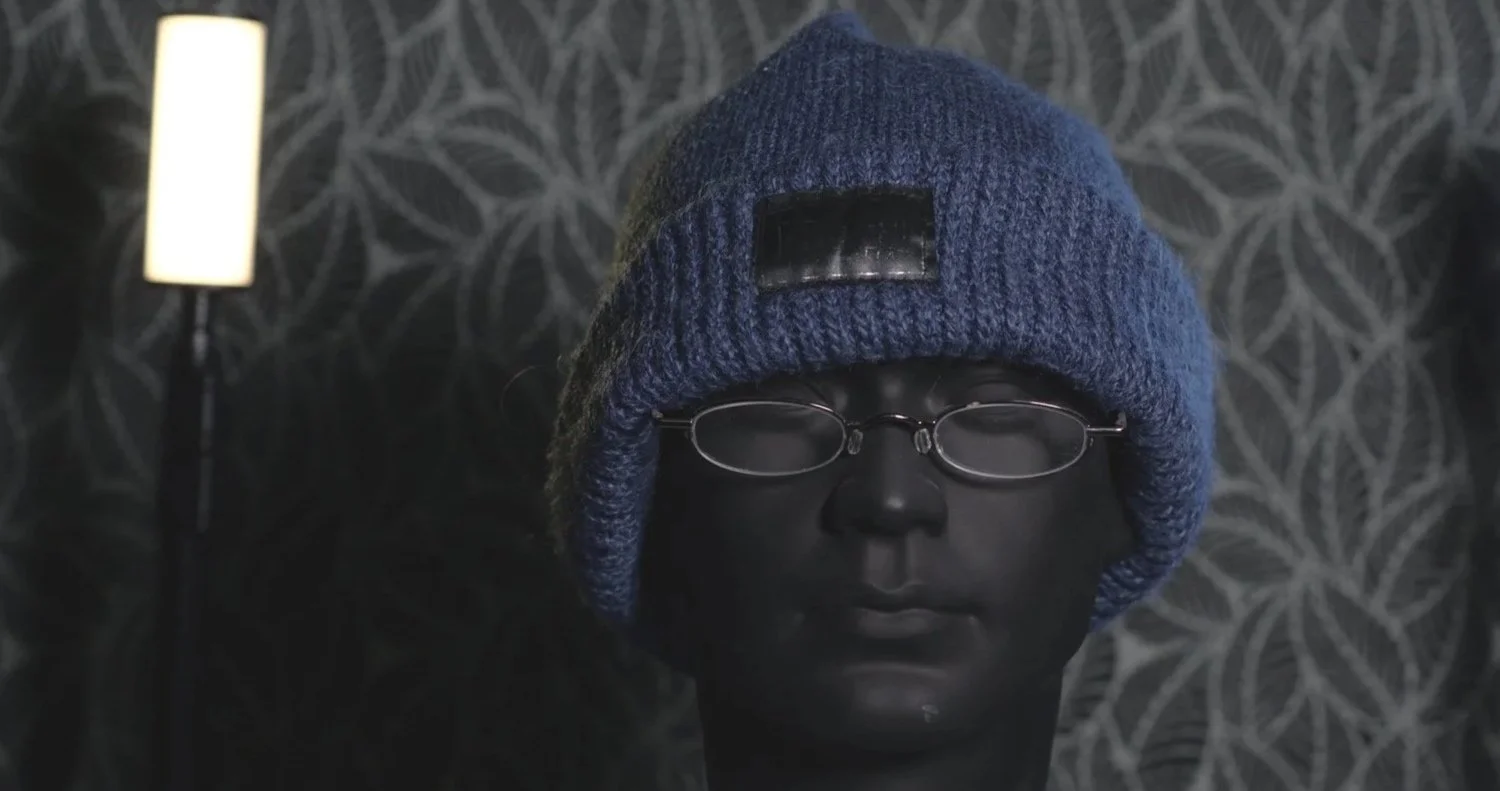
It is in the detail to the left between the hat and light that the 8:1 footage looks less clean and defined, but not by much. I needed to check that for focus, so did a second set of stills until I was sure and there is a very slight difference, in a clean clip.
Multiply that by 10 in a more noisy clip and that may well be an issue, especially when sharpening is needed or other effects applied. Bad tends to multiply bad.
So, soft conclusion after test round 1 is;
1:8 is perfectly good when things are done well, but 5:1 and 3:1 are better when the same quality needs to be extracted from potentially less than perfect footage.
This possibly explains why some people are happy with 12:1. They are either shooting in clean environments or exposing extremely well for their subject and could care less about the background, possibly blurring it out anyway with shallow depth or filtering.
Fixed bit rate footage guarantees expectations at the cost of potentially wasting storage for static subjects, but static subjects are generally in controlled spaces, so quality will be better.
I feel 1080/8:1 would be plenty for most interviews. 4k reserved for large screen footage.
Fixed quality (Q settings) are yet to be confirmed in this space, except to say, I could barely see any difference between the GH5s’s All-i/ProRes and B-Raw Q5 codecs, so for movement I actually have several options and recent comments have made me Leary of using lower Q settings for static work as the bit rate drops very low.
Also I found this excellent site today.
https://sproutvideo.com/blog/pixel-perfect-understanding-image-quality-for-video.html