I realised the other day, that when it comes to shooting sport, the math is all upside down.
If you are a professional sports photographer, you get the big gigs, the best light, the best spots and the most access.
I have been blessed with national grade indoor basketball games with exposures of ISO 800 1/1000th at f2.8 sitting under the hoop, which means basically any camera in any format with a decent semi-pro lens is more than enough.
I shot it easily with EM1x’s and Oly f2.8 Pro lenses, but I was surrounded by full frame shooters with similar (if more expensive) glass.
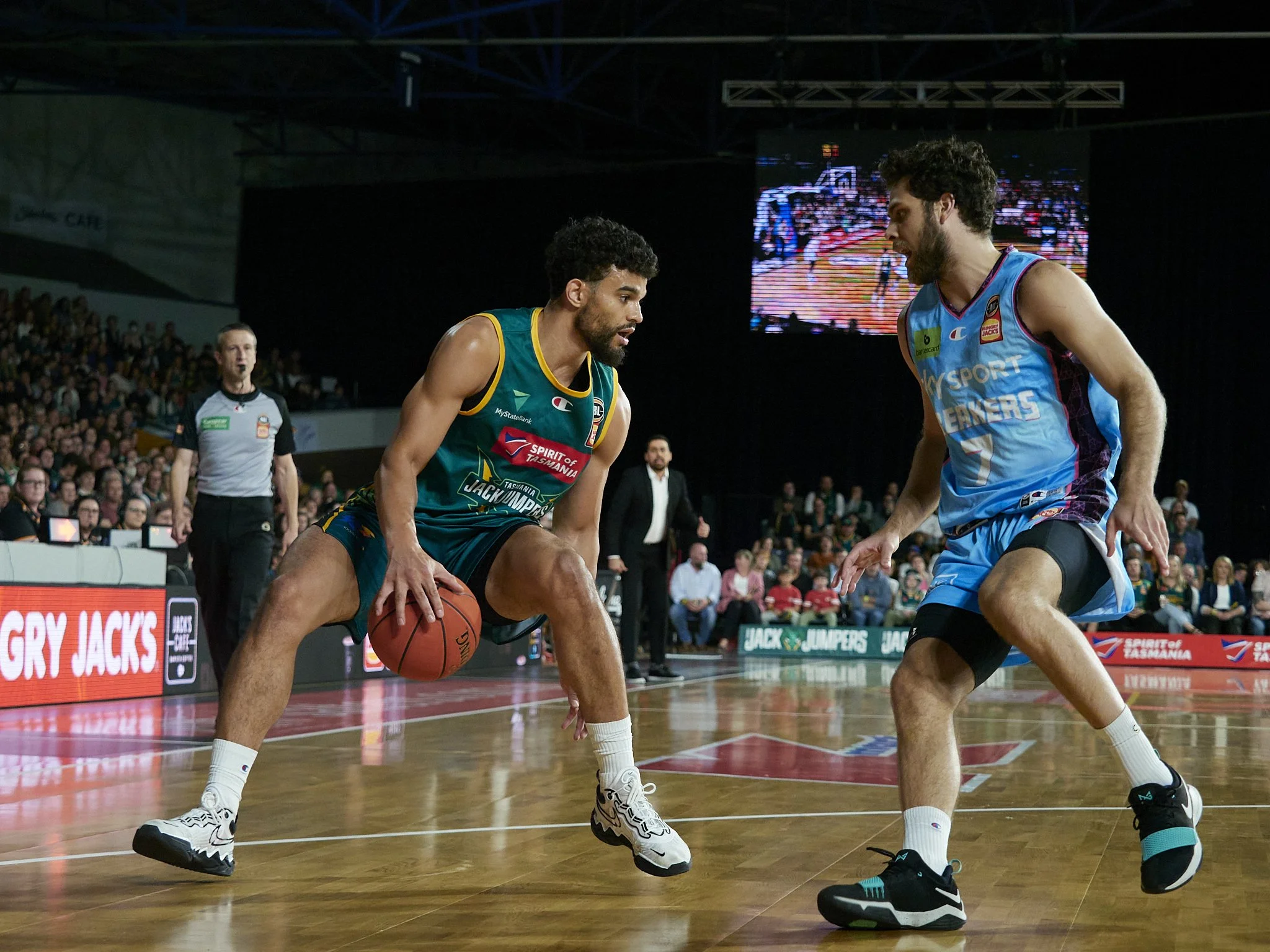
Nice colour, plenty of hits (few misses) and an intimacy that only full access to pro sport allows.
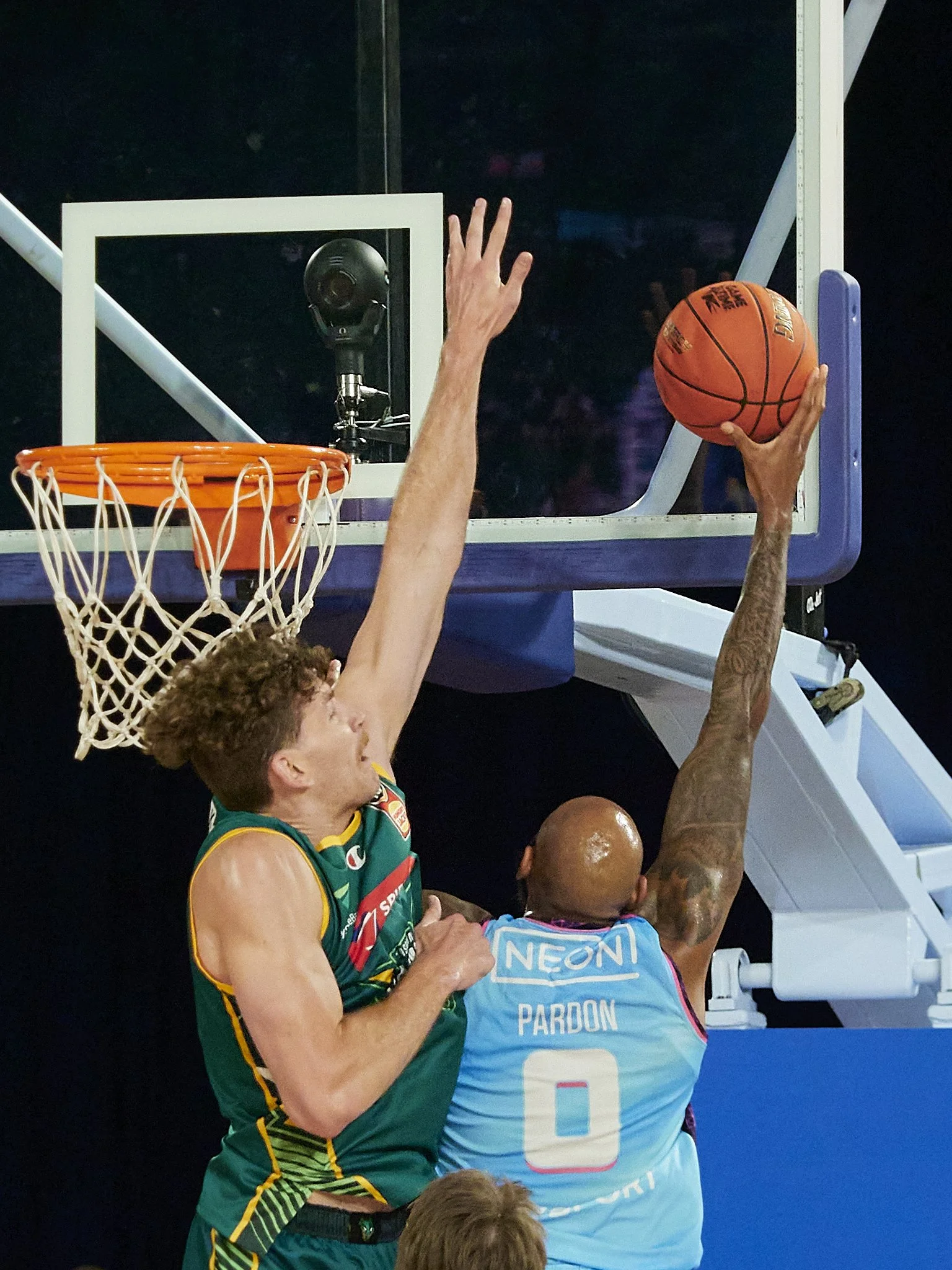
Even the far end of the court is no issue.
This means you probably do not need to deal with the worst light, unrealistic distances or limited fields of view.
Olympus knew this when they launched the EM1x for the then cancelled Tokyo Olympics. They had a strong and fast camera, plenty of fast and capable glass and all the events would have professional, TV grade lighting. In that space, the EM1x was more than a match for the Nikon D6 and Canon 1Dx cameras around at the time.
If you are an amateur or enthusiast, someone who wants to be a professional shooter, then your world is very different and this is where the irony sits.
The amateur may have to shoot an indoor or night sport lit by very, very ordinary light, have to sit in the bleachers, maybe even through obstructions. All the bad stuff to deal with, a hobbyists outlay to deal with it.
Tough gig.
My worst scenario was a canoe polo game at night in a poorly lit venue with small pole mounted light around the side managing to cast dark shadows, nt much more. I and the players were having trouble picking the difference between the wet red or green team colour vests.
From memory, the exposure was something like ISO 6400 at 1/250th (or ISO 12,800 at 1/500th), at f2.8 with severe under exposure and this was before advanced noise reduction software. Not pretty.
There have been others, such as night soccer at ISO 6400, 1/500th, f2.8 etc, but basically you get the idea.
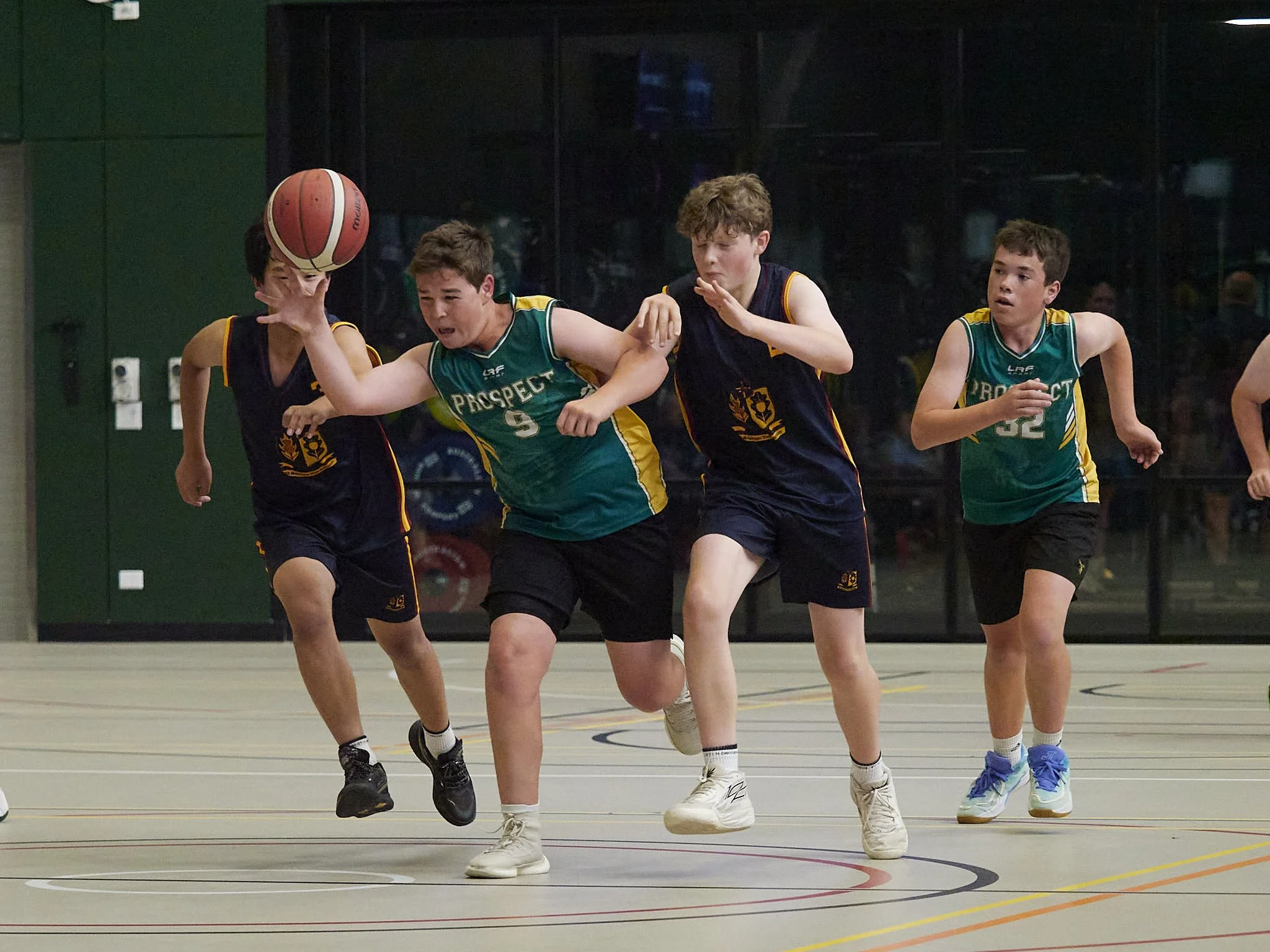
MFT has given me the math of a fast f1.8 prime or reasonably fast f2.8 zoom with decent reach, something full frame cannot, but sometimes a little more high ISO power (I realistically I limit myself to 1/1000th at ISO 6400 wide open when able).
Some say youth is wasted on the young and I guess this is similar. When you make it, everything gets easier technically (other pressures come to bare), but when you are starting out, you have to find a way, being I guess your apprenticeship.
I guess this is also like a lot of careers, like a young doctor expected to work long shifts, learn and grow while functioning fully as the real thing, life after becoming relatively easier as you develop a specialty.
In my world as it is, being a “small time” sports shooter dealing with school and local grade sport in preference to chasing larger events, I have a weird dynamic. MFT gives me effectively all I need to shoot the top end events, but I can struggle with some smaller grade events. This is my choice and I have made some effort to mitigate that, but I tend to straddle a fine line.
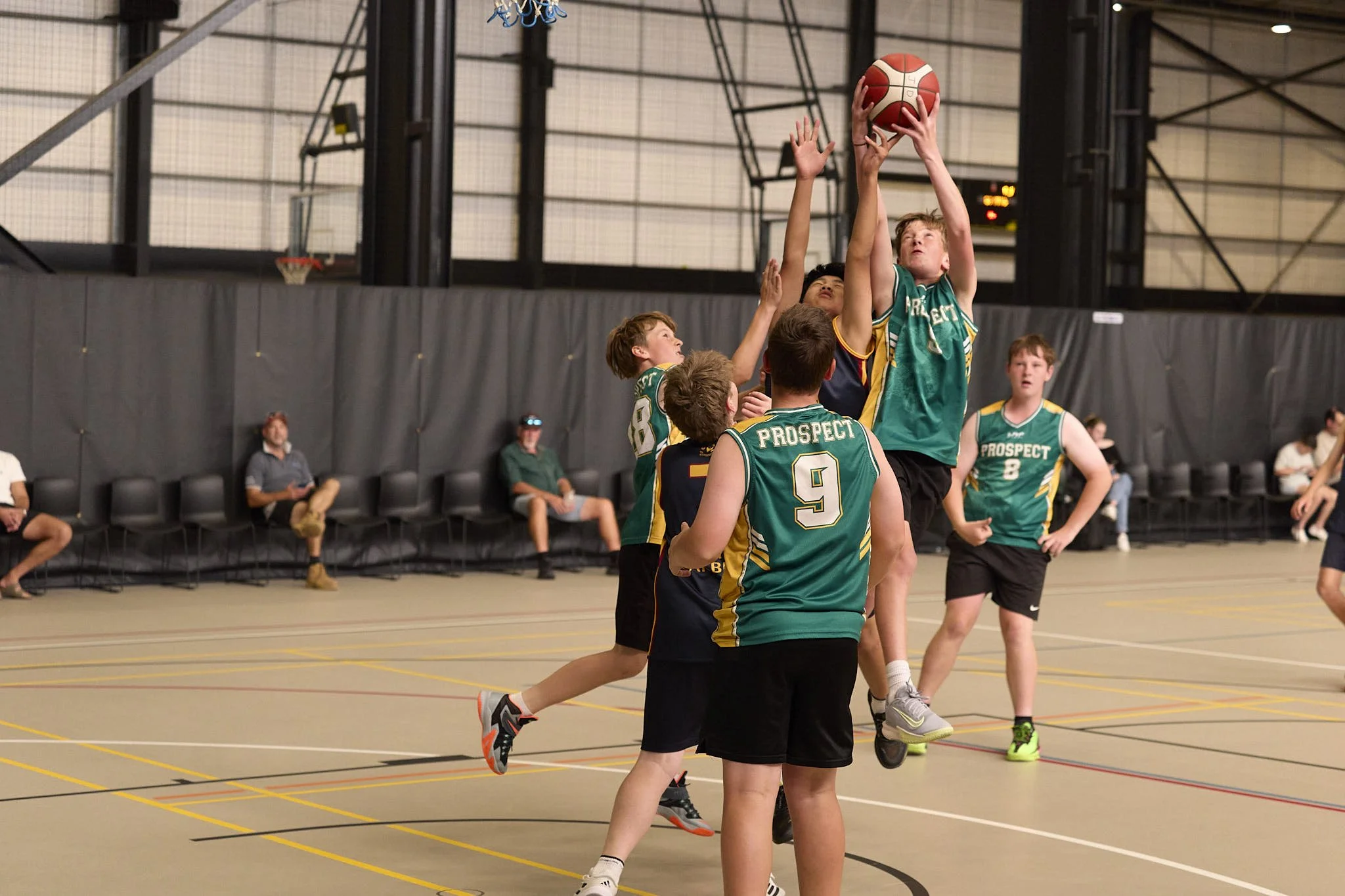
Although the S5 can give me clean ISO 12,800, but the experience is a mile away and the math is interesting. My f4 zoom looses 3 stops of light to my MFT 75 f1.8 (150mm equivalent). This means I can shoot at ISO 1600 (3200 if compared to an f2.8 zoom) for the same shutter speed and to be honest equal quality. To match the lens in full frame and get the ISO advantage back, I would need to buy something like the $4500au Sigma 200 f2 or 134 f1.4 for $3000au. Software can bridge the gap to some extent for either scenario, so same-same I guess. It gets pretty telling when comparing 600 f4 equivalents.