I own an Olympus Pen F. I have fr years, it was my first 20mp Olympus and bought after I left hospital 9 years ago, deciding to give photography a real go after a tentative crack before my illness (I also bought the 40-150 f2.8 and 8-18 wide angle).
It then got little use, partly becasue it was immediately followed by the more practical and less precious EM1 Mk2 and partly because it’s preciousness did a job on me.
I recently bought a second 17mm f1.8 to go with my second 45 f1.8, an excessive buy, but my original has done a lot of work and earned a place in my life as the “one lens”, so a backup made as much sense as anything else I have bought lately and it completes the “my kit” thing.
Snapping it on the Pen I was dismayed to find that it’s battery and card contacts were a little tired, a regular problem with eletrical goods that sit for years unused, so I thought I better get on with using the pair.
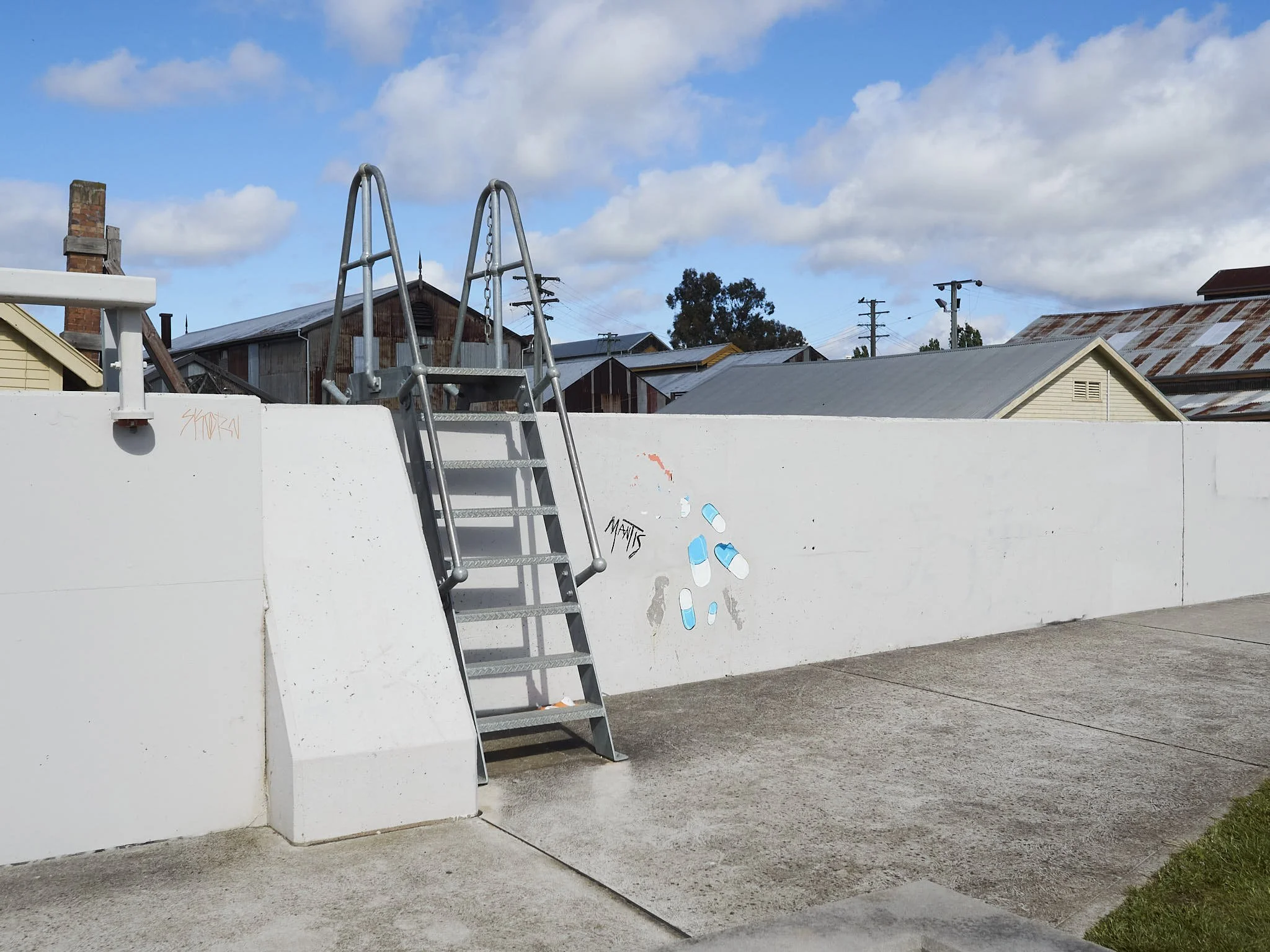
Every camera and lens combination has a language. The language of this pair is “study close, see big”.
To my eye and I was there from the beginning, the Pen-F sensor is the last of the original Oly sensors without phase detect AF pixels and has that special something older cams like the EM-5 Mk1 had, just with extra detail and bite.
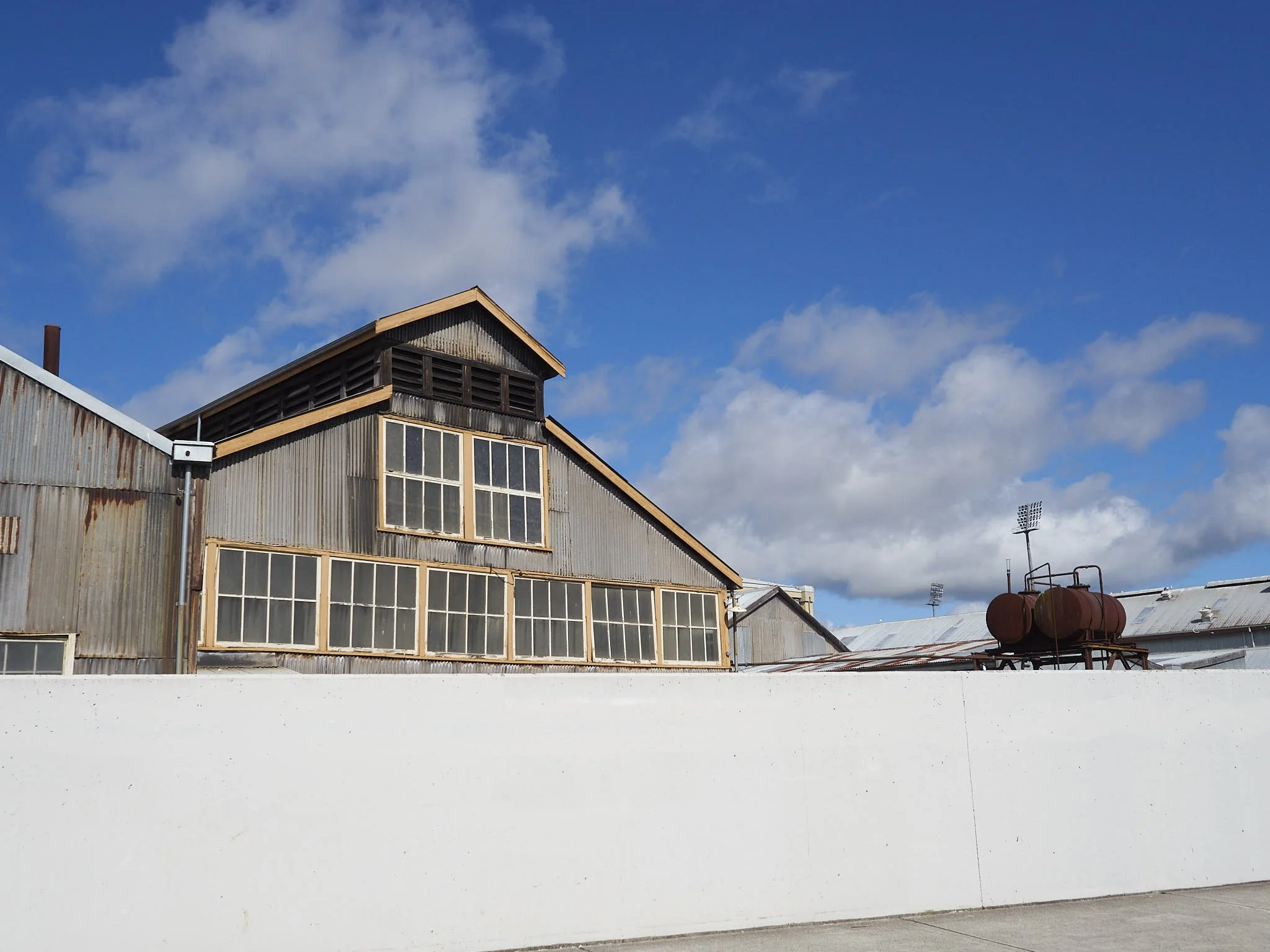
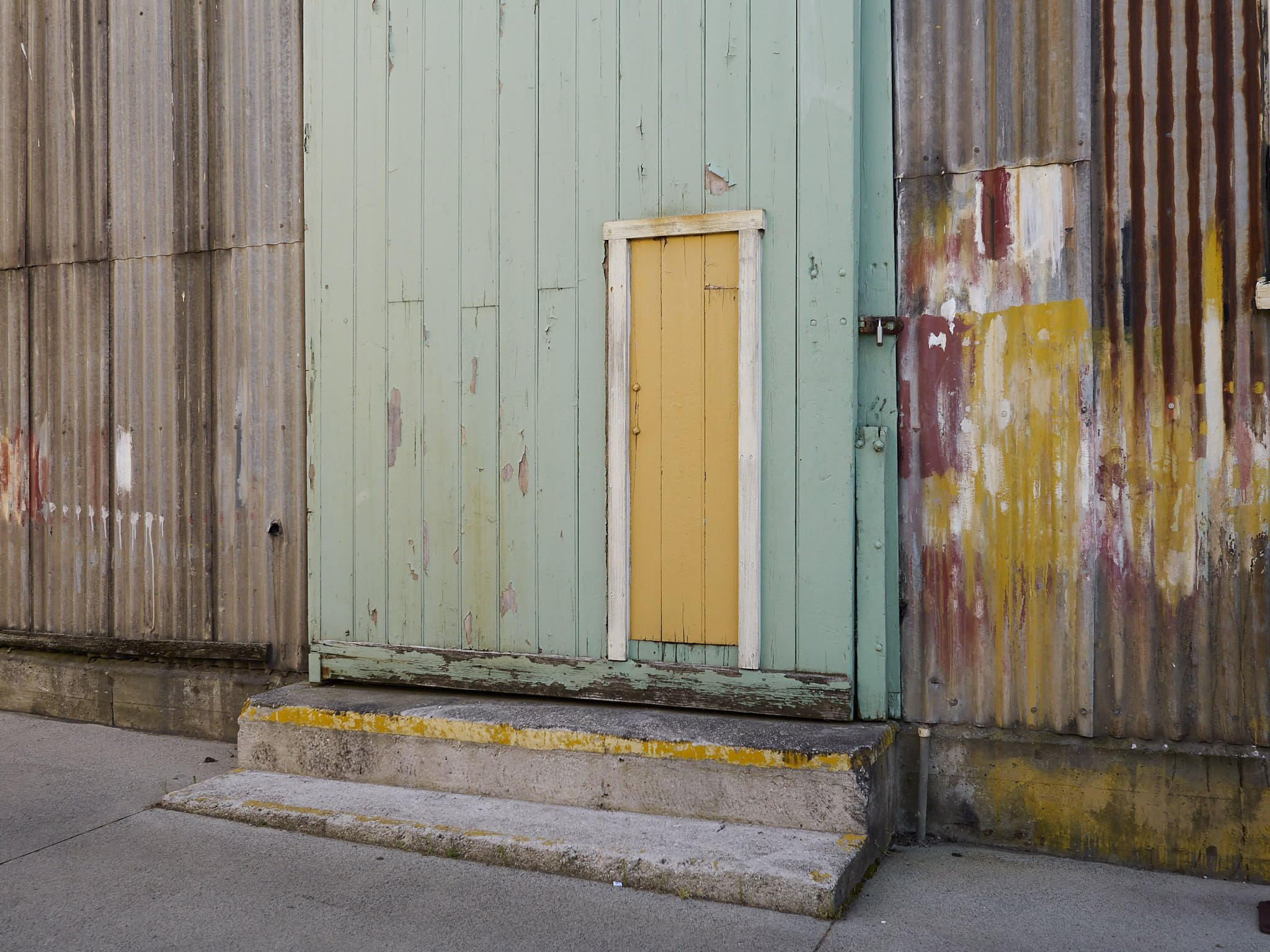
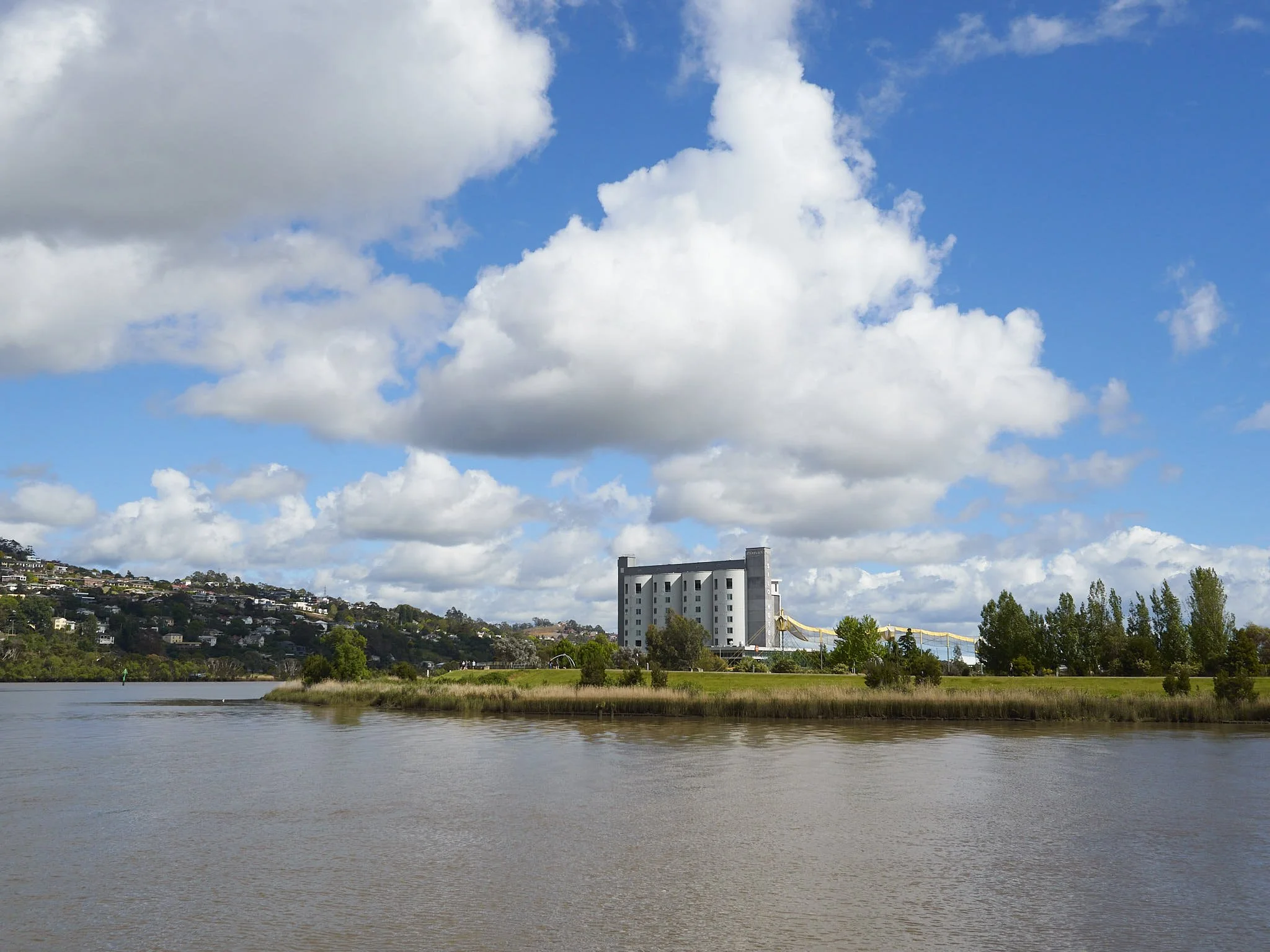
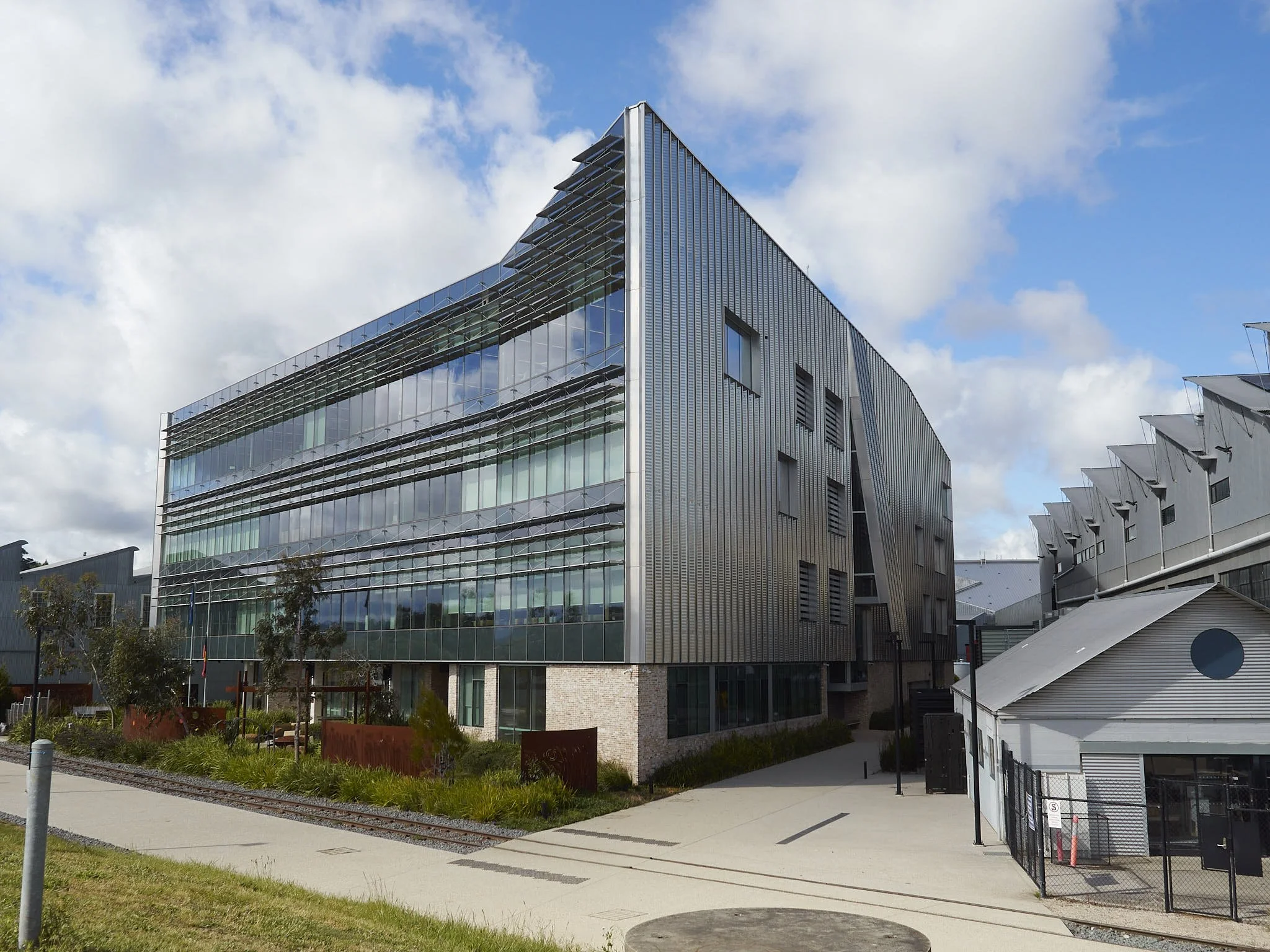
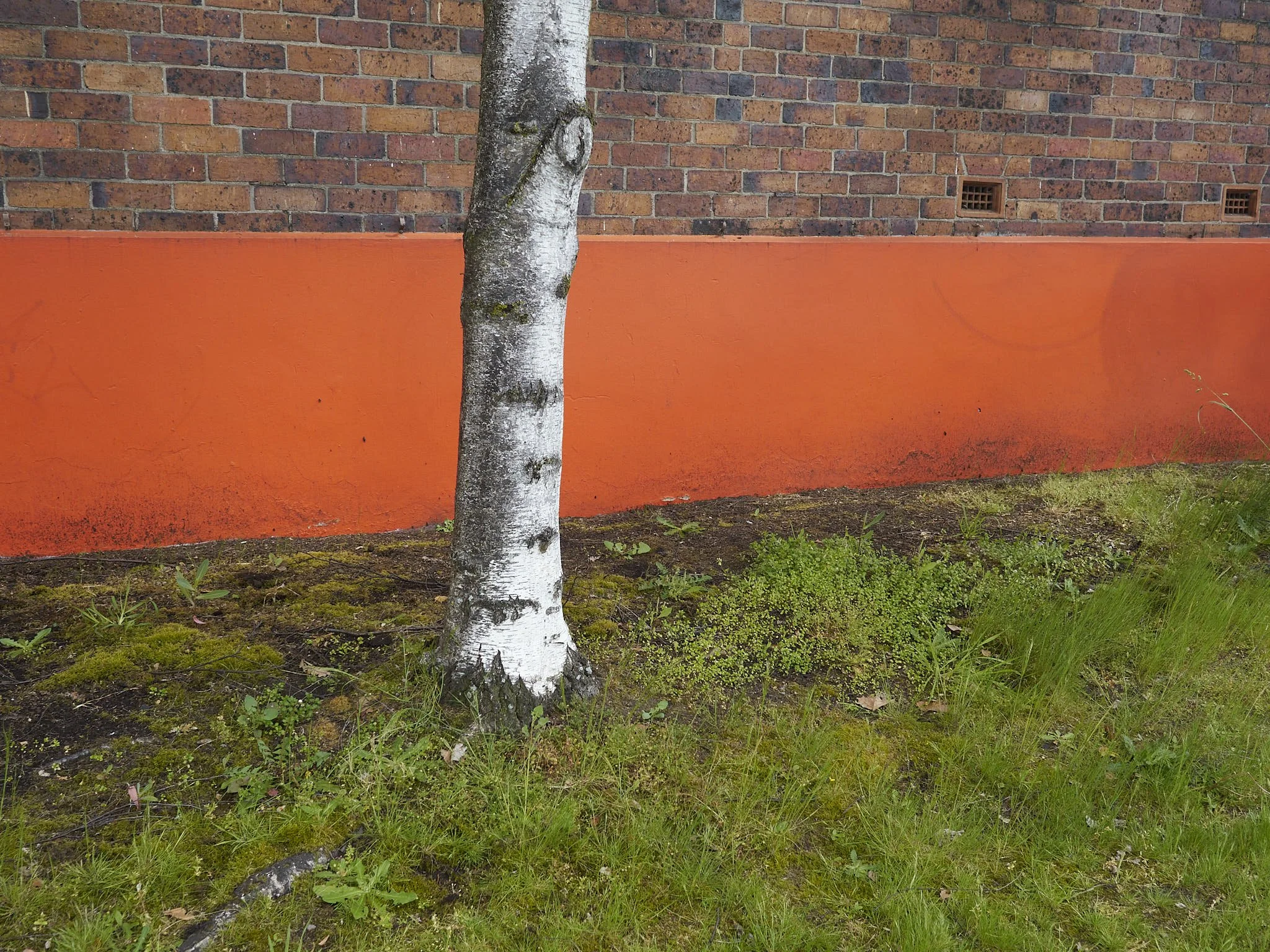

The only manipulations applied apart from Capture One’s baseline were a little highlight recovery (which it does as well as my full frame Lumix), a little white balance and occasional exposure adjustment, usually negative.
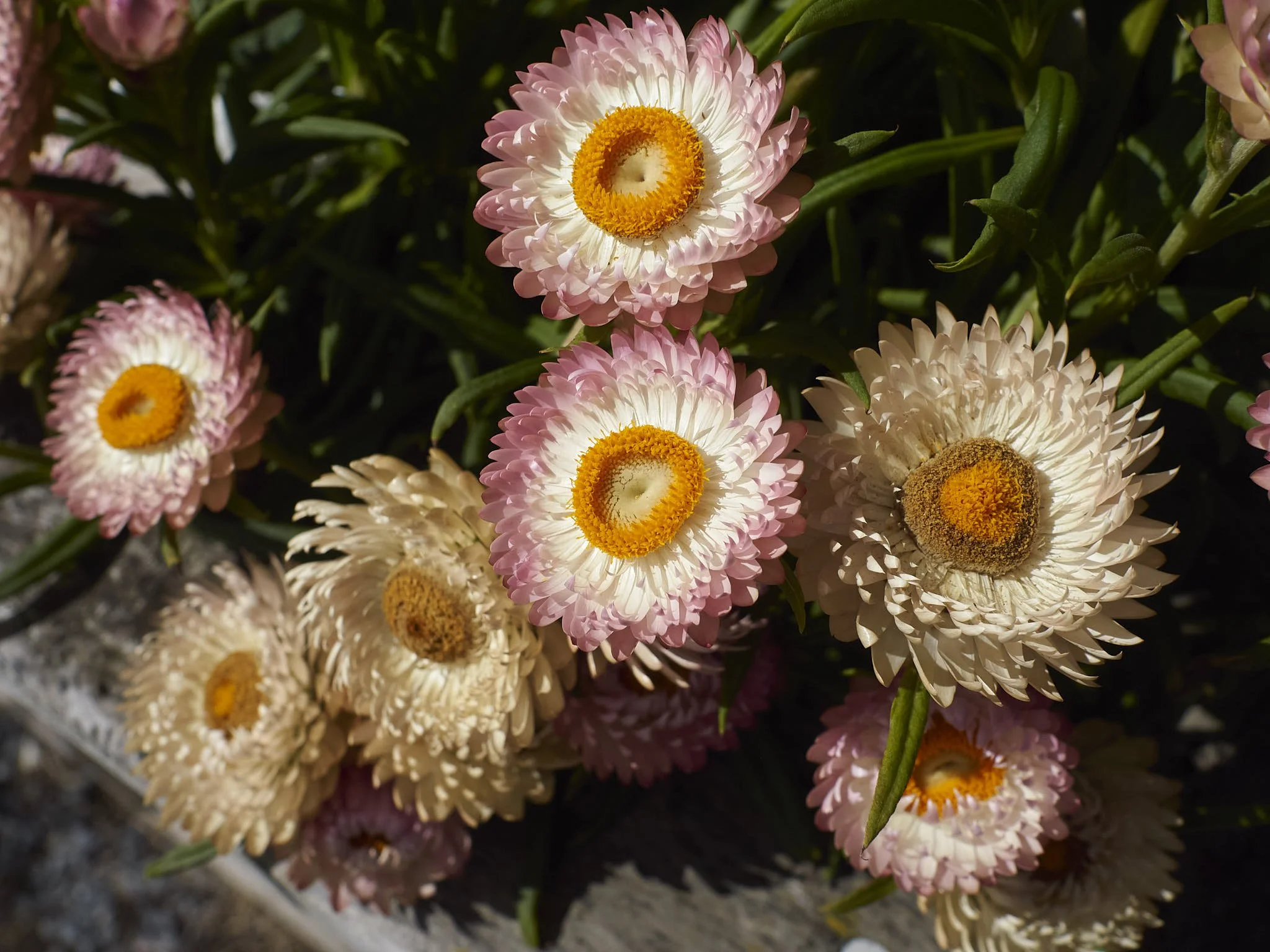
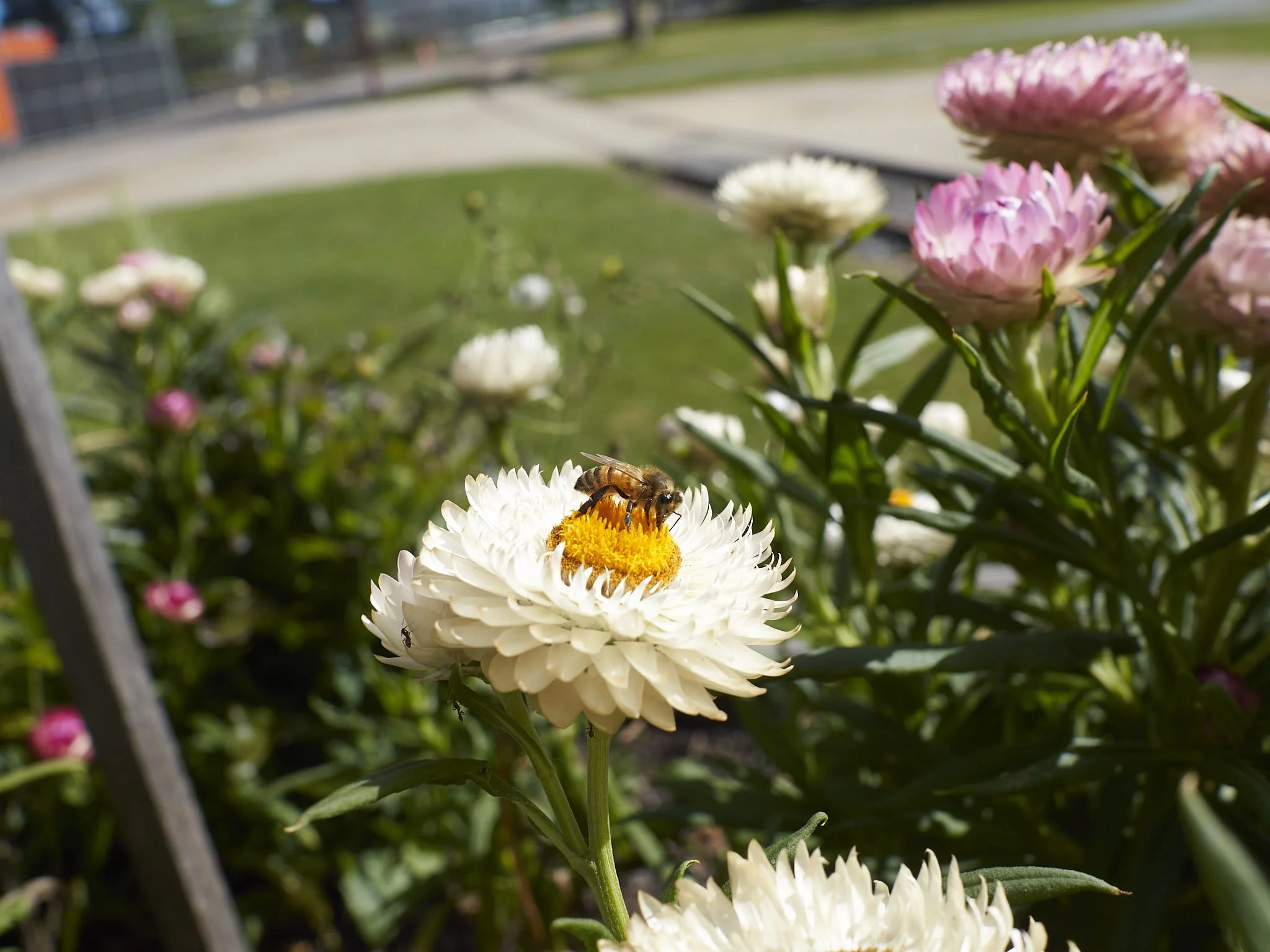
Without any sharpening applied, I get this level of detail from the pairing, even wide open.

The 17mm adds an old fashioned Bokeh rendering which in a nutshell adds smooth transition to a fairly coherent background. No sharp/soft dropoff here, pure storytelling, almost invisible transition, something I really appreciate, as I rarely use shallow depth for cheap effect, almost always as a necessity.
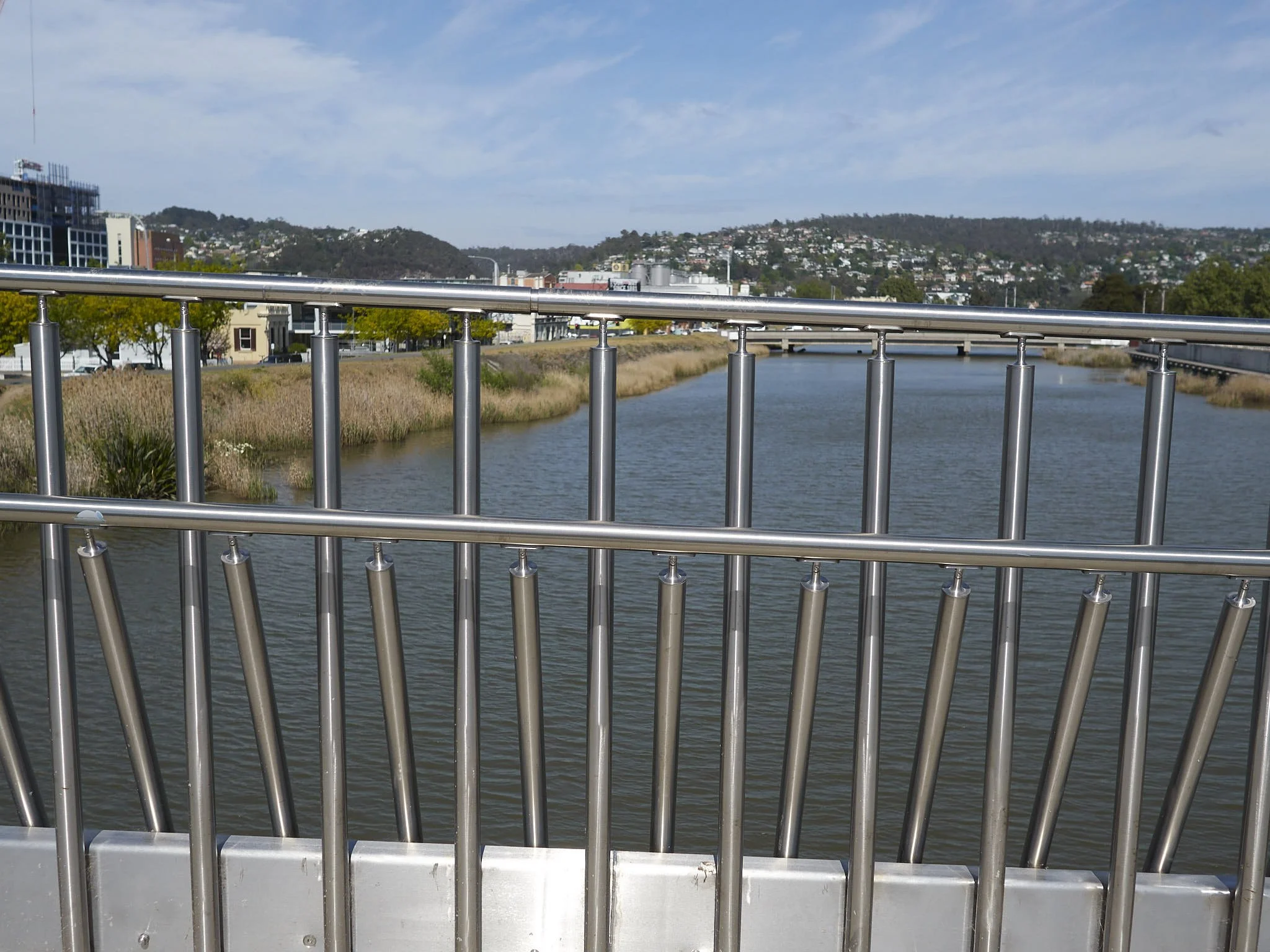
At f4 or 2.8 it is capable of both “snapping” out the point of focus while supporting the eye wandering into the background. That is special and quite different to many super lenses of today. There is a three dimensionality that hides the image making process somewhat, looking more like an eye than a camera.
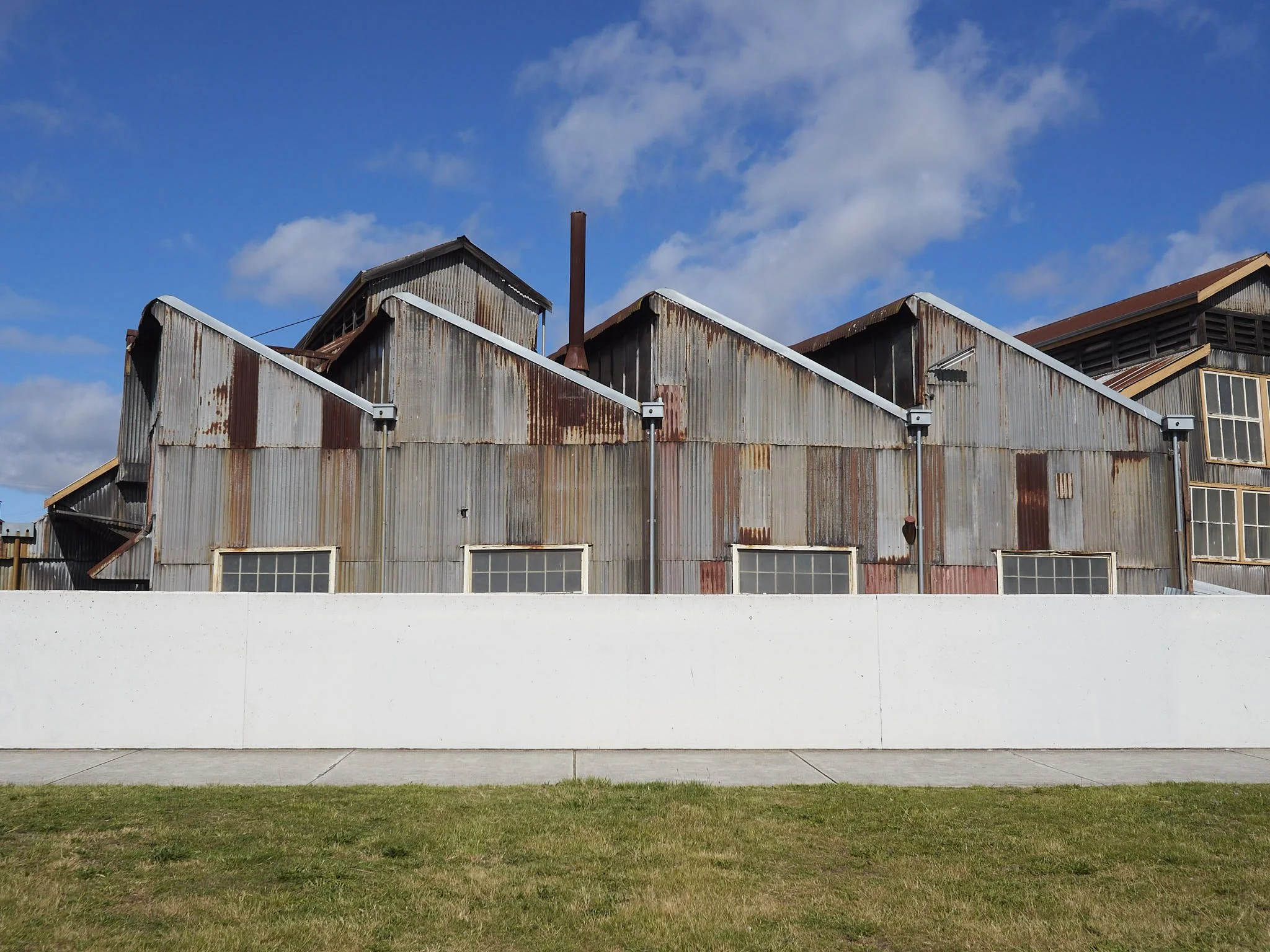
Invisibility is a good thing in image making and videography. Processes that draw attention to themselves are all too common and distract us from what is important, the subject.
The camera is not perfect, I failed to bond with it early appreciating it more as I and it aged and the lens was received with a lot of lukewarm reviews on release, I even resisted it as the only logical option for a long time, but once bought it cemented itself as a favourite.
The Pen F is a special camera, it has a look and feel that pushes you towards using it how it was designed, something that makes sense, but is not often perfected and the lens, the de-facto standard for it is a perfect fit. I also like the 15mm Leica, but it’s more modern rendering is a less useful fit.
The 45mm is also a great option, being less “perfect” than the 75mm, sharing the character of the 17mm to some extent.
My prime kit is now very settled with the 9, 15, 17, 25, 45 and 75 f1.7/8’s a kit that can do anything, but if pushed it is the 17 and 45 on the Pen F for me.
After a couple of jaunts, the camera seems to be working a lot better. Unfortunately my two oldest EM5’s have become unreliable, probably for the same reason. Apart from this and two EM10.2’s that have both developed screen connection issues, I have had very few real issues with Oly or Pana cams no matter how much I abuse them.