Back in the days of yore, the days when 35mm film was the bedrock of photography, your choice of lens was set into stone-like focal lengths. Zooms were rare, often not trusted and sometimes they did fall short in some way compared to zooms*.
The focal lengths made and used were fairly consistent, in part because the format was consistent, but also in part because of long formed habits, expectations or conformity of need.
18mm or wider. Rare and difficult to make, often fish-eye by design. Usually reserved for specialist and when used, they often justified their use by extreme look alone even if edge sharpness was unlikely.
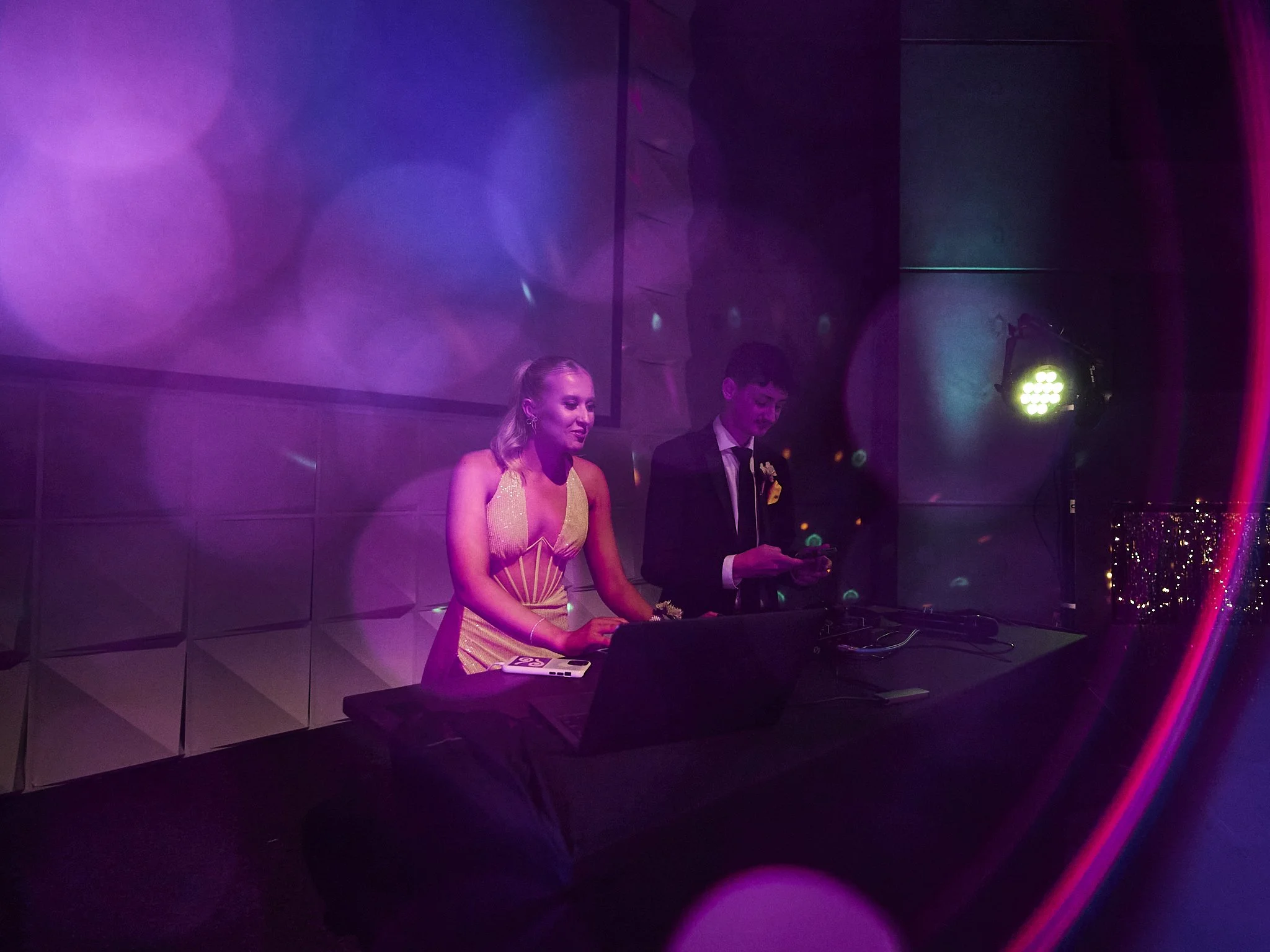
Now super fast, super small, perfectly corrected super wides are a reality.
20-21mm the widest practical length. These straddled the fine line between coverage and obvious distortion, something we were once more sensitive to.
24mm the most common wide angle. This was considered a normal wide, covering a decent area, but without necessarily showing obvious distortion (it could if you wanted, but did not have to). I guess the demise of this as a specialist lens was the 24-70 zoom.
I may be a product of my generation, but for me, anything wider than 24mm rarely appeals, longer lenses are used only by need, rarely for their highly compressed look. My range of choice is interestingly found in a single lens I once owned, the 12-100 Olympus (24-200 equivalent).
28mm the focal length that could not make up its mind if it was wide or not and probably only exists because of the constraints of range finder cameras which limited wide and long options due to parallax and viewfinder constraints. Again, lost in the zoom shuffle.
Some shooters, like Sam Abell of National Geographic used this as their standard, being less prone to distortion than the 24 (although he widened his range in later years).
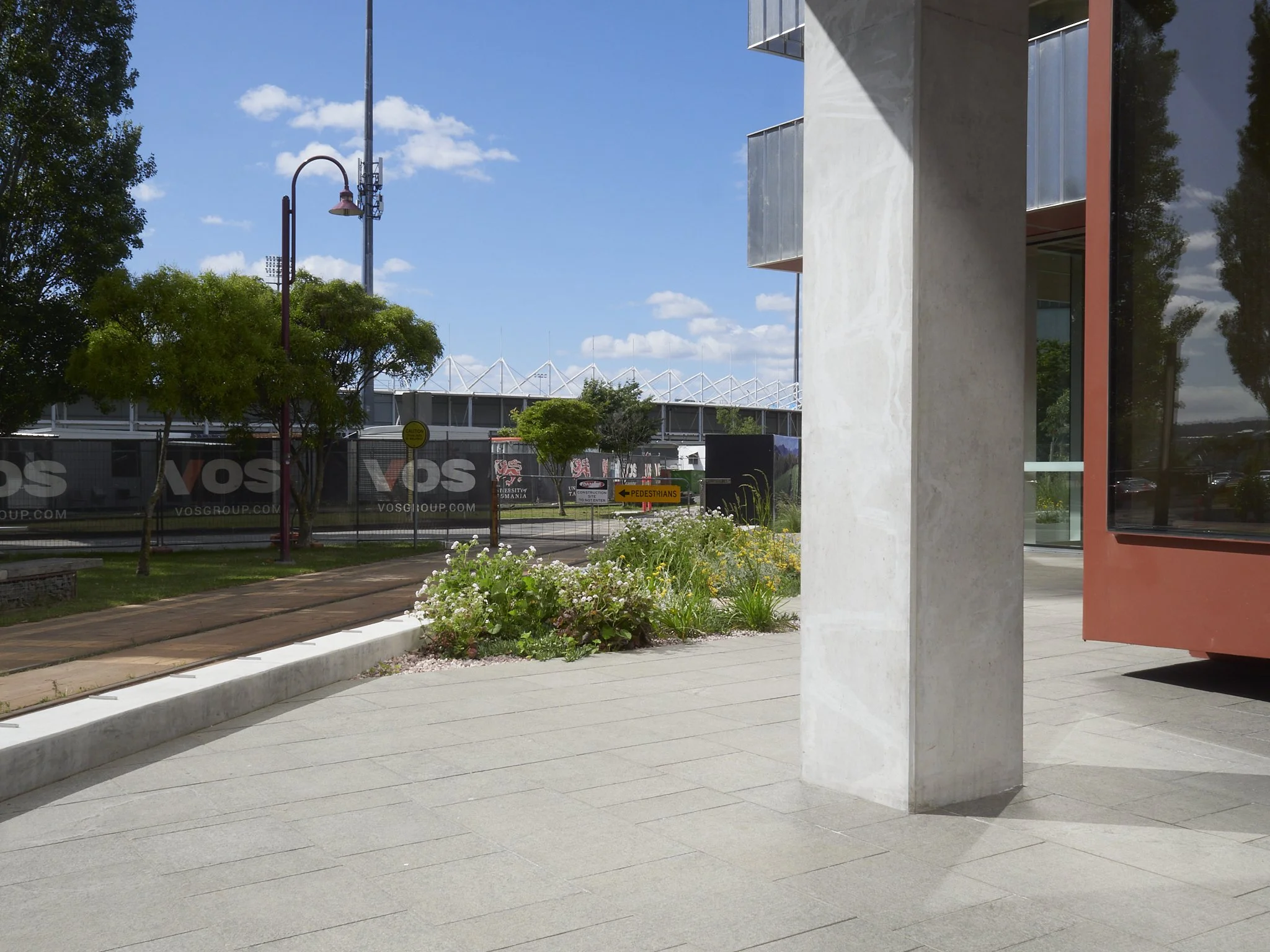
The Olympus 17mm, a 34mm lens equivalent feels right and natural, but the 15mm, a 30mm equivalent does just as well.
35/40mm the wide-normal, low distortion, un-opinionated, the 40mm is the mathematical true normal (42mm). The 35 became the journalists standard, usually mated with a short tele, the 40mm became a rare novelty, a throw back. The 40mm is the only lens that has neither compression or wide distortion effects, a true neutral point.
50/55/60mm the common standard lens the “nifty 50” is actually the first of the portrait lenses, a little tighter and more compressed than the true 40mm standard. The 50mm became the documenter of people in their world, its very natural perspective (slightly more eye-like than the 40), easily handled most situations and was easy to make well. These perfect design parameters made it the first lens for most, bought on the camera, but also considered boring by many.
75/85/90mm the true portrait lens. This one has a small spread, but like the 50mm, they are very easy to make well, so some stellar lenses came from this range. You are now consciously compressing the subject and can easily blur the background. these and the 100mm were of ten the preferred focal length for insect chasing macro lenses, often doing double duty (not that the average model wanted macro level sharpness).
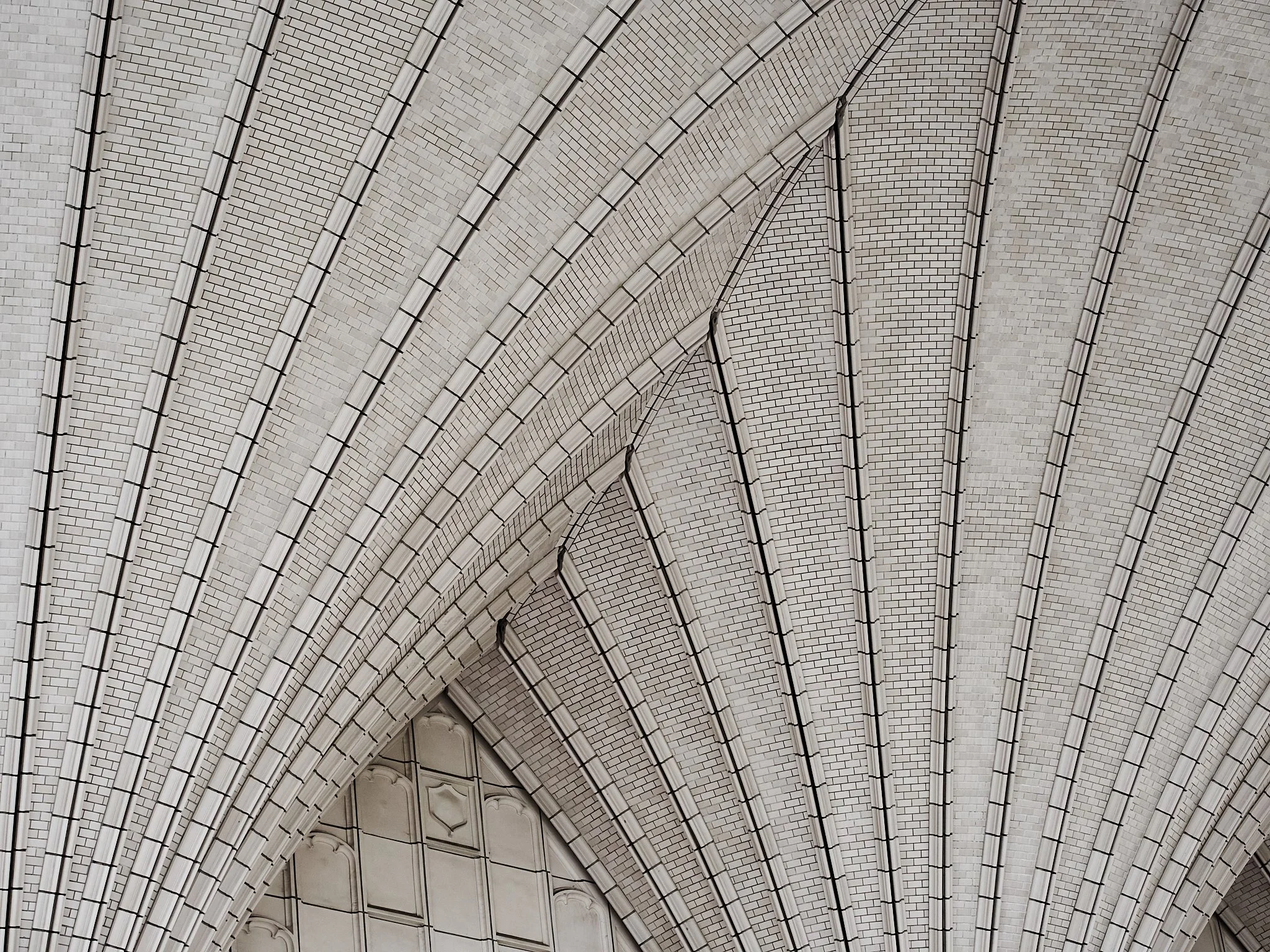
The Olympus 45mm, a 90mm equivalent is a very capable and natural feeling lens.
100/135mm. The 135 was the longest lens a range finder camera could take normally, so it became a standard short tele by default. Odd length for any other reason than that really, a bit like the 28mm, not one thing nor the other and absorbed into the 80-200 zoom. I have put the 100mm into this class as it is noticeably tighter feeling than the short portrait teles.
180/200mm the most common true telephoto, a bit like the 24mm as a wide angle. Amazing to think this used to feel long to most and in a world of slow films and no stabilisers, I guess for many it was and compression has now become a creative tool or hard to avoid reality.
there is a reason the 70-200 zoom has become the professional bedrock, because all the focal lengths it covers were also.
300mm the realistic maximum for most. The f5.6 or f4 versions were the enthusiasts tele, f2.8’s for the professionals.
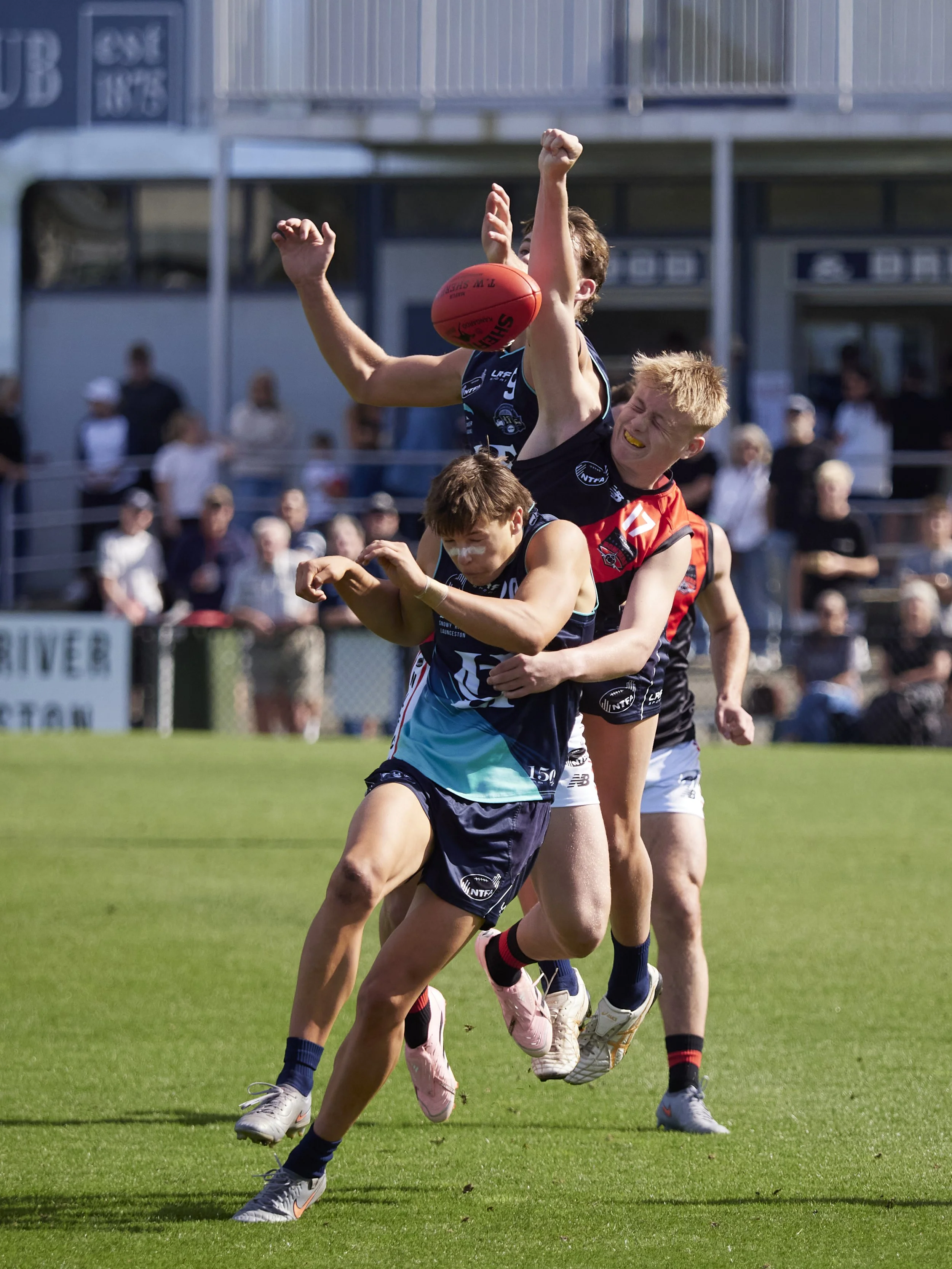
Now just the long end of a decent zoom, 300mm was once my “dream” lens.
400+ the longest lenses, rare and precious.

We can now carry around 6-800mm equivalents effortlessly.
There were some older focal lengths, often made to do the job then measured like the 58mm, or the 40-45mm, but these had mostly gone from common use or in the case of the 40-45mm, popped up as pancake curiosity lenses.
In the current era, lens focal lengths have become less set thanks to zooms, or multiple formats often creating new ones and even some older ones have crept back.
The zoom messed up expectations to some extent, giving us fluidity through the range. Primes became specialist tools either fast, small, macro or extreme (sometimes many of these). Zoom users do become aware that they often gravitate from one end to the other, so effectively just avoid lens changes.
It is true to say, where you to look, you may find that you end up setting the lens to maybe an odd focal length quite often (personally I often find I have chosen something around 28-35 on a standard zoom when I bother to check and it occurs to me, the focal length as marked means little these days with stabiliser cropping, various formats and sensor shapes), that maybe investing in a prime would be a good direction.
The MFT format is squarer, so in some ways, no lens has a direct equivalent in 35mm/full frame, but also, the makers have gone “off grid” to some extent. The 15mm, a 30mm equivalent or the 75, a 150 in full frame. Both f these lenses still feel odd to me in focal length, but the reality is, I use them unconscious of the written values and logic says they are even more legitimate than the 28 or 135.
Generic makers also gave us some oddities, often in an effort to make something useful on multiple formats. The 30mm Sigma is a 60 or 45mm equivalent depending on format, none of which are “normal”.
Add to this are ever more common cinematic lenses, always a mess of choices with multiple formats, anamorphic stretch and more accurate measurements required, often resulting in weird measurements.
The reality is, the mechanics of lens and camera design have always told us what can and cannot be done, but as these limitations reduce, we can make and use what ever is practical.
*A curiosity from this period is the Domke bag range. The original bags (F2) were designed for relatively small-flat cameras (F3 Nikon or F1 Canon, sometimes with motor drives, sometimes not) and a kit of prime lenses (20~24, 28~35, 50~55, 85~90, 180~200). They had relatively flat camera spaces, thin lens compartments and pockets. The big AF then digital camera era, the F4/EOS 1 and big zoom period up until the end of the DSLR’s reign, made many of these bags less useful and new ones were designed (F4 Double AF, F3x). In the mirrorless period, the older bags are back in vogue as cameras and lenses are getting smaller again.