I have been reading sporadically, “The Little Book of Ikigai”. I read books like this, instruction books in a sporadic fashion, because I hate reading serious instruction books and self help books count in that class.
Welcome a a small window into the reality of being me.
On the back is a little blurb that sums up the contents, as far as I have read so far anyway.
Start small
Find your flow
Discover your passion
Look for joy in the little things
My stills journey did this quite organically.
Starting slow was a given. There were few places to gain knowledge quickly and when and where I lived it.
Most of the books I bought in this period (no internet yet-anywhere) were either purely inspiration or general “how to” books, with a few genuinely useful biographies or deeper technical dives, which when mixed with monthly mags built a slow but solid base for learning.
For example it took me years to “get” apertures, depth of field, the quality and qualities of various films and processes, decipher lens design and the best way to handle a camera.
Mentors were few and often all on the same path (weddings etc). I am not saying there were no mentors for me to draw from, there were some, but they were also on a pathway of learning and busy, obsessed by their own work.
Finding my flow and passion were also relatively easy, because I was inspired by the things around me, limited to those things only and my visual inspirations supported that. The weird juxtaposition that is a library of books hoarded on the classic American landscape and wildlife palette or National Geographic magazines and applying that to their Australian equivalents aside, I knew what I wanted to shoot without question, I just needed to work out how to do it.
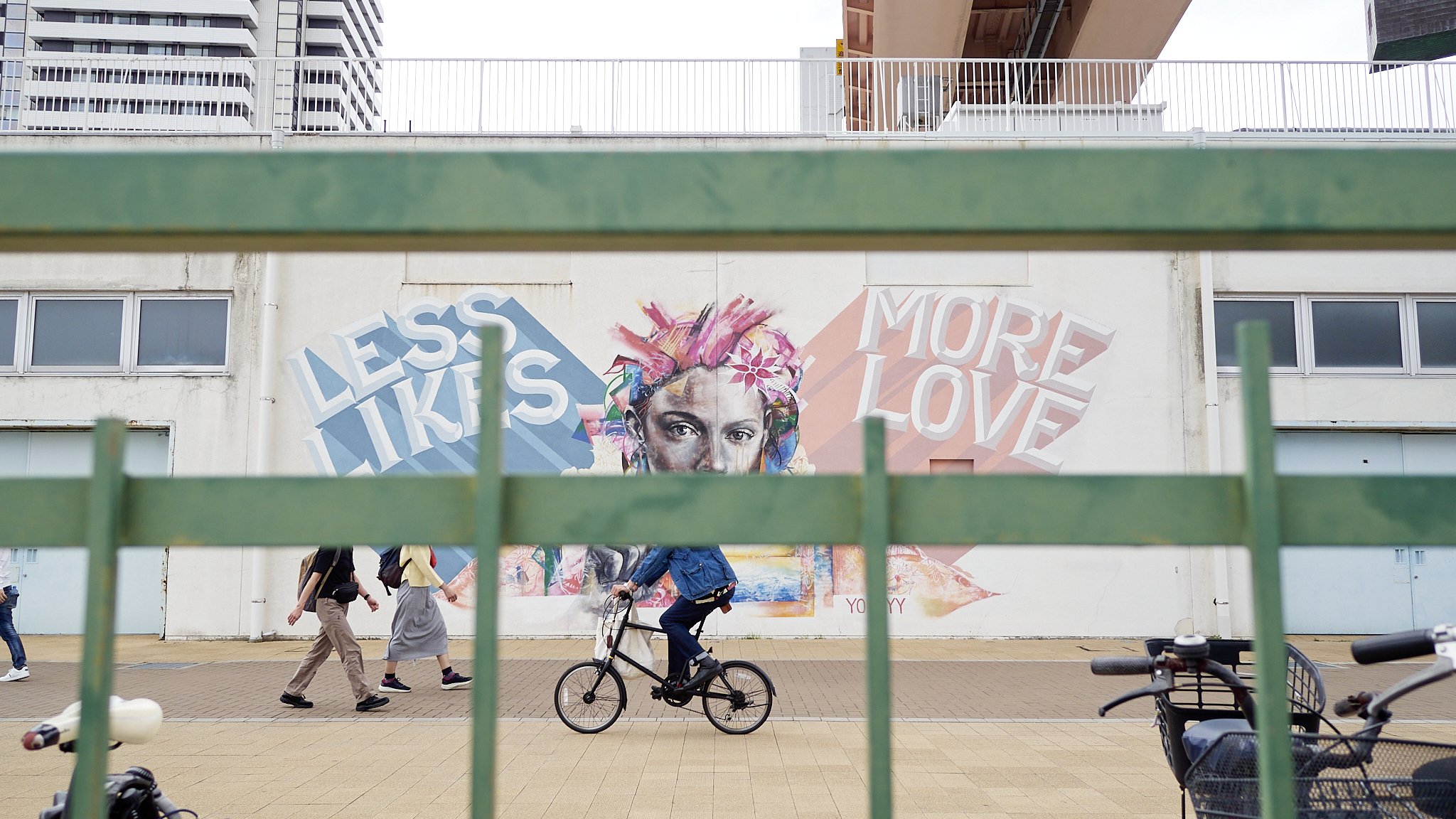
Don’t want to loose my head.
Some context.
There were not many images around in those days in the 80’s to 90’s. Compared to now, a relative drop in the ocean and they were hard to capture well. Getting the shot was often the win, a better shot the province of our betters.
Slow slide film, with the week long processing wait and cost, or black and white and darkroom processes (nobody serious shot in colour neg film) and thin information pathways, all contributed to glacial paced growth.
Professionals were the people who had their film paid for or were lucky enough to have a strong group to share with.
It is not a coincidence that the greats of the early 20th century American art movement often lived close to each other.
The joy in little things is I guess the library of wins I have filed away, the awareness of what makes a difference and knowledge I was doing them well enough.
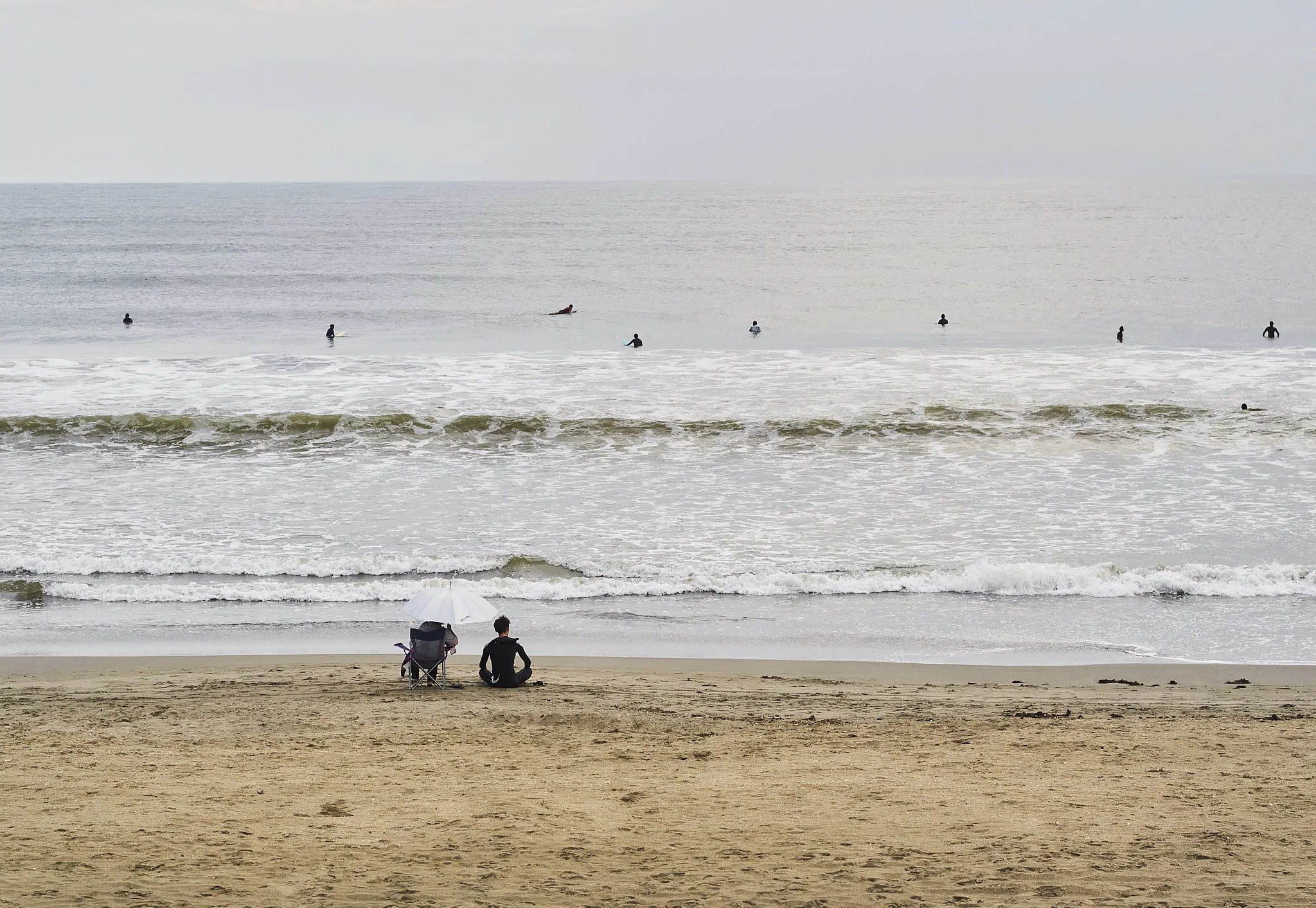
Sometimes it is there to see, but only you can find it.
Video was a very different process.
Start small was a processes of acceleration from a stills knowledge base, a flood of incoming info from various online sources, learning how to get more and better results from gear I had or improving it and learning more (if I had decided not to bother, I may well have been happier).
From curiosity to the beginnings of a new skill set has been too fast I feel. The settled and solid knowledge of fewer but better and more reliable sources to draw from has eluded me. Too many opinions, some erroneous, many circuitous pathways, some genuine confusion, all resulting in time, money and sanity wasted.
The thing that comes home hard is the lasck of curation of opinion. The inability of noted authorities in the field struggling to use correct terminology for depth of field is vexing (”more of a depth of field” is not actually a thing guys) , but only the tip of the iceberg.
Find your flow is probably the key one.
I never really have and it is only recently, when suspecting I would be better off by reducing my expectations, processes, or focus, that I realised I was wearing too many hats, reacting to the ideas of others and forgetting myself completely in the process.
Video is a raft of skill sets from lighting to sound, cinematography, editing, writing, directing. Photography on it’s biggest day is half of that even if you print your work.
Discover your passion was the bit I completely rode rough-shod over.
My passion and my commercial needs have been mostly at odds, but I put commercial needs first, mostly I think to justify my investment. I occasionally get the chance to do something close to my ideal, but not often and when I do, the creative process is rarely in my control.
Is video maybe better as a hobby for me? My stills journey started as a hobby, that was how I learned by being passionate and obsessed, never counting the cost, just enjoying the ride.
Looking for joy in the small things. This is hard to do if you ignore the above.
It is the Ikigai ideal to take joy from all the small parts of the greater thing, elevating that thing from a mundane chore to a form of personal life-art, a study in coordinated perfection, but you do need to identify the what and why first.
I did early on, then I let the doing of it control me.
Is it possible to undo this, or even better to have avoided it in the first place?
Doing things the old way is pointless, those days are gone, but lessons can be learned. There are many more pathways to knowledge, especially in this world, but greater restraint needs to be applied. I need to be more discerning and patient.
I am intending to pull back, to try to find my feet and regain control of this mess.
A couple of take ways from this retrospective of my journey are;
Don’t be a slave to the physical camera, codec, rigging and ergonomics of the process. I tend to make rigs around my Video Assists, but prefer to shoot at eye level, so two incompatible processes battling each other. I do not for example have to frame and focus using a screen, I can use the eye viewer and simply record to the BMVA.
Less is more when chasing information. I can spend a wasted day trawling the internet jumping from one video to another, often contradicting each other. Find valuable, consistent and professional sources that align with my world view and don’t get distracted.
Do more, read less. This is the most valuable lesson from my past. The internet is best at finding the answers to the questions you need answered, at it’s worst answering questions you did not even know you needed to know, or why. Watching videos does not get any work done.
Do not spend a penny more. I have more than enough gear to produce a decent Indie flick, commercial work or personal project, I just need to use it better.
If it does not fit in my life or work, cut it loose. Do what you do well, avoid time wasting traps. I need to be aware of my role in all this. I am a decent cinematographer, have a working understanding of lighting and sound. I am not a wizz at editing and have limited interest there. I will make a three camera capture make sense, colour grade, clean up nasties, but I will leave clever transitions and special effects to the experts. These people are often not “front end” interested, so each to their own.
A good start?
I hope so.