So my friend James loaned me his pair of Typoch Simera (non-C/cinema lenses) for a play. M-Mount on an L-Mount camera, so kind of in the same family.
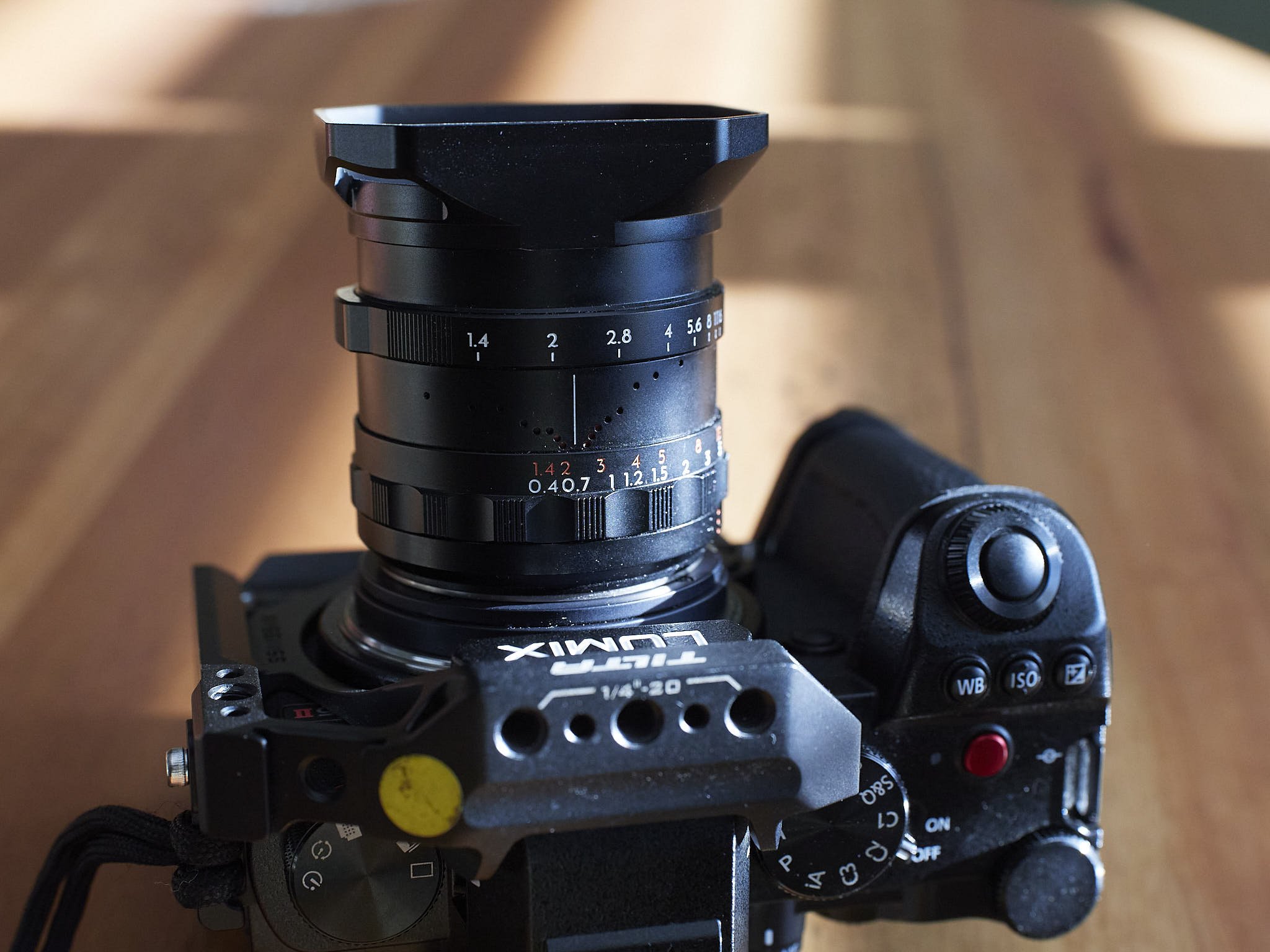
Lovely Novoflex mount, very tight and clean both sides, a good start. The shots of lens and camera were taken with the Hope 25 on a G9.
Something I did notice right away is my hand held preference for the focus ring at the rear so I can cradle the camera while focussing and the aperture ring well out in front, clearly visible, but out of harms reach (harm being me). This was something I really liked about Olympus OM lenses back in the day.
Cine lenses are all designed the same way and standardised, toothed aperture ring to the back, focus forward but this often makes hand held use a little cack-handed, with the focus ring well forward and the aperture ring out of sight under the camera body and easy to bump (I do it regularly over several series of lenses, so its a thing) and with mechanical lenses, you sometimes don’t realise it has shifted.
With one set of lenses, I often shift aperture instead of the focus ring as they are quite close together and feel similar.
It’s funny how sometimes we react to certain dynamics without realising until an alternative is presented. I had a tendency to go to stills lenses for run-n-gun work, because they gave me aperture feedback and required clicked aperture changes, neither of which are cine lens things. The Panasonic glass can also be electronically set to long-linear throw, which is ideal.
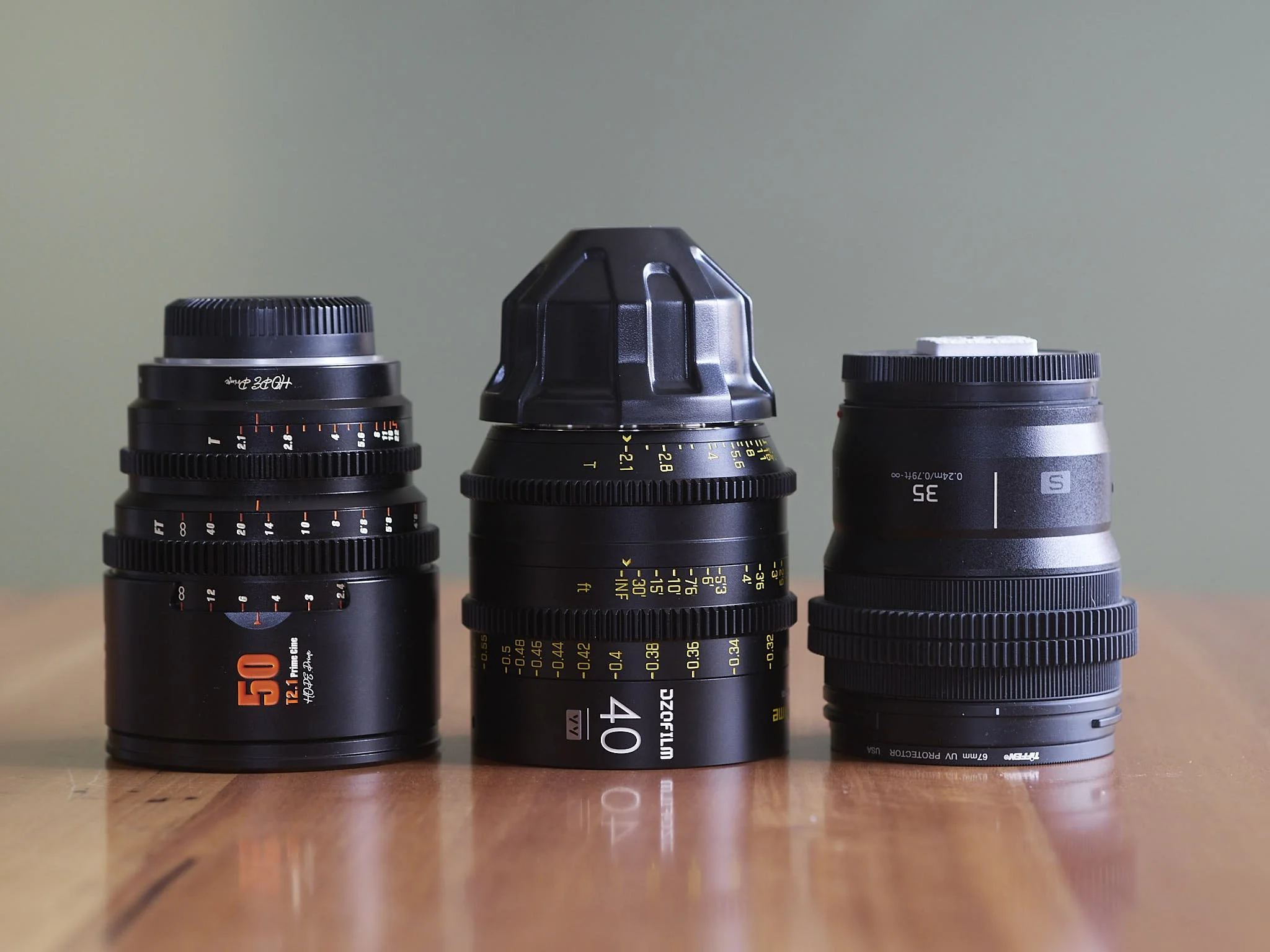
Both cine lenses have their aperture rings to the rear. The Vespid ring in particular is invisible to me while shooting hand held and its focus ring is well forward, which necessitates a handle on the camera for best balance. The S-prime works like a stills lens (with 270 degree linear throw), which is sometimes cleaner and better for me.
I randomly chose the 75 and used my handily arranged Autumn garden studio. Most images are shot at between f1.4 and f2, f4 for the odd deeper depth one (how I would use it for video). No notes taken and a day so forgive the generalisations.

Well, aren’t we the little gem.

Wide open, smooth and sharp.

Even nicer at f4.

The 75 instantly cemented itself with me as a stellar portrait lens.
Next the 28, the lens that to be honest, I would be seriously interested in as a cine option.
A 28 is almost the perfect all-rounder for me and hard to find elsewhere.
A full frame 28 is the widest normal lens I like, one of the reasons I went with the 28-70 Sigma, giving some width with minimal distortion. On APS-c it becomes the true normal, a 42mm, on MFT 1.8x crop it is a 50 and on MFT 2x it is close to 60mm. The M-mount is also a tight, low profile and clean adapter and not too crazily priced.

The 28 is also a bit special.

Sharp wide open even when cropped tight and I will admit, my manual focussing was a bit loose.

Same as above at f4, the perfect bland of snappy sharp and smoothly blurred.

F4 again, fast becoming my favourite full frame aperture (about the same as f1.8-2 in MFT, so no coincidence).
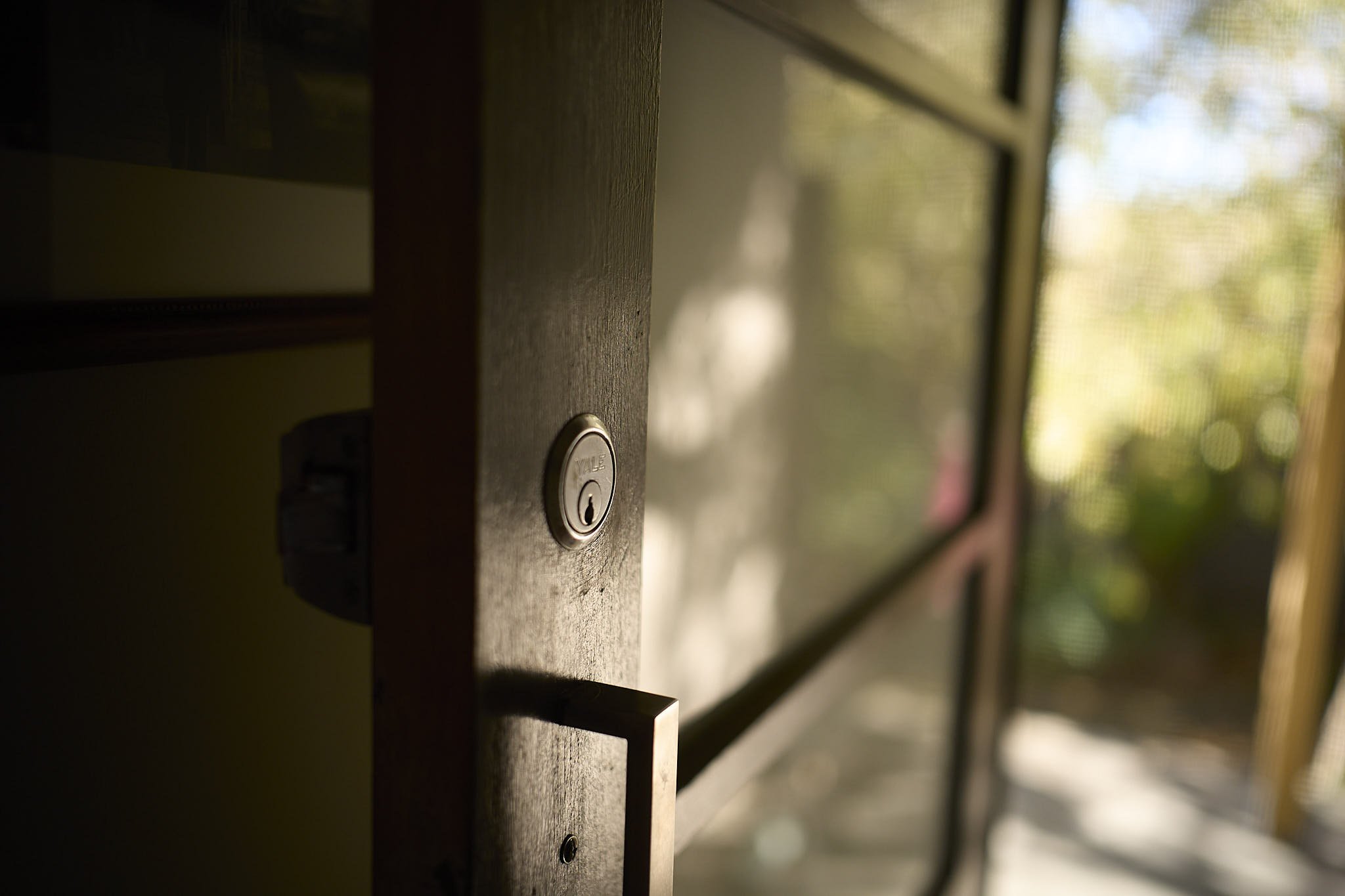
Wide open Bokeh, my focus missed the lock slightly. Very, very gentle looking image, light and bright with a harmonious smoothness, music to a cinematographers ears (or eyes I guess).
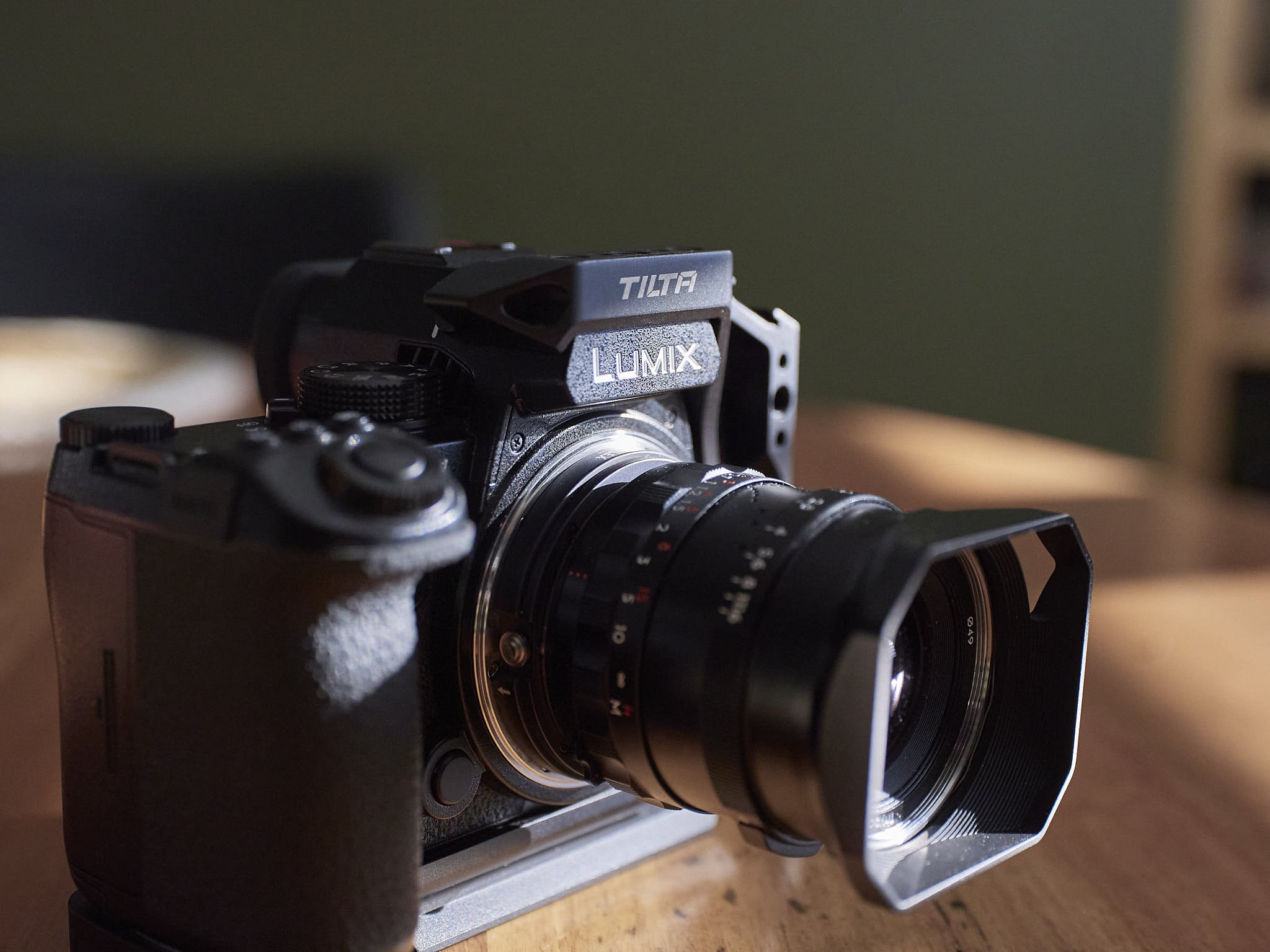
It looks and feels nice in this space. Trying to tell me something?
I am torn on what my next move should be.
The Vespid 40mm has been a find, a real find, finally settling my full frame video kit down with a “one lens that is two at 40 & 60mm” and matches or betters my excellent MFT Hope lenses, but where to next?
The Vespid 25mm ($1200au) would fit well and is nicely priced. I have the PL-L-mount adapter, a MFT-PL would then be a logical addition as the 25 would add several needed focal lengths (25/37+45/50). This would also fix my only problem with the S5, which only outputs B-Raw smaller than 5.9k (in C4k) in APS-c format.
The Vespid II 24mm ($1700) on the other hand is only 40% dearer and upgrades the cine lens experience to close to Arles level, so I would have, I guess, a similar lens to the 40mm with a more restrained and refined character and better corrections.
Both of these have to be looked at side by side with the 25 Hope, which for MFT does the same job, so I am actually covered here, making a good argument for sticking to a single Vespid in full frame.
The Typoch Simera-C 28mm ($1300au + $100-280 adapter = $1400-1600) did not appeal mainly because it is a different mount. A series made to be the equal of the Vespid I’s optically, with some benefits (smaller and faster) and minor short comings normal for smaller lenses and their price is actually a little dearer than their Vespid I equivalents.
A 28mm appeals on many levels, but neither of the Vespid series have one.
The Simera 28mm (non-c) are cheaper ($670au + $100-280 for the adapter = $800-950) but the same optics, and as I said above, I actually like their back to front configuration for hand held work.
Focus throw is nothing like a cine lens at 240+ degrees, the longer distances in particular are quite squished, but I have managed before with other stills lenses and these are better than most.
The aperture can be de-clicked, especially helpful when you can actually see it!
Leaning towards nothing right now (maybe a 25/24 Vespid on sale), because the 40mm did what I needed, but thanks again to James for sewing another seed.