I have been looking at a lot of lens videos lately, too many I know, but Bokeh has once again risen to the top as my pet peeve.
It’s not that I am not a believer, I was there at the beginning (have the original Photo Techniques mag that started it all) and it is certainly not that I don’t subscribe to the need to balance the quality of Bokeh with sharpness and other elements of a lens.
I am there, full noise, total commitment, I buy glass with it as a major consideration.
I do feel though that there is a lot of science being applied to something that simply is and should be appreciated for that.
Even Gerald Undone has something to say here (about 71/2 mins in) https://www.youtube.com/watch?v=cwUg3XWZttI
Bokeh to me, is an art form. It is a perception of a reality, an impression, something that cannot be quantified mathematically, just appreciated or not.
To me there are only three types of Bokeh.
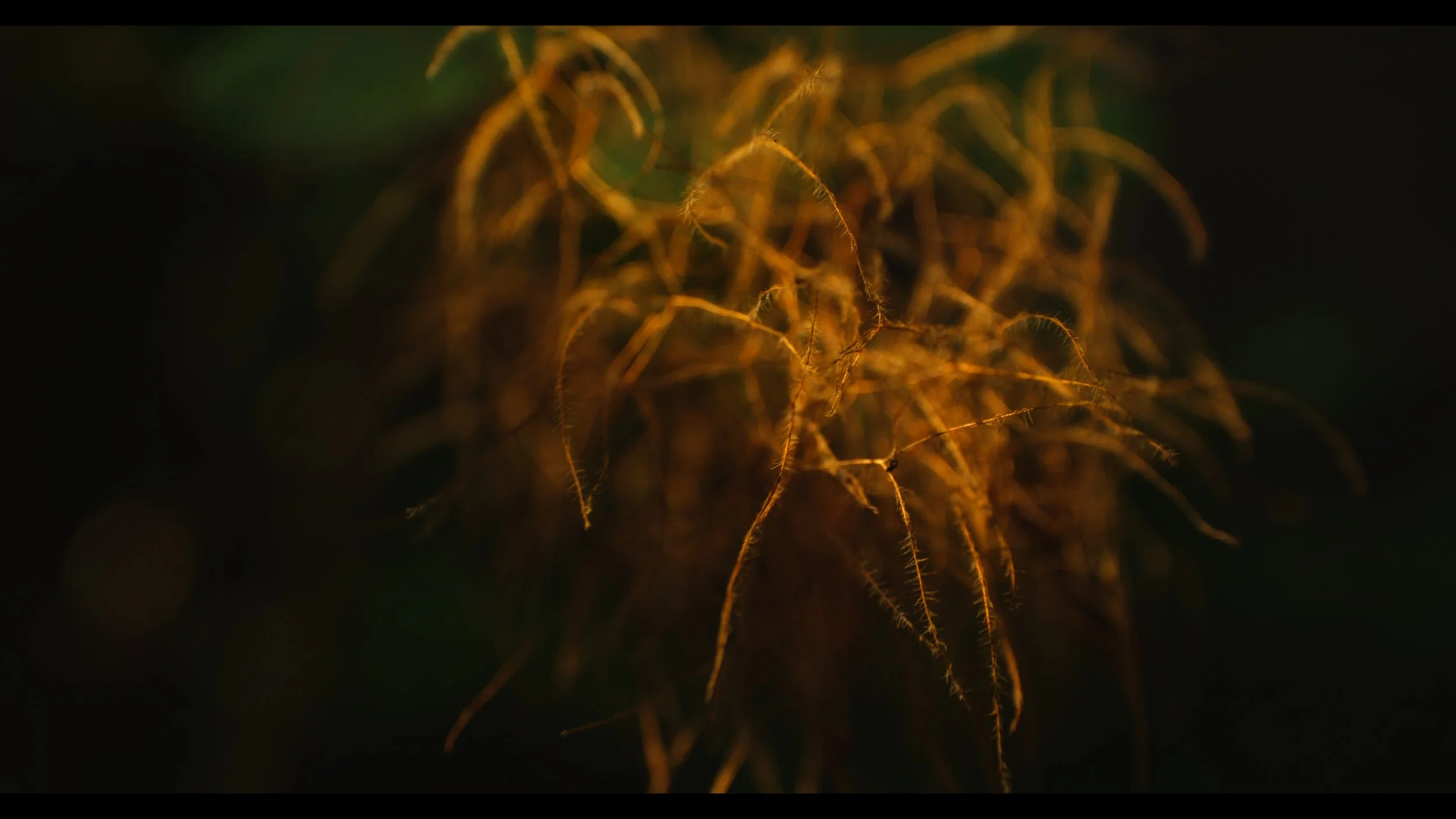
Good Bokeh, the Bokeh that lifts an image to another level. Like distracting Bokeh below, it is part of the image, but in an exceptional way.
Bokeh that does no harm, or “invisible” Bokeh.
Bad or interesting Bokeh that distracts, intentionally or not, from the main subject of the image, making the rendering part of the experience.
This is when Bokeh is a neutral element of the image, not distracting, but also not as perfect as it could be. You are drawn to the sharp elements in contrast to the soft.

The same lens, Bokeh just being itself, not good or bad. In the past, the draw of the lens would only have been worthy of comment in comparison to another lens.

The Sigma 28-70 is a safe bet. Everything about that lens is safe and reliable, just not my style sometimes.

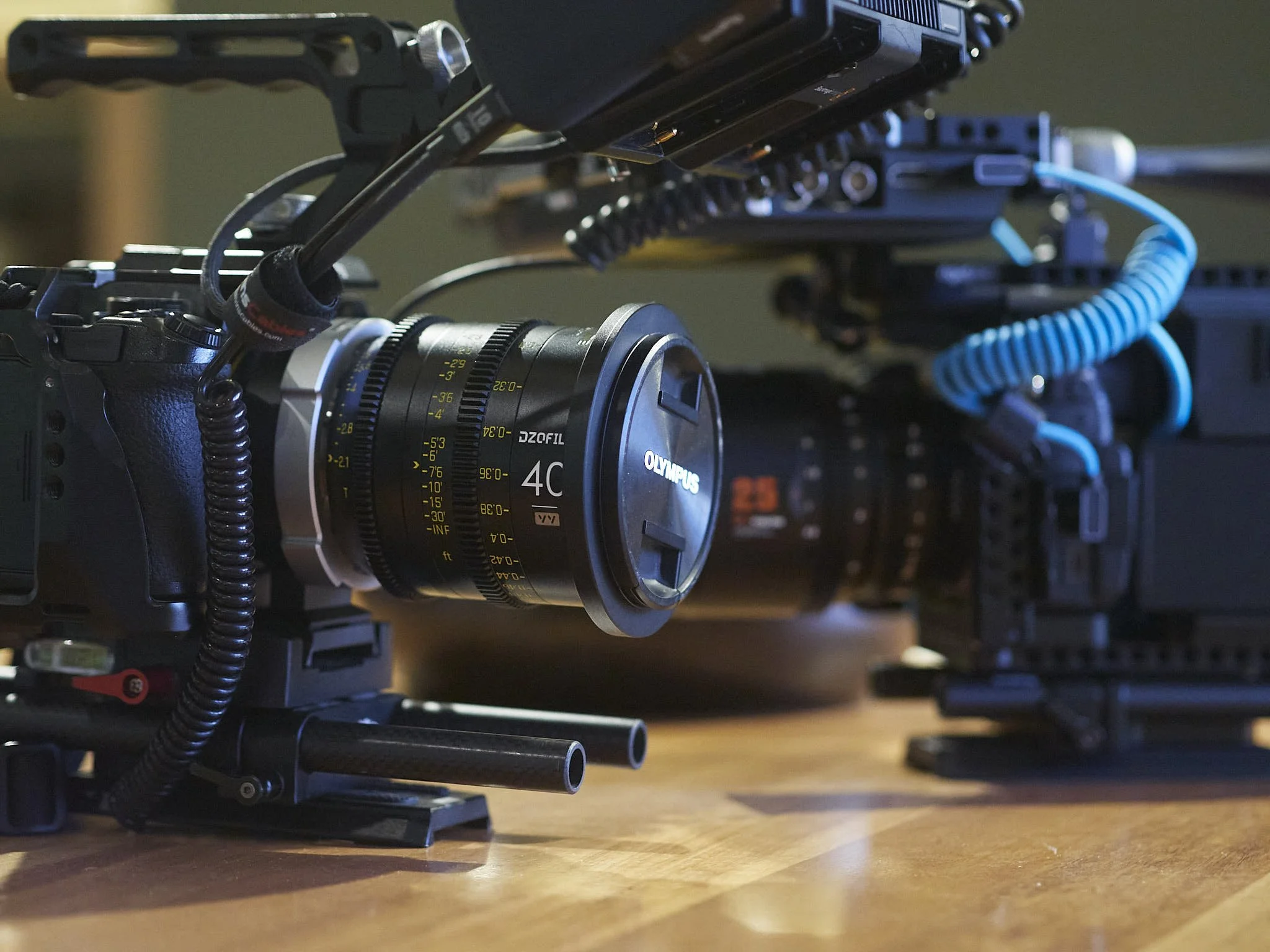
A kit Olympus telephoto can provide Bokeh and good blur at that. I often shoot through things with this lens, responding to the quality of the foreground. This happens, we all do it, responding instinctively to lens rendering strengths and weaknesses we see, but don’t notice.
The Bokeh in this shot is ok, but not perfect. The slightly nervous look causes me some mild concern and awareness of the lens used. This was taken with the Olympus 45 f1.8 at f2, usually reliably excellent.

The 28mm Thypoch, a special lens in many ways.

My Spectrum 50mm is a cheap cine lens, but one thing they did well was Bokeh rendering. It is less interesting and delicate than the Vespid, but no less beautiful.

Good Bokeh can come from funny places. This is my excellent 20-60 Panasonic kit lens.
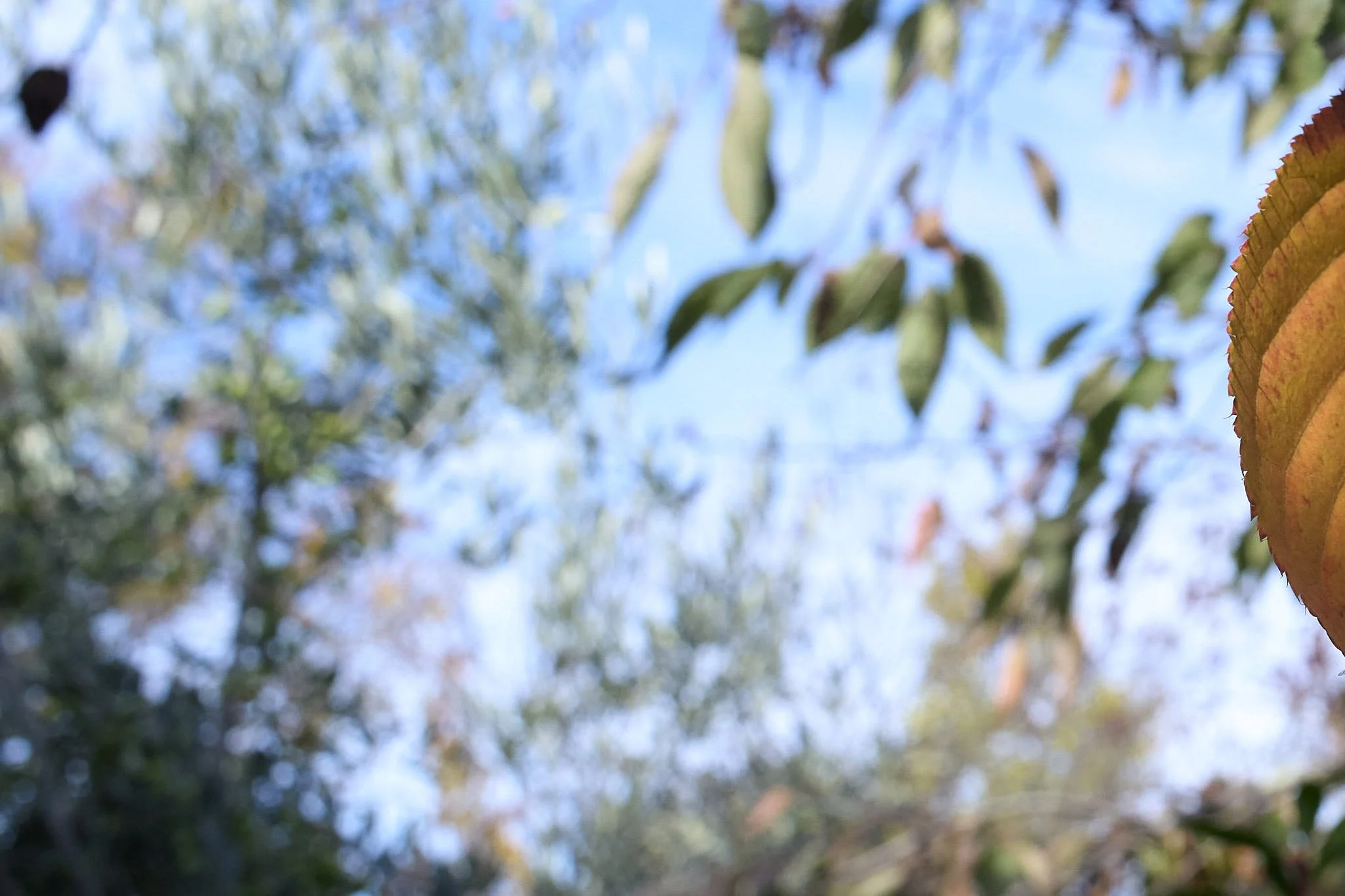
Some old school funky stuff from an antique Nikkor 28mm. The price paid for a sharp bit of legacy glass. A little Ni-Sen maybe.
The Japanese have a saying “weather is”, meaning it is going to be in some form, like it or not, just accept it.
Bokeh is the same.
Some Bokeh makes you want to avoid it, some times draws you in like flies to honey (no law what type of honey you are after), some elevates, some distracts, some goes by unnoticed, some intrigues.
It always is, you just have to decide how you want to control it and whether you like it or not and even before the phenomenon was named up, we reacted to it.
Science is not a good measure of Bokeh, instincts are better.
I remember reading the original article by John Kennerdell and Mike Johnson in Darkroon and Creative Camera Techniques magazine back in the early 90’s with wondrous eyes https://www.ppa.com/ppmag/articles/the-art-of-the-bokeh.
The whole edition of the mag was dedicated to this mysterious term from Japan, the only bit I was less enthusiastic for, and I don’t think I ever read it, was the technical break down.
Bokeh is not just the shapes of highlight blurr-balls in wide open night time photos, it is present in every image ever made to some extent, any image where one part is slightly less in focus than another.
Both Kennerdell and Johnson championed deeper depth of field Bokeh in later editions of that and other mags or Johnson’s The Online Photographer blog and went to great lengths to explain that it is a universal phenomenon, not just an extreme gimmick.