The EM1x is a curious beast and a beast it is.
Made to be the ultimate flagship for Olympus prior to the Tokyo Olympics, unfortunately cancelled due to COVID, timing proving to be a b*tch there, is was the physical equal to a Nikon D6 or Canon 1Dx, could actually out-strip either camera in buffer and frame rate, match or exceed them in resolution and other performance parameters, while providing the MFT advantage of small, but very powerful lenses.
Size.
At launch, the big sell of MFT was size, or lack there of, so a camera as big as a full frame SLR (technically not, but similar to look at), for a system of small everything else seemed to be an odd fit. Ironically, as the mirrorless = smaller myth has started to shift, the EM1x style cam is back in fashion.
Depends who you ask on that front I guess.
Handy.
As a medium to large hand sized male, one who dislikes clutter and has come to loathe cameras with poor interface options, the EM1x was and is a revelation.
It is the most comfortable camera I have ever held (the G9 was the previous winner). The grip is perfect for any hand that has tried it, that I have seen, even smaller ones.
Balance with a decently heavy lens (40-150 f2.8, 300 f4 etc) is perfect, required even. With smaller lenses it feels like a solid base, a concrete pedestal to place a fragile vase on, even a tiny lens like the 17 f1.8. Ironically, the extra size means you rarely encroach on the lenses view, something I tend to do with smaller cameras.
Intuitive.
The layout is devoid of clutter and every button seems to be in the right place (for me anyway) and that is compared to many cameras that have come before. The previous king there is the G9 Mk1, but that camera lacks the performance of the EM1x.
If you add a battery grip to another EM1# cam wouldn’t you have the same thing?
Not by a long shot. Adding a grip means duplication of buttons, you have to remove the grip to get the camera battery out, the combination is no smaller than the EM1x and I have found there is a difference in handling and feel, especially the second shutter button.
Focused.
AF is the pride point of the Em1x, the choices in shape and speed being the two big ones. I can configure the EM1x’s AF to almost any shape I would want, certainly enough options, so I can have varying AF clusters, with varying group locations.
For example, for football I do not rely in the always hard to control face detect system (which face???), but instead set a cluster of three single boxes stacked. This creates a shape about the size of a human or their torso if closer.
I then select five columns across the frame for these to land in, so a middle, mid left/right and far left/right. This means I can flick it across the frame in one or two movements of the thumb nubbin, something I can do instinctively as I compose. On the EM1 Mk2 for example (a tough example, but the one I have), you have to engage the four-way pointer and push it 2-5 times, moving the far less ideal 5 point cluster.
There are many other AF options including subject tracking etc, but for me, the ability to pin point my subject and track them without hesitation is all I need.
Responsive.
They are fast. Fast to accept commands, fast to turn on, fast to focus and fire. The whole process can seem like an extension of yourself. The AF and shutter button (on all three I have) are soft, but sure to touch. I did try a second hand one recently and the tell that it was close to clapped out was sticky buttons.
They fire like a hair trigger rifle, with just a thought it seems and the buffer, not that I use it, is bottomless.
No buffer? Yep, they are so fast and sure of themselves, that I fire single shots only, no need for bursts.
I get annoyed when I miss shots, but not with the camera, always with myself. The camera is faster and more accurate than me. I have taken shots that went from noticing their potential, turning on the camera while raising it to my eye and taking in a bit over a second. That fast. An EM1 Mk2 has a slight delay turning on, a G9 even longer.
Tough.
They are tough. The build is reassuring, like an old Canon F1 reassuring (without the weight), the shutter is rated at 400k fires, but I have over 1 million files each out of my two EM1.2’s which are rated lower, so I doubt that will be a thing. The electronic shutter is almost always usable, banding and colour shifts almost never occurring*
Weather proofing is an Olympus speciality, so it is fair to assume, and I have proven this only recently, that heavy rain and their flag ship cam will not be an issue.
Relevant.
Is 20mp enough for most jobs?
Yes it is. I remember a while ago a Nikon rep telling the news paper photographer pool that the big advantage of the Z9 was the ability to crop down to 20mp (ish) in APS-c mode, acting like a 2x teleconverter for their very expensive 300, because “anything over 20mp is wasted on print or web media”. Expensive way to get a cropped 20mp, 600mm I thought, with basically the same sitting in my bag not ten feet away.
I have cropped my images, even “stressed” ones taken in poor light at higher ISO’s down to 25% their original size and filled a back page of the paper. No complaints or even comments on the quality (which far exceeded the medium).
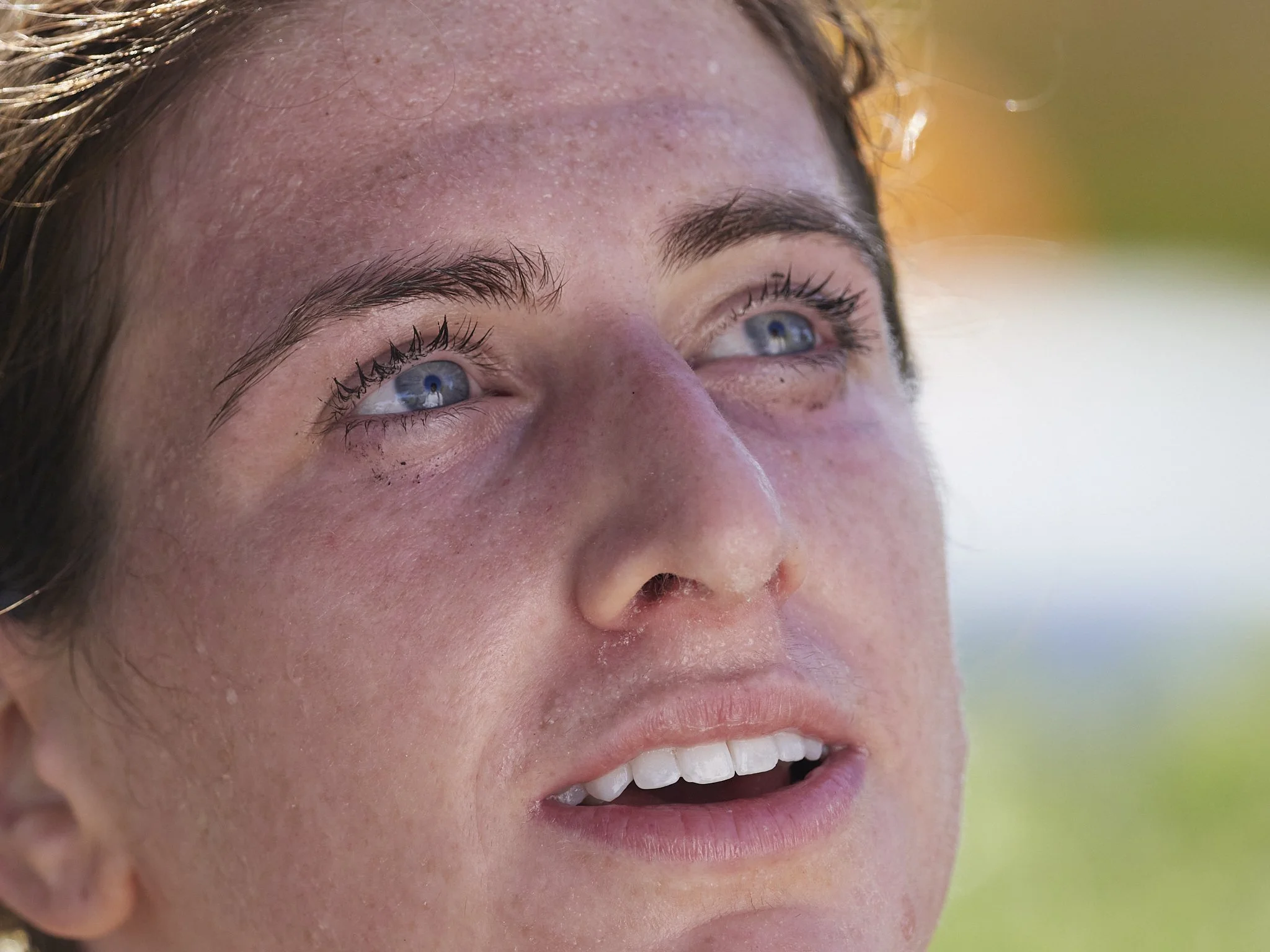
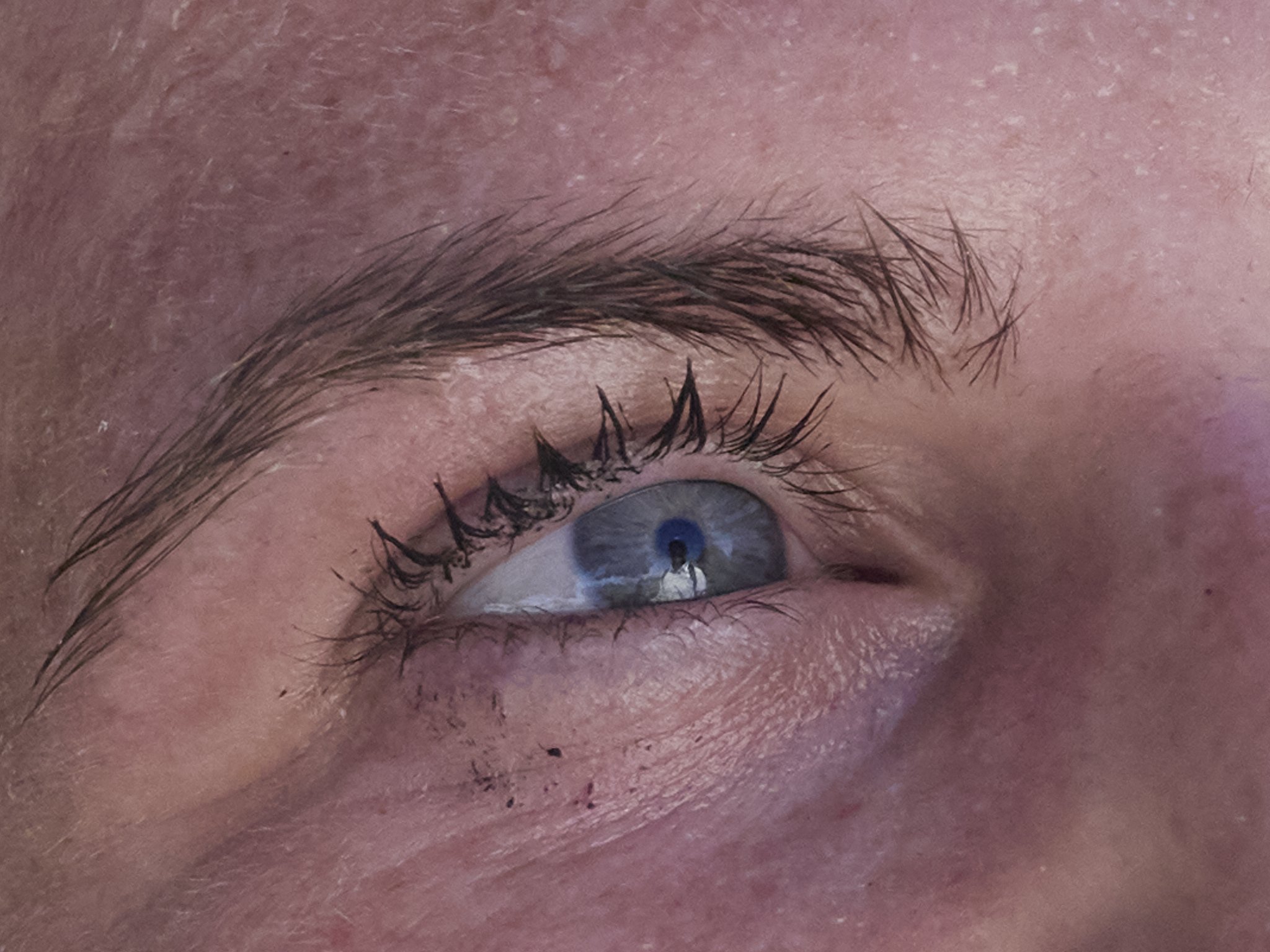
Taken on a hand held 600mm equivalent.
Cheap.
A pro grade sports camera for $1k? I have three of these, the total butchers bill, including the full price one bought on release, is $5k au, or less than the price of a second hand Z9. That means I can have one glued to my 300mm, one for shorter lenses and a third mated to my new 100-400, each learning their role (their second processor is for learning AF, lately called AI), so each is specialist camera for its role, setup to succeed.
When I shoot most sports I use 2 cameras, maybe a third in a bag with a wide angle lens (a G9 usually). Thanks to the size of the lenses (the real size benefit), I can run in full frame terms a 600 f4 + 80-300 f2.8 (field), or a 150 f1.8 + 50 f1.8 or 80-300 f2.8 + 24-80 f2.8 (indoor), or a 600 f4, 80-300 f4 and 16-35 f2.8~4 (event), with less to worry about than a full frame shooter with a single monster tele.
It is no exaggeration to say you could kit yourself out for all sports with multiple bodies for under 10k au.
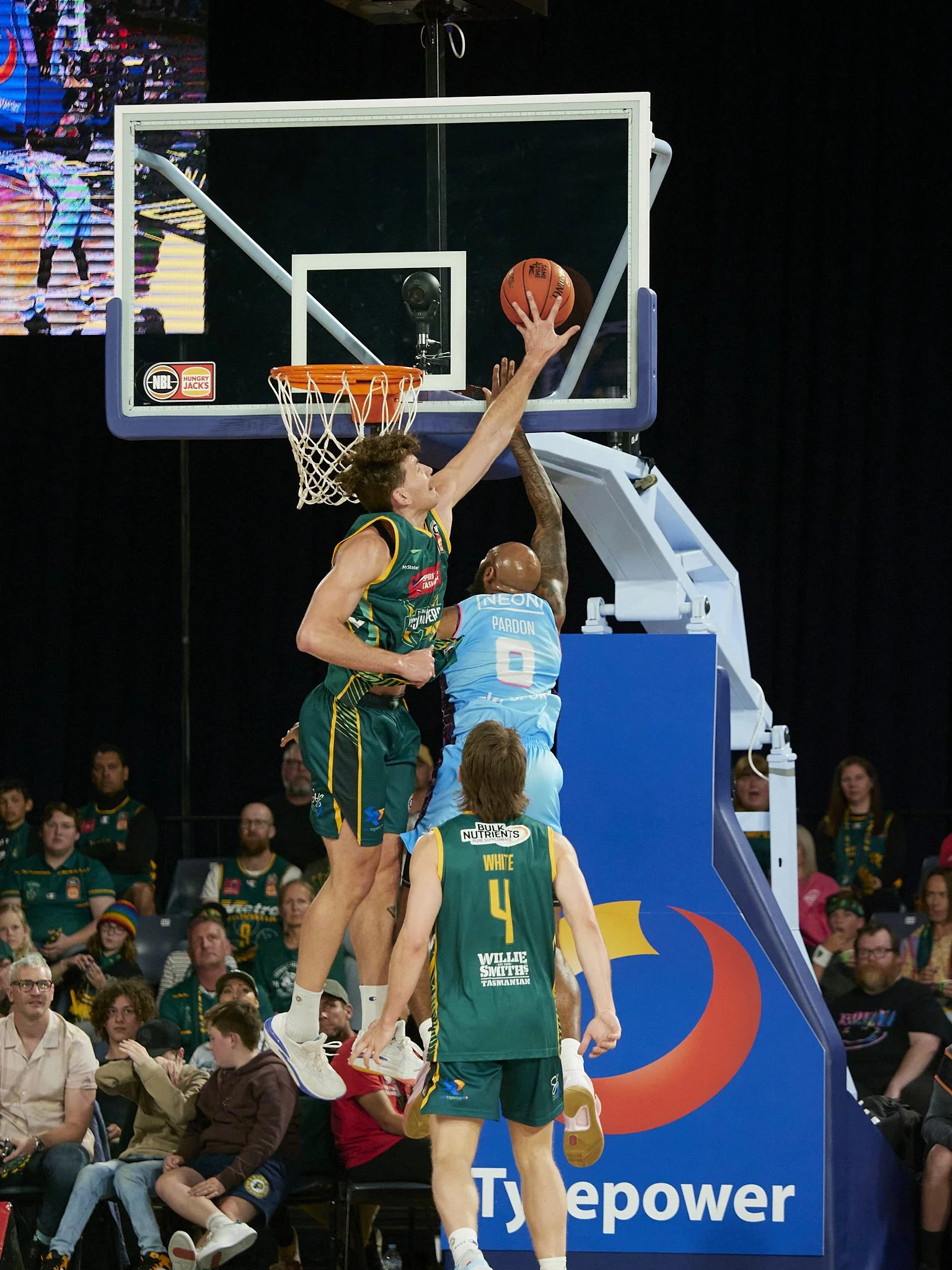
Far end of the court is no problem with a 40-150.
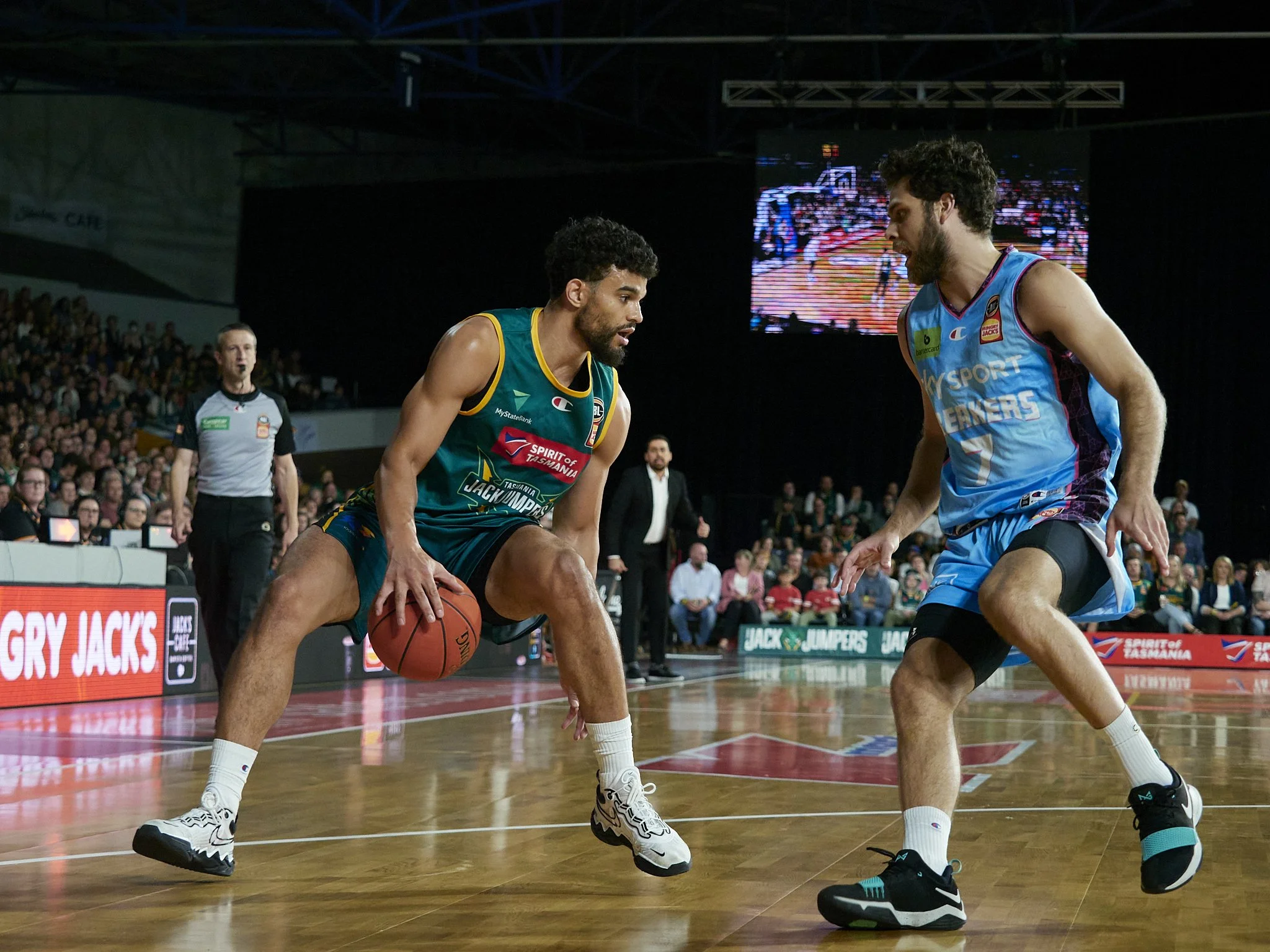
And near end a moment later with a 12-40. Thats 24-300mm coverage at f2.8.
Nasties.
No noise of consequence up to (a well exposed) ISO 6400. The math of that is f4-2.8 in almost any realistic lighting with a shutter speed of 1/1000th shutter speed without resorting to extreme processing, which is the real hero here. With said processing 12,800 is perfectly usable, but again don’t fall into the trap of under exposing.
The MFT advantage of course is cheap and excellent quality (ff equivalent) 400mm f2.8, 600mm f4, 150mm f1.8, 300-800 f4.5. For many of us, this a real 2 stop advantage dollar to dollar compared to full frame options, which balances out their math of dearer cams and slower lenses.
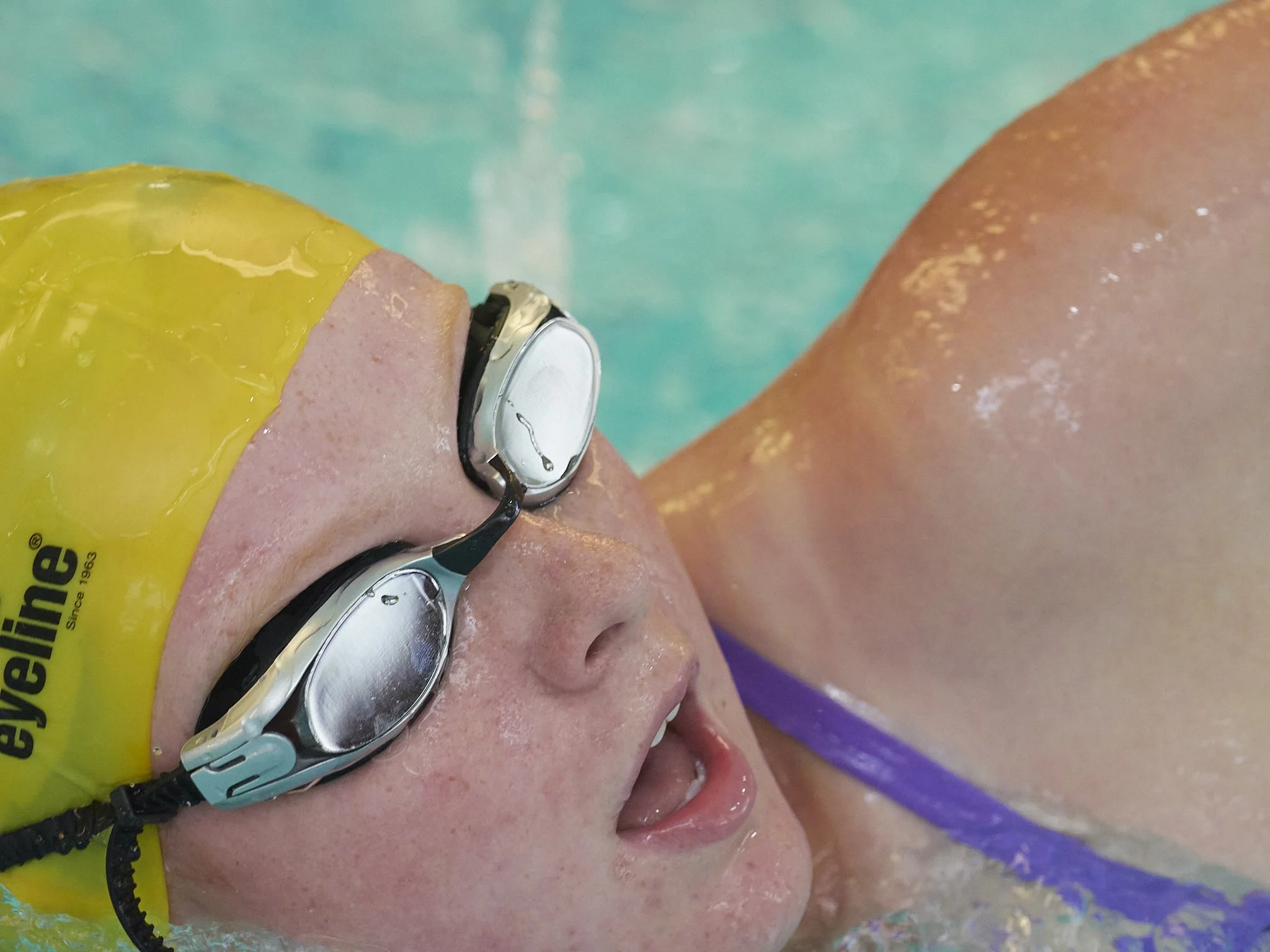
A hand held 600 f4 at a poorly lit local pool at ISO 6400. The finger prints may well hold up in court?
Video.
Nobody used Olympus cams for video, but they really should. The EM1x at one time sported possibly the best hand held AF and stabe of any hybrid on the market (Sony had slightly better video AF, Pana similar stabe, but neither had both), while exporting organic looking ProRes RAW out to a Ninja V.
Yes it has small video packets, a micro HDMI and other annoyances, but it can do good video, even internally (if you use C4k, the 1080 is rubbish).
Negatives.
Dynamic range and white balance can be a little twitchy at ISO 6400 and higher (compared to full frame), something that requires more processing care than some (not all) full frame files. I have found that Olympus’s own jpegs are actually better some times, so shooting both often gives me a workable short cut. This is also helpful when I need to send files directly to my phone.
The eye cup is as hard as a cat’s head. Really uncomfortable after hours behind the camera. An easy fix is to ditch it when it bothers you.
They are not available new, but they tend to come up as mint “amateur used” second hand. The original buyer was rarely the intended customer, the camera abusing pro sports photographer, so like a SUV only used in the city, buying one second hand and actually using it hard is like setting it free. The going rate seems to be $1kau with a low shutter count. A bargain really.
It is getting on by modern standards which seem to date things quicker than in the past, but in most important ways, the things that actually matter, it is still cutting edge. You have post action Pro-capture, stacking, high frame rates, silent shutter application, hand held composite high res at current standard (only star tracking is missing), AF and responsiveness that is the equal of any shooter, reliability and usability up to the a standard some newer cameras do not reach and decent video at a bargain price.
*I remember being surrounded once by Nikon Z9 users complaining about the LED running board around a local football ground messing with their view finders and adding banding to their images. I was not getting those issues anywhere near as much.