I have felt for a while that (my) MFT kit is falling behind a little. Not the format as such, as it seems to be in some quarters picking up momentum, but my kit is at its limits I feel and it is time to look at the future.
I decided to have a look at what was around, be brave, question processes and choices of the past and to some extent look past some recent prejudices regarding formats, brands and gear.
To be clear, I sold all brands of cameras for the best part of 20 years, have used them in a variety of forms for 35 and have no actual problem with any brands or formats, I have just been very comfortable with Micro Four Thirds for a while, only straying recently into some full frame for video.
I have discovered things by exploring a little wider and I am a little surprised that opening this can of worms, produced, well….. the expected, but pretty ordinary worms.
1) Software is moving faster than camera hardware. A year in software upgrades can be like three in cameras.
2) To match the quality of MFT in long lens territory costs a lot and the returns are not always obvious. This I knew, but felt the reality had softened with new mirrorless designs, a shift towards small, lighter, faster, but after looking with an open mind to change, I am not so sure.
There are options, but each has a catch.
The EM1x’s are still very capable and compelling cameras, but they are can be (relatively) stressed in poor light due to their smaller, older sensor design, which means in this time of zero tolerance for digital noise (clients are less concerned and nobody but we photographers look that close, but more on that as we go), that my older MFT cams by comparison are struggling… well, maybe.
What is the tolerance?
1/1000th of a second is needed for most sports and my ISO limit is 6400. I can go higher with deep noise reduction applied, but tend to think in volume and speed. I can achieve that with an f4 lens in most daylight or good lighting (600mm full frame equiv), at f2.8 in gloomy daylight (300mm or shorter), less good flood lights or well lit indoors, f1.8 in poor indoor light (150mm or shorter). I can often use a lower ISO, but these settings will work.
I looked at Canon, its 100-500 is very good and on the R7 the reach is ideal (160-800). The lens and camera come in at roughly the same as the OM 100-400 and an OM1.3, just reversed, but both are needed up front and I am not convinced adding another brand would be sensible.
A funny thing happened when looking at other brands.
I kept coming across birding sites where long lenses area an obsession and as often as I found great comments and images on various Canon and other brands, I just as often was drawn to threads on OM system options. To be honest, if I was a newbie starting out, I would probably go that way. Reviewers like Duade Paton, who has all brands available to him.
https://www.youtube.com/watch?v=F8MmwS_8PCw
https://www.youtube.com/watch?v=TwTtVbbpCWk
The reality is though, software is making more difference than evolutionary camera improvements.
First question is I guess after poking around is, do I actually need to buy anything for Olympus (OM systems)?
The EM1x’s are dated, but that seems to mean less and less as time goes on and I have three in “early life” condition. Sure the OM-1.3 will have a newer sensor design, more powerful processor and other refinements, but the EM1x’s get the job done, as a multitude of cameras in the past have. Improvements are incremental and sometimes when you have a balanced offer, it is best to milk that for as long as you can rather than break it up.
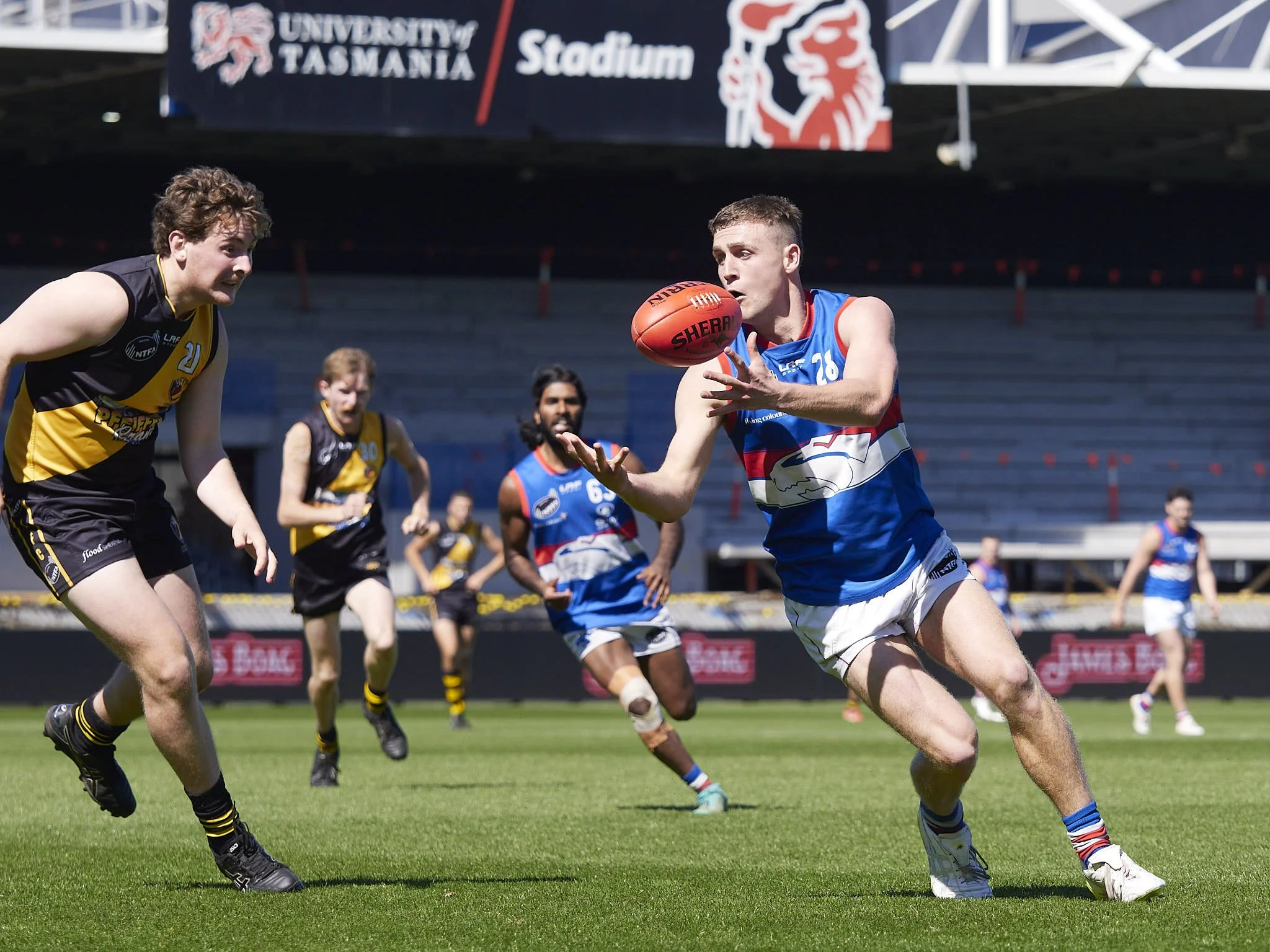
This quality is fine.
My 40-150 f2.8 is ten years old and has developed some minor looseness in the barrel which occasional screw tightening seems to fix for now ($1500au to replace new). Minor looseness and play after ten years of heavy use is being a little picky. Considering the Nikon 400 f2.8 the paper issued me had its hood taped on, I guess my gear is near mint by comparison.
The 300 f4 has been sodding wet several times and it is likely my imagination, but I feel I can hear minor operation noises that may or may not have been there before (service at maybe $300 to ???). The reality is, if it is compromised, it should have died by now.
My newest sport lens the little 40-150 f4 which is fine when used, but has some obvious barrel rattle and a dry-raspy zoom (since purchase), which does not seem to be affecting it (in fact it continually blows me away), but it can be distracting ($1000 to replace, $300+ to service).
When I was an enthusiast, any little thing used to annoy me, like a lens with different cosmetics or a mark on it, but now that I use them for work, I am amazed that these things often don’t bother me. Every day without a hitch is simply a win and my Oly/Pana kit has given me many of those.
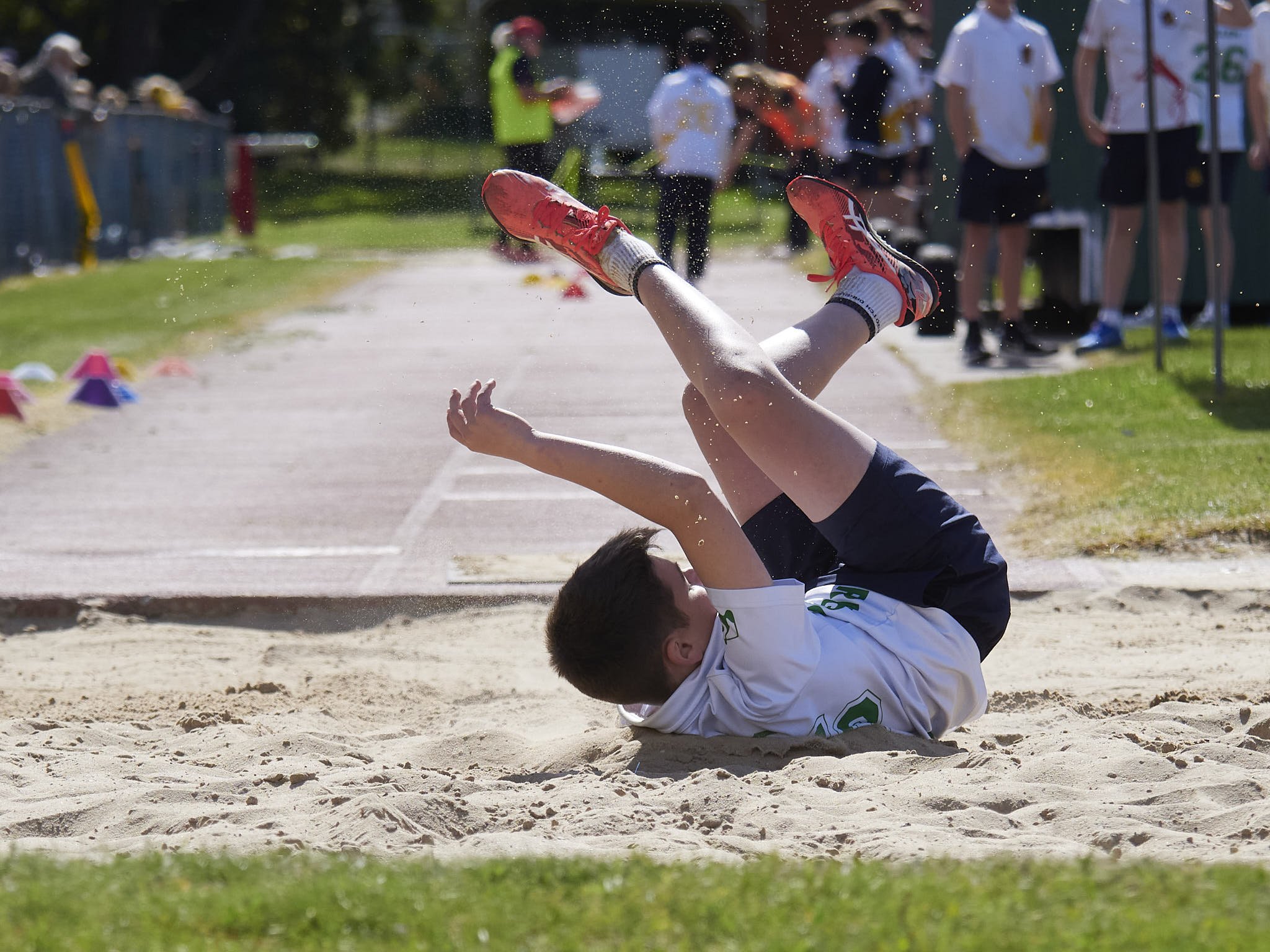
This little lens (40-150 f4) has caught some of my favourite images.
So, no I do not need to replace anything yet and I am still running original firmware on most, so in reality, I have upgrades at hand (especially if I want to get the 1.4x in to play more often).
Could I improve my options?
My initial plan was to add the 100-400 Mk2 ($1600au) as a useful field sport lens for cricket and good light AFL (which is most of it), which I have done. I sometimes I have needed a shorter 4-500mm or longer than 600 for large AFL and Cricket grounds which can be a real paddock.
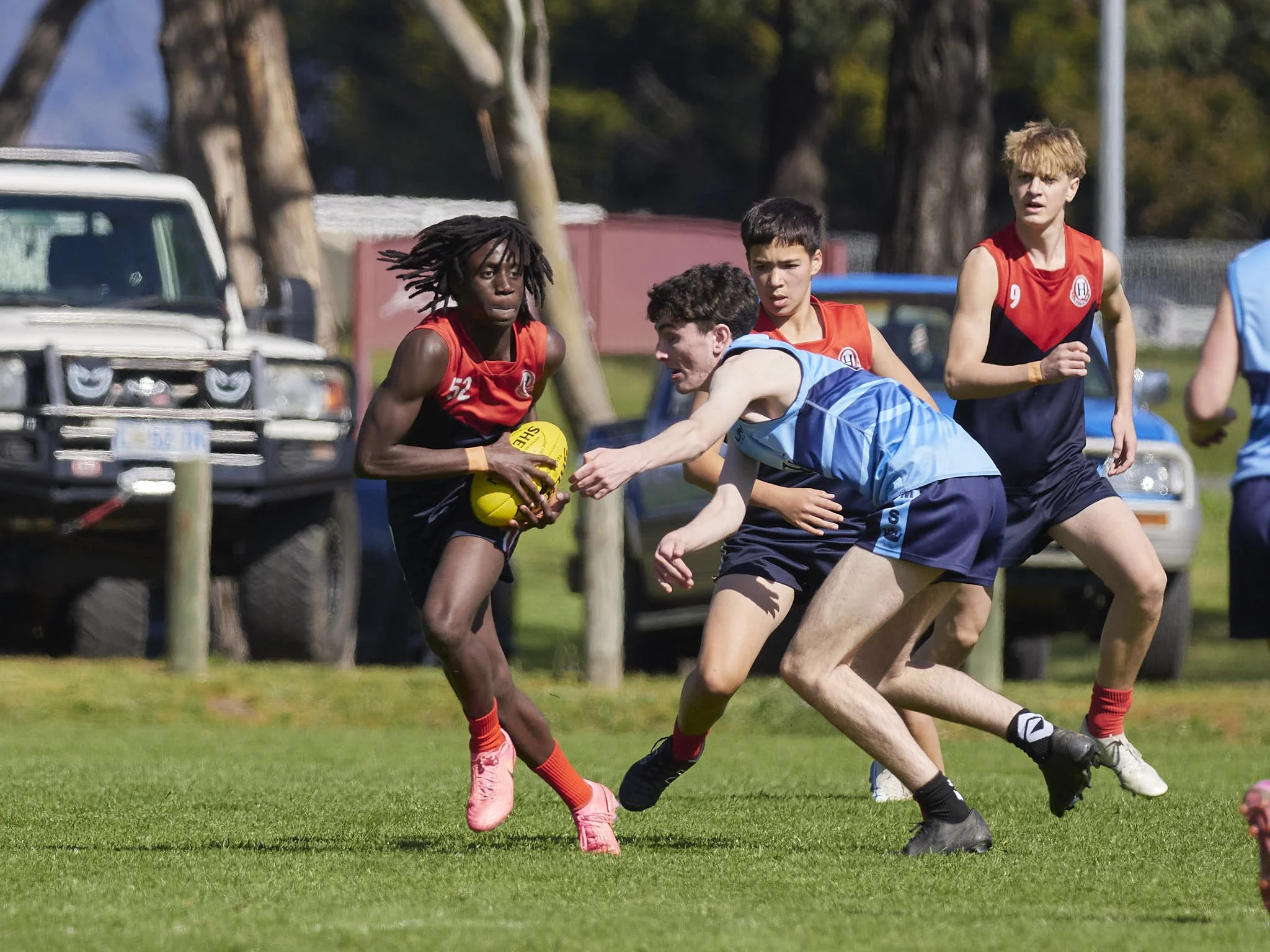
Shots like these are a 50% or more crop regularly. I often crop images from the 300 down to 25% of their original, but when stressed, I am pushing the 20mp sensor pretty hard.100mm more reach would be useful. This is a problem of my own making, the desire to shoot through the entirety of a game strong enough to push even on the widest grounds, when many other shooters, some using 45mp full frame cameras just wait until the action comes closer.
My only qualm was some mixed reviews on the lens, many cite it as near enough to the 300mm as to not matter, but a few have had real trouble with it, something to do with the stabiliser module. The one I bought as sourced locally with a return option, but my dog took a liking to the box and removed that option. It seems to be a good one.
I could then later add a then 4 model newer OM-1 Mk3 when it drops or a Mk2 on sale if there is nothing revolutionary on offer.
I feel comfortable with MFT and I have depth in it.
The 100-500 Panasonic ($2.5kau on sale) was an option, however on my S5.II, I am less enthusiastic about for sports, so it realistically would lead to a S1.II, another 3k+ purchase. I can make the S5II work, it has before, but is it adding anything?
I would gain better high ISO performance, off-set somewhat by the lenses speed (or lack of). In depth of field the 500 f7.1 and 600 f8 (equivalent) are pretty close, so I would get another long option, but in a zoom and the camera can crop more and shoot at 12,800 like a MFT at 3200, so I am slightly ahead all around, except for focussing.
I would love to boost my full frame kit, but sometimes the S5II is like driving a capable 4 door sedan compared to a MFT motorbike (even if mine are the last gen).
This became the amazing Lumix 70-200 f4, to flesh out that kit more sensibly and considerably cheaper. This feels right and opens the door to some better indoor options, where the camera shines.
The ISO thing is interesting.
My cap of 6400 and 1/1000th is not that limiting, I have the lenses I need and rarely have to push harder, but I am there, at the edge and I am aware that other systems handle this scenario better.
This is based on straight Capture 1 processing, often in poor light quality***, with a f2.8 or faster lens. The worst light I come across requires f1.8~2 for that 6400 for 1/1000th shutter speed and I can still crop into 25% of the original with little issue (just don’t under expose!) and I have found white balance is often the key as colour can get twitchy.
One reviewer showed a clean and sharp file shot at ISO 20,000 from an OM-1 Mk2! This is possible with good processing anytime, not just a fluke!
The reality is, in my recent research, many users of Topaz, DXO and the like are regularly shooting high ISO’s with little or no compromise in image quality.
$129 software? Really? looks like.
The answer to my concerns likely rests closer to hand than I thought.
Spending less than the Canon 100-500 has netted me a lens of similar length in a format I know, as well as a shorter full frame zoom and no camera is needed yet. It pays to look around, as much to settle your fears as to add solutions.
*The realities of sport are most bad light sports are indoor, so shorter faster lenses ae fine, but occasionally you get that dimly lit field sport. To put that into perspective, lighting follows the money, so if a premium organisation at a state or national level calls, lighting gets better. When light is rubbish, you are usually dealing with a local club amazed at what you produce, becasue their own enthusiast shooters are on a hiding to nothing. One of the great ironies of this trade is the higher the level (generally) the easier the image making.
** Depth of field is similar 600 f8 (MFT to FF equivalent) vs 500 at F7.1, so it comes down to ISO performance (light gathering of F4 vs F7.1), and the S5II at 12,800 is fine, better than 6400 in MFT.
***flat, shitty, low contrast light with a colour cast.