Photography sits is in a difficult and delicate position in the artistic world. On the one hand it is generally accepted as an accurate enough recording system for every thing from dinner to dinosaurs, where most other forms of art disqualify themselves by their difficult and bespoke nature. On the other hand, the art world often assumes it to be a traitor to it’s own best characteristic, accuracy. It is assumed it is manipulated and compromised as a matter of course
Photoshopping has even become as much a household word as “Hoovering”, giving the modern photographer, in the eyes of their viewers, little solid ground to stand on if they claim to produce “pure” or untampered with work. The reality is, it never has been.
The fact is, no image making can be or has ever been perfectly accurate or unadulterated. There will always be forces out of the control of the photographer. Even in the film era, often cited as “real” or true photography, the choice of film, processing, light, filtering, lens coatings, film age, exposure, printing paper, printing chemistry, framing options etc. etc. would inevitably erode the accuracy of any attempt at literal reproduction. Ironically, this was how photographers controlled their style or signature process, by harnessing these differences.
So, does it matter if an image is not perfectly accurate? If it does, then how far from accurate is ok and how far is too far?
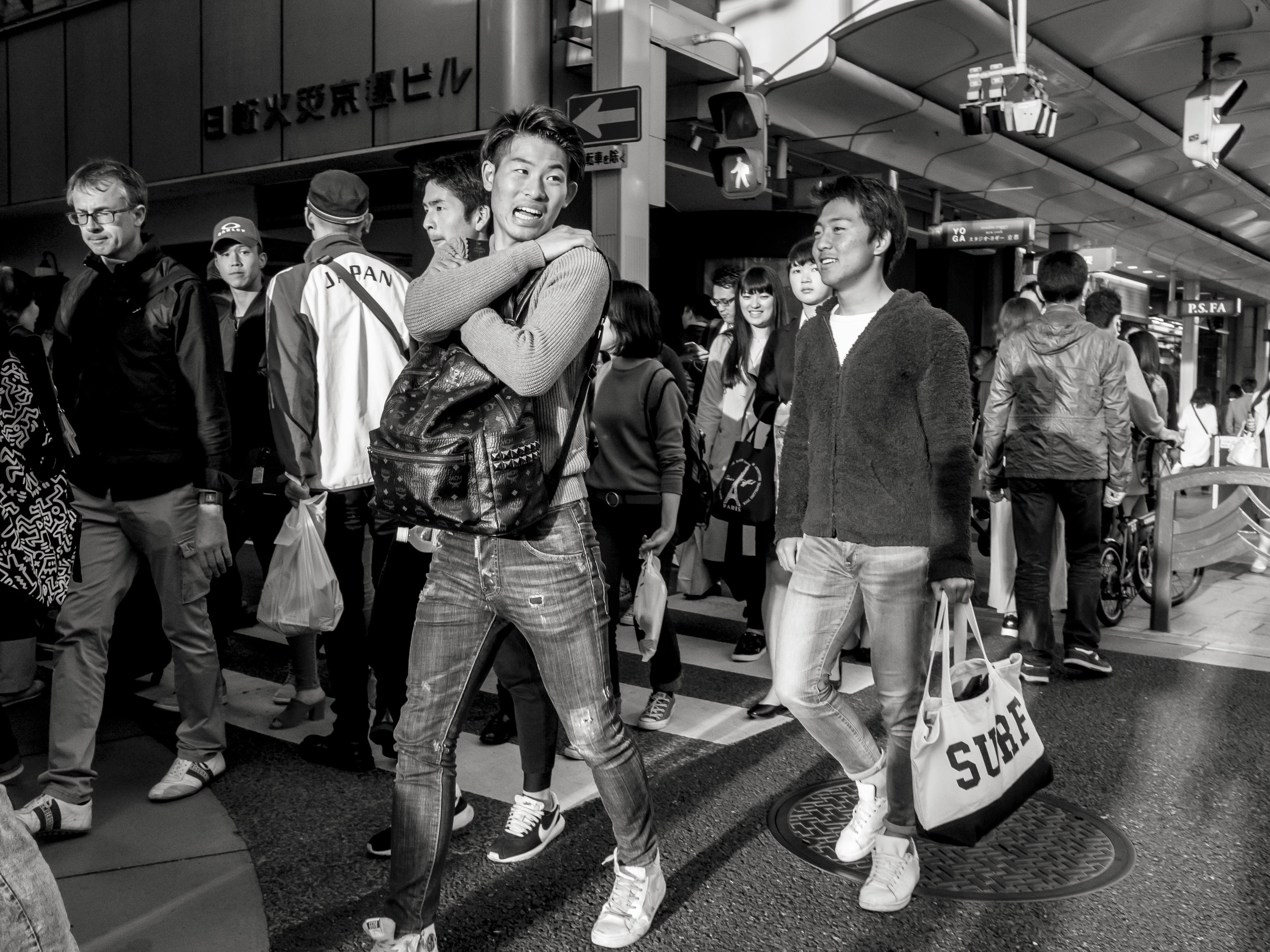
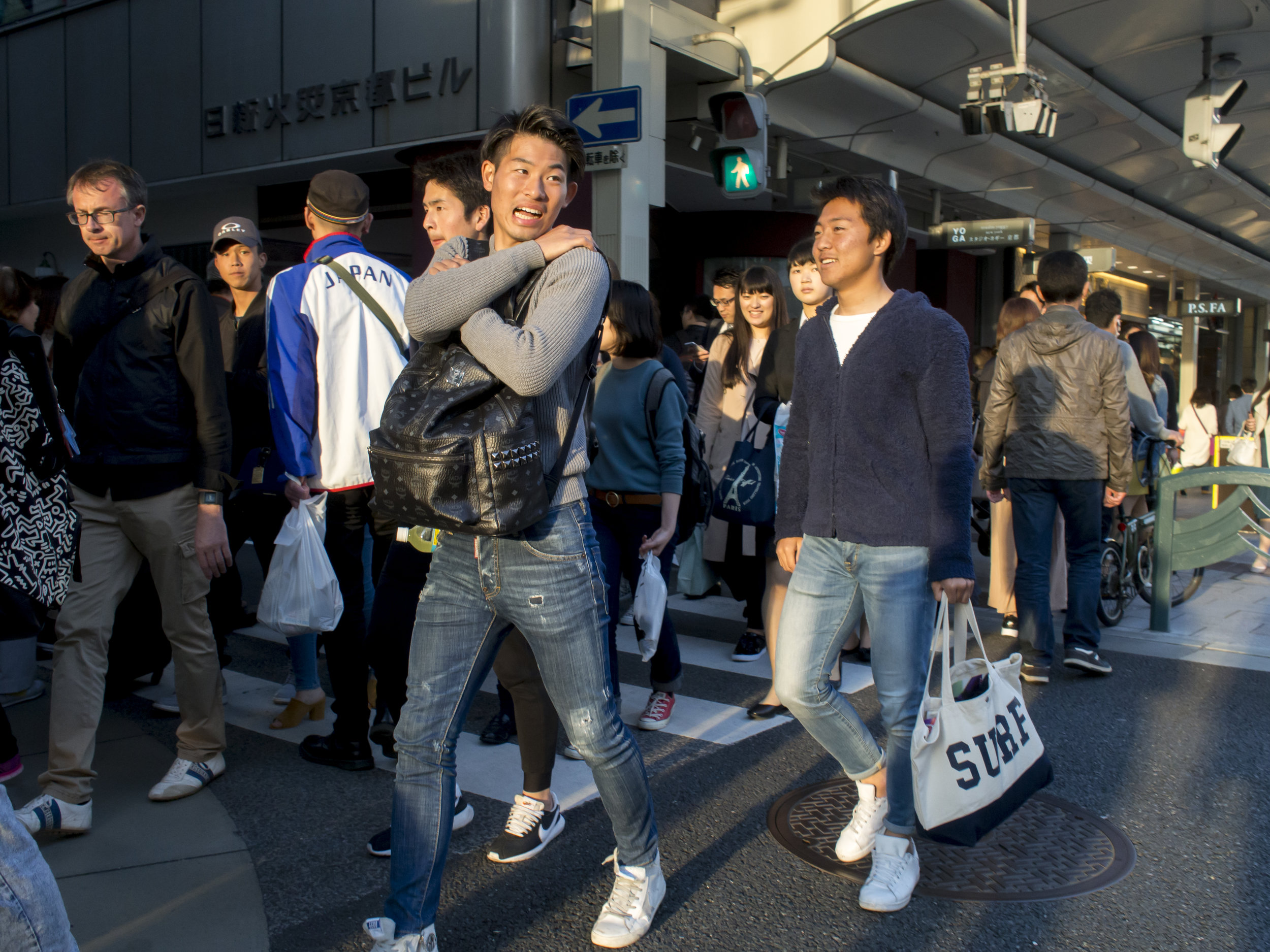
The argument of whether or not to manipulate a digital image will never be resolved to everyone’s satisfaction. Many reject too much obvious processing, added and fake elements, while others make a strong body of work doing exactly that (just look at most novel covers). The trend of regular over processing seems to be behind us to some extent, but these things do have a habit of coming and going. The biggest offenders recently seem to be well known film era photographers who have had their old work manipulated (knowingly or not) from it’s previously accepted form (Steve McCurry, as an example has copped a lot of criticism for this lately and my personal bugbear is the difference between Ansel Adam’s colour reproductions old and new).
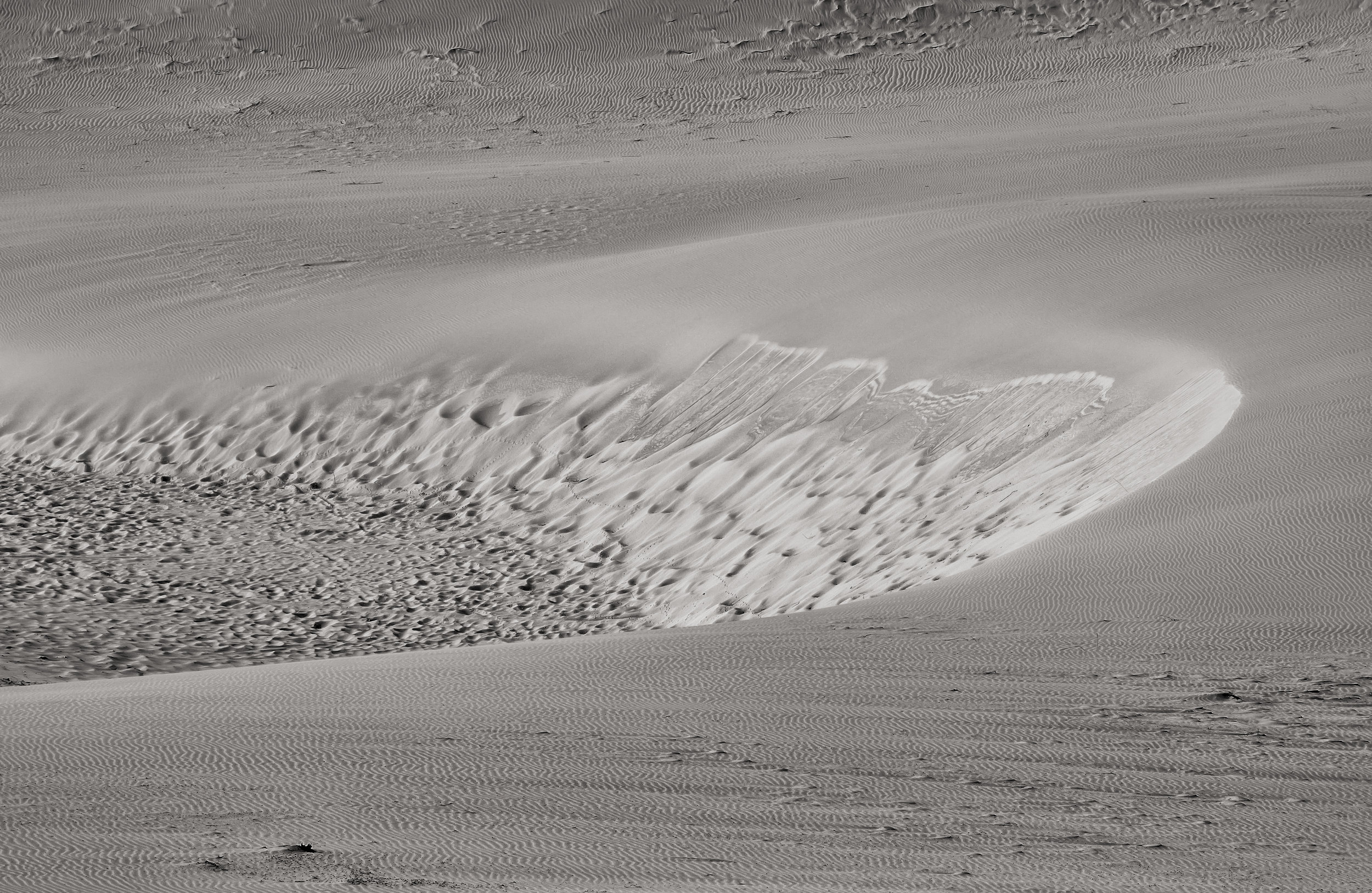
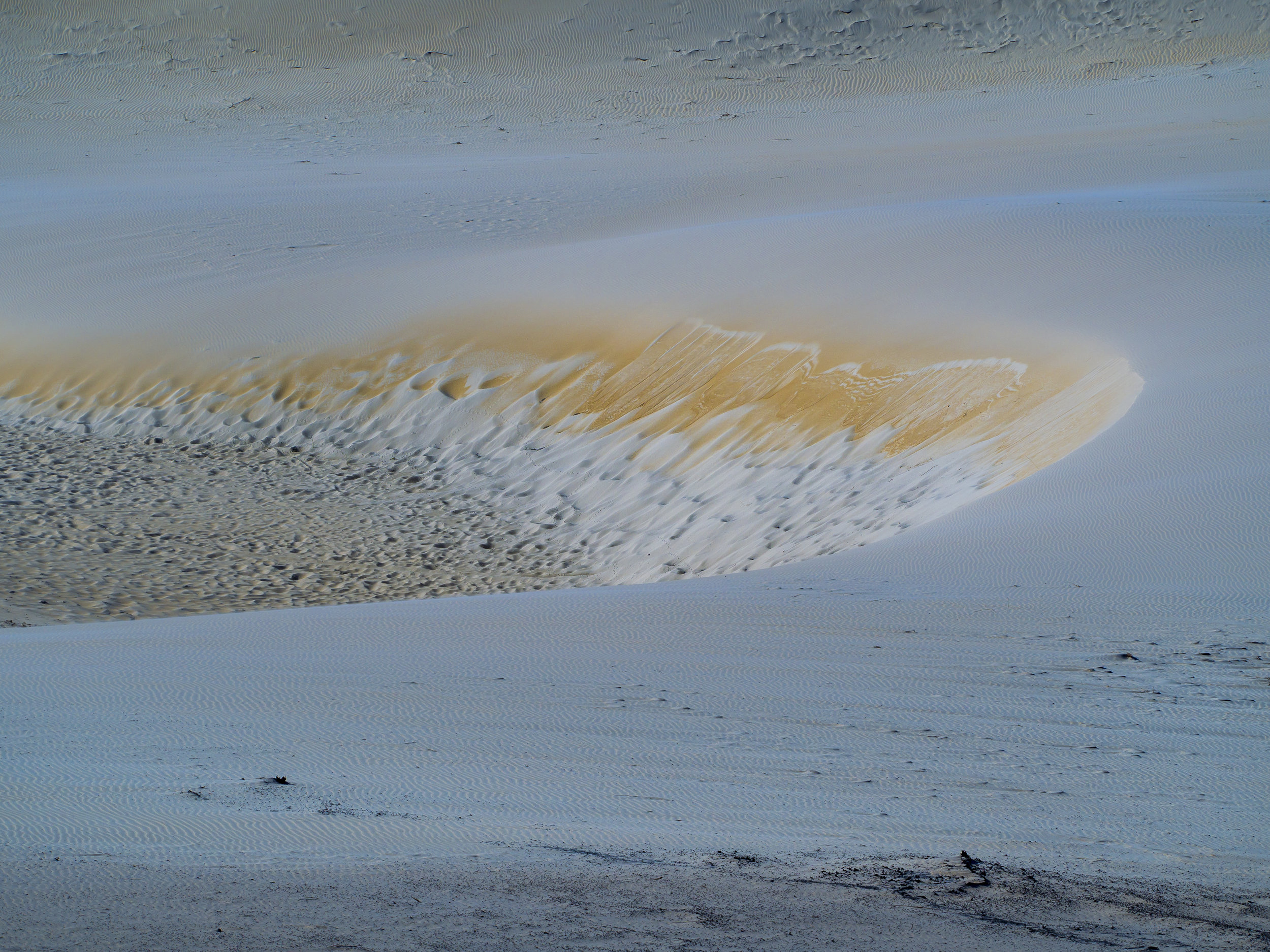
Anyone shooting in RAW is by definition deciding to process to their own tastes, aggressively or gently. Those who subscribe to an “untouched”, straight out of the camera jpeg. file are simply letting the preferences of the camera manufacturer take precedence. There is no escaping the fact that someone’s ideal is being applied. The logic of then processing the jpeg file heavily escapes me.
Where to draw the line is a personal decision. I cannot do more than offer my own thoughts, with no intention other than to share, not judge.
Lightroom is my line in the sand. It allows me to manipulate the same functions that I could in a purely photographic sense when using film, but much more accurately and easily. Some of these decisions would have been at the film selection stage, some during processing and some in the Darkroom. Lightroom gives me much the same control in a more repeatable and cost efficient form. Printing also, is now simply a matter of accuracy (although instinct rather than technical processes is usually applied).
The basis of this approach is because of it’s inability to add anything that was not there. It only allows manipulations within the file as captured or the removal of extraneous details and flaws. These are exactly the same limitations we had before.
The more “graphic arts” applications of Photoshop leave me cold, but I also know that their lure would be too much temptation to ignore. I am aware however that the controls in Photoshop are sometimes more refined and powerful.
There are many other programmes similar to Lightroom, some with superior core pre-sets for some cameras, but the features I love to use most are only found in the Lightroom suite.
The all-in-one nature of the programme is helpful. It is my filing system, my processor and my printing interface. If I have the need it can also produce books or other styles of presentation, so for now, it provides all I need or may need.
The tools that are the most useful to me are;
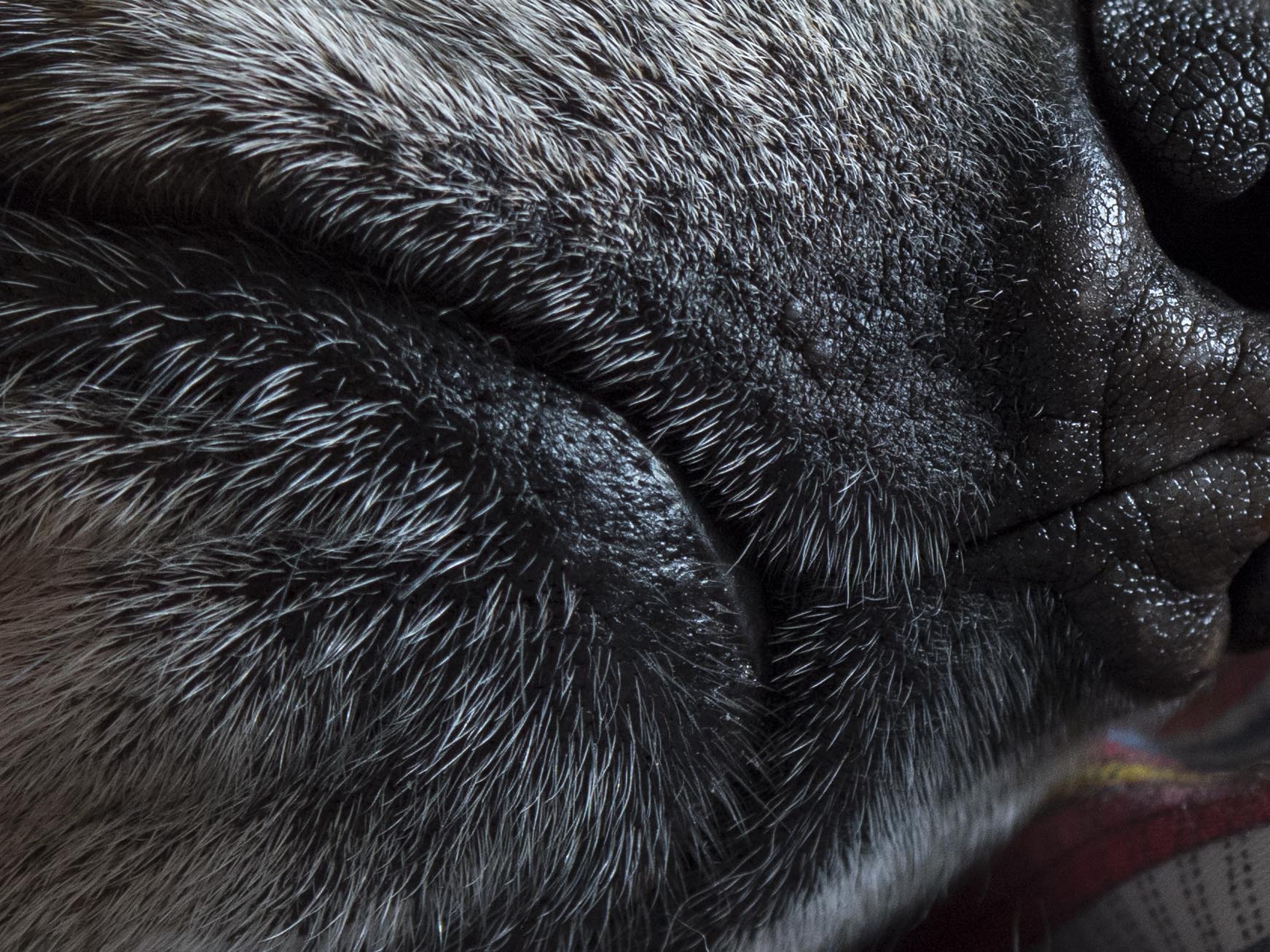
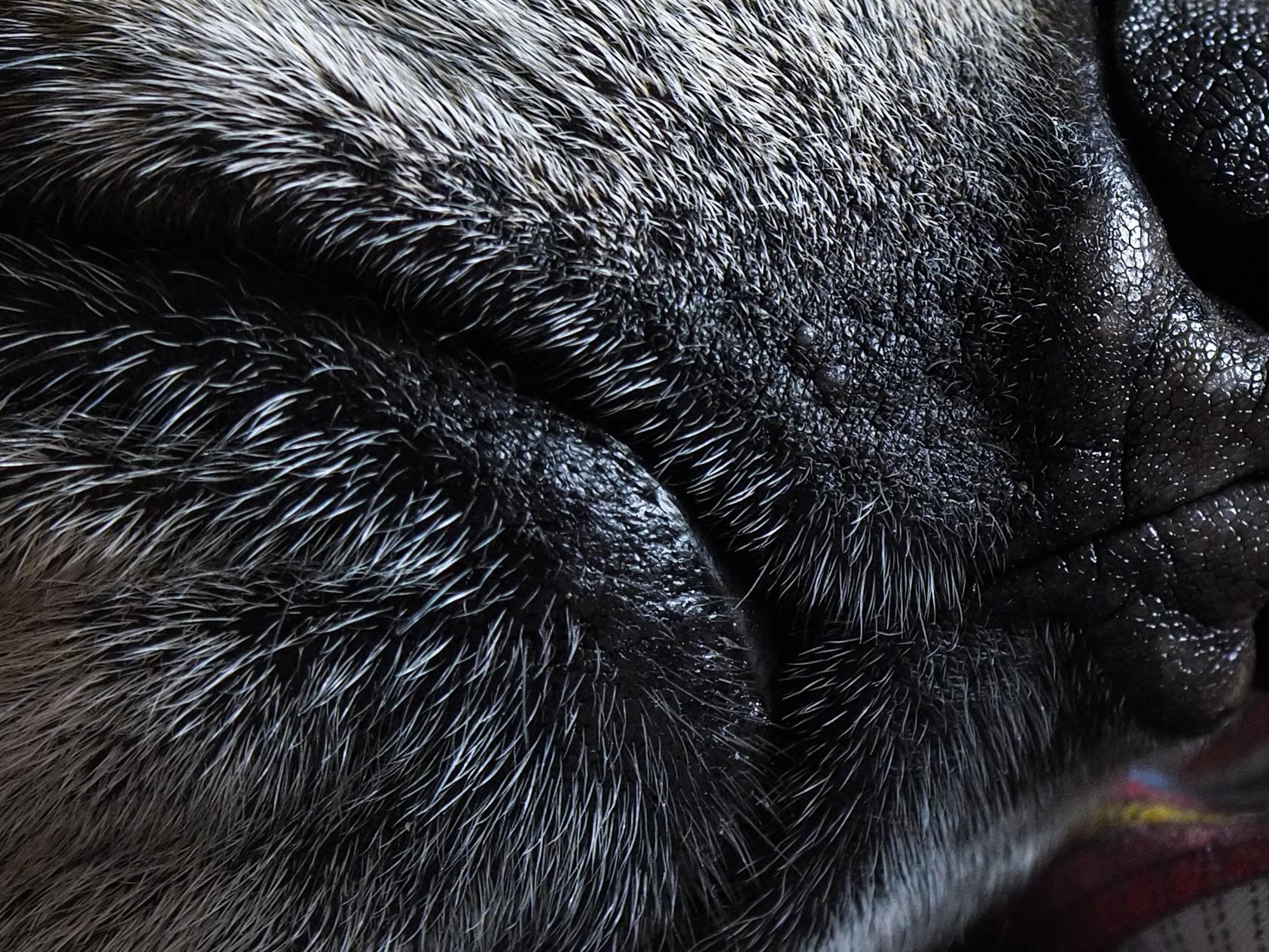
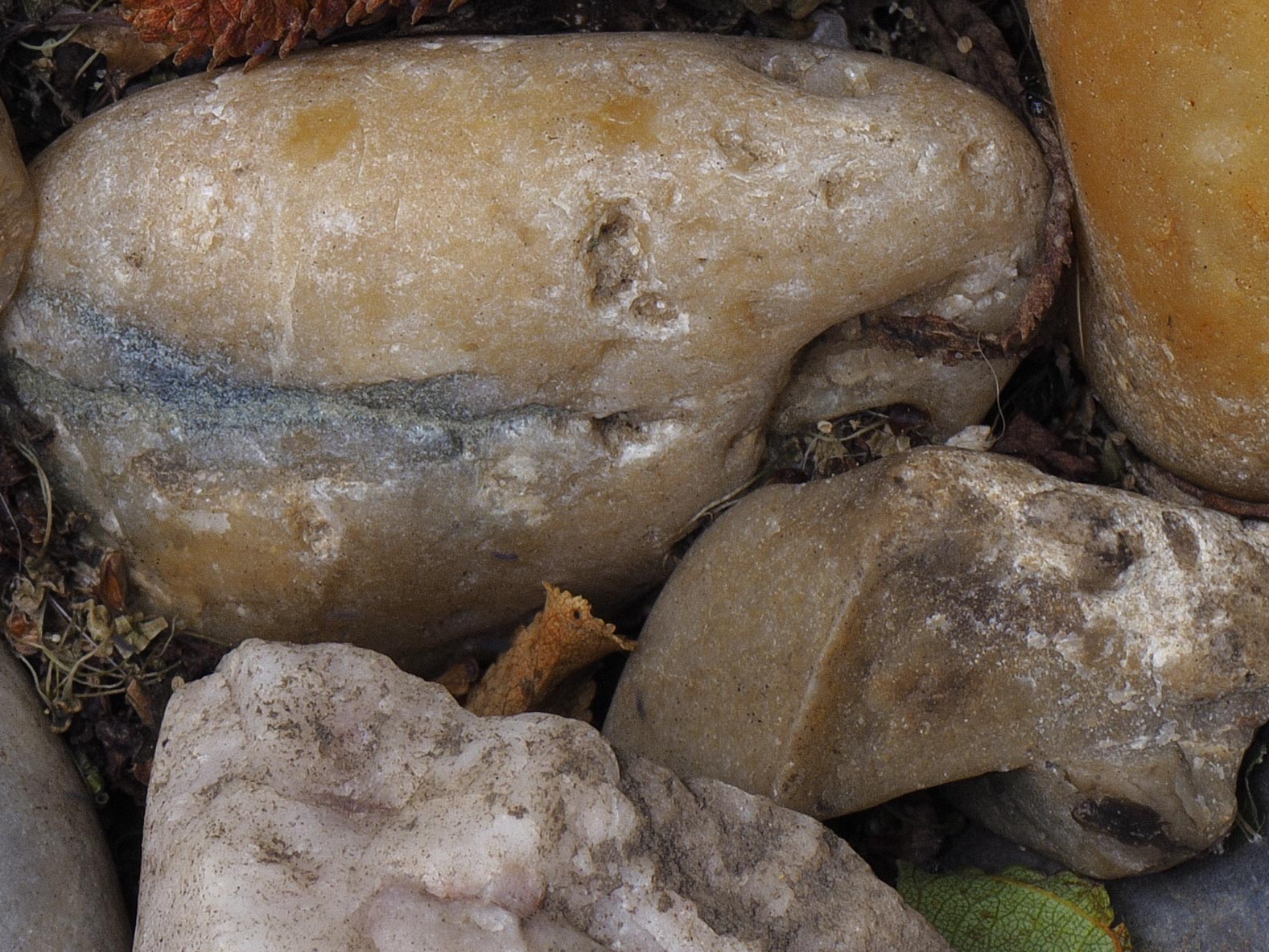
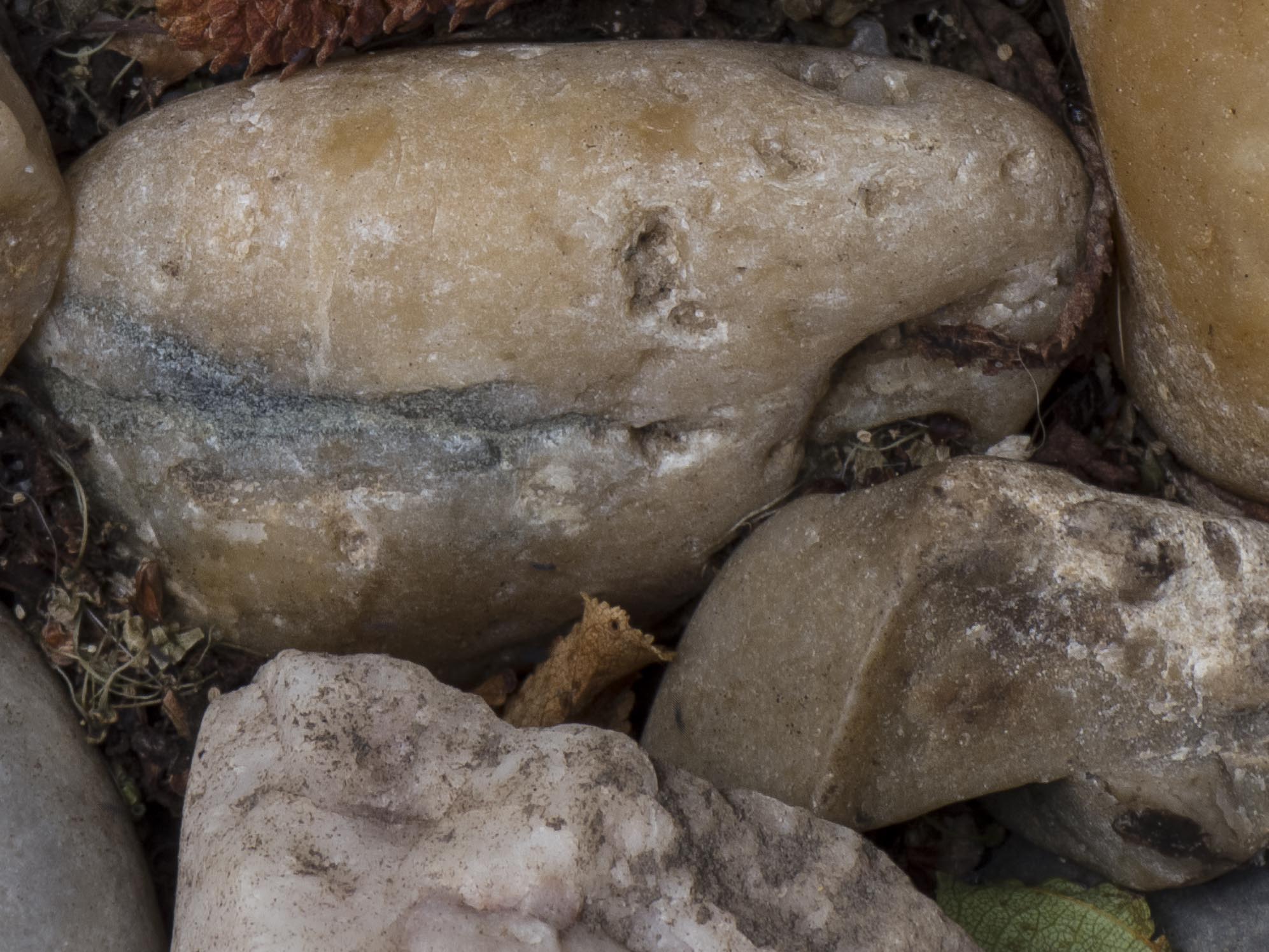
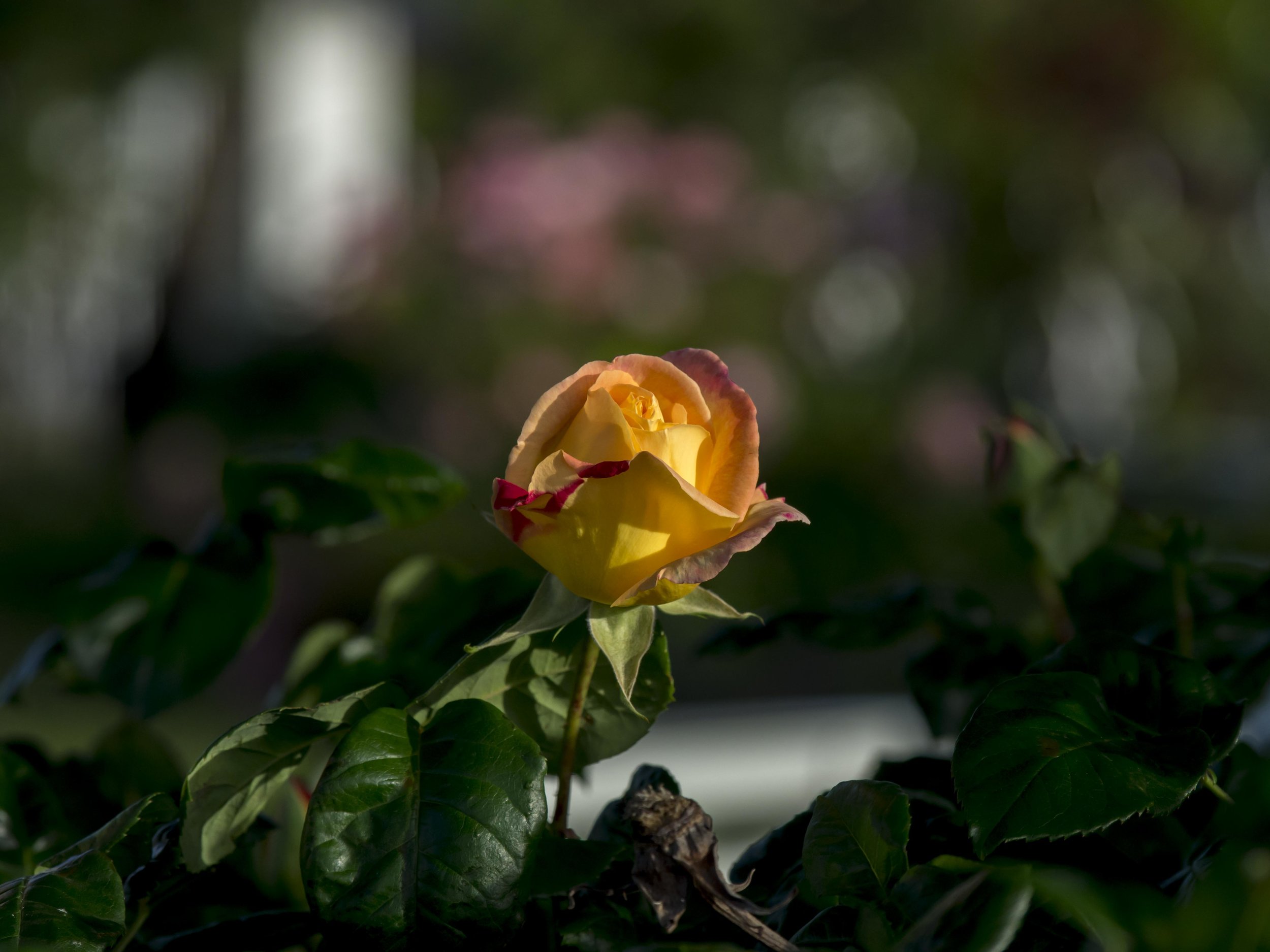
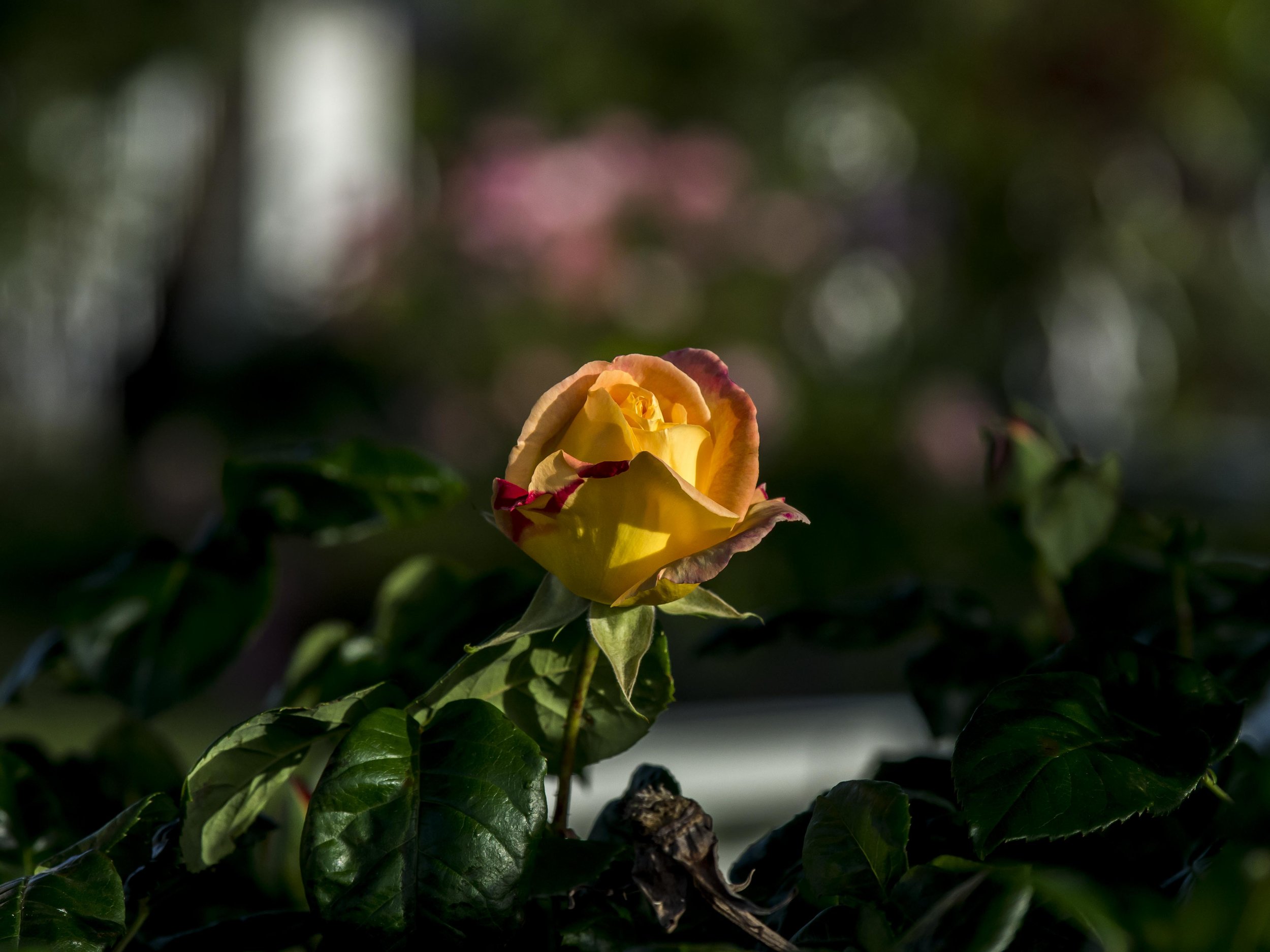
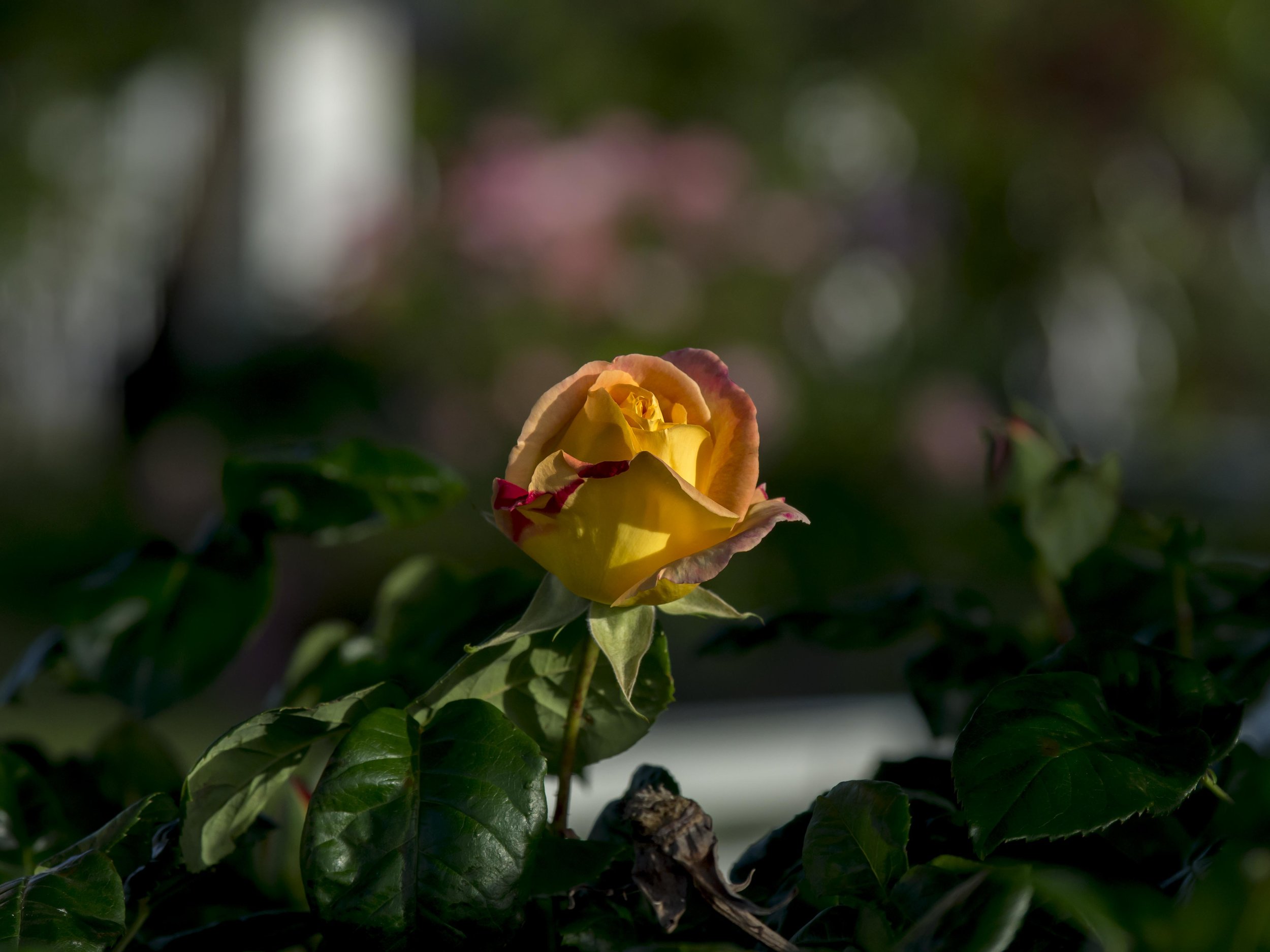
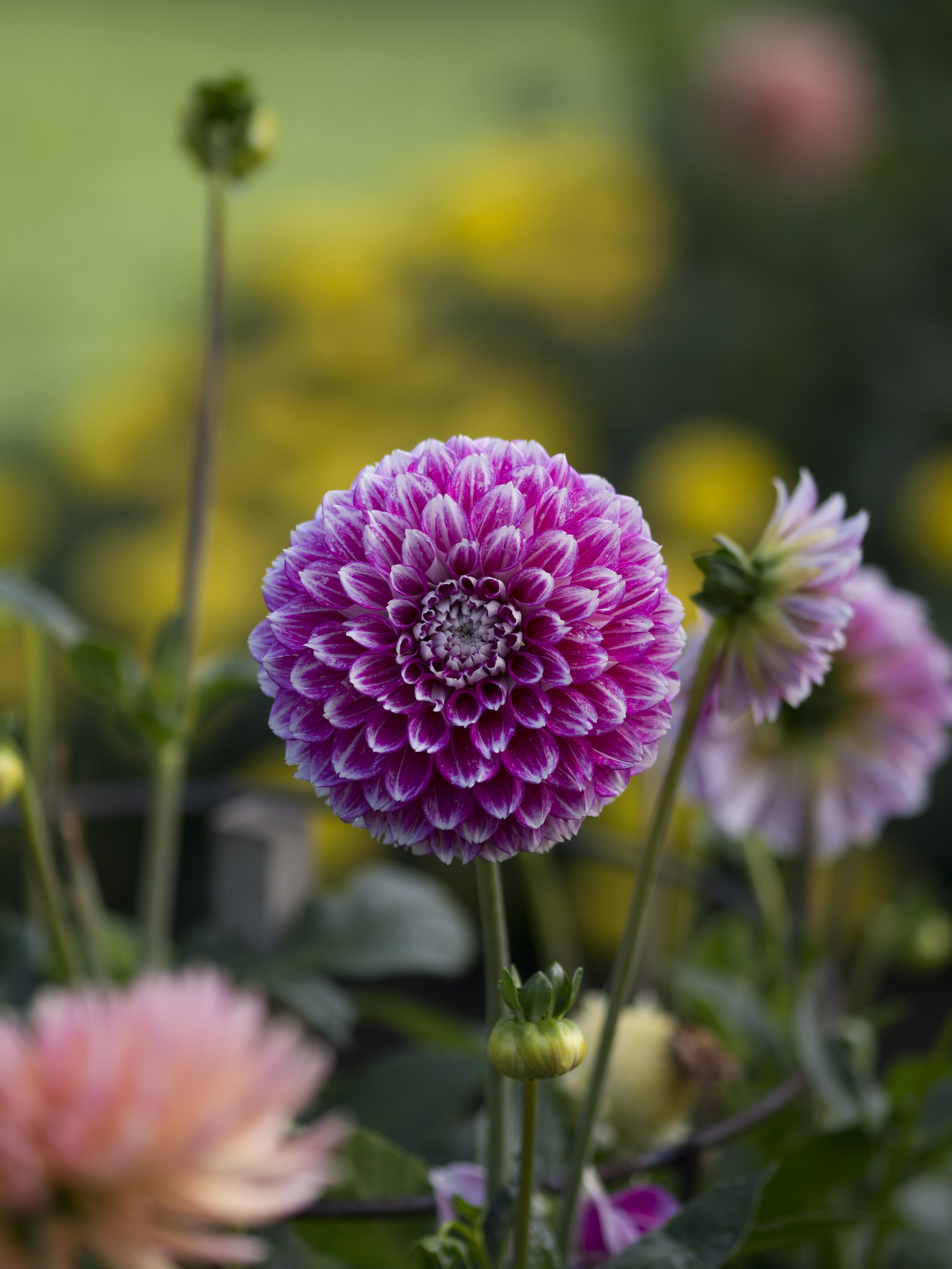
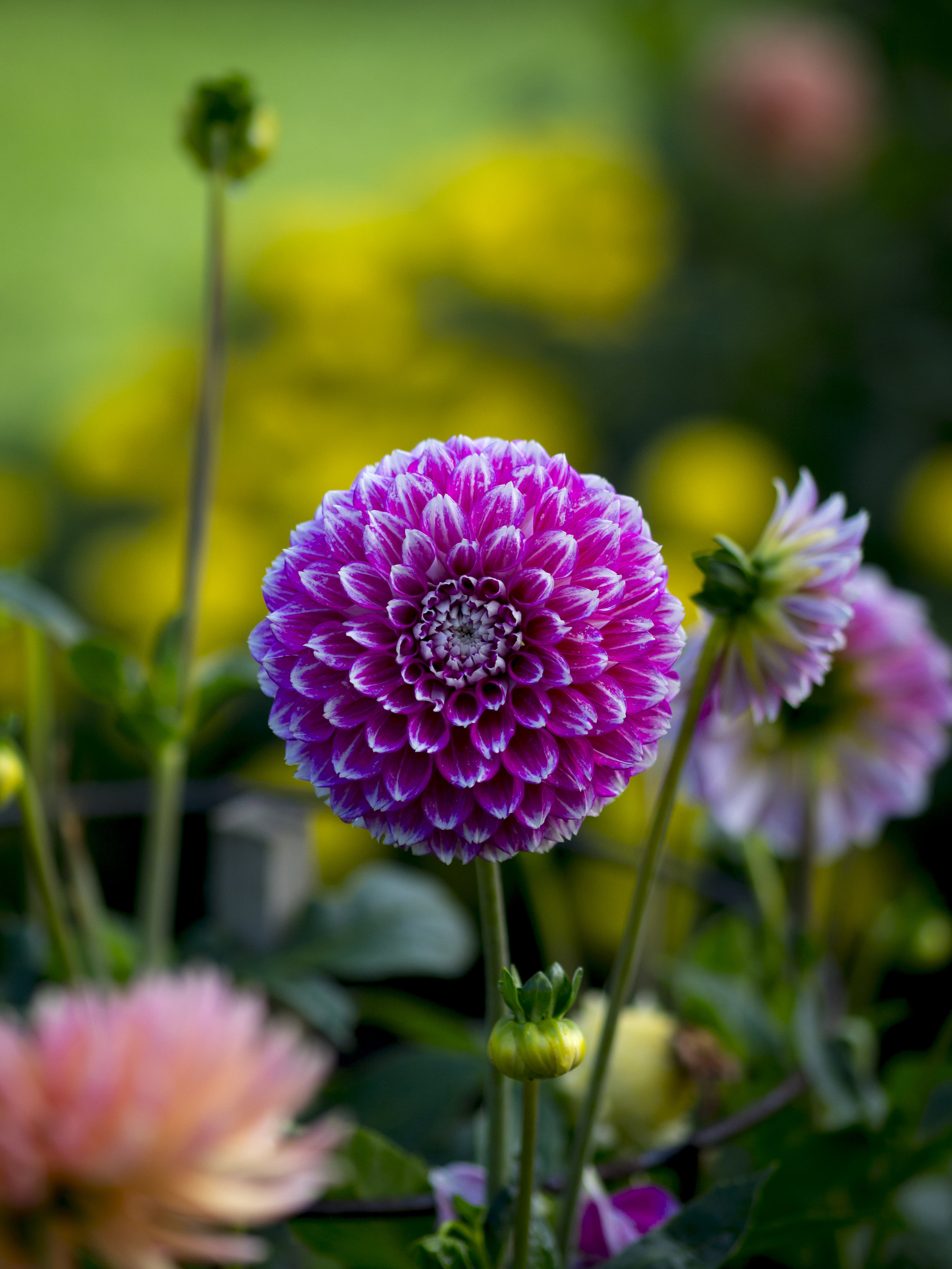
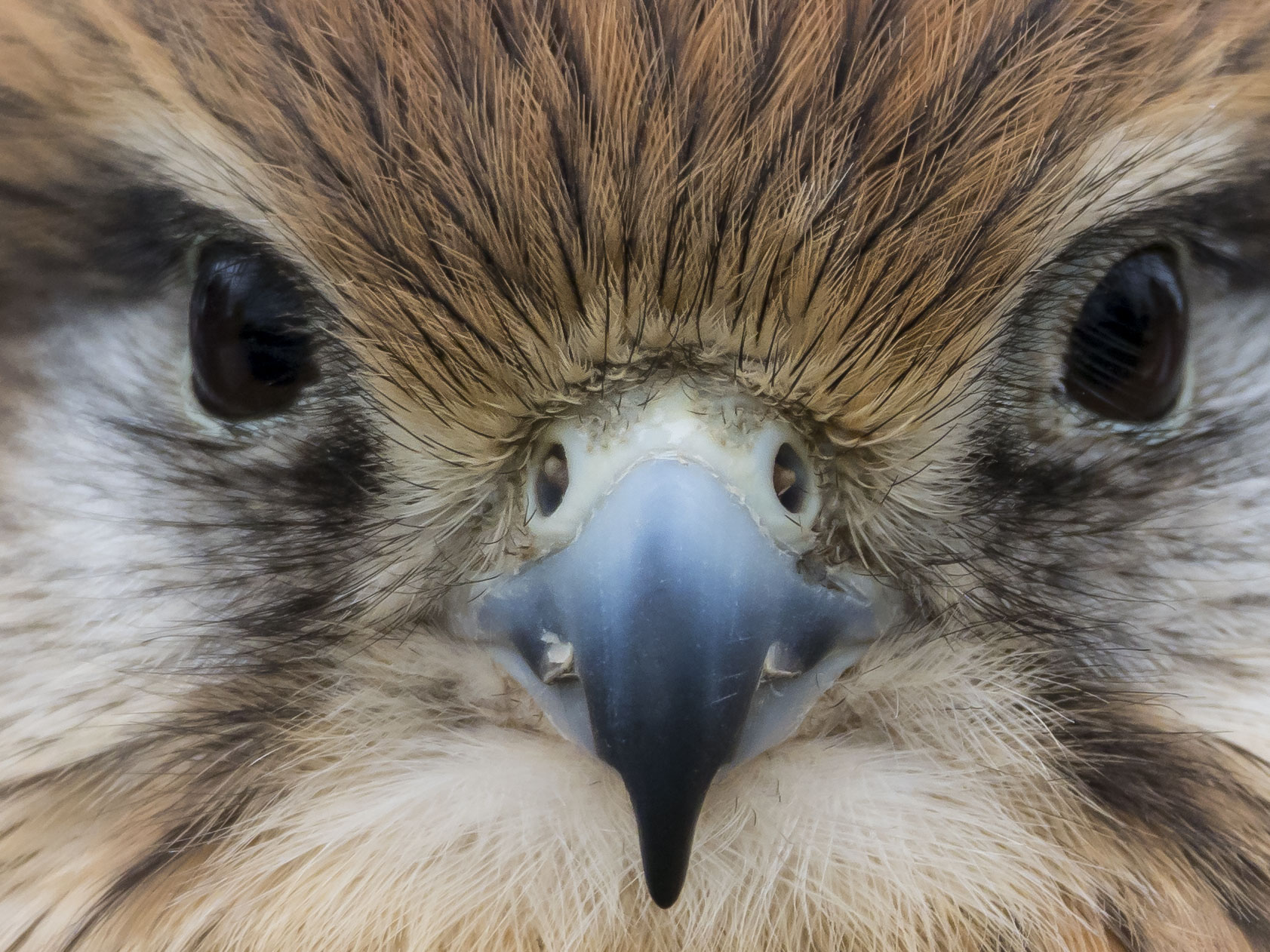
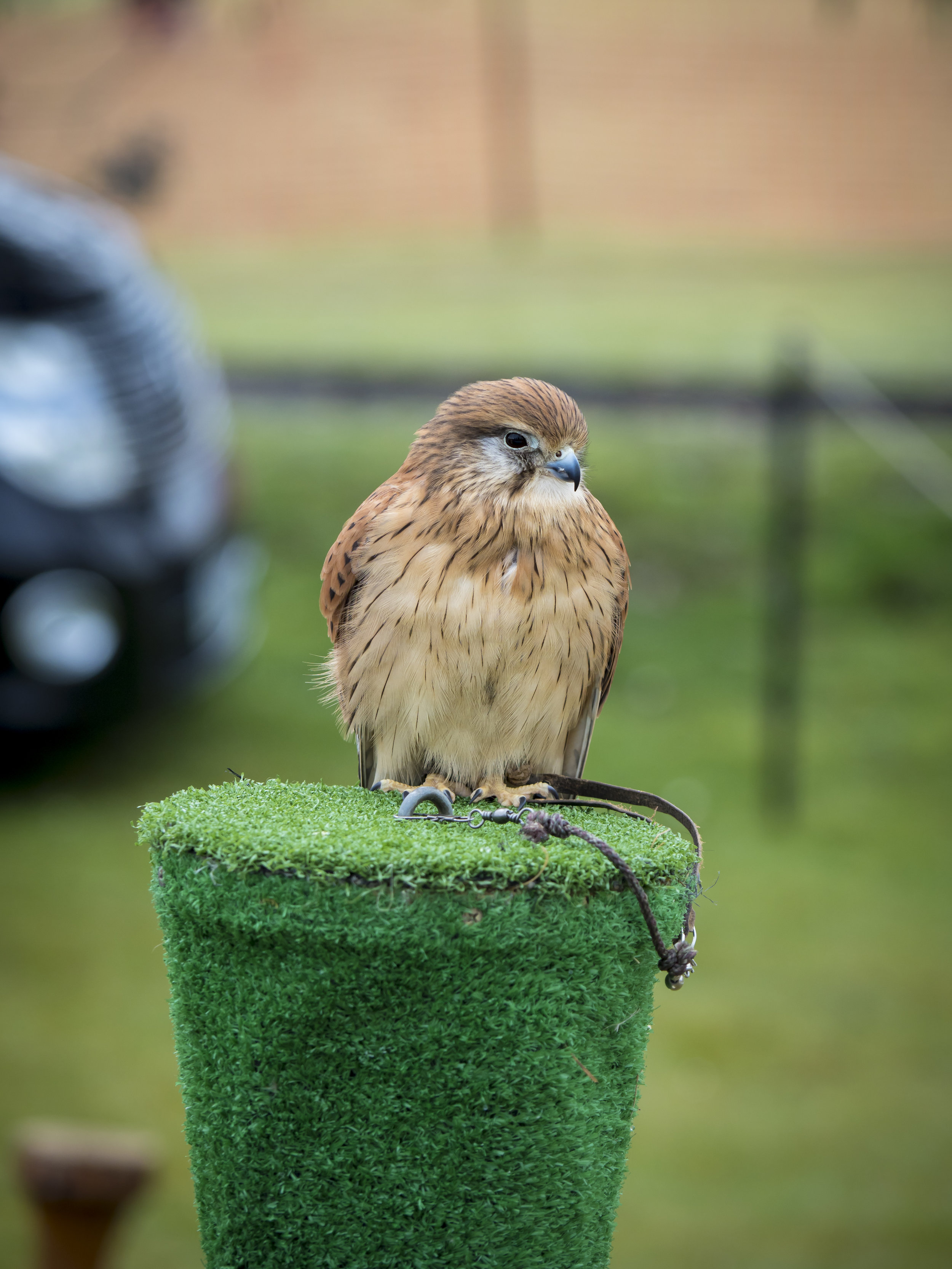
The Brush tool. This gives greater control and subtler application of the more aggressive editing functions. Localised contrast, clarity and sharpness are simply better to look at than global settings. If you use global sharpening or clarity, the entire image, even the soft parts will change. If on the other hand you apply mild (positive) clarity, contrast and sharpening to the area of main interest and negative values of the same to the softer areas, the image gains “pop” and three-dimensionality. The thing to remember with the brush tool is to apply it in multiple sweeps of gentle settings rather than heavy, one off sweeps.