Stupid Mistakes and Living with them

We all do stupid things, but lately I have really been on form.

First mistake was some kind of massive brain fart. I wanted to take the hood off my 12-100 to change filters. I have not used that lens much and especially not much lately. For some reason I tried to force it off (there is a little release tab on the opposite side to the one I was looking at).

No excuses. The room was dark, I was distracted and a little unfamiliar with the lens. I did not do the really dumb thing and try to force it off without bracing the lens, but I still put way too much pressure on it. To add context, I hate lens movements and wobble. It goes back to the manual focus days where movements = broken.

Since then, the lens is (maybe not?) “rattling” a little more than when I bought it, but I really cannot be sure.

Can I live with that? Well I did it, so I guess I will have to live with it. The 12-40 was purchased to be my walk around lens (no rattles in sight, which is a change from the early production ones), so the 12-100 is really a bag to tripod to bag lens dedicated to fine art/landscapes with it’s mated (married by now) Pen F. The only issue is alignment and performance.

Still dead accurate,

Still dead accurate,

and sublimely, delicately sharp,

and sublimely, delicately sharp,

even off centre.

even off centre.

The second mistake was discovered when testing the above. I walked outside and discovered my old Ricoh twin lens 35mm camera was left out for 2 days in the weather after the tutorial post about DoF (they really should not let me out without a handler). It was dry, but it’s grape vine ceiling dripped sappy blobs all over the screen and camera top. I never intend to use this camera again for actual photography, but still a disrespectful way to treat an old friend.

These things come in threes, so we will see.

A Lesson in Contrast

I am on record repeatedly as saying the little, budget 75-300 Olympus lens punches well above it’s weight.

Recently, testing for something else, I had a chance to compare it to the 12-100 at the same focal length.

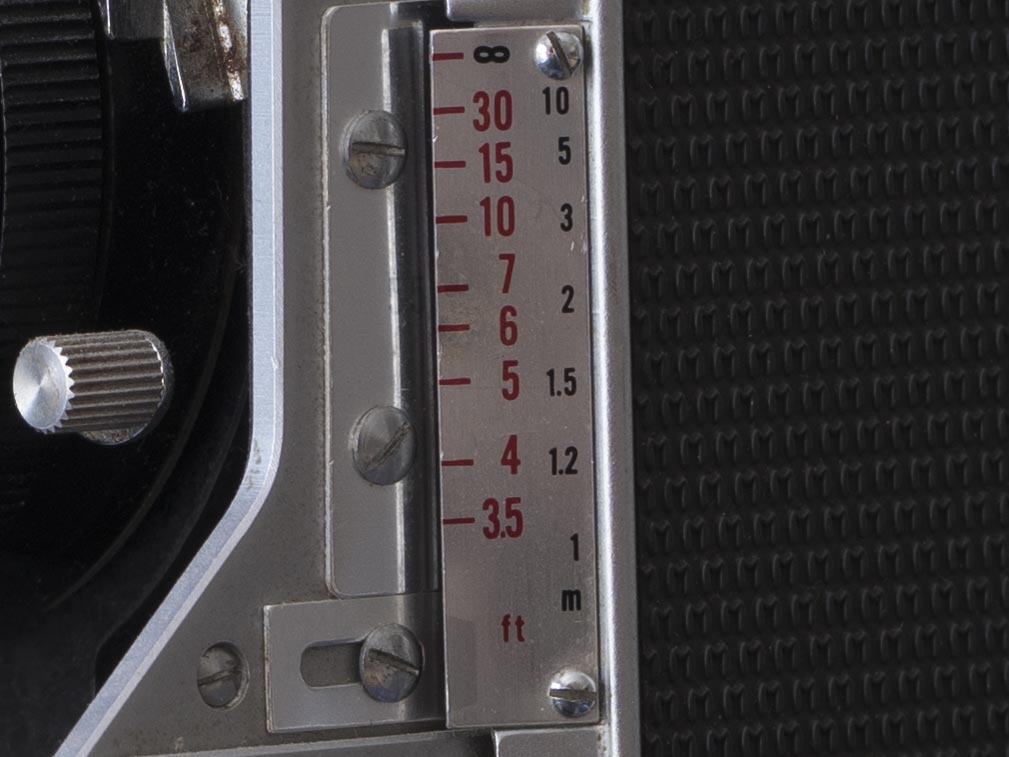
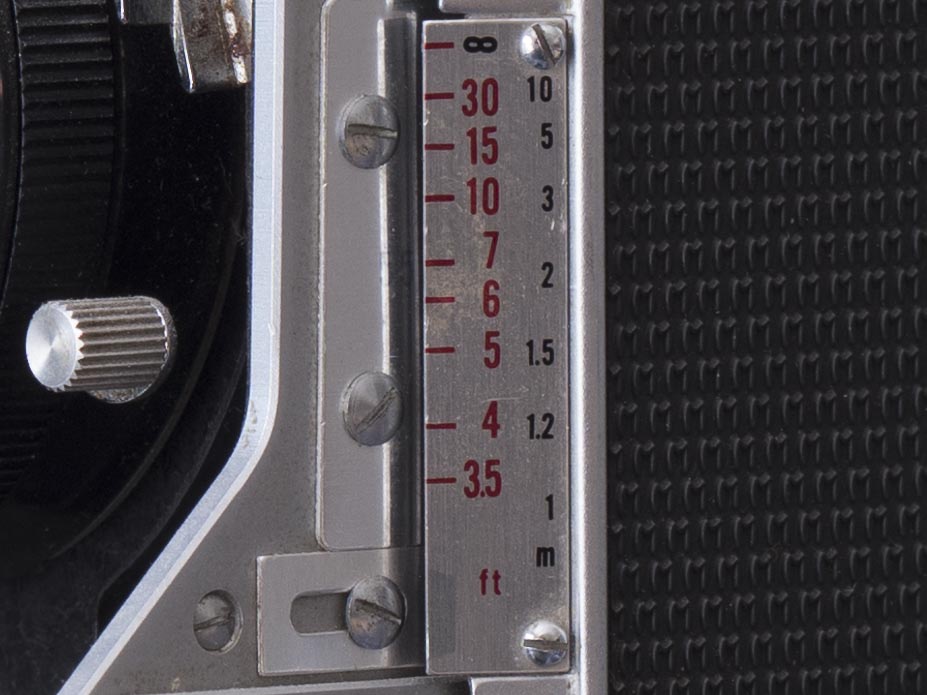
The goos news for me is the perceived sharpness compared to the excellent 12-100 is good (these are 900x700 crops). What stuck me most though was the difference in contrast. The #5 looks to be basically the same in both images, but look at the tarnish marks on the panel. They look like they were shot in different light, but they were not.

The cheap zoom is sharp and pleasant looking and is possibly more contrasty in a basic, more global sense, but you literally do not know what you are missing.

The dearer lens is sharp and very micro-contrasty, rendering the leatherette panel better and revealing the surface tarnish.

Neither is better generally speaking (the reduced micro-contrast lens has it’s uses), but I feel they are well designed to purpose. The 12-100 is for professional landscape and general shooting, the 75-300 is aiming at keeping the serious amateur content.

I checked several images, fiddled with settings and processing, but the difference stayed the difference.

The 12-40 seems to land somewhere in the middle.

It looks like the design of the 12-100 is similar to the excellent 12-60 for the 43 cameras (very high micro contrast and very fine detail).

The 12-40 was designed, as Olympus have stated, to be a little less focussed on fine detail rendering, aiming for a gentler, more pleasant look, probably in response to the sharper sensors they are offering.

The 75-300 is aiming at the more achievable and probably more relevant to a cheap tele, high contrast, but not high micro contrast rendering.

The original from the 12-100 “Mamiya on a bedrock of Trek”!? The tarnish is still visible.

The original from the 12-100 “Mamiya on a bedrock of Trek”!? The tarnish is still visible.

New printer time

There is a new printer in da house.

The lop sided ink usage and limited paper choices of the Pro 9000mk2 finally persuaded me to upgrade to the 10s (actually, the successful clear out of my old cameras gave me some cash to splash, which helped get the ball rolling).

The new machine has several benefits;

It is cheaper to run by at least 30%. The tanks cost $18 au. as opposed to $33 au for the older one. It will also likely use the inks in a more balanced way. The useless Red and Green tanks in the Pro 9000, that make buying full sets of ink a wasted benefit* have been replaced in the newer printers (2 greys in the Pro100 and grey and chroma optimiser in the pro 10).

*I still have 3-4 of each and go through photo magenta and cyan like it is leaking the stuff!

The trusty Pro9000II above, (now relegated to general printing and back up), 10s below on a wheeled trolley and some of my stock pile of 500+ sheets of 12x18 photo rag/fine art matt below. Space is an issue, so the little trolley allows me to functi…

The trusty Pro9000II above, (now relegated to general printing and back up), 10s below on a wheeled trolley and some of my stock pile of 500+ sheets of 12x18 photo rag/fine art matt below. Space is an issue, so the little trolley allows me to function normally when not printing. The mess in front is the ink. Still not gotten around to setting it up yet.

The 10s may print faster (no real issue), but it prints on my favourite fine art matt papers and is archival.

An A2 would have been nice, but realistically A3+ is as big as I would print myself and where would I fit it?

A Note about the Haiku posts and Haiku #54 Kyoto

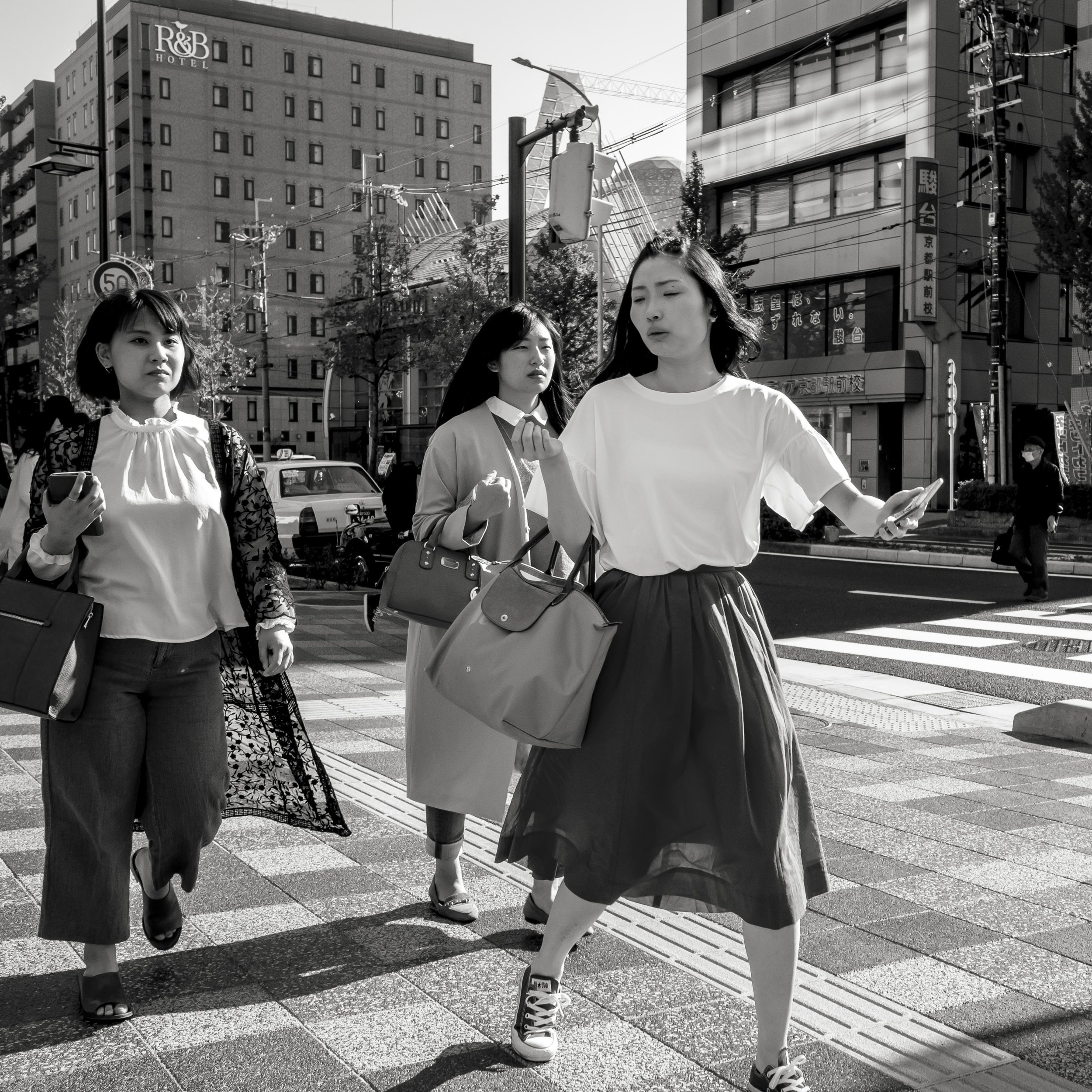
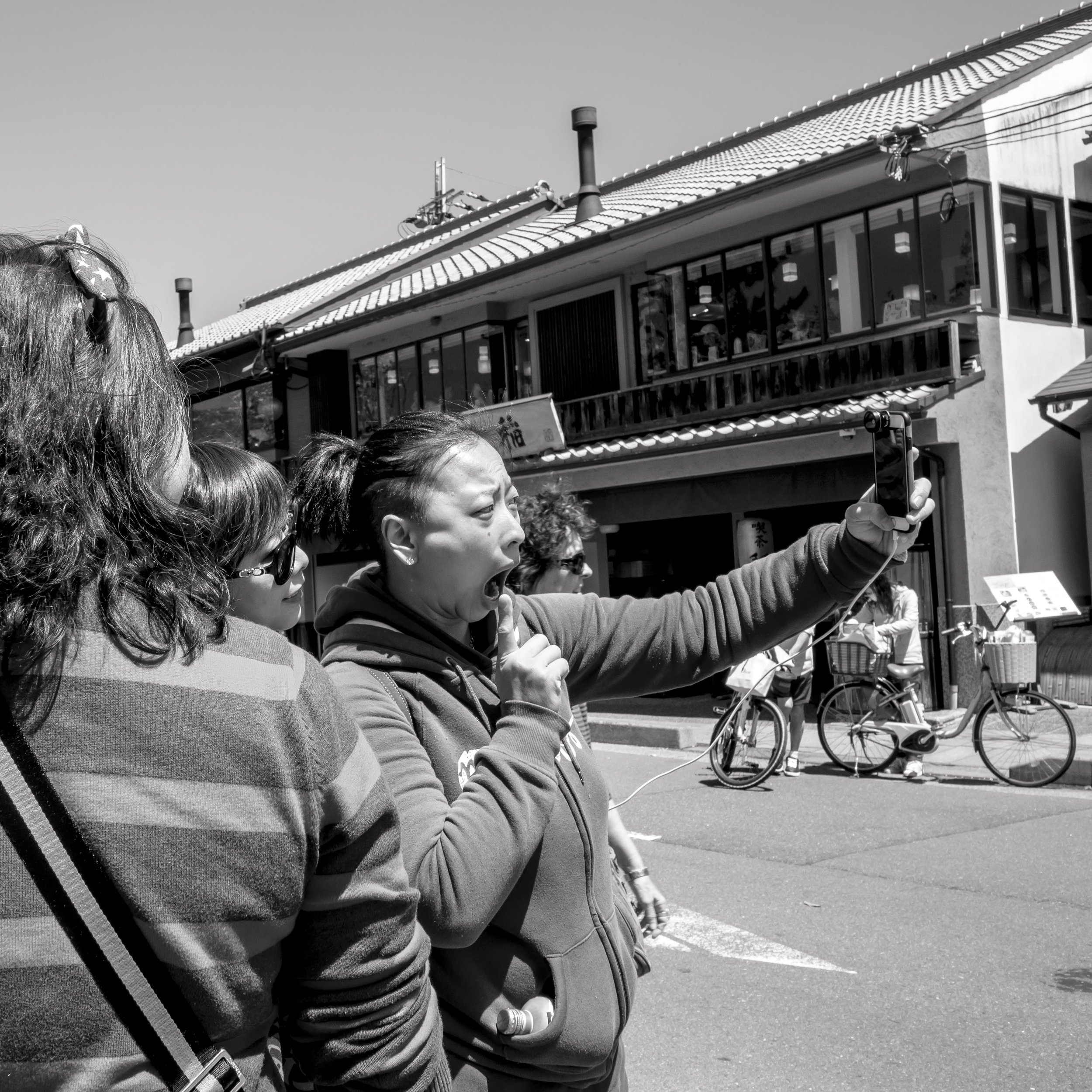
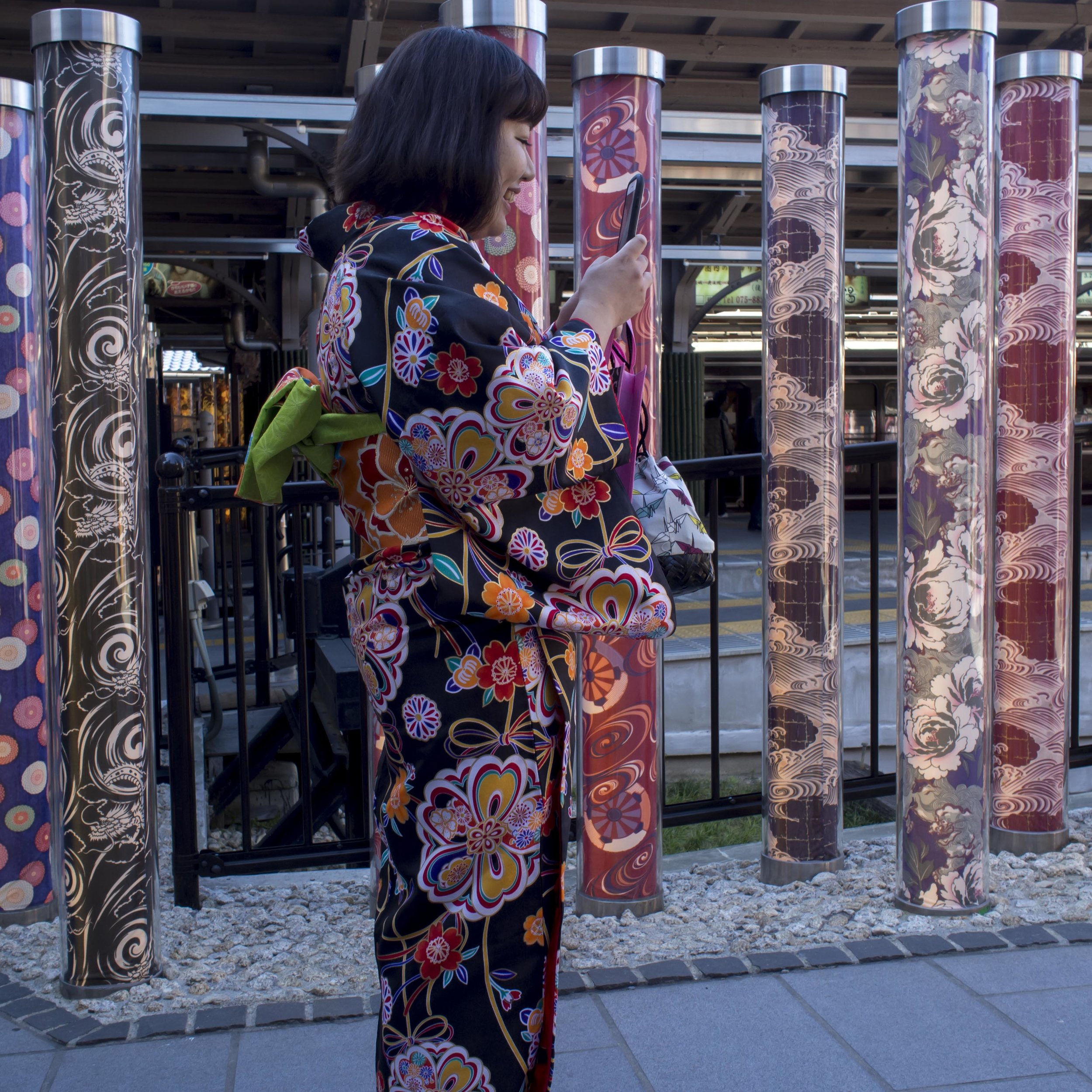
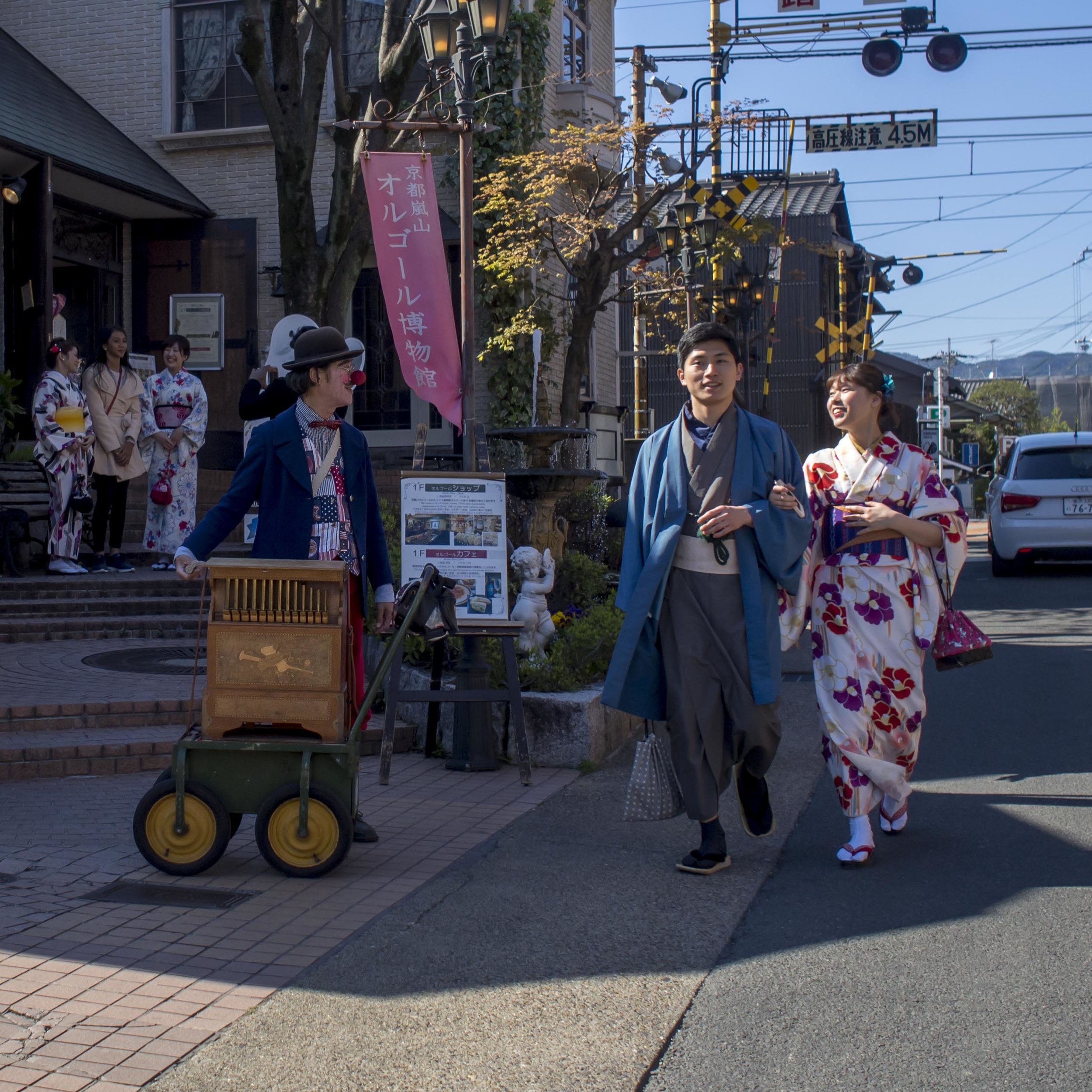
The Haiku posts are simply a triptych of images that may spark a Haiku like sequence of thoughts. Most have a theme hidden in them (sometimes a title if provided that may hint at that), but it is only relevant to me, so your mileage may vary. The point is for you to create your own, non rhyming, three line poem in the form that inspired them.

The Future of the Camera Industry?

Looking at the most recent releases and talk from Nikon, Panasonic and Canon I am even more confident predicting the future camera market. Here is my take on the 3-5 year plans from the big guns and the rest of the markets response to them.

The bottom end.

Phones will effectively eliminate the basic compact market. The few genuine classes (long zoom/1” sensor/under water) will slowly become even more specialised gear as their offer looses popularity (I am not saying they will be irrelevant, just suffer the fate of going up against the more desirable option much as film did with digital). 1” sensor models will become more “real” as this has always been the desire of the designers and customers to have (or have the illusion of) a genuinely capable camera.

The small (smart?) sensor category.

The M43 and 1” sensor category will become a specialised “small” sensor market, appealing most to the hybrid video market, the people stepping up from the limitations of a mobile phone and those who are genuinely conscious of size and field specific benefits of the smaller sensor. The compact camera as we know it will cease to exist, being replaced by these 1”+ sensor cameras. Their design will be varied, almost made to measure. Many (not all) of the limitations of the sensor will be overcome by clever technology, but this very same tech may be also used by the full frame+ category to further enhance their offers.

Olympus

Olympus will continue to offer a valid, though limited alternative to larger sensor cameras. Their choice may well be validated as the other brands go fully into full frame territory at the expense of supporting smaller sensor format (sensor cropping option on a full frame excepted), but they cannot afford to fall behind in any other areas*.

Panasonic

They will split their focus between running second fiddle to Olympus in M43, playing the role of video specialists and with their full frame (+) range where they will have ambitions of knocking off Sony in full frame video. if their S1 takes a chunk of Sony’s market then I see them going heavily that way, but I doubt they will abandon the m43 format in the short or even medium term and even if they do, much of their tech may end up in Olympus cameras anyway.

Fuji

Fuji is the odd one out here, offering something solid on either side of the full frame format. Their medium format offer will likely come down in price to make it more competitive against full frame and their APSC format range will likely add some muscle at the top end of the M43 category, although their sensor tech is often compared to full frame. (Pentax may go the same way).

The next market segment is the Full Frame or bigger group. For the customer in this category, there will never be too much.

Canon

Releasing a full frame mirrorless in the budget category, before they hit us with a pro model, has confirmed to me that they see (have stated in the past as always seeing) crop sensor format as an entry point option only (why the F#%k did they use another mount for their crop sensor mirrorless making it effectively a separate range!).

I can see another 1D model with a mirror, but it will really be a hybrid, with the mirror kept until everyone’s nerves settle. The next will be a full mirrorless. They will probably offer a 1D “C” upgrade without a mirror (why put a mirror in a video camera?) and the following model will merge the two. I will go out on a limb and say there may not be a mirrored 5D again, as their next release will likely be that very camera, but maybe they will feel the need to fight the D850 with a 5Ds/5D cross over in the short term.

Sony

Sony has been conspicuous in their lack lustre support of crop sensor models, aiming them clearly at the vlogger market, so again, I see them continuing as they have with the crop sensor models only as long as there is a perceived need or until full frame pressure from their competition forces then out. They do have a meagre range of crop format glass and full compatibility with their full frame range so it will probably not hurt them to keep one or two models around.

Nikon

Nikon has no showing in smaller mirrorless formats (no, I do not count the stalled V/J 1” models), so to me they will be looking at replacing the D5 with a mirrorless model and try to become the “kings of mirrorless” in their following generation. The D850 is the best full frame (non video specific) camera on the market at the moment, mirror or not, so it will hold them true for a while. Their track record as leaders is poor lately, but maybe the need to ascend will be impetus enough to try and lead rather than follow.

Both Canon and Nikon have release 3 year lens road maps, which is a good sign and each have taken the road of “full frame needs big lenses, but mirrorless can offer better big lenses”, rather than the “mirrorless is always smaller” B.S. they (all full frame makers) have tried to sell. There is a slight chance they will re-invent their 1” cameras to compete in the smaller sensor market, or maybe that will just quietly go and they will try the more conventional 1” compact direction.

Adapters

Adapters will become standard practice. Growth of cross pollinating primary brand and after market lenses, even legacy options will make the adapter the smart option rather than the compromise it is currently seen as.

Lets see how that pans out.

*Personally, I do not think that M43 has run it’s race, but I do think that it is a tipping point. The next stage (advanced tech) needs to be rolled out quickly and efficiently or they will loose precious market share (perceptions are everything).

ed. After a night with Nikon, looking at their “Z” series cameras, I am even more sure of their commitment (they have to really), but less enthusiastic about the cameras themselves. Lovely mount, brilliant lenses, excellent sensors, very well made cameras, but 3 year ago AF performance. They will get there, but it is funny how they can convince themselves they are on track, just like all of us early adopters did a few years back (Fuji X100 anyone?).
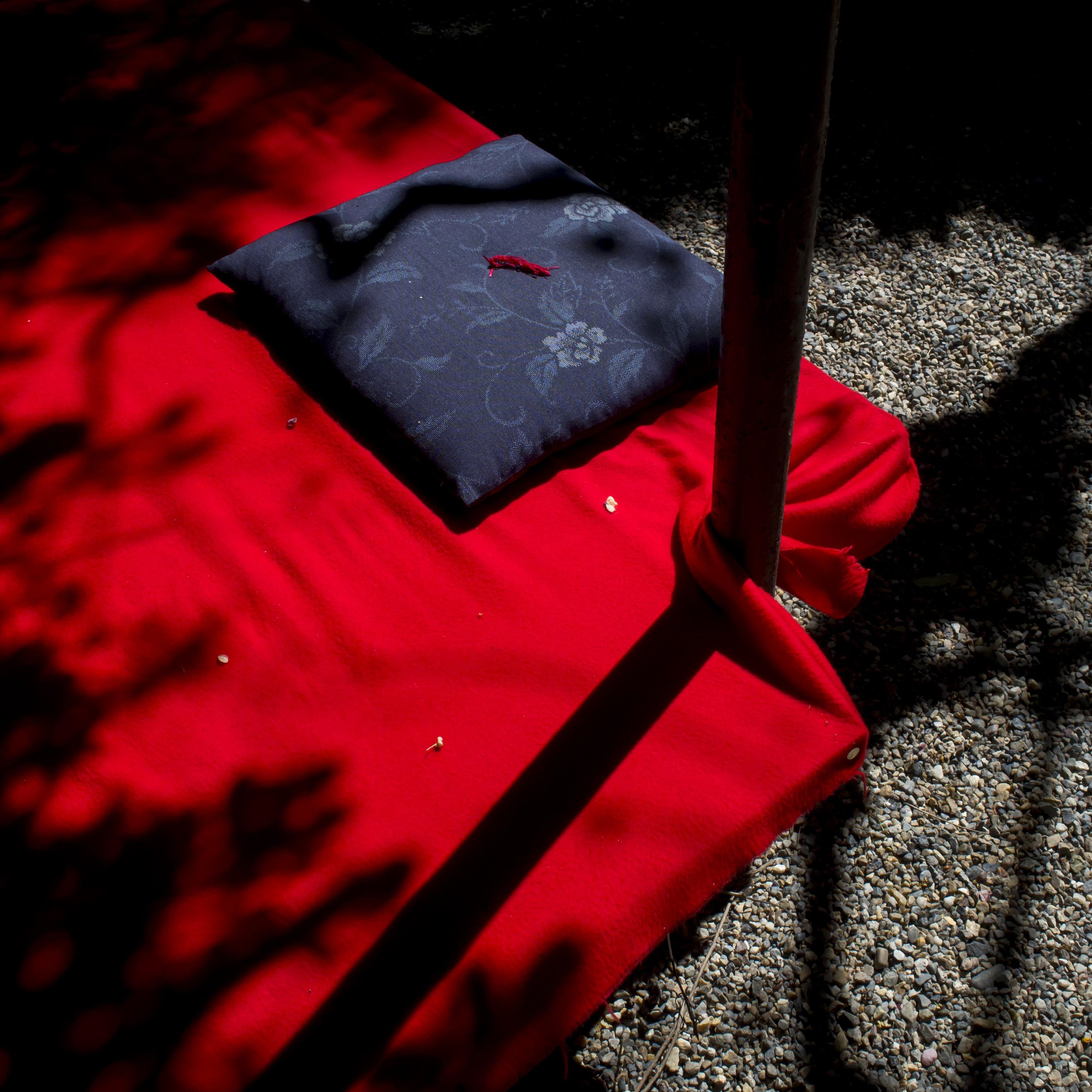
Hobart for the Weekend.

Due to a family illness, we spent the week end in Hobart (only just, as it was 97% booked out).
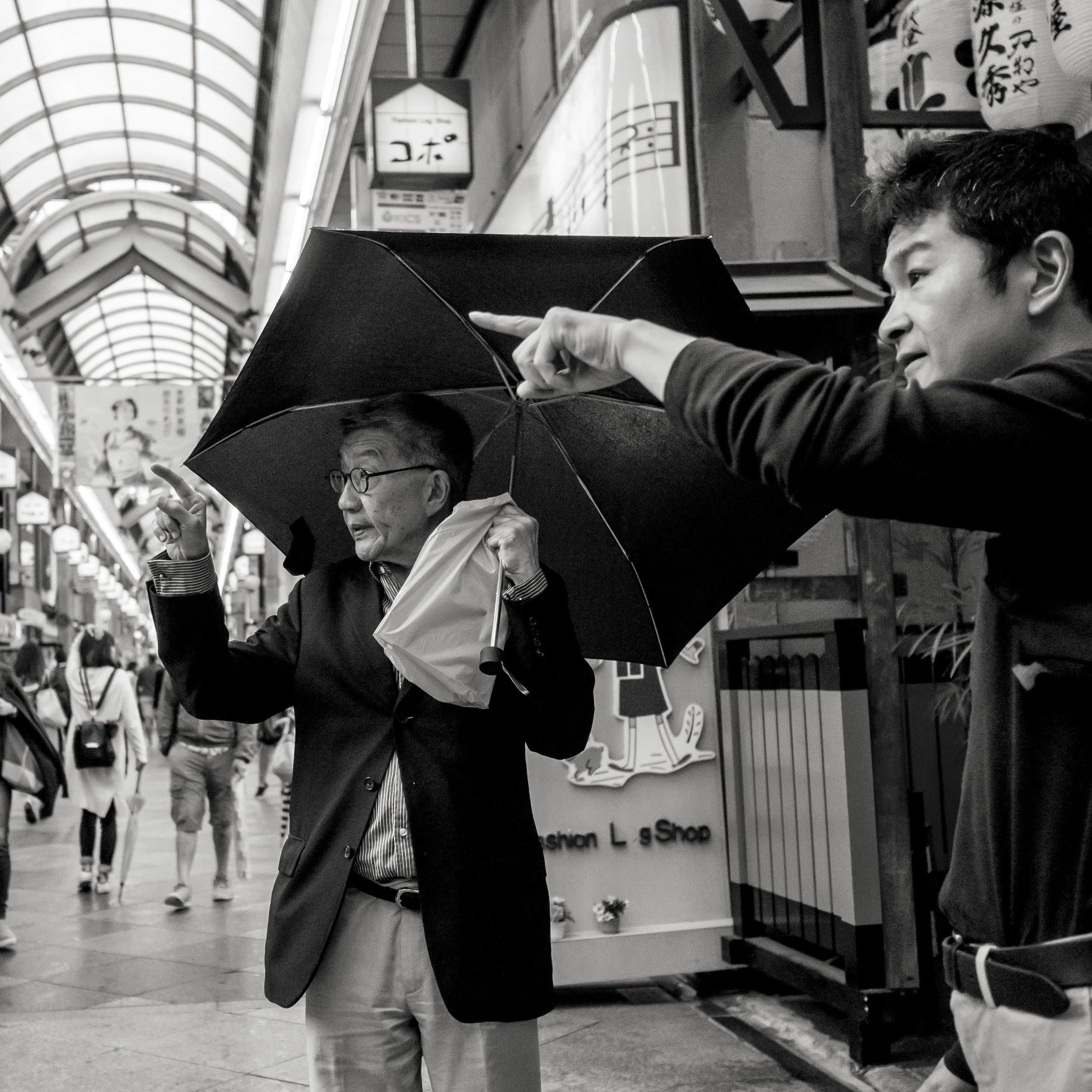
Between hospital visits, we wandered through the city on a lovely, gentle Sunday morning.
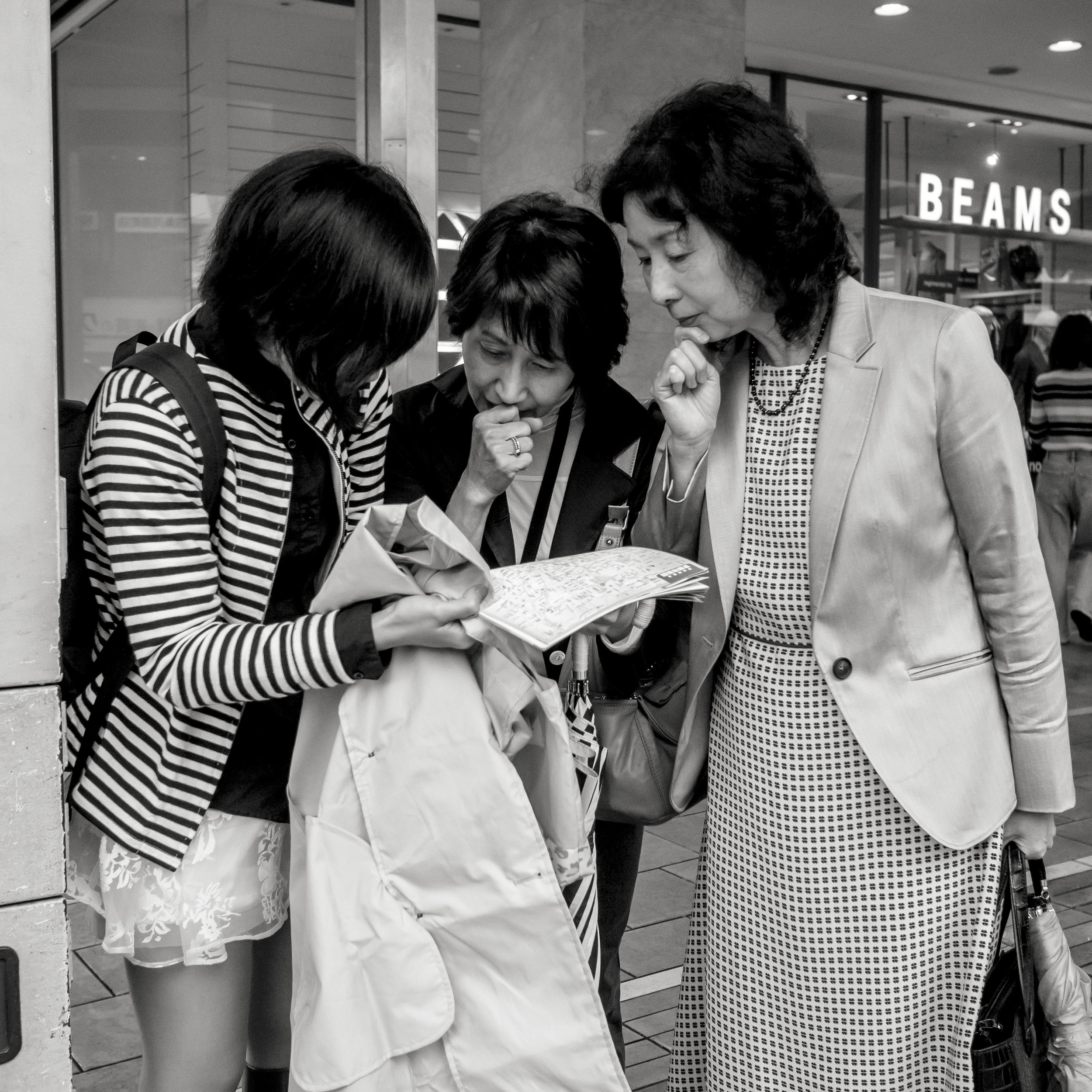
Trying to be more discerning, but still binning 80% of the images.

Still unsure about the Em1, over the two days I had resolved to sell it (there is an EM5 kit on offer at work in near unused condition). Re-thinking that at the moment, but it is still a camera that feels out of place in my kit/life (too heavy, too big, faster than I need and uses different batteries, that are not that much better in performance to the Em5’s and require a different charger).

After a couple of days of light shooting I came to several conclusions;

I do not like flip and rotate screens for street. Flip up are better,

The shutter button is fudgy when filed with my thumb at lower angles (but lovely with my normal shooting finger). This is annoying as I often shoot with my left thumb when in close to people.

The batteries are not all they are cracked up to be.

The Em1 and 12-40 are not a comfortable hold for long periods. I am a healthy bloke, but the dead weight of these two for hours on end is a fatiguing distraction. The 2 EM5’s, one on a strap and one in hand are much more comfortable for full day shoots.

Not dealing well with the files (they seem lack-lustre and flat which is me I am sure). They react differently to the Pen F or EM5’s and lack the fine edge snappiness I am used to, but different is good as long as it has it’s use. I feel the files in the other cameras have a strong opinion, where the EM1 files are little more flexible, but maybe more wishy-washy. It took me ages to get control of the Em5’s files, where the Pen’s were just a revelation. The EM1 files make me feel like I am having to come to them again, but differently.

On the good side, the files seem to be pretty robust and noise is well controlled.

AF is better. No misses.

House Keeping

I have re discovered the importance of good house keeping (well on the computer at least).

The main take away I have from mercilessly culling my library (some Japan folders have gone from 500+ to less than 100 images) is that;

The junk holds you back.

The more I get rid of, the happier I am with what is left. Whole days of shooting “touristy” subjects in poor light with no real goal in mind result in an endless stream of dross.

I find this depressing on so many levels.

Nobody needs to be reminded of their failed attempts. Why keep 20 near misses when only one image is a real “keeper”?

If an image of a subject, theme, place or person has not found a use in several years, it is unlikely to ever.

One of literally hundreds of Japanese castle wall detail shots. This one says pretty much what all of the others were trying to say and lets face it, how many should it take? Actually taking images through to the print ready stage usually helps me r…

One of literally hundreds of Japanese castle wall detail shots. This one says pretty much what all of the others were trying to say and lets face it, how many should it take? Actually taking images through to the print ready stage usually helps me remember that I have covered the subject. Endless shooting and dumbing tends to leave an itch in need of continual scratching.

My wife and I have a saying we remind each other of when travelling, especially when shopping; “beware of least worst” syndrome. What this means is, do not buy the only thing that stands out in a shop full of un interesting things, because it will probably be the worst thing to buy when you actually find what you want.

The same holds true for images. Your photographic legacy will likely be twenty or so great images, with maybe three or four you are really defined by. Those real world beaters. How many thousands of also-rans do you want to be weighed down by?

Keep your stocks clean and you will see the value of your best work more clearly.

Camera and Lens Matchmaking

Nut case alert. The following may all be bunkum, based purely on intuition and personal bias..

Not overly superstitious, I do believe in intuition and gut feelings. Nature has blessed us with the innate ability to feel trouble coming or when something is right, but we have learned to ignore many of these “life’s sign posts”.

Sometimes a camera and lens just seem to like each other. I have 3 EM5’s, all cosmetically different, but the differences do not end there. Each seems to “take” better to some types of photography with certain lenses better than others.

I have had plenty of perfect matches in the past, each good at that one or a few specific things, but often poor at others. The european thing would be to keep each for it’s assigned task, but boring simplicity has forced me to part with some and commit to one.

5D mk2 and Voigtlander 40mm f2. This worked brilliantly as a low angle street set-up. The manual focus markings, smooth MF and small size of the lens allowed me good control and form factor on the 5D, although the camera lacked accuracy with the lens for eye level MF without a replacement screen.

The FF body seemed small in the hand with the 40mm pancake. In one walk through this market, I netted 20-30 useful images. The same walk months later with an XE-1 and 27mm was far less successful.

The FF body seemed small in the hand with the 40mm pancake. In one walk through this market, I netted 20-30 useful images. The same walk months later with an XE-1 and 27mm was far less successful.

F1n and FD 50mm f1.4. This was the ideal one camera-one lens-one for a year kit in it’s day. The two just worked and produced great images. I had lots of other lenses at the time and no great love for the 50mm focal length, but this kit worked well enough to force itself into my hands.

EM5 and 50mm f1.4 Zeiss. Manual focus and a little too long, never the less this pairing worked a treat. The micro contrast of the lens and EM5 sensor were a near perfect match. I even found focussing it without peaking to be a more on than off dynamic, but not ideal for consistency. The Novoflex adapter I had was also a good tight fit making the lens feel genuine.

EOS A2 and 28-105. This lens had an odd history with me. I loved it some times, hated it others. It may have been a calibration thing, but on the A2 (EOS 5 without eye focus), the lens seemed to be faultless and capable of rendering it’s subjects delicately and three dimensionally.

EM5 and 17mm. This lens is a good fit on either of the older two EM5’s. It makes these cameras as good as they can be. The lightning fast AF and gentle, controlled tonal rendering seem very settled on these bodies. The wider AF area never seems to be an issue with this lens, where the newer EM5n (firmware updated) works better with the tighter focus area option.

So reliable.

So reliable.

EM5 and 75-300. Punching well above it’s weight, this lens has pulled off shots that have settled my regrets about selling the 400L Canon lens. The EM5 files have much on common with the files form the 1Ds Mk2 and this plasticky little lens is close to matching the Canon optically but is 1000% easier to carry and use. The only negative was slowish AF compared to the best Olympus lenses, but on the EM1 that is much less of an issue.

untitled-4220458.jpg
Even hand held at 1/30th this 600mm equivalent pulls off some miracle shots. At it’s worst (wide open at the 300mm end) it is convincing, at it’s best (75-200 stopped down 1 stop) it is utterly brilliant.

Even hand held at 1/30th this 600mm equivalent pulls off some miracle shots. At it’s worst (wide open at the 300mm end) it is convincing, at it’s best (75-200 stopped down 1 stop) it is utterly brilliant.

EM5 and 75mm. The newest EM5 mk1n and the 75mm are responsible for some of my favourite images. This lens shines in any circumstance, but this EM5n with it’s small area AF is more accurate allowing the f1.8 aperture to shine. The newer cameras are also excellent, but the EM5n and 75 have earned their stripes. I really should firmware update the other two, but I am a little hesitant as they are fine for the roles they fill.

untitled-1160303-2 copy.jpg

1D2 Mk2 and 100 macro USM. Capable of snatching flying insects out of the sky or “perfect” fine art mono images, this combo filled me with confidence. The camera was a little dated by the time the pair were separated, but I would back it for any “portrait” style job near or far.

The 1Ds AF in low light was a bit patchy, but in good light it was cutting edge.

The 1Ds AF in low light was a bit patchy, but in good light it was cutting edge.

The 5d mk2 and 85mm f1.8. This little gem fit most Canon’s well, but the 5D2 and it were well suited. I could find the shutter on the Mk2 a little clunky. This was better feeling with some lenses and the 85 was one of them. The 135 f2L had much the same dynamic, although for some reason I preferred that one used as a 200mm on a crop frame.

1D2 Mk2 and 400mm with optional 1.4x converter. This little super tele and camera got the job done. I would go so far as to say, this camera was the best I have owned for any longer lens work.

The original file (lost for the moment) is of the whole monkey and a fair amount of the enclosure in landscape orientation (this is only 850 kb). It was taken hand held at 1/125th with the 1.4x ext. I had a friend with a 5d2 and lots of “L” glass wh…

The original file (lost for the moment) is of the whole monkey and a fair amount of the enclosure in landscape orientation (this is only 850 kb). It was taken hand held at 1/125th with the 1.4x ext. I had a friend with a 5d2 and lots of “L” glass who had never seen quality like this.

There is that excellent day time AF again.

There is that excellent day time AF again.

Really, really good (this was taken with the humble 450D)

Really, really good (this was taken with the humble 450D)

Pen F and 12-100. Although a camera designed for street and documentary photography, this camera’s sensor and lens just sing together. The sensor is the best Olympus has to offer at the moment for clean, low ISO, high sharpness images and the “hard sharp”, high contrast lens suits it down to the ground, rendering with near perfect clarity. Not a great fit in the hand for me, this combo is perfect on a tripod.

Pen F and 45mm black. Simply brilliant. The silver one tests much the same, but just does not do it for me.

OM4 Ti and 180 f2.8. This was a short lived pairing. It was a shame* as the images it took haunted me for years. My first foray into Olympus back in the 90’s was a shared experience with a huge Canon FD mount kit. Having an insanely expensive 300 f2.8 for the Canon forced the point at the time. 20:20 hindsight is a bitch.

XA-1 and 14mm. Not one much for wide angle lenses, this pairing felt strangely natural. The 21mm equivalent lens was the most natural feeling wide angle I have ever used and the XA-1 avoided the “water colour” issues of the X-Trans sensor. Like the Pen-F, this kit was perfect for landscape work, more so than any of the other model of Fuji I tried at the time (the XT 100 is very tempting).

Actually taken with the XE-1, but a good example of the lens’s unique, not obviously wide, look.

Actually taken with the XE-1, but a good example of the lens’s unique, not obviously wide, look.

XA-1 and 27mm. Same as above, only a less obvious fit. The XA-1 14/27/60 macro, were in hindsight (again), a very powerful landscape set-up. If my jitters over the Adobe/Fuji incompatibility were less real and I used it more (I was not doing landscapes much at the time), this little kit would have served me well.

_DSF2165.jpg

NEX 7 and 50mm f1.8. Not the best sensor/camera interface, nor the best lens in the range. I loved this pair for mono work. Black and whites were crunchy, contrasty and lush and Bokeh very gentle. The files did not look like film negatives as such, but more like good film era prints.

Delicate highlights, crunchy shadow detail. very film like.

Delicate highlights, crunchy shadow detail. very film like.

*Loyalty to camera gear is a funny thing. years ago I parted with my Canon T90. That point was a change in attitude that broke any loyalty I had with Canon or gear of any type. No matter how many cameras Canon produced, how much their technology changed, I had little loyalty to my gear. I was on the hamster wheel, constantly upgrading, scheming, honing. The 135, 400L’s the 70-200 non IS, the 85mm, 100 macro and Voigtlander 40mm all hold a special place in my memory now, but at the time were surprisingly easy to part with (the cameras, for one reason or another and overall weight broke the system for me as well as the lack of a more practical 40mm).

My ideal Canon kit now would be a full frame (6D mk2) and crop frame (7D/80D) body combo, with 24 (40) T/S L, 40 (65) pancake (not available when I exited Canon), the 40mm Voigtlander also as a point of difference, 50 (80) macro, 85 (135) f1.8, 135 (200)L (or 70-200 (100-300) f4L non IS or the new IS one), 400 (640) f5.6L. In all honesty, i Canon had produced the 40mm a year earlier, I probably would have stayed with them, but in a lot of ways, I am glad they didn’t.

Olympus on the other hand was always a wrench to part with. The 90 f2 macro, 180 f2.8, 50 f2 macro and 28 f2 were true paragons of the lens makers craft (they would have been a good fit for modern M43 cameras). The impracticality of keeping them at the time, along side an overly complete Canon kit out weighed the respect I had for them, but hindsight (as mentioned before), is a bitch.