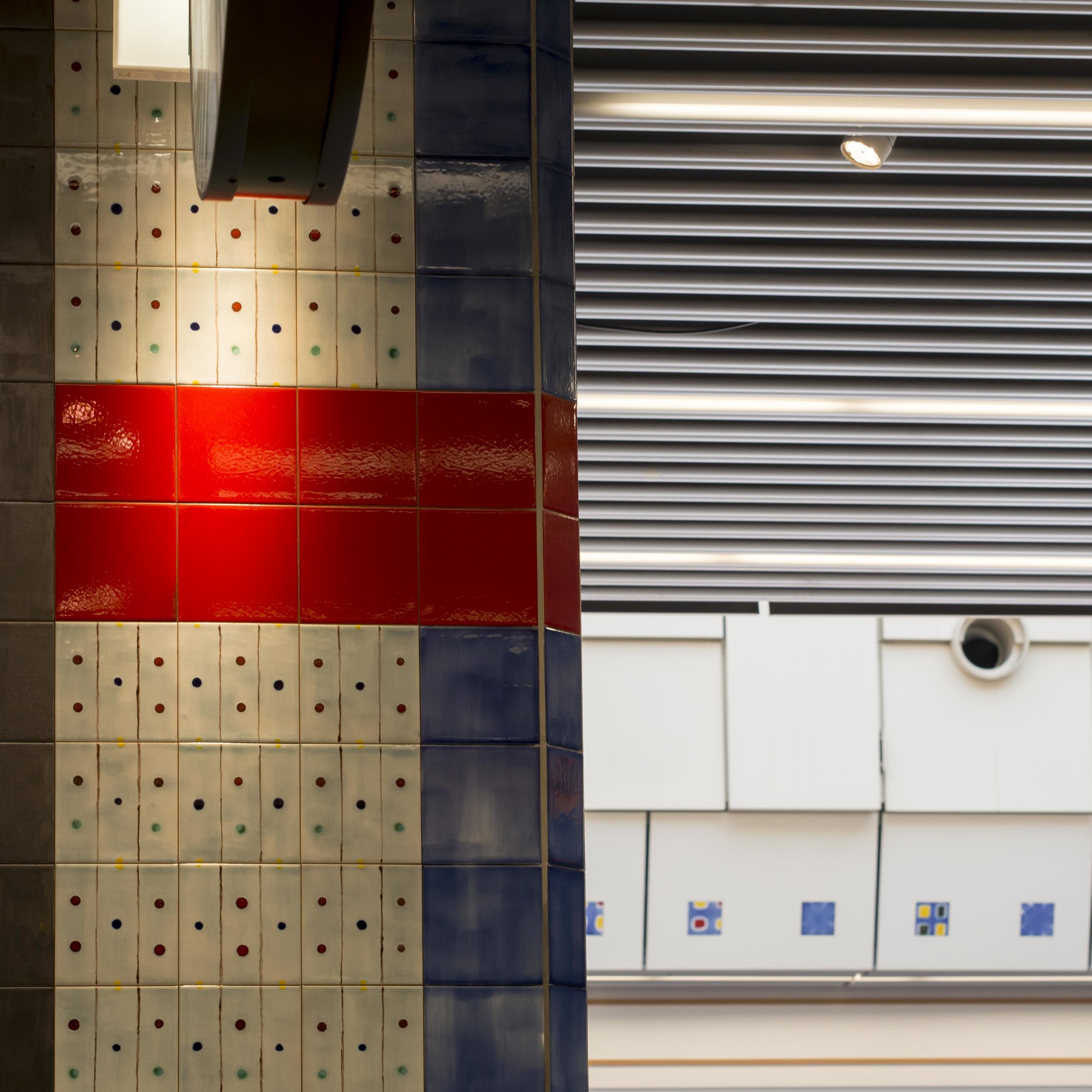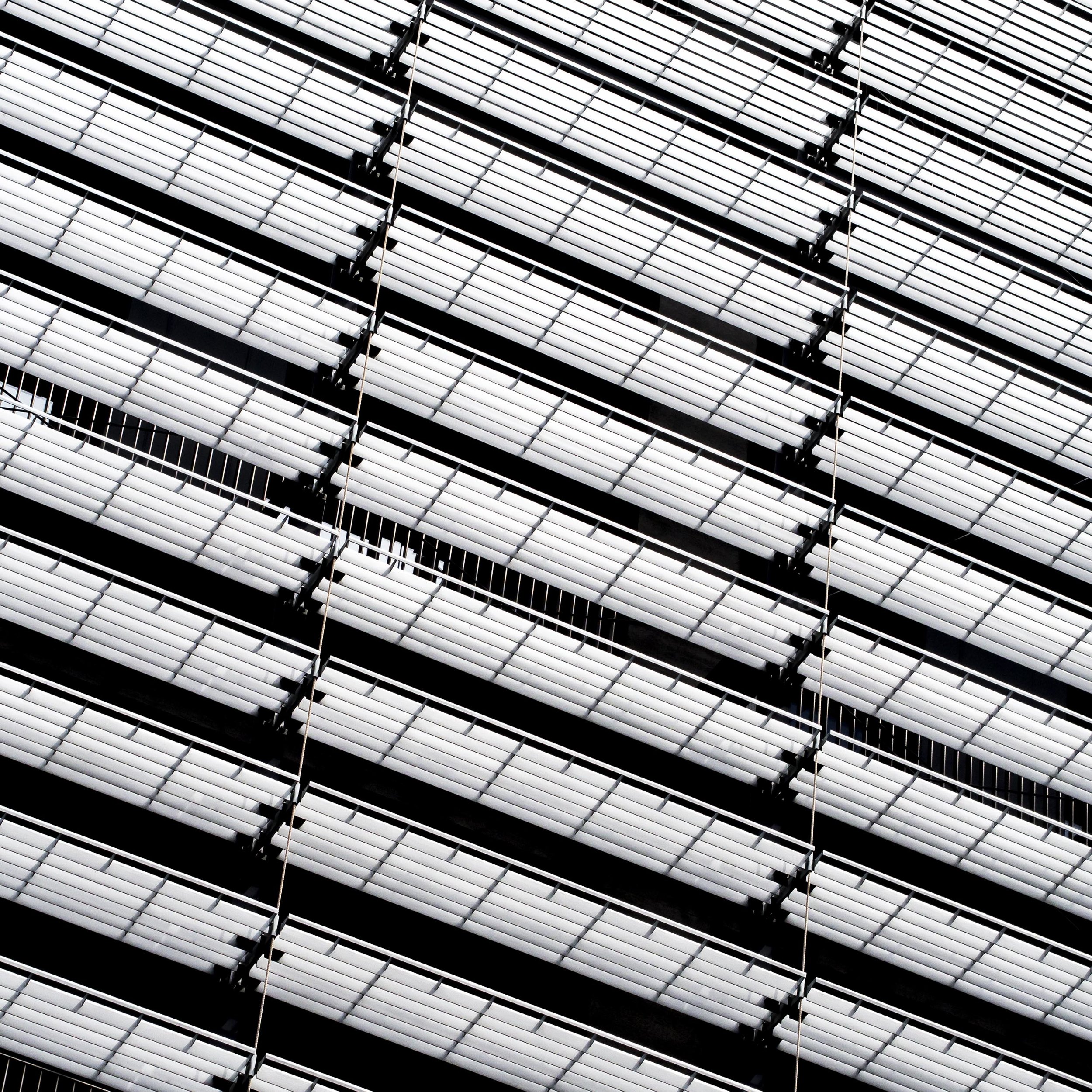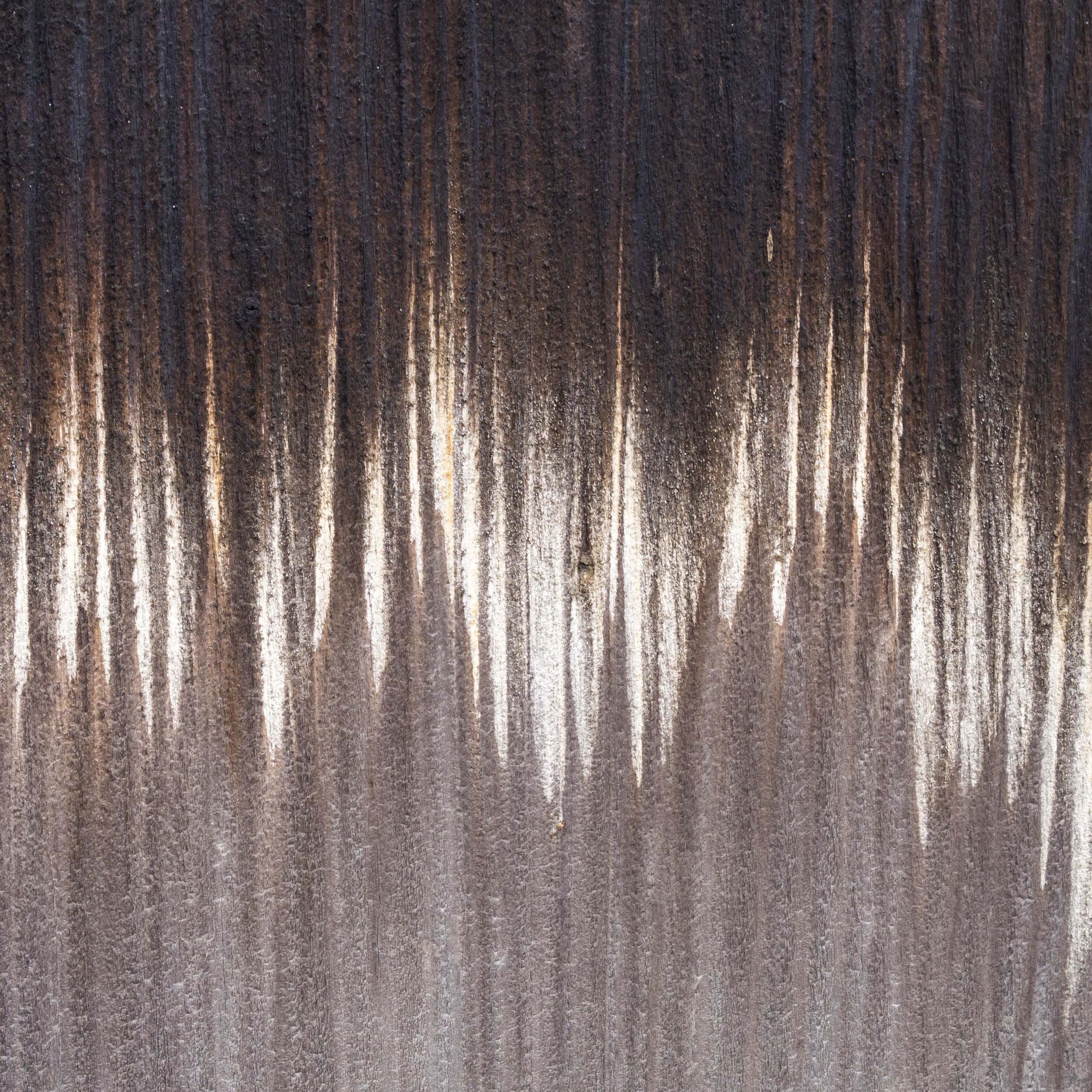


Kill Your Babies (or "patience Grasshopper")

Terrible phrase, but a relevant one (if taken in context).

It means literally, to let go of your past victories and achievements and look to your next. It is ok to be proud of your past achievements, it is even expected, but the most important thing is not what you have done, but what you will do in the future.

lately I have been hero worshipping the results I got out of the EM5 mk 1 cameras and second guessing the value of the new ones and even questioning the direction Olympus has taken with their new cameras. The core of the issue comes from flawed lines of reasoning.

The new cameras have to compete with six years of memories. The mind of course plays tricks, usually only remembering the best results and then exaggerating them until they become paragons of the photographic art. When put to the test, the files I examine are very normal, often well worked and the mystery falls away. What I am comparing to them is every image that comes out of the new cameras!

Totally unfair and unrealistic.

The EM1 looked to produce grainy and smeary files in almost complete darkness, in light with little contrast, with a slow, middle priced zoom at ISO 6400. Who knew?! The only times I ever successfully used the EM5’s at really high ISO’s I was using the 40-150 f2.8 and good exposure. The images were then viewed from the perspective of the client, that was a web page and no more. What was good enough then became beyond that in my memory, then almost legendary in status.

Below is another example (on I have at hand).

This image and it’s crop were used to cite the quality of the 75-300 and EM5 vs my old 1Ds Mk2 (same pixels) and 400 f5.6L. The difference was minimal and the weight/cost/hassle factor very much in favour of the Olympus set-up.


Below is a set from the other day. I selectively forgot that the top set was taken in brilliant, contrasty and sharp light at ISO 400. The ones below were shot in flat light, with low contrast and little intensity at ISO 800 and I did not take in to account how much work I needed to do to lift detail out of the head (see below)!
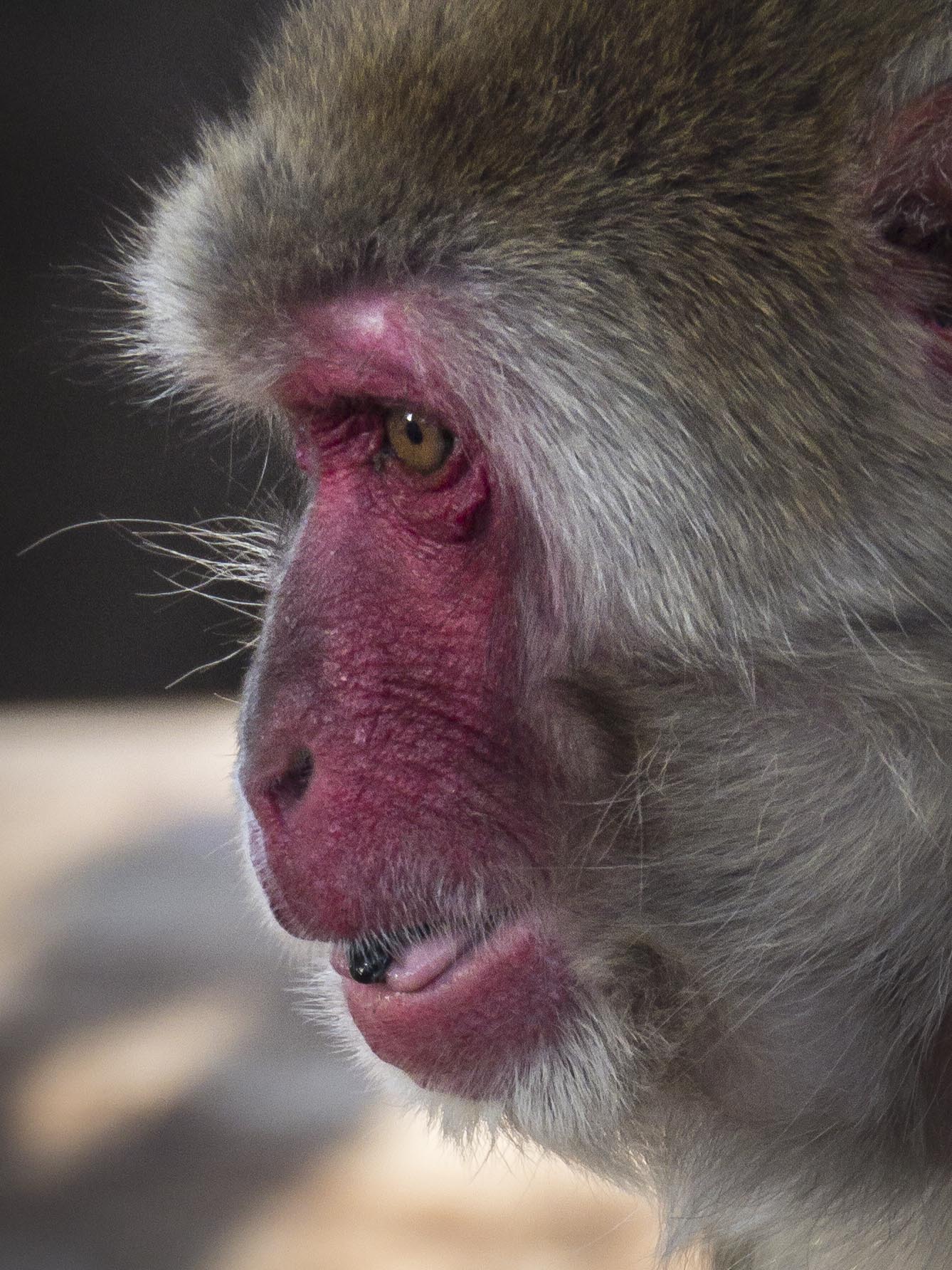

Where do the bad things hide? In the shadows.

Where do the bad things hide? In the shadows.

Quite nice in better light.

Quite nice in better light.

Unhappy with what I saw, I set out to find the answer.

The answer? (Taken with the EM1 and 75-300 in good light!)

The answer? (Taken with the EM1 and 75-300 in good light!)

The answer is pretty simple really. The EM1 takes a better image than the EM5 and is generally faster and more sure footed,

but,

It has not shifted the bar overnight. ISO 800+ is still a compromise on some level, that only better (faster) lenses with higher micro contrast and sharpness can partially alleviate. Light is the answer as always, along with getting to know the camera’s personality, it’s limits and preferences. The files do seem to be “mushier” at ISO 400+ than the Em5 files, but it was not that long ago I felt the EM5 files were too hard. A little processing examination, based n the excellent jpegs has given me a slightly more aggressive approach to it’s files. Jumping to a full frame or Fuji would help with high ISO performance, but reduce depth of field equally, making the exercise pointless, not to mention the added size, cost and weight.

The road to getting the EM5’s to speak properly for me was long, but worth it. The road to best results for the newer cameras will likely be less arduous, but it is only the beginning of the journey. I know there is more, because the jpeg coming out of the EM1 are the best Olympus ones I have seen (Fuji still rules here). I just need to get a RAW work flow that betters them and I will be set. There is probably a 40-150 Pro in the wings also as that lens had very good low light contrast.

When I use the EM5’s I generally avoid flat light. They have a simple beauty to their files, that can be brutally treated and take their licks well, but the best results will always come from strong and contrasty light, where they shine (literally) and tame blown highlights well. The EM1 and Pen F will, I am sure, offer similar or better images, they just need to be given the same opportunity.

I hope so anyway, because I am taking them to Japan this trip.

The Relative Merits of the EM-1

A colleague was offering to trade my EM-1 for a small kit (EM5 mk2, 3 lenses).

The trade is tempting as the EM1 is over kill for me and puts pressure on me to service it with better lenses (AF speed mainly). The EM5 would give me the basic upgrade from the old work horse cameras, offing electronic shutter and high res, without changing the basic dynamic of my kit (same batteries even).

I have been hard on the EM-1. It takes a lovely image and offers a point of difference.

One area it always surprises me is the quality of it’s jpegs. I am not yet convinced that it has better jpegs than most or that the camera does a better job of processing it’s files than Lightroom.

Top row, RAW with my basic preset

Bottom row jpeg again with a very gentle pre-set.

The naturalness of the sharpening is appealing. Fuji did a brilliant, almost completely invisible job of sharpening on their jpegs, something I was drawn to, but Olympus generally over sharpened and obviously.
The Pen F has sublime RAW files, full of micro detail and contrast, but the jpegs can be a little too “perfect”, almost plasticky.

What the EM1 seems to have is a very good application of all of the Olympus “good stuff’, I guess making the working day of the professional shooter easier. The RAW files do not do it for me. The Pen runs rings around it for very fine detail and the old EM5’s beat it for perceived “snap”, but the noise is better tamed (probably where the resolution difference lies) and the files are smooth-lush, much like Canon files.

EM-1 75-300

EM-1 75-300

I do have a pre-set for jpegs. It is basically a very mild version of my usual treatment (slightly brightened white channel with tamed highlights, slightly deepened black channel with a corresponding highlight boost).

EM-1 12-40

EM-1 12-40

To my mind, the difference is much like the difference between the 12-40 and 12-100 lenses.

The bigger zoom is “hard” sharp, very punishing of imperfect subjects , but rewarding at pixel level if some peeping is going to be a reality. The sharpness seems to defy you viewing too close until you actually hit the pixels. On the Pen it excites me with it’s potential. Compared to the EM-1 and 12-40 it is like shooting a medium format film camera, a little harder to do, but predictably better results.

The smaller zoom is “nicer” if that makes sense. It has a more forgiving nature, great Bokeh and a pleasing gentleness, ideal for general work. On the EM-1 the pair can produce lovely images, especially at normal (not 100% on a screen) distances.

Ironically, the two lenses swapped roles would probably even things out, but the EM-1 suits hand held use and the Pen is better on a tripod.

On the cameras, I really should not ignore the feel the cameras have.

The delicate Pen F, beautifully, but not ruggedly made, makes me feel like driving a new Land Rover in the wilds. I really do not want to scratch the paint work!

The EM-1 is just asking for a tough life.

Melbourne Steel and Glass

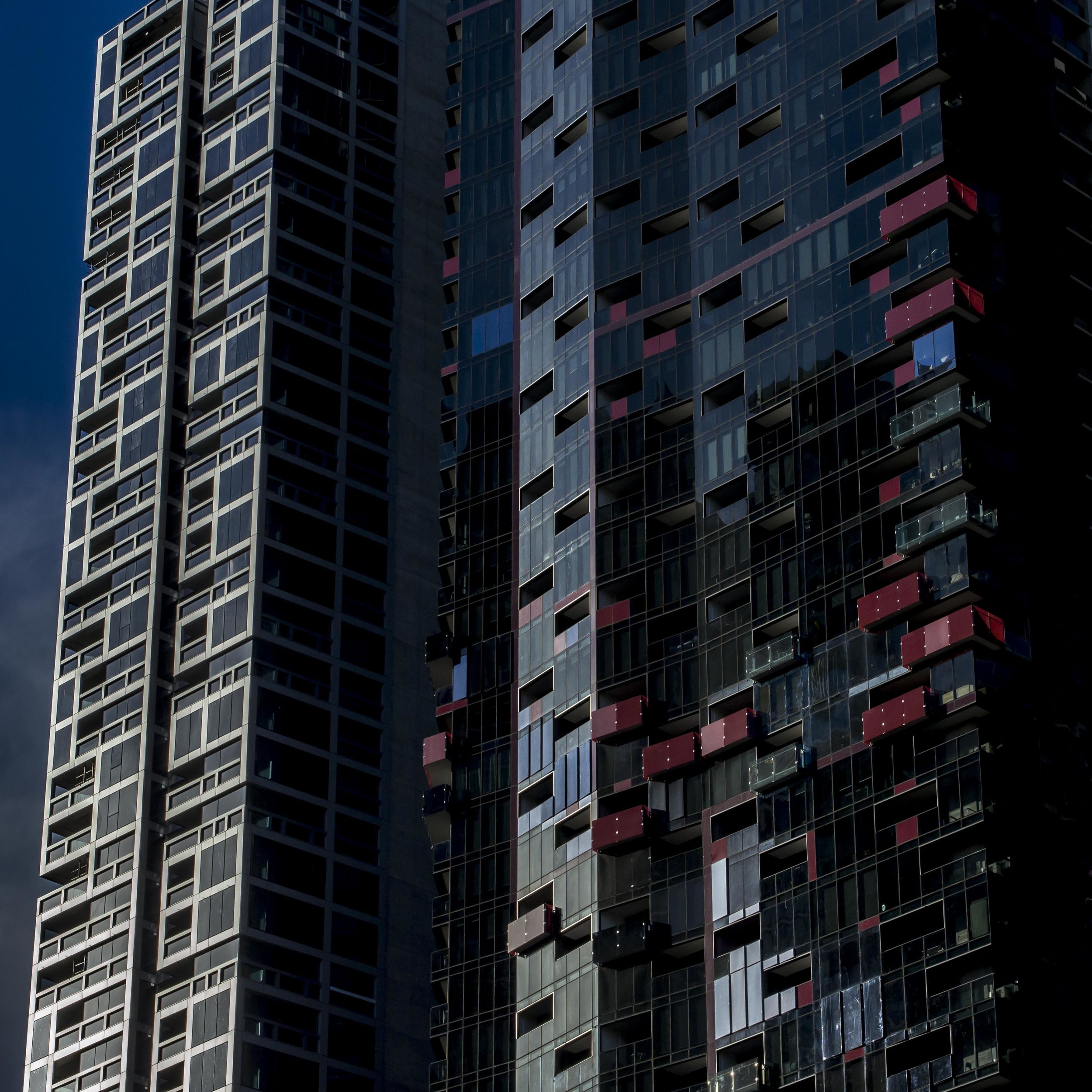
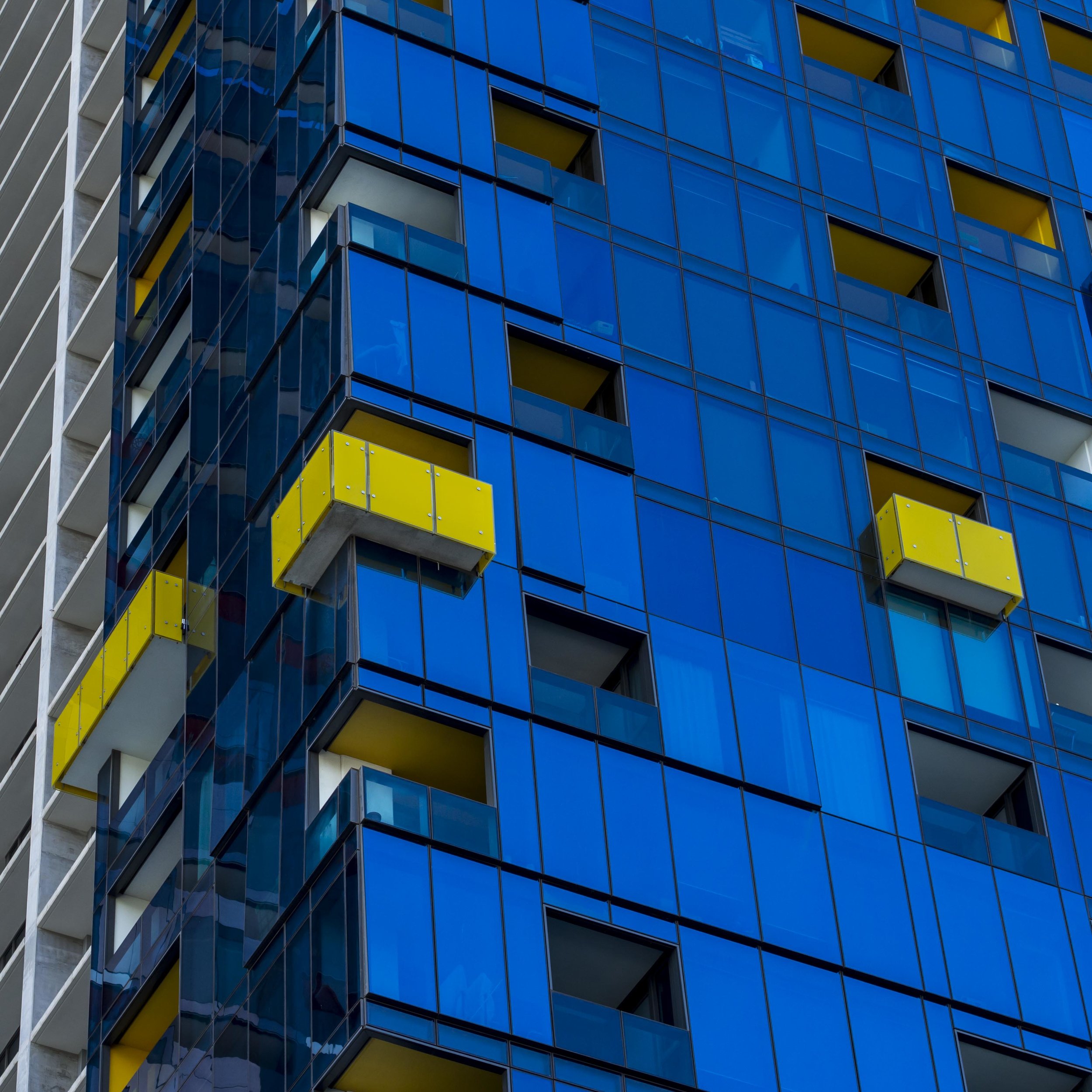
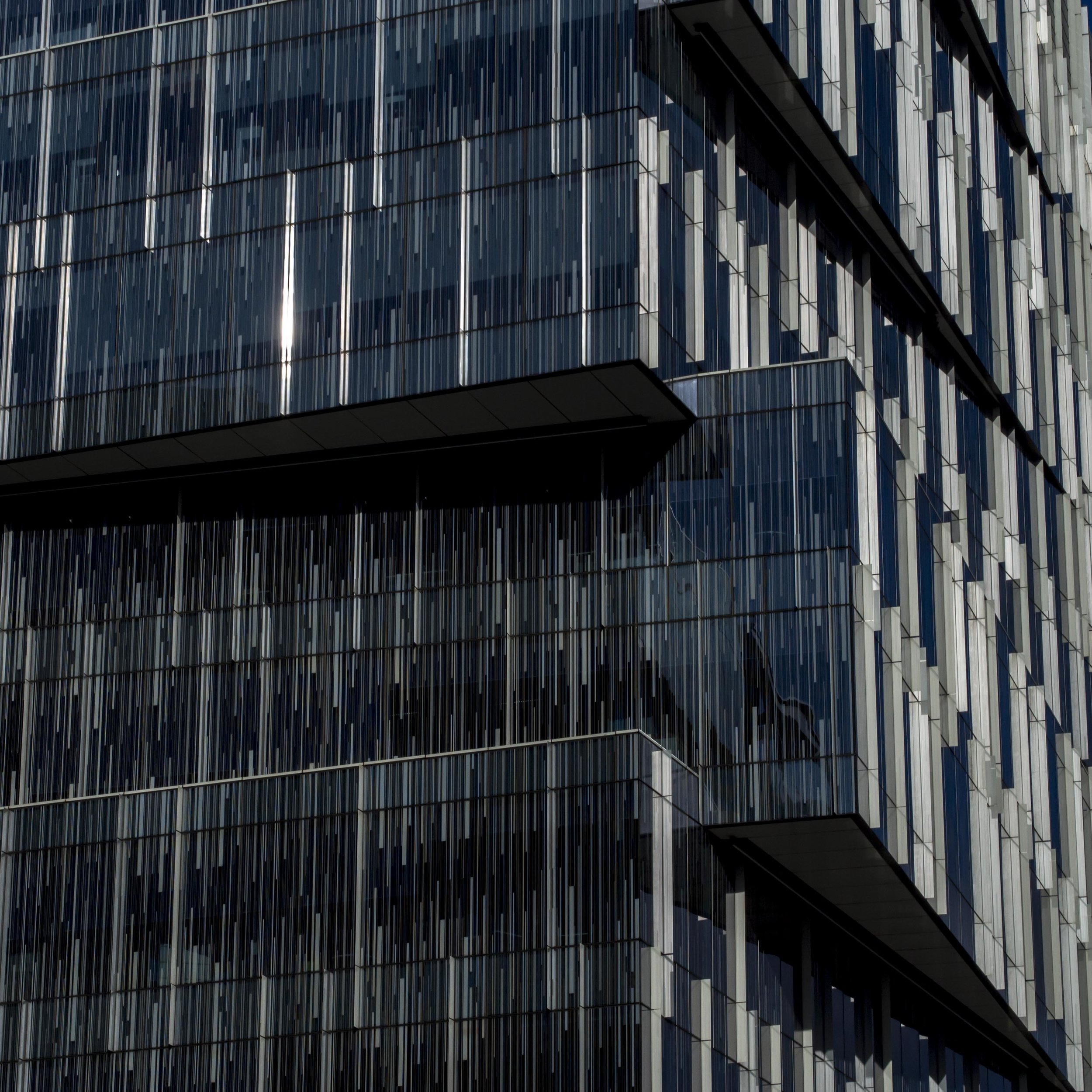
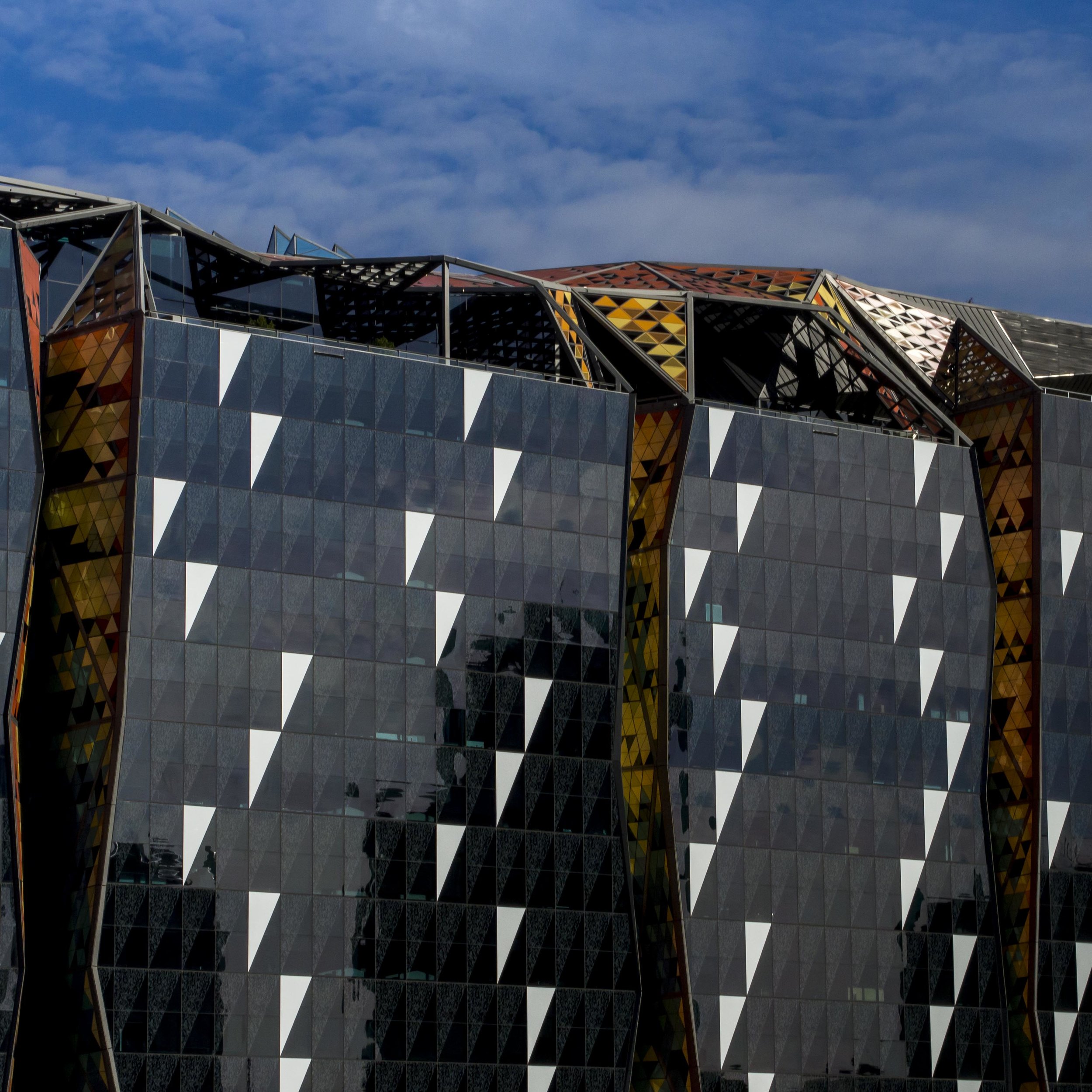
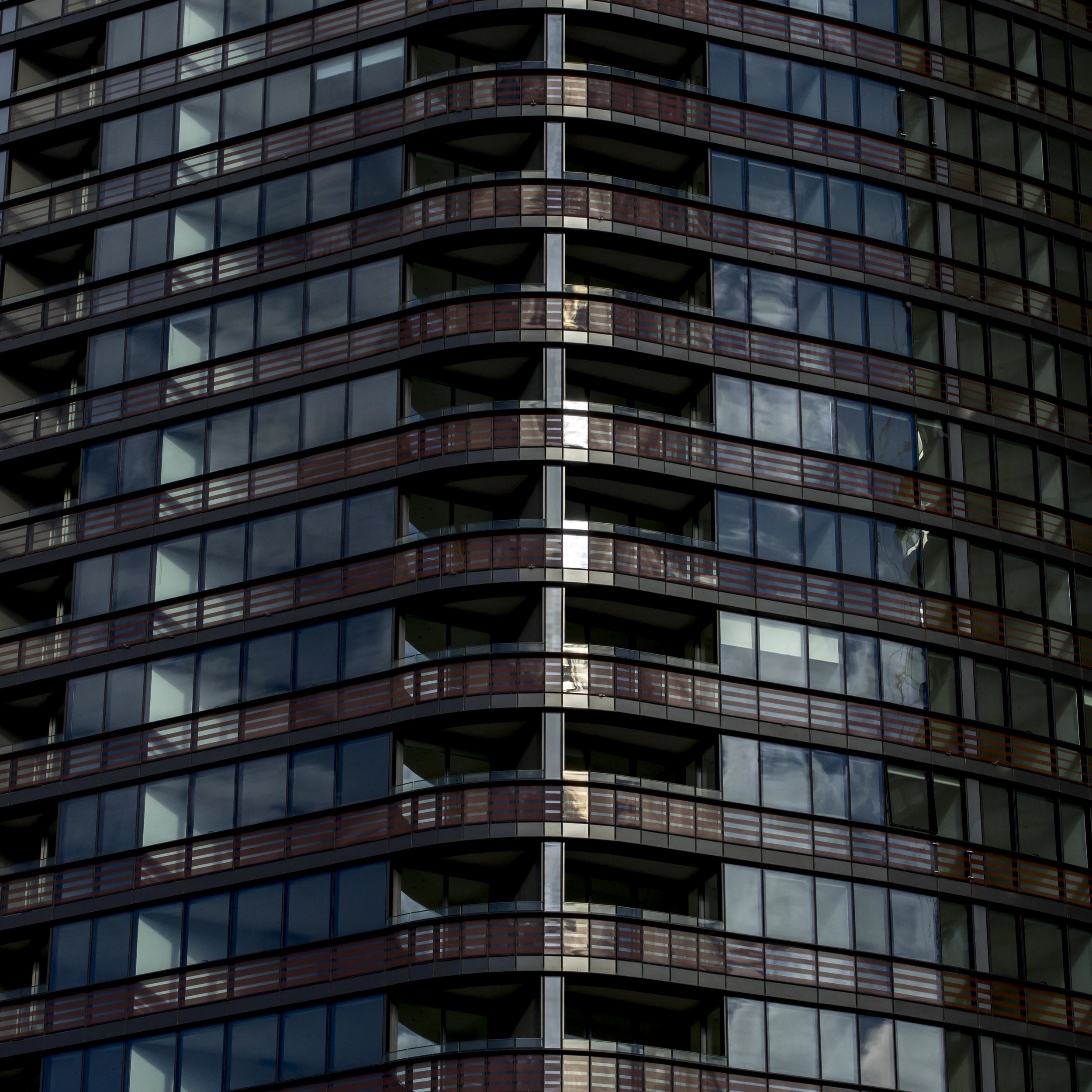
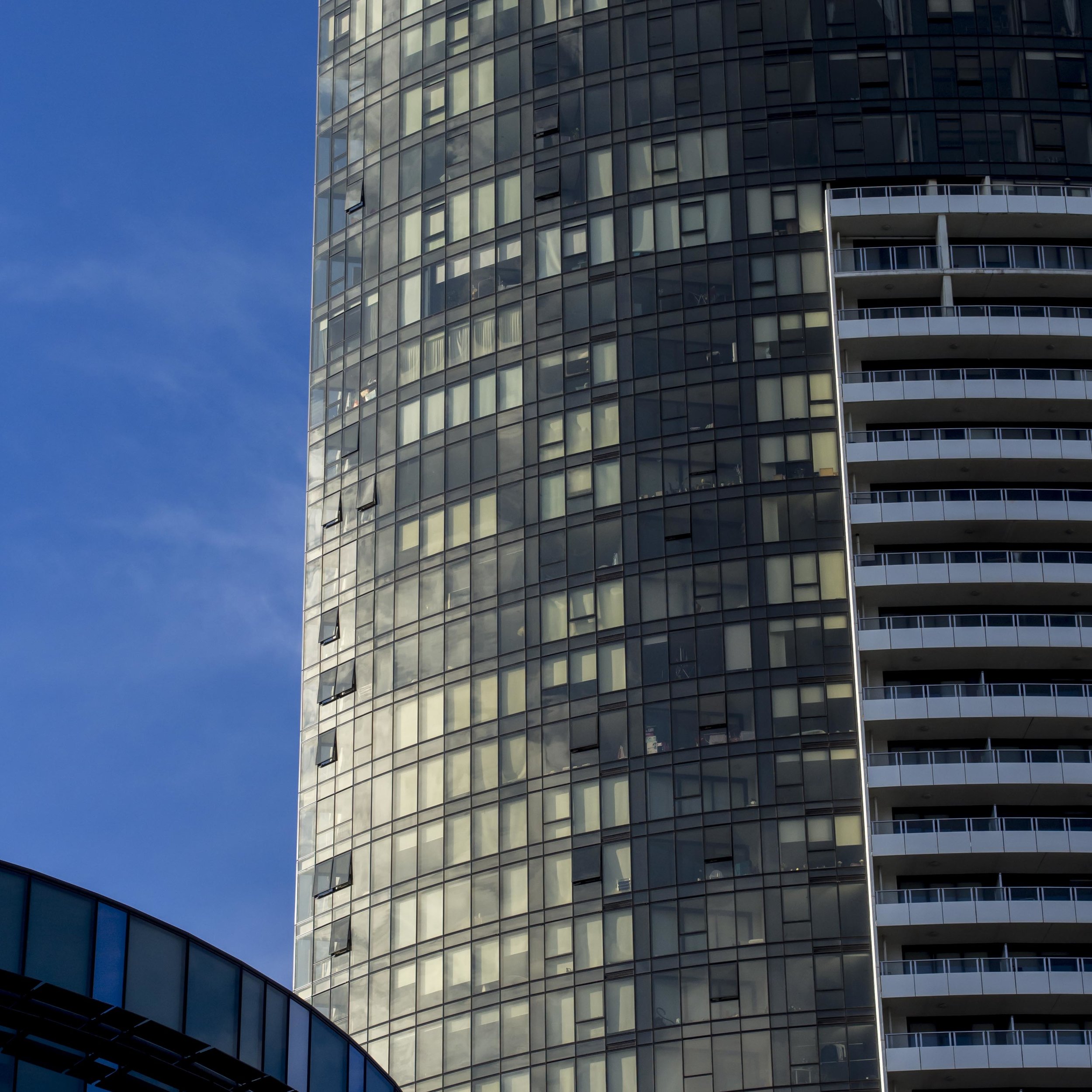
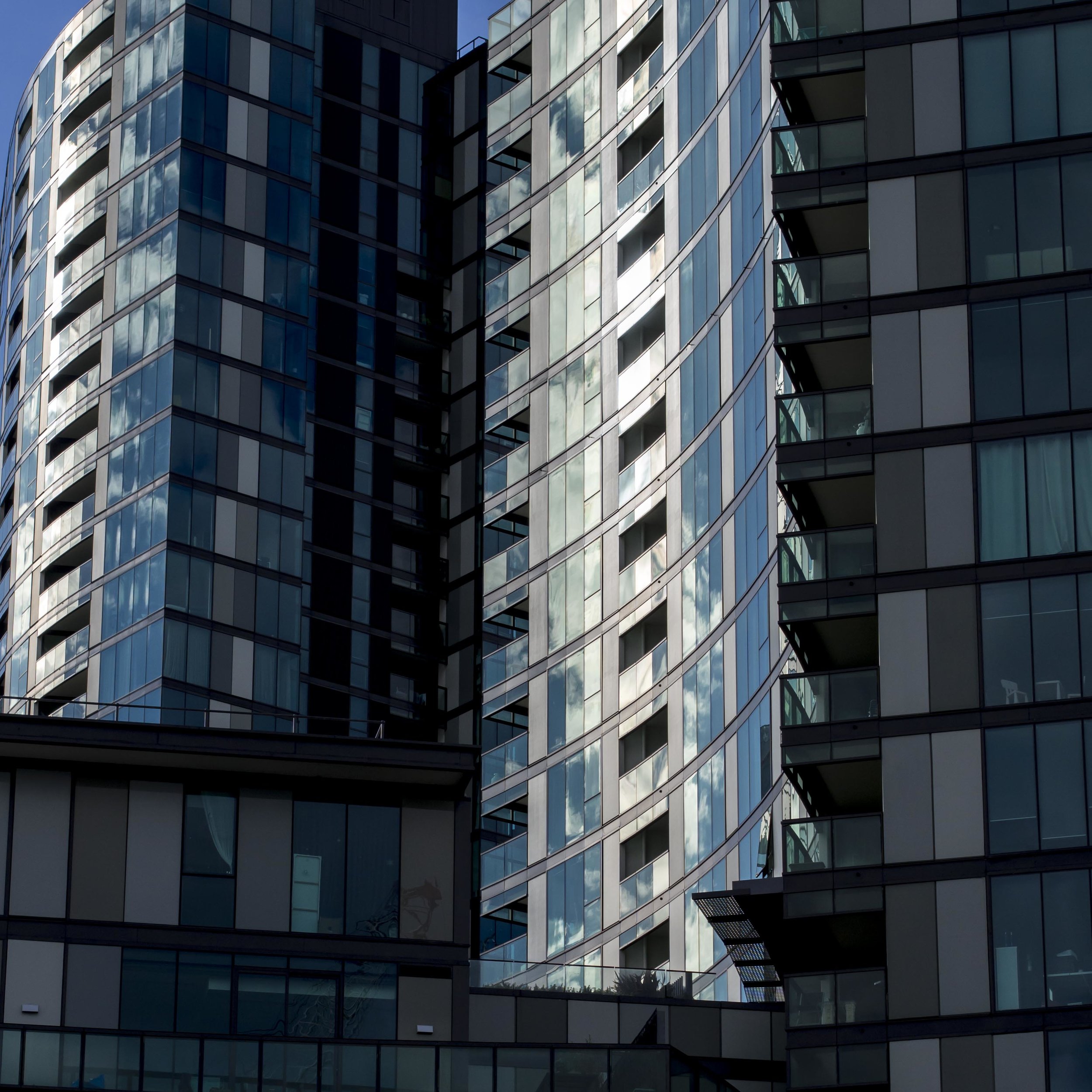
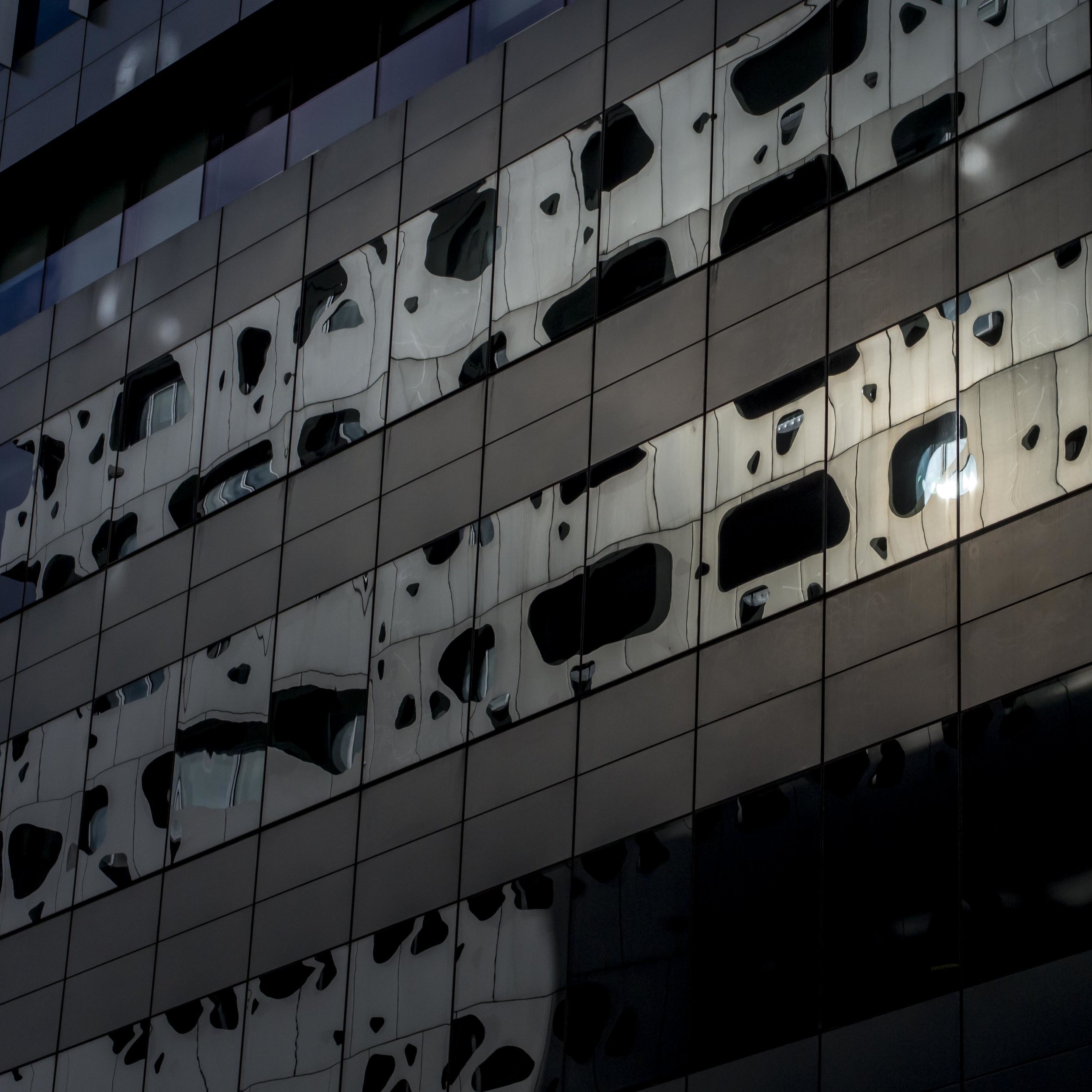
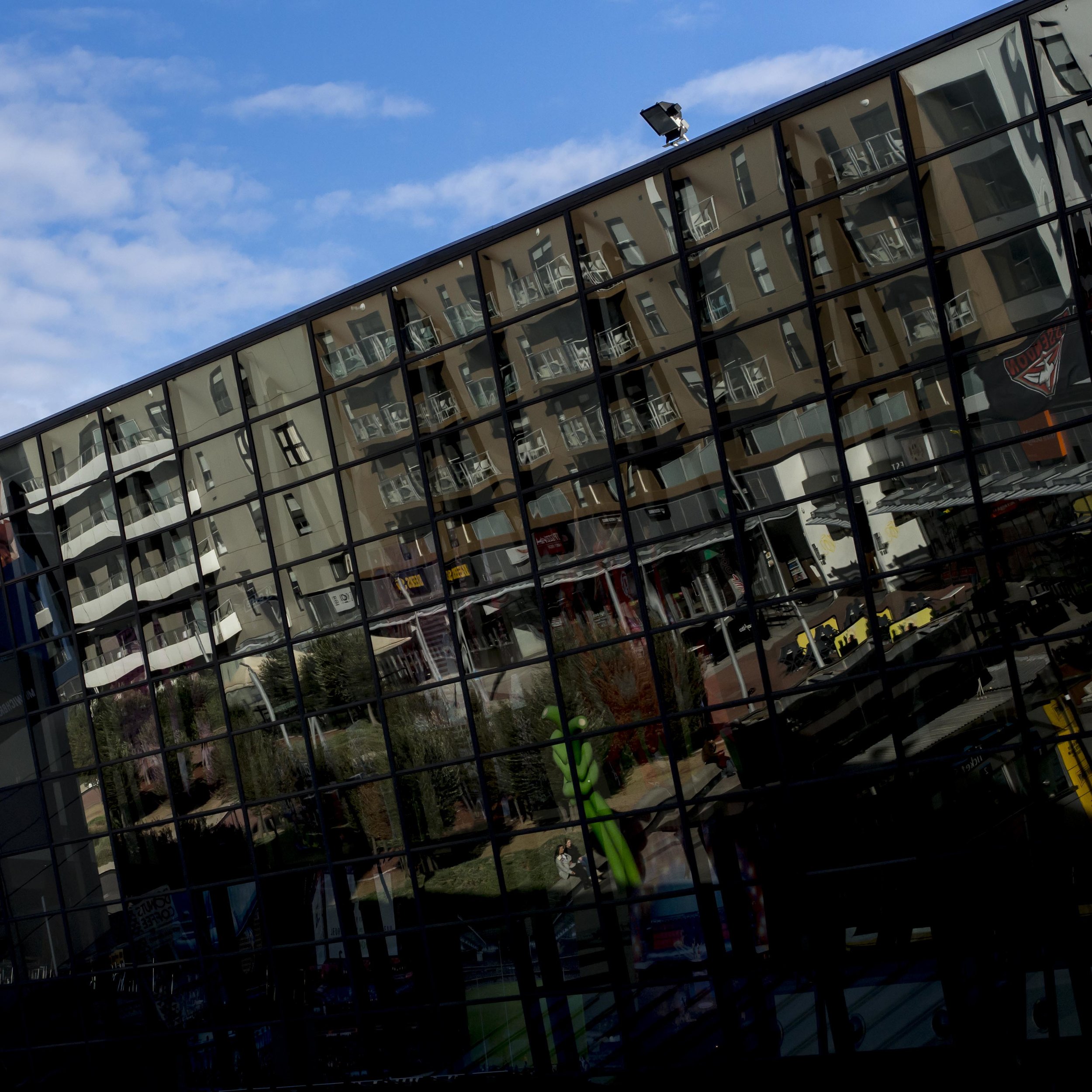
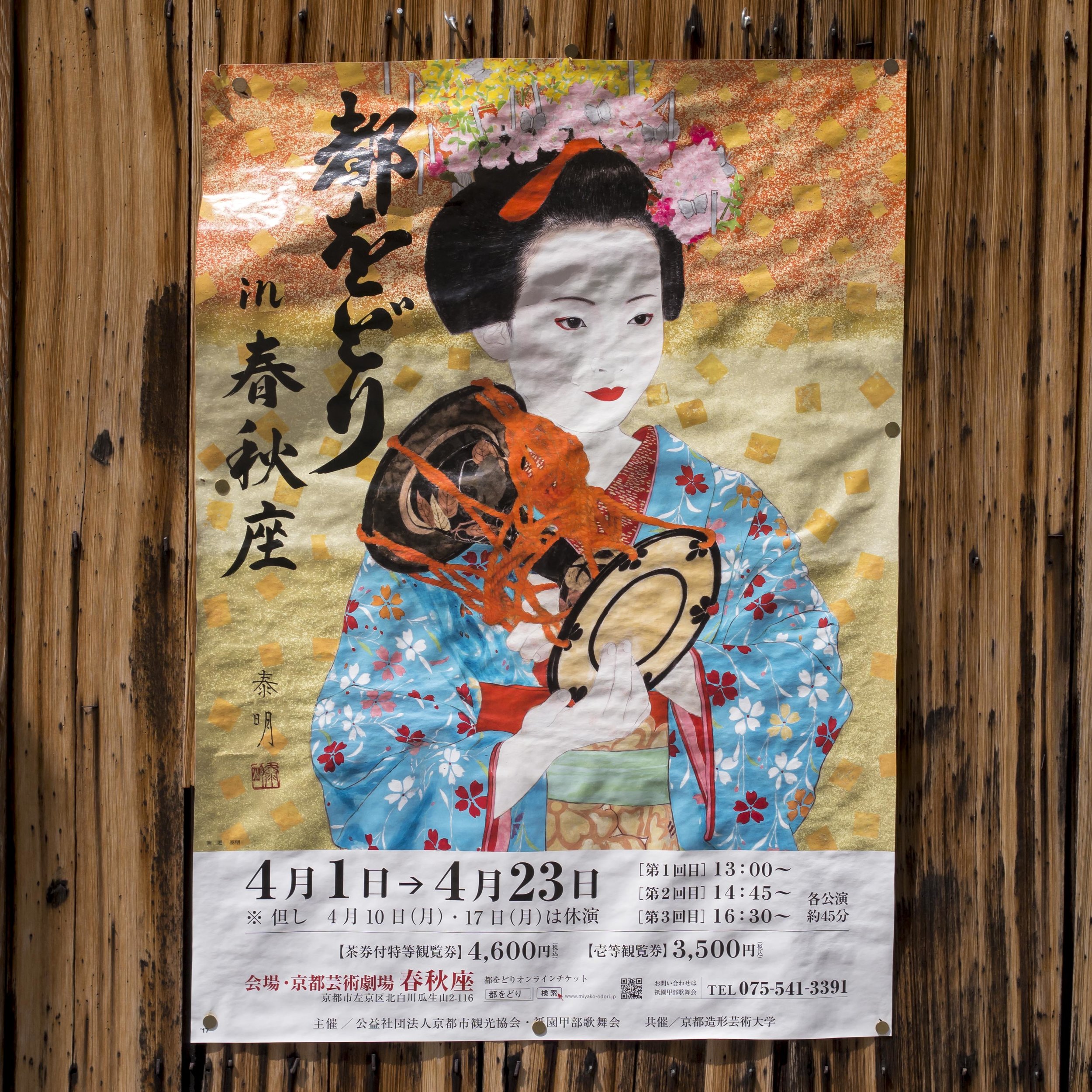
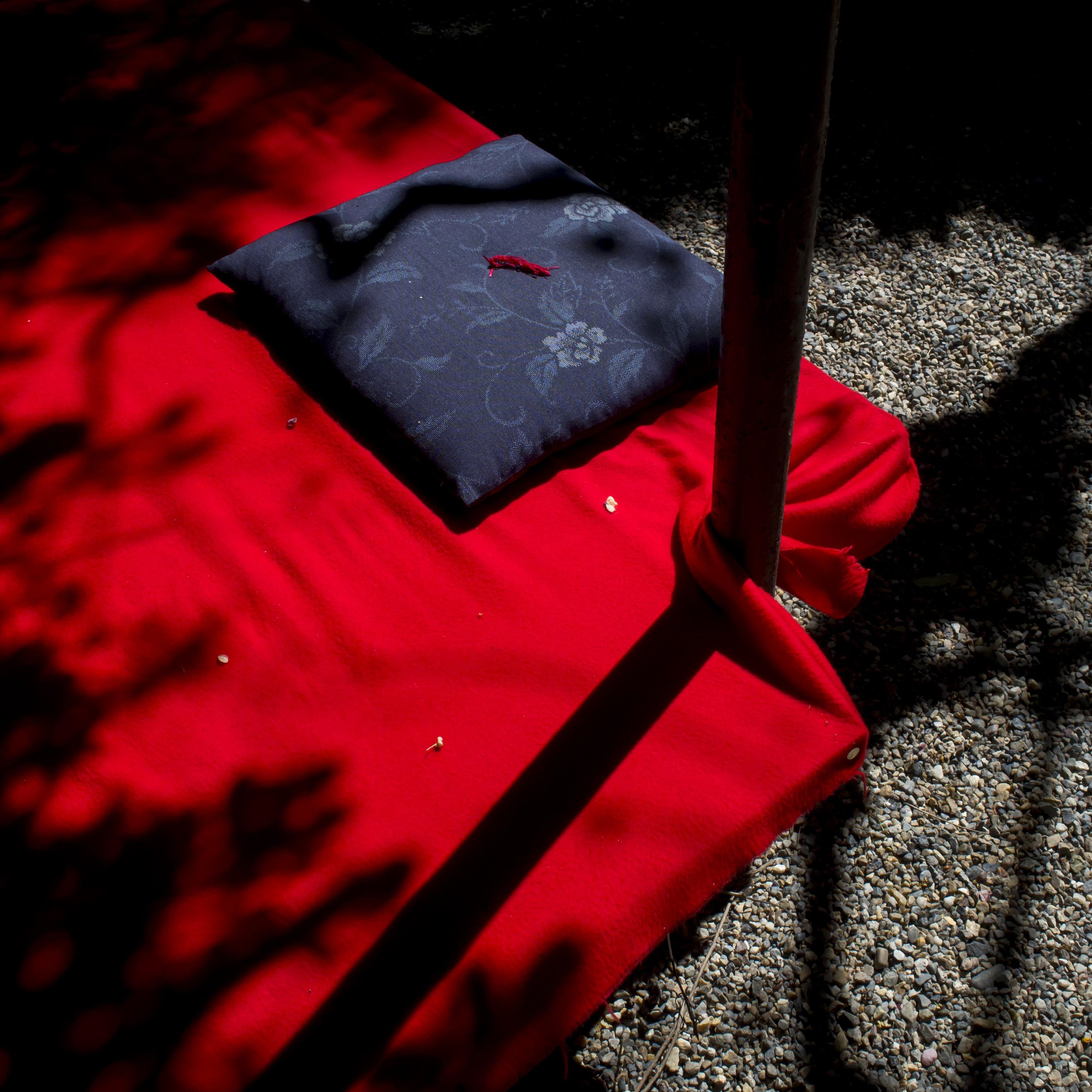
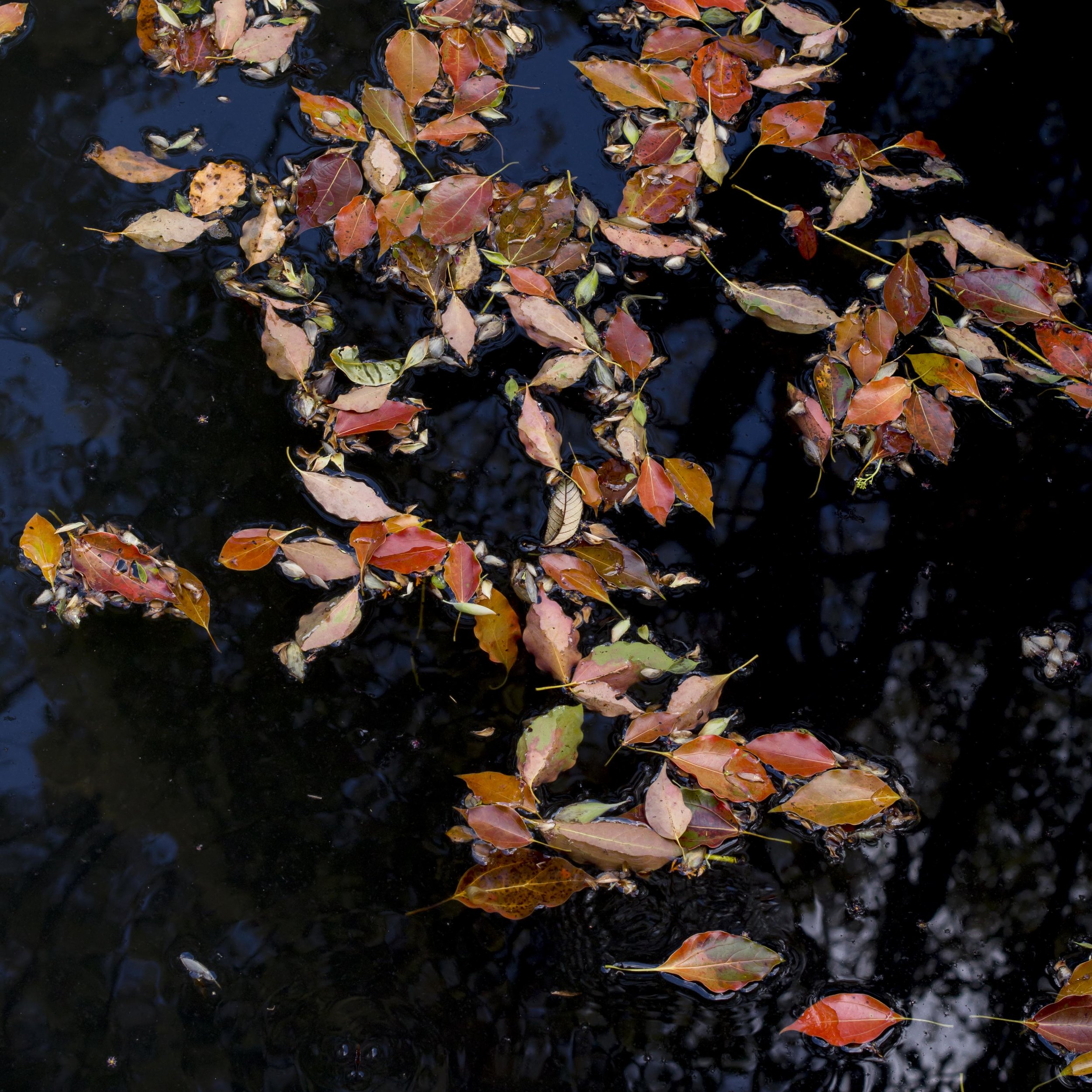
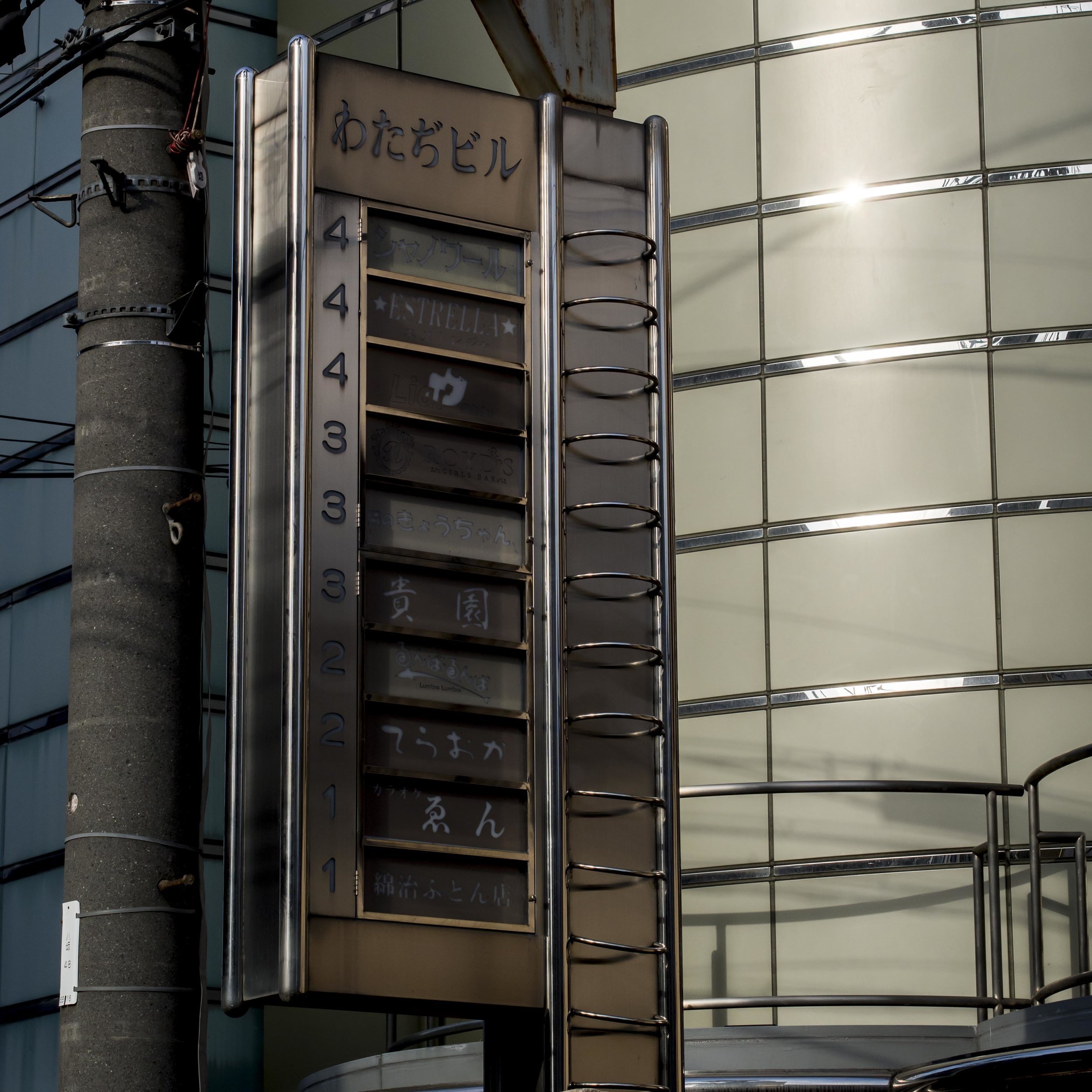
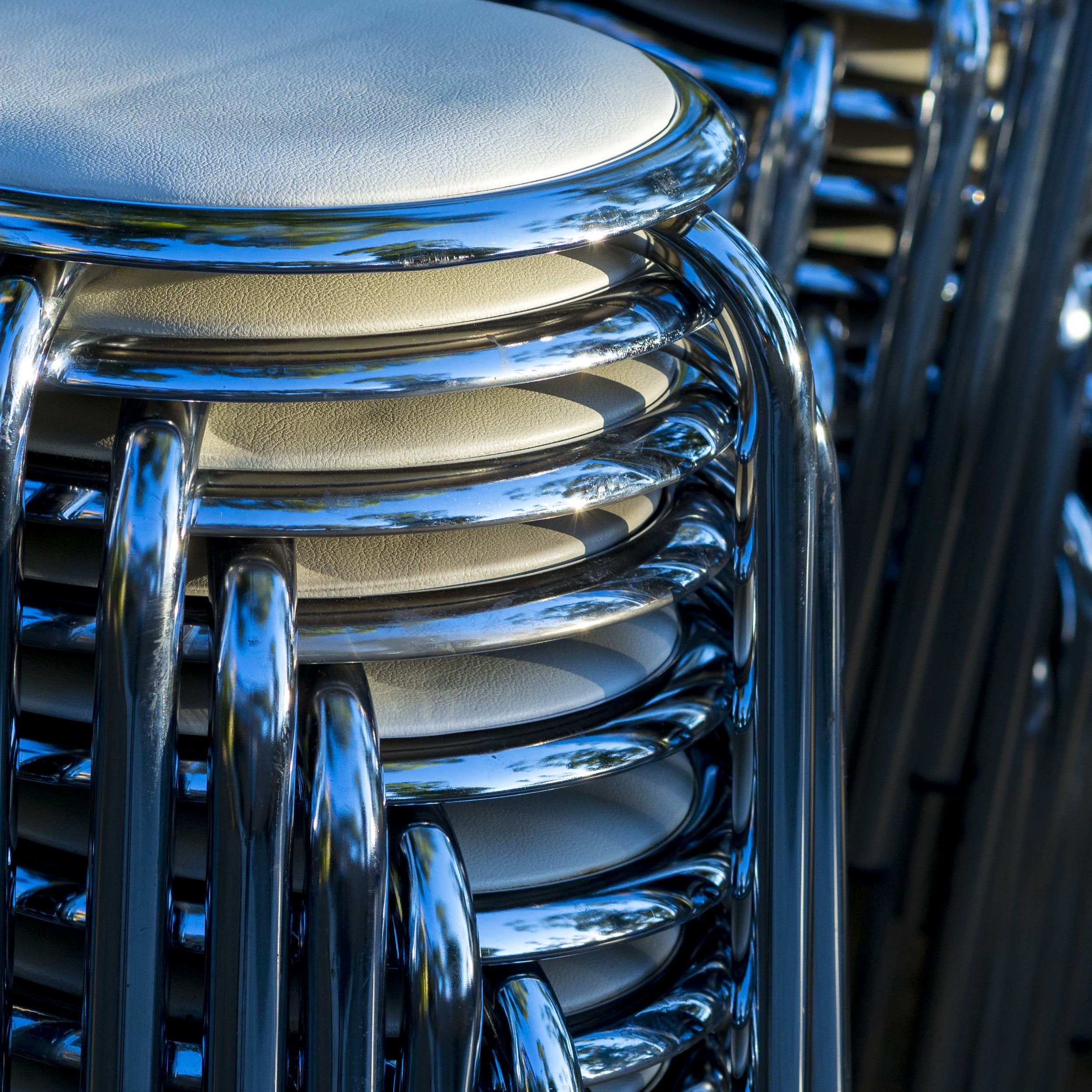
Just found a bunch of images I forgot I took of Melbourne last winter. Brisk day, low light, lots of moody reflections and strong contrast. Each one probably deserves a little more room, maybe even printing (especially the middle one), but the “block of blocks” will do.

Stupid Mistakes and Living with them

We all do stupid things, but lately I have really been on form.

First mistake was some kind of massive brain fart. I wanted to take the hood off my 12-100 to change filters. I have not used that lens much and especially not much lately. For some reason I tried to force it off (there is a little release tab on the opposite side to the one I was looking at).

No excuses. The room was dark, I was distracted and a little unfamiliar with the lens. I did not do the really dumb thing and try to force it off without bracing the lens, but I still put way too much pressure on it. To add context, I hate lens movements and wobble. It goes back to the manual focus days where movements = broken.

Since then, the lens is (maybe not?) “rattling” a little more than when I bought it, but I really cannot be sure.

Can I live with that? Well I did it, so I guess I will have to live with it. The 12-40 was purchased to be my walk around lens (no rattles in sight, which is a change from the early production ones), so the 12-100 is really a bag to tripod to bag lens dedicated to fine art/landscapes with it’s mated (married by now) Pen F. The only issue is alignment and performance.

Still dead accurate,

Still dead accurate,

and sublimely, delicately sharp,

and sublimely, delicately sharp,

even off centre.

even off centre.

The second mistake was discovered when testing the above. I walked outside and discovered my old Ricoh twin lens 35mm camera was left out for 2 days in the weather after the tutorial post about DoF (they really should not let me out without a handler). It was dry, but it’s grape vine ceiling dripped sappy blobs all over the screen and camera top. I never intend to use this camera again for actual photography, but still a disrespectful way to treat an old friend.
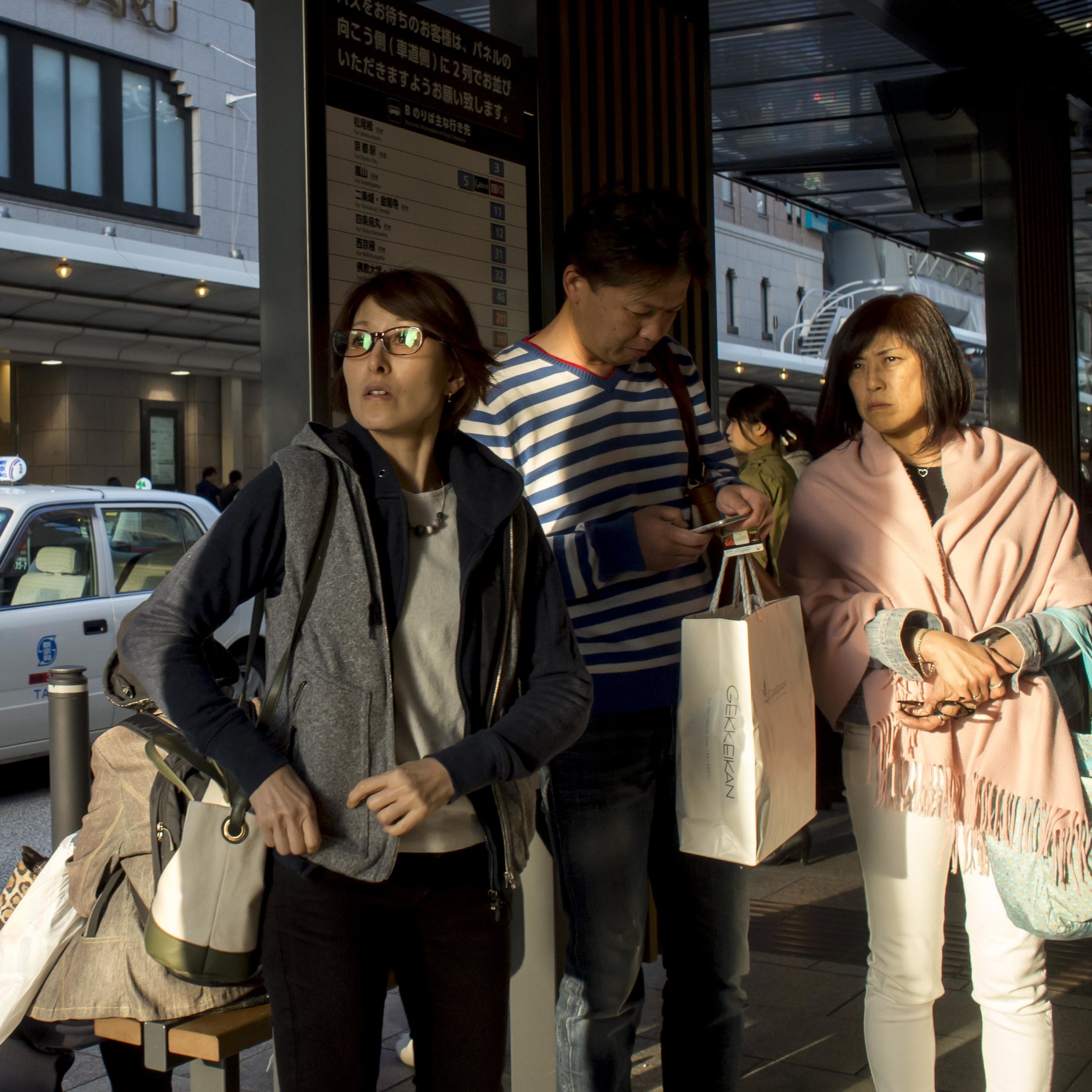
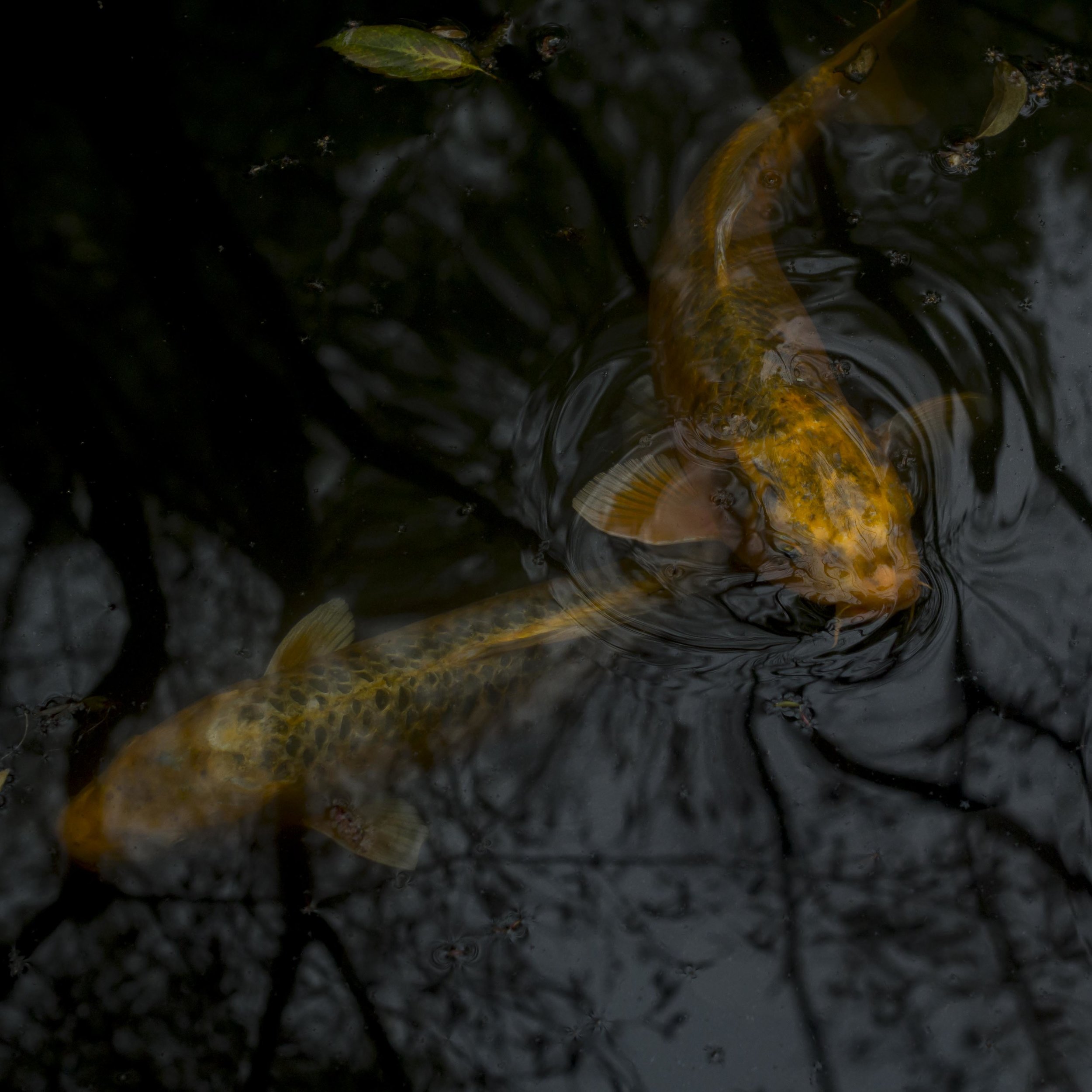
These things come in threes, so we will see.

A Lesson in Contrast

I am on record repeatedly as saying the little, budget 75-300 Olympus lens punches well above it’s weight.

Recently, testing for something else, I had a chance to compare it to the 12-100 at the same focal length.

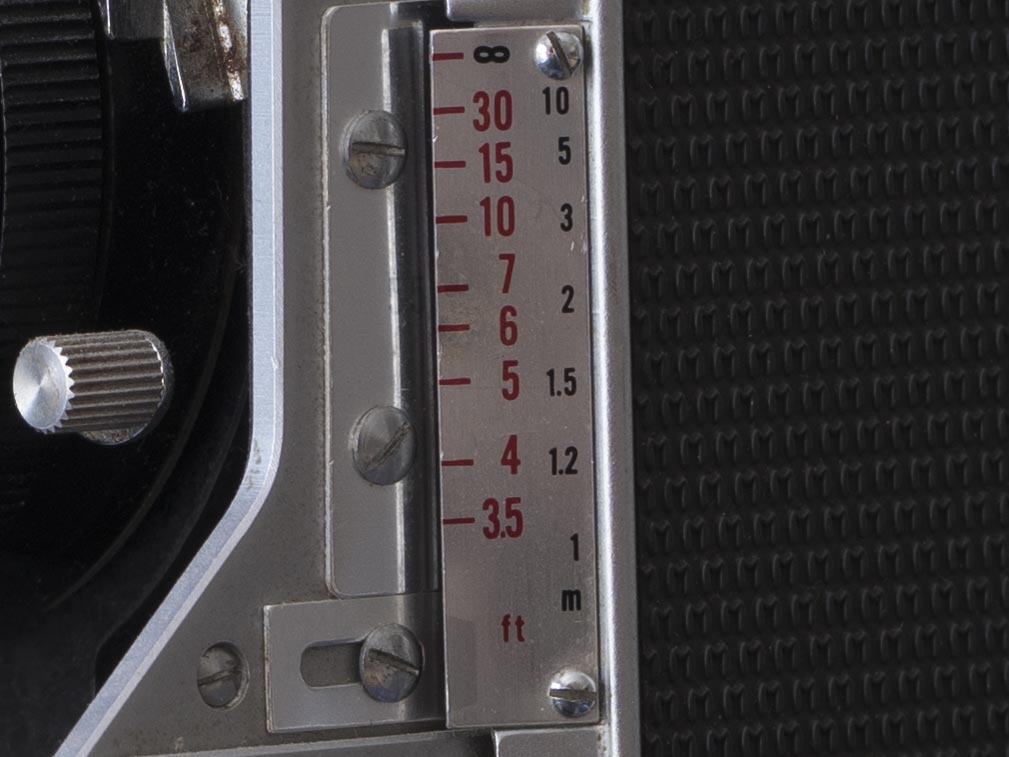
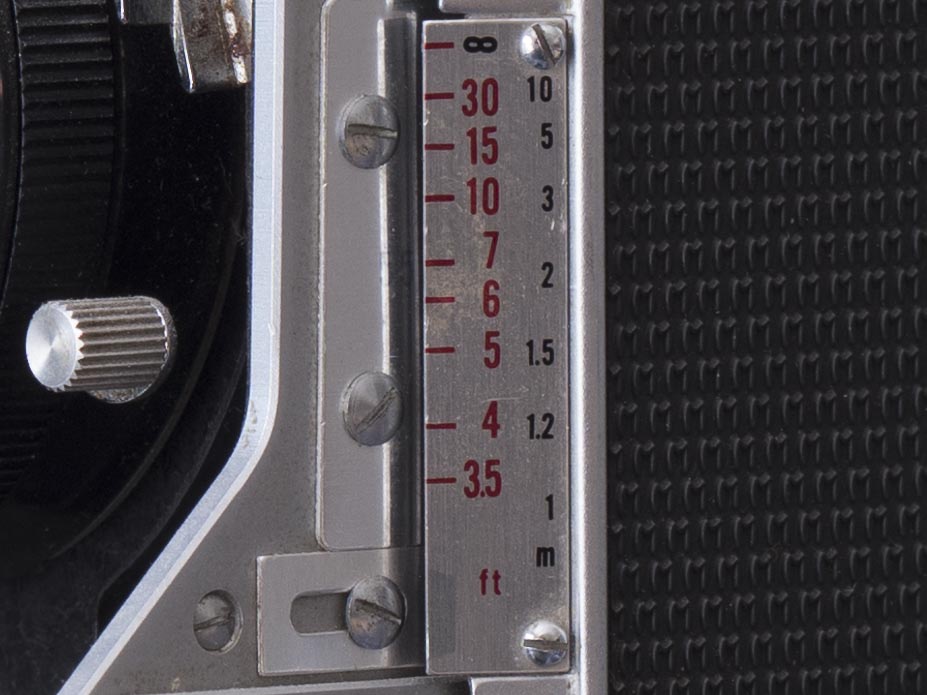
The goos news for me is the perceived sharpness compared to the excellent 12-100 is good (these are 900x700 crops). What stuck me most though was the difference in contrast. The #5 looks to be basically the same in both images, but look at the tarnish marks on the panel. They look like they were shot in different light, but they were not.

The cheap zoom is sharp and pleasant looking and is possibly more contrasty in a basic, more global sense, but you literally do not know what you are missing.

The dearer lens is sharp and very micro-contrasty, rendering the leatherette panel better and revealing the surface tarnish.

Neither is better generally speaking (the reduced micro-contrast lens has it’s uses), but I feel they are well designed to purpose. The 12-100 is for professional landscape and general shooting, the 75-300 is aiming at keeping the serious amateur content.

I checked several images, fiddled with settings and processing, but the difference stayed the difference.

The 12-40 seems to land somewhere in the middle.

It looks like the design of the 12-100 is similar to the excellent 12-60 for the 43 cameras (very high micro contrast and very fine detail).

The 12-40 was designed, as Olympus have stated, to be a little less focussed on fine detail rendering, aiming for a gentler, more pleasant look, probably in response to the sharper sensors they are offering.

The 75-300 is aiming at the more achievable and probably more relevant to a cheap tele, high contrast, but not high micro contrast rendering.

The original from the 12-100 “Mamiya on a bedrock of Trek”!? The tarnish is still visible.

The original from the 12-100 “Mamiya on a bedrock of Trek”!? The tarnish is still visible.

New printer time

There is a new printer in da house.

The lop sided ink usage and limited paper choices of the Pro 9000mk2 finally persuaded me to upgrade to the 10s (actually, the successful clear out of my old cameras gave me some cash to splash, which helped get the ball rolling).

The new machine has several benefits;

It is cheaper to run by at least 30%. The tanks cost $18 au. as opposed to $33 au for the older one. It will also likely use the inks in a more balanced way. The useless Red and Green tanks in the Pro 9000, that make buying full sets of ink a wasted benefit* have been replaced in the newer printers (2 greys in the Pro100 and grey and chroma optimiser in the pro 10).

*I still have 3-4 of each and go through photo magenta and cyan like it is leaking the stuff!

The trusty Pro9000II above, (now relegated to general printing and back up), 10s below on a wheeled trolley and some of my stock pile of 500+ sheets of 12x18 photo rag/fine art matt below. Space is an issue, so the little trolley allows me to functi…

The trusty Pro9000II above, (now relegated to general printing and back up), 10s below on a wheeled trolley and some of my stock pile of 500+ sheets of 12x18 photo rag/fine art matt below. Space is an issue, so the little trolley allows me to function normally when not printing. The mess in front is the ink. Still not gotten around to setting it up yet.

The 10s may print faster (no real issue), but it prints on my favourite fine art matt papers and is archival.

An A2 would have been nice, but realistically A3+ is as big as I would print myself and where would I fit it?

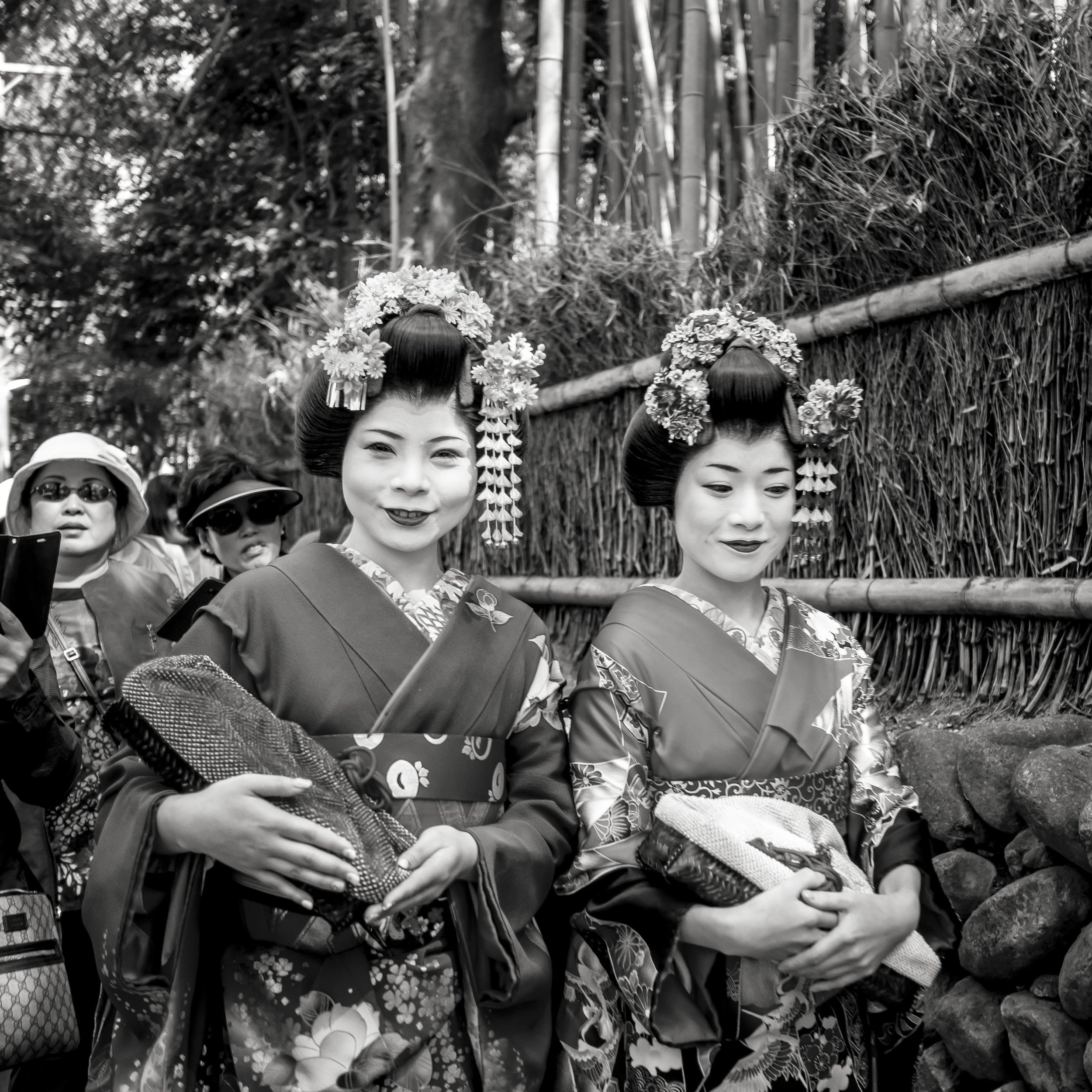
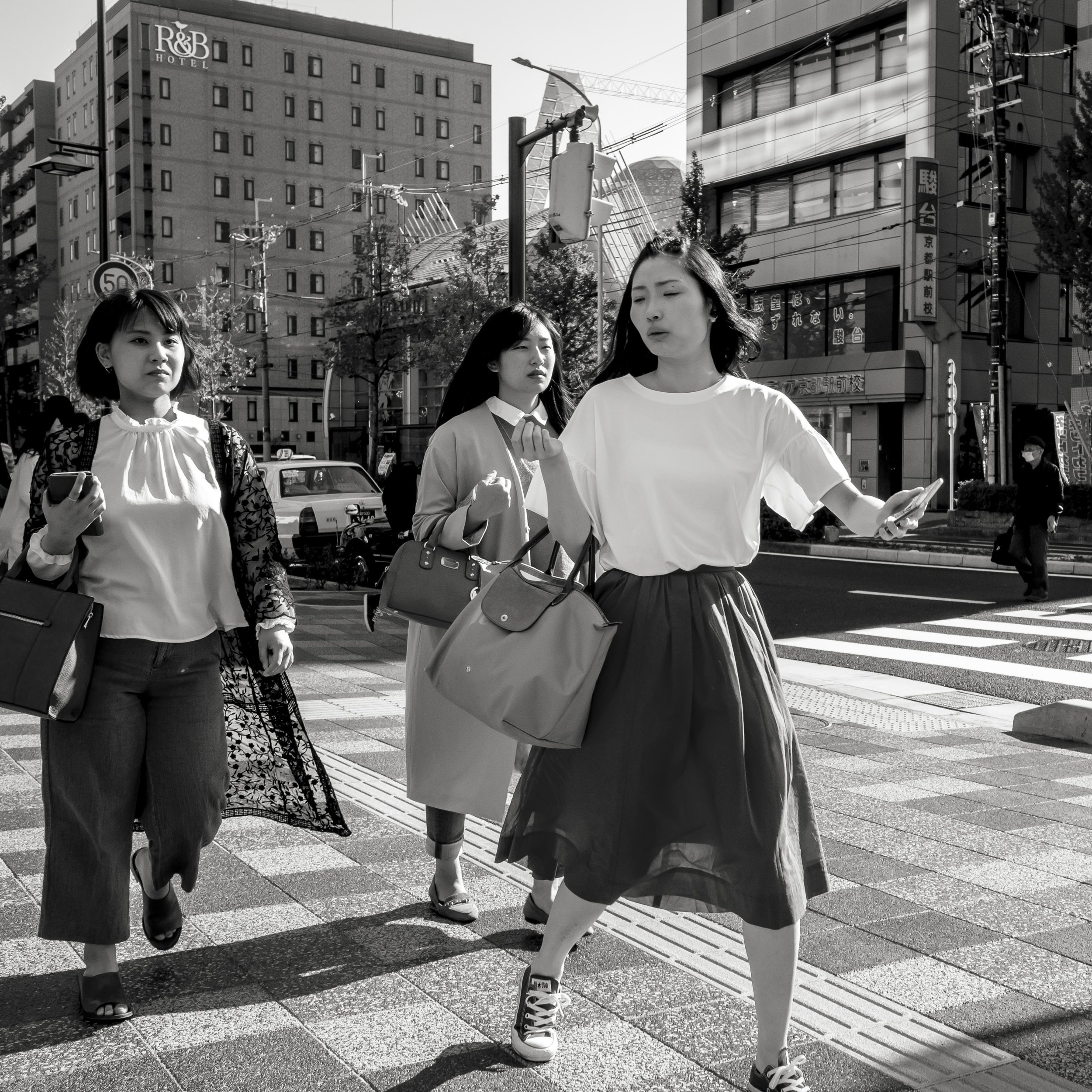
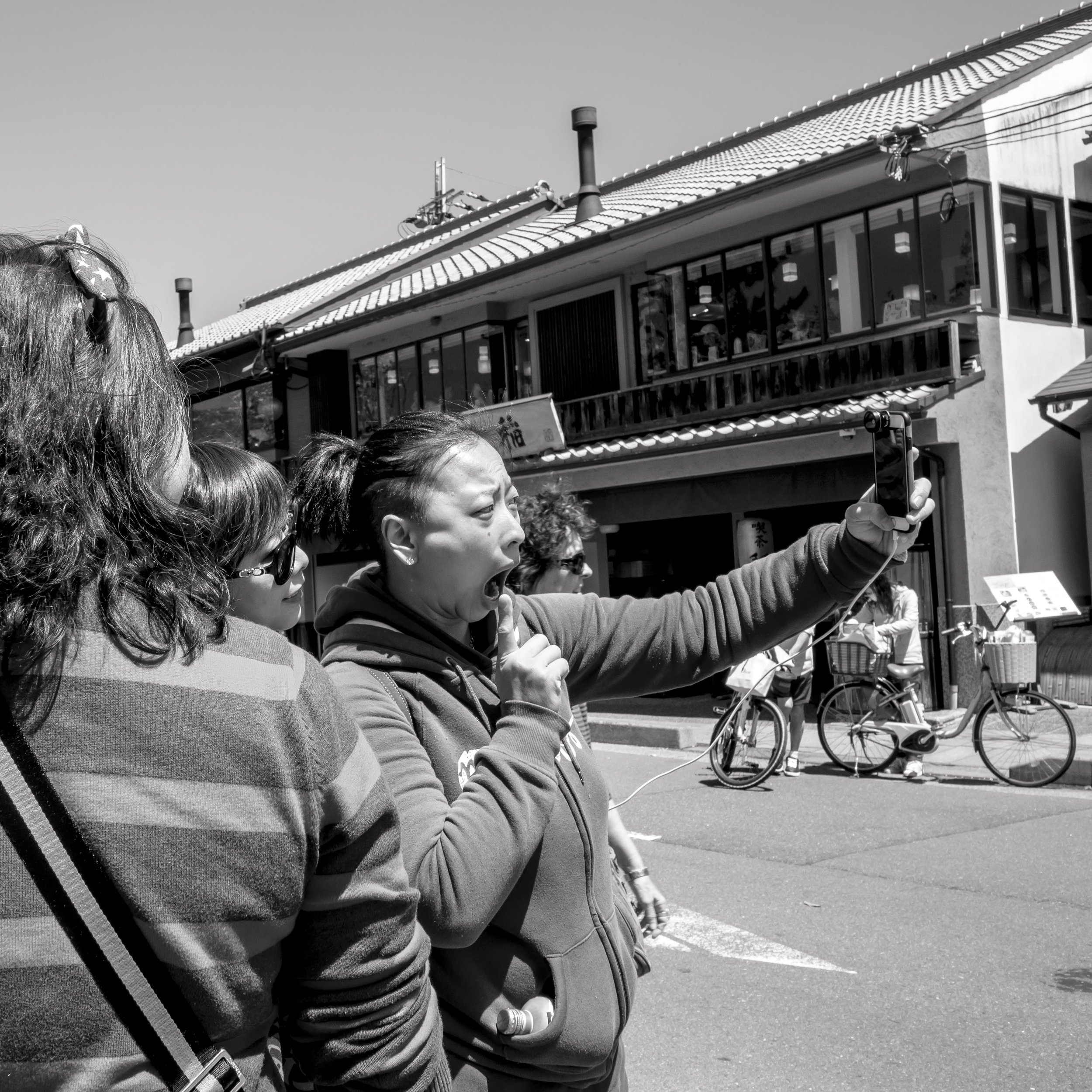
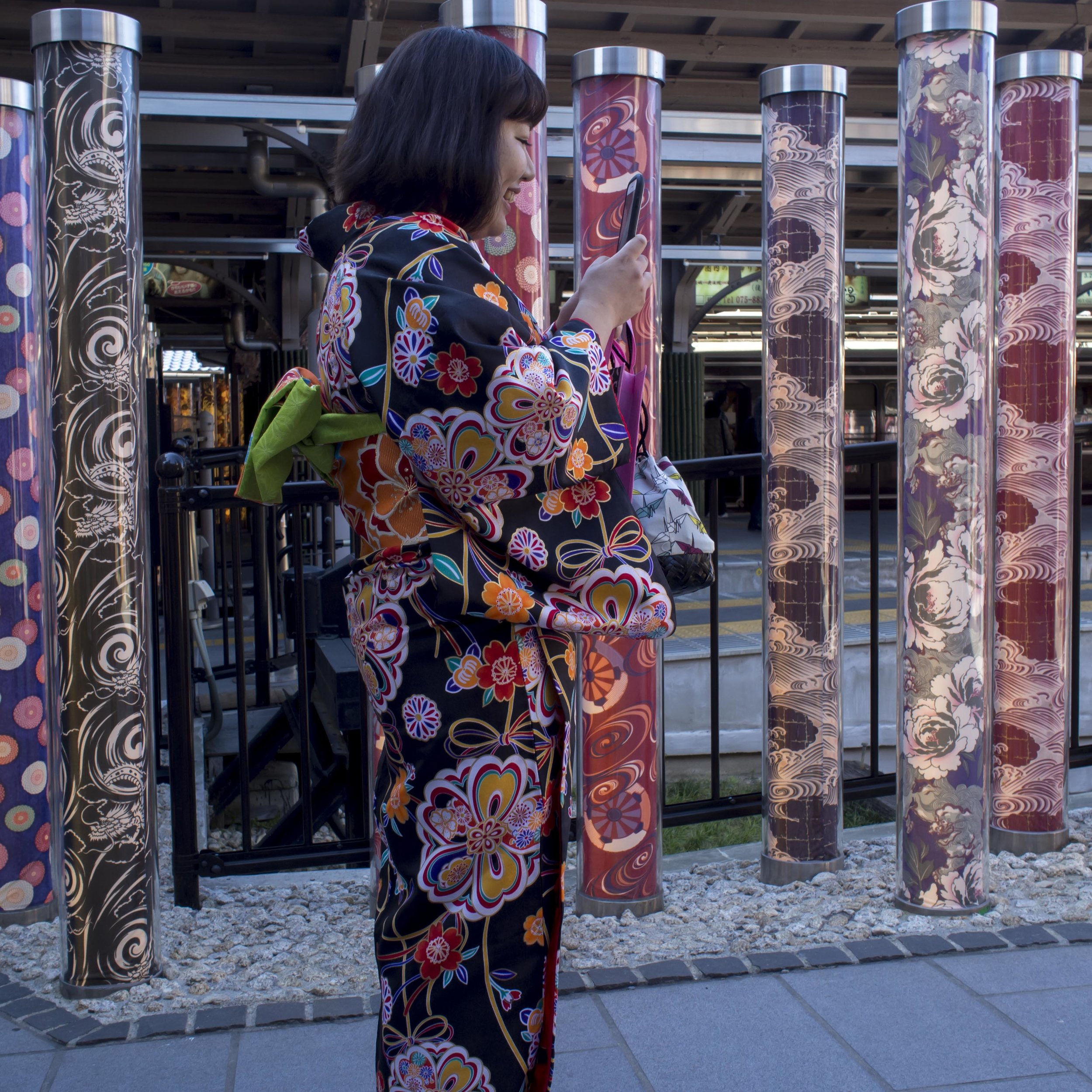
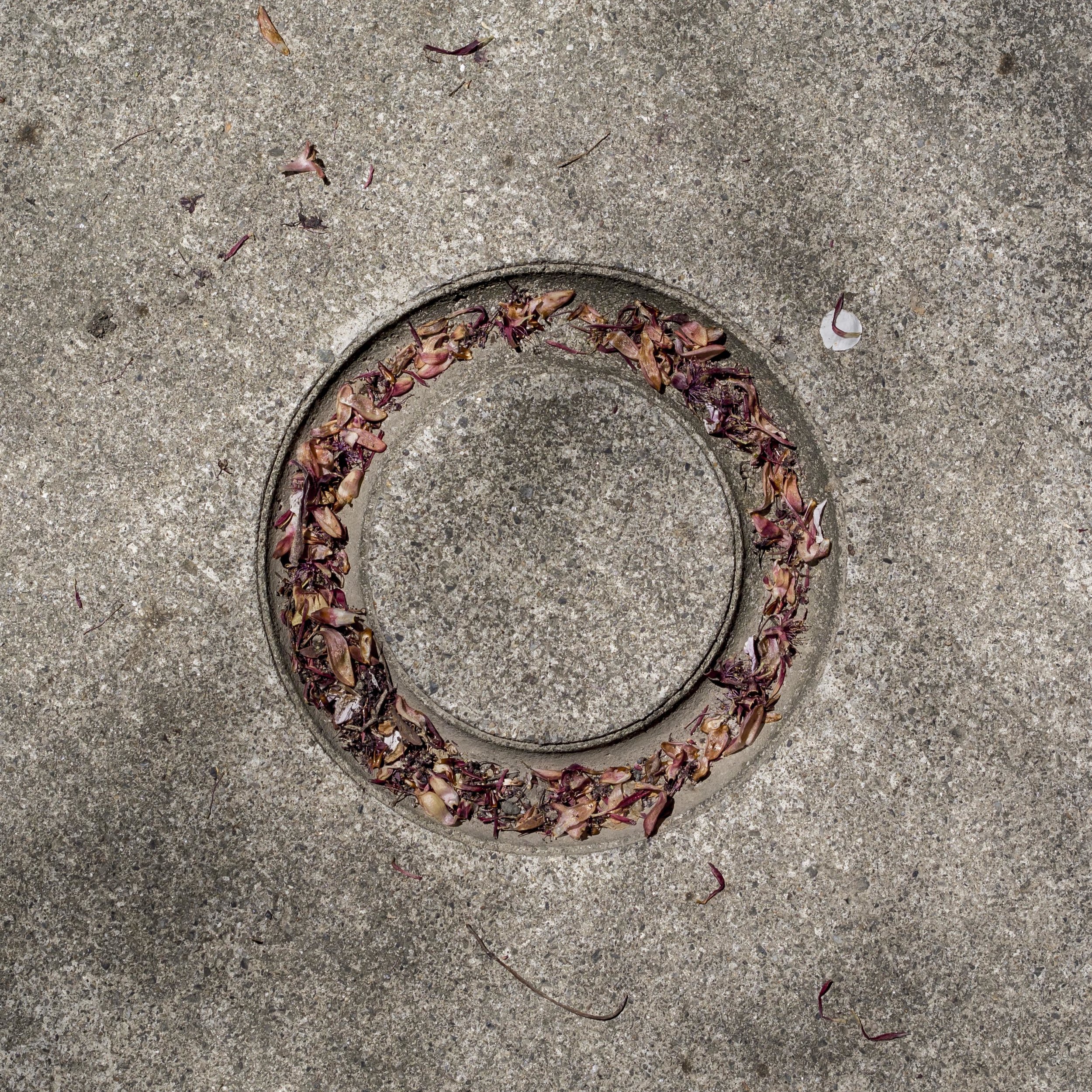
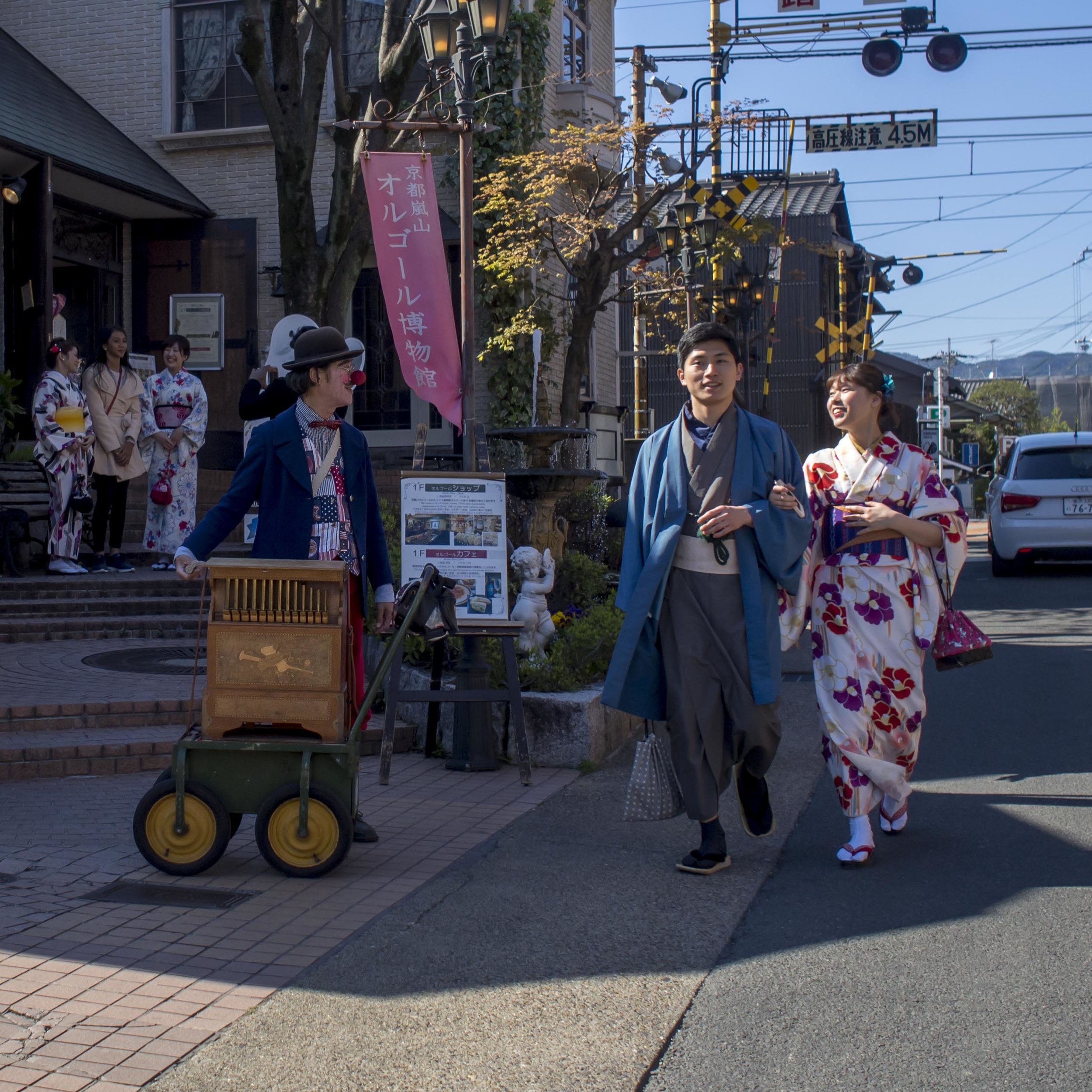
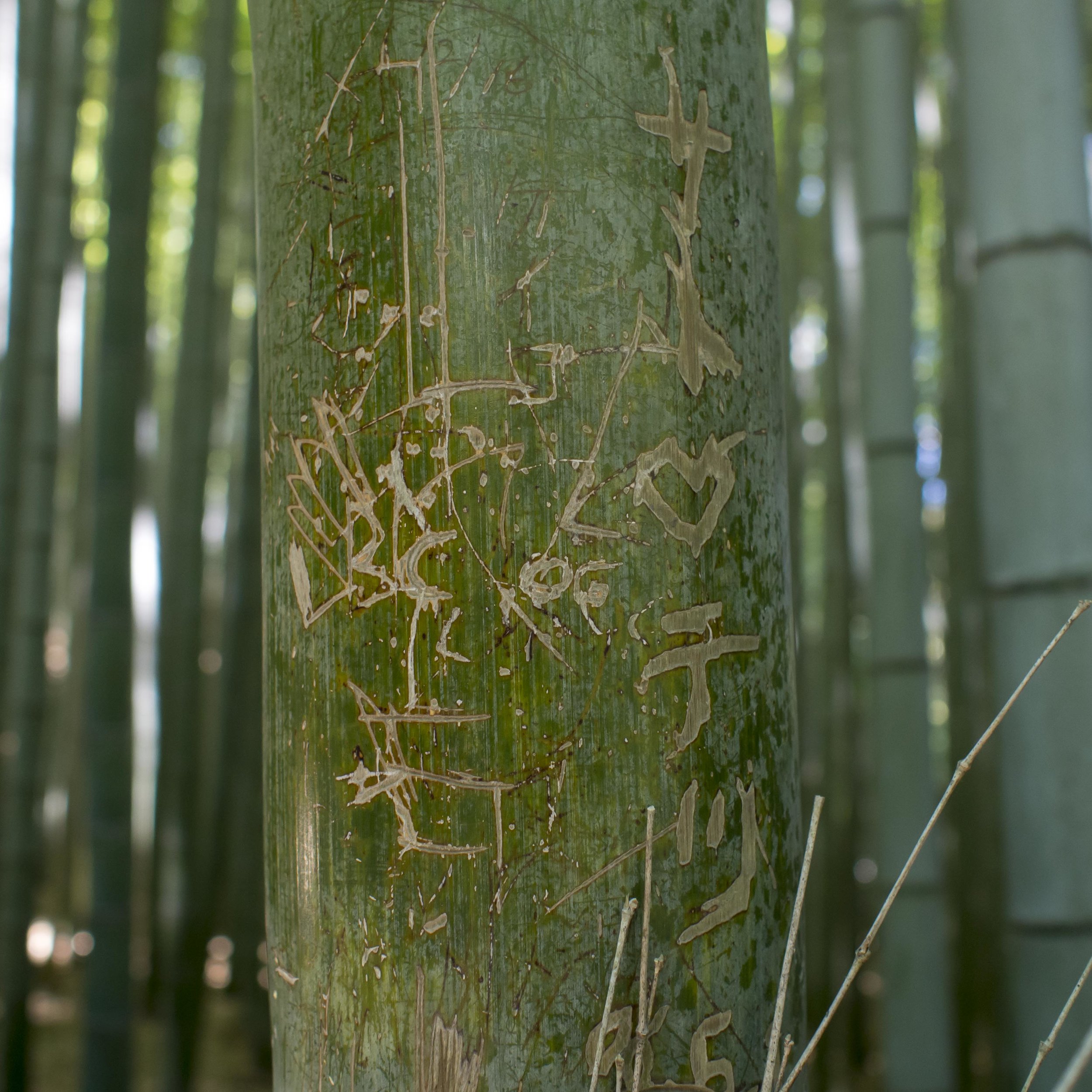
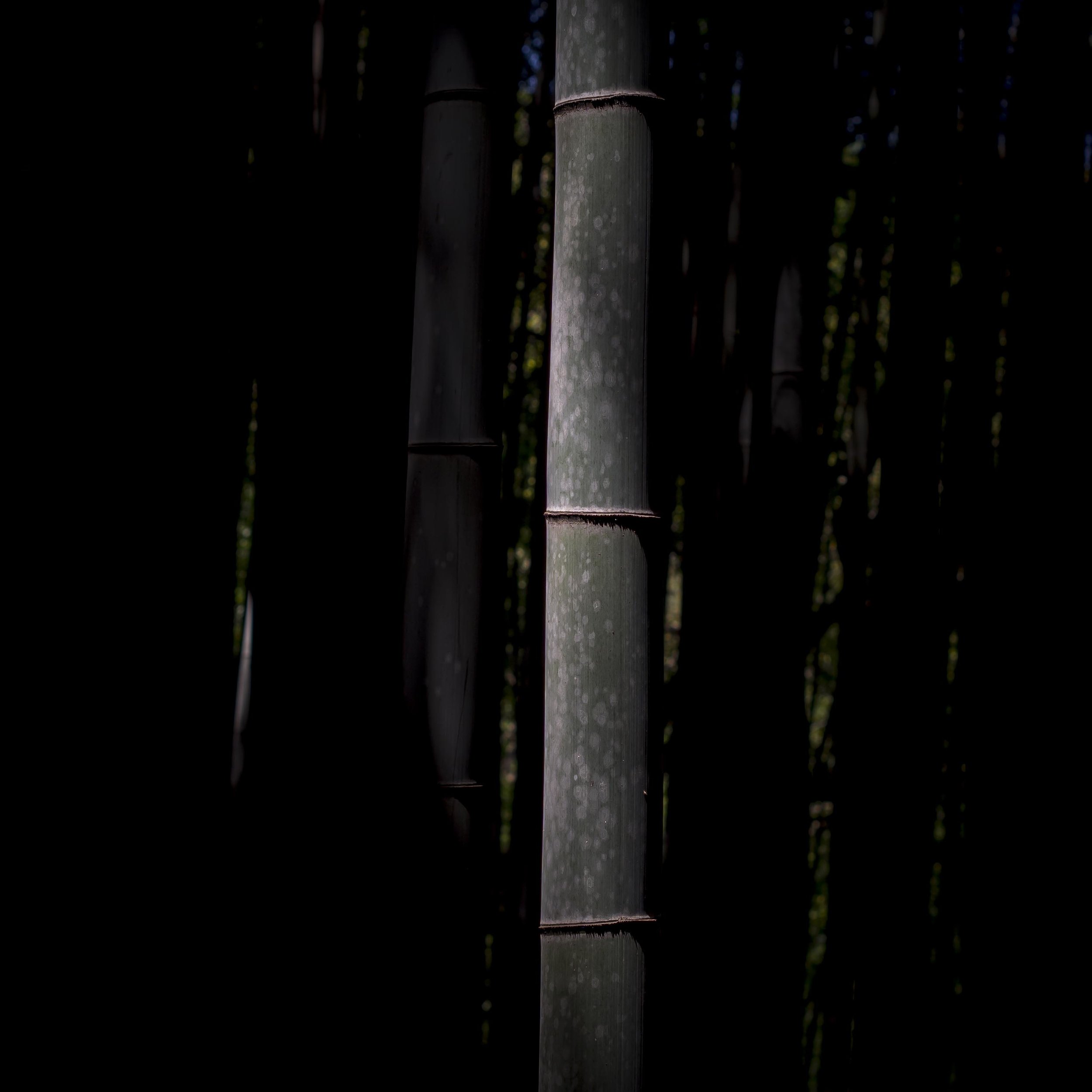
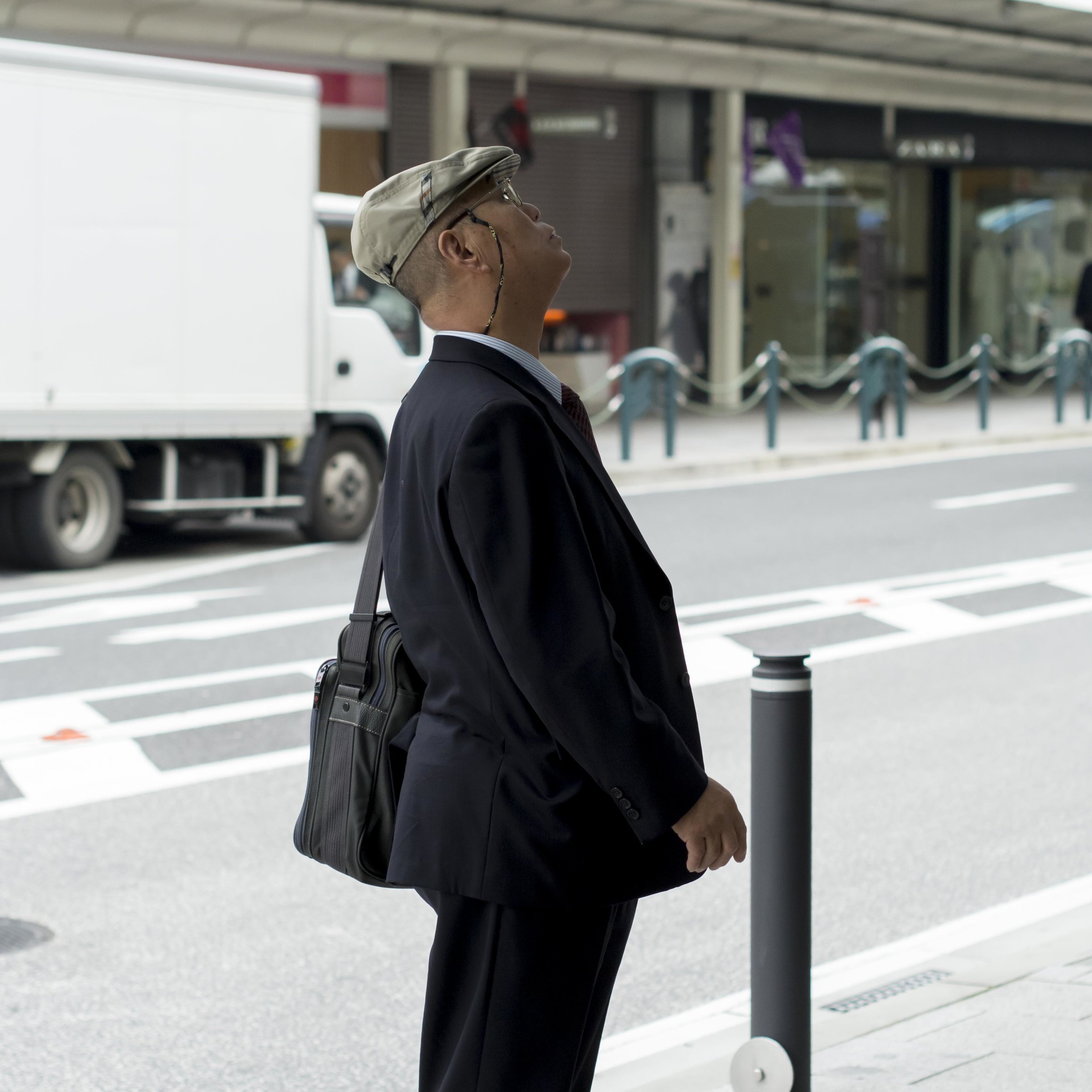
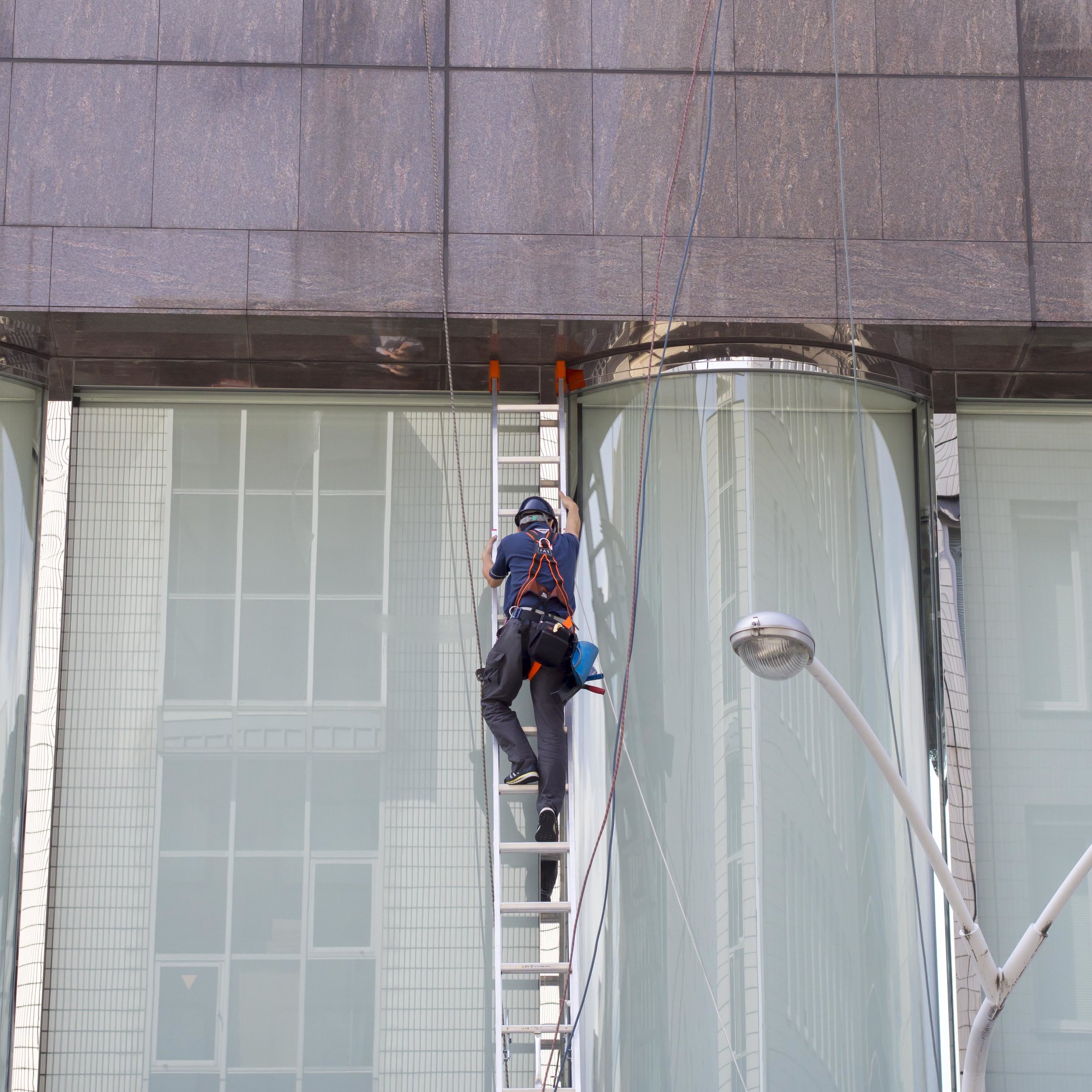
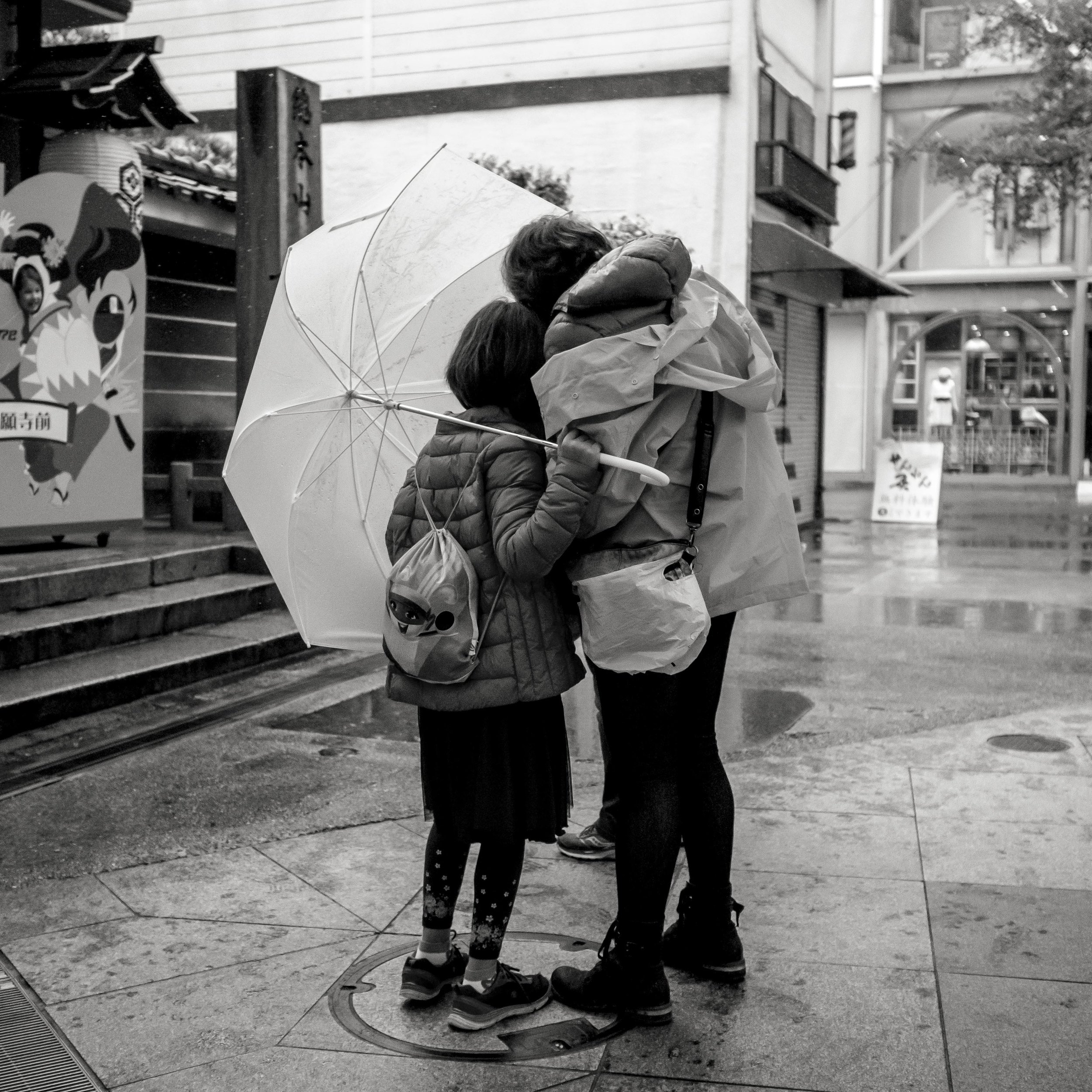
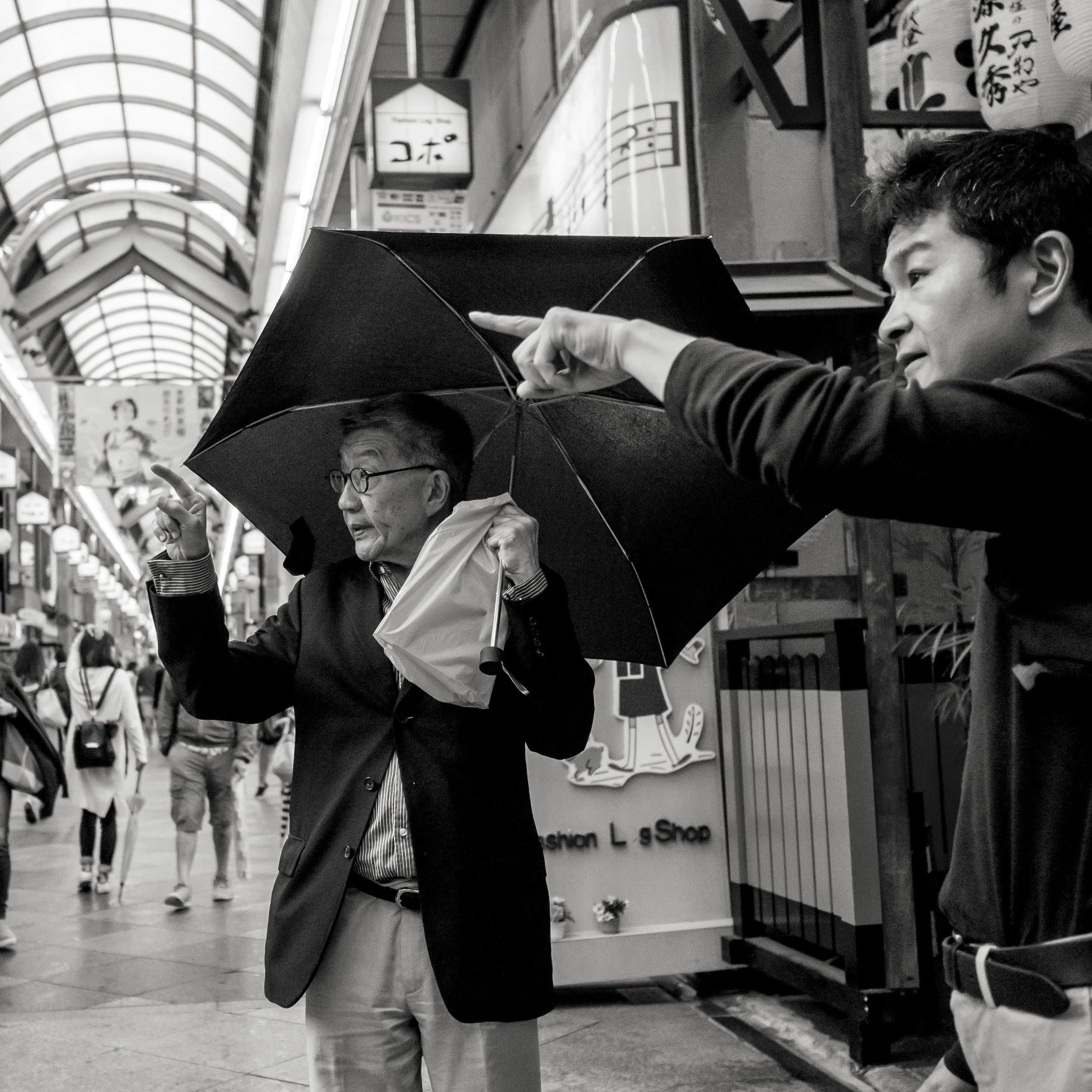
A Note about the Haiku posts and Haiku #54 Kyoto

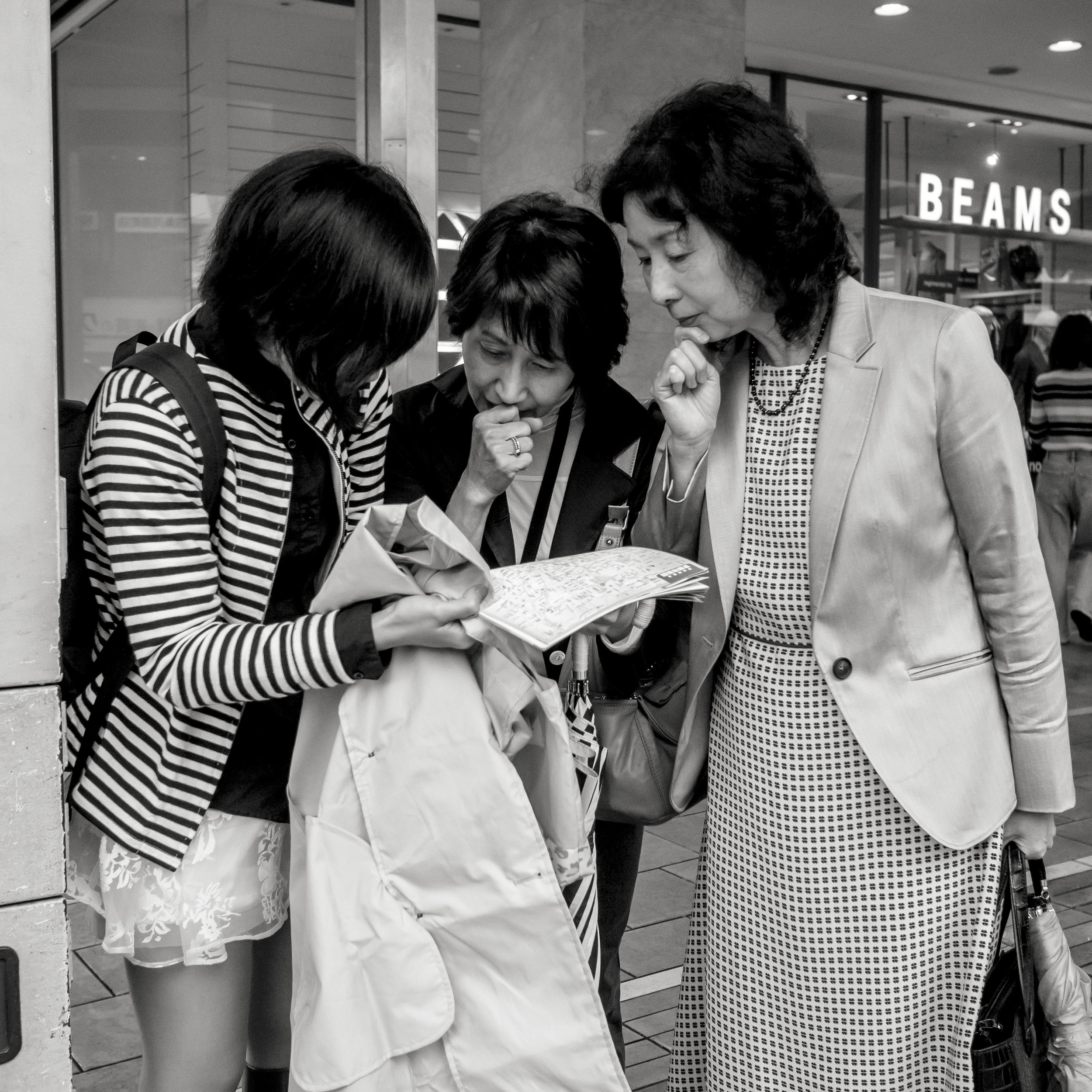
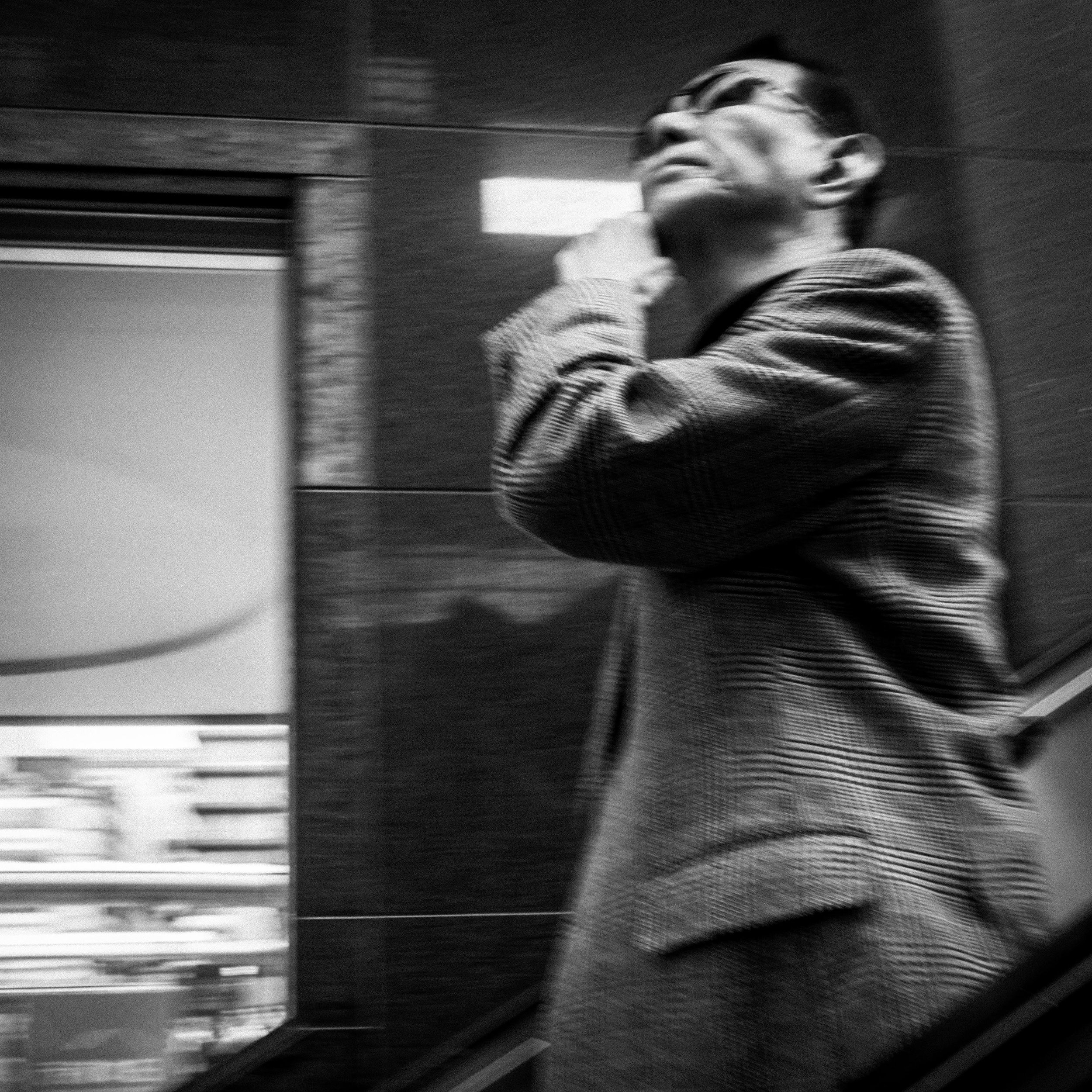
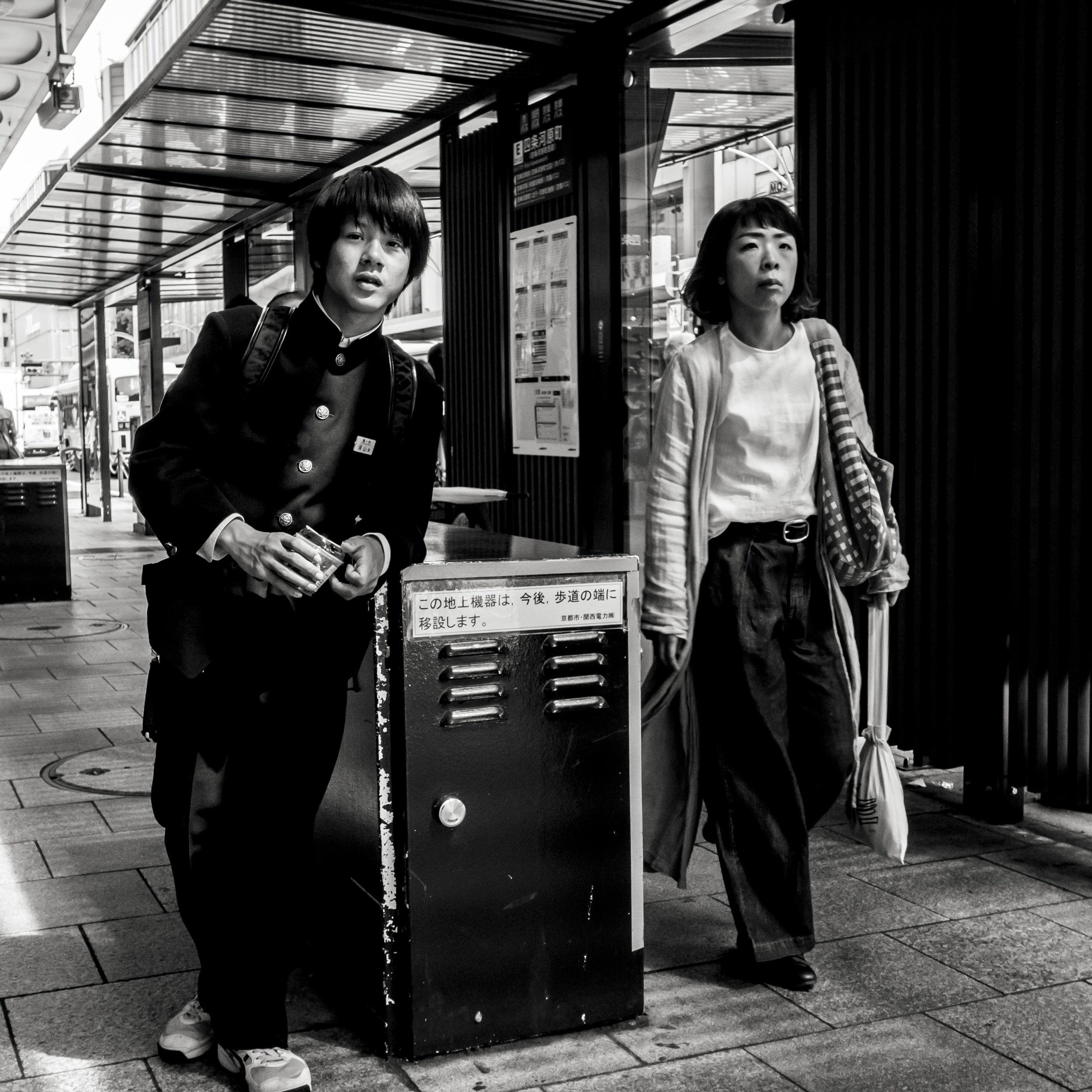
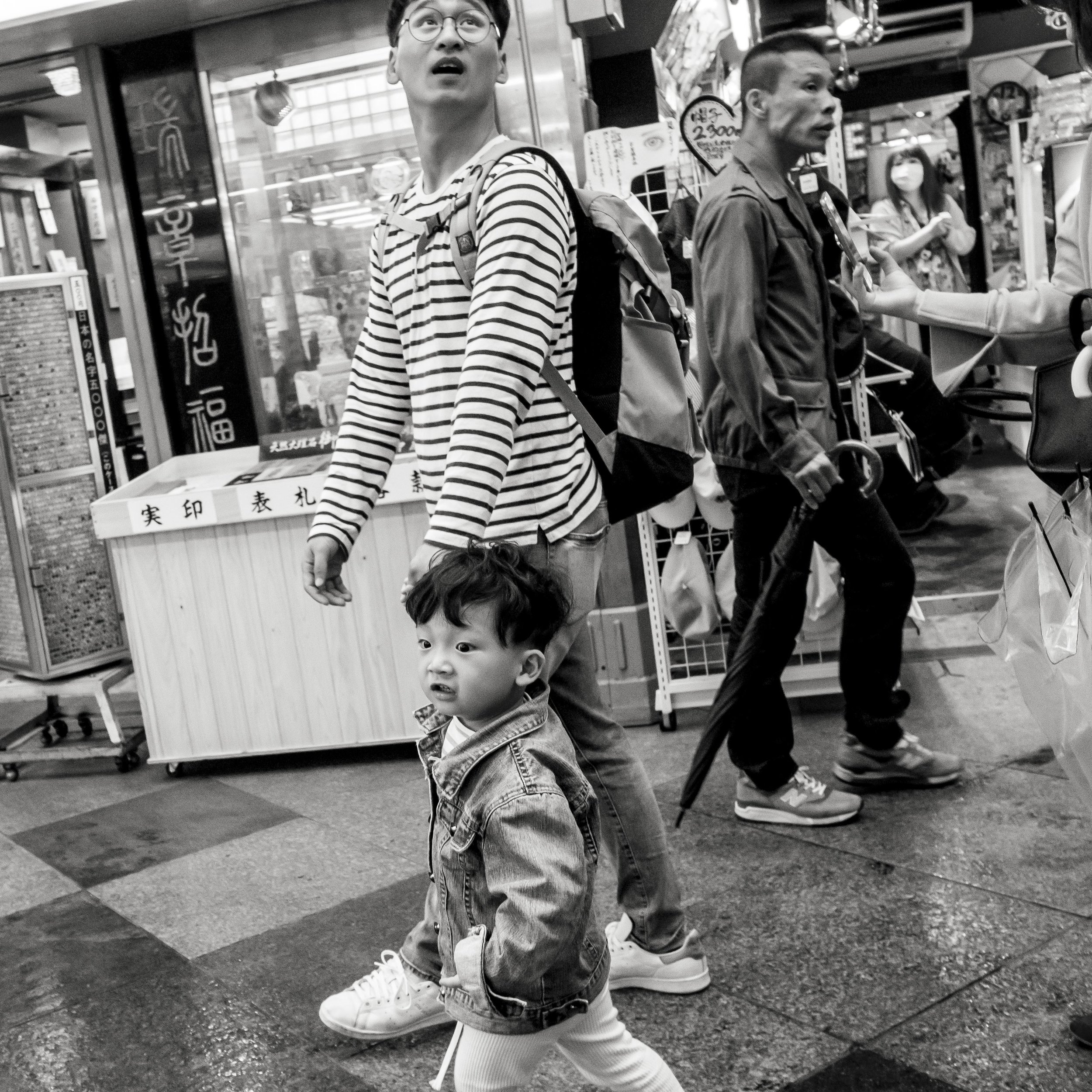
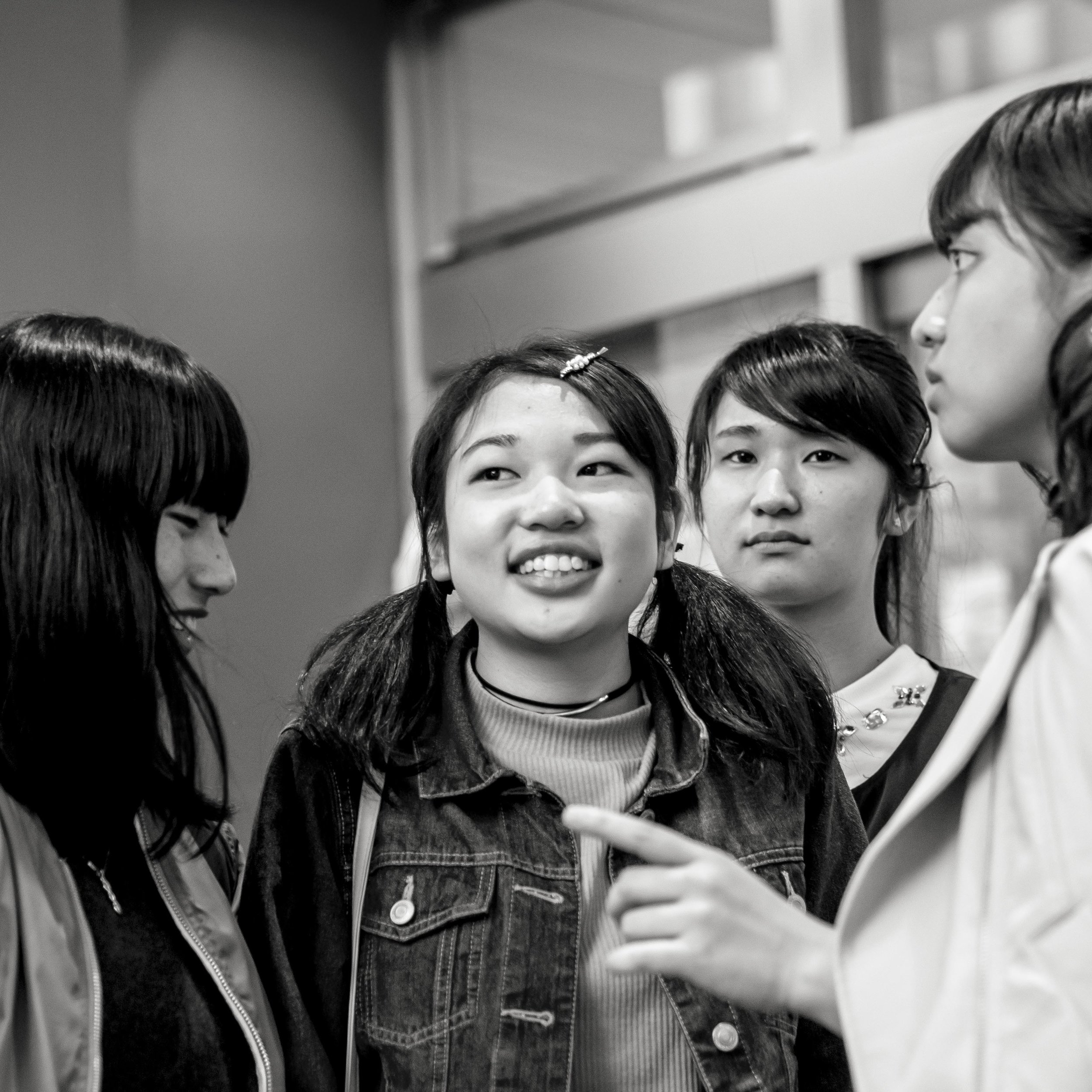
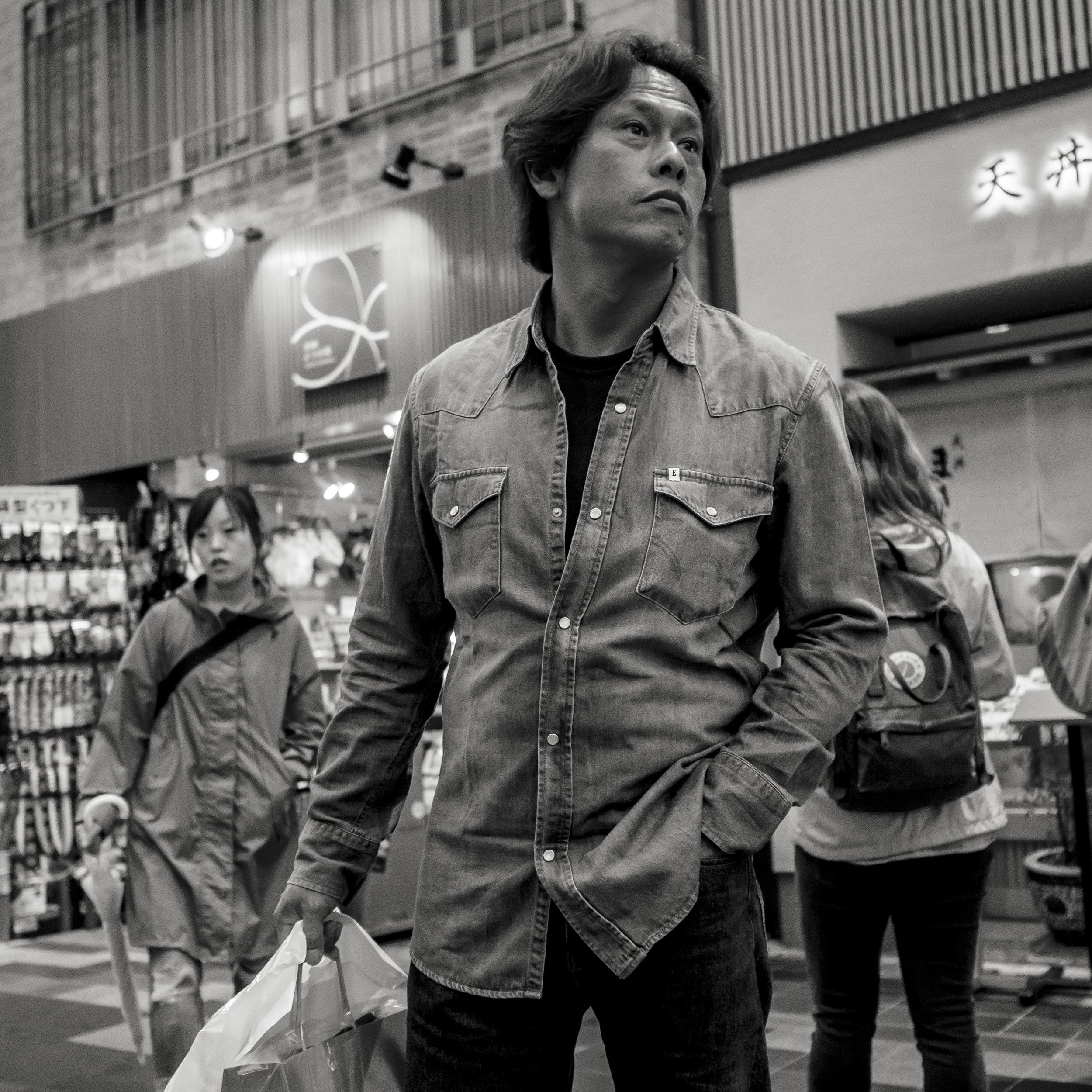
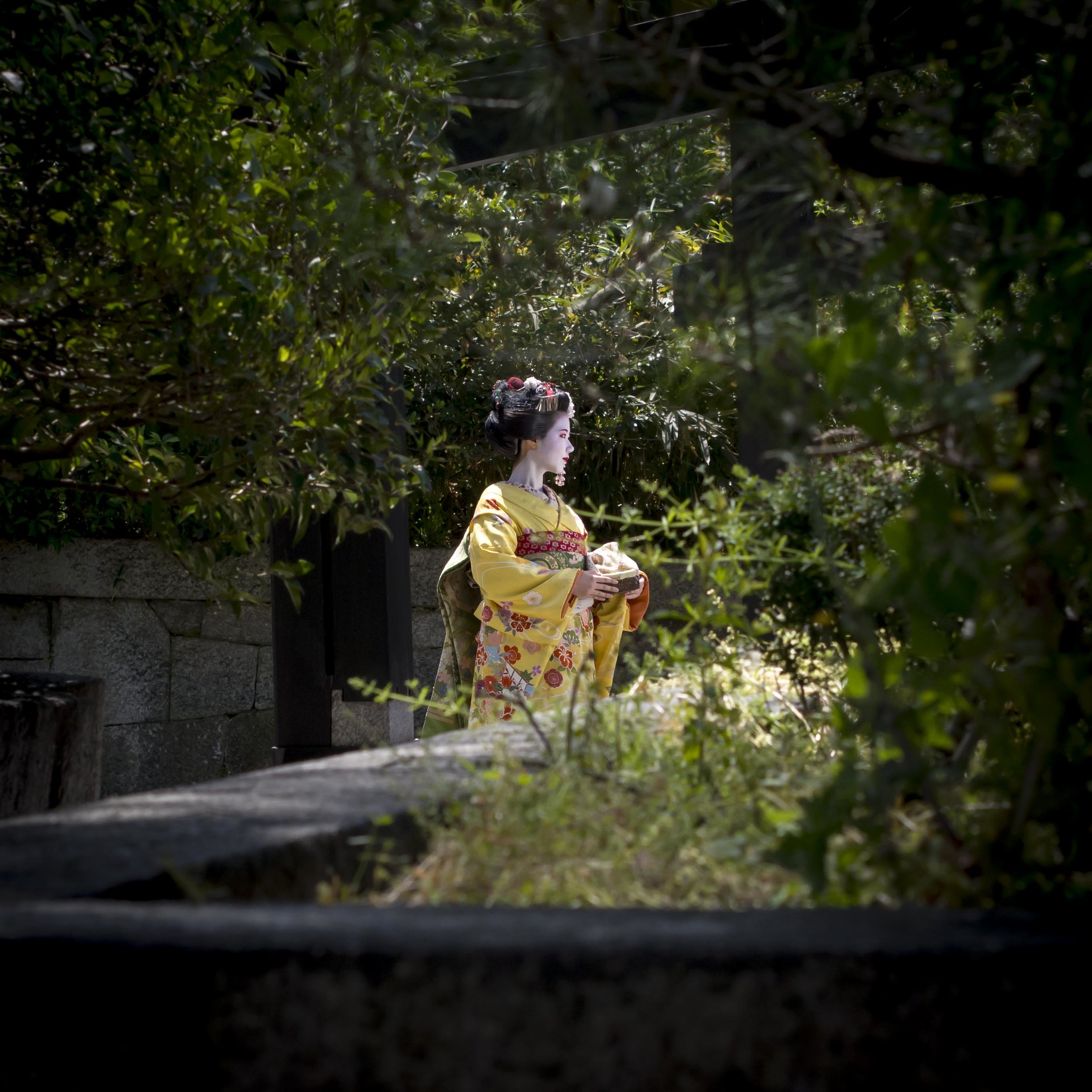
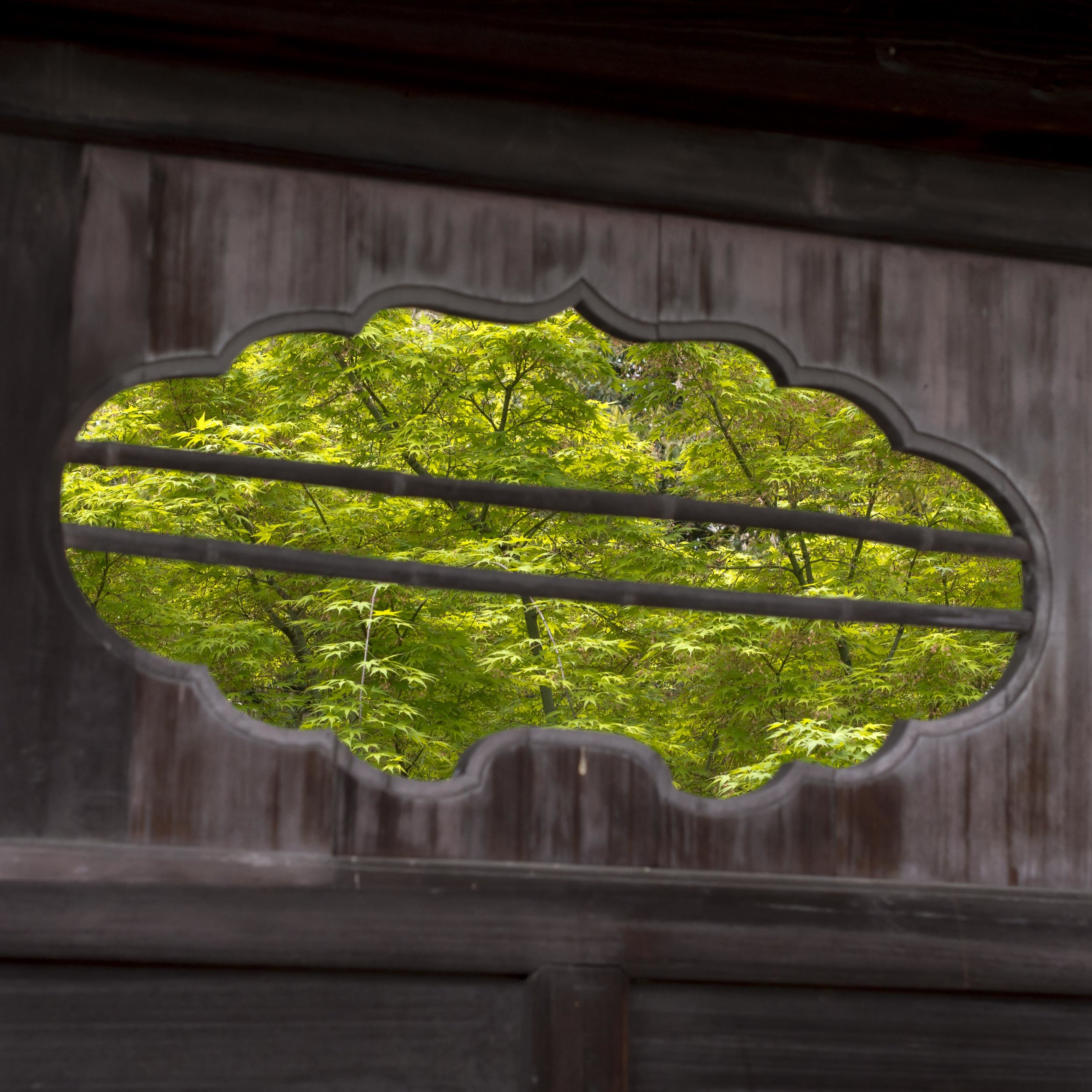
The Haiku posts are simply a triptych of images that may spark a Haiku like sequence of thoughts. Most have a theme hidden in them (sometimes a title if provided that may hint at that), but it is only relevant to me, so your mileage may vary. The point is for you to create your own, non rhyming, three line poem in the form that inspired them.