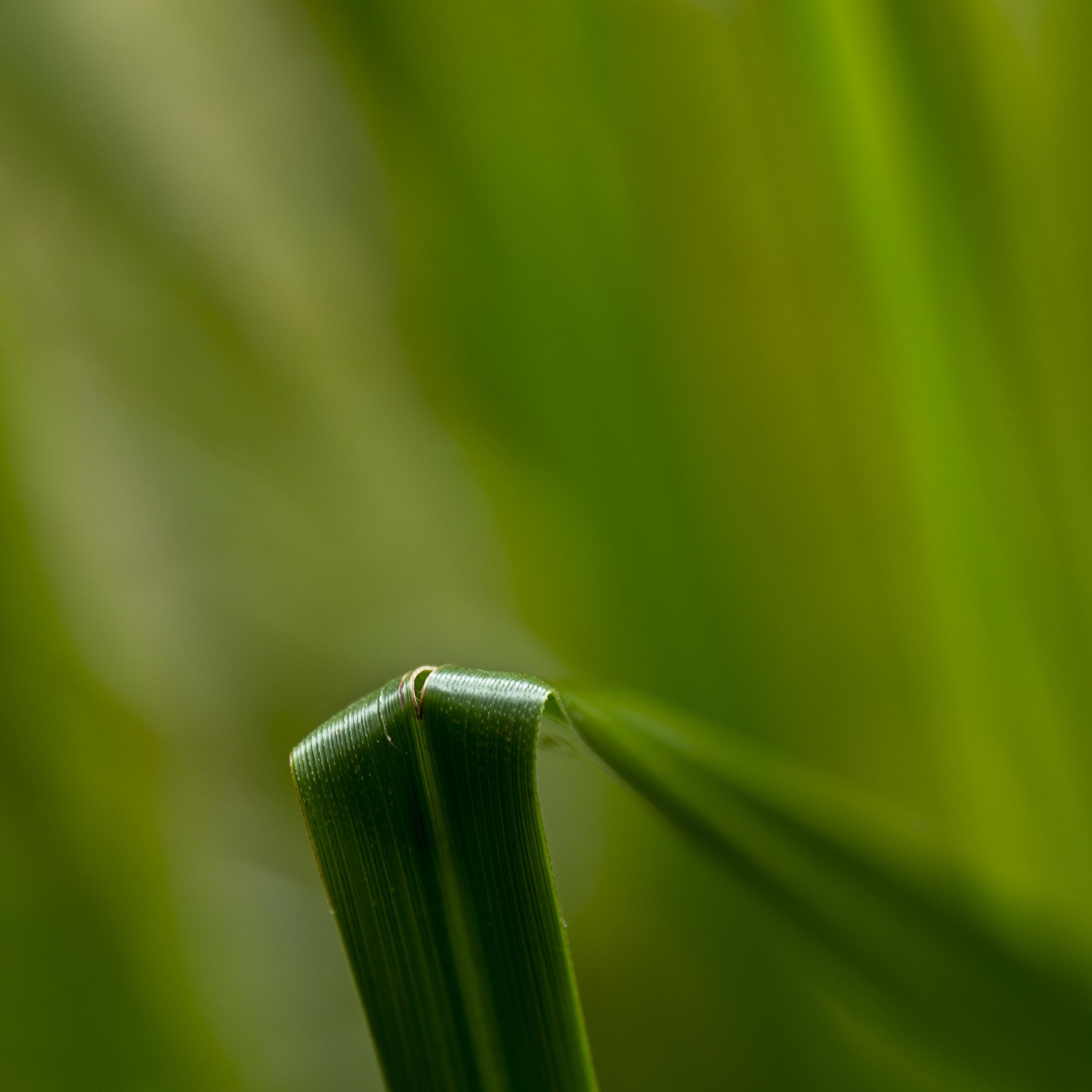
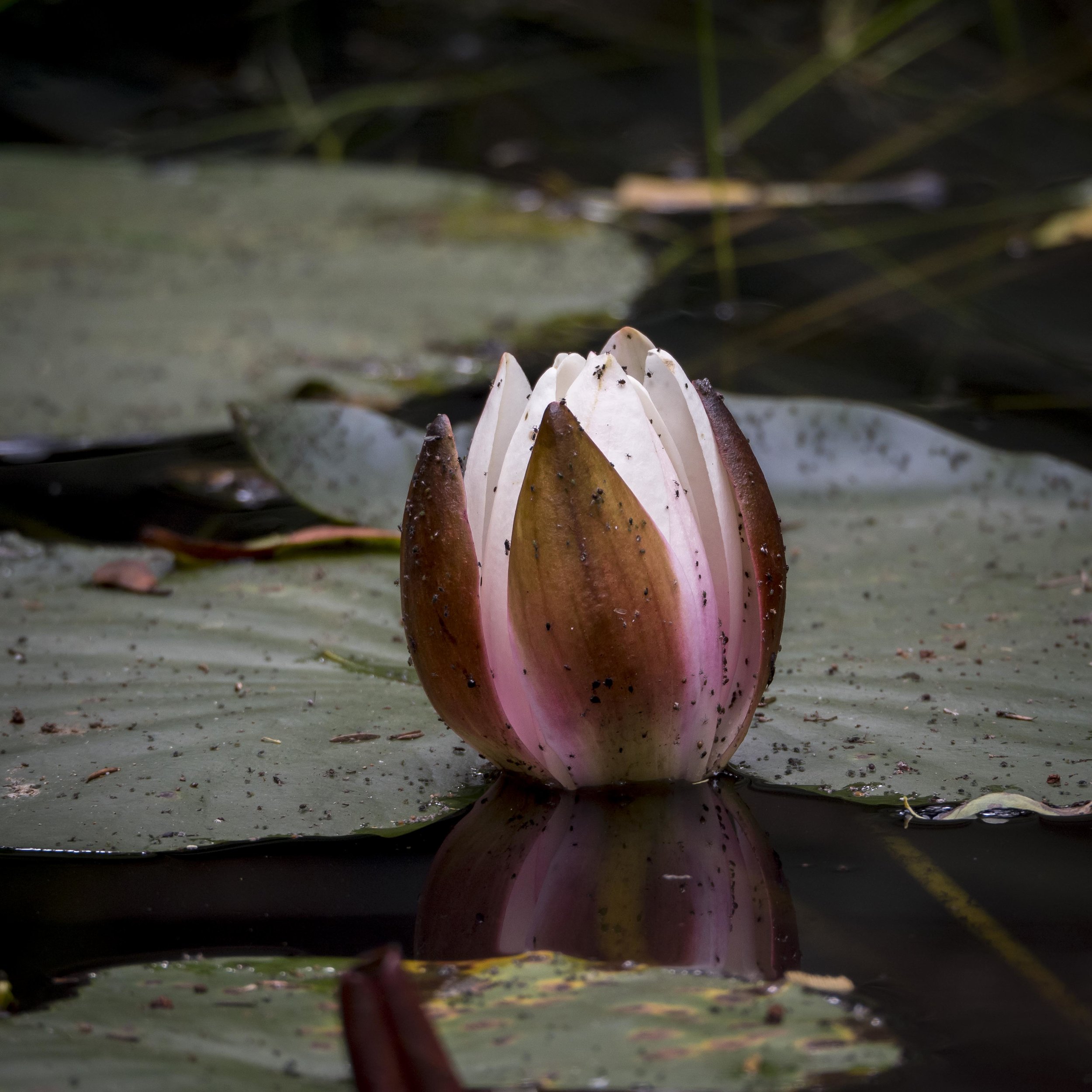
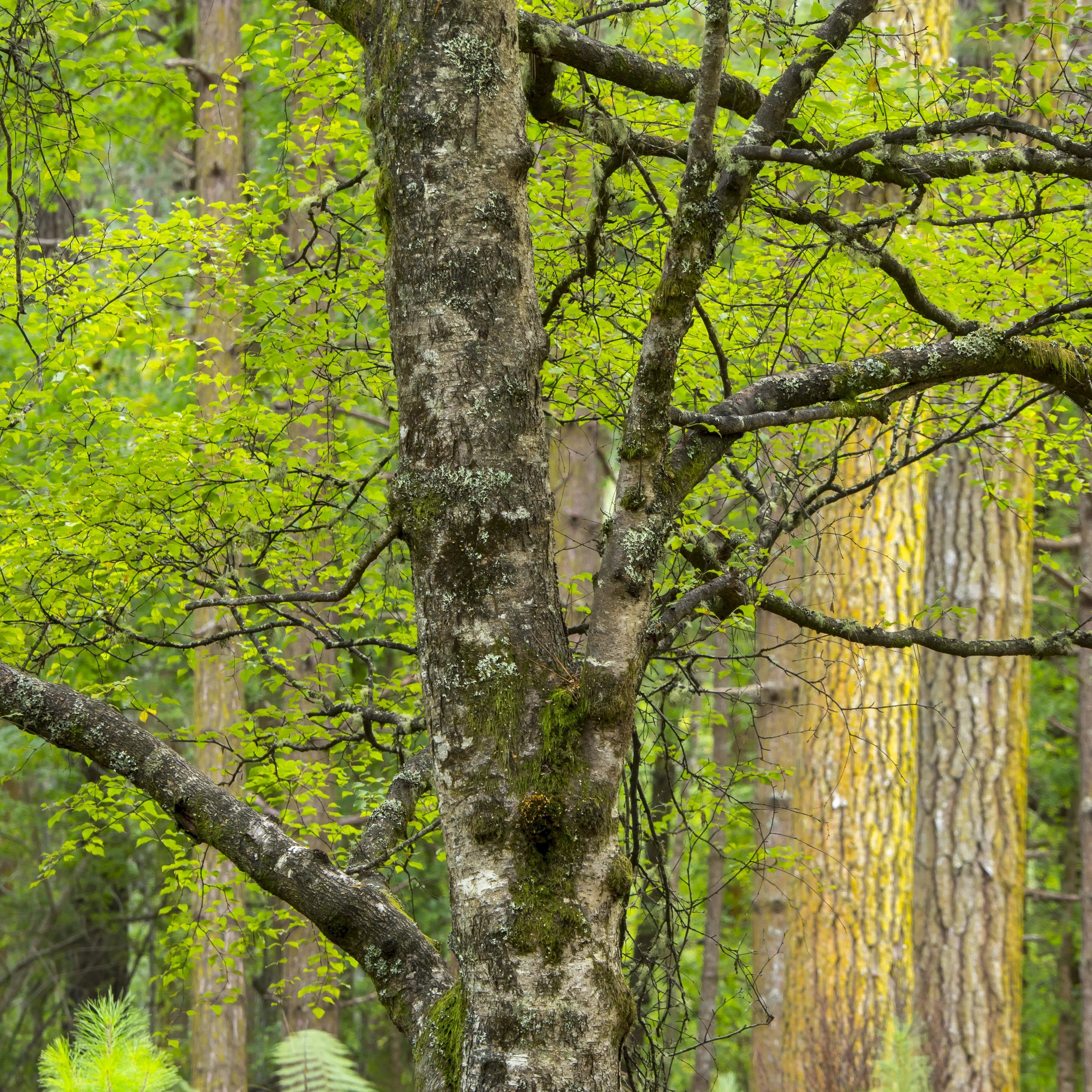
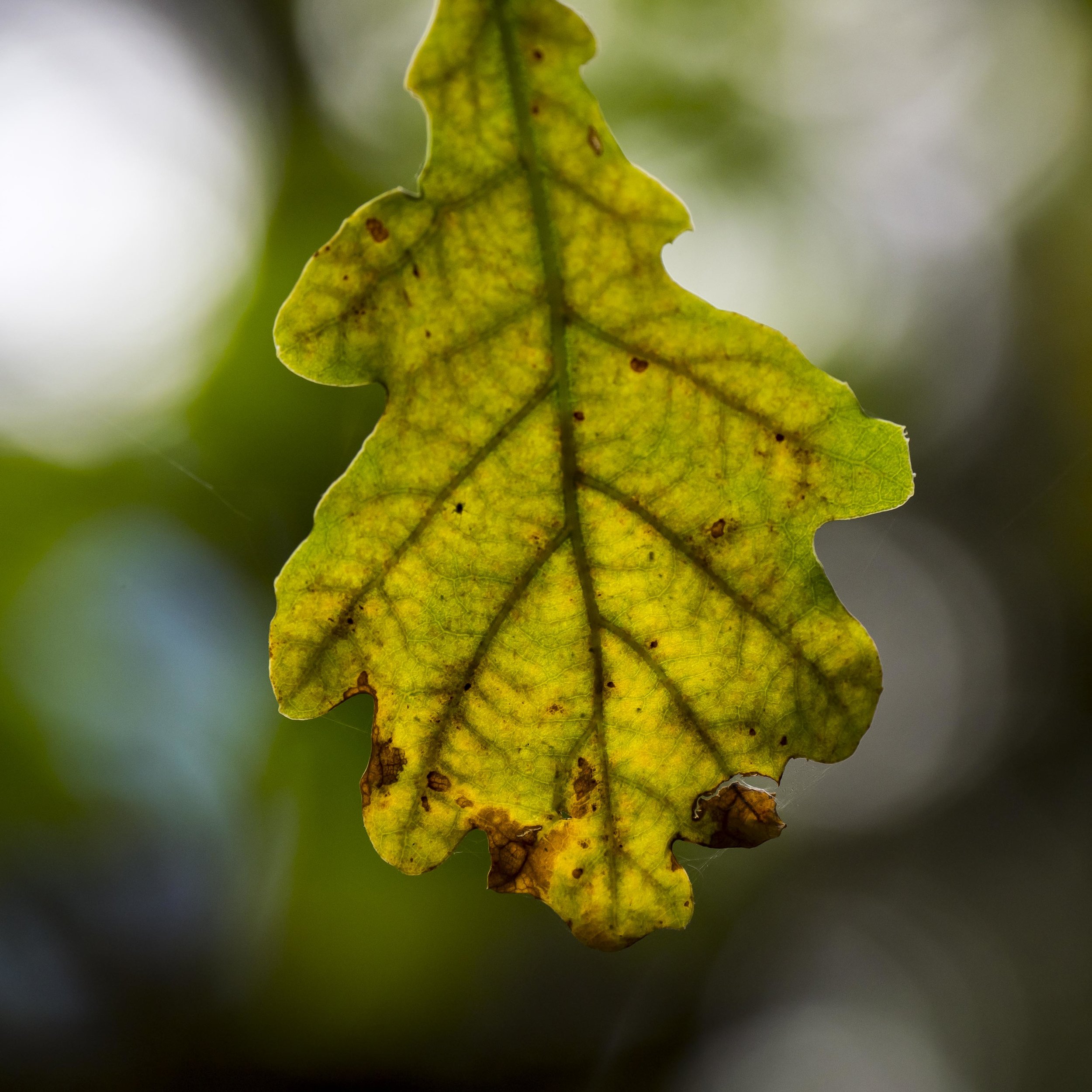
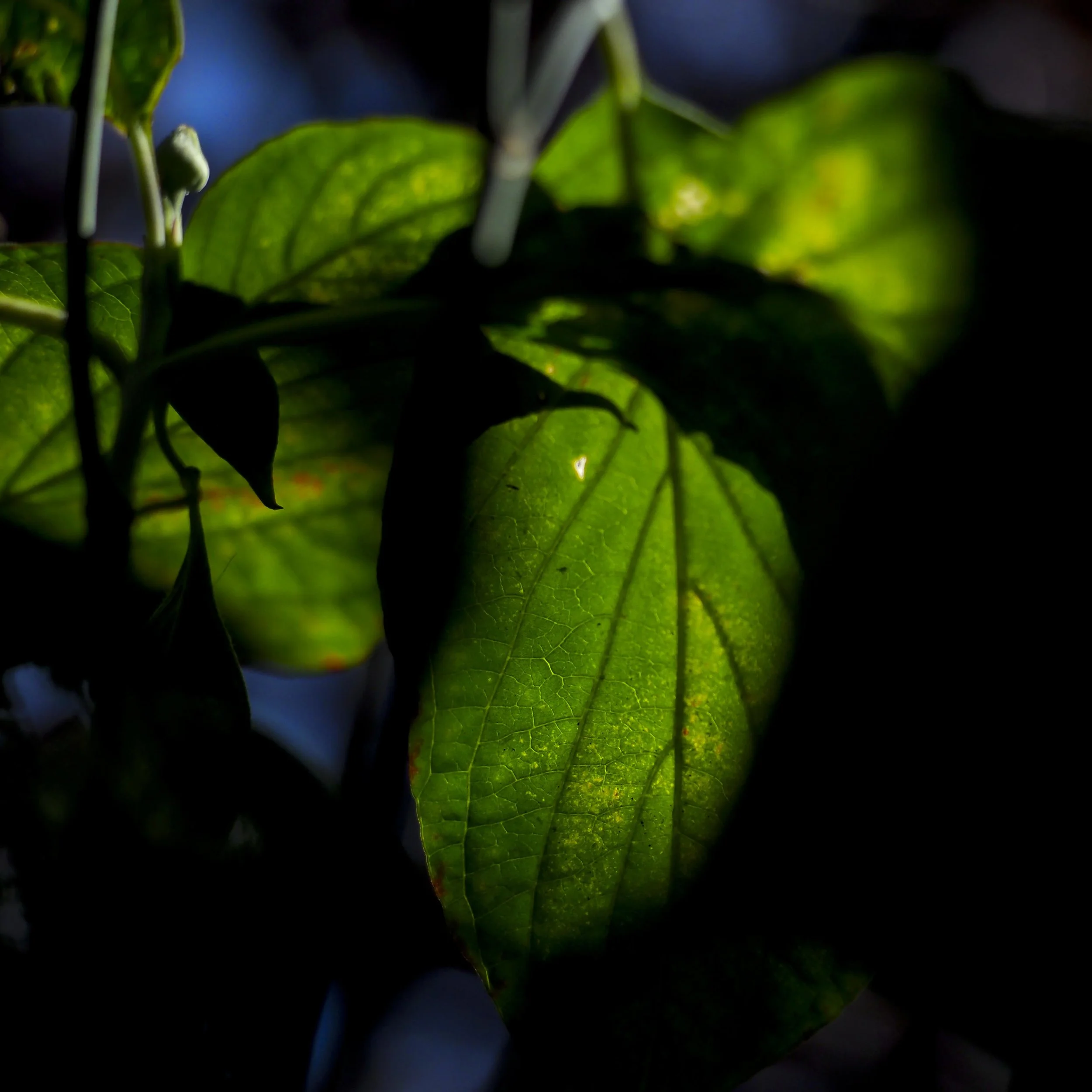
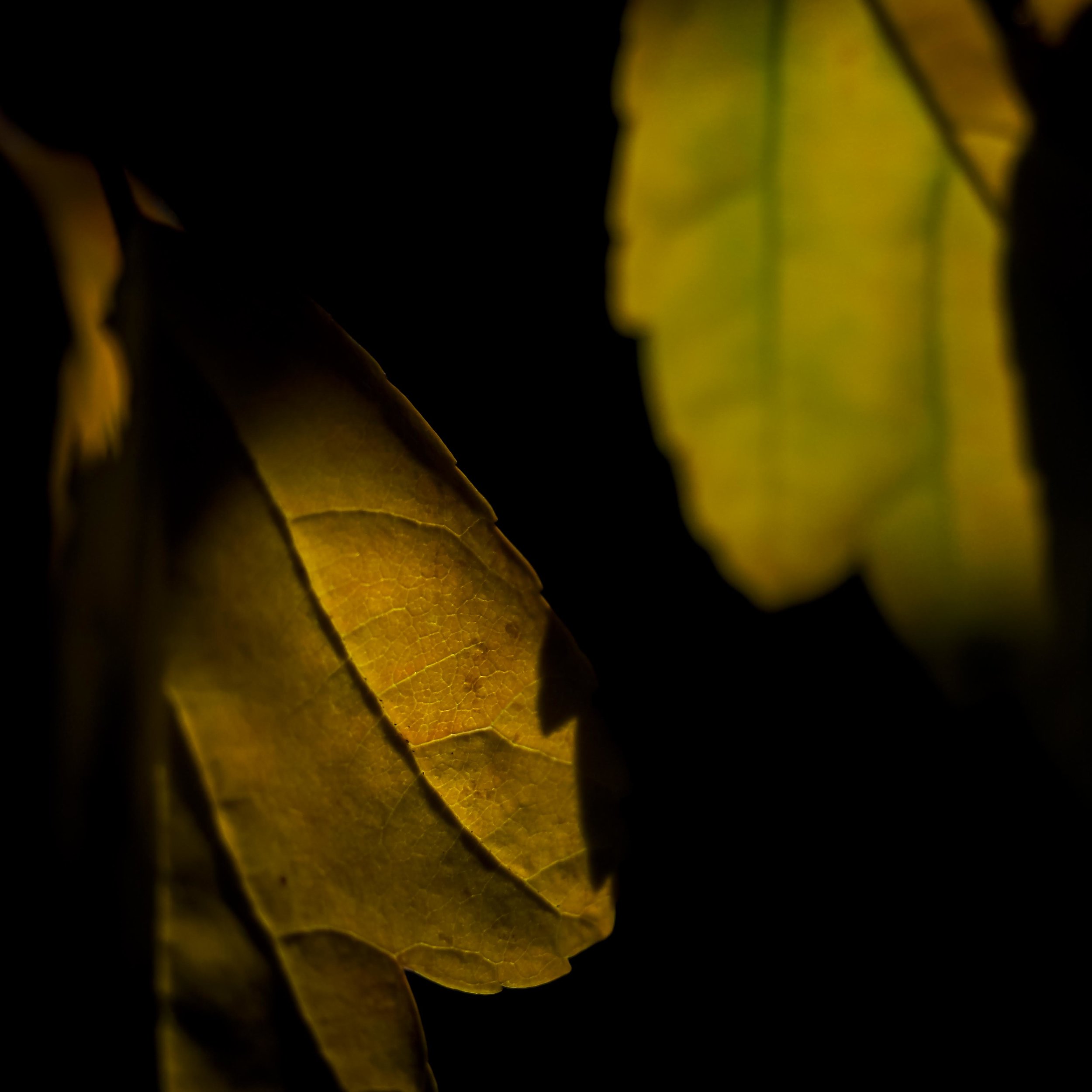
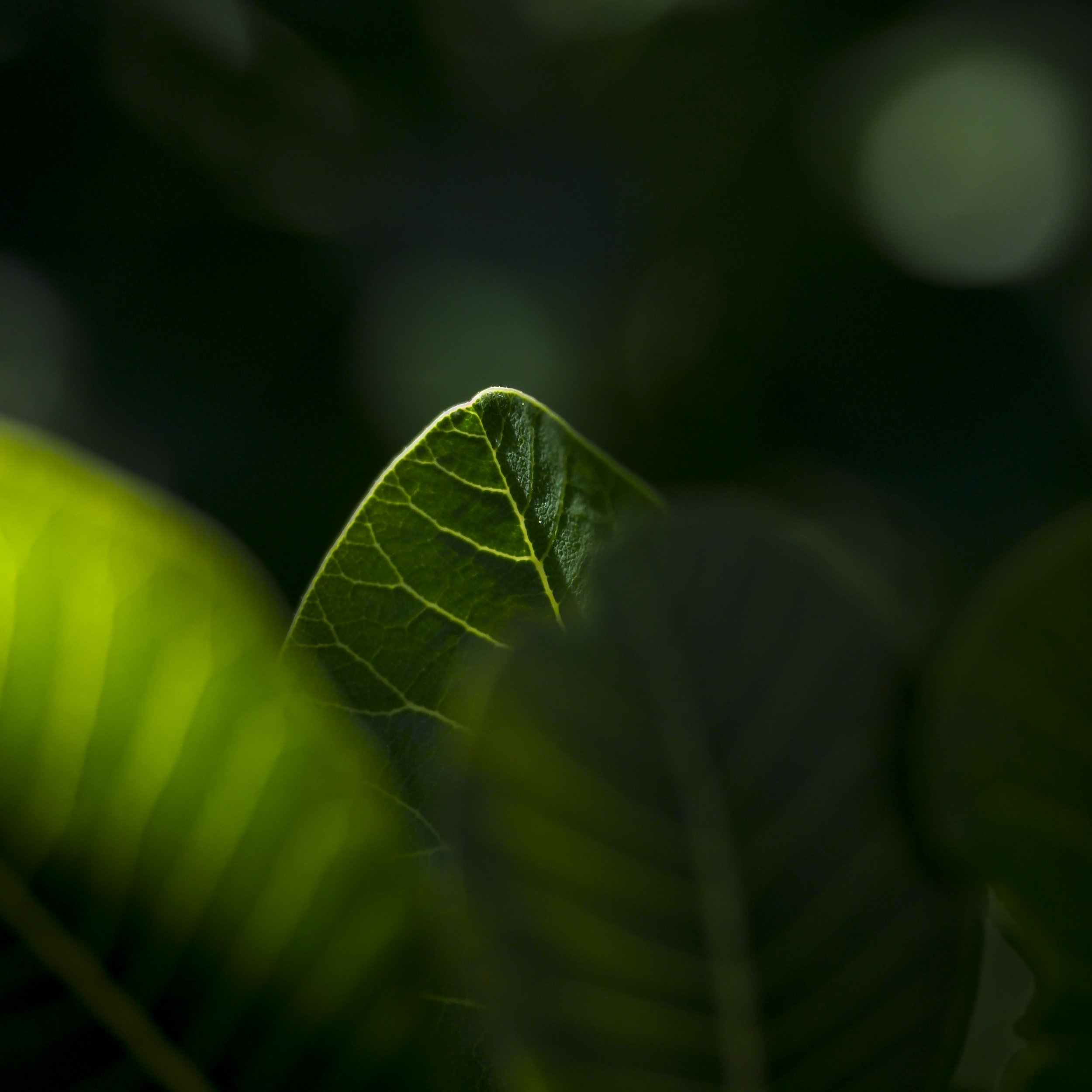
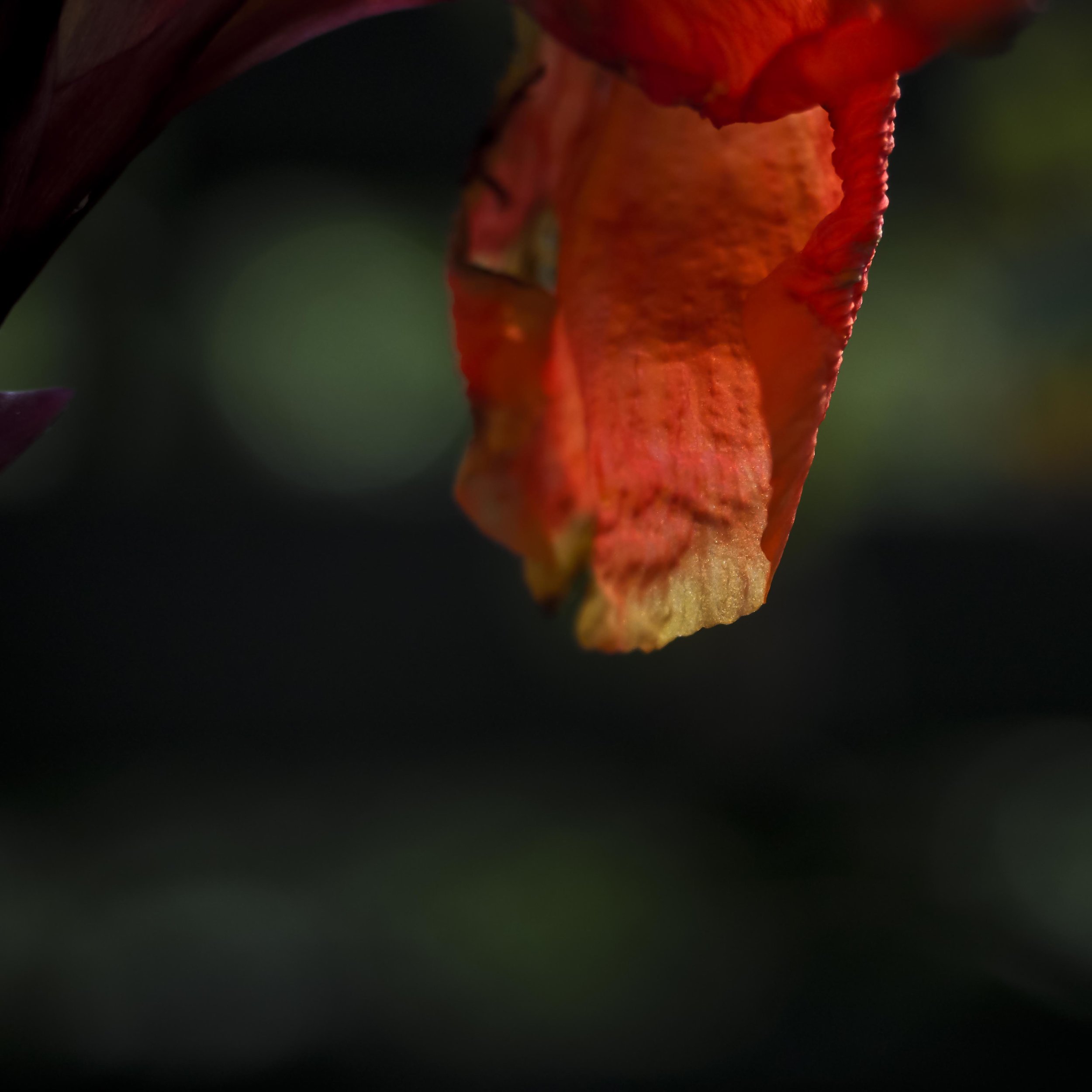
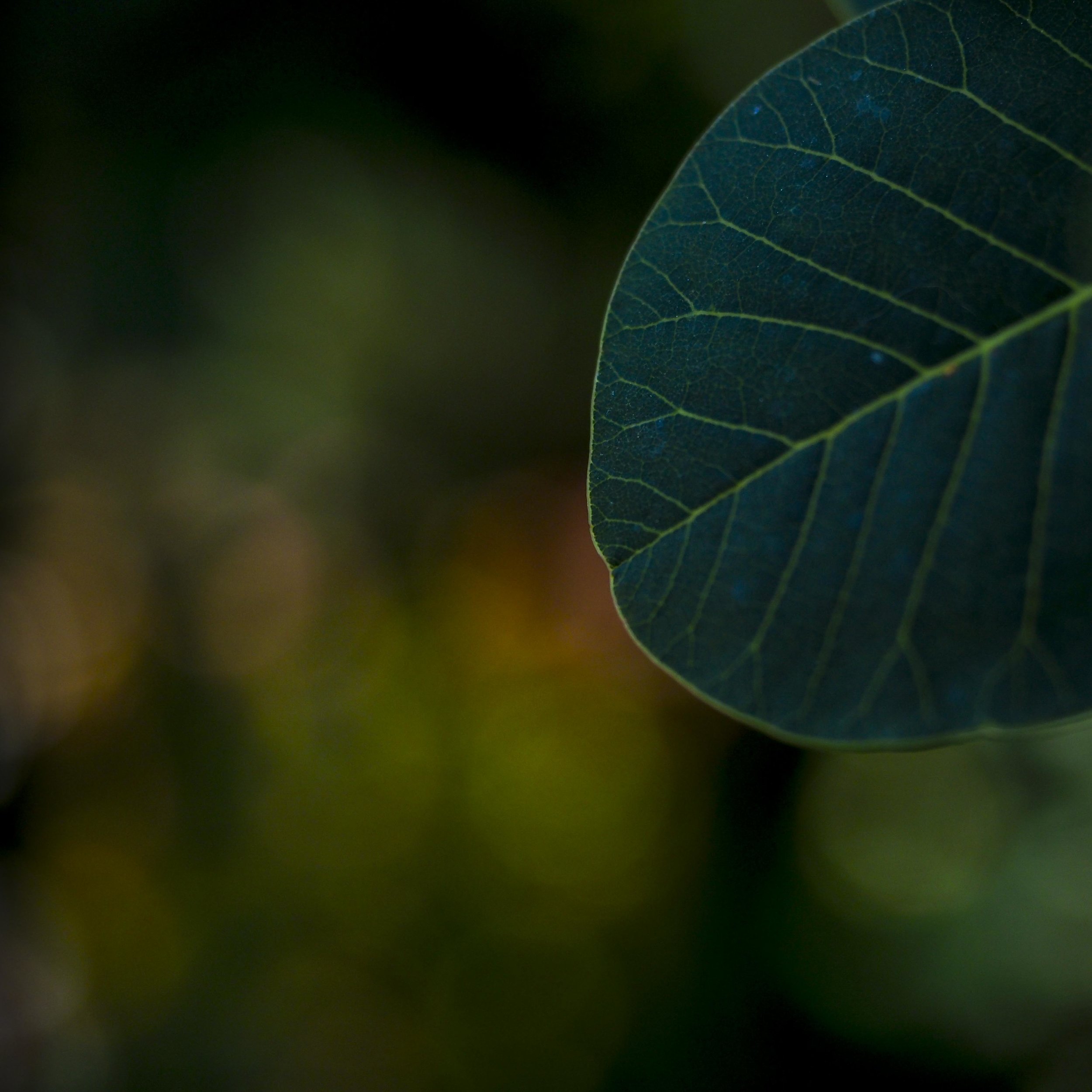
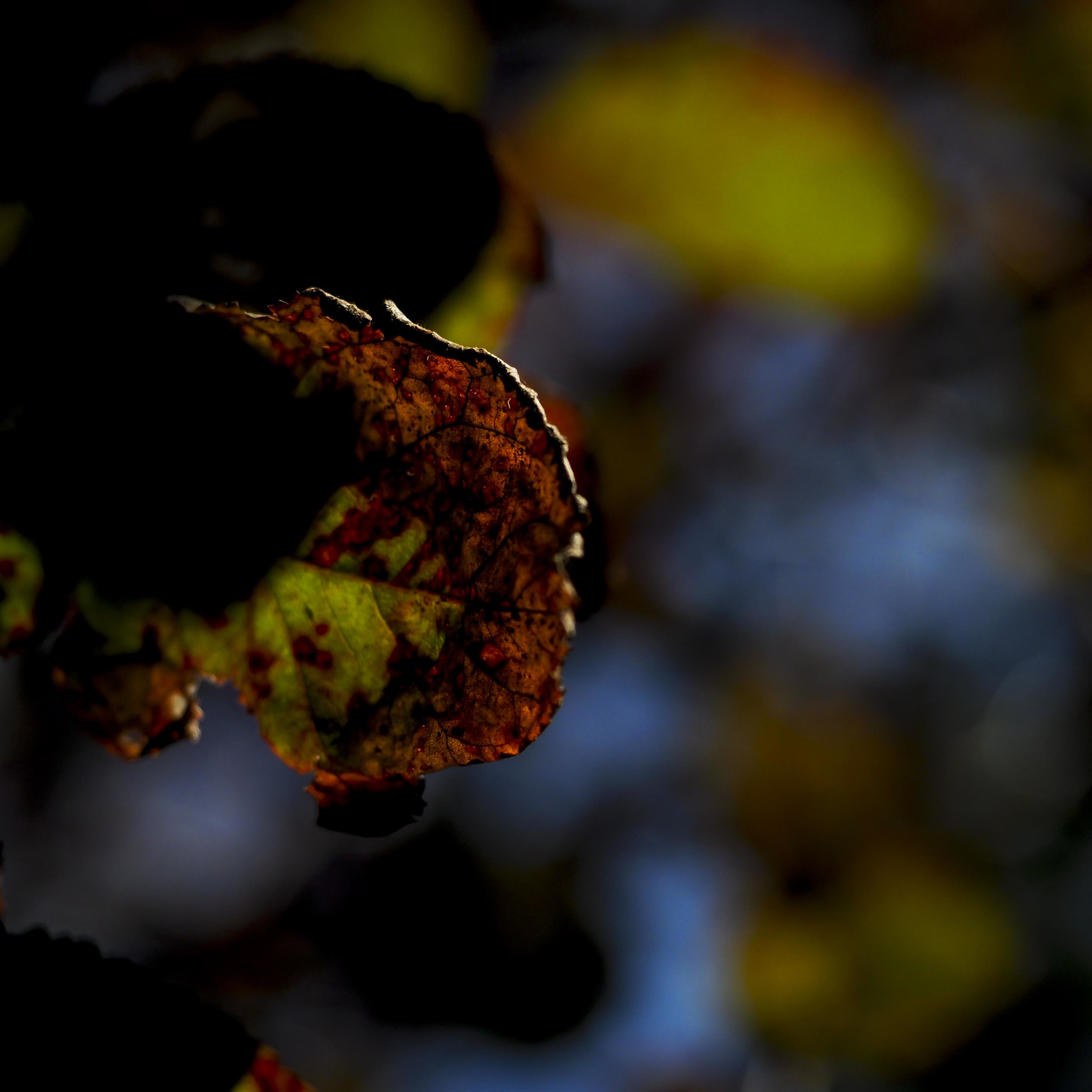
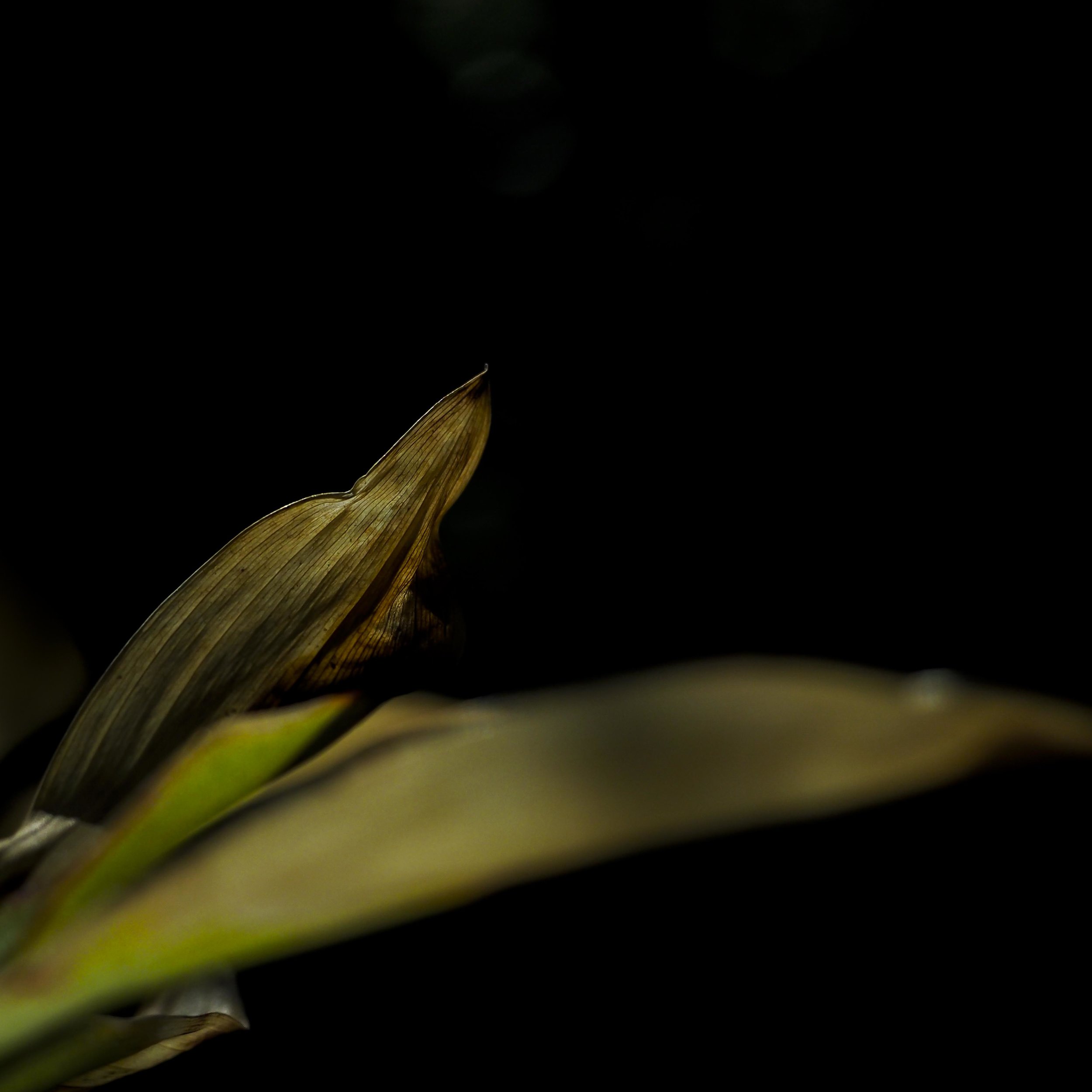
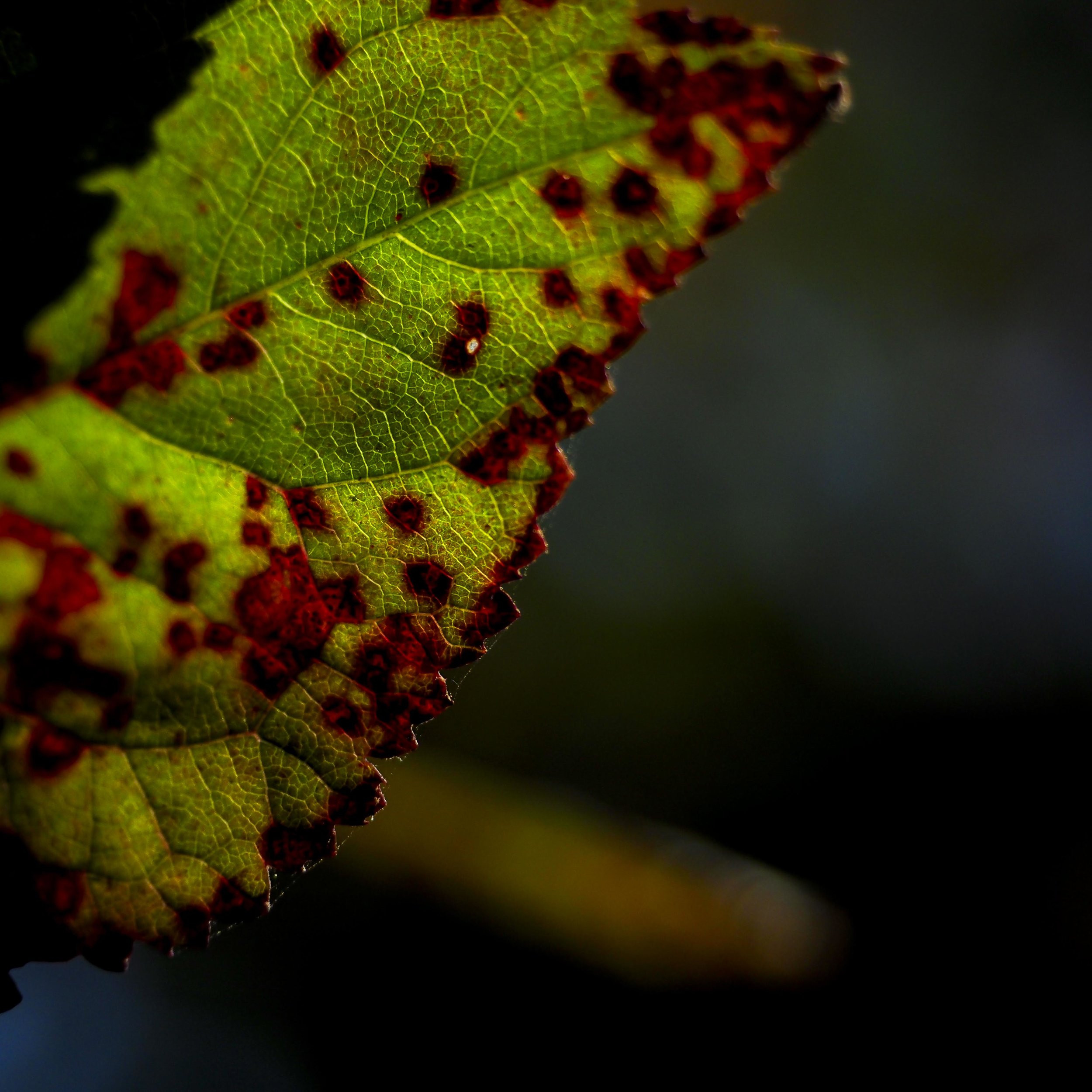
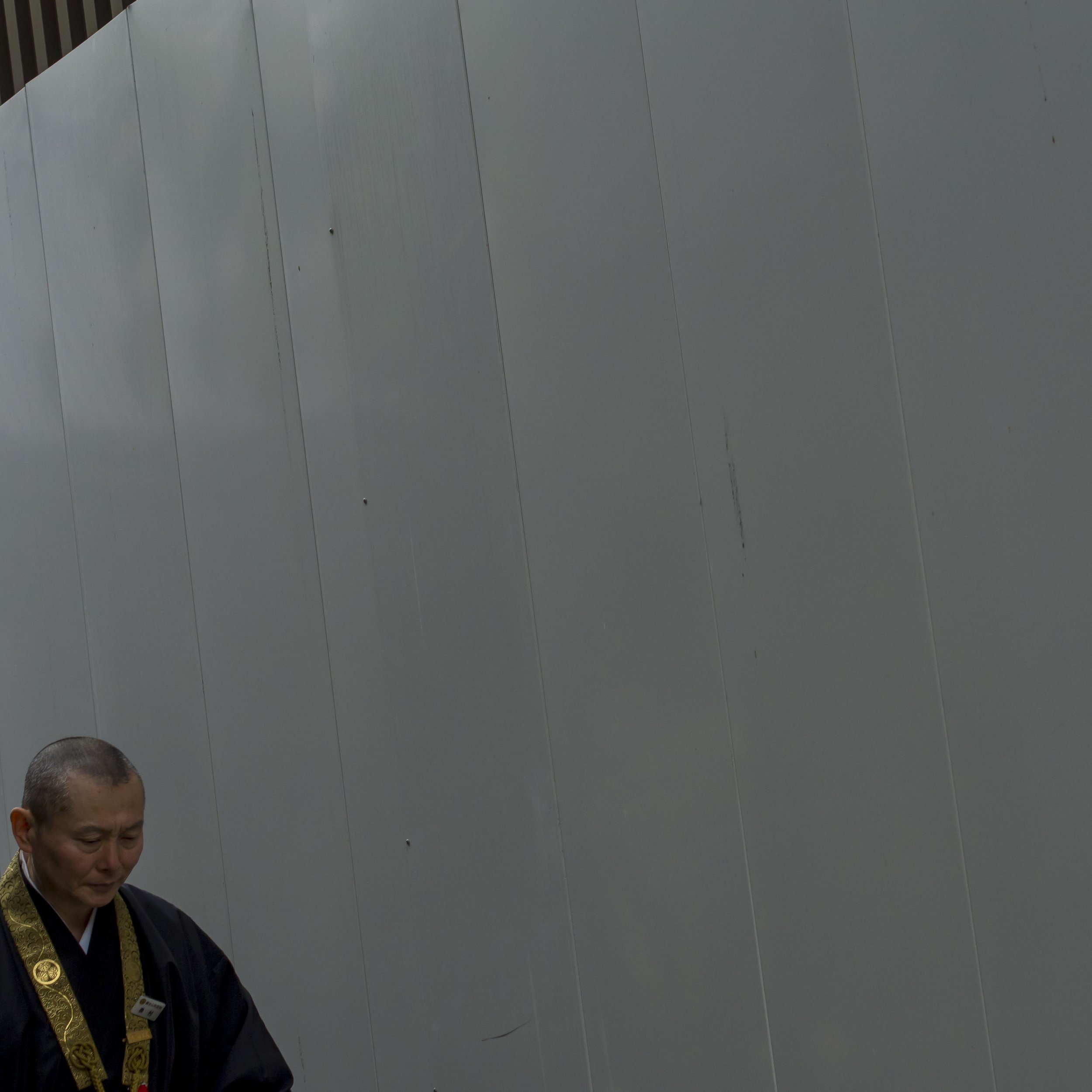
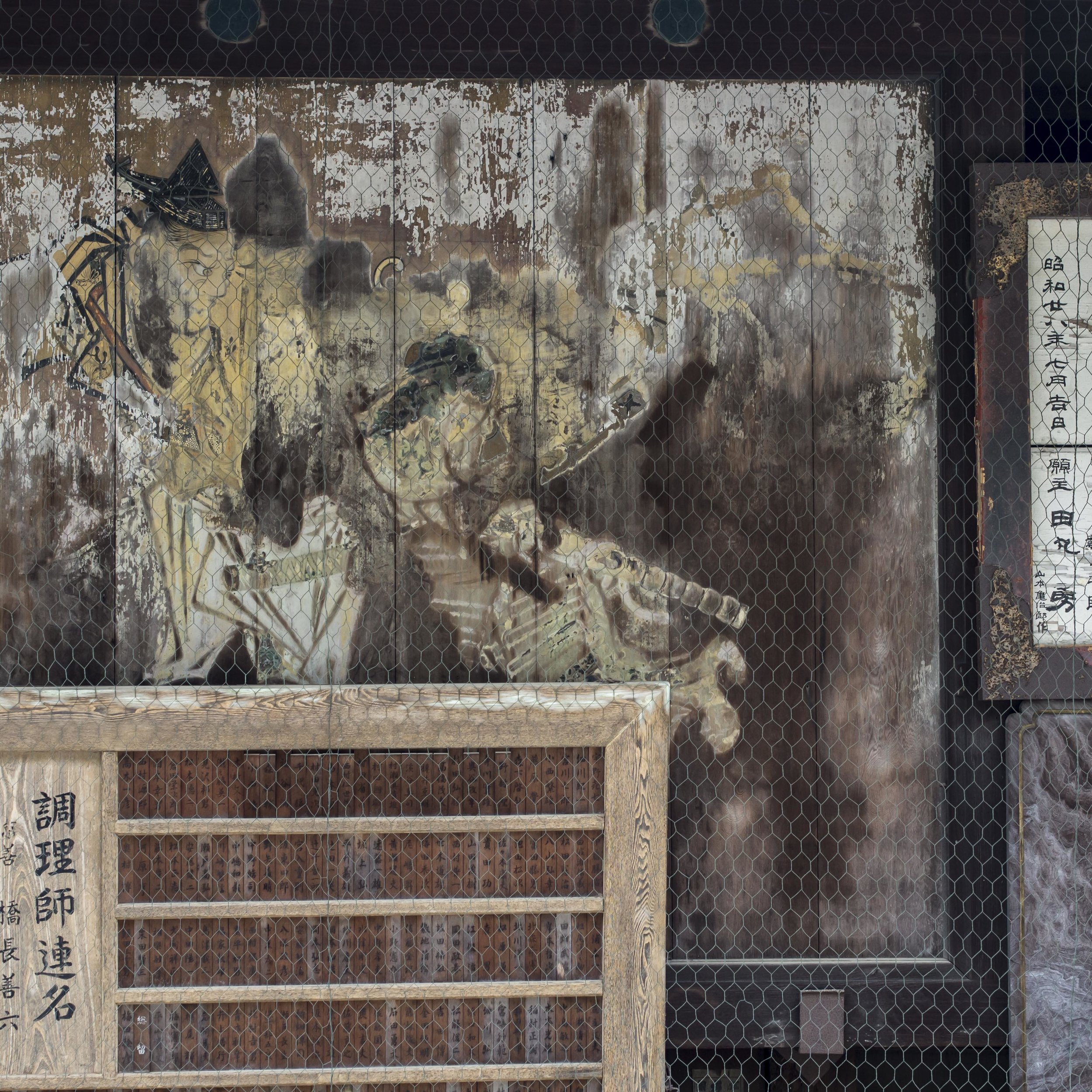
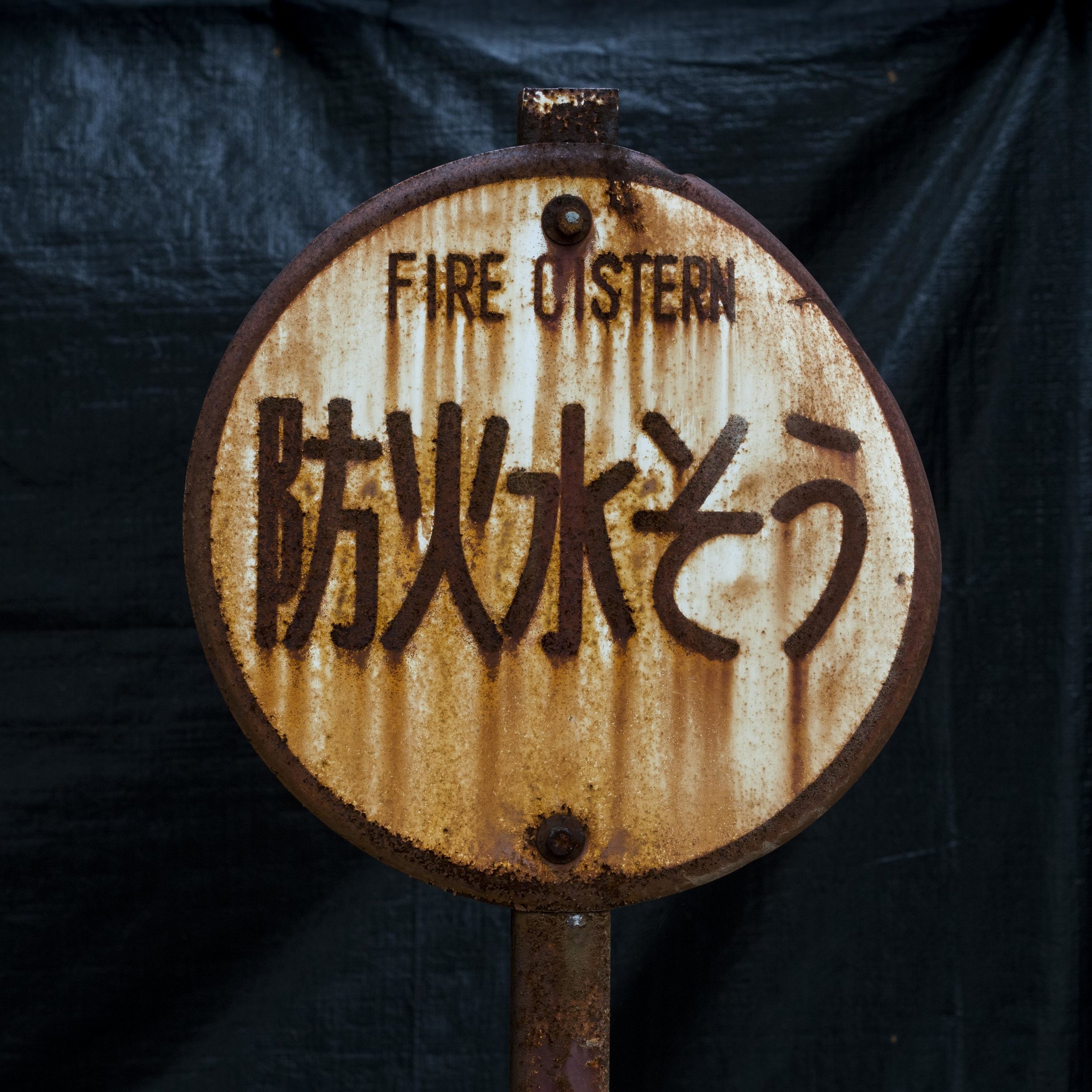
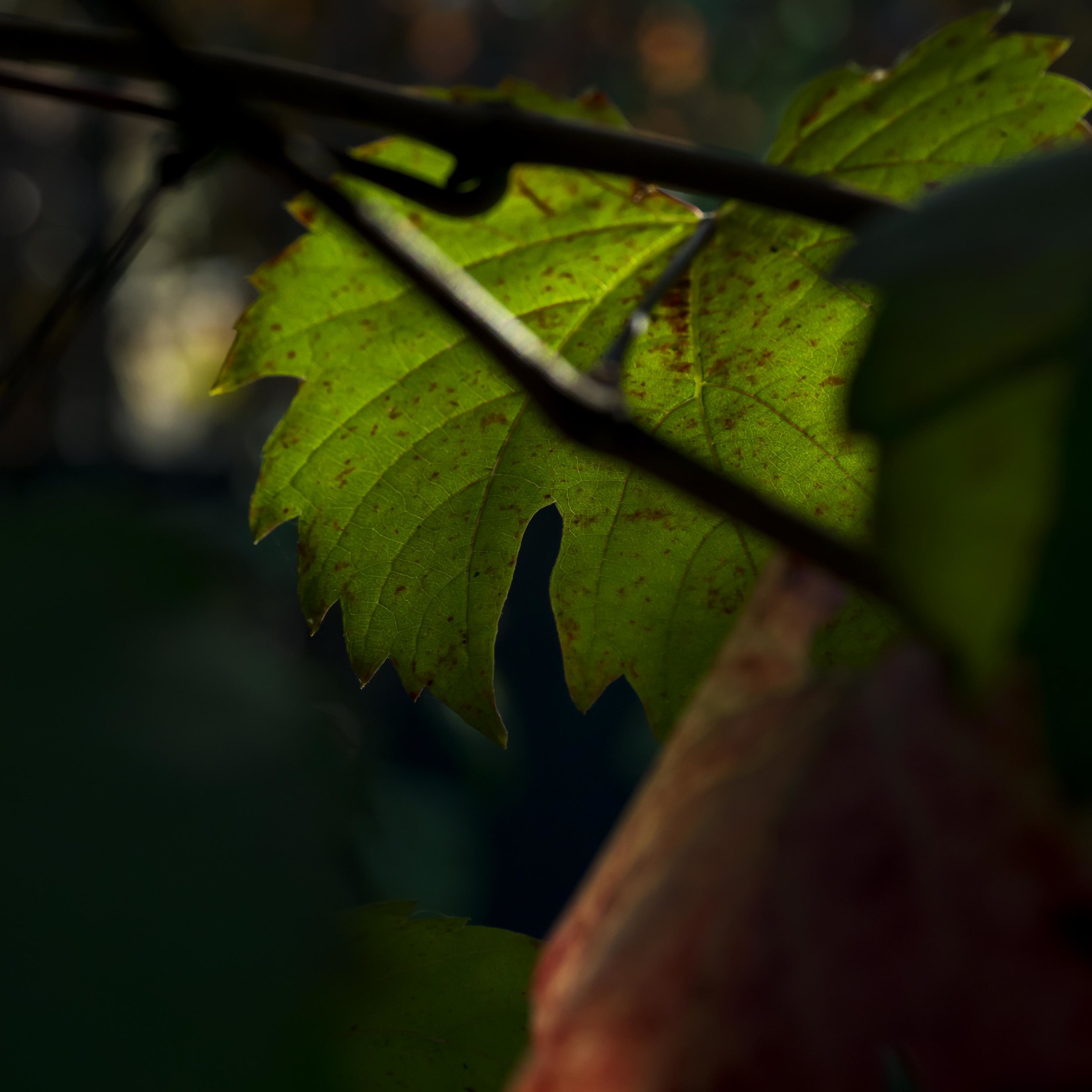
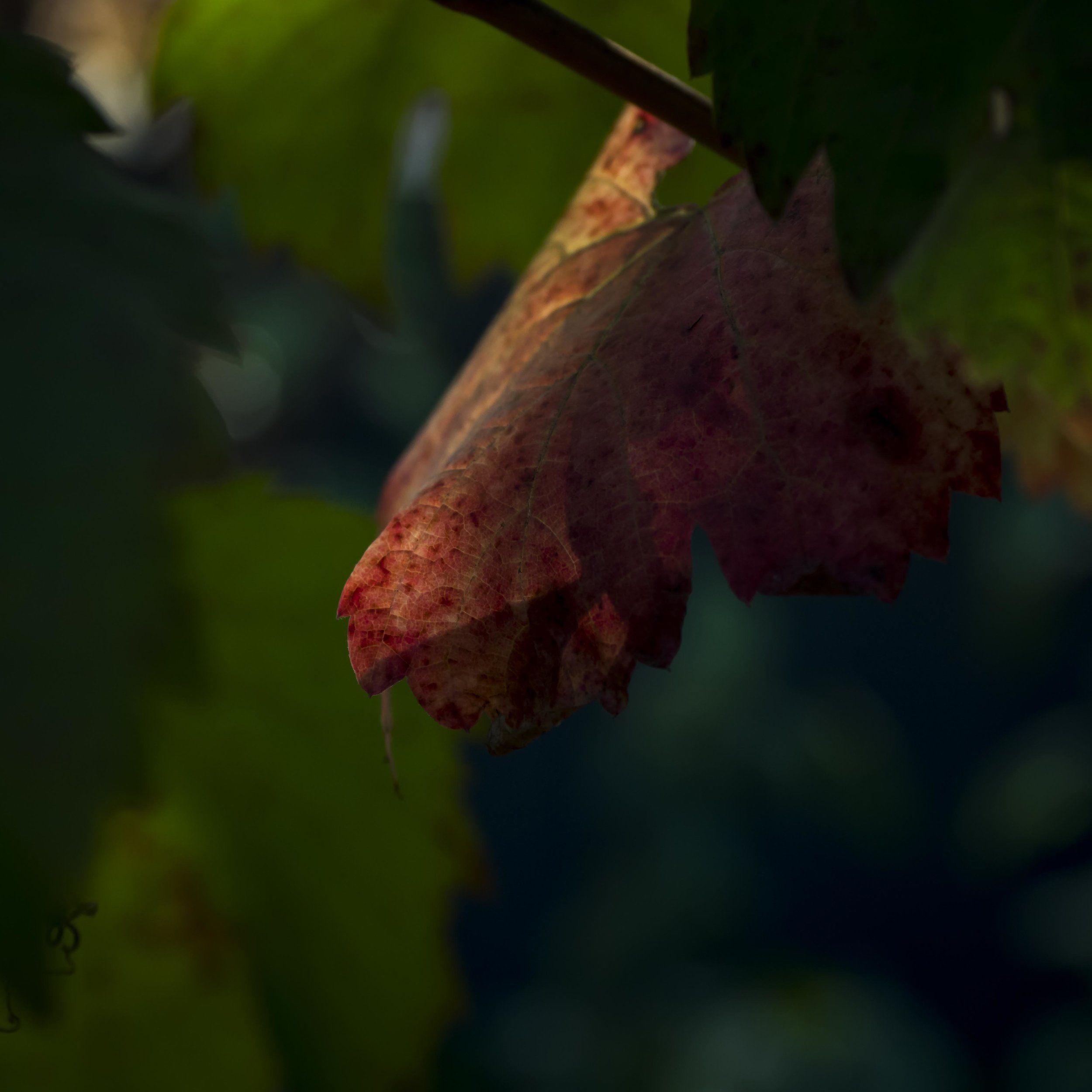
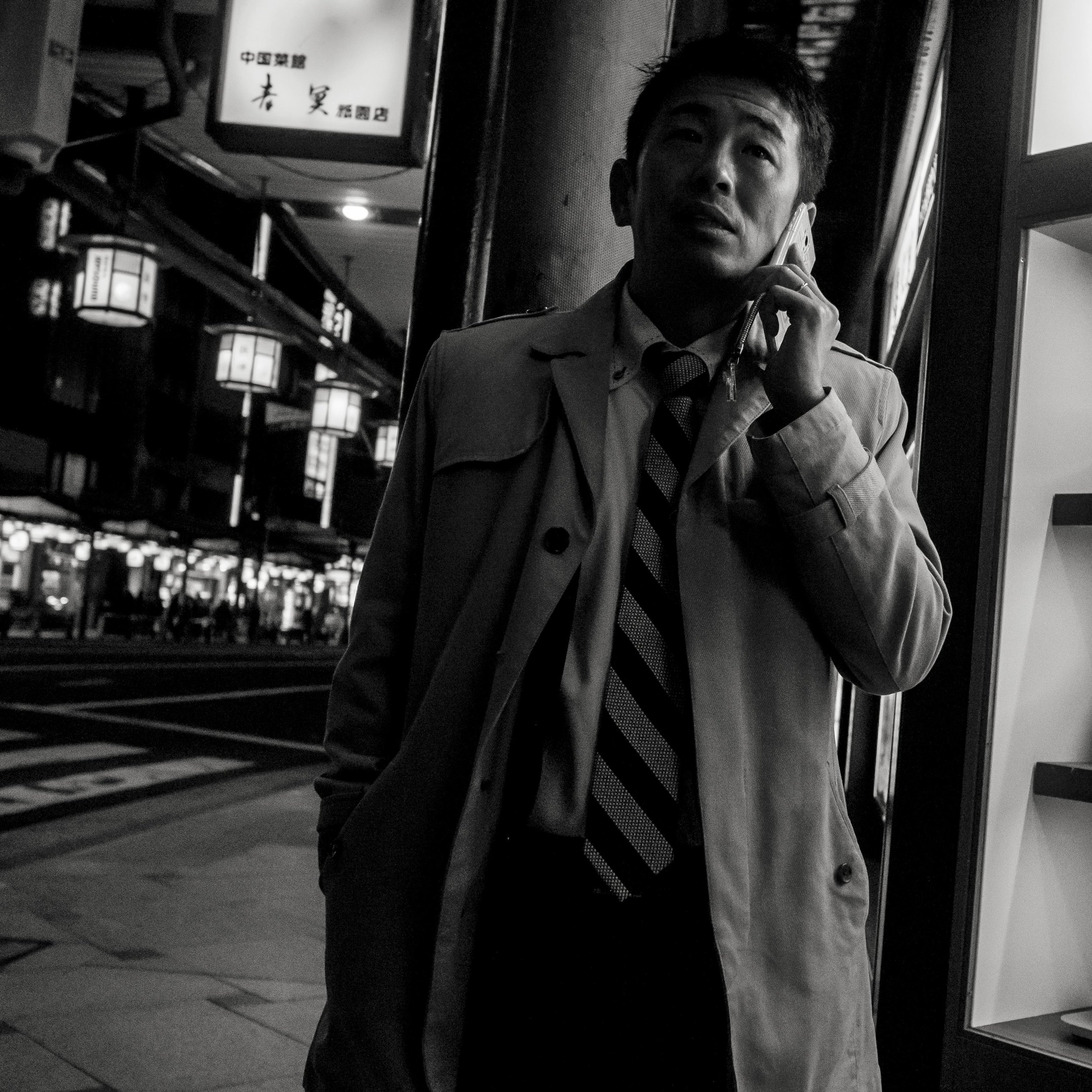
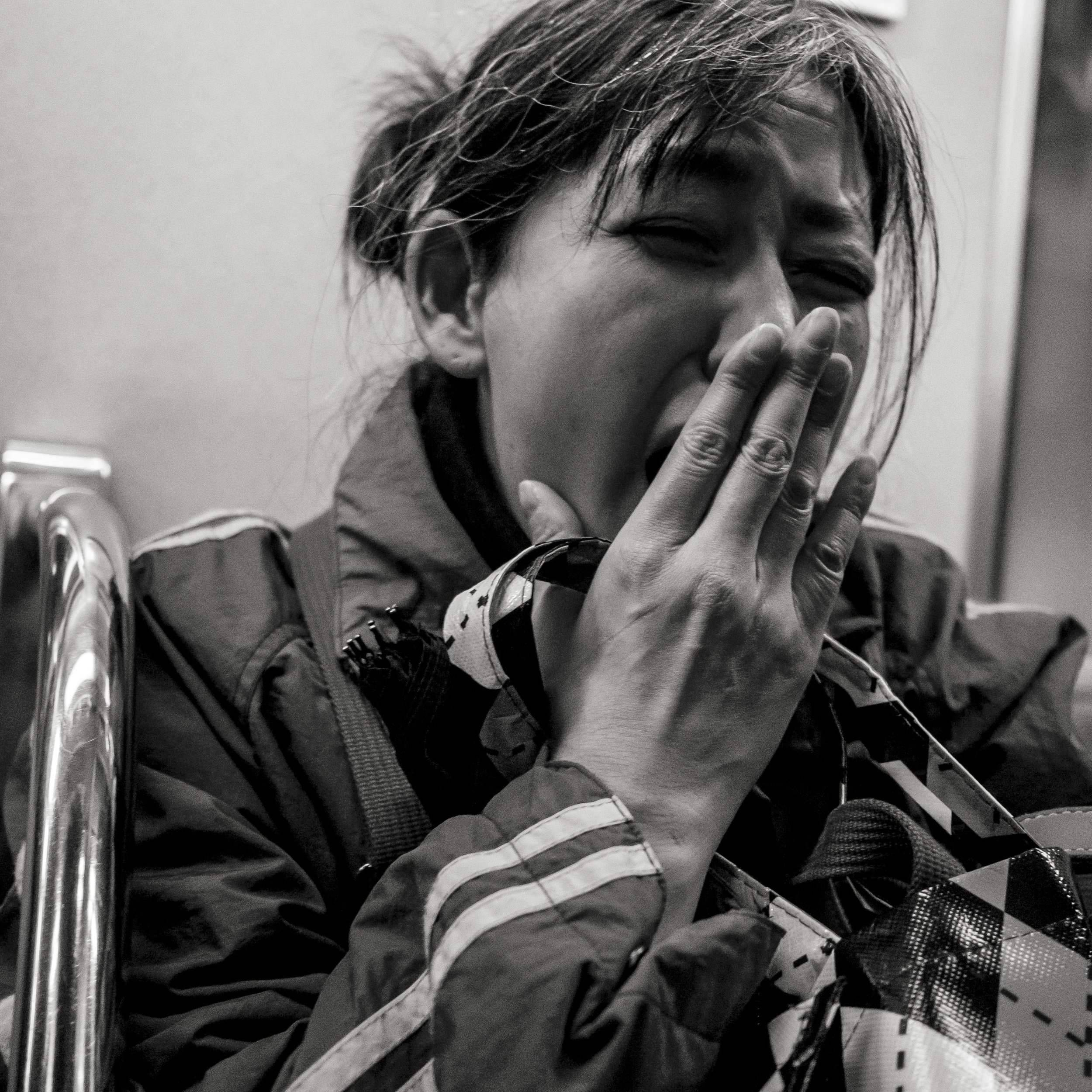
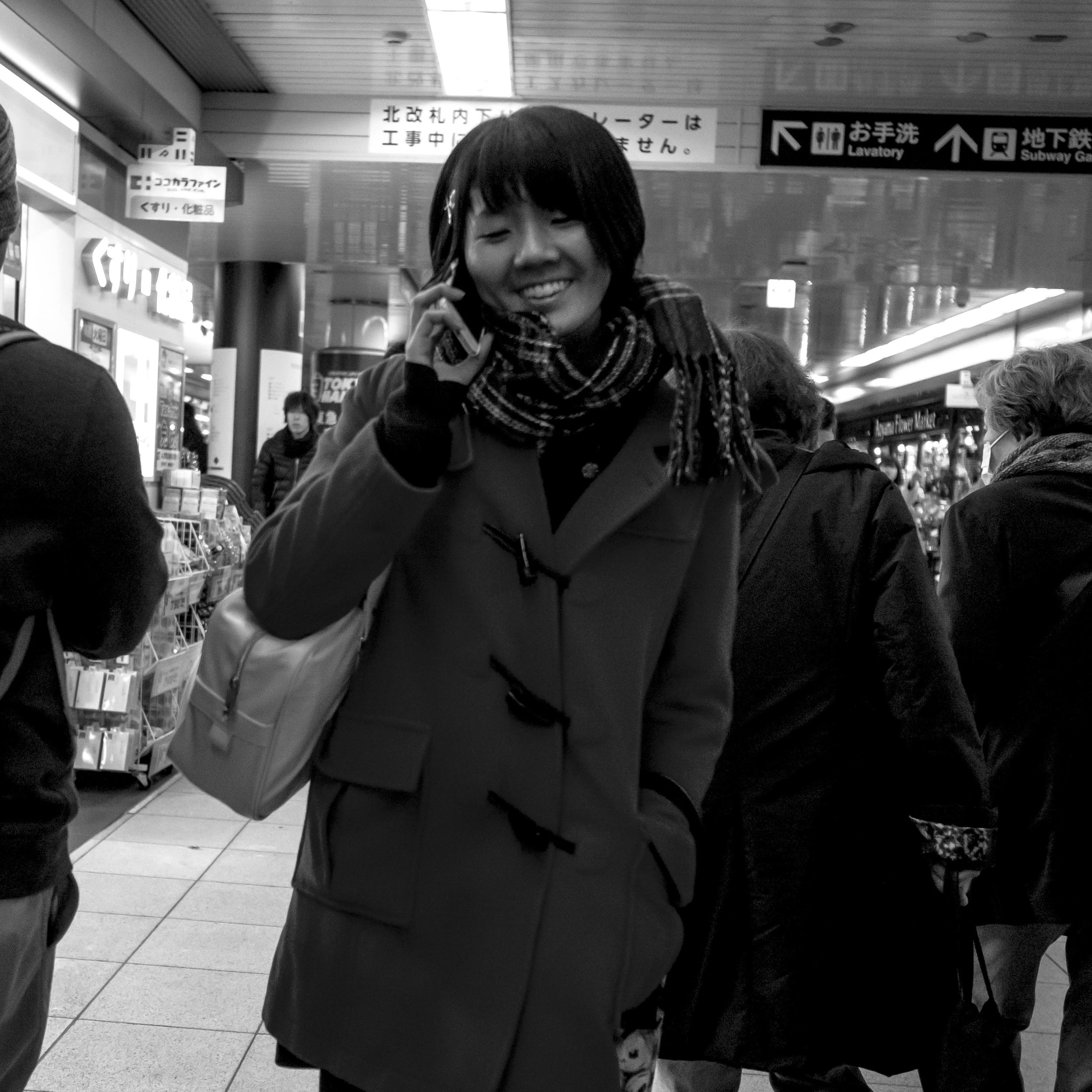
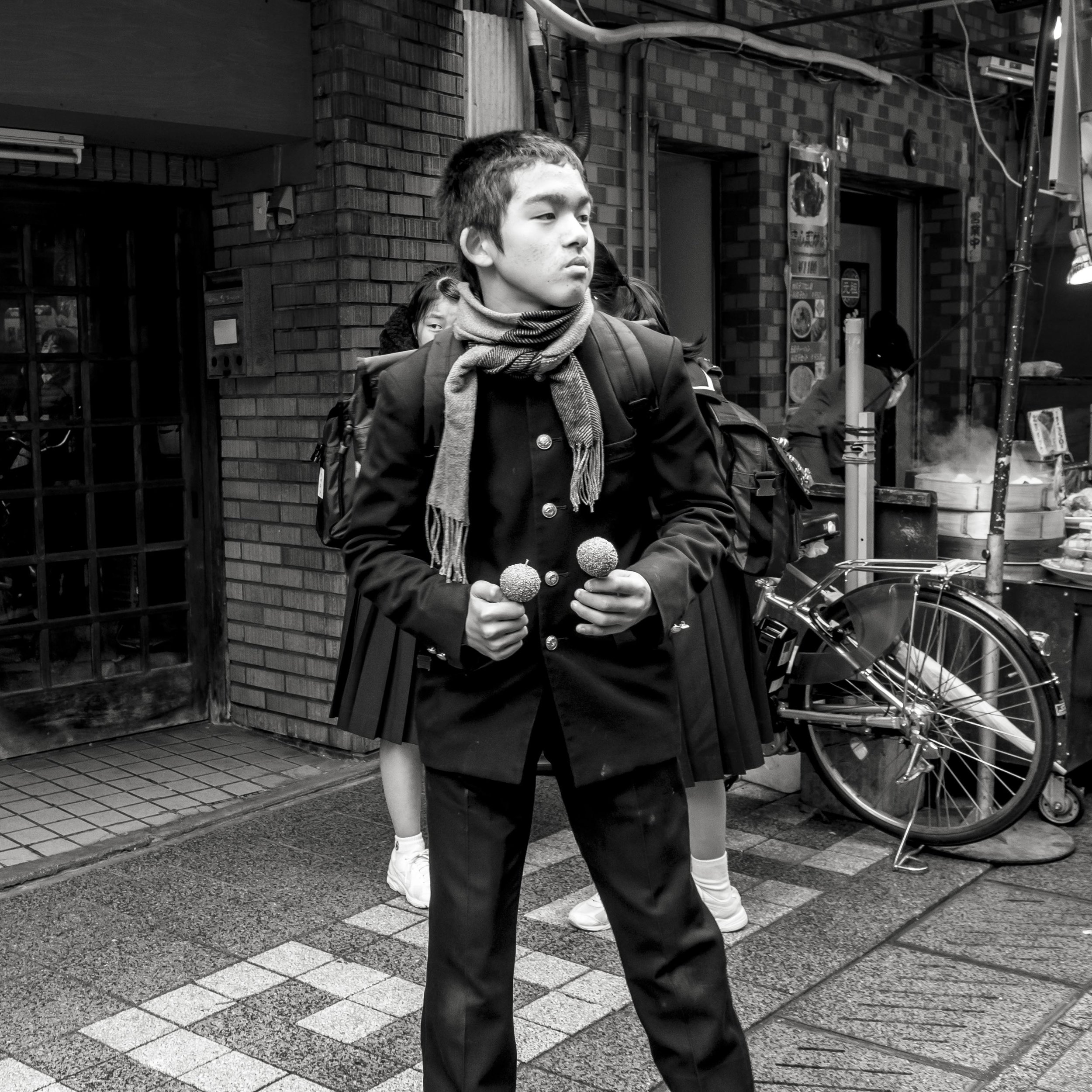
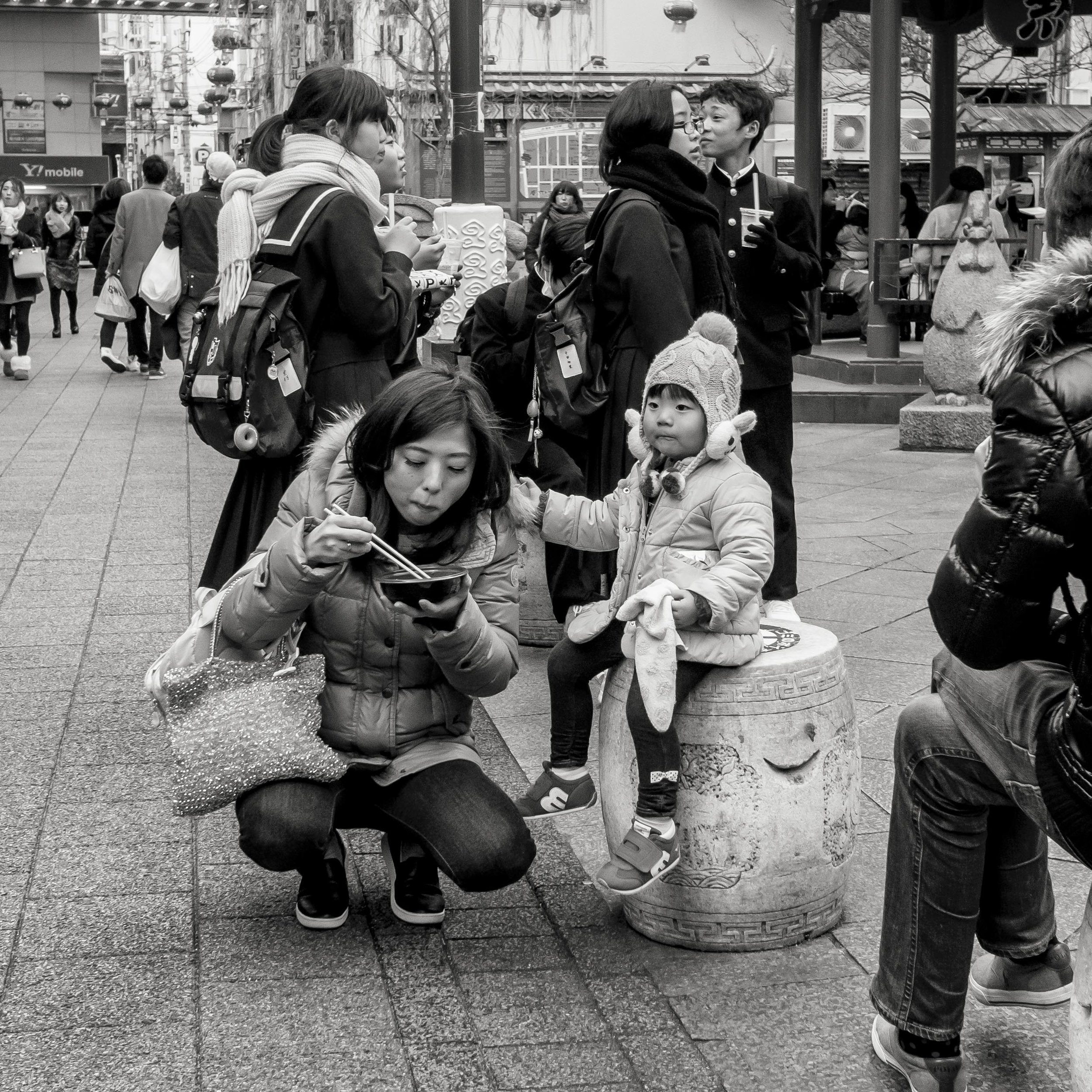
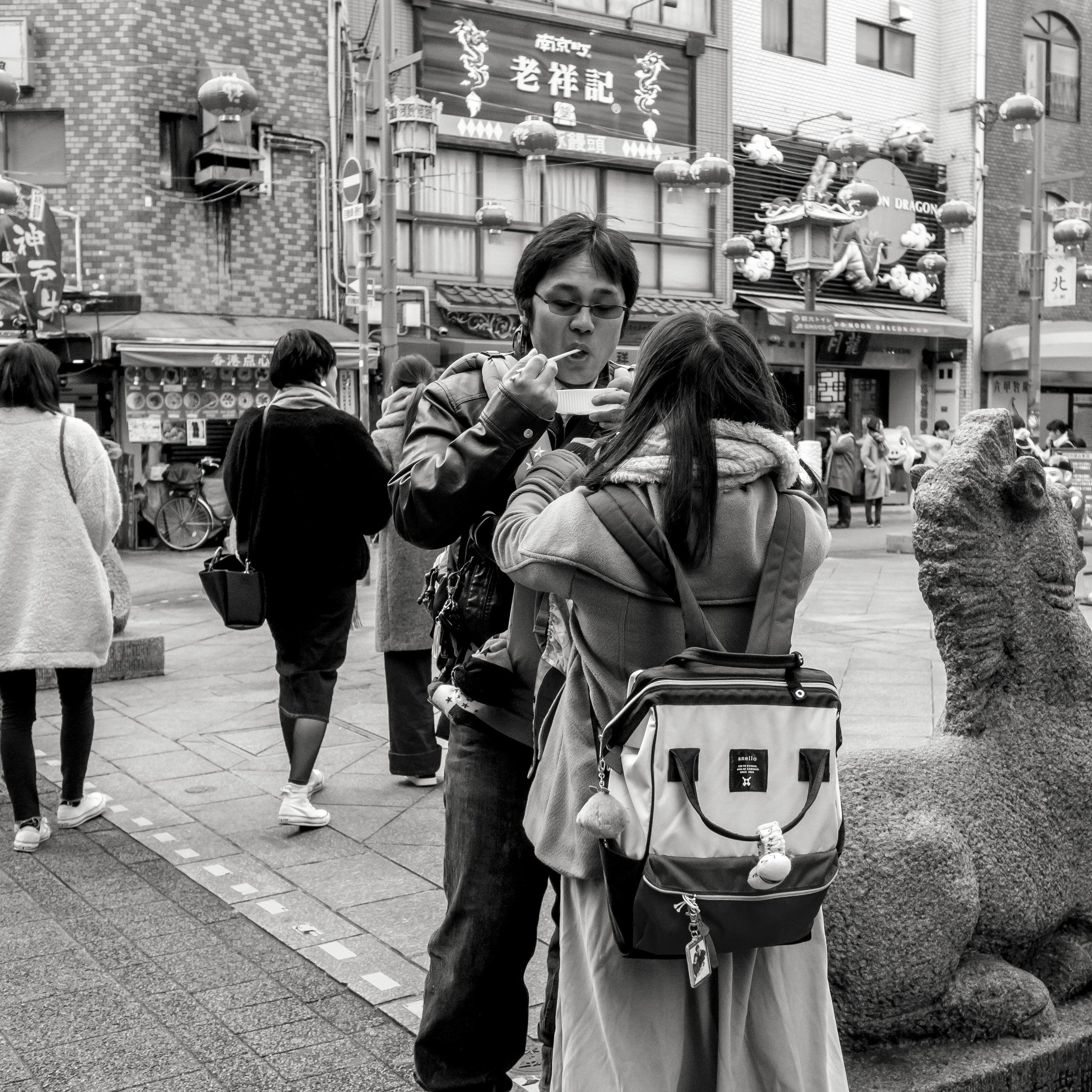
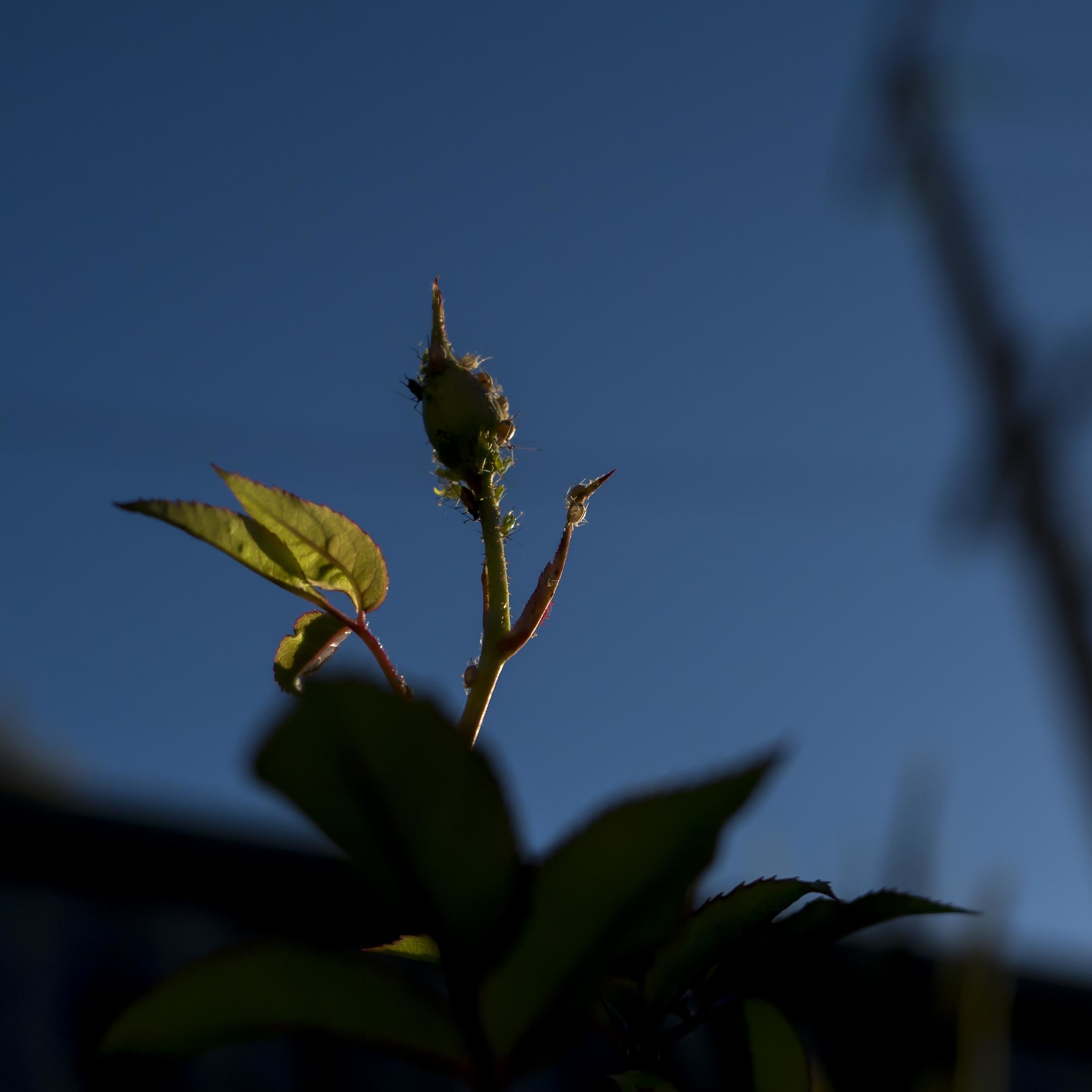
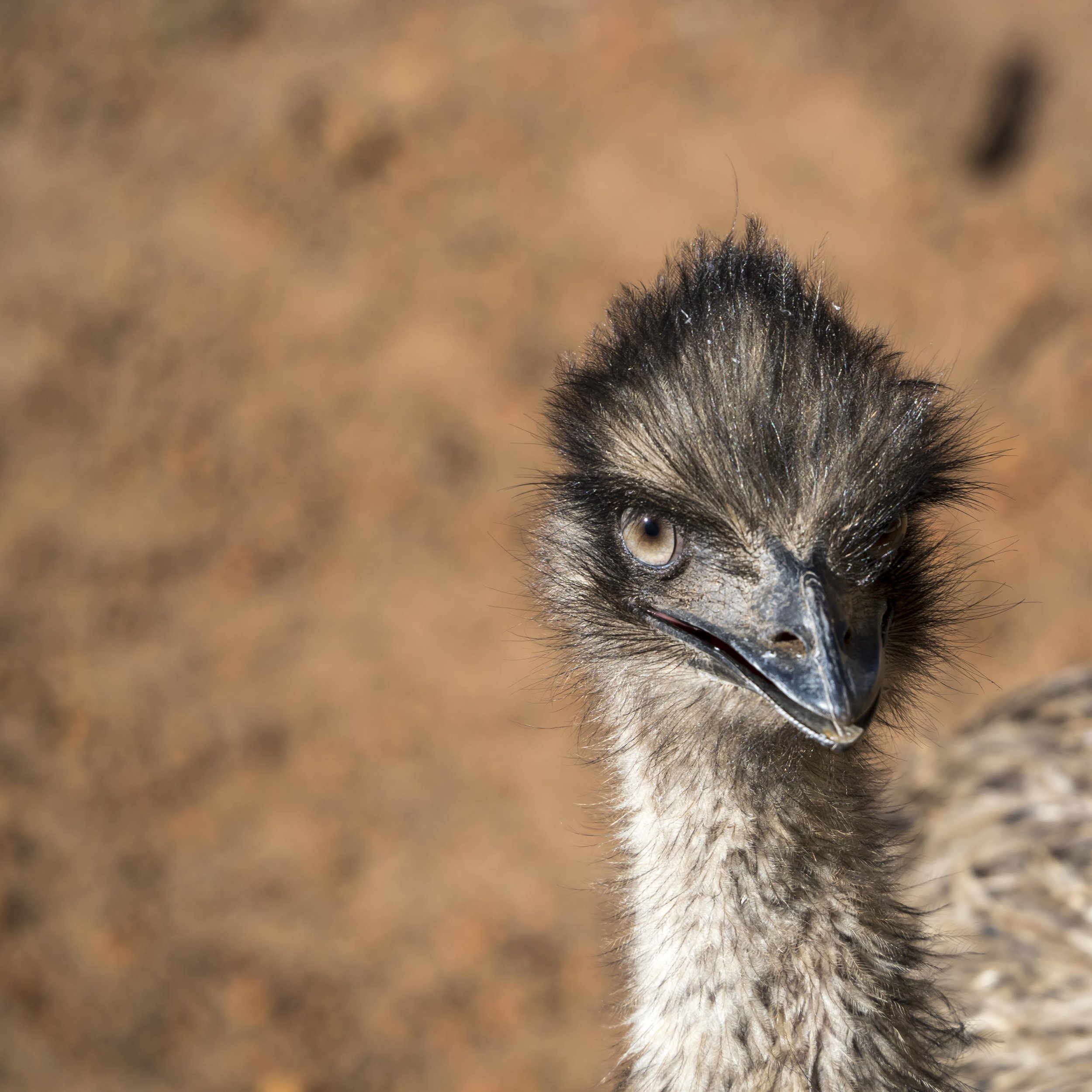
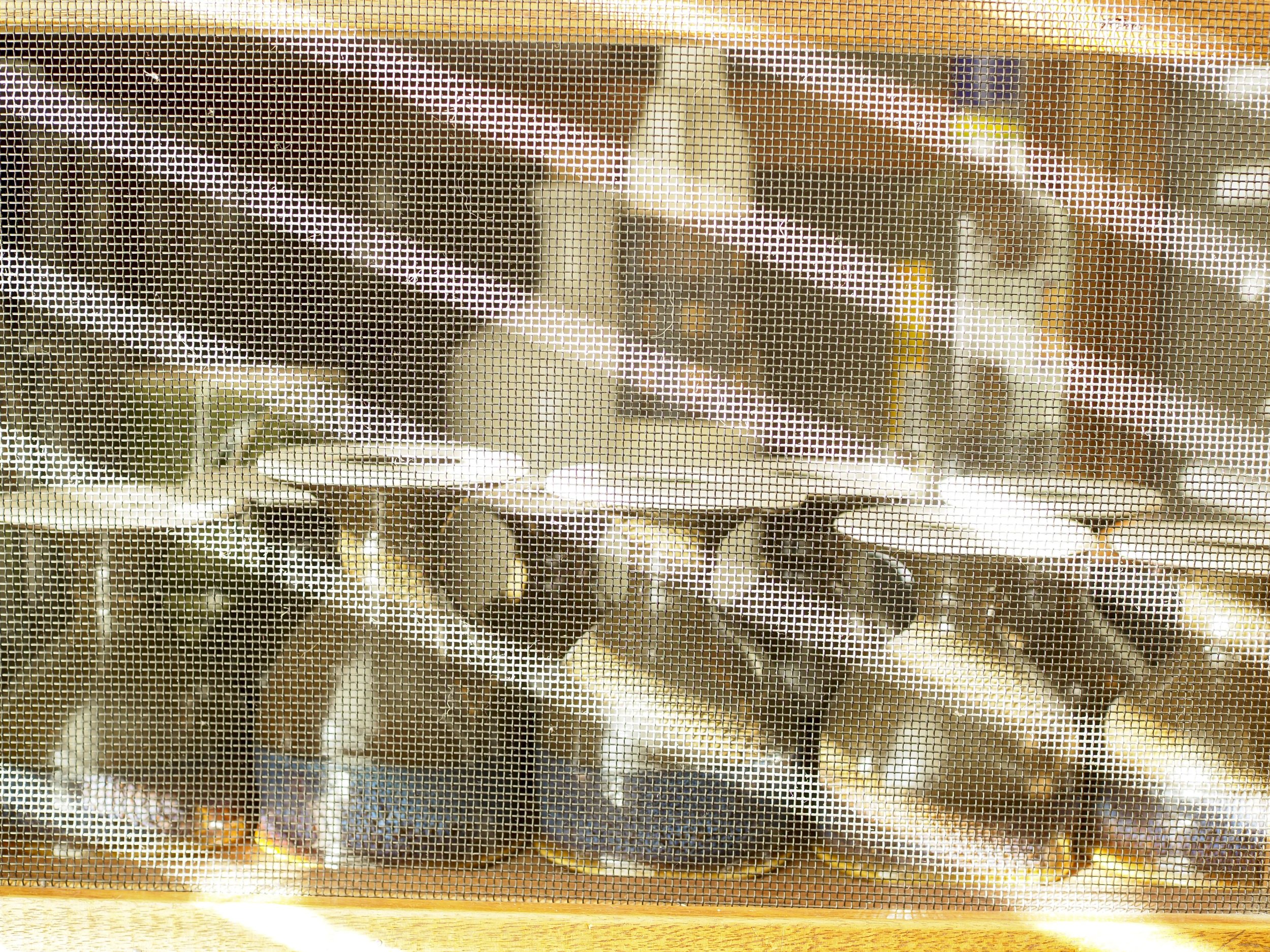
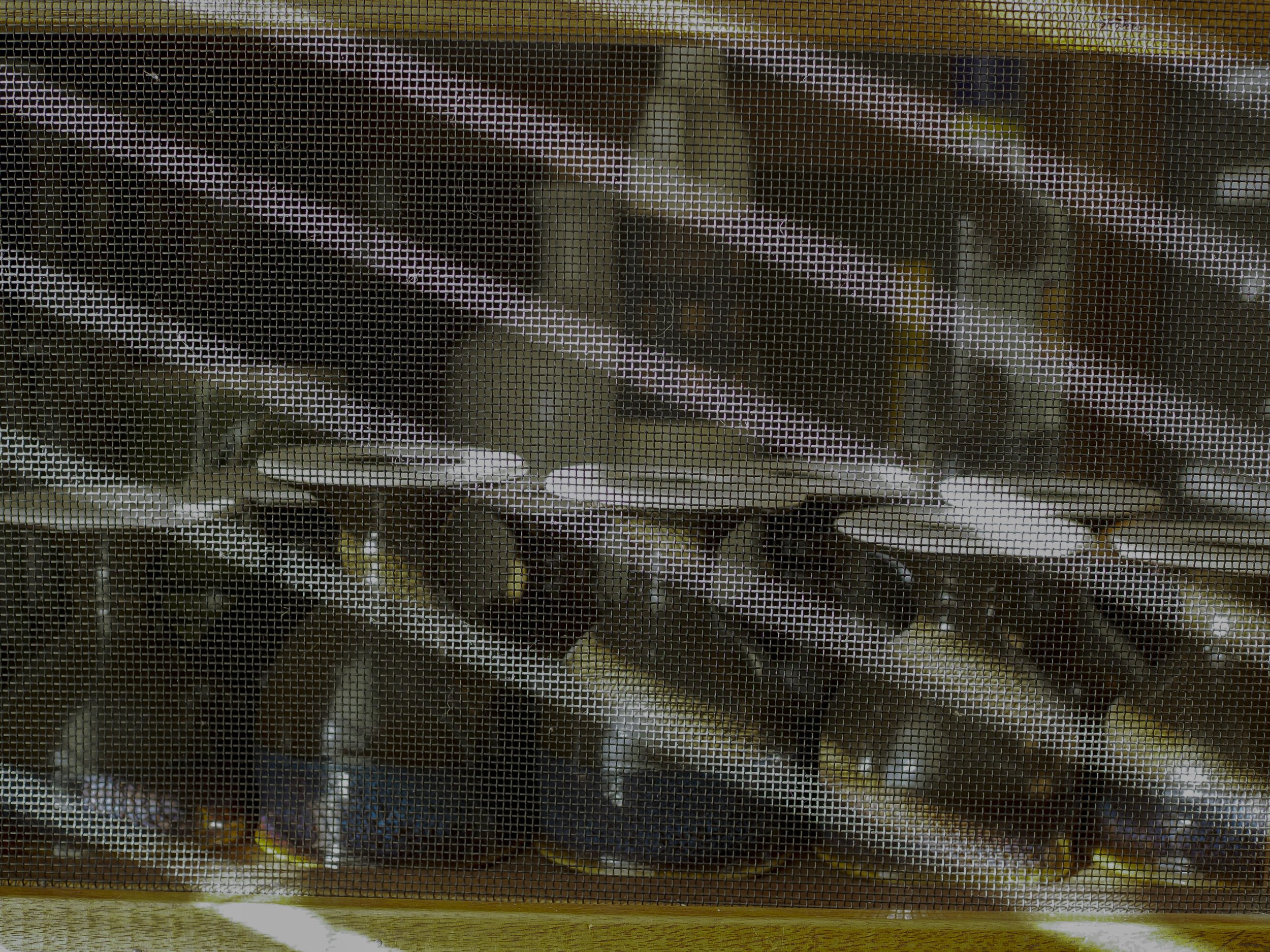
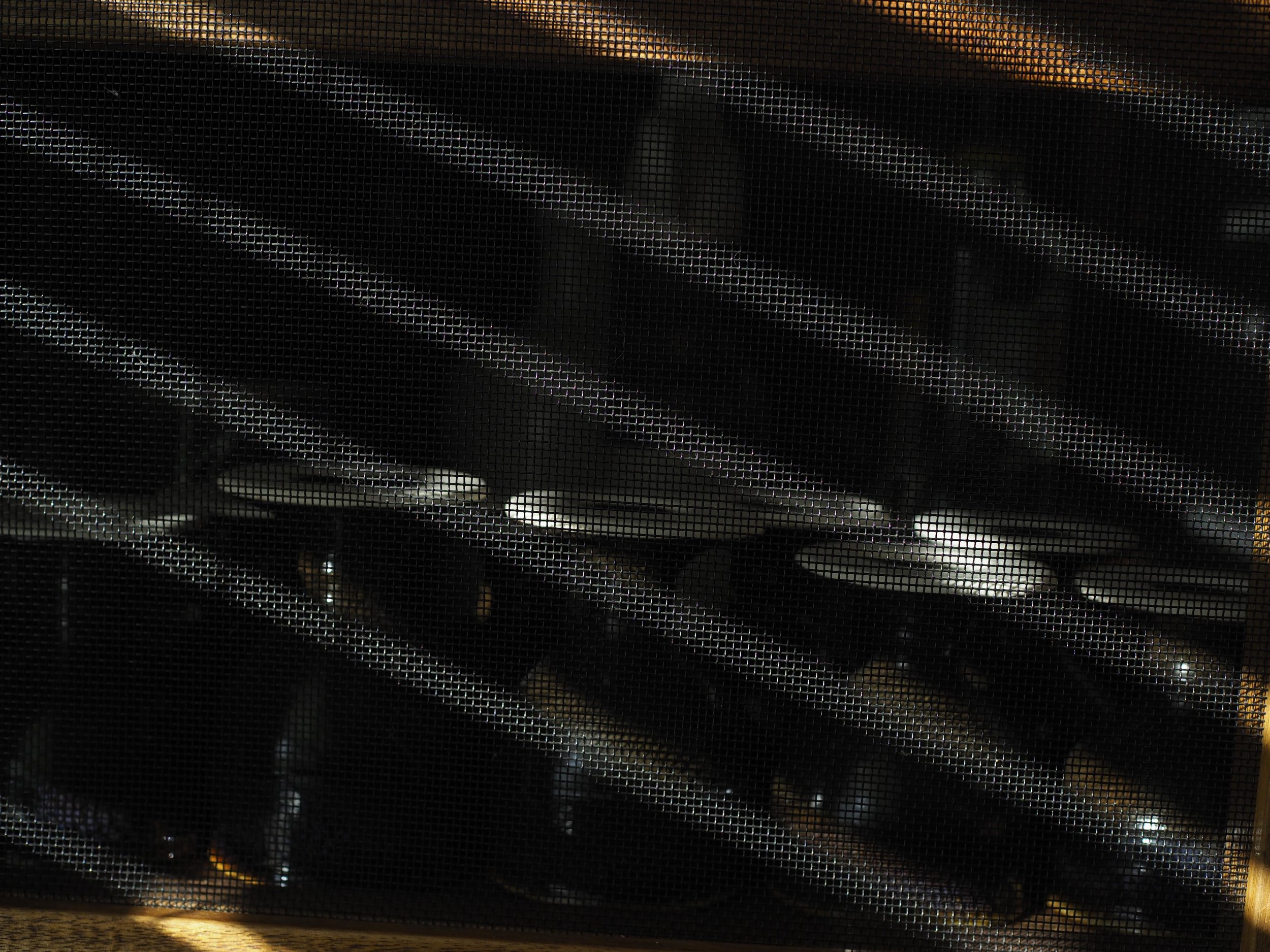
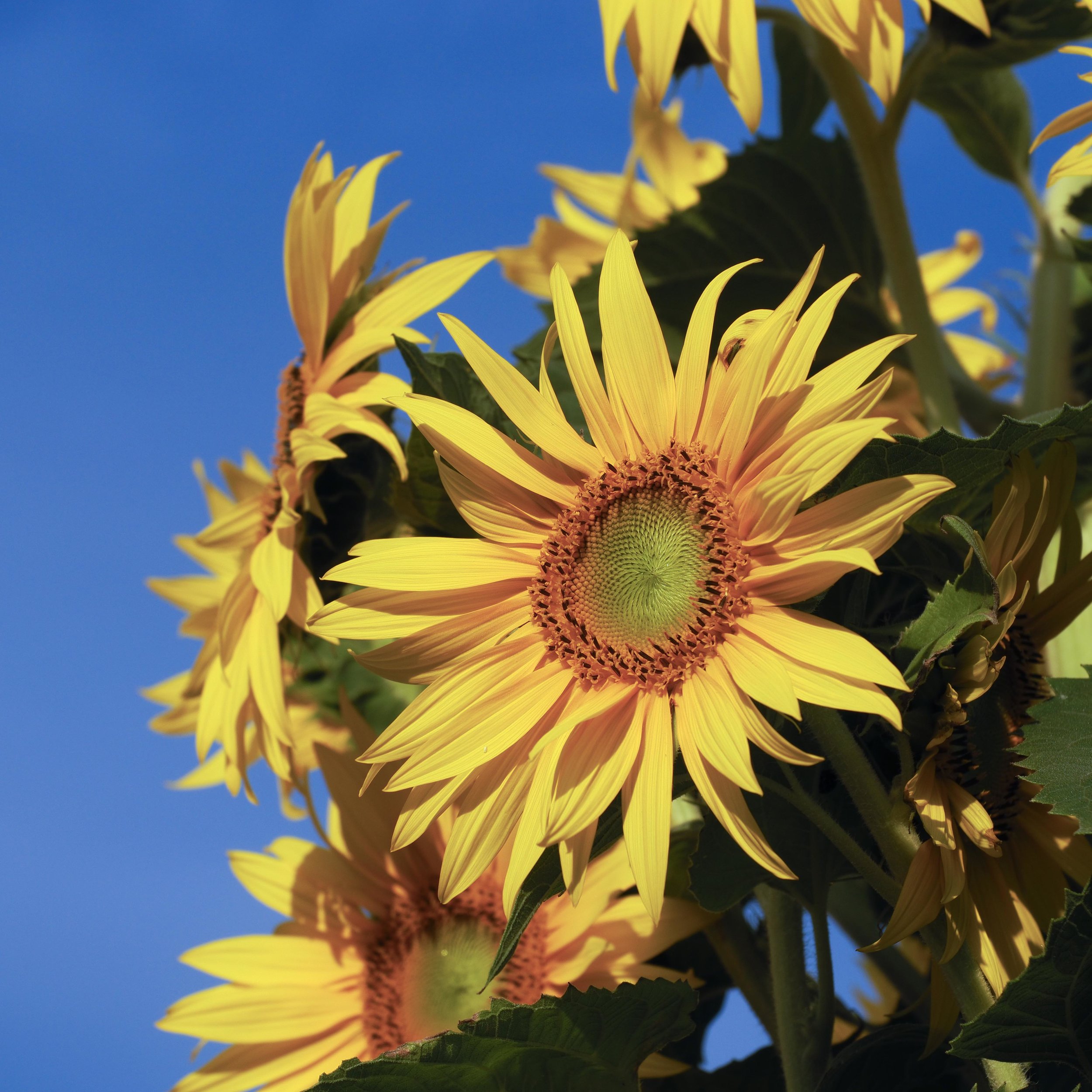
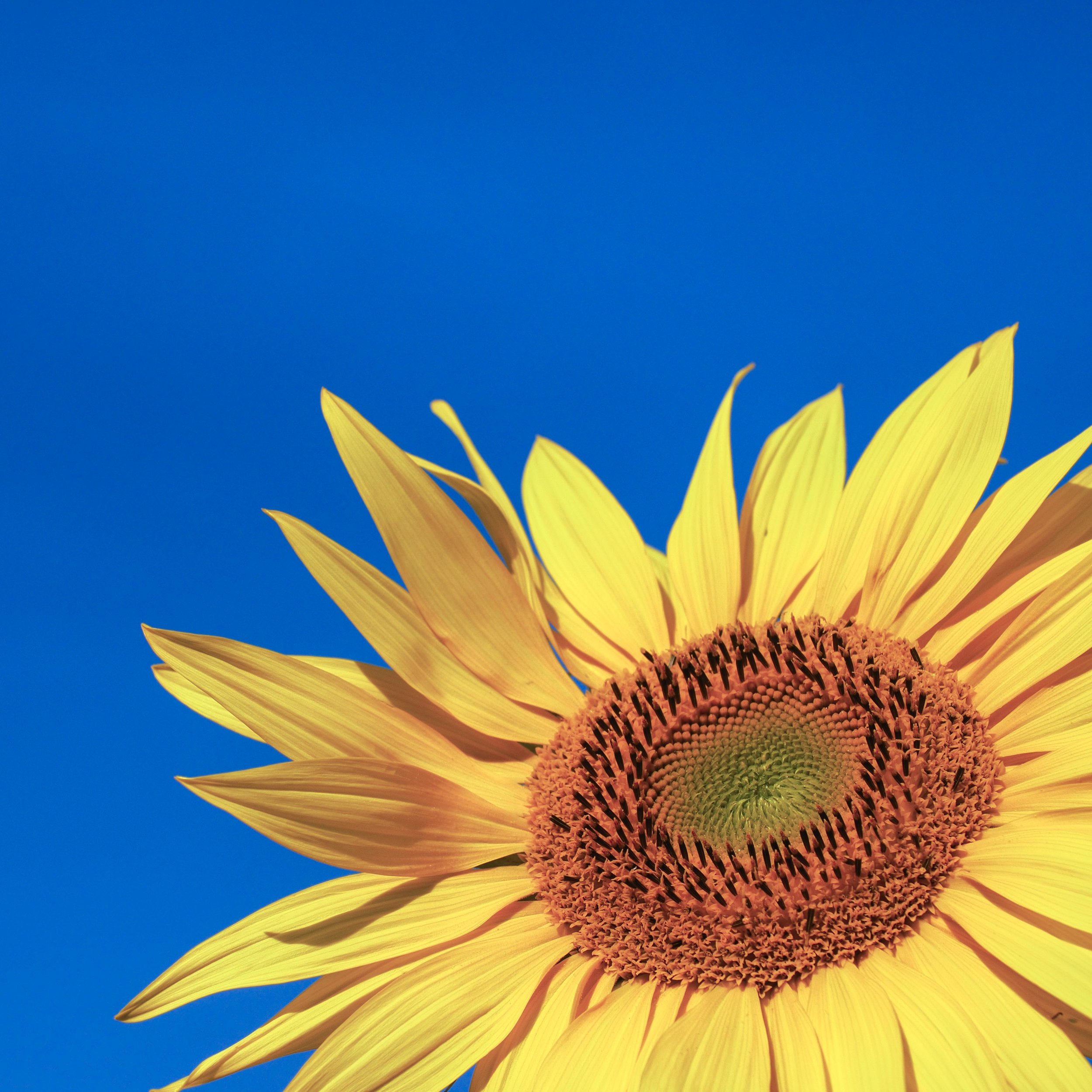
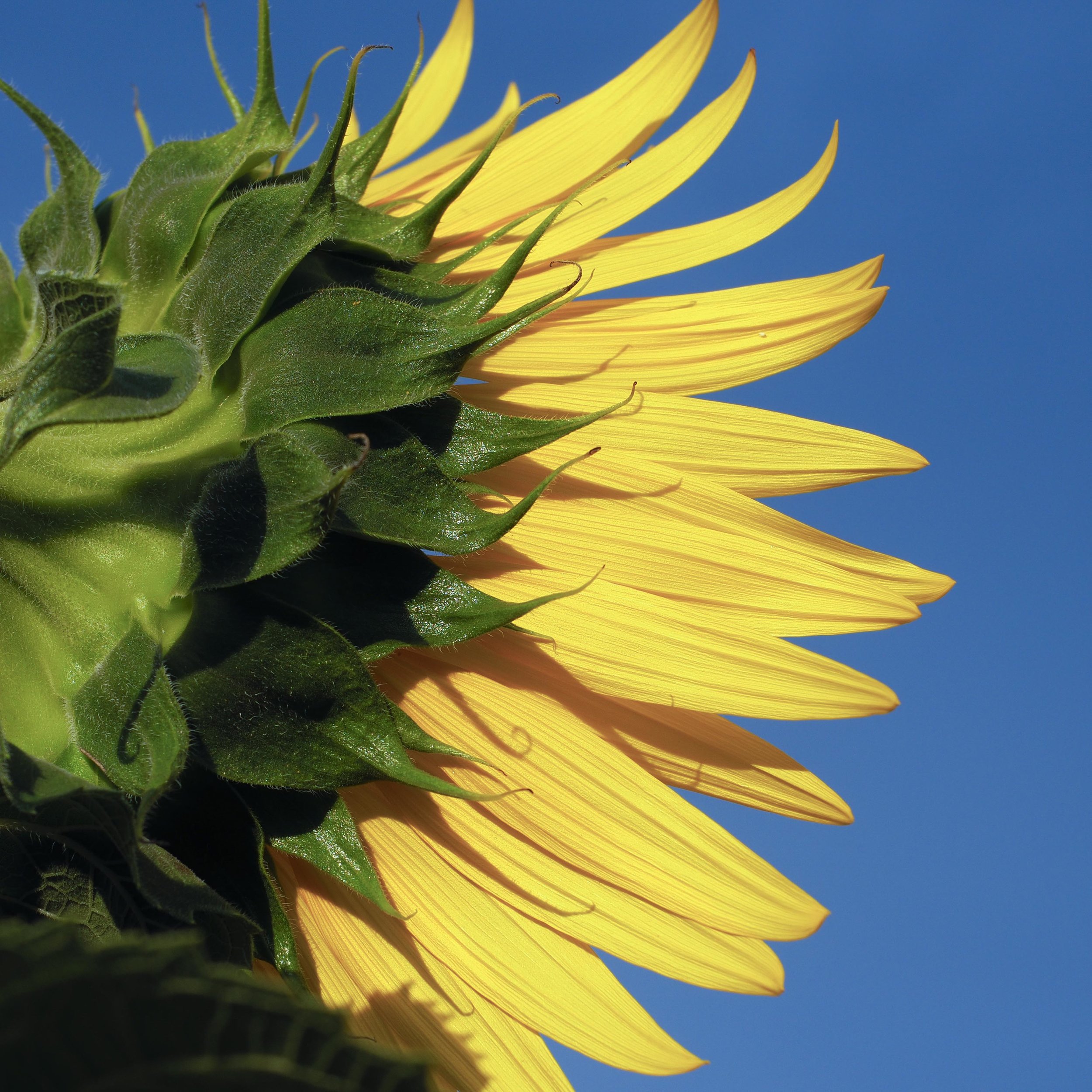
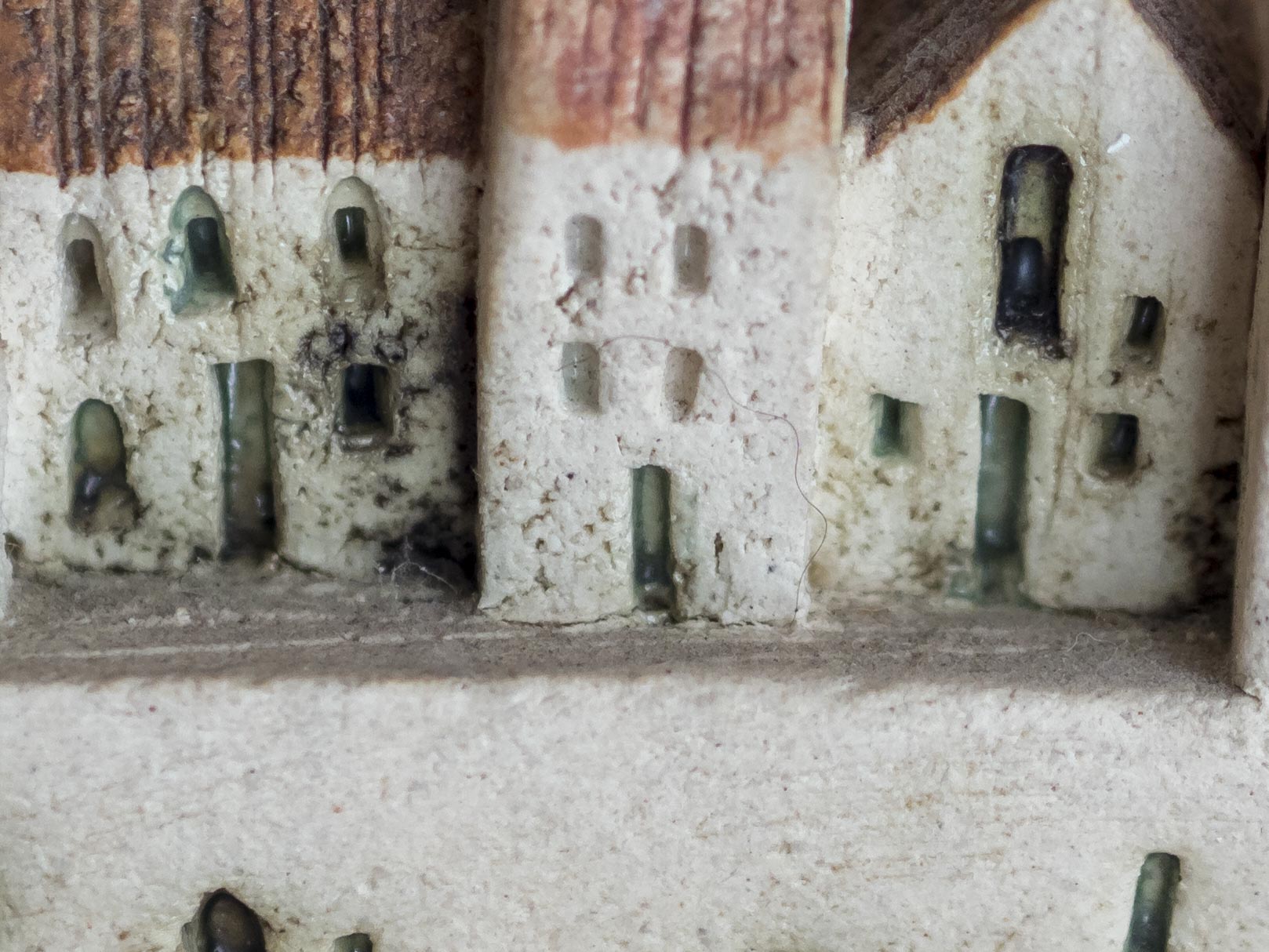
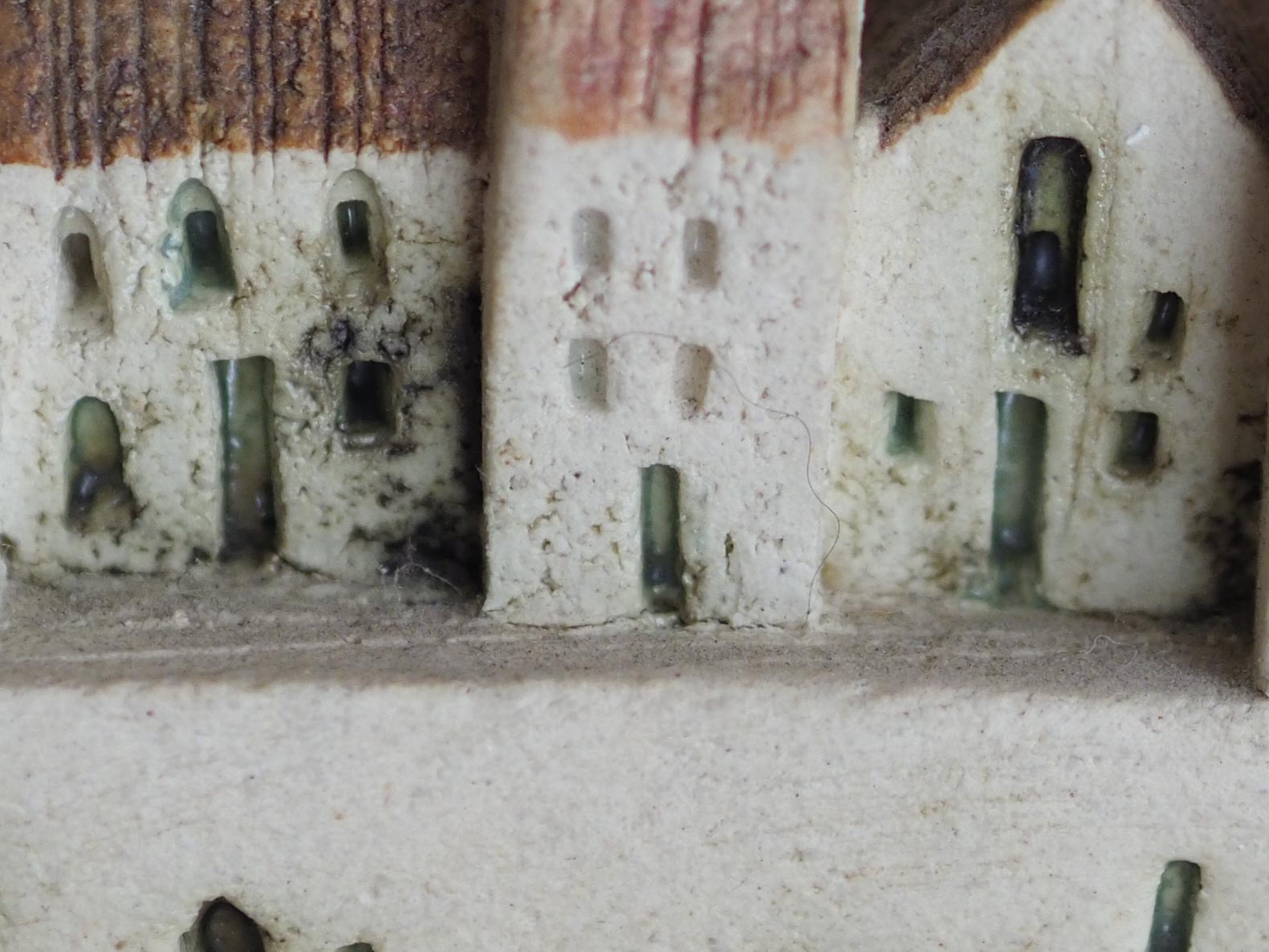
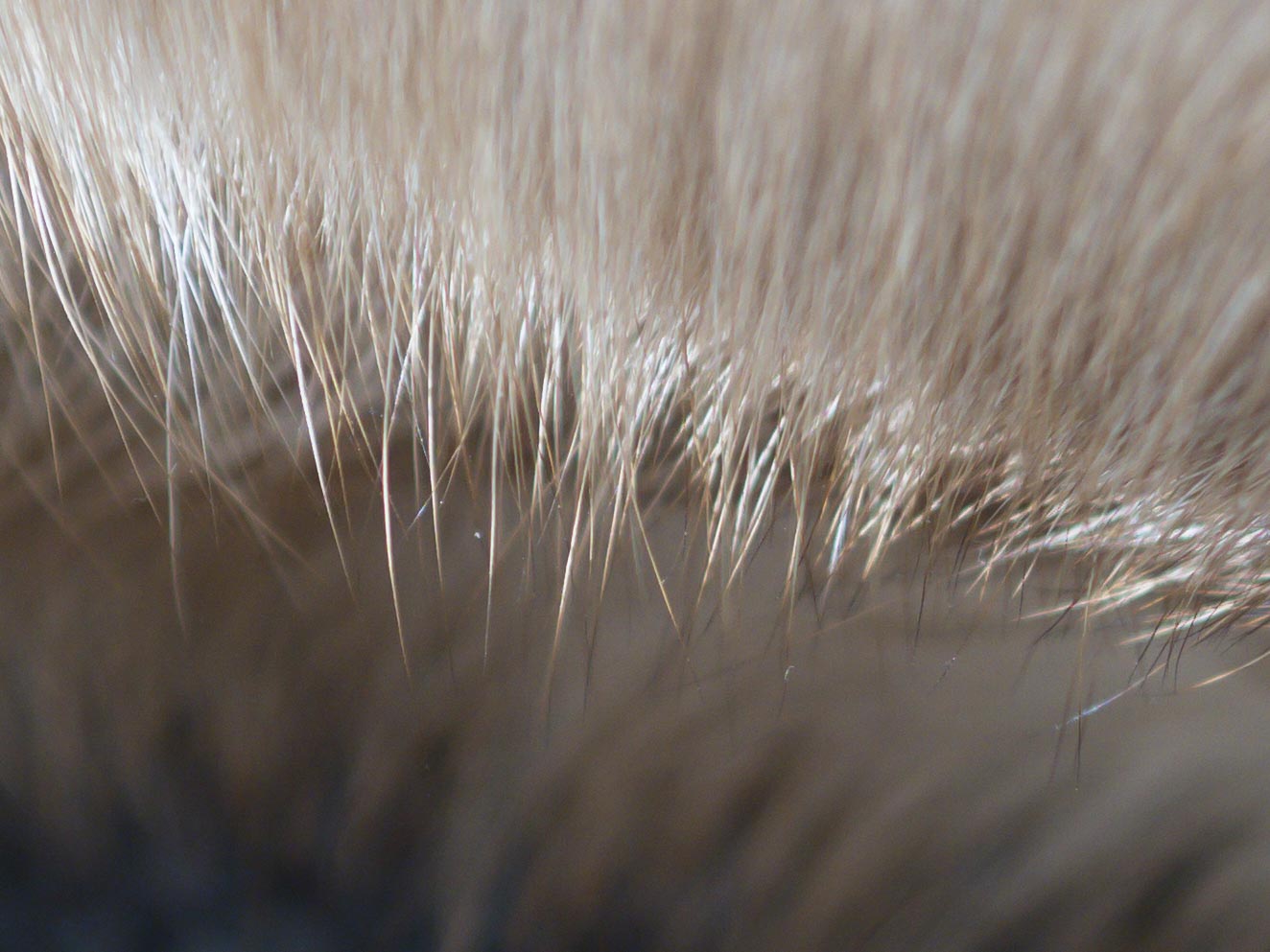
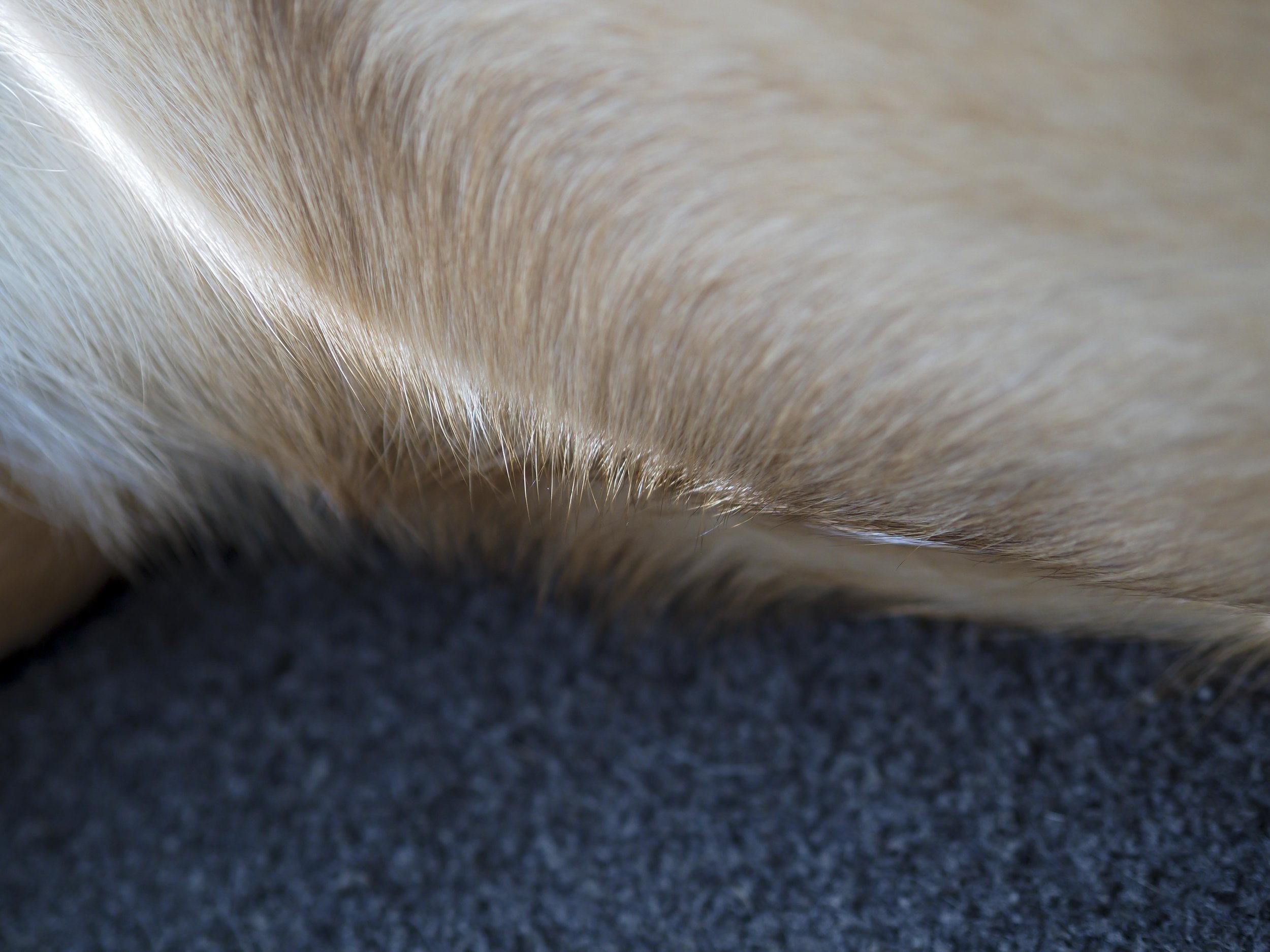
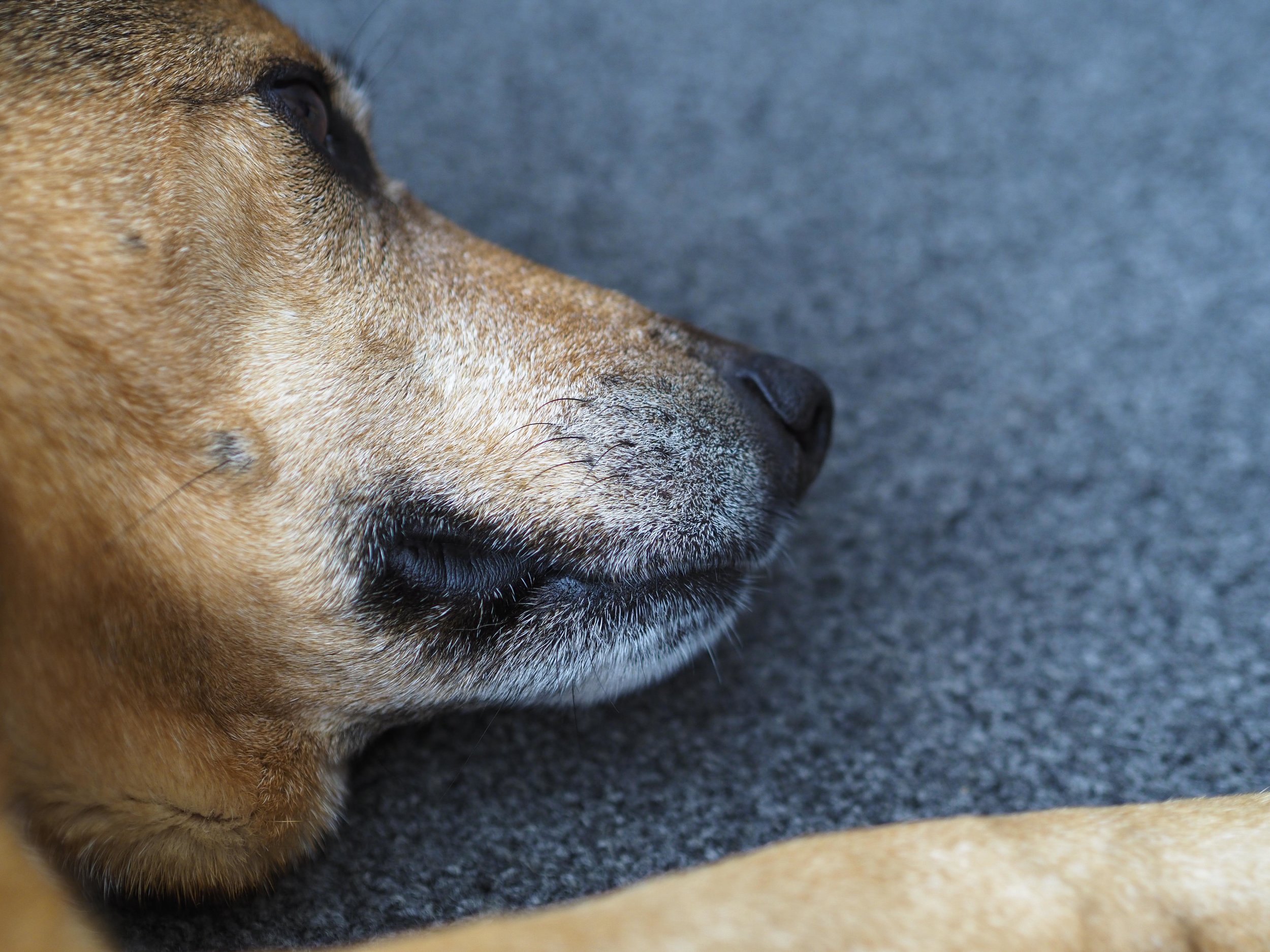
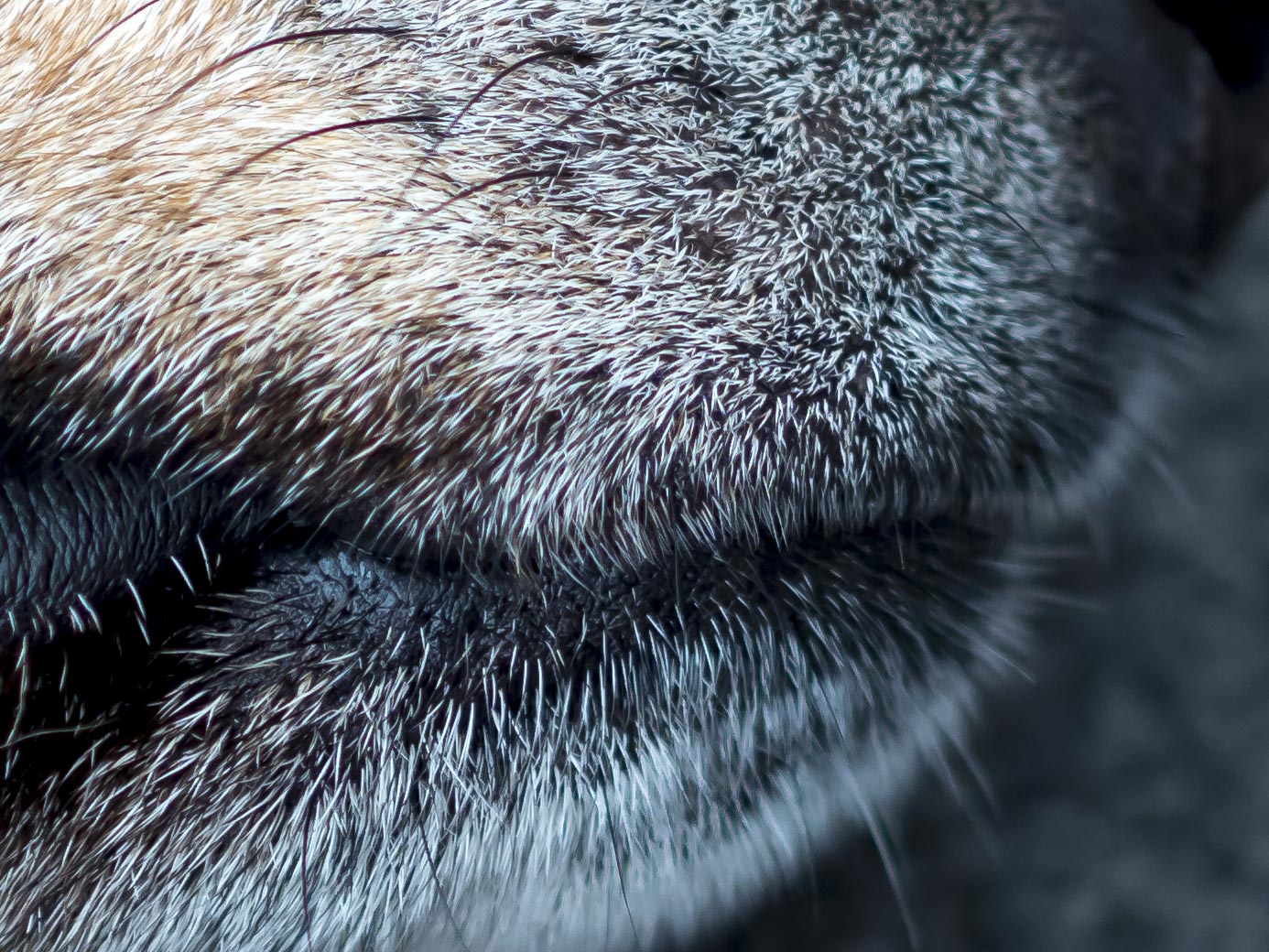
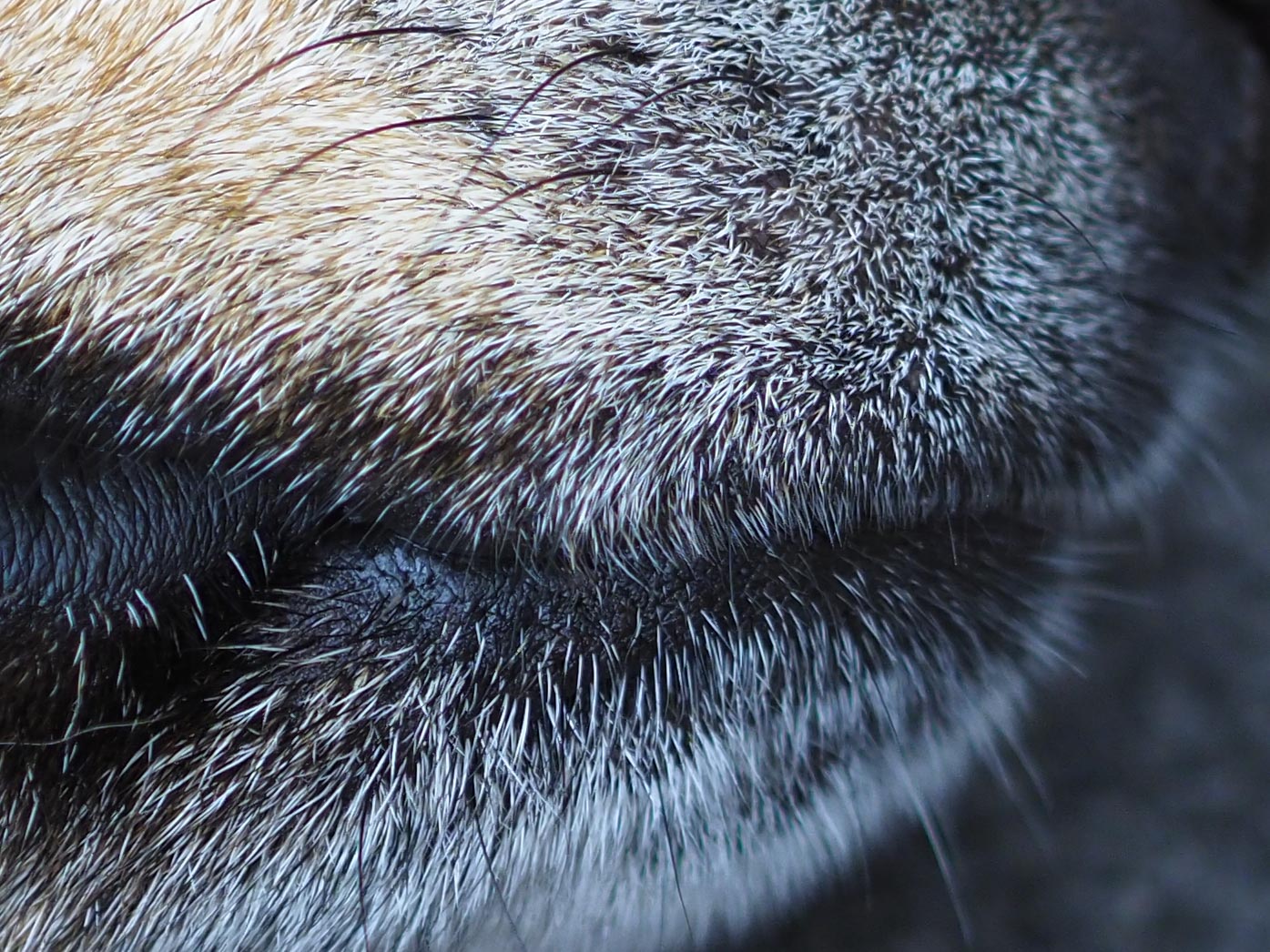
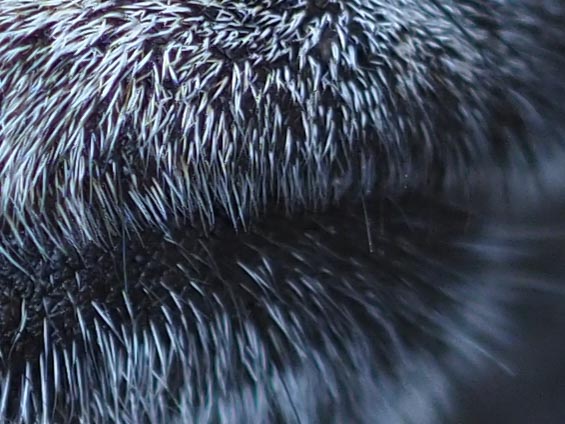
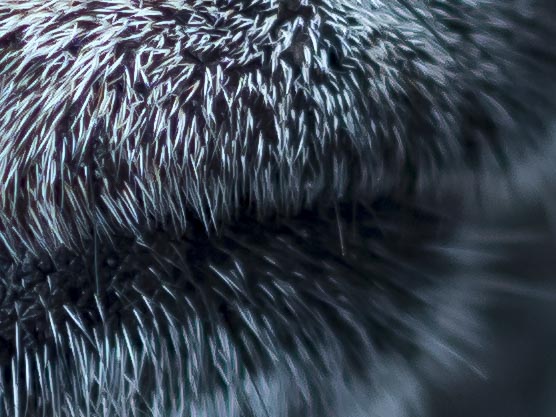
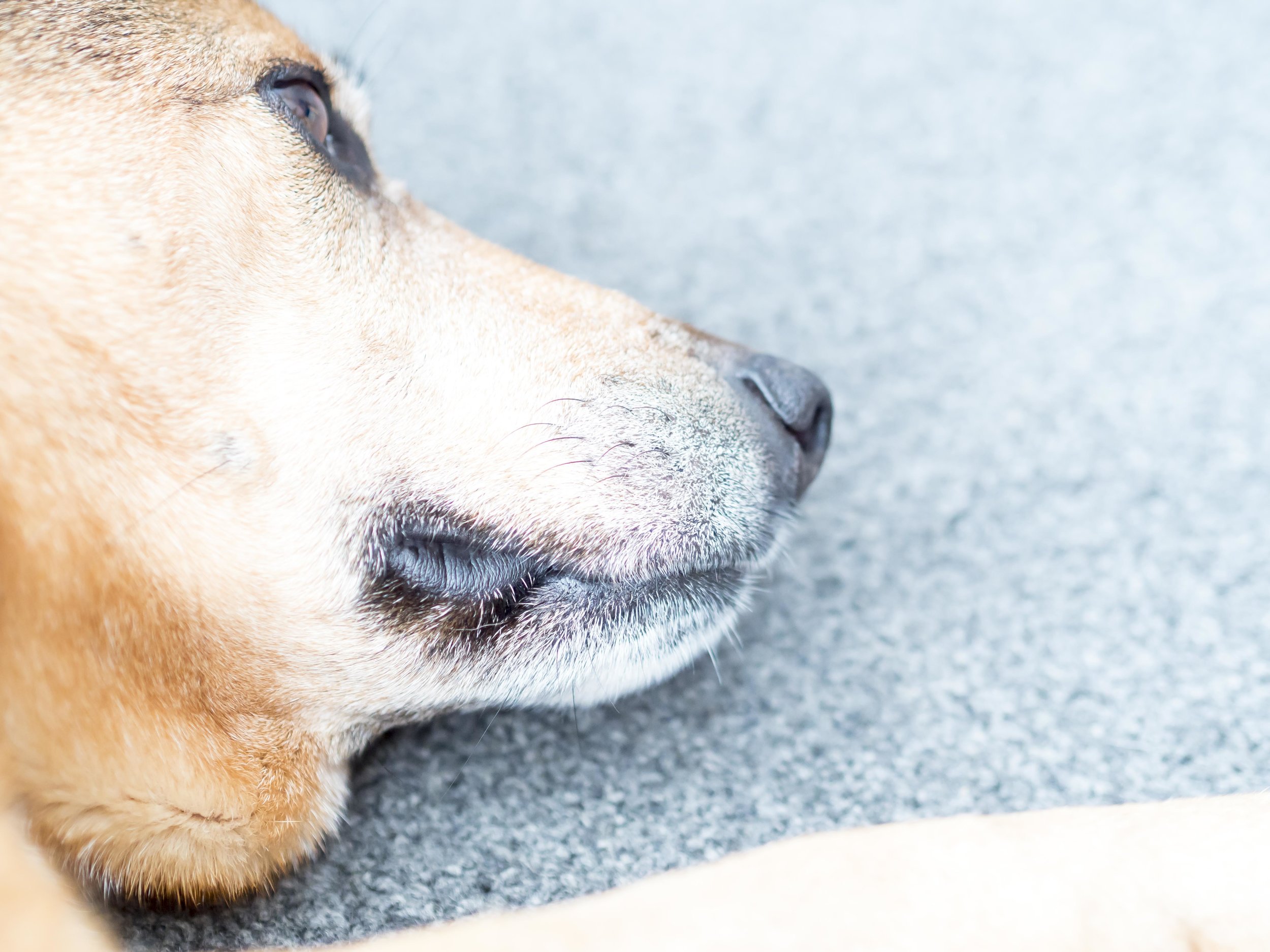
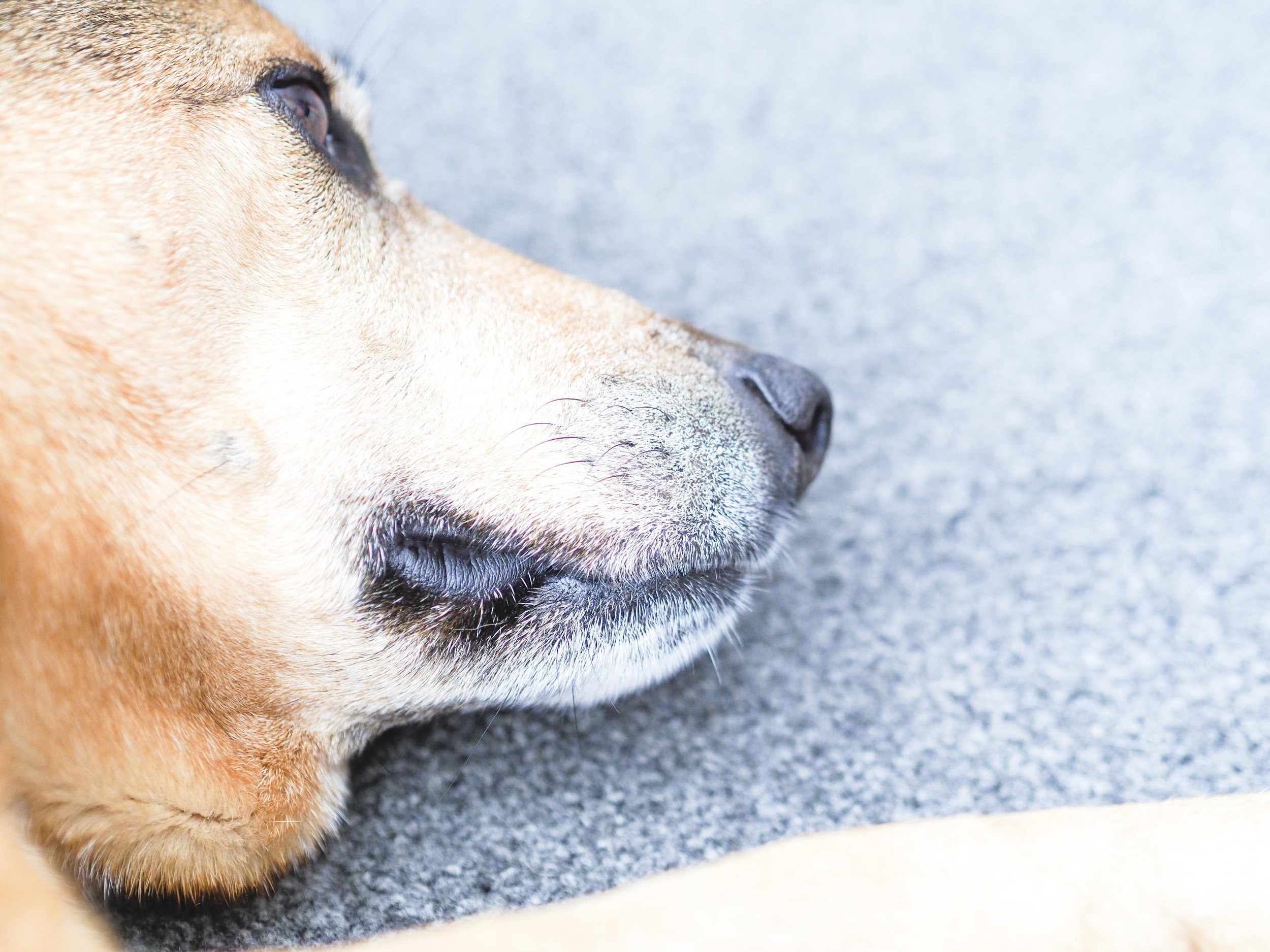
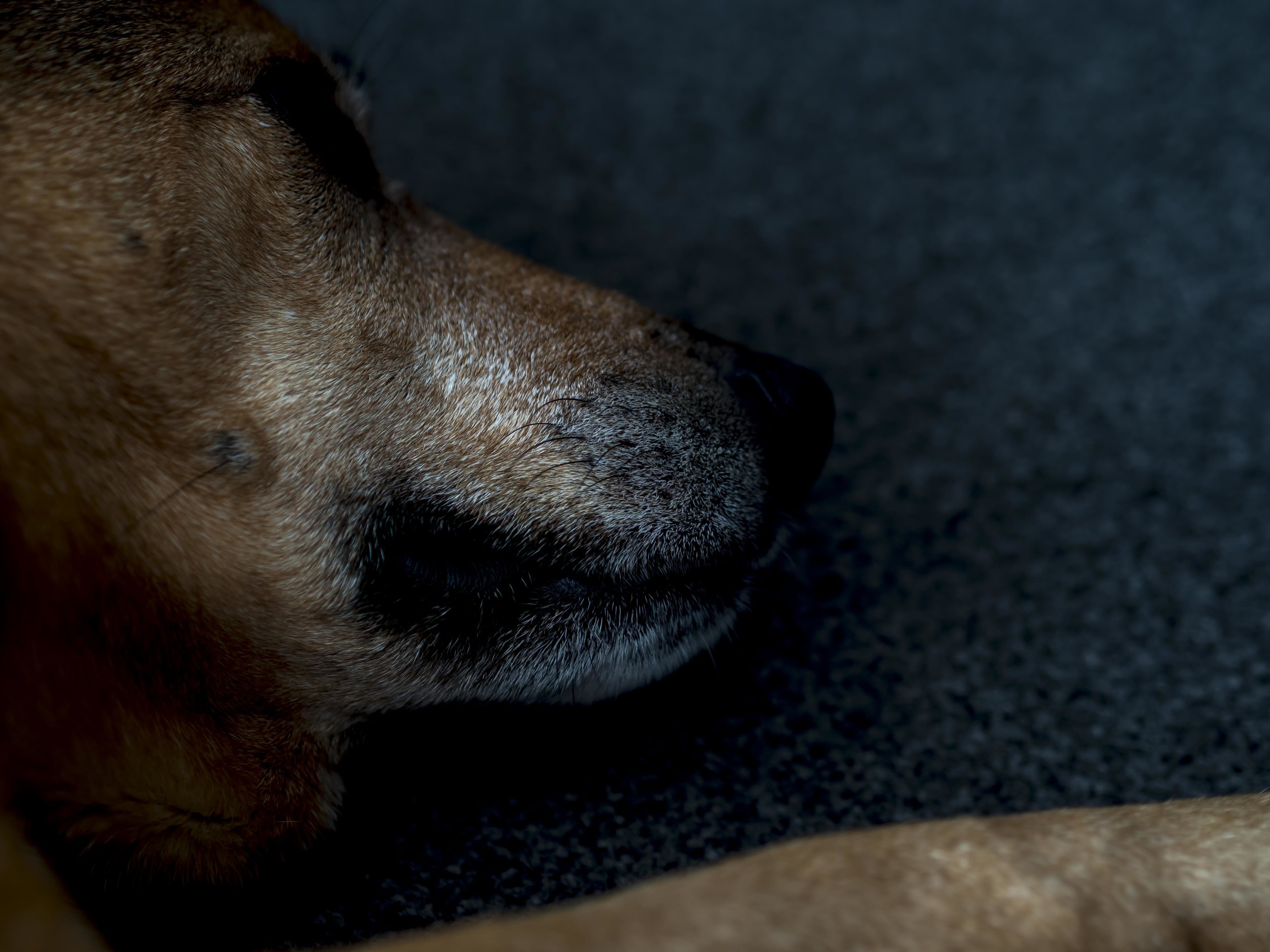
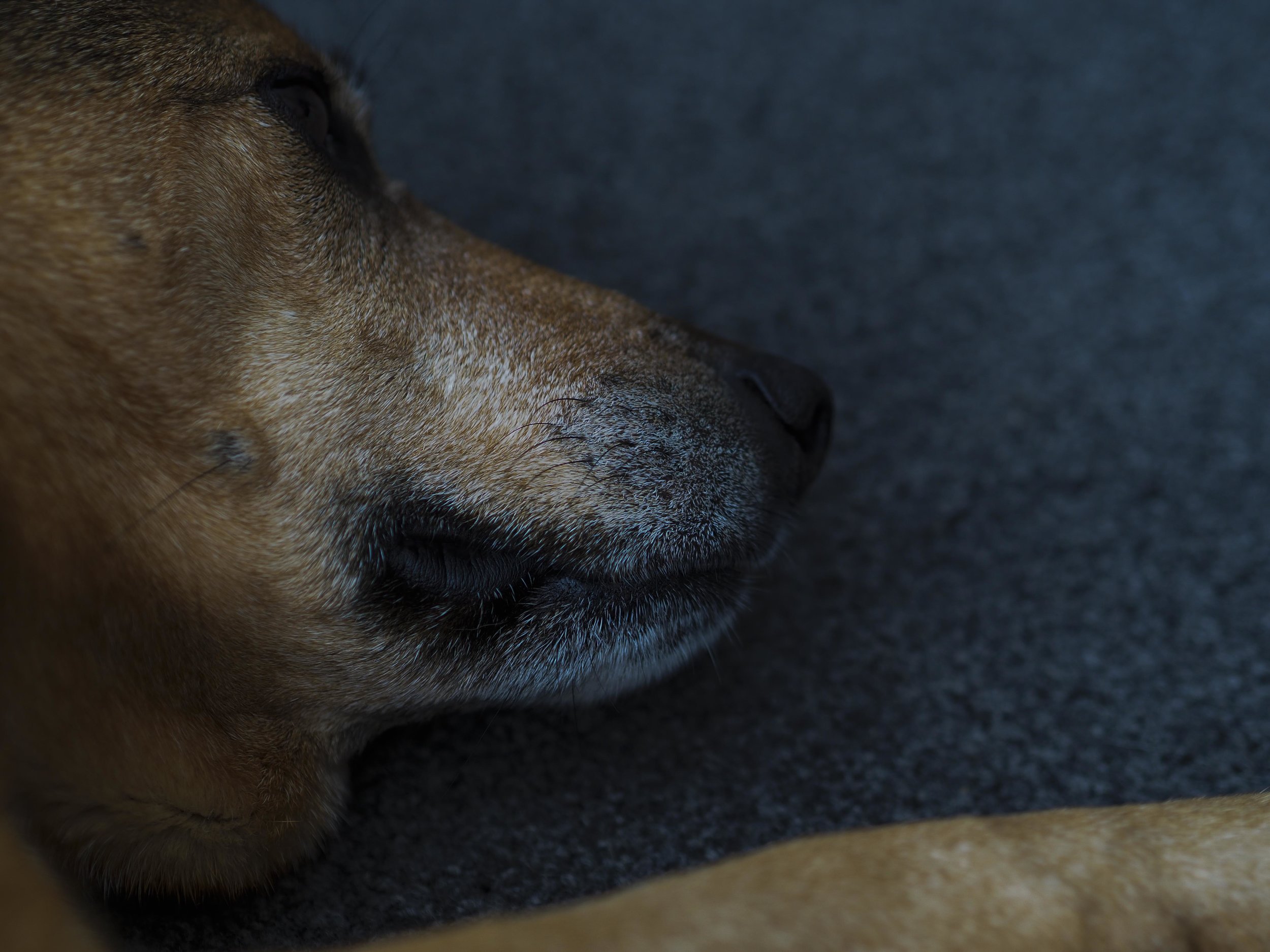
Not a proper test of +2.5 stop shadow and -2.5 stop highlight recovery (Raw on the left), the jpegs are not as ‘twitchy” or loose as the RAW’s, and they seem to have enough room to fix most minor stuff-ups and show very nice noise control and detail retention. There is a slight colour shift to magenta in the top right jpeg, but this has since been fixed in camera.
Apparently the compression of super fine jpegs is 1:2.7 rather than 1:4 normally. This means they are still closer to regular jpegs than RAW files, but it looks to make all the difference.
it is a shame they do not offer a MSF setting (similar in thinking to Canons M and S Raw) as often lower res files are sharper and less noisy than full sized ones. This would give me a decent 8-9mp, low light sport setting.
Advantages as I see it are;
In camera corrections, that seem to fix most CA, “blooming” or haze softness wide open and most distortions as well as diffraction at small apertures.
In camera special effects such as high res at 50mp, HDR, stacking etc. without processing hassles.
Storage and processing reduction.
None of this is new, but it has really not been viable in the past. Fuji almost got me, but unsettled feelings of “plastic” images put me off, as well as the difficulty of applying a RAW safety net in Adobe. Previous Olympus cameras were close, especially the Pen F, but I was still not fully sold on switching.
With the EM1 it actually seems to be the logical approach. In the age of self driving cars, is it too much to expect a company with 100+ years in the business does not know how to set their cameras up for the best results? After all we are all just trying to make a good jpeg in the end, so what if the camera gets us closer to the ideal than before.
My thinking is to set the camera to my large super fine jpeg preferences (a little cooler and less magenta, low (but some) noise reduction, average sharpening and saturation, which is a little lower than default, but set the lower front panel button to RAW+jpeg for when I need the extreme recovery option or just feel safer.
The Pen F and older OMD’s are still RAW only machines, but their roles are different now also. The EM1 as the general purpose and travel camera, as well as the sports and events where file quantities can be extreme, is likely better suited to jpeg.
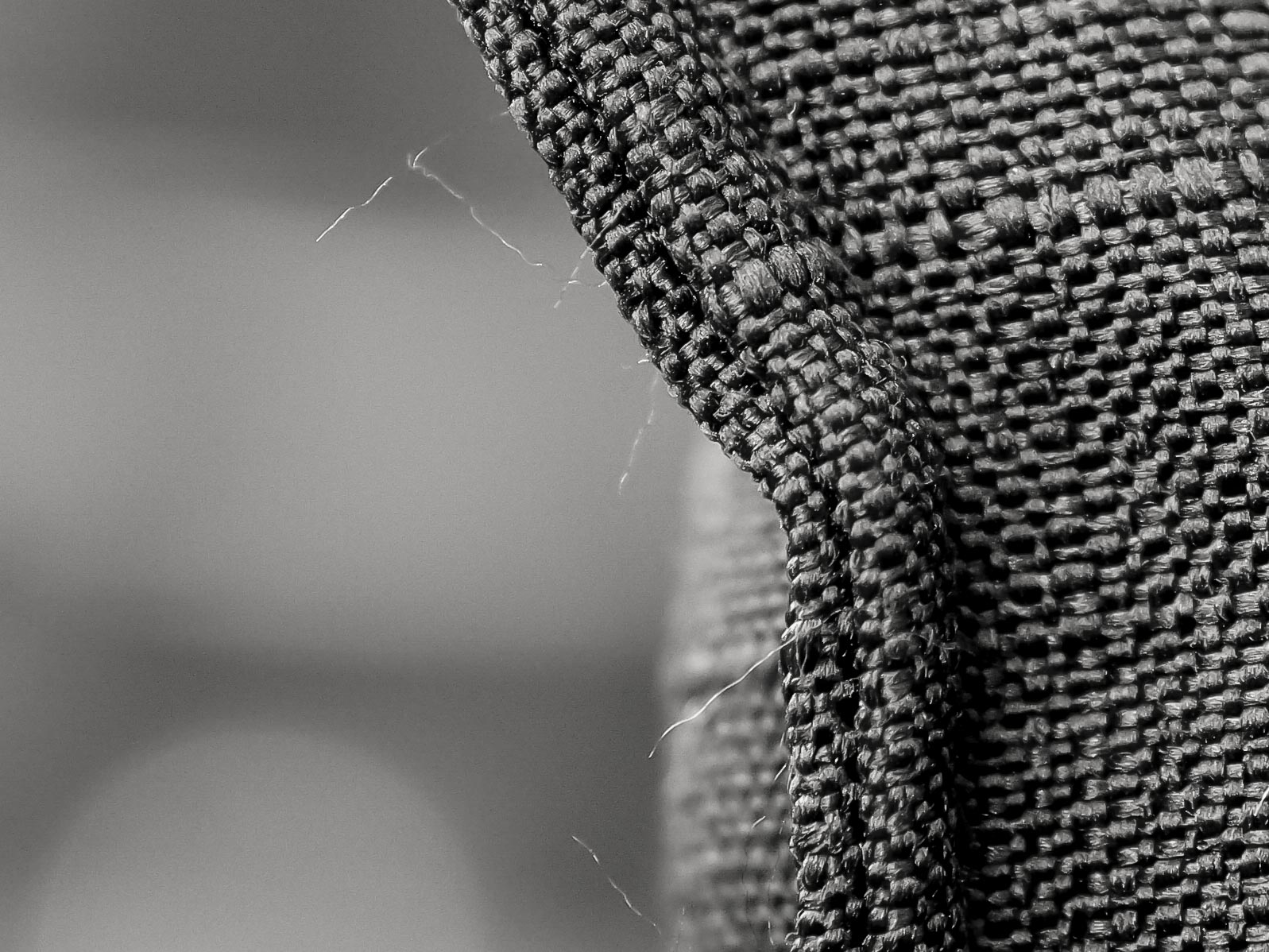
The only thing I am concerned about is mono conversions.
Sensor comparison test are flawed from the beginning as they are the equivalent to testing a car engine without any context to all other aspects of handling and drive experience. The Em1 mk2 for example does not match the newer G9 Panasonic superficially** in many criteria and even the Pen F in look, but it feels good in the hand, is a better match to my lenses and I have it, so end of story.
*This applies to the SFL jpegs not LF. The SFL are a little hard to find (as usual) in the menu, but are worth the look.
** The year or so it gives up to the G9 has slight indicators in quality and performance. DPreview shows mixed results on a hair splitting level for image quality (be sure to check the “print/comp” quality comparison options) and it has less sophisticated and I think less sure footed focussing, but it is so close it really does not matter as much as “knowing thy camera”.