Fun at the Ball

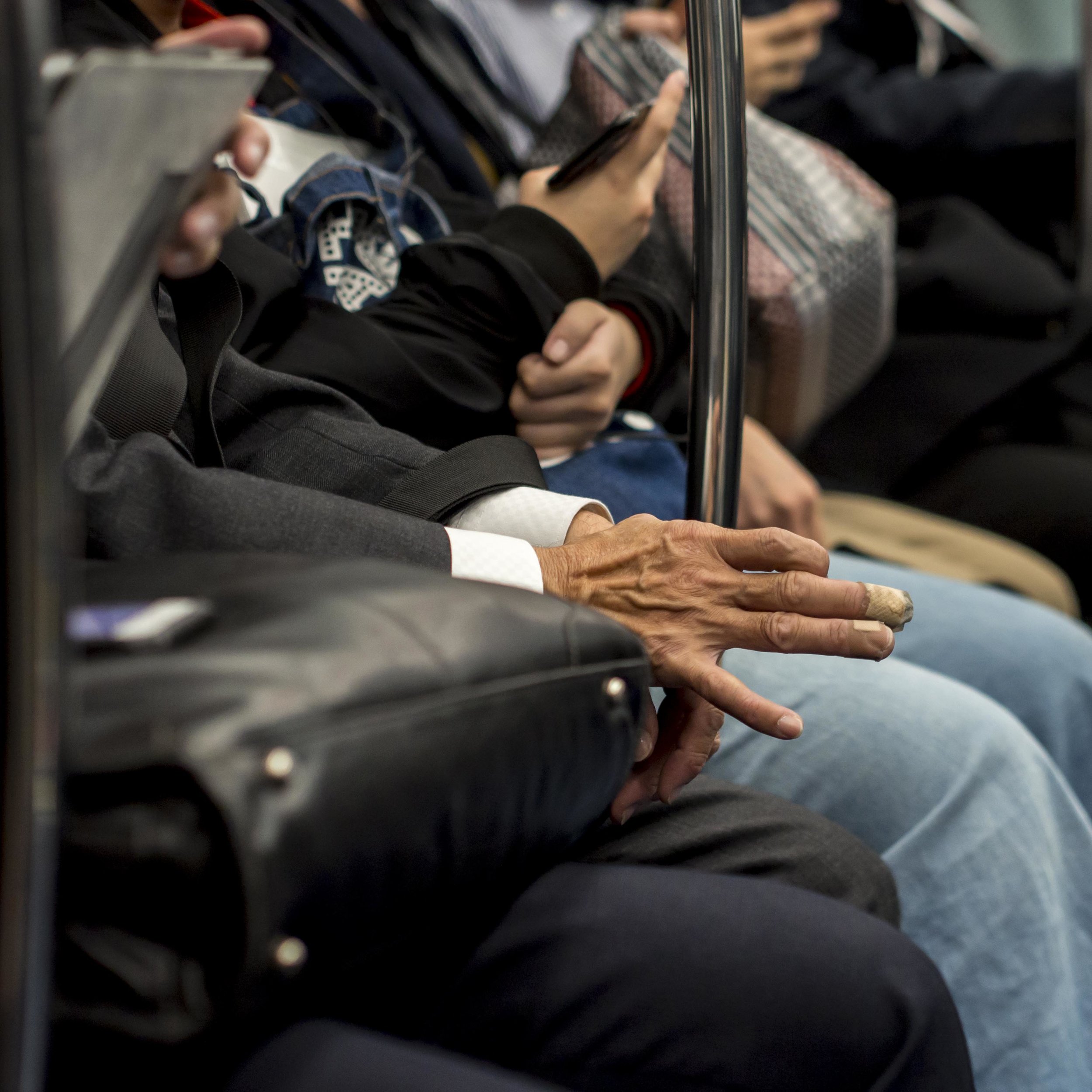
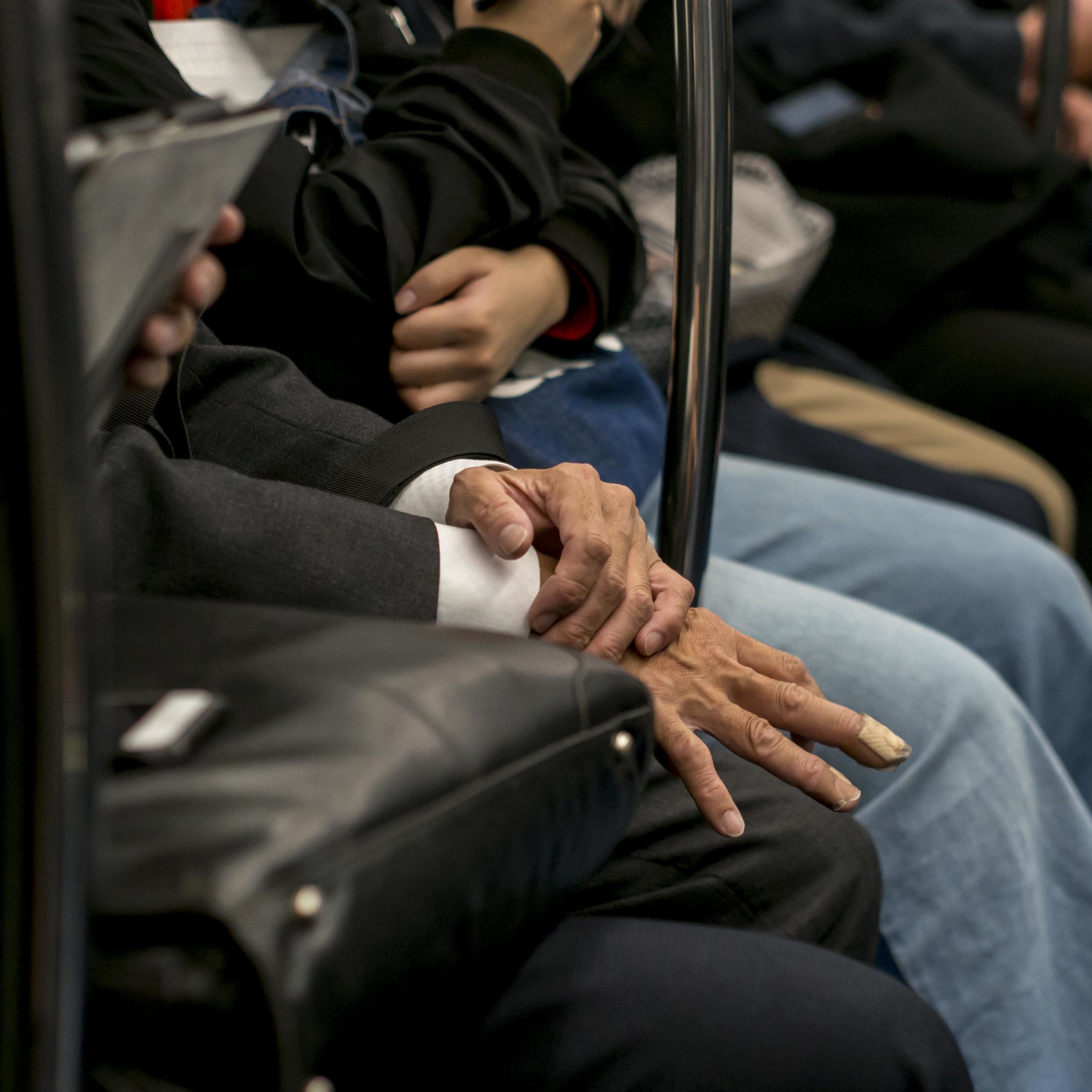
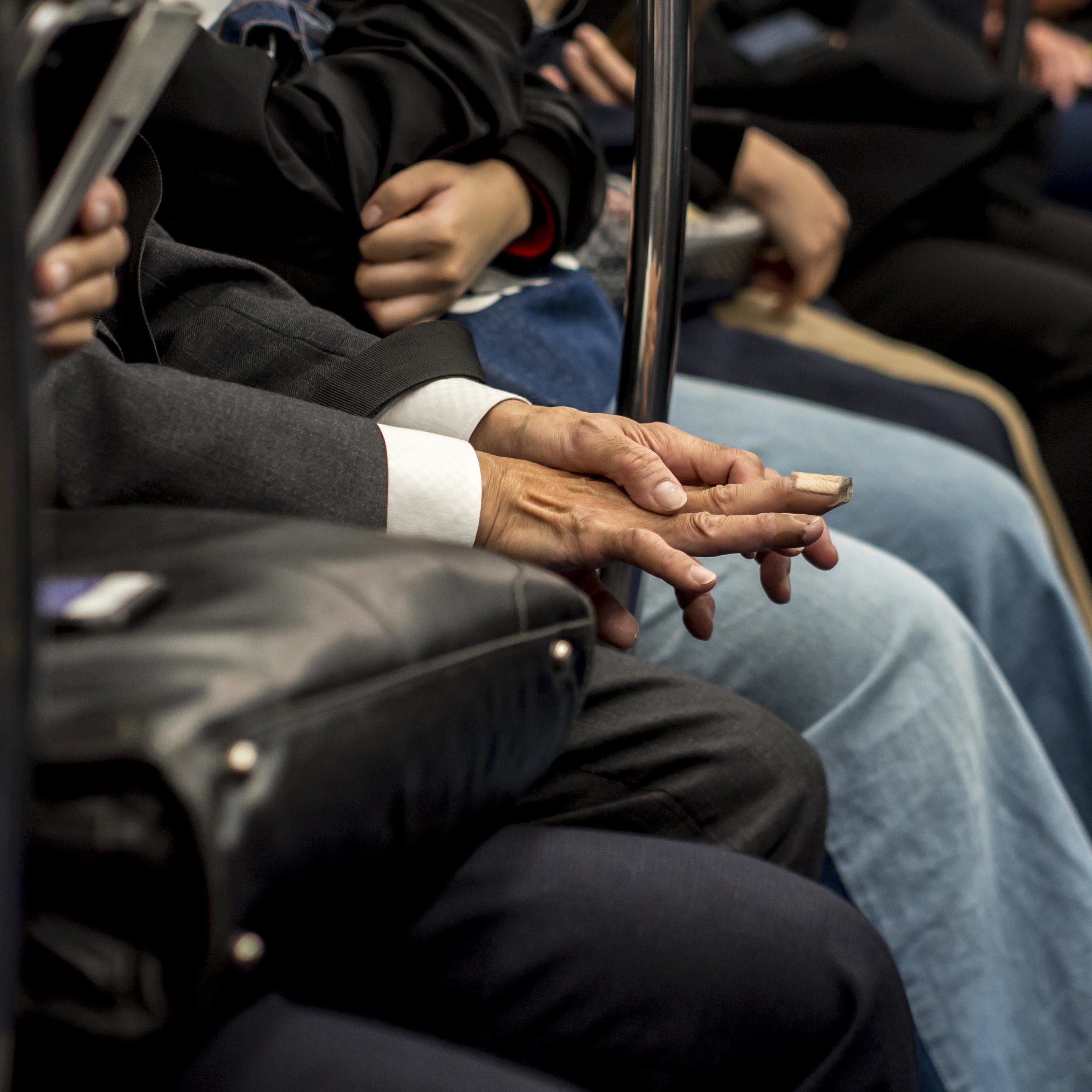
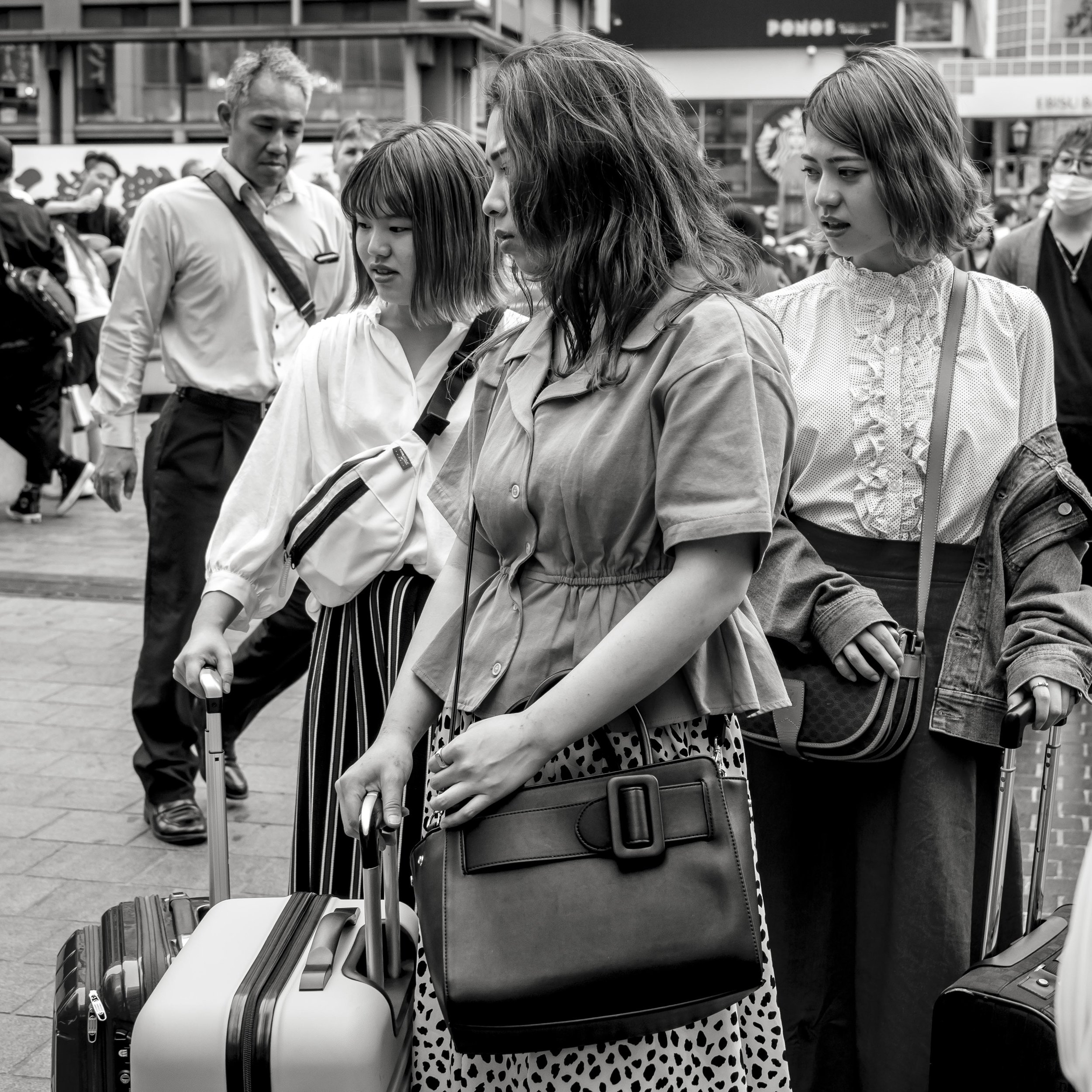
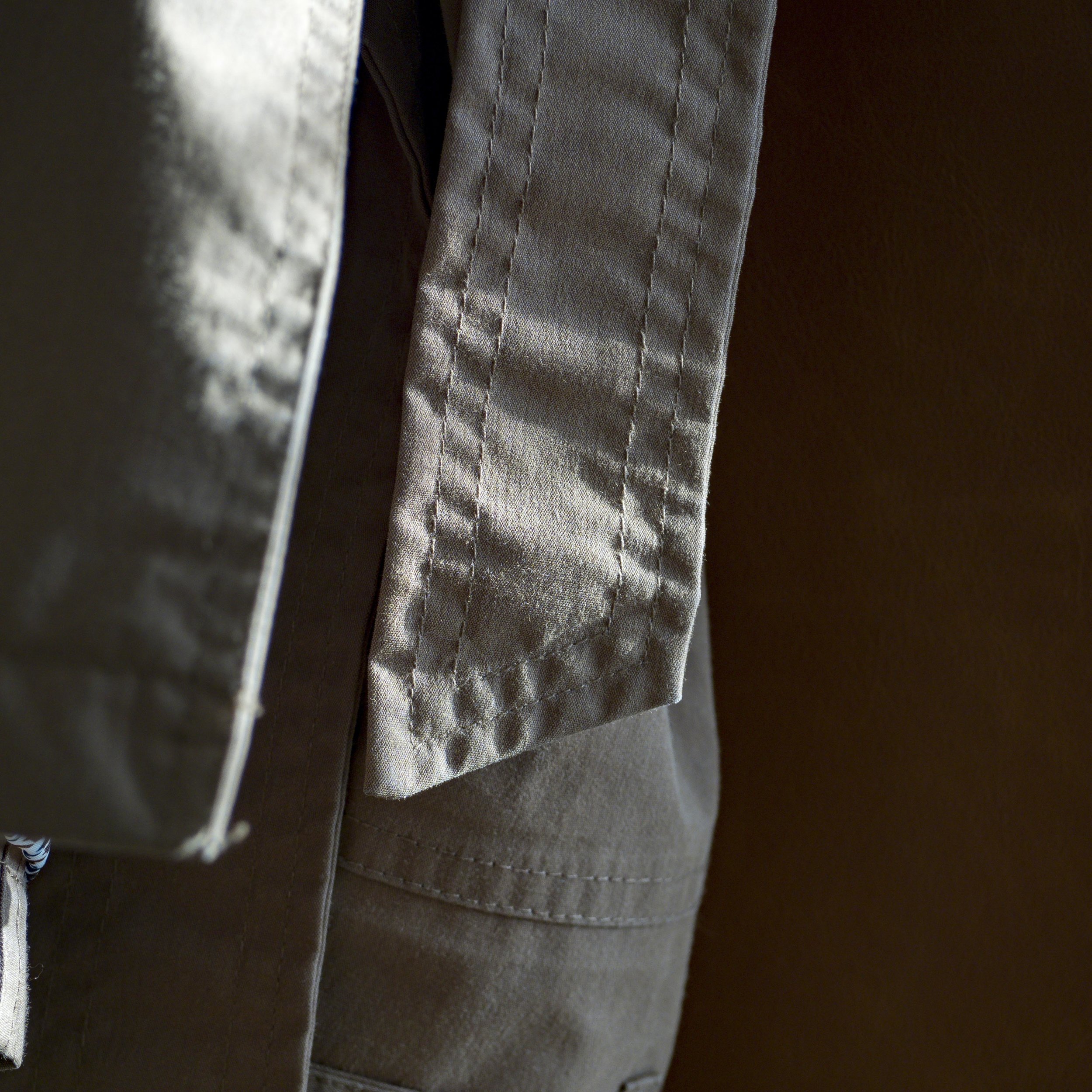
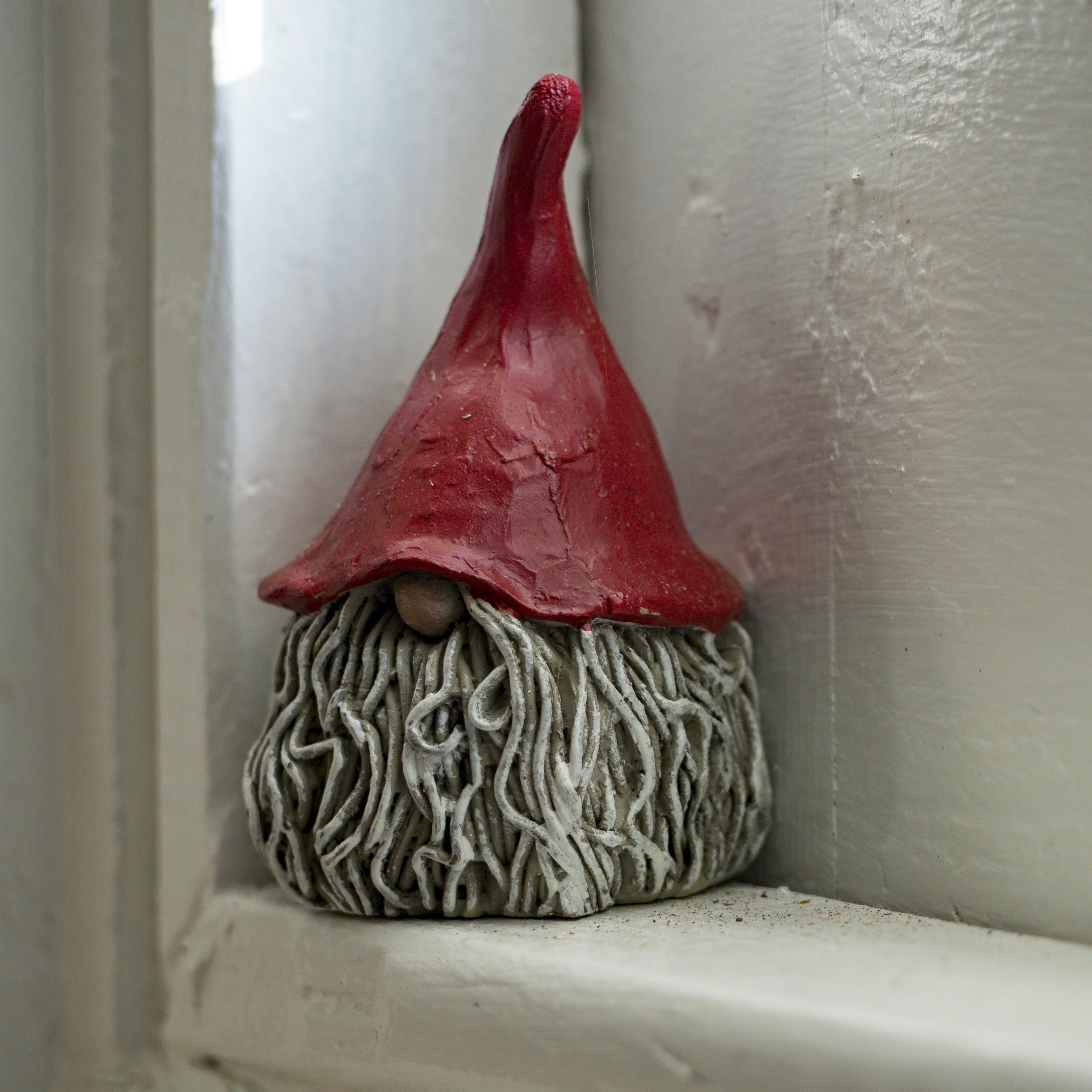
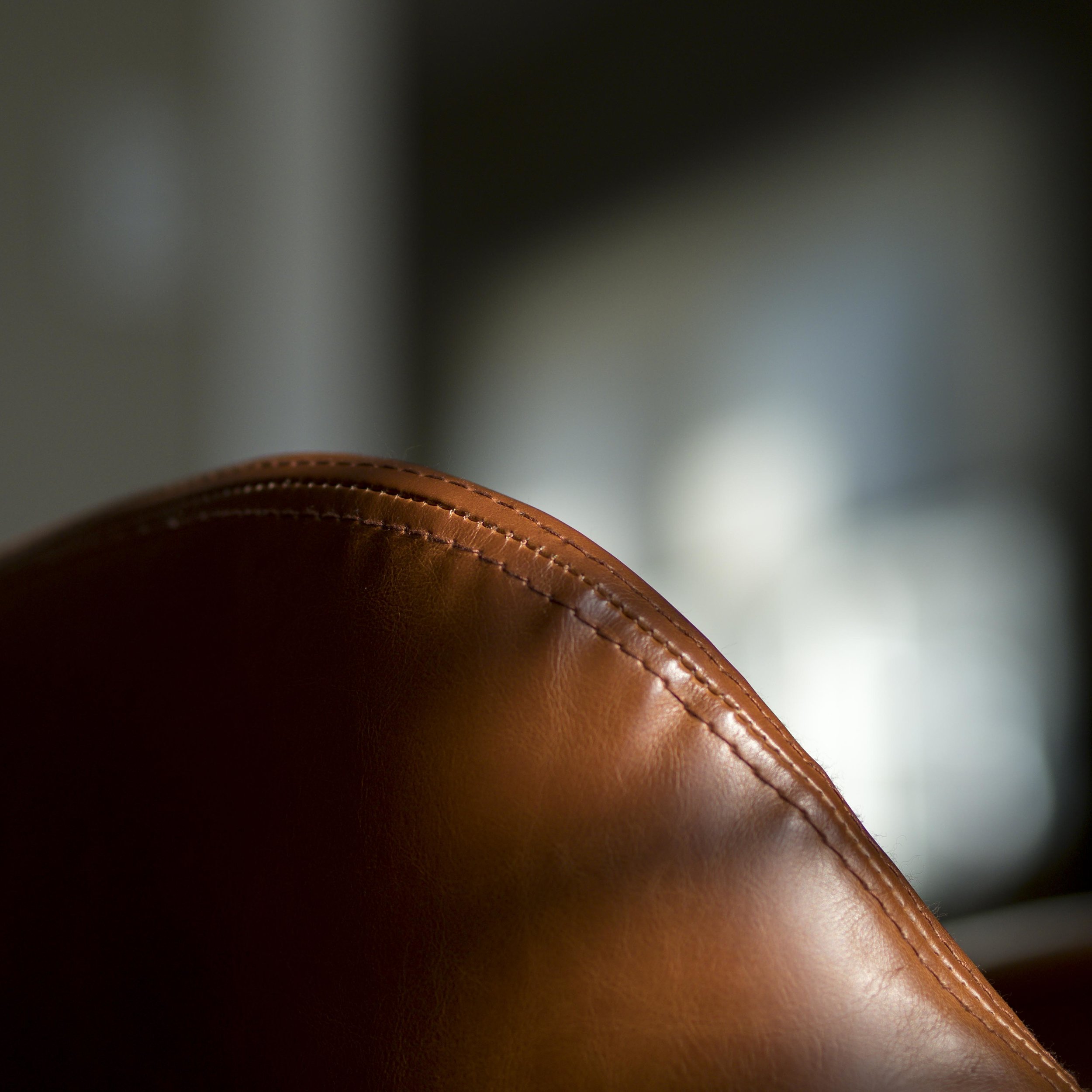
Fun with “Bokeh Balls”, or how to turn a pet hate into a bit of artistic licence.

All photos taken at Kyoto train station with the EM1 and 40-150 kit (probably not the cleanest Bokeh, but all I had, so perfect).

Family in White and Red

Family in White and Red

Three Policemen walk into a Bokeh party.

Three Policemen walk into a Bokeh party.

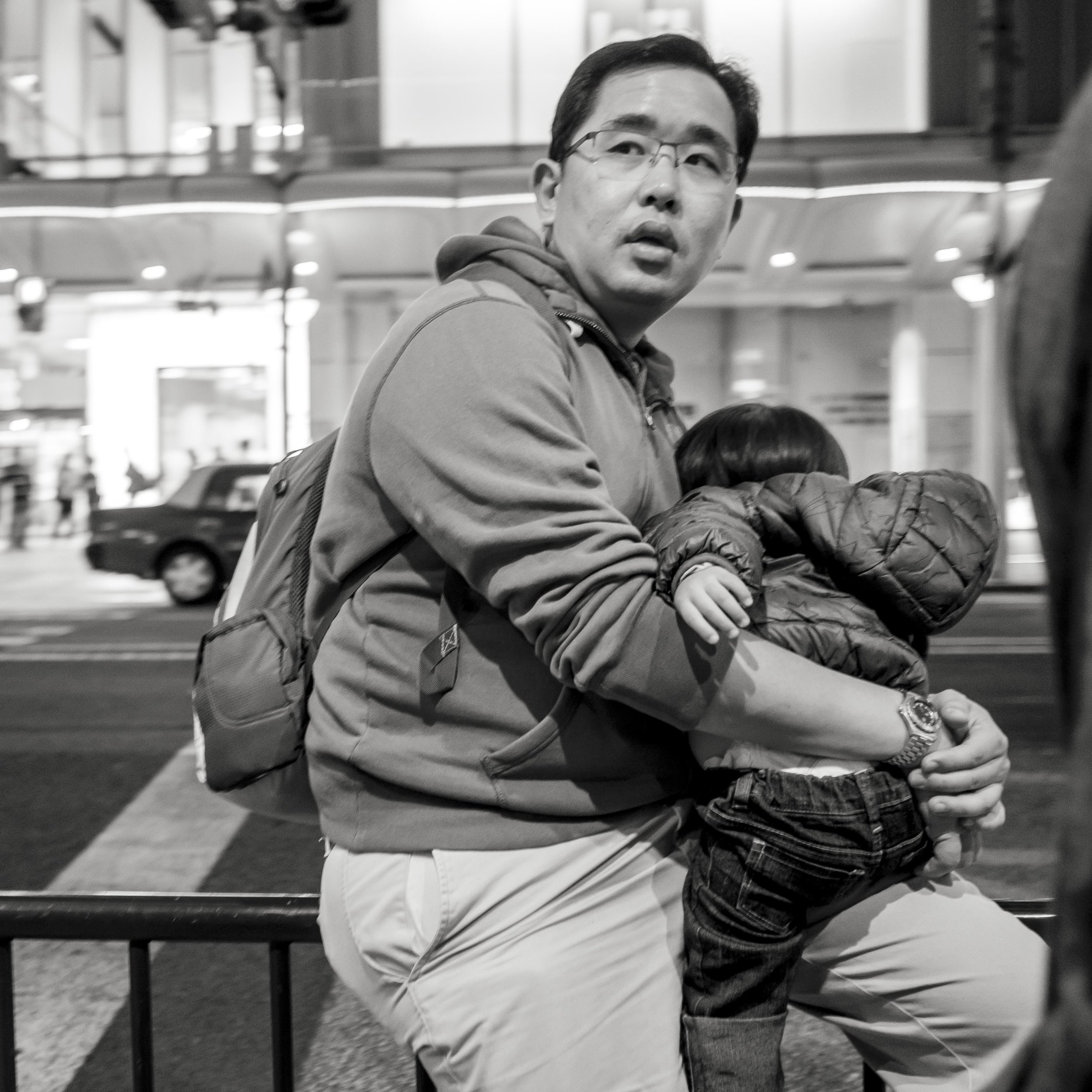
Father and Son

Father and Son

Puzzle

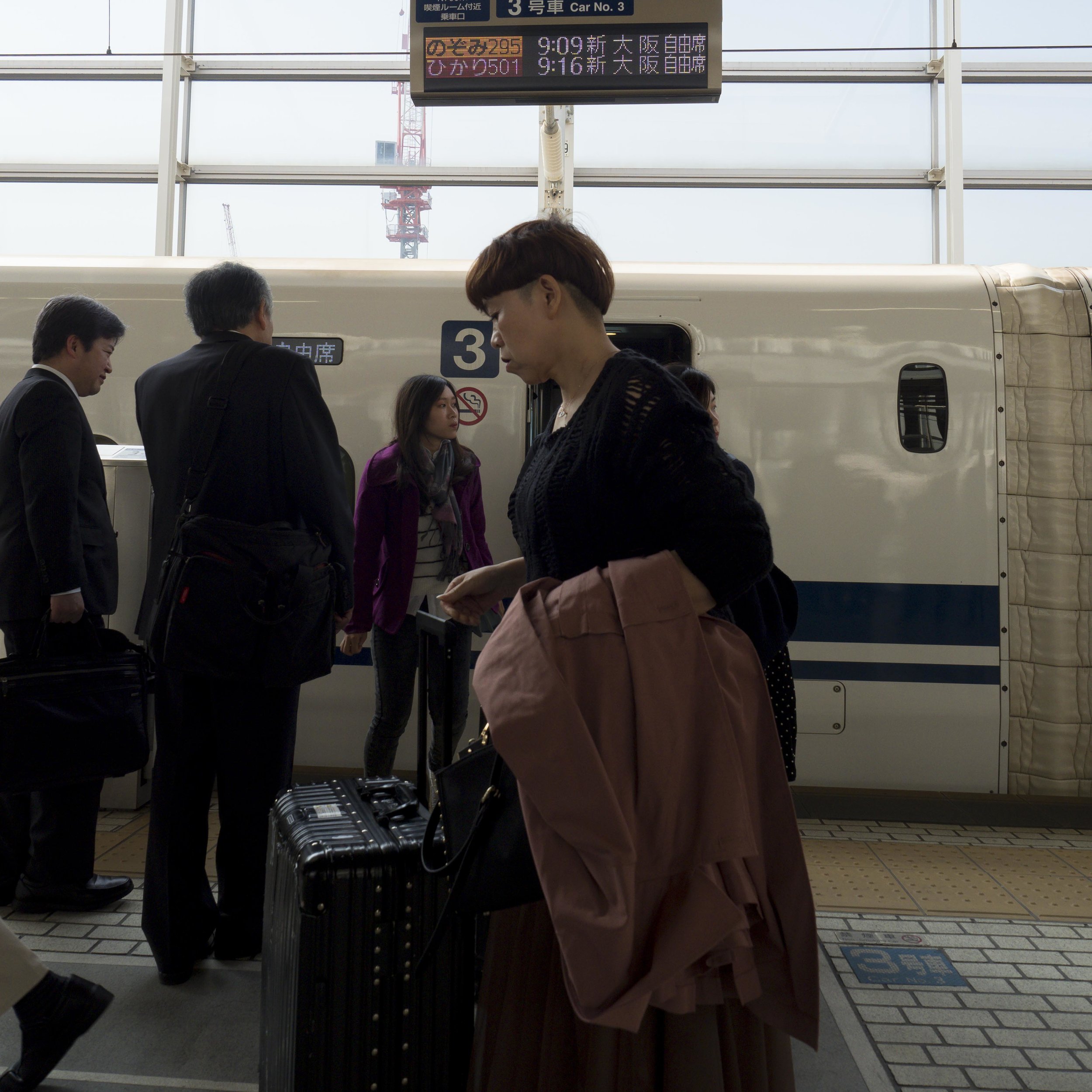
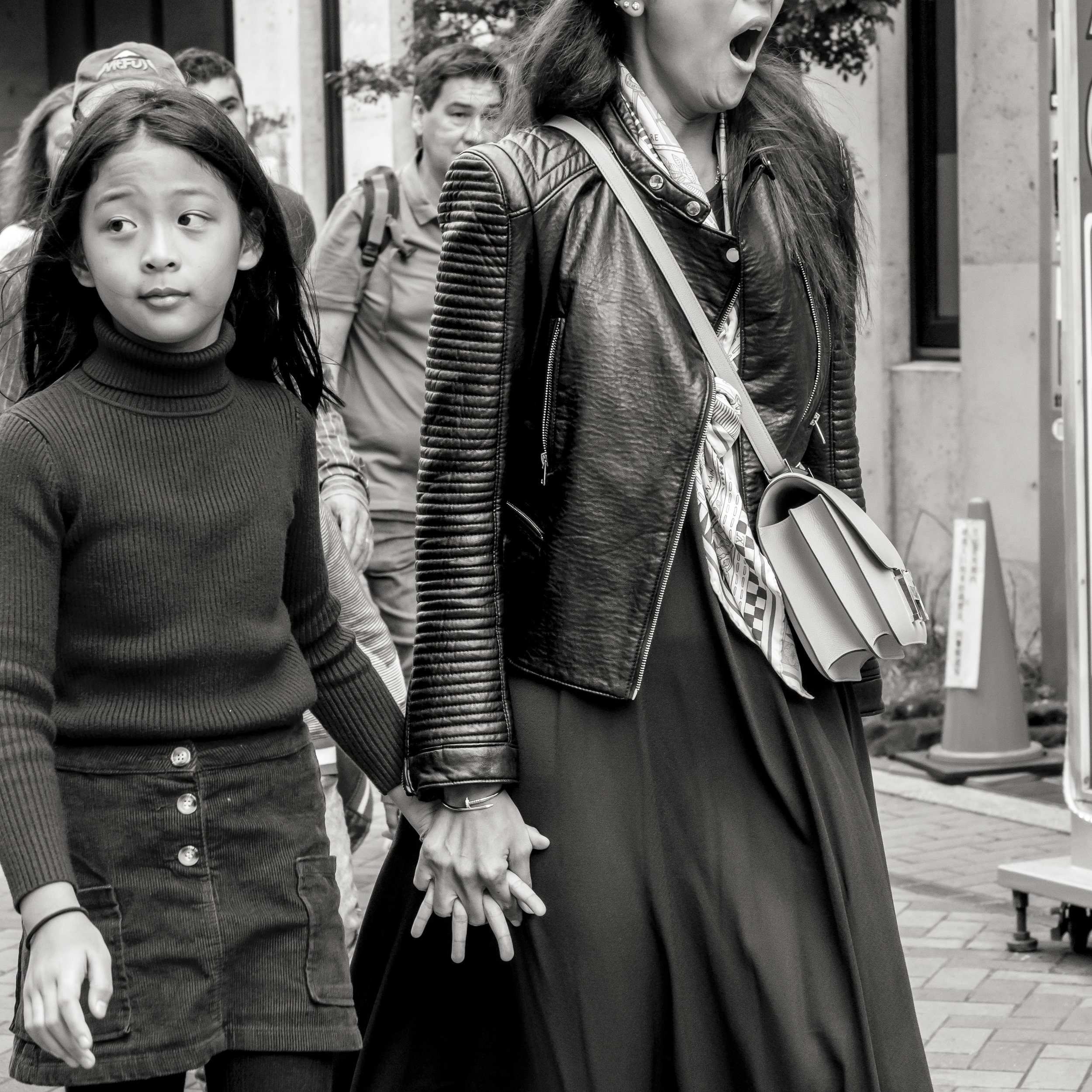
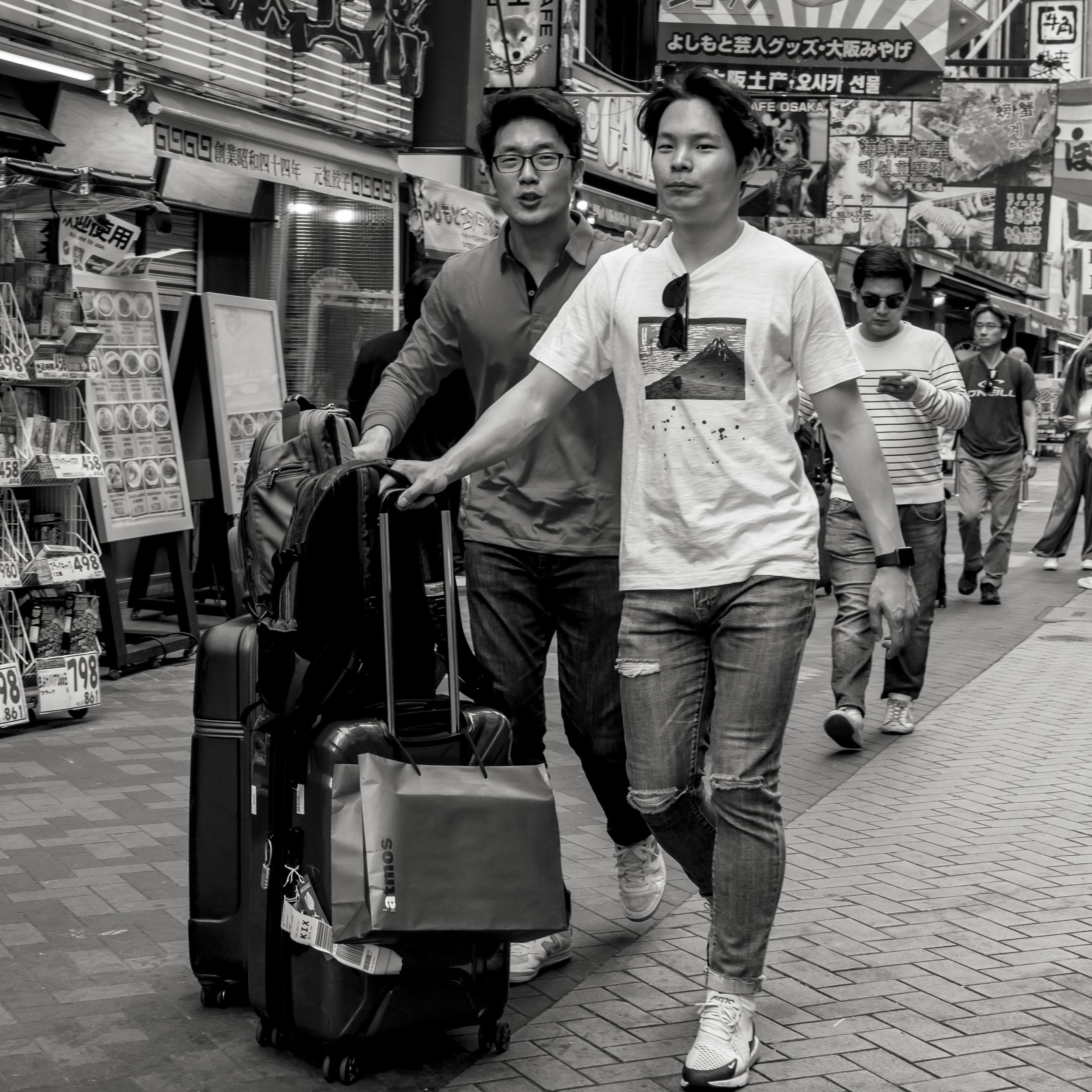
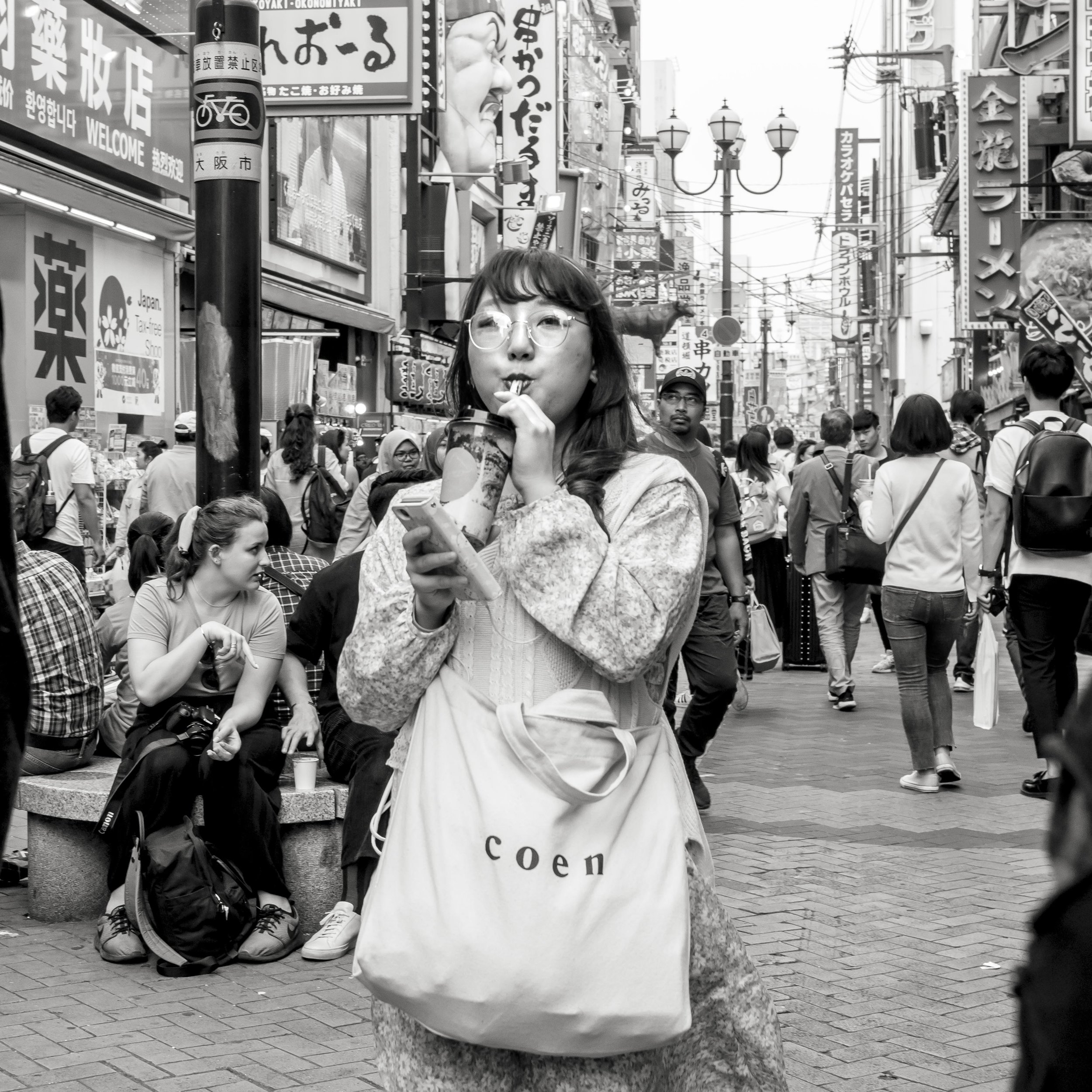
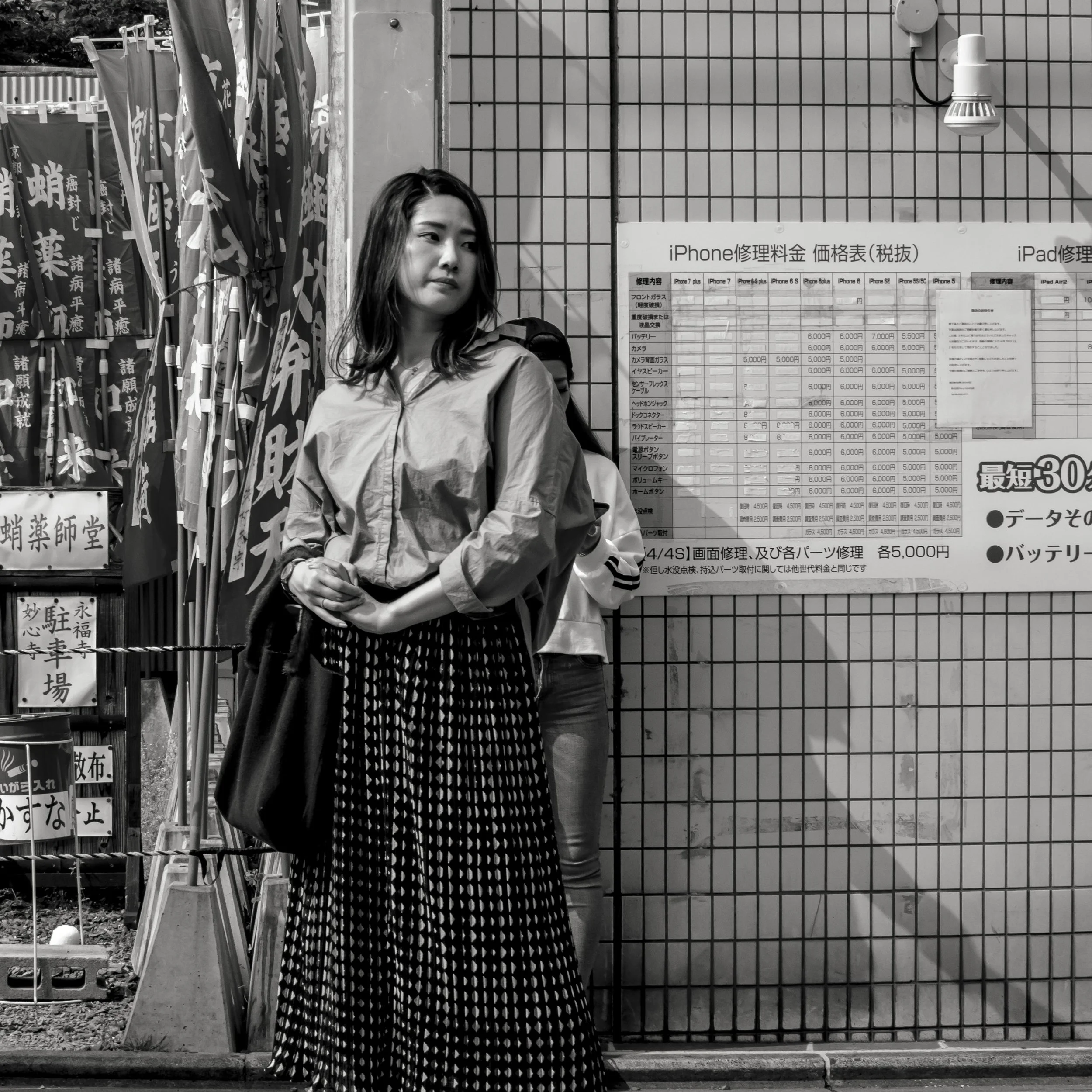
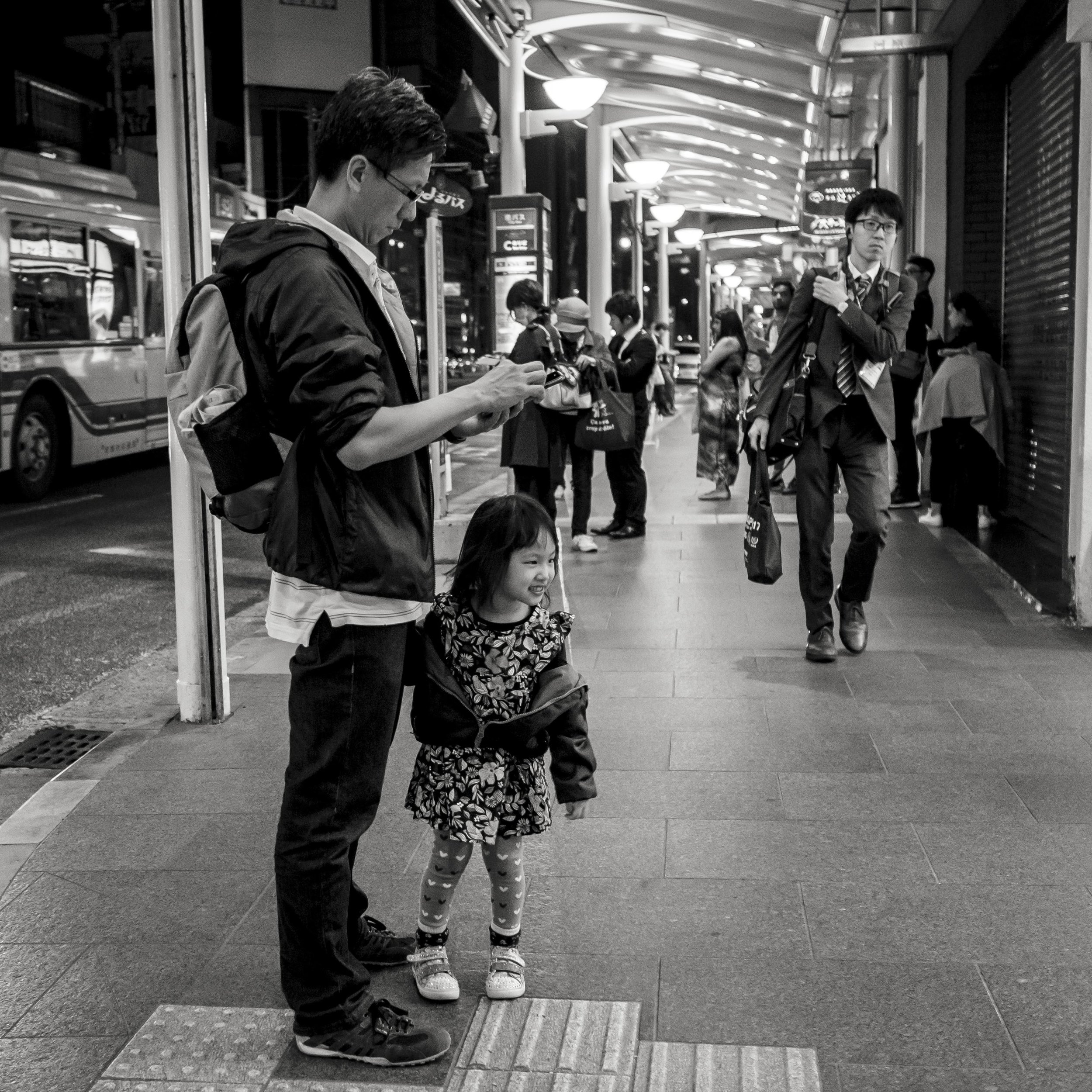
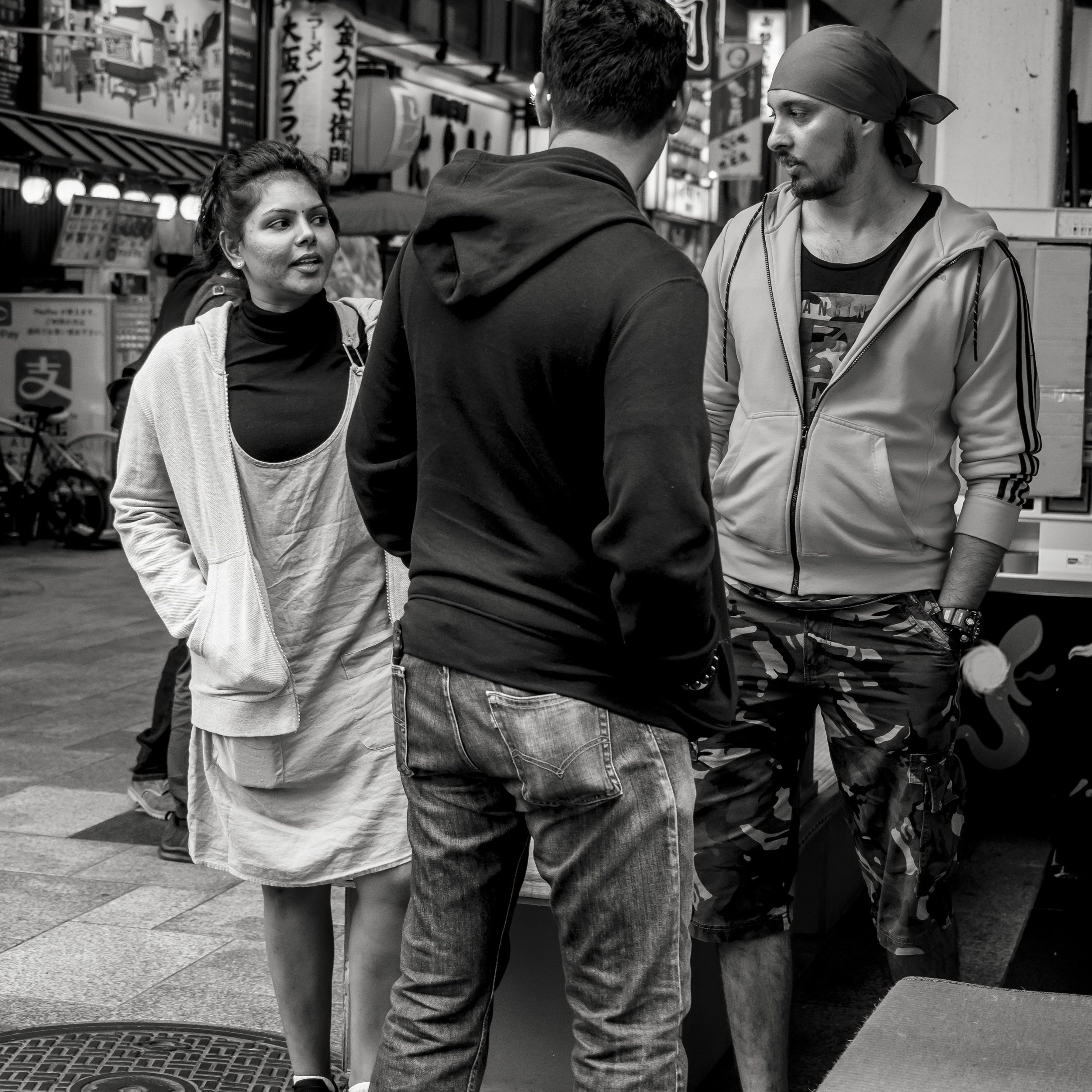
One of the things that draws me to photographing people is a natural inclination to be absorbed into their lives. When taking a mutually consenting portrait, I feel the first minutes should be spent without camera in hand. Time getting to know the person and the things that define them should come before the camera is applied.

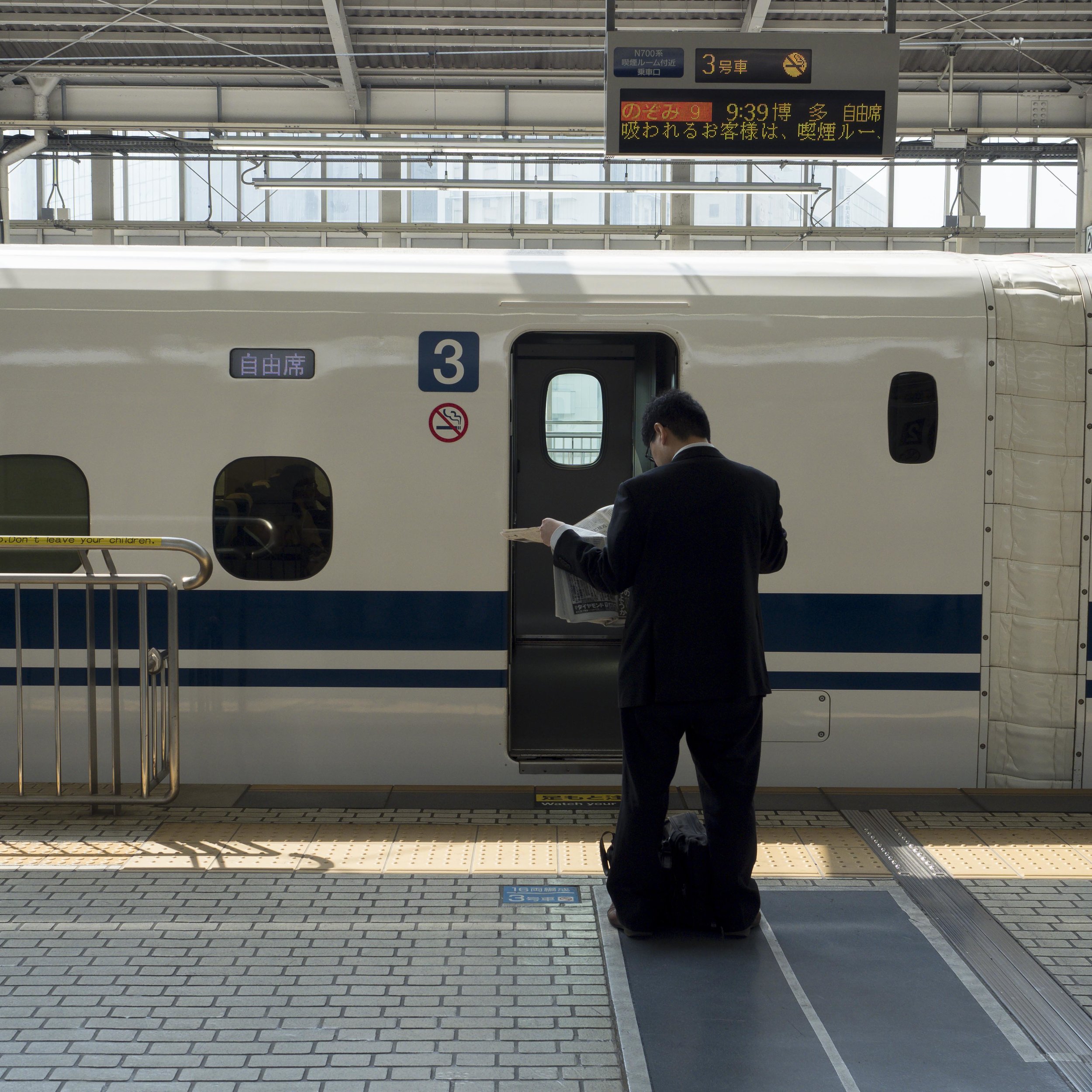
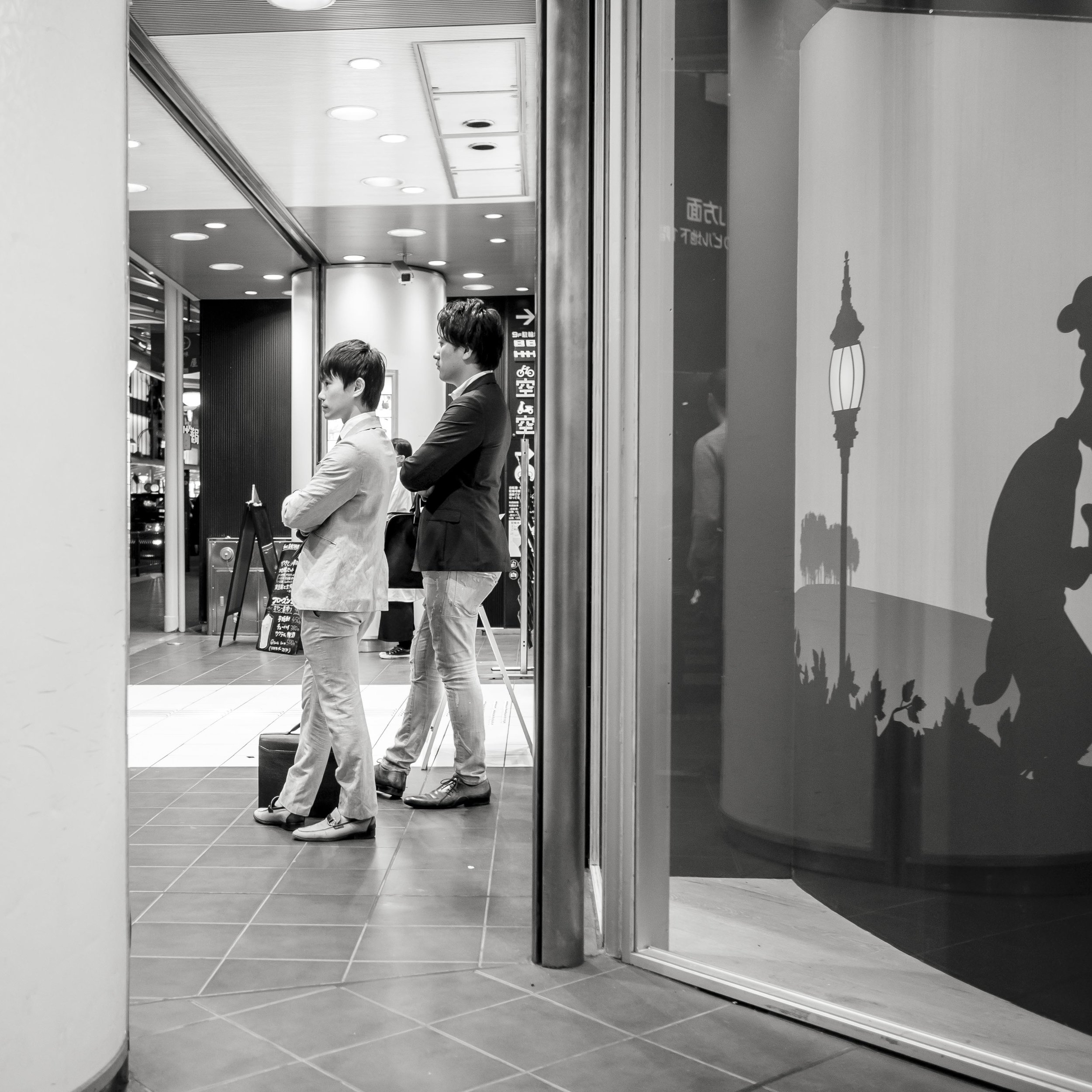
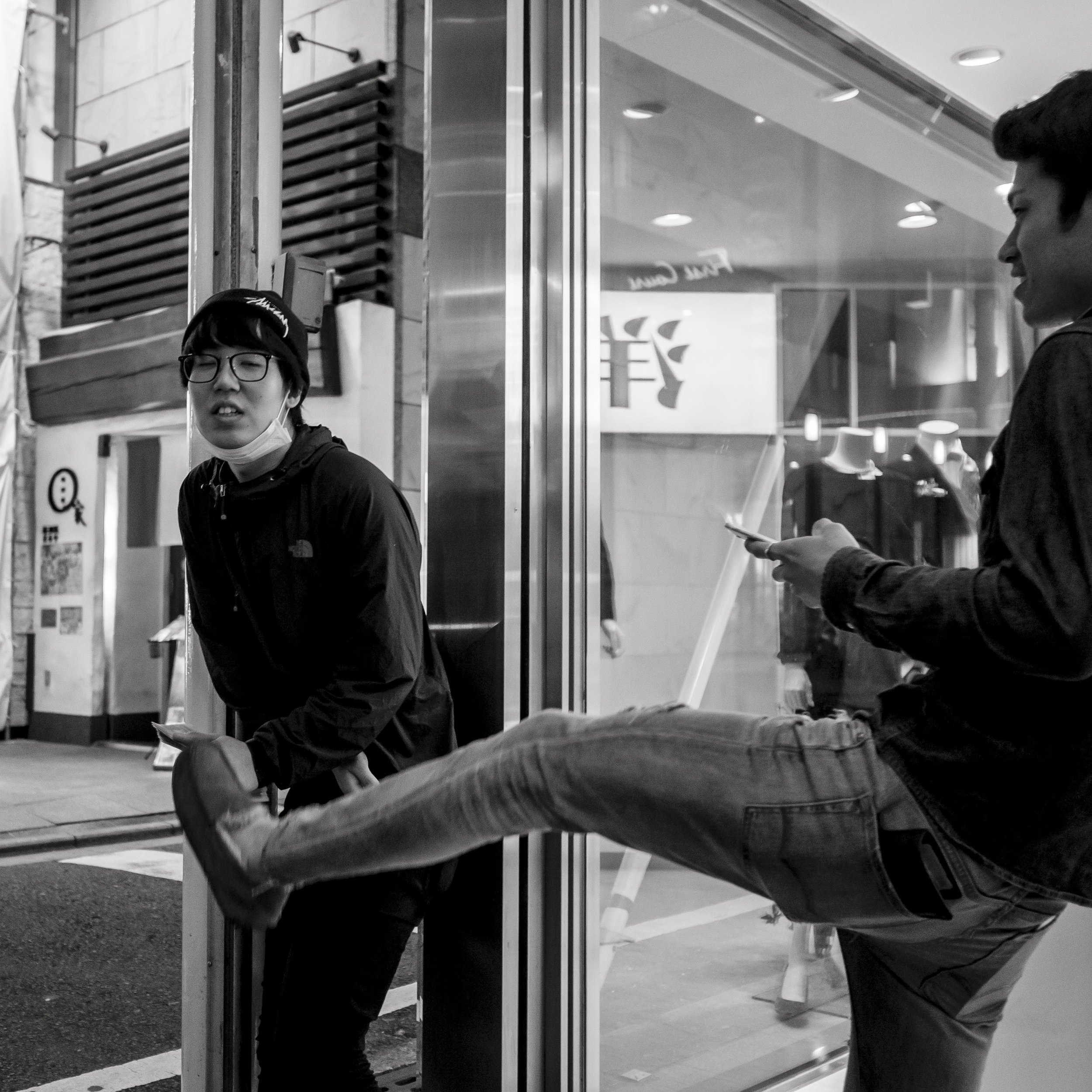
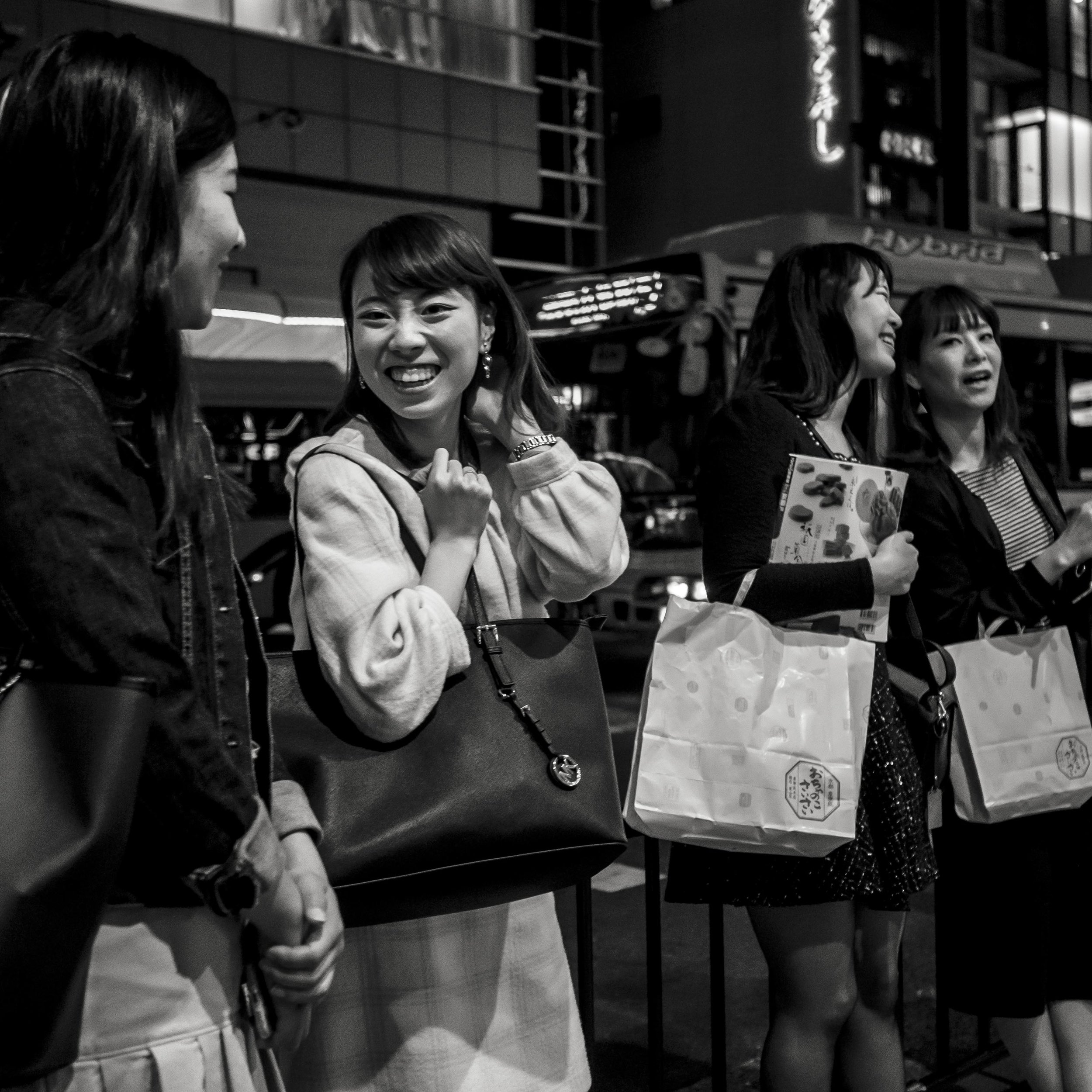
In street situations, I feel the opposite is true. That highly desired intimacy and spontaneity is only possible if the process is entirely one way, anonymous, instinctive but always respectful.

untitled-4201886.jpg
untitled-4201914.jpg

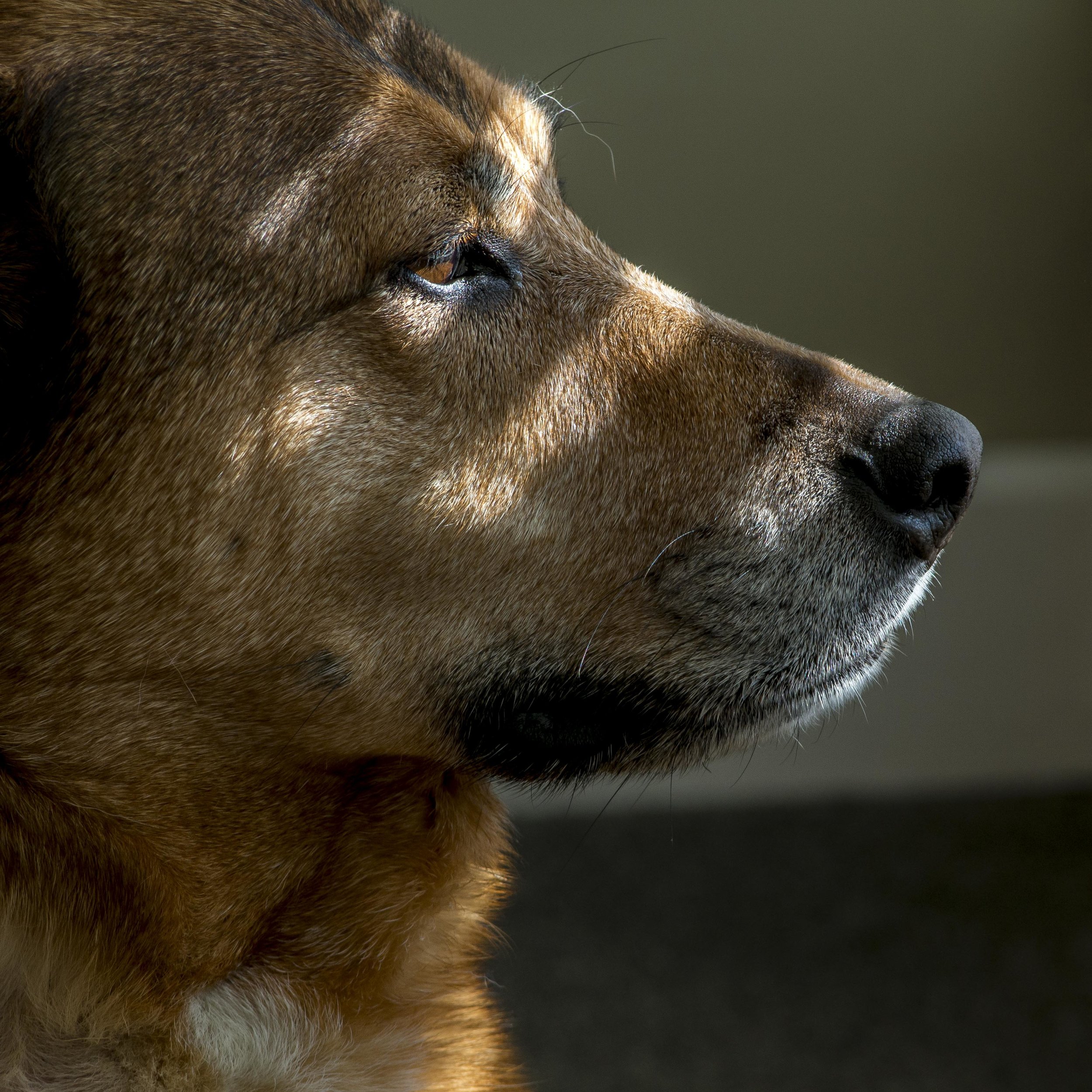
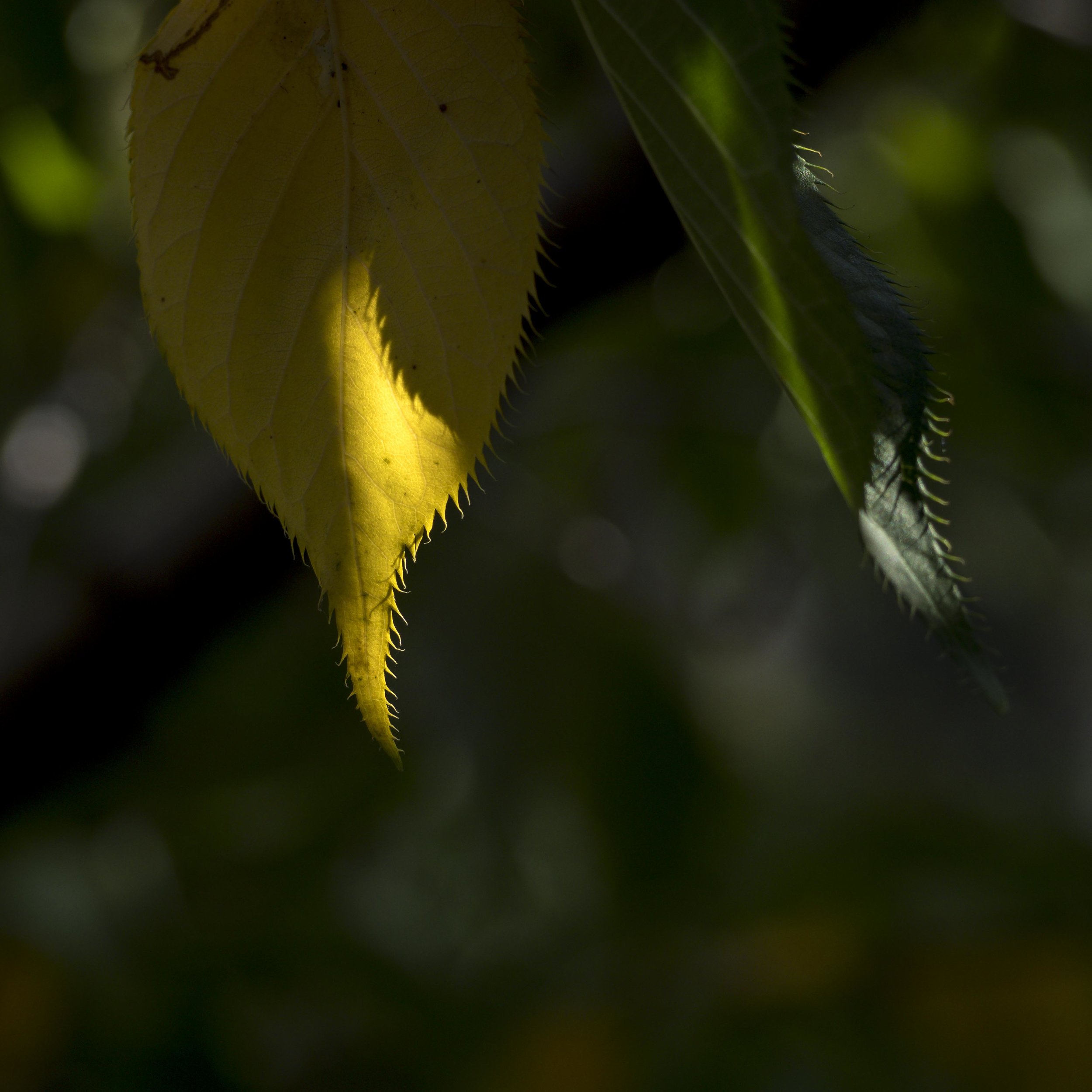
It is also important to remember that light is the true hero, even if the subject is more mundane.

untitled-4201911.jpg

Contradiction as Reality

These images were all taken from the basically the same position on a road just outside of Kyoto proper.

Devastation. Coming from Tasmania, I am well acquainted with the eternal tension of preservation versus exploitation and the fine balance that has to be reached.

Devastation. Coming from Tasmania, I am well acquainted with the eternal tension of preservation versus exploitation and the fine balance that has to be reached.

Beauty from devastation.

Beauty from devastation.

Beauty before devastation.

Beauty before devastation.

Good Character

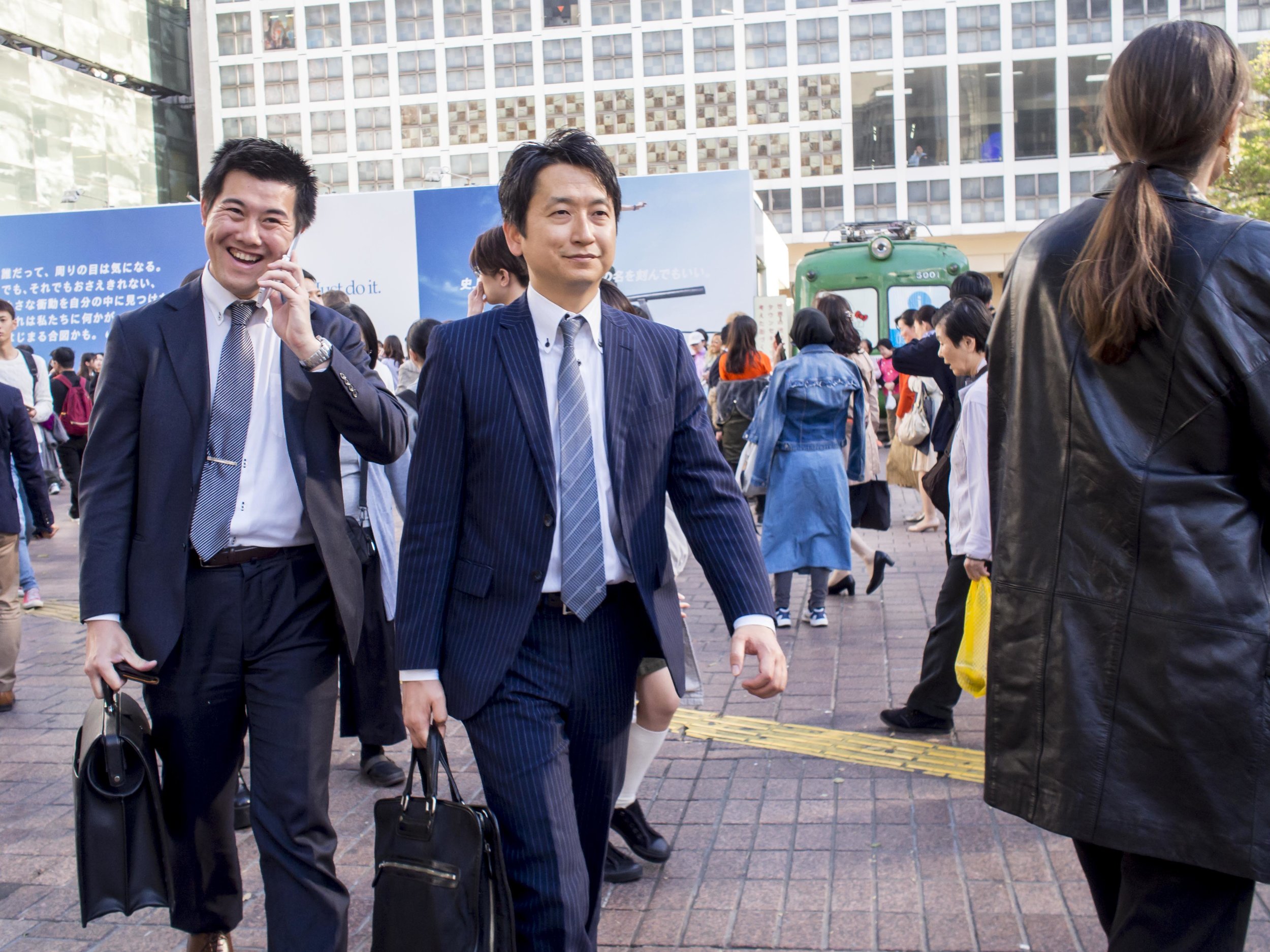
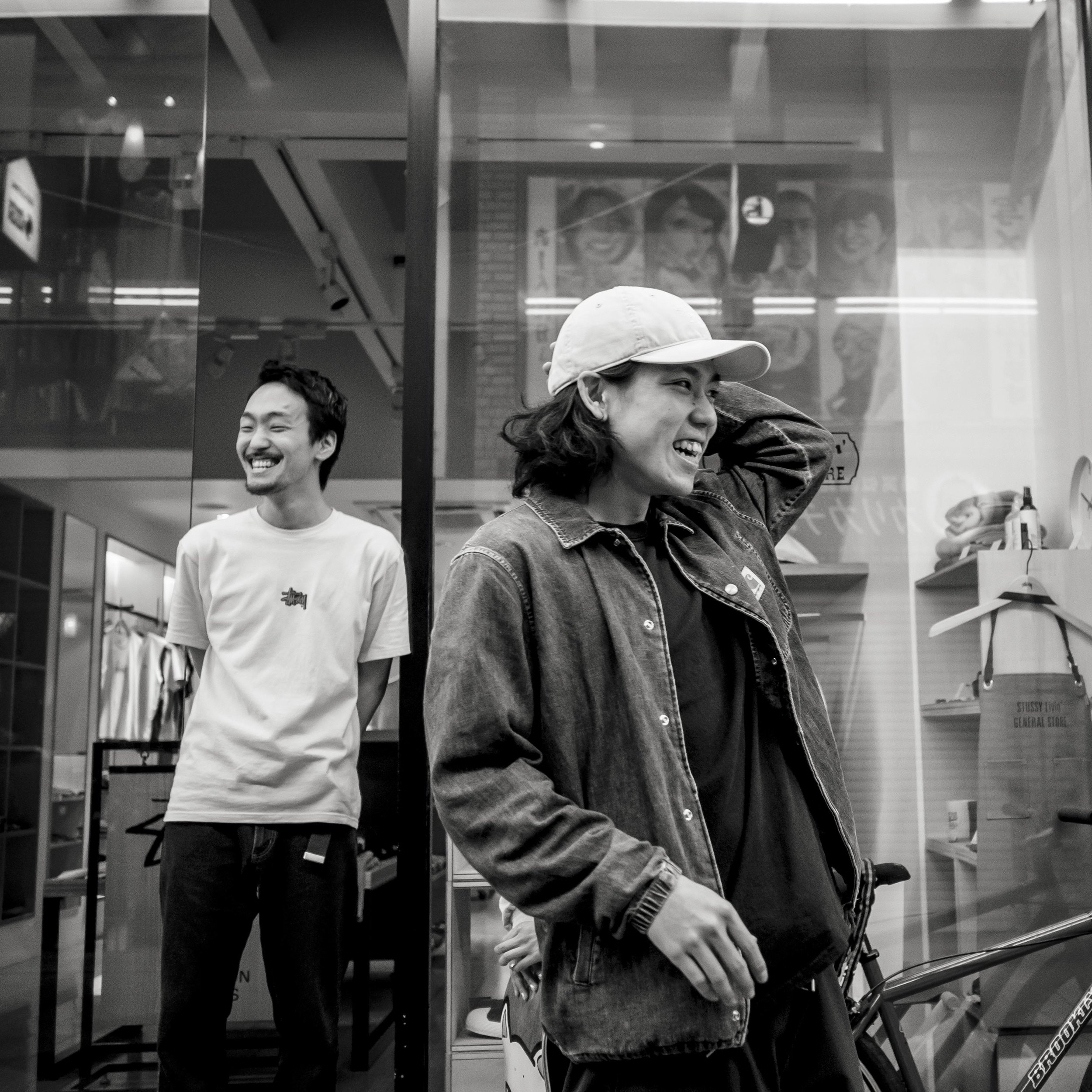
Once again I am disarmed by the warmth of spirit and dignity of the people of Japan.

Shibuya EM5 17mm

Shibuya EM5 17mm

Harajuku EM5 17mm

Harajuku EM5 17mm

Kyoto EM1 12-40. The fast transition of this lens punishes shallow DOF and any near misses, but it is smooth and gentle. It is also frikkin’ gorgeous, lush and sharp.

Kyoto EM1 12-40. The fast transition of this lens punishes shallow DOF and any near misses, but it is smooth and gentle. It is also frikkin’ gorgeous, lush and sharp.

Kyoto Em1 12-40

Kyoto Em1 12-40

Tokyo EM5 17mm

Tokyo EM5 17mm

Some would argue that the “facade” they display is hiding a darker and vastly less happy reality, but aren’t deeply felt and practiced good habits better than bad ones?

Tea in Kanazawa

The old Tea district of Kanazawa. We rate this as one of the better “traditional” areas we have been to.

untitled-4222564.jpg

Very active, very lived in.

untitled-4222568.jpg
untitled-4222573.jpg

Haiku #75 Dotonbori

Taking Stock

Fresh from our latest trip, I feel it wise to take stock of technical and technique changes and gear performance.

Cameras

The EM5 mk1 I took (my least favourite) failed during the trip. It was fine for the one outing it had but the next time i went to use it, I noticed banding i the image. Luck was in my side as i shot an unappreciated snap of my wife sitting next to me and noticed it before I went out to with only.

Turning it off and on again, the sensor (or power supply) showed definite signs of “pink line” failure.

This limited me to one camera and a heavy reliance on my 12-40 zoom, rather than my preferred 2 camera/2 prime style.

It and the 3 primes I took became dead weight for the rest of the trip.

The Em1 performed flawlessly.

There are a few things I would change;

  • it and the zoom were a little too big for my liking, drawing attention and just being bulkier than I like.

  • The ISO setting in Aperture priority (set low for quality) and Shutter priority (set to Auto for adaptability) cannot be set separately, which got annoying.

  • The camera suffered from slow buffering sometimes, with brand new fast cards, even taking as long as 20 seconds to buffer one file if i turned the camera on a shot immediately. This will have to be investigated, but is probably just a little compatibility issue and I was shooting RAW and LSF jpeg on two cards at the same time.

  • The spongy shutter button when fired by thumb, forced me to miss a couple of shots.

On the bright side, the image quality and hit to miss ratio was definitely higher than previous trips, so a win overall.

My bias towards flip up over flip out screens is also changing. The ability to shoot from a low angle in portrait orientation is a plus.

Lenses

The 12-40, a rush purchase before a Christmas trip to see family, paid for itself over and over. It became my “2 lens kit” usually hovering around the 18 and 40mm settings. The focussing may well be faster, or at least more accurate on the EM1 than the 17mm prime and it’s balance of sharpness and Bokeh are ideal.

So fast, it could capture fleeting moments as quickly as i could compose them.

So fast, it could capture fleeting moments as quickly as i could compose them.

The crappy little 40-150 kit tele got a disproportionate amount of use and took a series of images that will prove to be my favourites from this trip. Apart from the stiff zoom mechanism, (so stiff it actually created a little lens mount play over time) it never made me conscious or concerned about using it. In tandem with the 45mm prime for low light work, it was just right.

untitled-4230289.jpg

The primes all performed as expected, but were not used much. The heavy 75mm only got an outing at the end of the trip to justify taking it at all.

Other

The TT Turnstyle 10l was a revelation. It limited me to amount of gear I needed (especially when the EM5 died) and never felt cramped. I even managed to fit a large table top Manfrotto tripod into it.

When fully loaded, it felt comfortable down the middle of my back and when half empty, it seemed to disappear. Any bag over a couple of weeks can wear thin, even just the strap can get annoying, but this one was definitely the best I have used.

The mini tripod I took was only used twice. I found the EM1 with the inertia of the 12-40 lens was capable of pulling of plenty of 1/5th to 1/15th of a second images for suitable blurred water images.

This was with the tripod. Without, the blurring is not as silky, but is smooth enough to avoid the “caught in motion” look.

This was with the tripod. Without, the blurring is not as silky, but is smooth enough to avoid the “caught in motion” look.


Apart from the slight fear i felt when facing the bulk of the trip with only one camera, all went well and i adapted to changing dynamic.

To Catch a Star

Just back from Japan, mostly recovered from the 36 hours it took to cover 10 hours real distance , marathon trip back (I average 1-2 hours sleep a day when travelling) and game to start the task of (for the first, tentative time) exploring my images.

First up, some files from a lightning visit to Dotonbori, Osaka. We decided to pop down for an afternoon look and with my wife taking a load off, i had a quick once-up and once down of the main strip. I do believe this is the best street image environment I have ever been to. Hot or cold, day or night, it just has so much going on. It does not hurt that generally people are so distracted by the environment, they pay little attention to just one more guy with a camera.

“Star catcher” Dotonbori, Osaka EM1 12-40

“Star catcher” Dotonbori, Osaka EM1 12-40

EM1 12-40

EM1 12-40

untitled-4230457.jpg

Lessons learned and a few technique changes, some desired, some forced (I will get to these later), but overall, a good trip, great weather and plenty of new things discovered.

Final Thoughts on the Kit 40-150.

After a few days of not very methodical, mostly random snapping with the 40-150, I think I am on to a winner.

Up front I need to say, the lens feels very low end. the zoom is stiff and the lens itself so light it is almost comical on a solid camera like the EM1, but that aside. the results and usability it offers are solid, even slightly impressive. Most of the images below were ISO 200 RAW files from the EM1 , except the last 2 (ISO 800 RAW).

It is amazing what you can get without even moving.

The 40-150 Kit Lens, A Closer Look

lens reviews are a dangerous thing. Sometimes they can shatter your contentment with an owned or desired tool, other times they can instil un-warranted confidence.

I never really know myself if a new lens will sit well with me until I try it for a while. Sometimes the magic just never arrives and I part with a perfectly good bit of glass just because (two 25mm and two 14mm Pana/Leica lenses for example that were excellent, but were moved on in the face of other options).

My preferred process is to discover a gem where one has no right to be. One example of this is the 17mm f1.8 Oly, a lens I cannot see myself being without, and recently lately, the little kit 40-150 has surprised.

All images taken on a variety of cameras within a day of each other and in RAW. Processing is standard for me with a little brush work and basic settings (why look at images that are not processed to my liking?). the files reacted much as I am used to.

untitled-4010657.jpg

If I lied and said this was taken with uber lens “X”, would I get away with it? Sharpness is plentiful these days, even at the bottom of the food chain.

Strong colour, even generous. No sign of any other faults, just a decent image. To be honest, if this was printed and the file lost, I would be hard pressed to work out which lens took it.

Strong colour, even generous. No sign of any other faults, just a decent image. To be honest, if this was printed and the file lost, I would be hard pressed to work out which lens took it.

Showing signs of it’s lack of pedigree here. The edges are a little soft wide open at 145mm, although not as soft as I thought, as much of the left hand edge detail is actually out of focus (the rocks under the leaves on the left hand side are sharp…

Showing signs of it’s lack of pedigree here. The edges are a little soft wide open at 145mm, although not as soft as I thought, as much of the left hand edge detail is actually out of focus (the rocks under the leaves on the left hand side are sharp).

Could this hang in a gallery? Quality wise, there is enough to get by with if the subject is strong enough. Most of my other lenses do have near perfect edges, so this is my low point, but is still well within an acceptable range.

A really sharp image edge to edge and again good control of flare, transition and colour. Taken at 65mm wide open.

A really sharp image edge to edge and again good control of flare, transition and colour. Taken at 65mm wide open.

A poor image compositionally, but “glassy eyed” and detailed. Nice contrast, not too much, not too little.

A poor image compositionally, but “glassy eyed” and detailed. Nice contrast, not too much, not too little.

Flip Flop

Well I bought a 40-150, just not the one I thought.

A 3 lens kit, available for the moment with an EM10 mk2 on clearance cycle, offered me a set of options that, to be honest, made a lot more sense than the big pro lens.

I always think, that if a decision is too hard to make, then walk away, and that is what happened with the big lens. I failed to crack a telling shot after two tries and then I started to question the relevance of the lens for me at all (as I have previously). It looks like the sport I was to shoot is more social than action, may not even come about and possible other lens options would have made more sense. I guess what it came down to was the lens (the one I tested) just did not produce that “wow” image, especially when compared to the humble 75-300.

The two images below are heavy crops. The 75-300 image (a little bigger, but proportionately cropped), is maybe sharper or “nicer” to my eye, which is often the case with that lens. The 12-100 is similar in rendering to the 40-150, which I find appealing for high detail landscape images, but less so for general shooting. When I was testing my previous one of these, an early test of each at 75mm showed almost no difference between the 75 prime, 40-150 and 75-300 (at the same apertures), which was thought provoking to say the least.

Looking with fresh eyes, the little triple kit made more sense.

The first lens of note is the quite well regarded 40-150 kit lens. Not in the league of my usual kit, it none the less produces a very serviceable file, generous and forgiving, colour is good and even it’s Bokeh is not offensive. The 75-300 now feels like a luxury lens in comparison, both in hand and optically, but this little, almost weightless lens (about the same weight as a small prime), produces a good enough image that I do not feel like I am being short sighted using it, as long as that is carefully and realistically. A bonus is it’s truly lightning fast, almost instinctive, AF. This will be going to Japan as the mate to the admittedly better 12-40 pro rather than the heavier and longer 75-300.

Lens two is another 45 f1.8. My favourite one has a small scratch on the front element (my fault) that bothers me a little and to be honest I do not want to be without it, ever, for what ever reason, so another one in reserve just feels right. I have a third (!), silver one, but that may be gifted to a family member.

Sharp edge to edge wide open (possibly even better than my current favourite) and showing beautiful Bokeh. Another winner. This one seems to have a smidgeon more CA, but may actually be sharper? Not sure, too hard to test and I don’t really care.

Sharp edge to edge wide open (possibly even better than my current favourite) and showing beautiful Bokeh. Another winner. This one seems to have a smidgeon more CA, but may actually be sharper? Not sure, too hard to test and I don’t really care.

Finally, the neat little 14-42 EZ kit lens, which may be the future mate for a new camera for my wife, who is looking out for a new EPL# at some point. I am going to return this one as my unscientific test, tooling around the house, showed it is clearly a little de-centred (soft left side at wider settings as opposed to a quite sharp on the right side). According to Image Resource, these are a little soft on that side (love those 3d blur charts), so it may be as it is to be. ed. After trying another, they look to be consistently like this, so no harm, no foul.

Plenty sharp, but a little colour challenged. A nice, balanced lens but not spectacular.

Plenty sharp, but a little colour challenged. A nice, balanced lens but not spectacular.

I picked the set up for less than the price of the 45 alone.

Unlike many, I do not find buying new gear fun. Stressing over relative or theoretical quality is never a road to happiness, but it is something I seem to need to go through before I am truly happy and the more I spend, the more I stress. Working in the industry, I know that genuine faults are few and many actual faults go completely un-noticed, but rather than take the hint, I still tend to look for trouble.

Rather than tests and comparisons, I personally do not settle until I get that image that just makes me smile. I believe a lens is as good as it’s best image, simple as that. ironically, the actual image often has little to do with true, definable, technical quality, but rather an emotional quality that only a really terrible lens could actually detract from. My testing procedure for these lenses came down taking a few images, focussing on the edges often and checking for obvious anomalies.

What exercises like this remind me of, is that the gear matters less than using it. Having a big, pro lens, with little application is a waste. It makes me feel like I should push myself into using it over common sense. The smaller kit on the other hand, means that I have a significantly higher chance of actually having a camera with me when something is worth capturing.

Something to think on with tele lenses, is their realistic operating environment. Wide open, many top long tele lenses are not as sharp as even petite little portrait lenses. The compression they have often disguises this, making the image “snap” naturally. Even my humble 75-300, which does not do brilliantly on a test bench, can produce pro grade images in the field. When the atmosphere is filled with haze or glare, it is as hobbled as any, but so would a multi thousand dollar lens be.

Plenty of detail, compression and good contrast.
Plenty of detail, compression and good contrast.

Landscapes and very occasional wild life are covered by the 12-100/75-300 (24-600 equivalent),

Portrait and Street by the four primes (35/45/90/150e all f1.8),

and Travel by the 12-40/40-150 (24-300e), which is quite light meaning I can add in parts of other kits as needed.

Sport? Not doing any now, but any of the above as needed.