Budget cinema lenses are a thing around here at the moment.
“Real” cinema lenses live in pretty rare air. Coming it at 10k+ they can be spectacularly sharp, well corrected, super fast (and still be the previous two), have added character, or not, but always have that special something that elevates a Ferrari or Maserati above a lesser sports car.
The lesser sports cars are the $1-4000au “budget cine lenses”, lenses that can be nearly as good and for most the differences are like fine wine, only discernible and relevant to the educated palette.
So close it does not really matter in technical terms, it’s purely in the results. These are the Sigma, DZO Arles Vespid 2’s, IRIX, Zeiss or Canon cine lenses. Expensive, professional grade, but are not as “special” as the next tier.

This image and the one below are stills taken from a test of the 50mm Sirui, pushed into darkness as suits the theme.
Then we hit the sub $1000au true budget glass, budget in the true sense, they can surprise. Some are super sharp, some nearly perfectly corrected, some even offer some sort of special vibe but usually at the expense of something else. They are getting better, but the race is not really fair.
I guess another way of looking at is the jump from street sports car, to touring car to Formula One. They can all go at 200km an hour, just some better and safer than others.
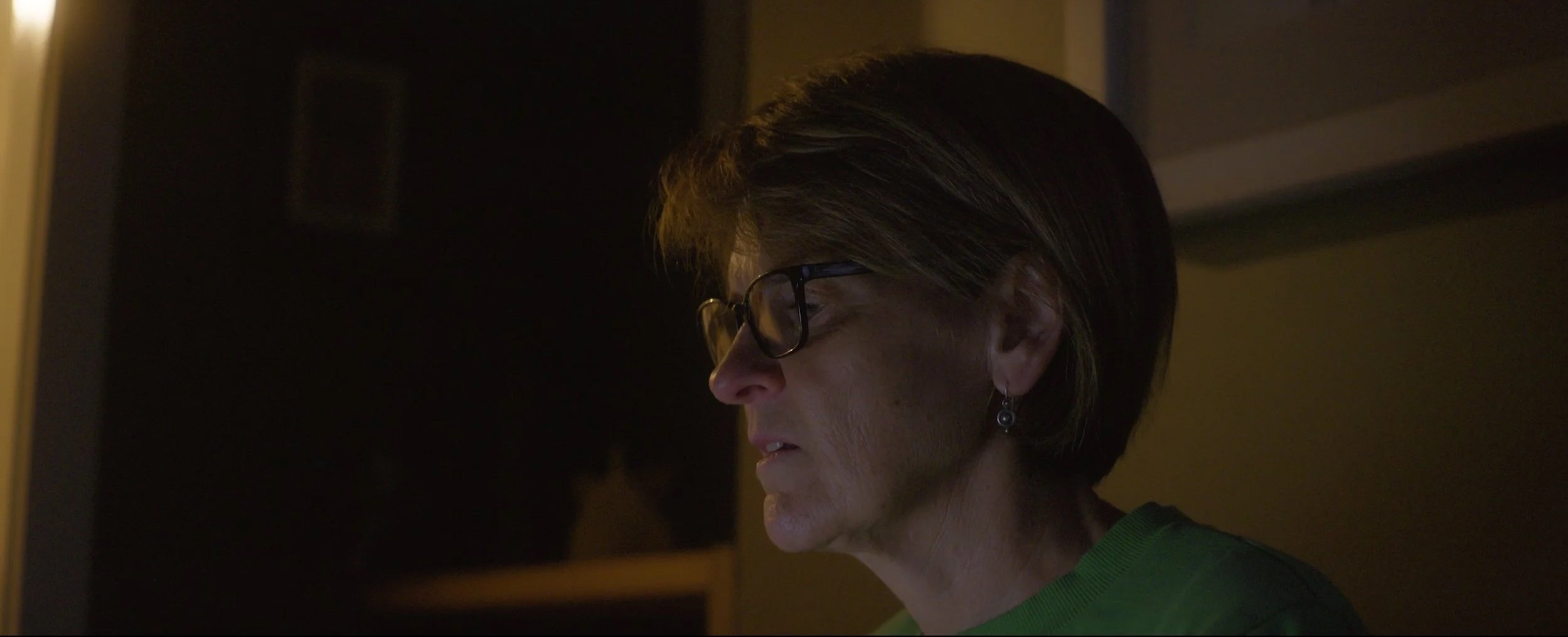
This is the Sirui 50mm Anamorphic being stressed.
True budget can even have flexible levels, ranging from sub $100au retro clones, re-purposed antiques to the $3-600au new design range. This last is a bit of a fudge, because most of these lenses are often clones of older designs.
I will be looking at the $600 lenses and below with one exception. Prices quoted are only rough and always shifting. I picked my two Spectrum and the IRIX lenses for half price, netting them all for less than the street price of the IRIX, so be patient, things happen.
I consider myself brave and lucky in this space and for all intents and purposes, I am done. I will give the lenses a rating based purely on my feelings, all that counts really.
TTArtisans 35mm f1.4 (L-mount $75au).
This lens is quite a surprise. It is razor sharp in the centre, very “3D”, with attractive character (i.e. obvious, but acceptable flaws). My only real complaint about the lens is its size. It is tiny, the aperture ring is tight, recessed and click-y and the focussing ring very small and fiddly, just a ridged band in reality.
If used as a full frame lens and “letterboxed” to a wide screen aspect like 2.4:1, it looks for all the world like an older anamorphic. The fit is good, but it is a stills lens really. A-/C (A- for optics and character, the C is for handling).
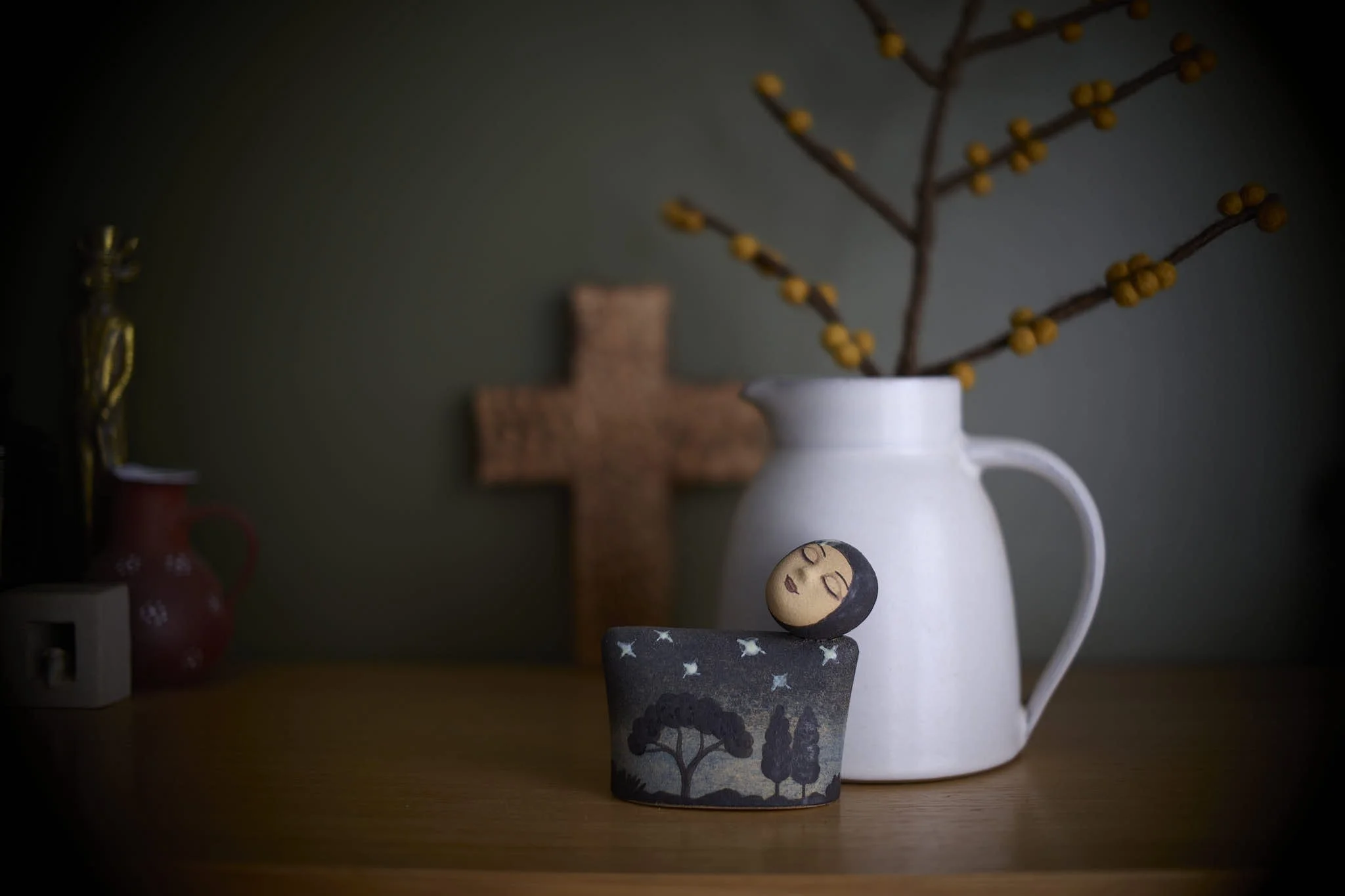
This lens has something to it, but handling is not it. Taking the thinking of cinematographers like like Zack Snyder, who shot Army of the Dead with an antique Canon 50mm f0.95 set to wide open, I could see this lens and the Pen 25mm below, shooting some good work.
7Artisans Hope 25 T2.1 (MFT mount $450au).
This is the star of the stable at this point. Near perfect optically, but still with some character. It handles well, looks the business, lives on my GH5s like a body cap (where it is a 45mm eq.) and is the easiest to focus by far. Not sure why on that last one, but it is. This has a tight mount and feels genuinely excellent in handling. A+
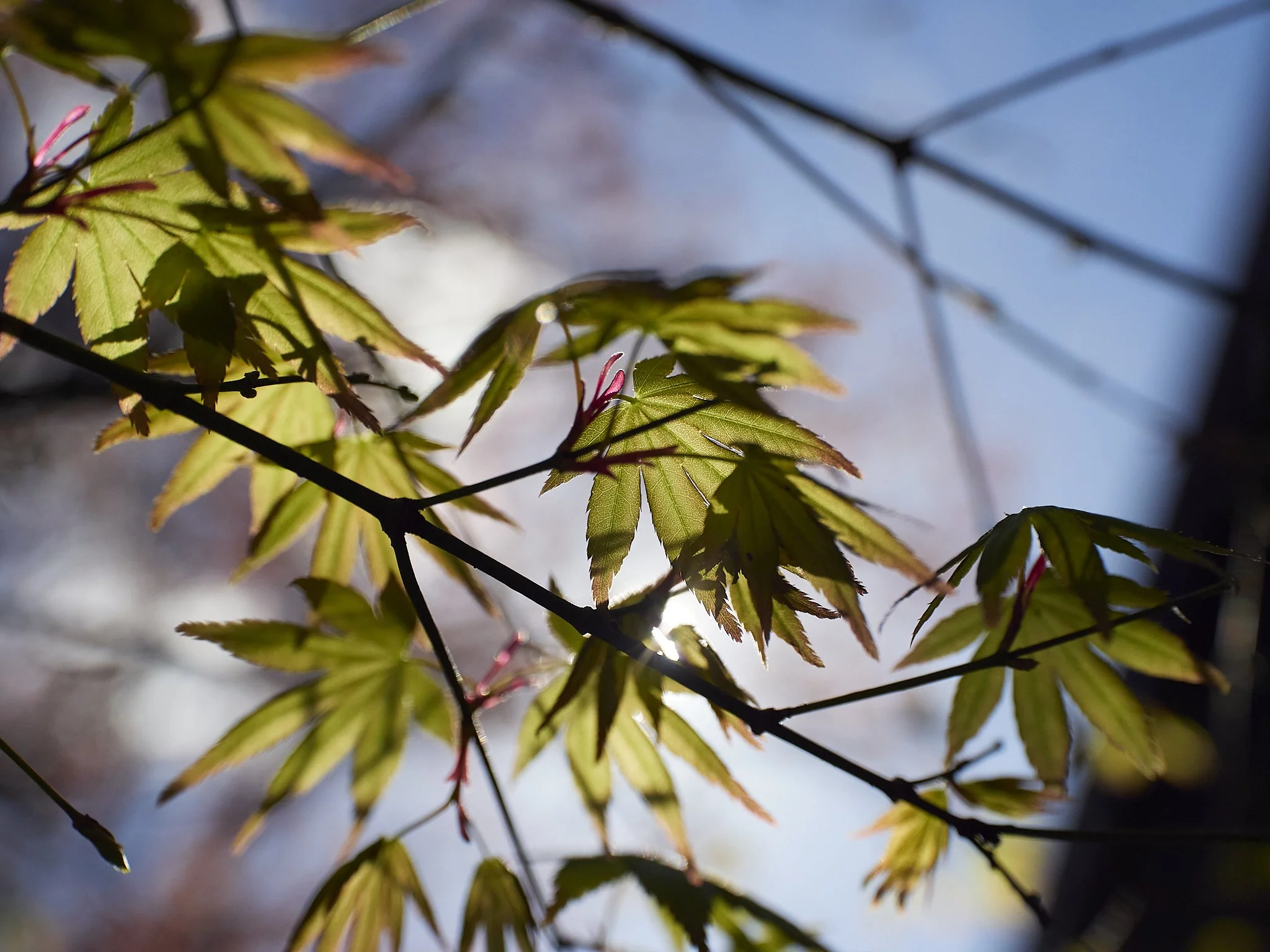
The Hope 25mm (and the 50) just scream “reliable”, even when the sun is mid frame.
7 Artisans Hope 50 T2.1 (MFT mount $450au)
Only bettered by the 25mm and that is mostly for it’s utility, this one is the same basically except for a slightly tighter focus ring, less useful focal length and a slightly harder-sharp look, but these are micro complaints, thoroughly unfair really. The mount is tight and overall handling pleasant. A to A+
7 Artisans Vision 12 T2.9 (MFT mount $399au)
A deviation from my semi-consistent habit of matching sets, the Vision was a better choice for me than the 10mm Hope (too wide) and bought before they were available. It is optically similar to the Hopes, very well controlled and nice to use. The Mount is the loosest I have, but the focus ring is very light and being a wide angle, it works well enough. A-

A very capable option.
7 Artisans Spectrum 35 T2 (L-mount $450-see below)
In isolation I like this lens well enough, but as part of a larger kit it falls short. The colour is very warm-green, completely at odds with the more neutral 50mm and pretty much every other lens I have. A handy one lens option acting as a 50mm in APS-c, it can work alone (although for that role I usually use the Panasonic 35). The mount is a little loose and the focus ring quite tight, meaning it is less than ideal for run-n-gun shooting, better rigged with a focus assist. C+
7 Artisans Spectrum 50 T2 (L-mount $399 bought with the 35 above for $450 on sale)
Unlike the lens above, this one is generally well balanced in my kit. Lighter focussing and tighter on the mount, it handles like the 25 Hope, renders Cool-neutral colour nicely and is for cinema use effectively tack sharp with a pleasantly old fashioned 3D pop. My run of good 50mm options is becoming almost boring, but I will take it. This lens also blends well with the Panasonic S-Primes, probably complimenting the cooler 35mm and 85mm’s as well as any other L-mount lens I have, so a threat to the 50mm S-Prime. A
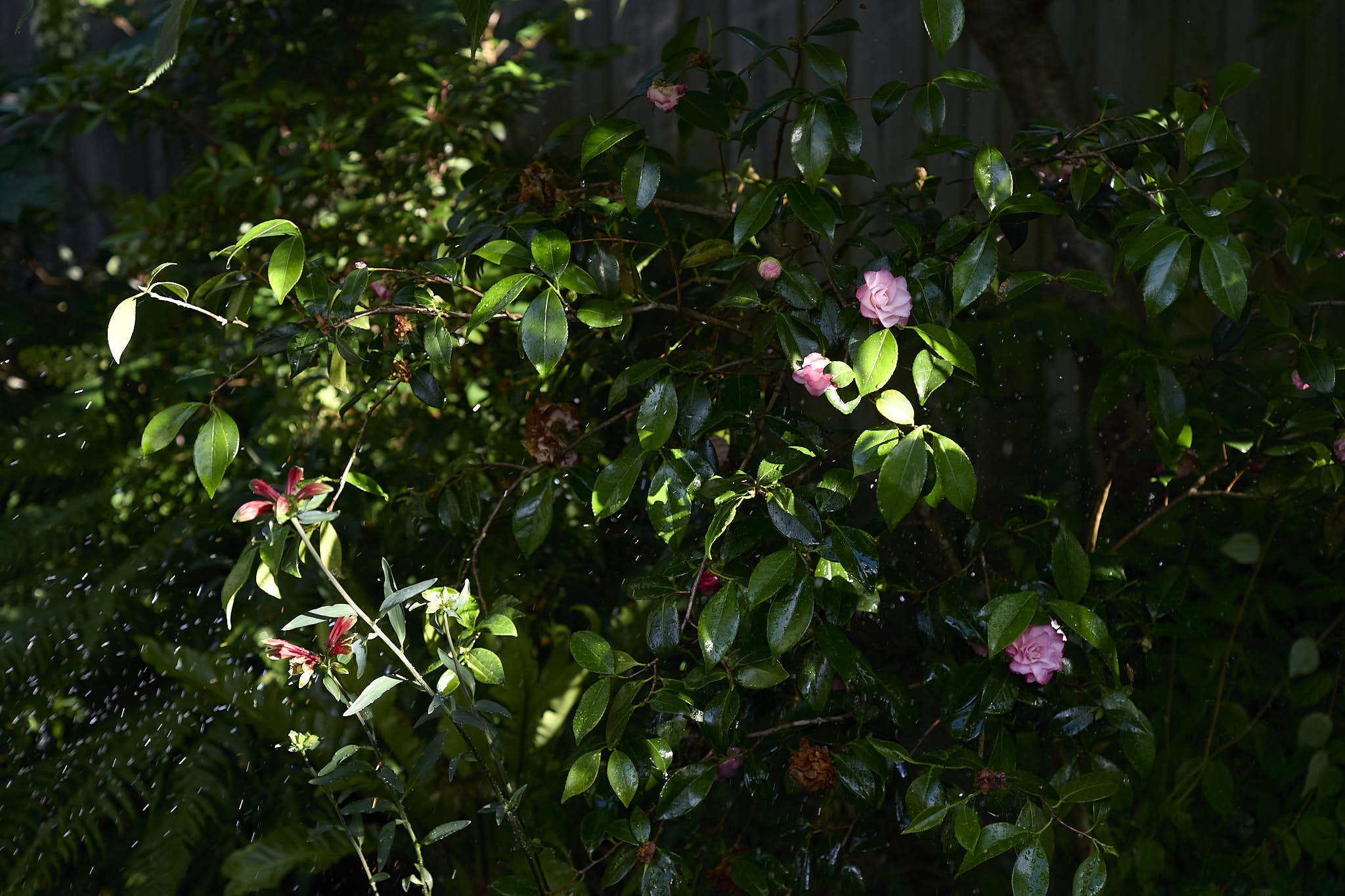
Lovely clarity and depth. There is a “glassiness” to the rendering this lens produces that transcends test charts.
IRIX 150 cine macro T3 (L-mount $2000, paid $1200 on sale)
This monster is from the next tier up, but I bought it well and it fills several roles, including as a stills macro and portrait lens. Nothing bad to say here. Many comparison reviews call IRIX cine lenses sterile and character-less, but as semi-pro lenses that is not really a negative. It matches the 50mm Spectrum and the S-primes well, fits tightly on the mount and has pro grade dampening. It is huge though. A

A very decent stills macro, the long throw being a genuine plus.
Sirui 24 Night Walker T1.1 (MFT mount $500au)
I sold this one recently, partly because it was an odd fit in my kit, partly because it fell short of the Hope 25 in important ways, even taking into account the very bright aperture. I found it harder to focus accurately, poor in close, “impressionistic” wide open and the focus ring was very light, but it fit tightly on the camera, was light and a nice lens to use. B+ to A
Sirui 50mm Anamorphic T1.8 (L-mount $500au)
Only used it a couple of times, but very happy with it generally. Bought as the missing link in my anamorphic set, this lens is sharp, well corrected and pleasant to use with good lens speed and a portrait perspective (equivalent to a full frame 75mm in image height, 50mm in width).
The mount is decently tight, the focus ring firm, but not prohibitively so and it can render strong anamorphic characteristics when needed. It has a rubbish close focus, but that is an anamorphic thing. This lens covers APS-C, so it acts as a “75mm height by 50mm width” equivalent short tele, but it almost covers full frame as well making it a usable 60x40mm option. A
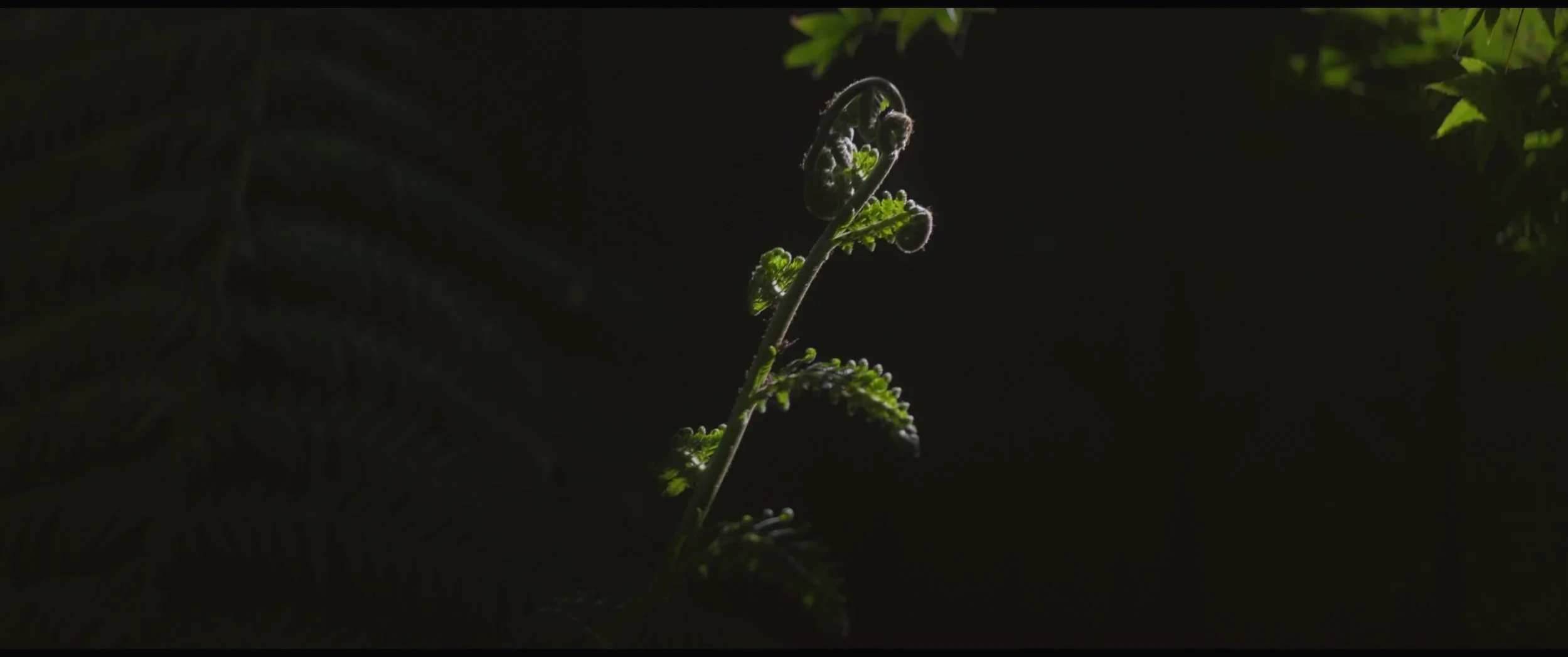
A lift from some 4k test footage.
Sirui 24mm Anamorphic T2.8 (MFT mount $500au)
My first choice in anamorphic and I have 2, this is the “50mm high by 35mm wide” or on the GH5s a 45x30, standard lens. It is well controlled for an anamorphic, capable of showing its characteristics or acting as a well behaved wide screen lens. I feel the 50 is a hair sharper looking, but it is close. Having the three over two formats means I can shoot them all at once, ideal for interviews or long takes. A
Antique 25mm f2.8 half frame Olympus lens (MFT mount $0-saved from the bin)
It would be cheeky to say “good value for money”, but even so, it is a surprise and testament to the quality of older glass. Bokeh and flare are interesting, colour cool and retro-muted, contrast high and it handles like it was bought yesterday, which is impressive as it is nearly 60 years old.
It is sharp wide open, but the contrast drops slightly, cleaning up strongly by f4. The adapter I have is a perfect fit, making the whole thing reassuringly pleasant to use. Maybe the perfect lens for an indie project? B+
A word on the Panasonic S-primes (about $1000au each).
I have the 35, 50 and 85mm primes and they are all excellent, genuine hybrid cine-stills lenses, matching each other mechanically and quite well optically (the 50mm is slightly warmer). No issues with mounts or handling, just nice and to be honest more than enough, putting a lot of pressure on my Spectrums (The IRIX is in it’s own space as a tele-macro). My only slight complaint is the price, averaging $1000au, but they are good, reassuringly good and of course they get a lot of work as stills lenses. A

The 35 is my favourite, rending nicely at f4.
Panasonic-Leica 9mm (MFT $800au)
I am including this one MFT stills lens out of a crowded field because it is the lens I use most often with the G9II in “all auto” or AF tracking and stabiliser mode. Optically it is spectacular, almost a macro, light and super invisible on the cam, super fast and sure footed AF and with heavy stabilising applied, it is still usefull (about a 21-24mm equiv). A+
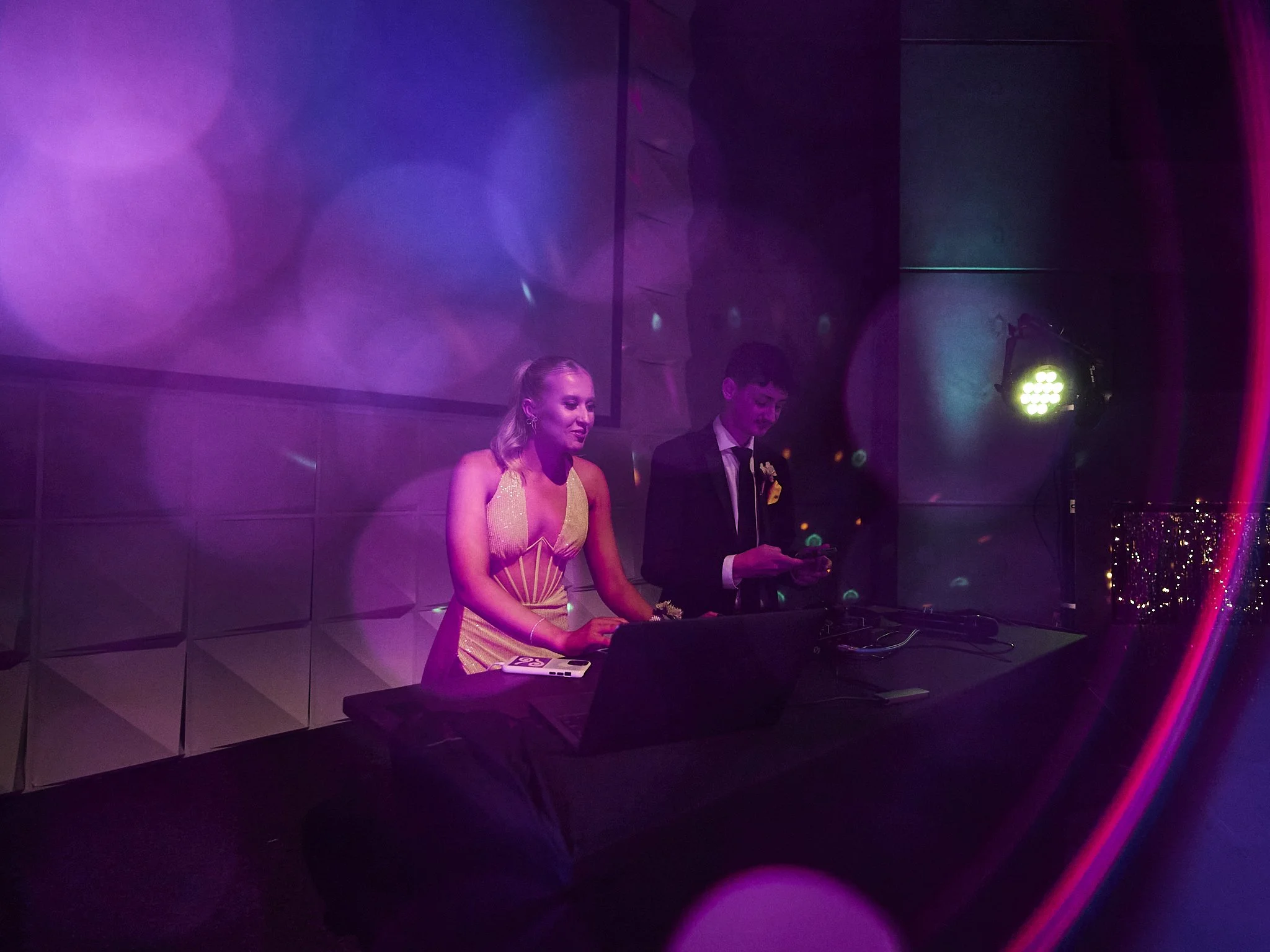
Some really interesting flare characteristics from the 9mm.
At the top I said I have been brave and lucky.
Brave because every time you buy lenses in this class there is a chance you will get a dud, probably more so than some other classes, like the Hope 16mm I returned as it was clearly a poor sample (loose mount, very tight focus, obvious optical issues). I knew this was poor because the two before it were excellent, but would I have known without comparison?
Lucky because at this point, I have a workable set of L-mount, MFT and anamorphic lenses, some are even stellar performers. Two Hope, two Spectrum, three Panasonic S-Primes, various MFT stills lenses, three anamorphic lenses over two formats, an IRIX macro and Vision wide angle. Quite a diverse set, but it works and they seem to gel.
Other paths I could have taken were the Panasonic f1.7 zooms, lenses that would have empowered my MFT cameras enough to avoid full frame all together or alternatively a couple of DZO Vespid or IRIX cine lenses in PL mount, able to be adapted to both formats or finally, complete my S-primes and zooms. Looking all both these options, I have probably saved some money, but added difficulty.