I have been deep diving into cine lenses (again, oh will it ever stop). Things that put me off are basically price, as “budget” in cine lens still means real money. The other thing is that nagging feeling that I may have what I need.
Below are three shots lifted from some footage taken on a gloomy afternoon on the GH5s and Hope 25mm at ISO 800 showing the three primary elements in focus wide open, and their relationship to each other (Bokeh etc). This was also pretty robustly processed from B-Raw and handled it well.
The top frame is sharp on the subject with pleasant blurring at T2.1. The second shows the blurring before and after the focal plain, nothing objectionable to see here. The last is focussed on the tree (obviously) and again, a story of harmonious transitions. The lens focussed with ease, I repeated the shift several times with the same result, and the fish was moving.
I then did some close work with it and managed to get within inches of a single leaf.
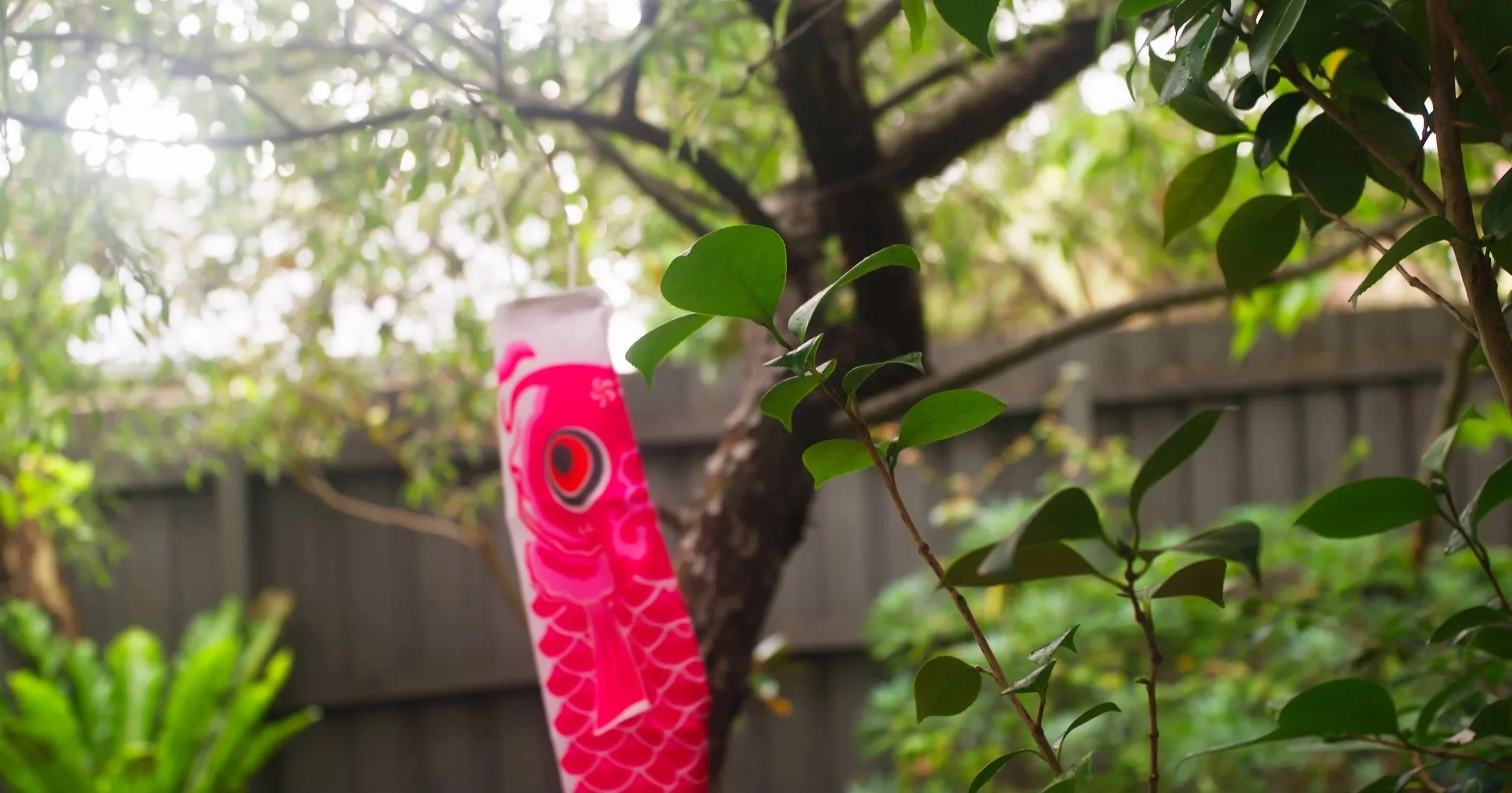
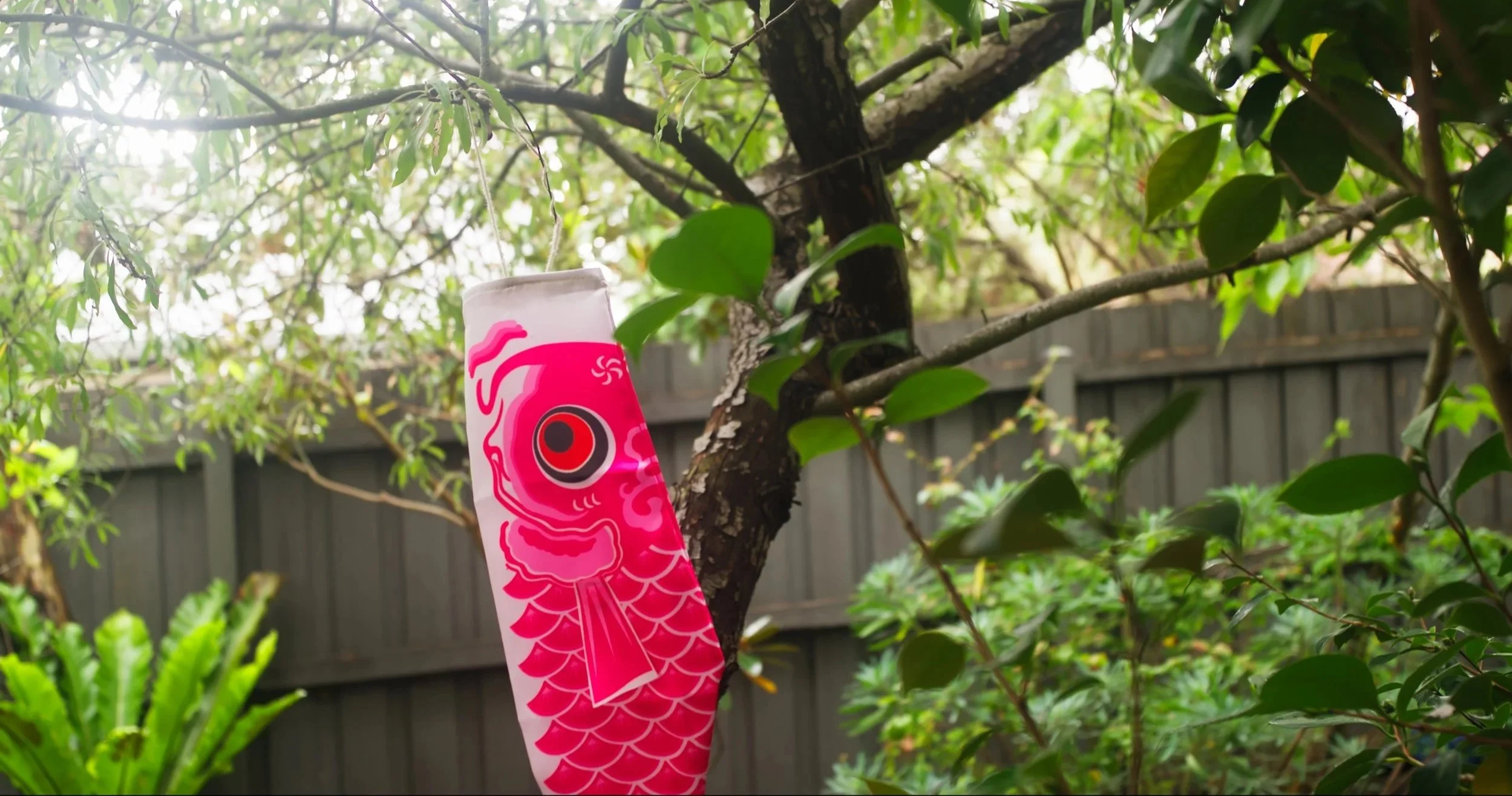
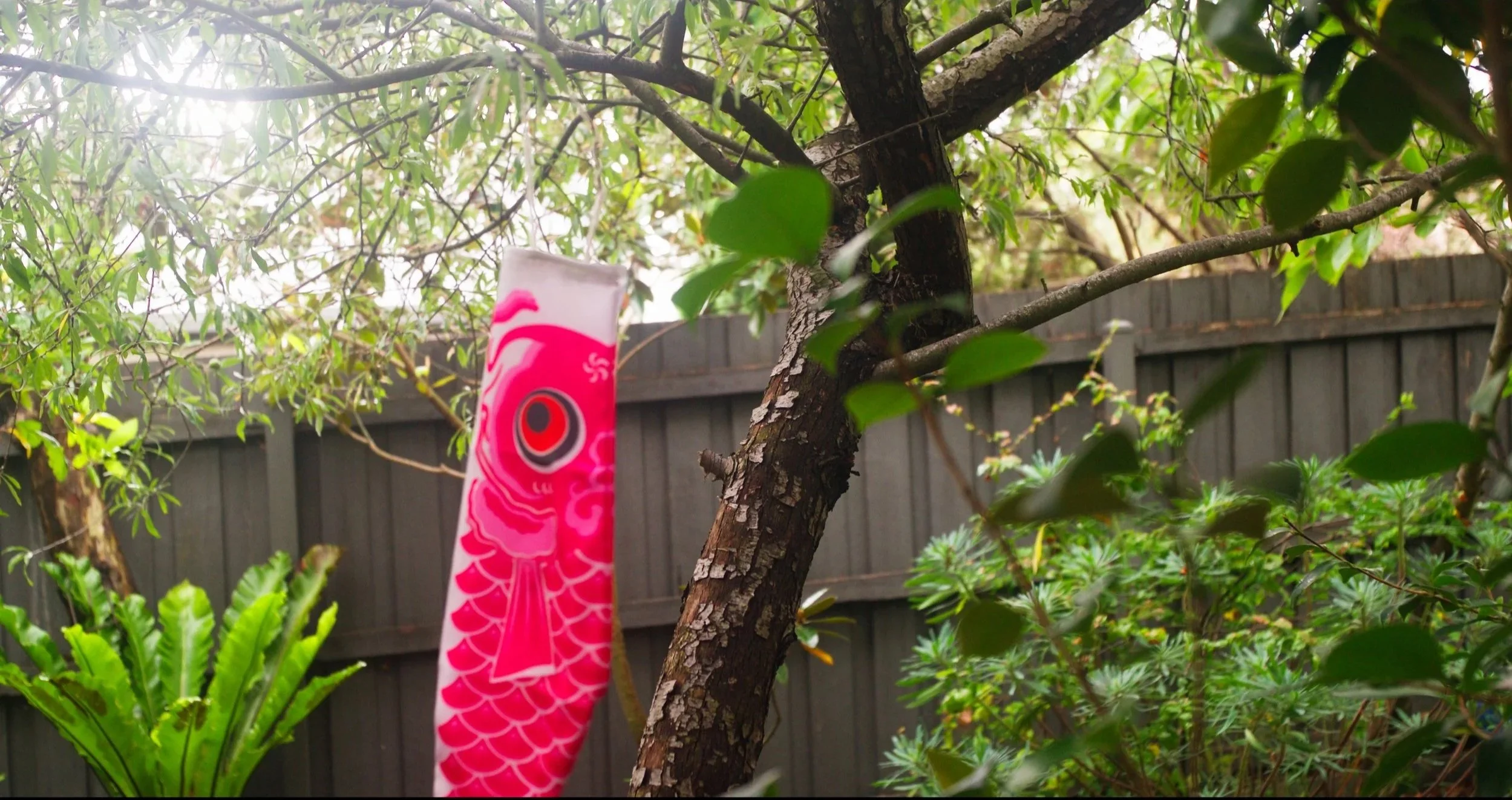
In the three test files above, I cannot see anything I would want more of. The light was low and to be honest rubbish, the subjects pedestrian, but I got some decent footage. It actually surprised me. The thing I like most is the feeling of smooth clarity not high contrast, super sharpness, like I would be chasing for stills.

This type of super sharp/soft, flat perspective suits most for modern stills imaging, but maybe not cinematic video, which may be part of the reason I am drawn to MFT, it adds more depth and by its very nature cannot be obsessive about super shallow depth of field.
My stable holds several mounts (use this analogy a lot it seems, might have horse ownership issues), from Anamorphic Sirui, 7Art lenses of various types and some other stuff.
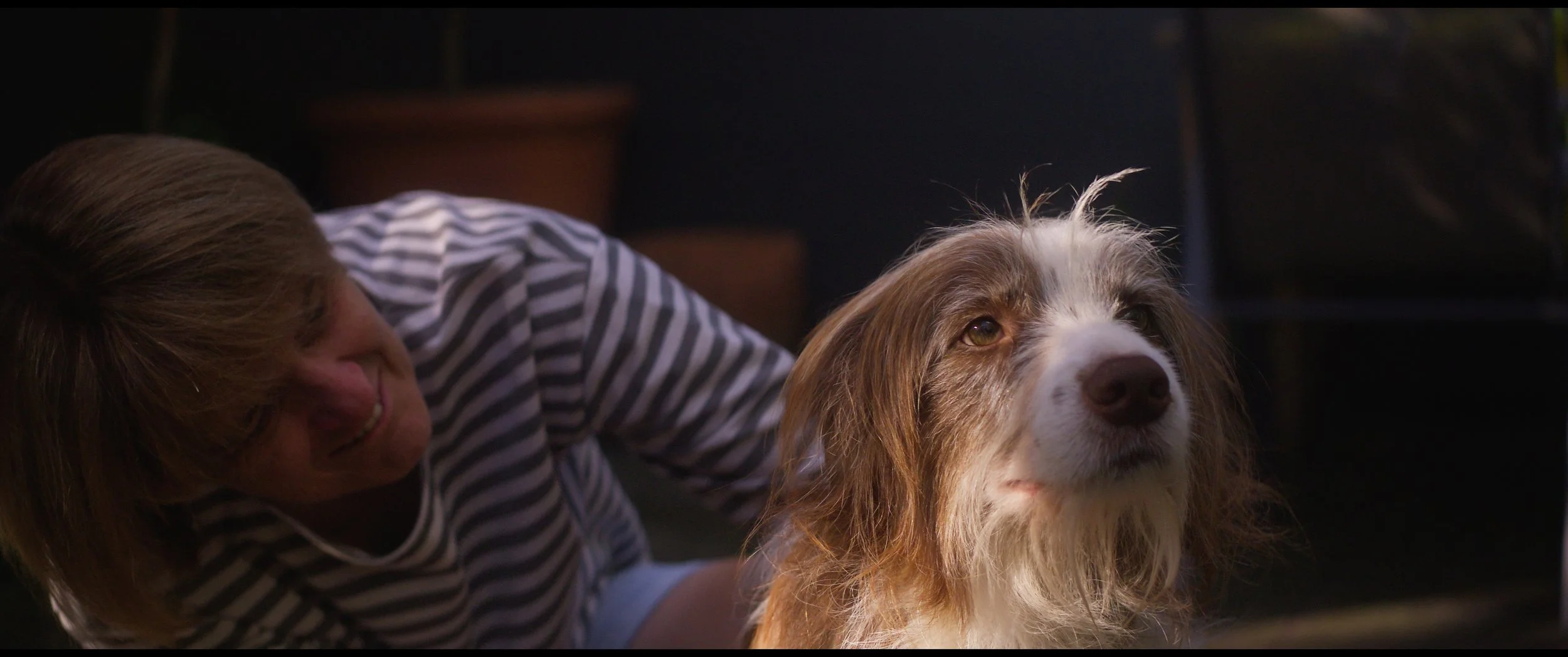
This was lifted a clip make with my 50mm anamorphic Sirui on the S5, quickly becoming a favourite and I love that 2.4:1 ratio.
The file above had the benefit of nice light and the 4k footage is sublime (lifted stills do not do it justice). We should always test our stuff in good situations and chase good results because we will use them this way and good results inspire us to do more.
I guess what I am trying to say badly is, with all the options available, so much opinion and as many who do comparison tests find, much of this opinion is misleading or irrelevant, that short of buying or renting them all and doing it yourself, there are few ways of really knowing.
I have been pining after a Vespid Prime (mk1), but at $1300au plus two adapters (minimum $500), I have to ask myself, what am I actually gaining over the Spectrum 50, Hope 25 and 50, Sirui anamorphic trio that are all showing consistent sharpness, very stable performance and each has its own “look”?

The Spectrum 50mm shows an old fashioned depth, a glassiness and three dimensionality. What I like about it is its ability to be transparent, make the viewer unaware of the experience of looking at a made process. I doubt 7Artisans had that in mind, they most likely just copied an old lens design, but the end result is the same.
If I get a Vespid (the 25 is the logical one for multiple formats), would I find soon after the glow of a new and impressive monster lens is gone, that I actually see little difference between it and the “lesser” glass I have. Would I also threaten to unjustly make them all redundant simply by comparison of price and mystique?
The Hope lenses for example have basically no focus breathing, are super sharp even wide open, are consistent in handling and design and handle flare and distortion as well as many dearer lenses, the only thing they lack it seems is the big name credibility and gravitas of other makes https://www.youtube.com/watch?v=JHO2xLuTWMM , https://www.youtube.com/watch?v=RAuzetwxmb8 , https://www.youtube.com/watch?v=MBihTU8lZTo , https://www.youtube.com/watch?v=6lZxV605zGQ , https://www.youtube.com/watch?v=Wyb8Du0YvIA etc.
Some of these reviews place fewer caveats on them than their other reviews of lenses several times dearer.
The only minor complaint is a slight colour shift with two in the set, something lenses of any level can manifest. I did get a dud 16mm that I returned, so consistency may be an issue, but the two I have are above criticism.
The Sirui’s always impress and look delicately sharp with all the cool elements of anamorphic shooting, but in controlled doses. The Spectrum 50 (and the 35, which I like less) seems to have a 3D look that is missing in many newer lenses and stand up to dearer glass like the Panasonic S-Primes. The Hope/Vision combo are clean and stable, a great base to work from.
So, what is actually missing?
Some samples I have seen made with these lenses are genuinely impressive, while some samples from Vespids or even better glass are less impressive. Too many variables in play, too many processes and levels of review.
I have noticed there is a natural bigotry involved. The best glass is put on the best cameras (often has to be due to mount limitations) and used by the most experienced technicians, the lesser lenses are often tested and reviewed from the perspective of the beginner or budget conscious indie film makers perspective, hardy an even playing field.
Luc Forsyth for example did an interesting blind test of two budget cine lens sets (Vespid and Nisi Athenas), his Sony G masters and some Cookes https://www.youtube.com/watch?v=0TSkj1AK8qs (he chose the Vespids for handling and overall performance).
He and a friend blind guessed which was which and they were all over the place, as was I. In a variety of different situations, each had the capacity to look like another. Even the most clinical of modern stills glass sometimes compared well to the character filled Cookes.
The assumed character of the Vespids sometimes had less character than the Nisi. The very expensive Cookes were mistaken for others and the only lenses that were easily picked (because Luc had been using them for years), were the super sharp and contrasty Sony stills lenses and sometimes, they did look the best.
Sure, the very best lenses are the very best, but the rest are relying on you using them well and then seeing something special. They are all capable of that.
Another reviewer compared the Vespids, Nisi and IRIX https://www.youtube.com/watch?v=iEiStRQxBTk and again, the lenses all had good and bad points.
I am sometimes amazed at the lack of tangible difference between top tier glass and budget options. He went for the less perfect Vespids, as they had added flaws = character, but could also be used more clinically by stopping them down.
In my own stills testing, I found the IRIX and Spectrum lenses quite similar.
One reviewer testing lenses for a big upcoming project https://www.youtube.com/watch?v=ZNxPI-mHmv4 seemed to react as much to the camera used as the lenses and he was comparing Cooke S3’s to rehoused stills glass, Zeiss, Vespids, modern wonder lenses and more. He chose the Cooke glass as he liked the look and had the budget, but the reality is, if you change camera, project, processing, taste or mood, other things may change.
So, if a lens is sharp, stable, nice to use, has good control of aberrations and you like the results, what more is there?
Better still, of the several options I have, I can access several different “looks” from delicate to contrasty or smooth sharp, so again, what more is needed?
The other thing hanging out there is filtration. Most of these lenses will get filtering of some type from the many options there are to choose from, unless the lens has its own softness, so many more combinations need to be considered. What is the point of adding a black Pro Mist to a premium lens if the end result is effectively a lesser lens?
I see value in choosing a lens for it’s unique look like an antique legacy optic, or an anamorphic with it’s obvious character. I also get it when a lens is a genuine exemplar of perfection in lens making, a transcendent optic, but I struggle when the difference is basically a matter of opinion and at the moment in the $350-$3000 range, there seems to be a lot of that.
I also realise that a good clip is the sum of all of its parts. The lens is an important element, but it will not hold the shot alone. I do wonder sometimes how much importance I should place on it, especially before I perfect so many other parts of the whole.
Just my five cents worth after a torrid few months of review chasing.
The same time spent using what I have may have actually produced some good results and I know that.