My journey with Nikkor antique lenses is continuing.
I went looking for a 55 micro and found the f3.5 model (K version 75-77 by serial number) for about $100au in “near mint” condition ex Japan.
This gives me a 28 and 55 of similar age and pedigree (28/40/55/80 for video on the S5), enough to shoot most of my video, maybe adding the Contax 85 f2.8 if I want.
What is it like?
For a lens almost as old as me (be kind), it is clean, as in cleaner than some of my current lenses, the glass pristine and the mount lightly worn.
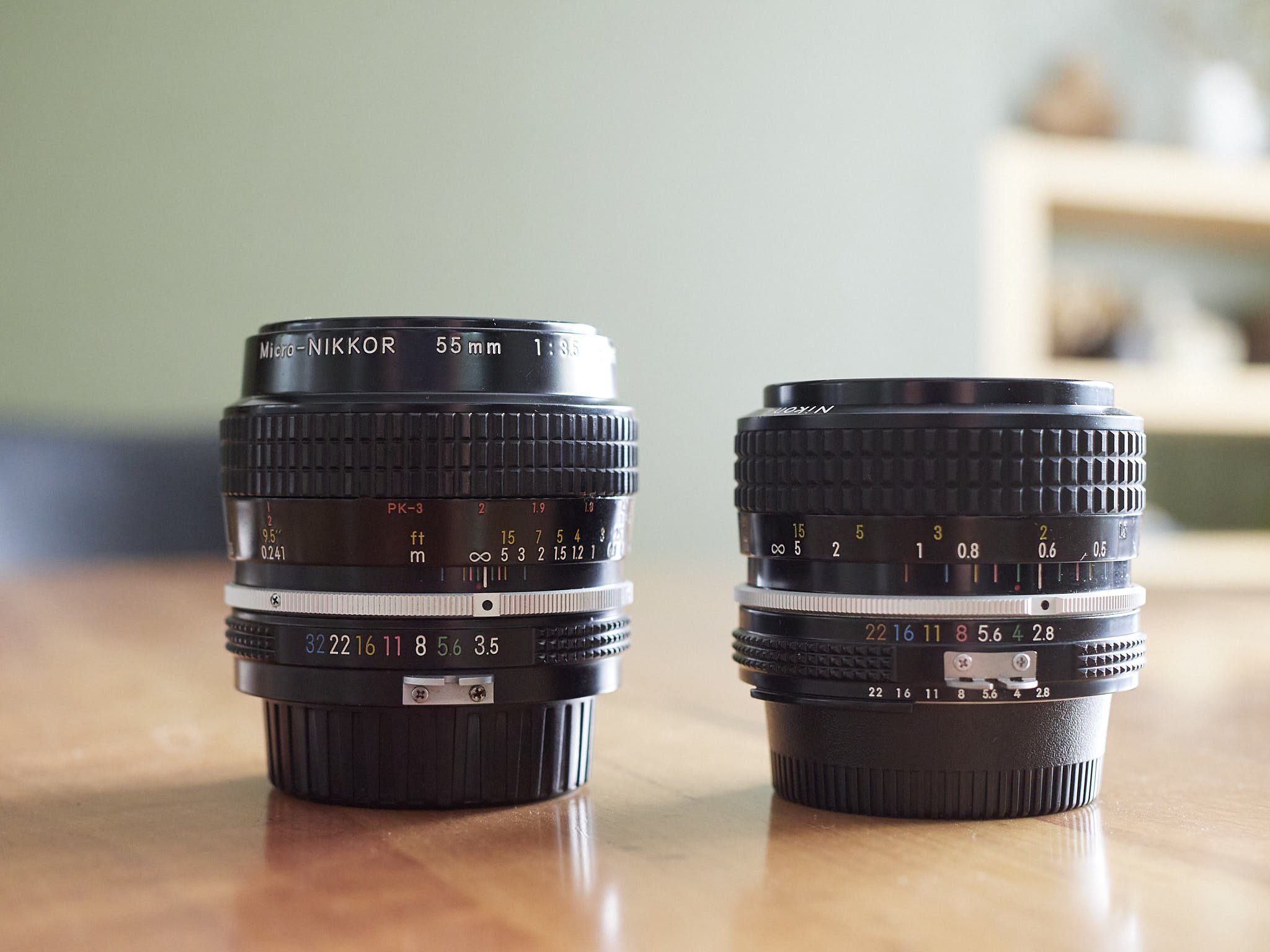
A neat pair. Hard to believe they have racked up 80+ years between them.
No lens hood needed, this is an “old school” macro with long throw and a small glass grouping.
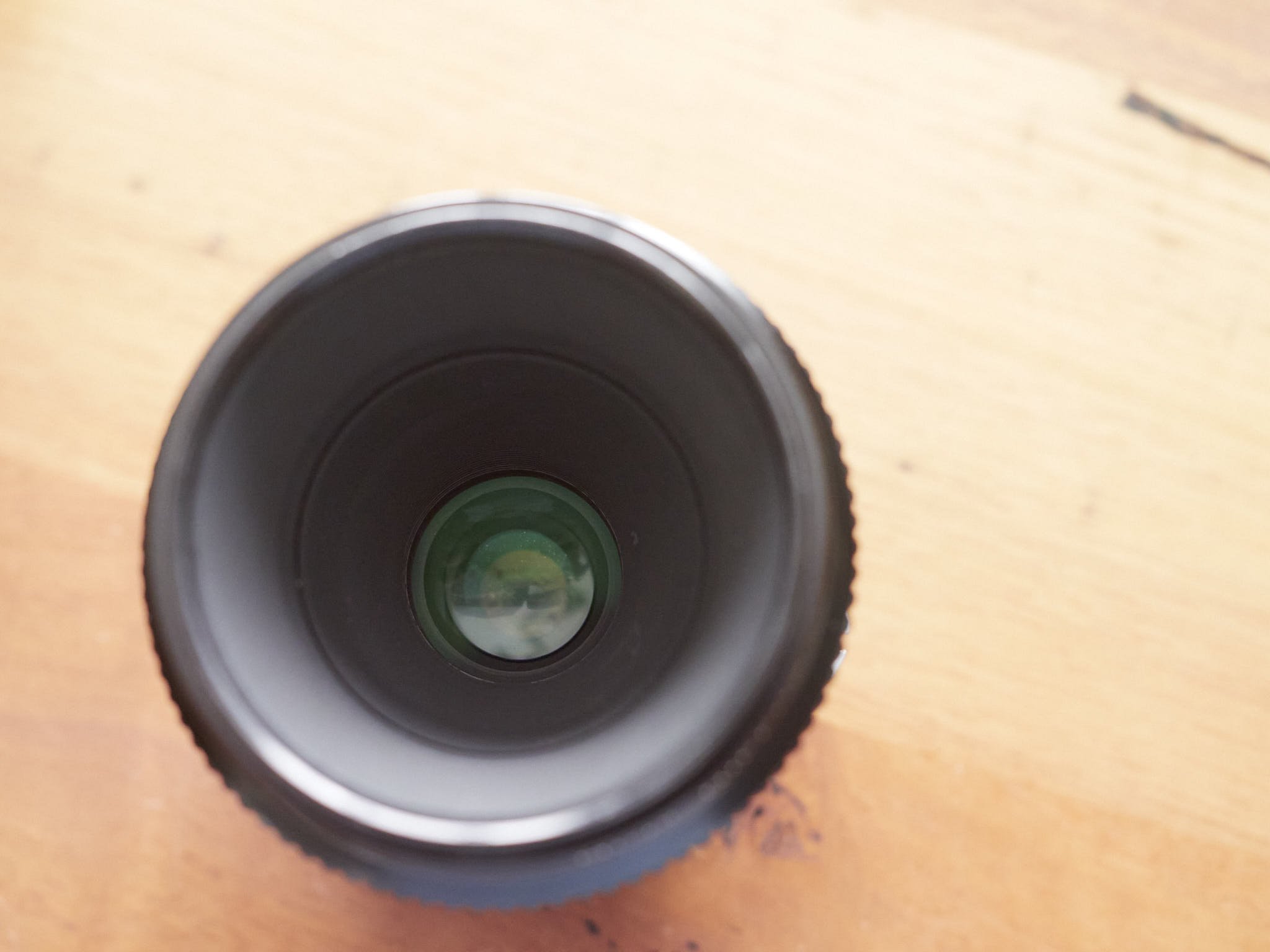
Hold on, it’s a long way down there. The last time I had a lens like this was the old EF 50 f2.5 Canon, another cracker of a lens (possibly Canons sharpest lens by price and modest spectacularity).
The focus ring is not super smooth, 50 year old grease a little deteriorated maybe, but it is smooth and accurate with no play. The throw is interesting, but not a huge surprise.
The close range is huge, almost cine-like, the range from 1m to infinity however is about 1”, maybe less, so accuracy might be an issue for video.
Image quality?
I was looking for a 3D look with high clarity and sharpness without clinical hardness, something older lenses with a low number of mostly un-corrected elements and lead based glass (higher refractive indices) can provide. A sort of natural transparency in contrast to the modern flat rendering of “perfect” glass.
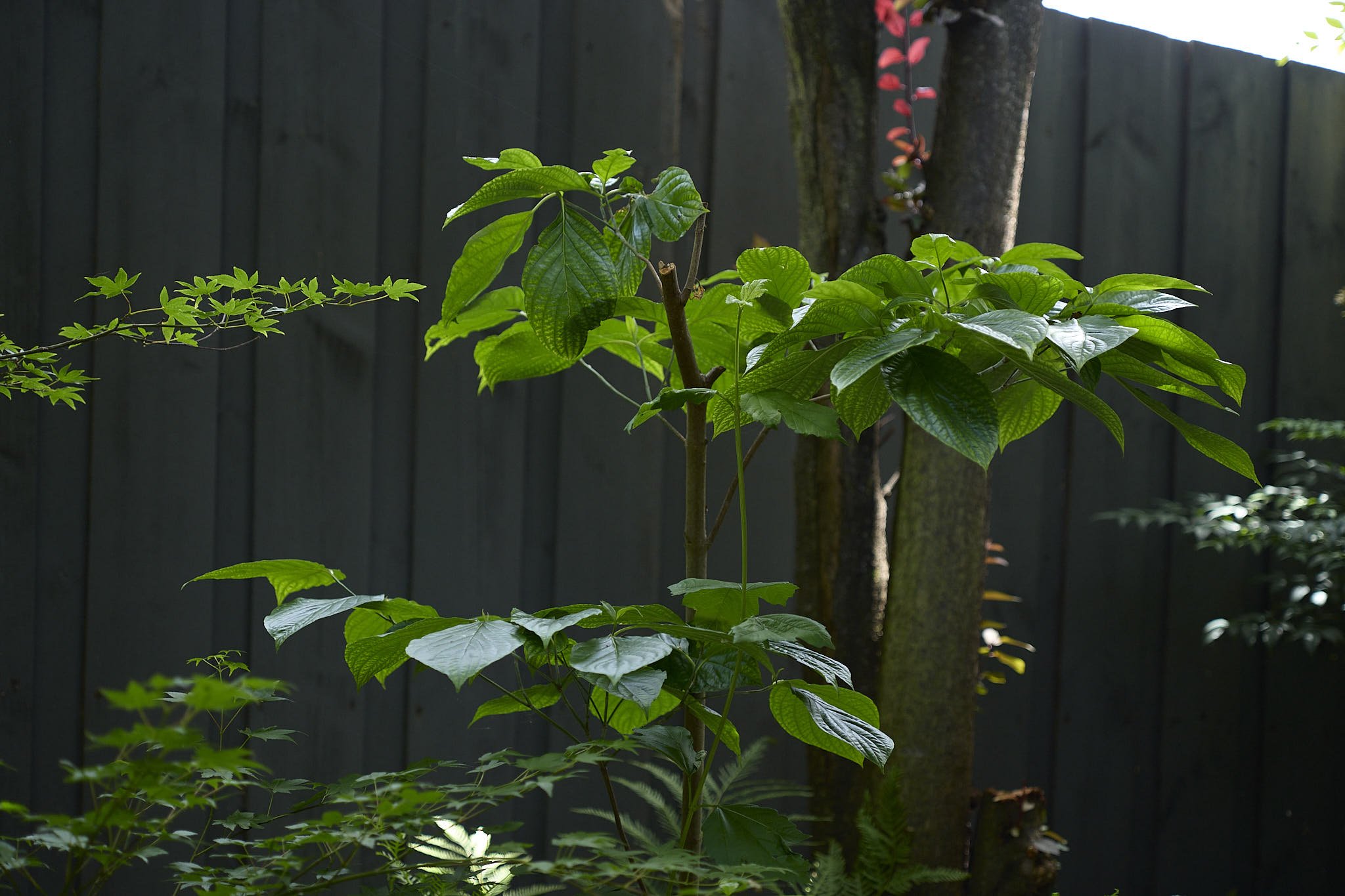
Does it have that special something?
It is clear, sharp and the Bokeh is lovely, really lovely.
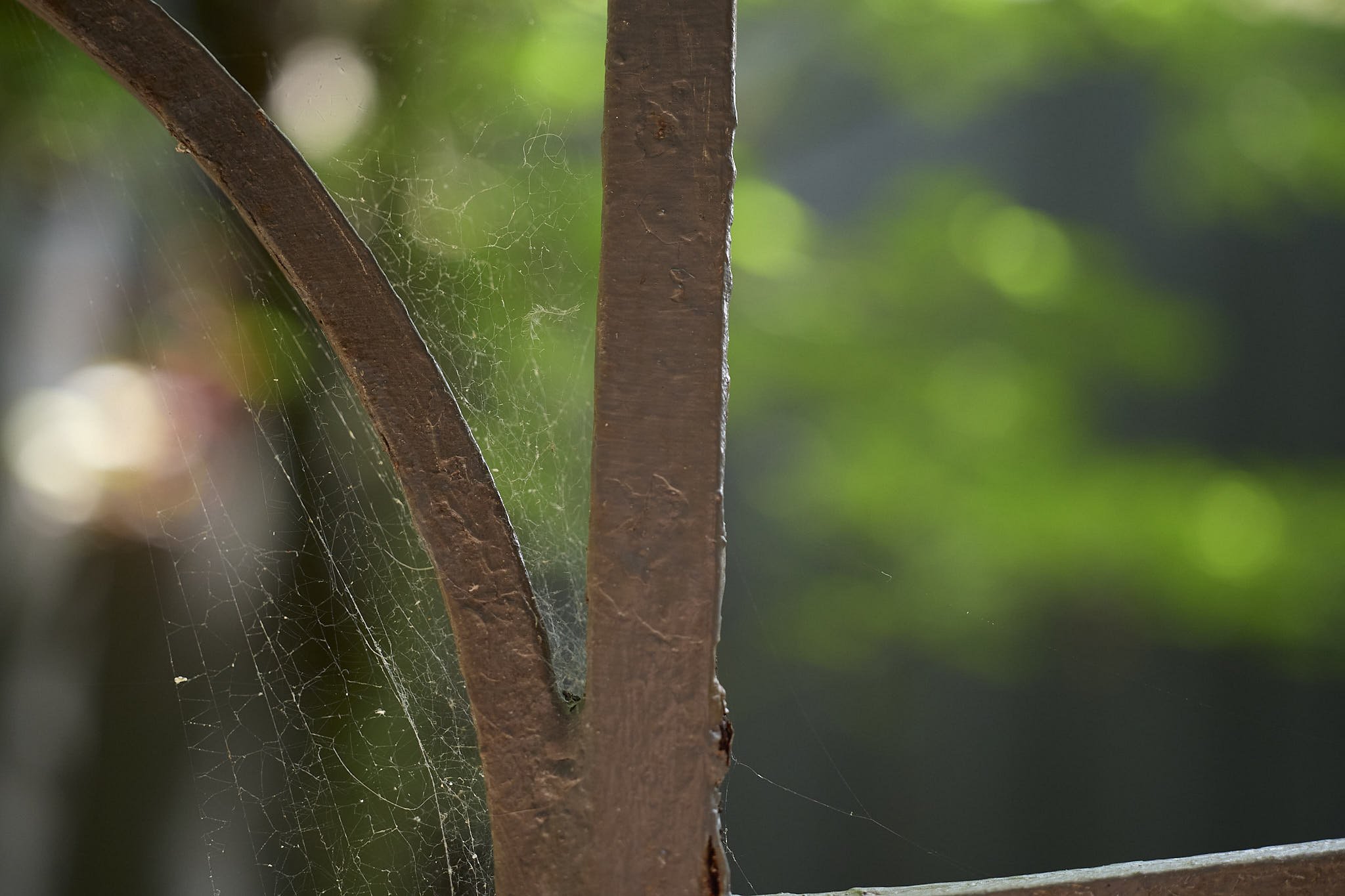
No manipulation was applied apart from some exposure adjustment.
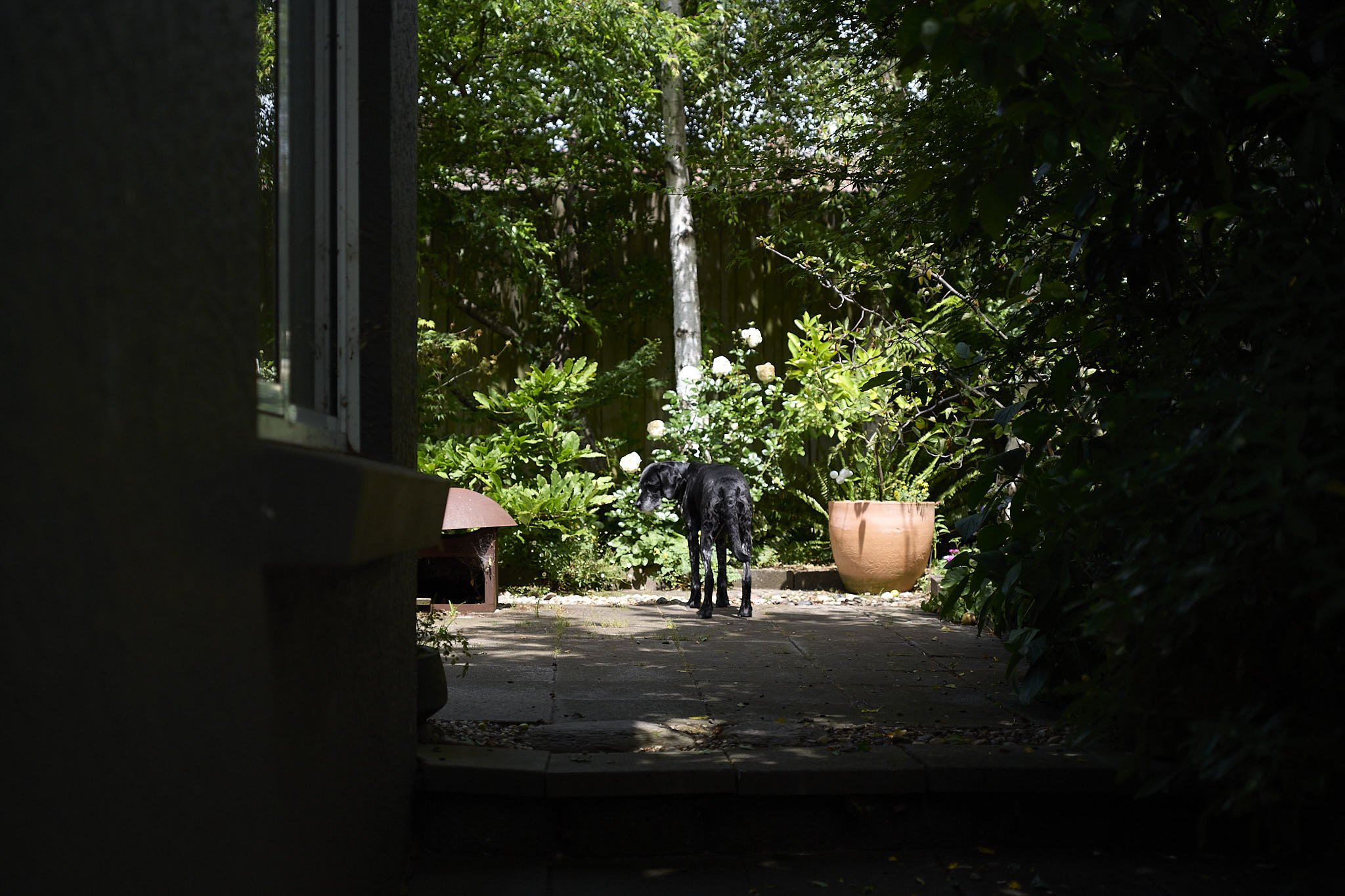
There is a language (see an earlier post) of painting a big canvas with small details waiting to be discovered. It does feel different in use, my perceptions aware of a larger rendering.
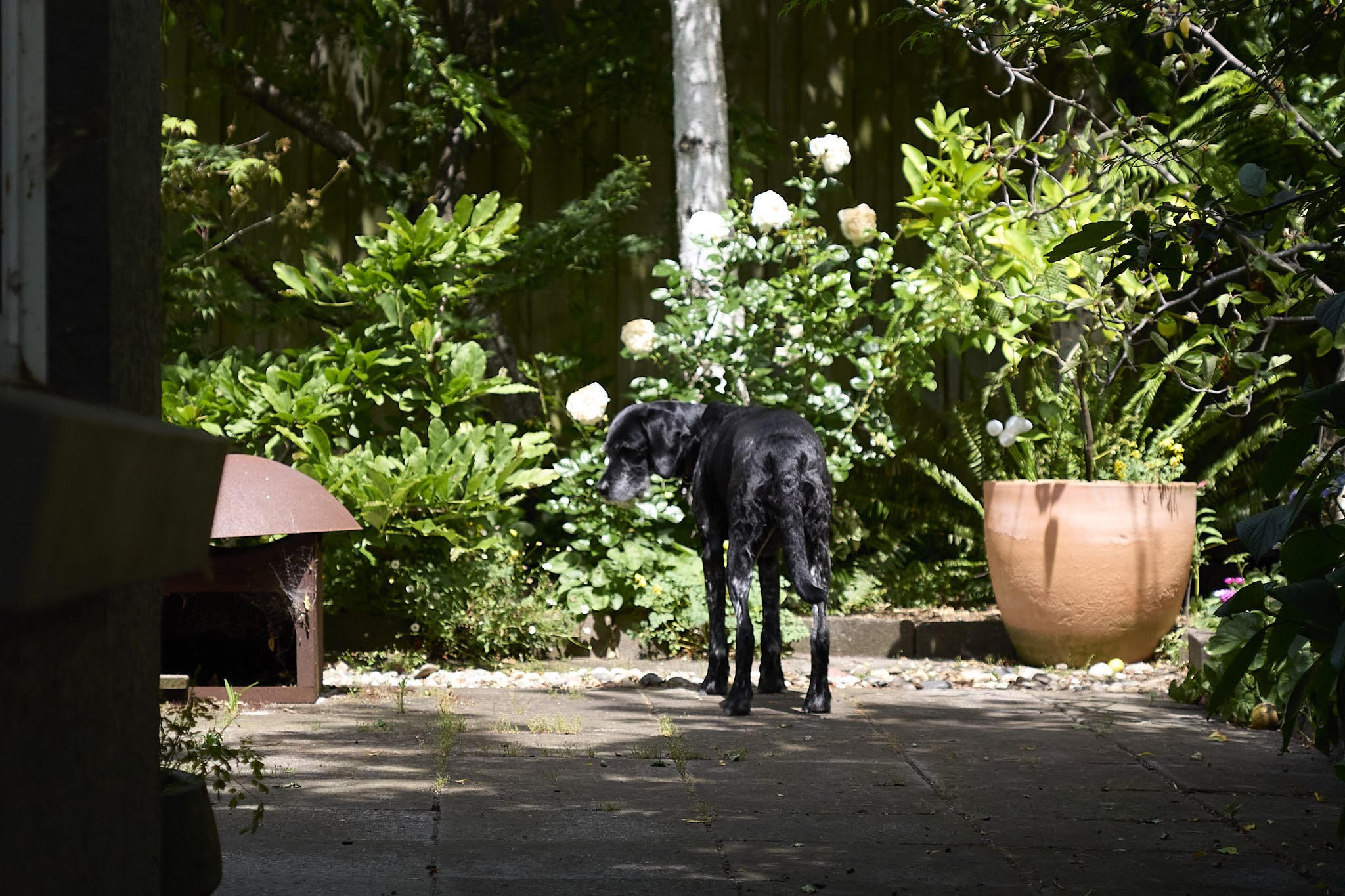
Even after cropping, it draws you to the subject effortlessly, an interesting trick for a 50mm lens with a slow aperture at distance.
All the images above were taken from the same place. No flare or other aberrations evident.
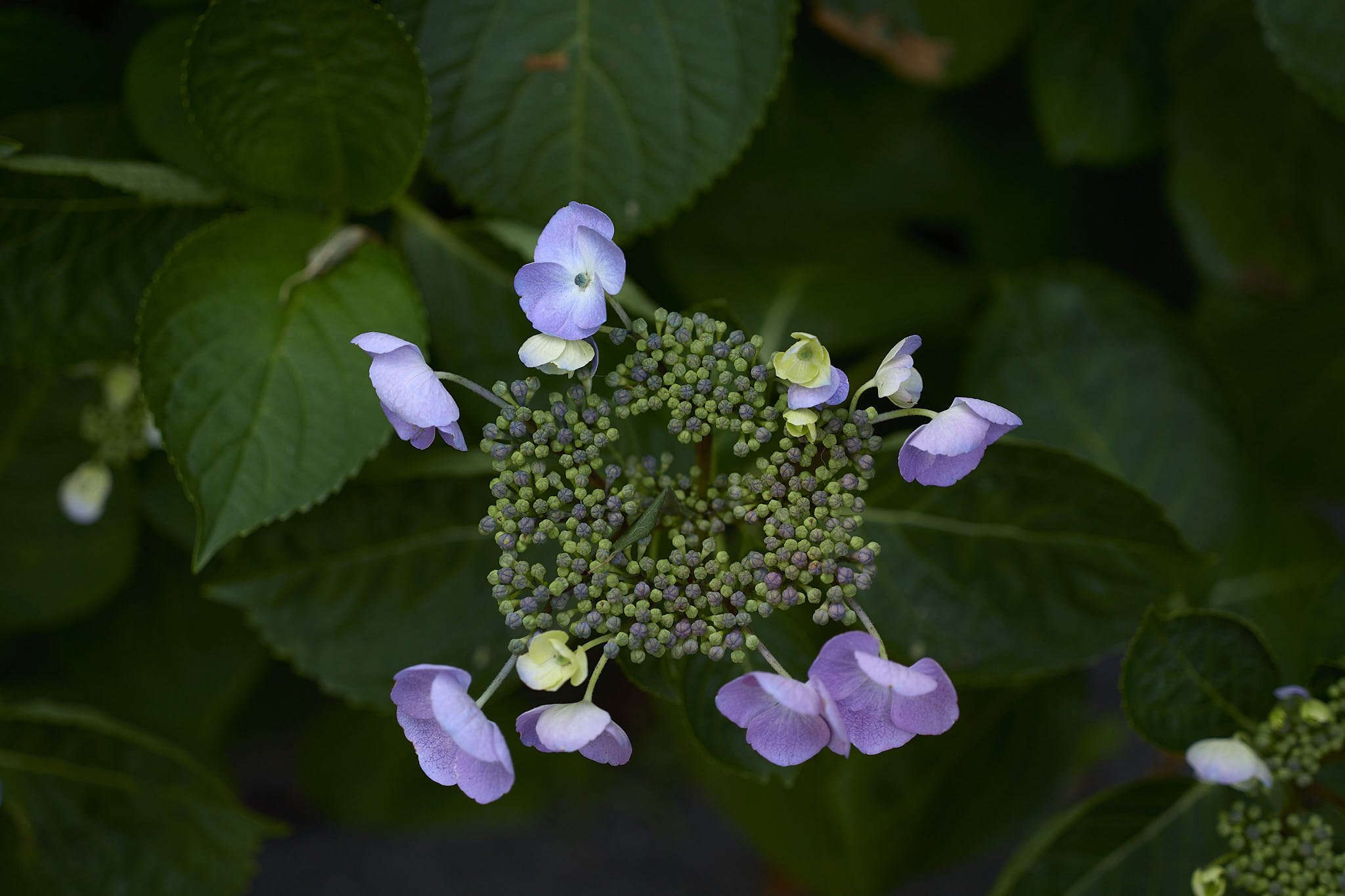
This image, taken in a short burst of curiosity, is genuinely delightful. Transition of focus, sharpness, colour, 3D look and overall rendering is very harmonious. It is no wonder that this and it’s mild upgrade the 55 f2.8 ran for 1965 until quite recently. Apparently the older lens was slightly sharper wide open, the f2.8 edging it at f4, then all evens from there on.
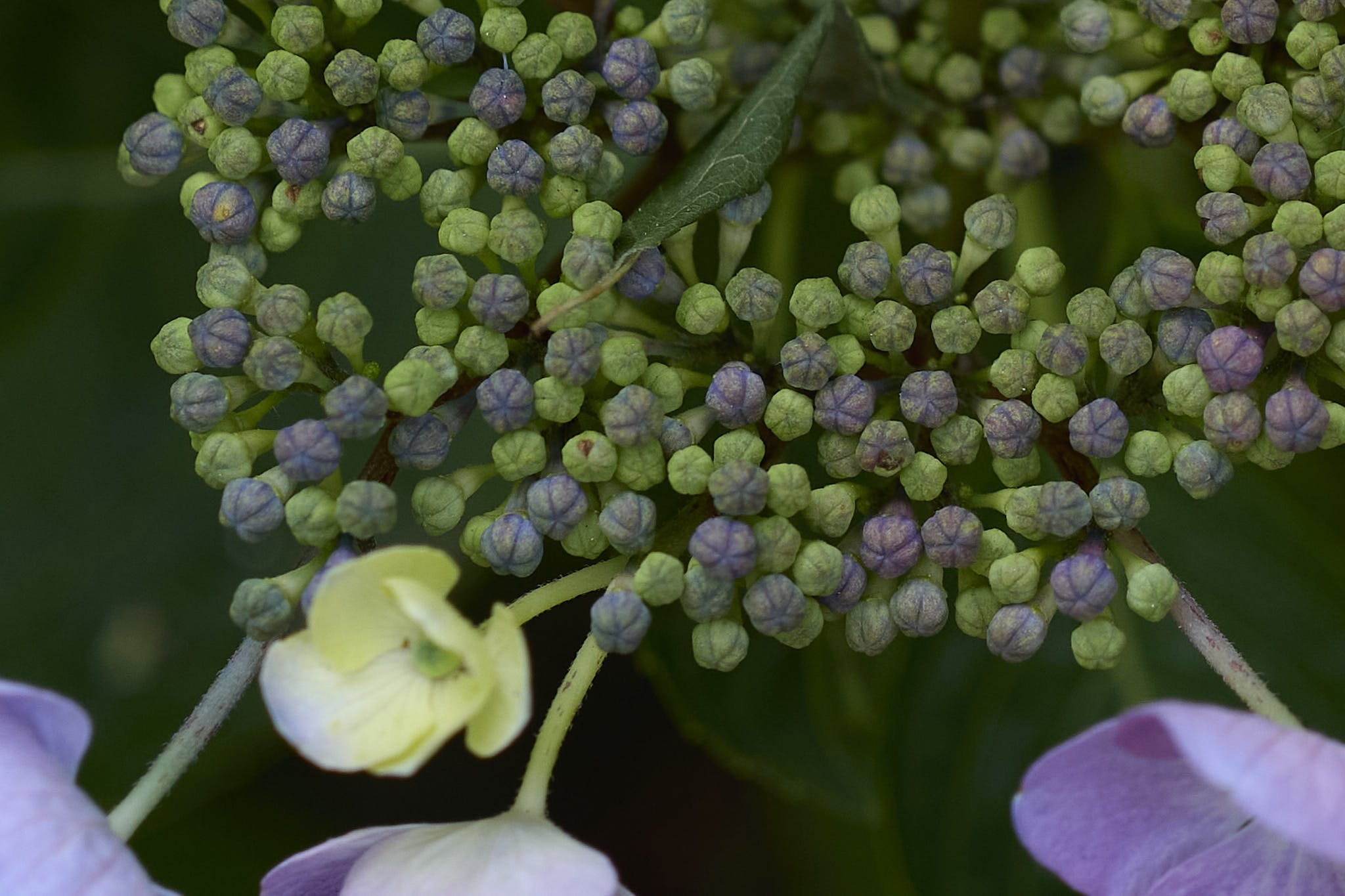
Nothing wrong there.
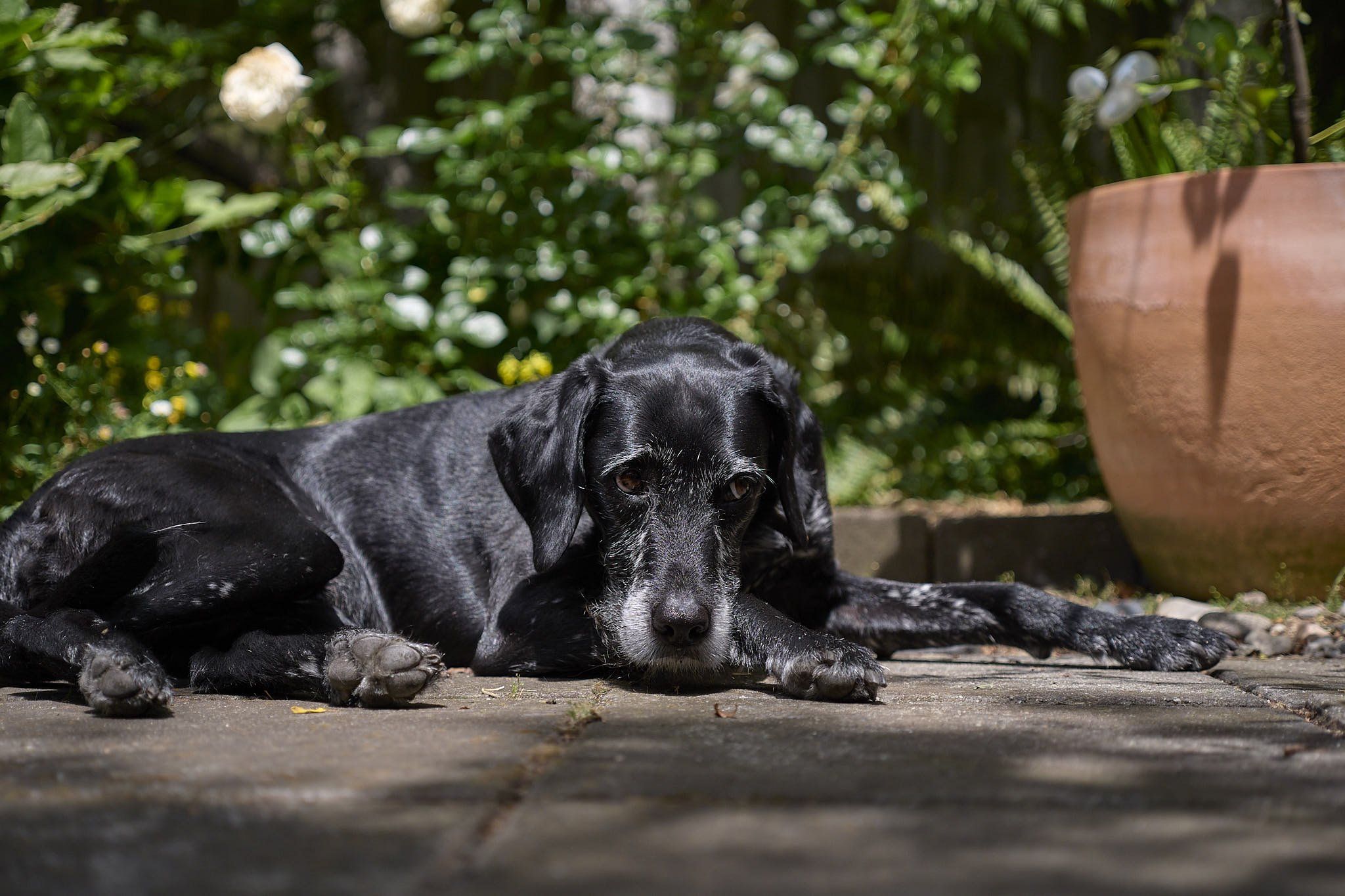
The full image.
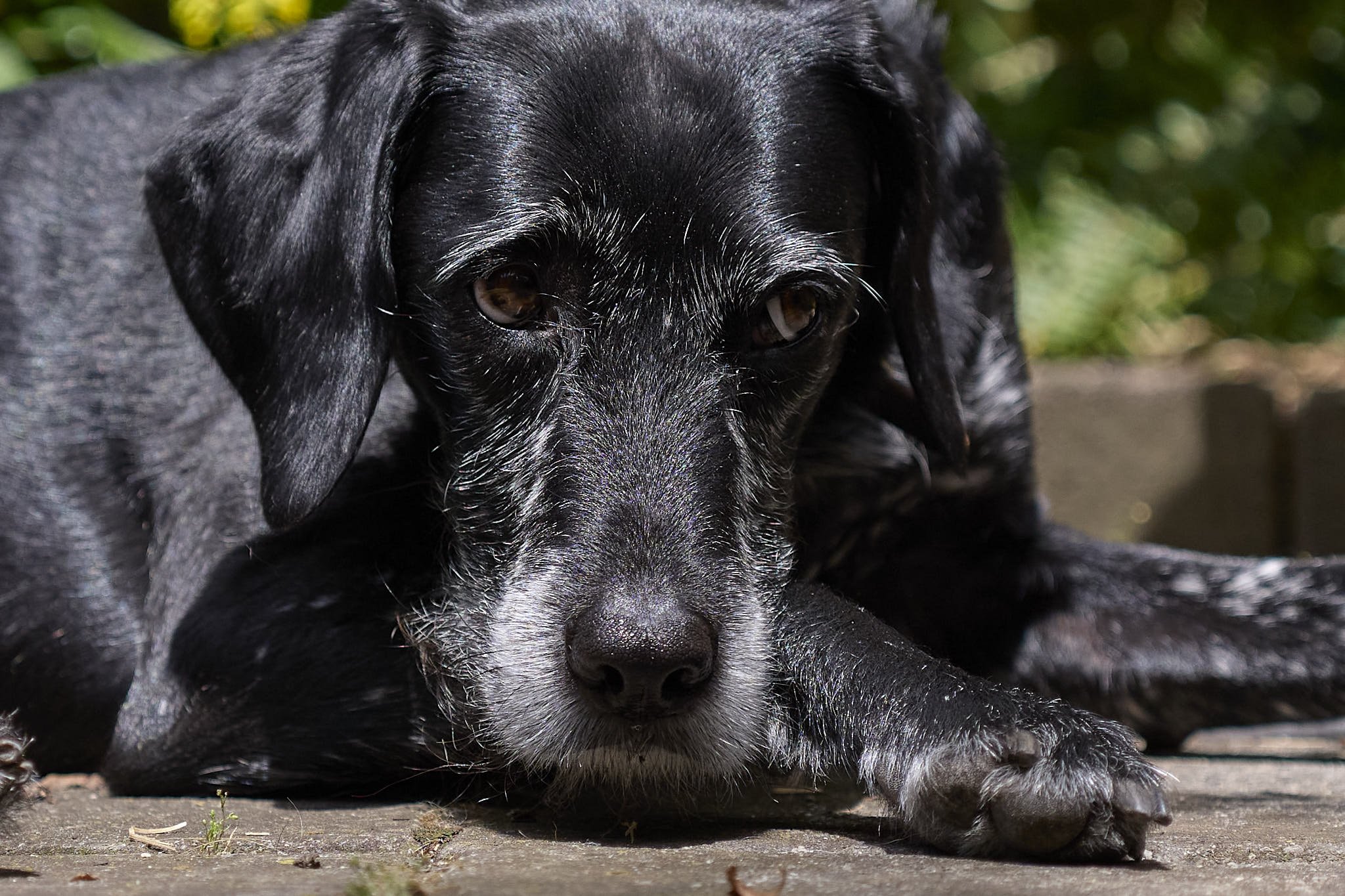
I would be happy with this from any lens in my kit.
This lens closes the trio of classic video glass with the 28 and 85, the older Pentax f1.4 with sticky aperture ring in reserve. The small issue of different direction focus throw is not massive, I am getting good at “changing hats” with Oly and Pana zooms etc, and they are all a pleasure to use.
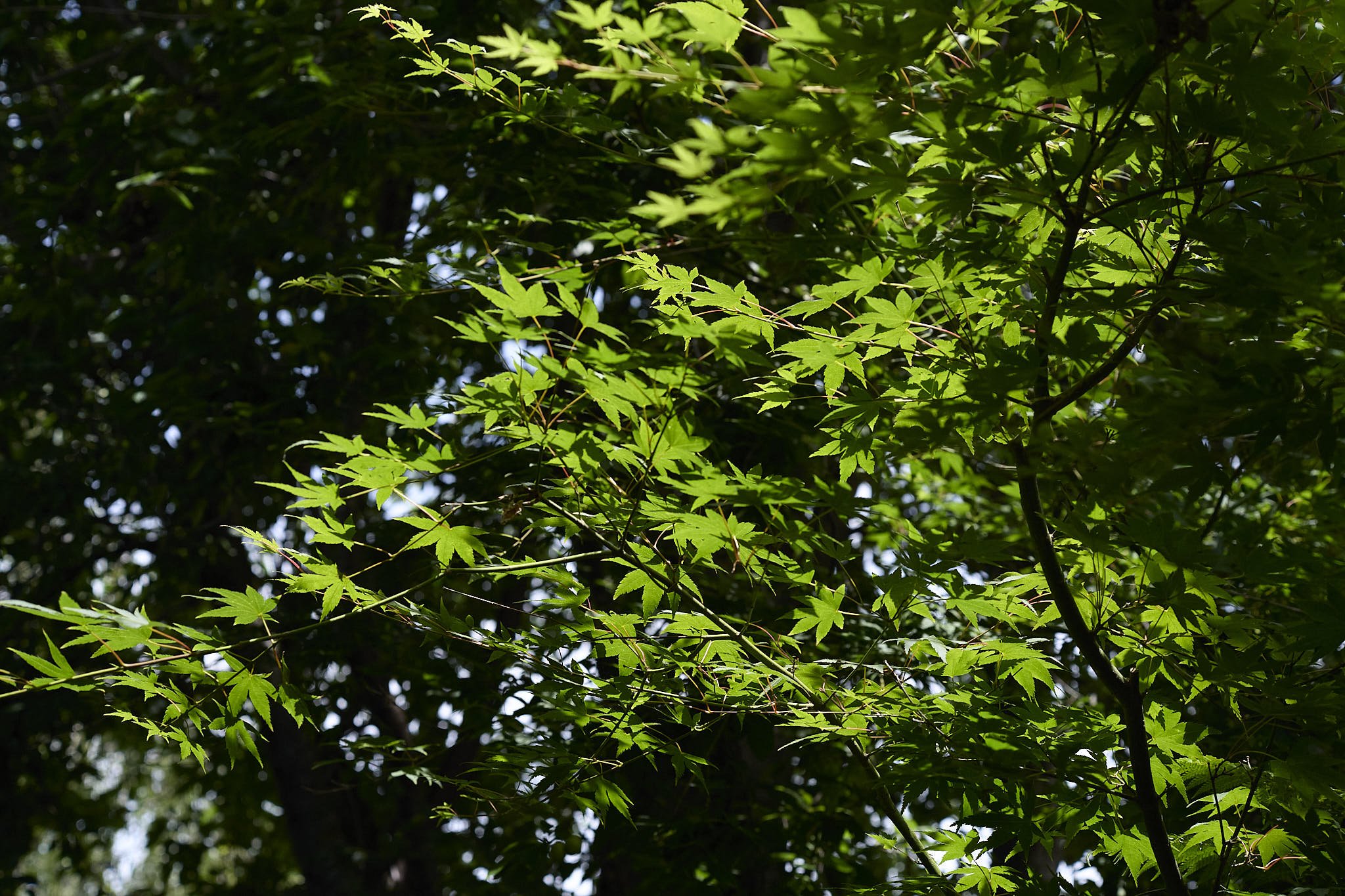
Hard to believe they could get it right back then huh.
For many years I took for granted the natural look of older glass, possibly disguised amongst the other concerns of the time like film choice with it’s limitations, but now that I am surrounded by lenses of all types from quality cinema lenses to lenses older than some films, I am seeing some things with fresh eyes.
ed. I do have modern glass with some of these characteristics, many of them are simple designs and Olympus glass, a brand that seems to be aware of what some would call “old fashioned” design parameters, but may well be seen as holding a line ignored by others in recent years.
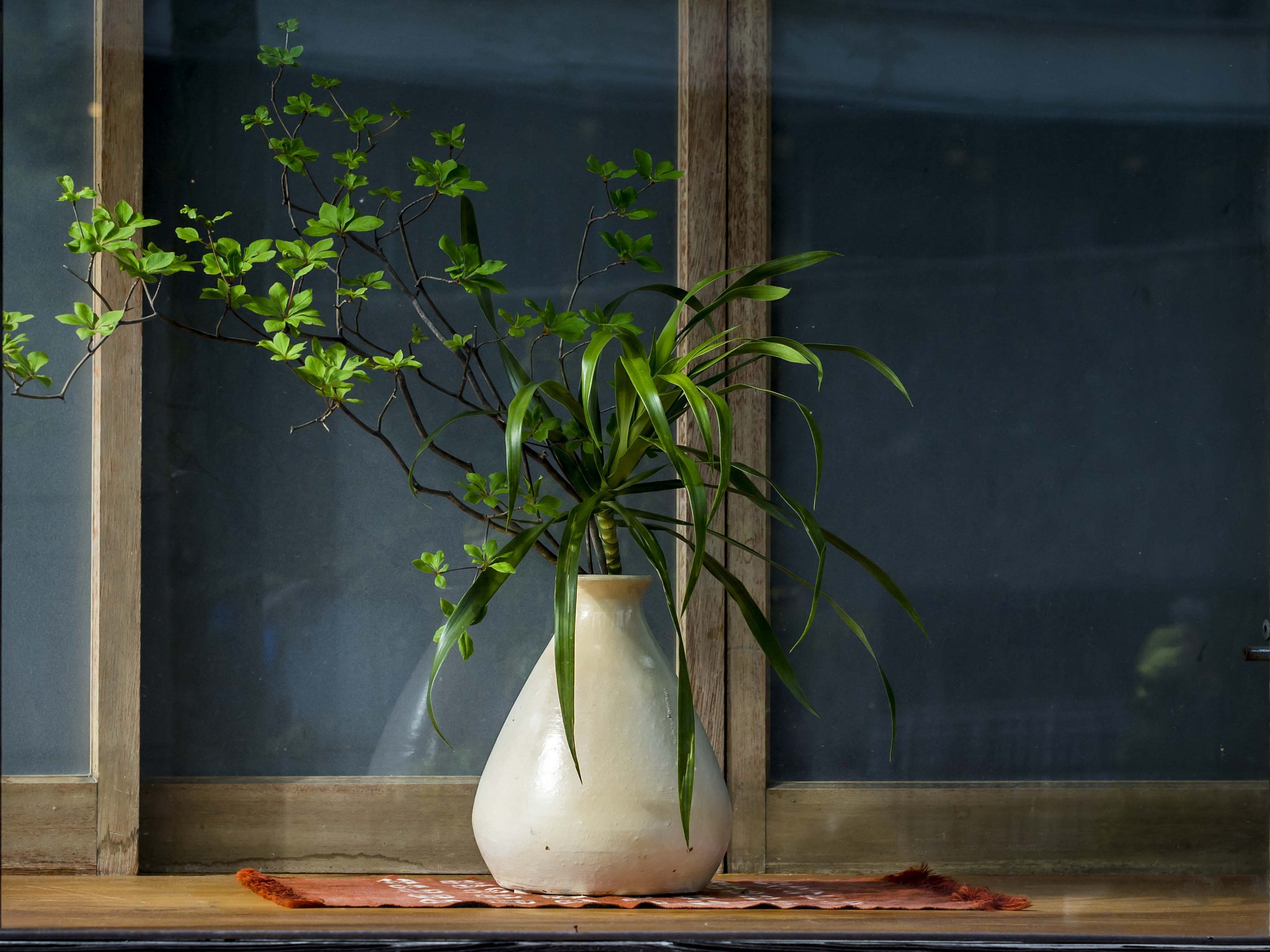
One of many favourite images taken with the simple little Olympus 17 f1.8 (of which I have 2). My response to them seems based on something other than just content.