Clip bait maybe (probably not, I failed that course), but taking a stills photo (or a video I guess), is only the start of the process. Post processing is the other half, the crucial step that can easily ruin or enhance a composition.
One of the most powerful, but so often overlooked choices in post is shape.
What shape should a photo be?
Subject aside, shape has a huge influence on first impressions and longer appreciation of an image. Movie makers have gone to great lengths to give us a wide screen experience. Why did they do this, create a whole new way of shooting and projecting that increased difficulty and cost, if the content is enough?
There is no downside to increasing visual strength through different delivery options.
The 2:3 or 4:3 ratios are practical shapes, but they are not dramatic nor are they particulalry opinionated. One comes from a naturally useful dimension, used from day one, then adopted by TV makers, the other is based on the limits of re-purposed moving film stock.

This is am original 2:3 ratio image from a recent job.
I am not a fan of overly strong opinions, there are too many of those around at the moment, but when it comes to visual strength, strong opinions are required.
If you go wide or “cinematic”, the shape better suits our duel-eyed vision. It fills our peripheral, allows us to see the subject in a larger space, a more natural space.

In 16:9 wide screen ratio, one of the less exaggerated ones, the image becomes instantly more cinematic drawing the eye through the frame. Must admit also, I am quite impressed by the rendering of the Panasonic kit 20-60.

Pushing that even further, increases the effect. This is true cinematic, forcing acceptance of the dimension as the major governing constraint.
If we use the square, the opposite happens.
The symmetrical square has no opinion other than forced neutrality, it has no long or short side, no tall or wide aspect. The square manages to be both the major defining compositional element and the most invisible one.
This means placement of the subject can be much looser. When there is less of an opinionated shape governing the composition, there is more creativity allowed within it.

Square is very flexible, allowing you to push framing as you wish.

The framing allows you to decide what is important as well as what is hinted at, but not shown.

It is even ok to harshly cut out large elements of the subject and use depth as a tool. Tightening the frame often works as there is less pull to your push.
Both add much to the right image, sometimes even completely changing the feel of the same image.
Now maybe a less strong example, but worth sharing.

This shot is a 2.4:1 lift from an anamorphic file. This is the shape shot.

Reduced to 2:3 ratio, it loses something. Like many frames forced after the original composition, it does not work.

As a square (limited in height by the original), it becomes a strong enough portrait and there were several choices within the original frame..
Another example from a test I did recently.
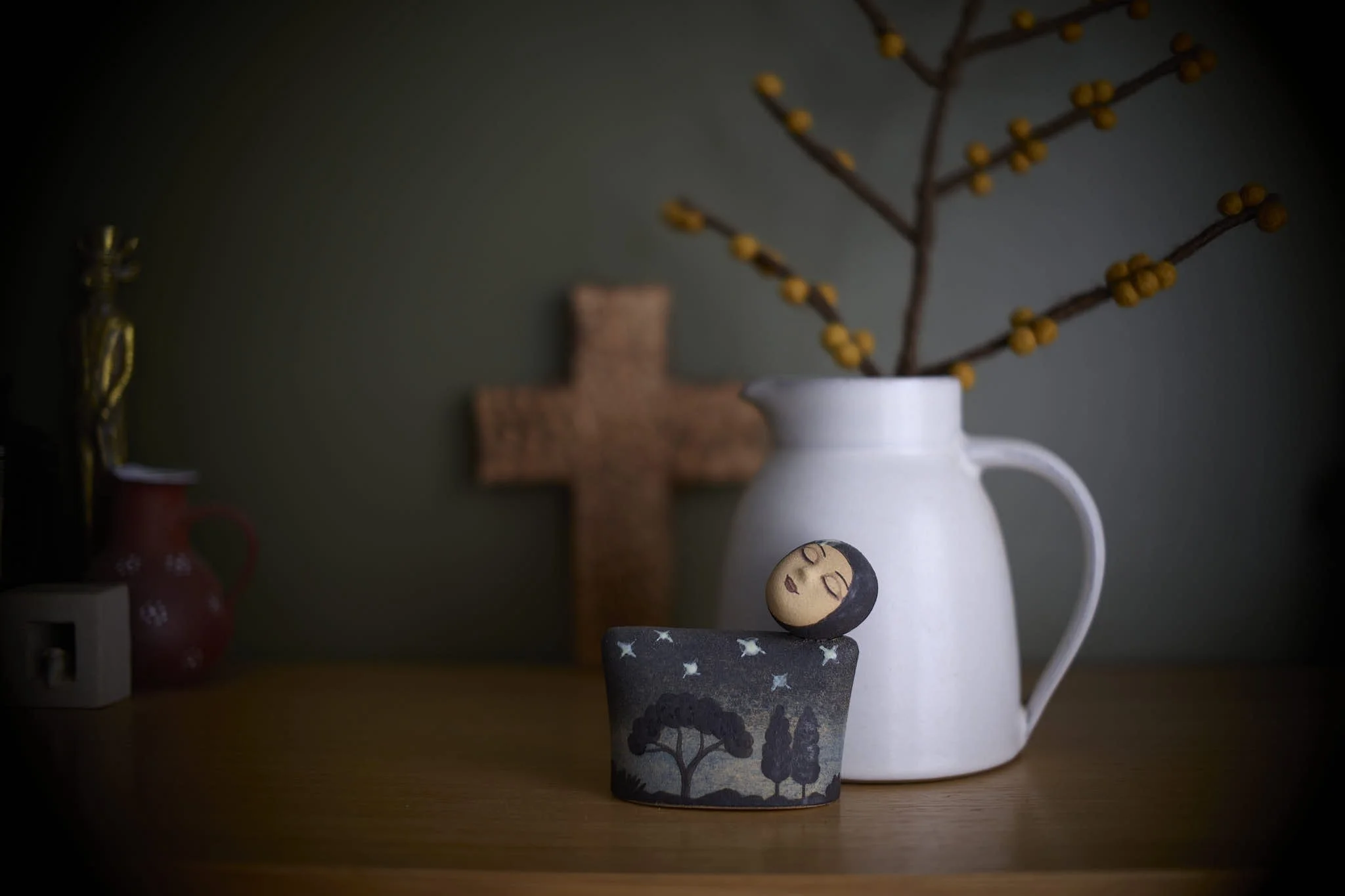
The 2:3 original.
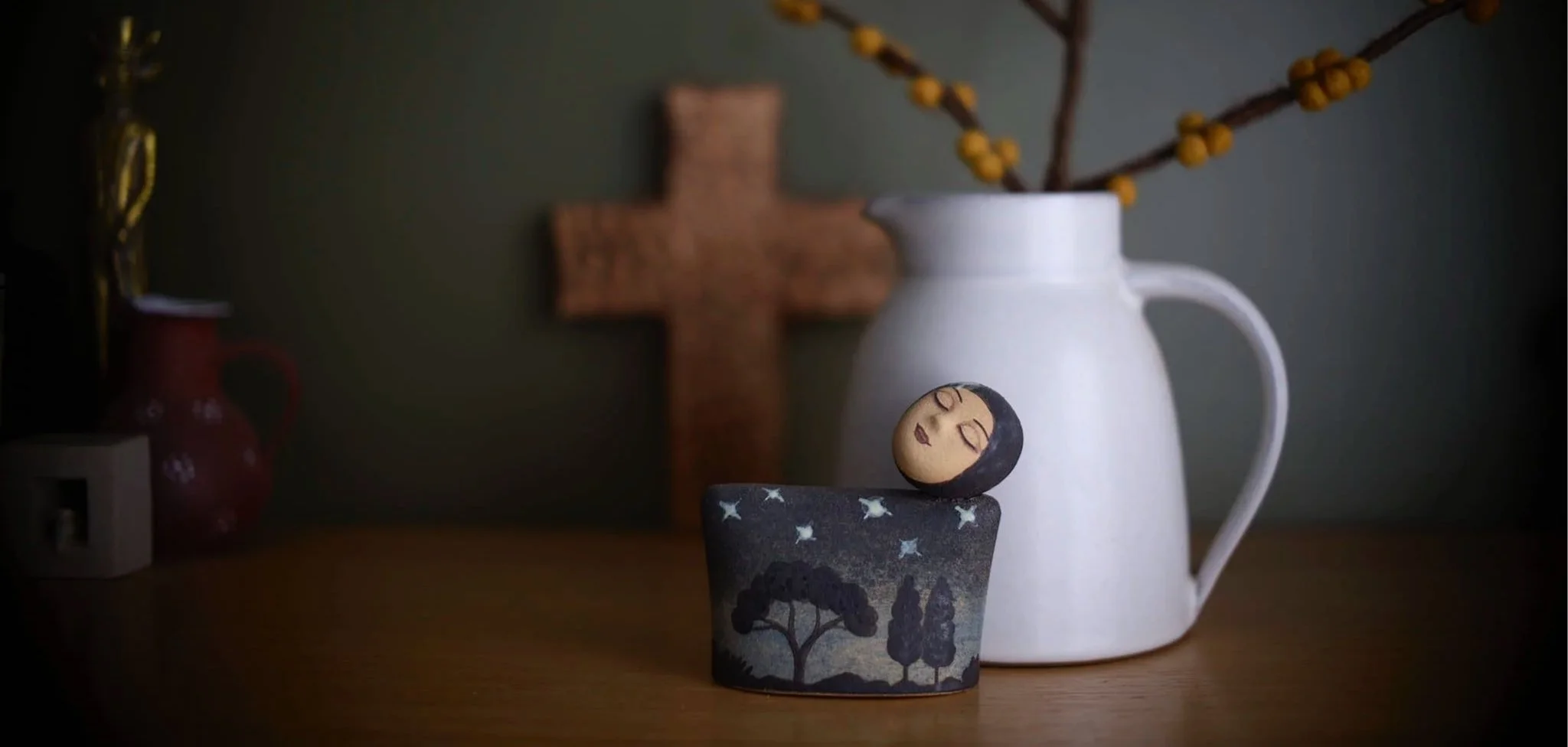
In cinematic mode it makes the main subject stronger and has that cinematic look.

A subject middled square, the sane option for many. Symmetry seems to like square and super wide.

Using the square to push normality, centring the cross in the background.
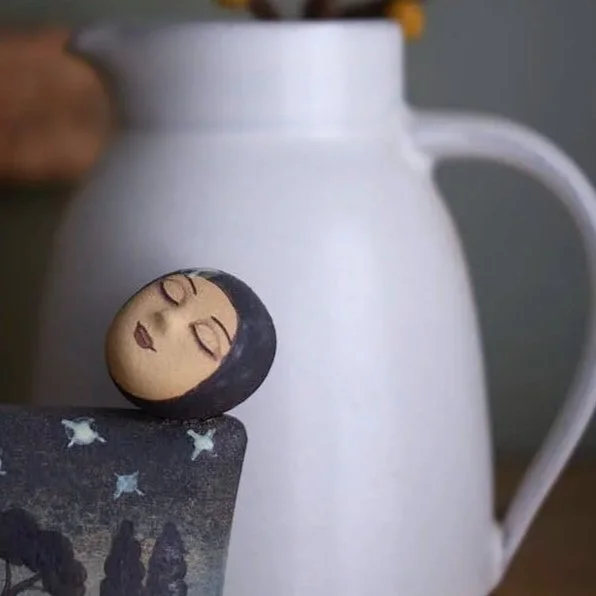
With a square, many unusual compositions can become viable.
Ok, all shapes have their uses and the rules of composition are less rules than habits of conformity, but when it comes to shapes that are not just assumed, shapes that are chosen as predetermined influences for image delivery, the square and the super wide formats are the dominant ones.