The lens I am talking about here is a kit lens.
Kit lenses do not have a great rep. They are almost always slow and variable in maximum aperture, because fast apertures are by definition for pro or prime lenses. They are usually mediocre in performance, rarely stand out, are almost never well built or weather sealed and their range is pedestrian.
I have come across some decent ones over time, the Panasonic 12-60 for MFT and Fuji 18-55 f2.8~4 are stand outs, so I guess it is no surprise the 20-60 full frame kit lens is pretty decent.
Pretty decent?
Well made, like the same build quality as the $1000au S-Primes, including weather sealed, it focusses super fast and smooth enough for video. It is slow (3.5~5.6), but these days with full frame sensors it is not a huge deal and for an MFT shooter, f5.6 is actually close to the MFT depth of field equivalent of f2.8 at the slow end (so about f1.8 at the short)!
It is effectively par-focal with minimal focus breathing, so a good video option. I would like a slightly smoother zoom throw, but with a focus assist ring attached to the zoom, it is decent.
It starts at 20mm and close focus is insane at the wide end, so it manages to be a creative wide macro (like my 9mm MFT) and cover true wide angle at f3.5 speed (near enough to f2.8 to count), so for all purposes it is fast and light enough to hold its own as a decent wide angle alone, especially in a kit with fast 35, 50 and 85mm lenses and a Sigma 28-70 f2.8.
Recently I needed to travel light for a full day while covering long, wide, in the middle and video, so I decided on this kit;
EM1x with the weighty 300 f4. Not negotiable as a lot of the important images would be taken at distance.
EM1.2 with the 40-150 kit (another winner). This is the lightest of my three 40-150’s.
S5II with the 20-60 as both a wide~standard stills camera and video option. The high ISO performance and shallow depth of field make it ideal for shooting in daylight with a 5 stop Nikon Archrest ND filter.
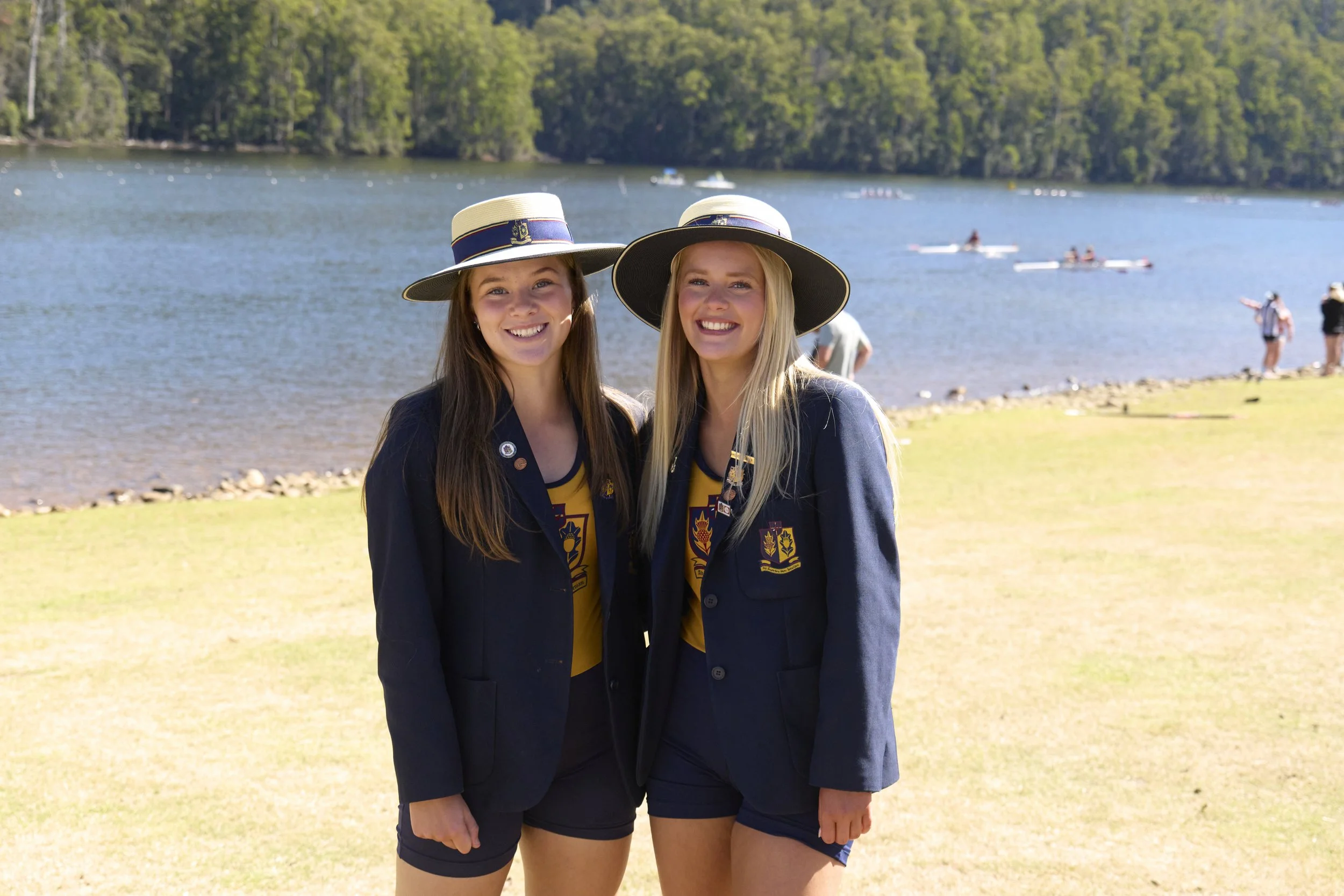
This file is about perfect (except for the slight overlap behind one of the girls). The blur is pleasant, context retained, sharpness excellent, the image harmonious overall.

Great close focus and speed. Banjo is his name.
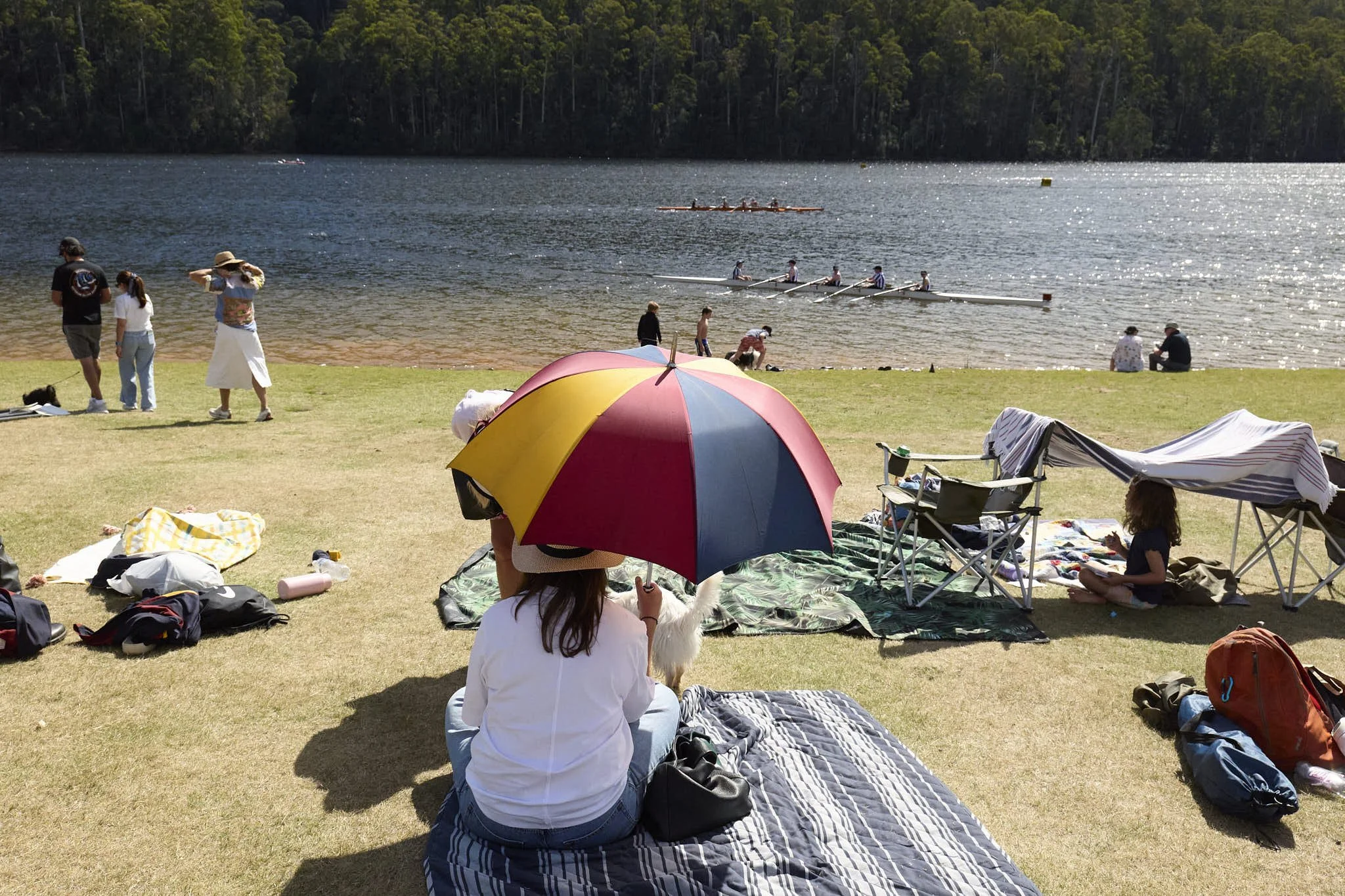
A classic wide shot without any real distortion or weirdness. When I started in this game, 20mm was considered the widest lens for most, anyhting wider was very expensive, heavy, mediocre or all of these. Funny how it is just a middling-wide these days.

I will give credit to Capture 1 and the lens for handling this strongly back lit scene. Most other shots on the day of the winning team were less crisp as shooting towards the lake is basically straight into the sun, the Pana lens handles this well.
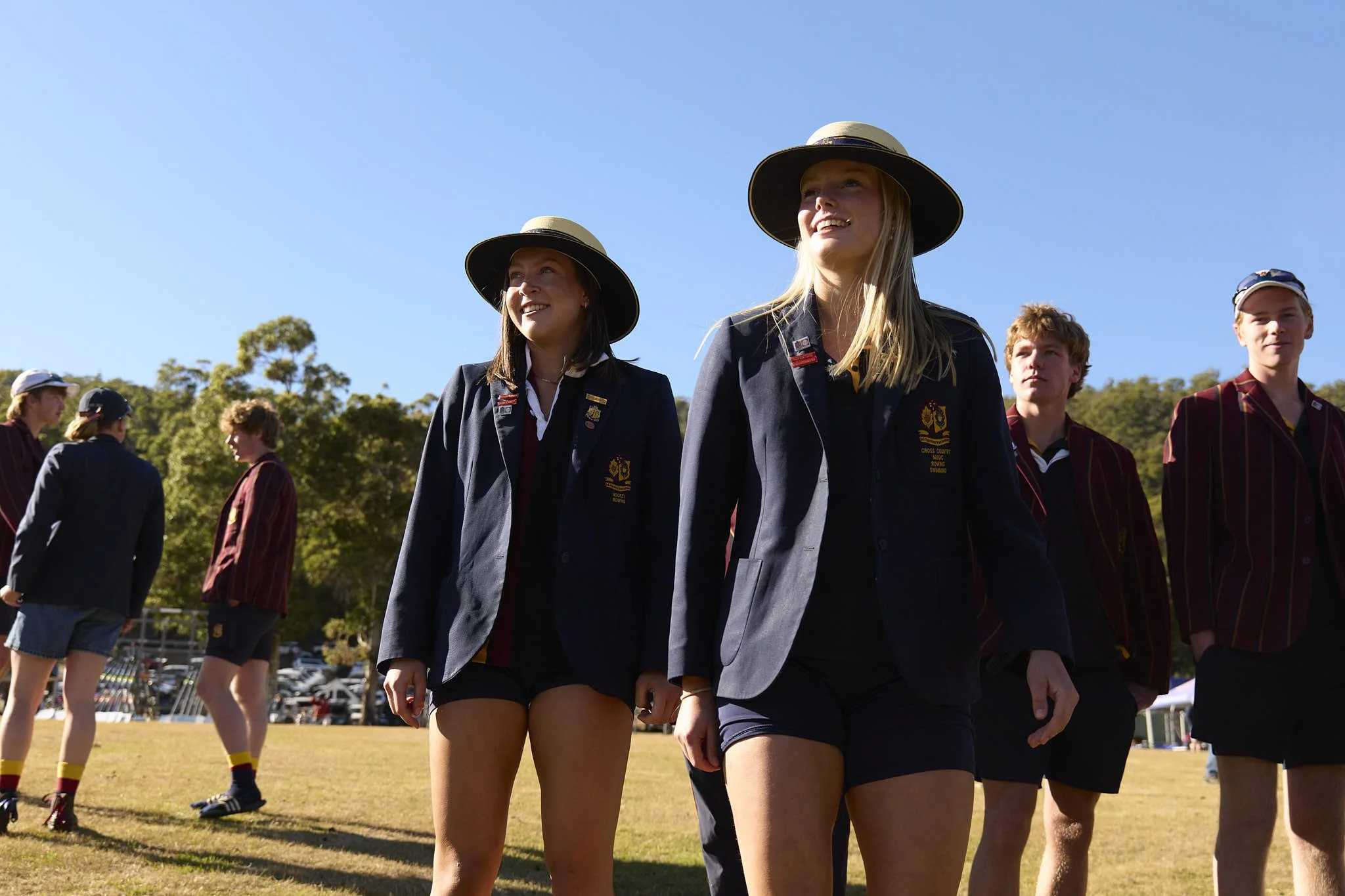
The extra width of the lens helps produce extra drama.
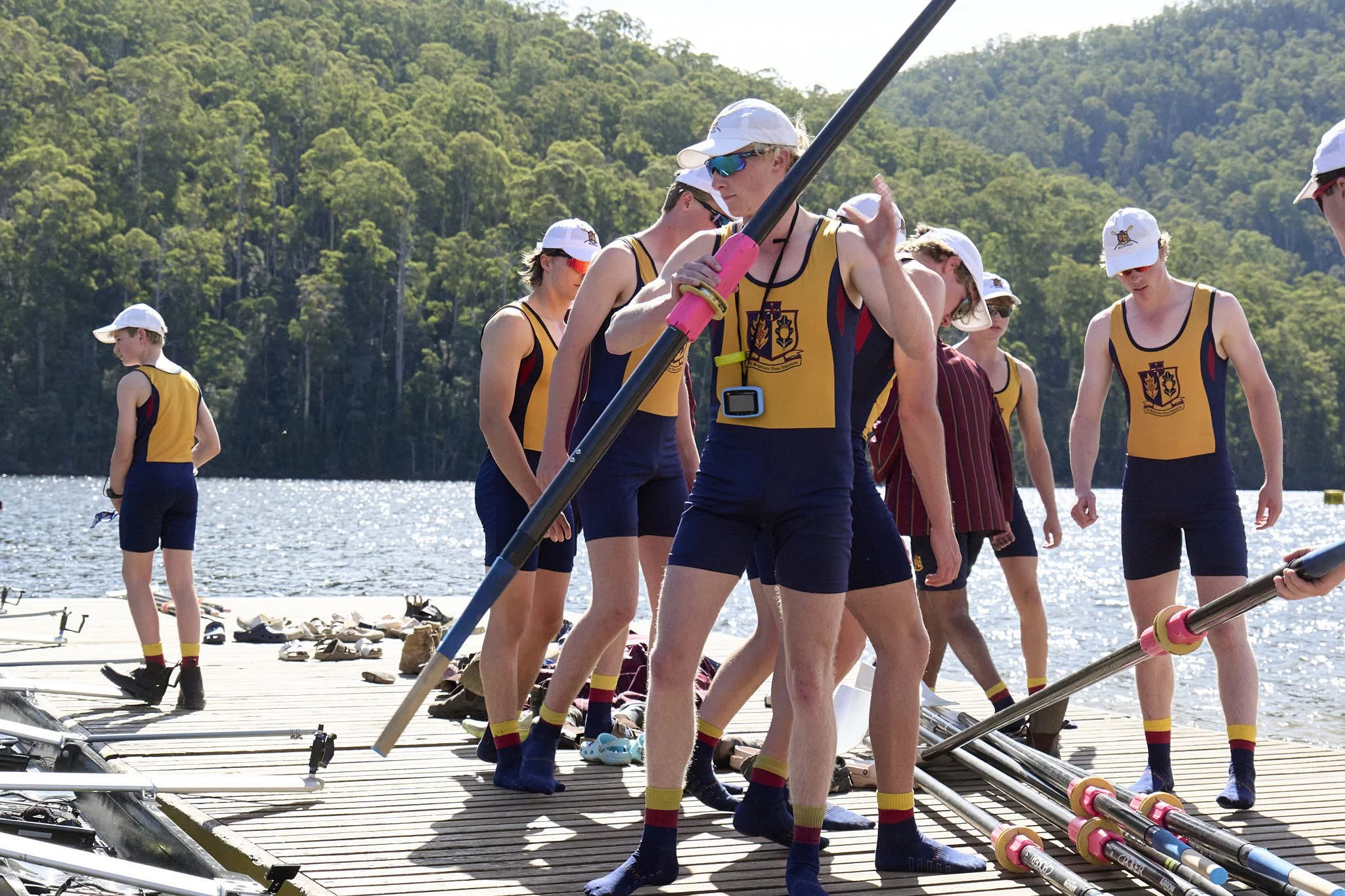
Knee deep in water, speed, quality and versatility are important.

A favourite, the Bokeh, sharpness and flare control are excellent.
Also worthy of note is the little 40-150 kit which did some amazing things.
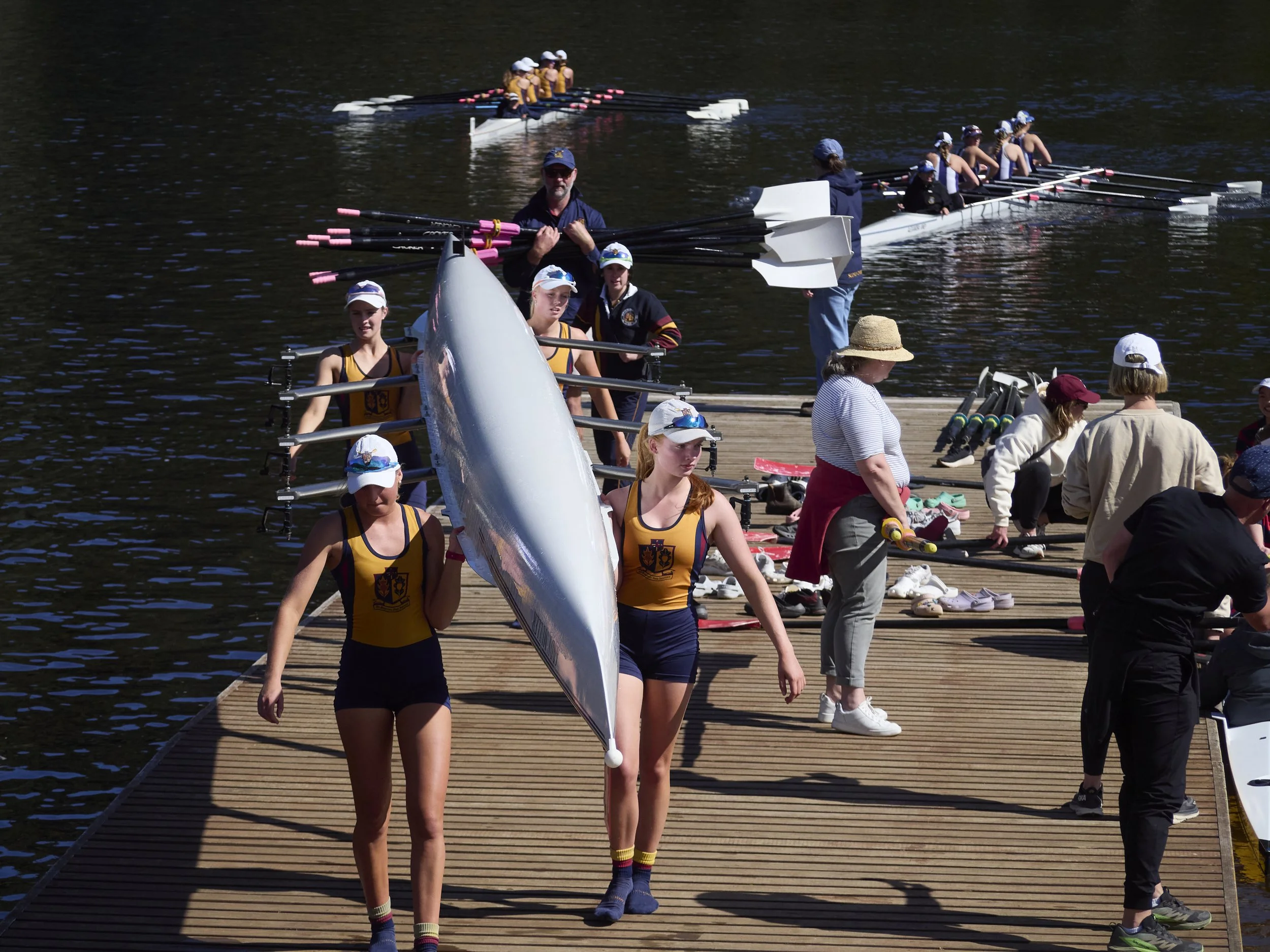
When shallow depth of field is not necessary or even wanted, this little lens shines.
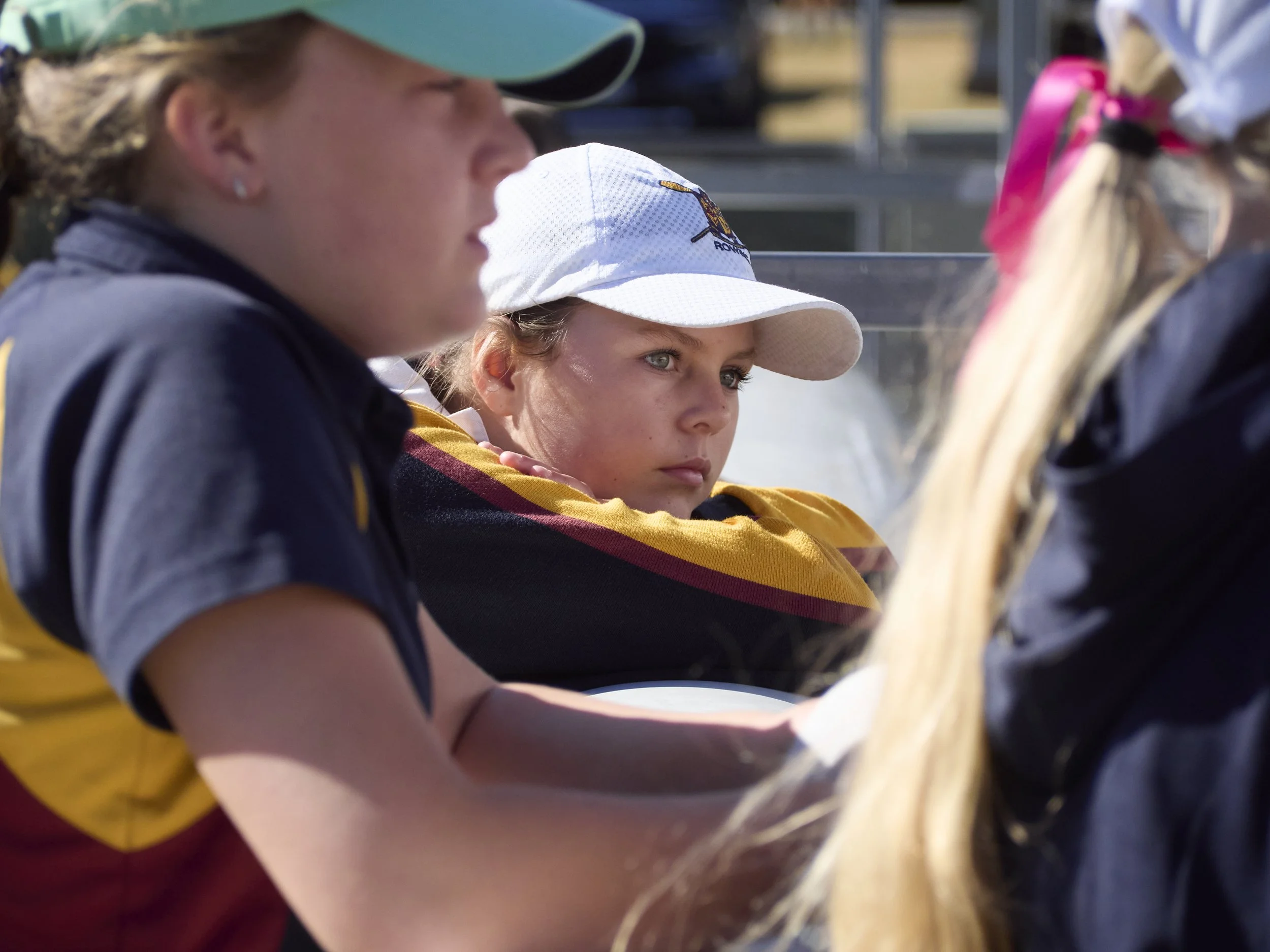
It is also perfect for discreet snipes and shows here enough separation to make the image work, while keeping some context.

Plenty of quality there.
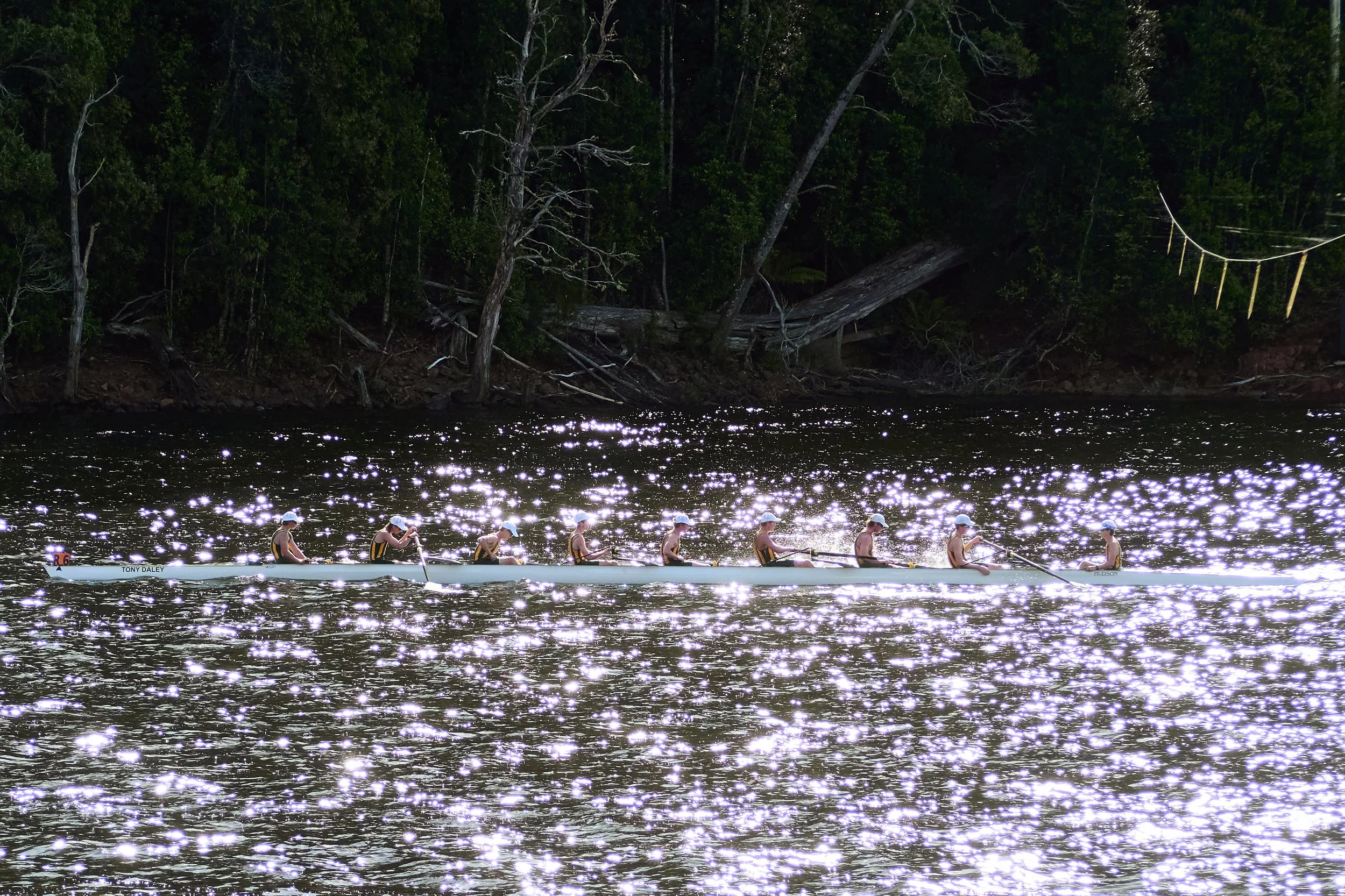
This image is a freak. The taken file is a mess of glare, but after processing, every rower is visible.
I used one of my best lenses with two of my cheapest and there was very little difference in end result. Yes the 300 was empowering and stands up to insane scrutiny, but for the work we do day to day and how it is usually handled, these two kit lenses, worth about $200 each in their respective kits, are ideal as long as the light is kind.
I even find lower contrast kit lenses are often better in bright light.
It is nice when you can pick your glass by available light and weight without worrying about quality. There are a lot of big heavy and expensive super lenses out there, often a waste of energy for most uses.