First up, I am not a gear tragic (anymore, well not just for want, more for need), but I have to stay relevant and make good choices to make my work better and my life easier with limited outlay. There is an element of fun and excitement involved, but unlike in past years, it is grounded in expanding capabilities and therefore possibilities.
My needs as a professional are to field a two camera sports kit (with a backup) and lenses to cover distance and indoor light, a different and flexible double cam kit for dailies, again with backups, a three video camera setup (2 is fine for interviews, 3 are better) and some personal gear.
I have that now, but some little improvements could be made, the question is which direction and how much or little would make maximum impact.
So, from here?
the big question is do I continue with MFT as my main format, upgrade it as I go, or switch gradually to a full frame kit? A second option, something I have been pondering more and more lately, do I exit full frame and go all MFT?
My full frame kit is small but capable, but it is sometimes also a distraction.
I bought into a S5 kit pre G9II release for video (cheaper than the GH6 body alone), was then rewarded with some great cine glass at half price on clearance, bought into the S-primes and then a Sigma 28-70 to address a practical need (shallow depth of field with flexibility). Most recently I even bought an anamorphic for it, to round out the set (I have 2 MFT ones, this adds a full frame and third angle).
I reflex-bought the G9II when released regardless because it was a better camera for me overall, even with a strong full frame offer and I still chase MFT glass in preference and use it for 95% of my stills work.
To be honest, if I had a crystal ball moment and waited for the G9II, then sprang for the 10-25 f1.7, my life would have been cleaner and easier overall.
My wish list from this point is confusing to say the least.
The GH7 is in many ways the best Panasonic has to offer. The SI.2 is it’s equal in full frame, but comes with full frame issues (more and dearer lenses all bigger, most heavier) and it flies in the face of my main kit. I know there are new full frames coming, but they are too much for my needs.
The GH7 is as robust as the S1.2 (some say the screen is actually better), has all I need as far as video features go and is currently $2500au, about $1500 cheaper than the SI.2.
It would support my cine lens kit, free up the G9II for stills (stills upgrade), improve internal sound and recording CODECs and finally give me the option of the paid ARRI-Log upgrade.
AF and stabe are excellent, both helped out slightly by the MFT format and what I would save could cover most of the cost of a 10-25 f1.7, a superior, video specific, standard lens.
From here, the G9II re-surfaces, realistically giving me all I need for a second video or stills cam for sub $2000au. The GH7 does not actually add much more for a BMVA 12G user and the OM-1 is still dearer for stills.
If it is a camera just for video and a B-Raw one at that, then the BMPCC4k is sub $1500au new, plentiful second hand and now has ProRes RAW! This could also free up my G9II for stills, and I have all I need to fix battery and storage issues.
This option means I can shoot with three anamorphic or spherical cine lenses in B-Raw and still have a mobile ProRes capable G9II handy.
Which brings me to another 5” 12G, something my head tells me makes sense, possibly in conjunction with the S5 firmware upgrade. These upgrade any Panasonic to at least ProRes capable, give me three or four B-Raw cameras (and any future ones), a spare screen/recorder, and all the cameras have a similar look at their core. The only thing against it is the price of the BMPCC4k (see above).
At some point I may need a new 40-150 f2.8 (mine is well worn and showing it), but these are plentiful second hand and even quite cheap new. The 50-200 tempts me, but not at the price, I do however appreciate it’s driving down the cost of the older lens.
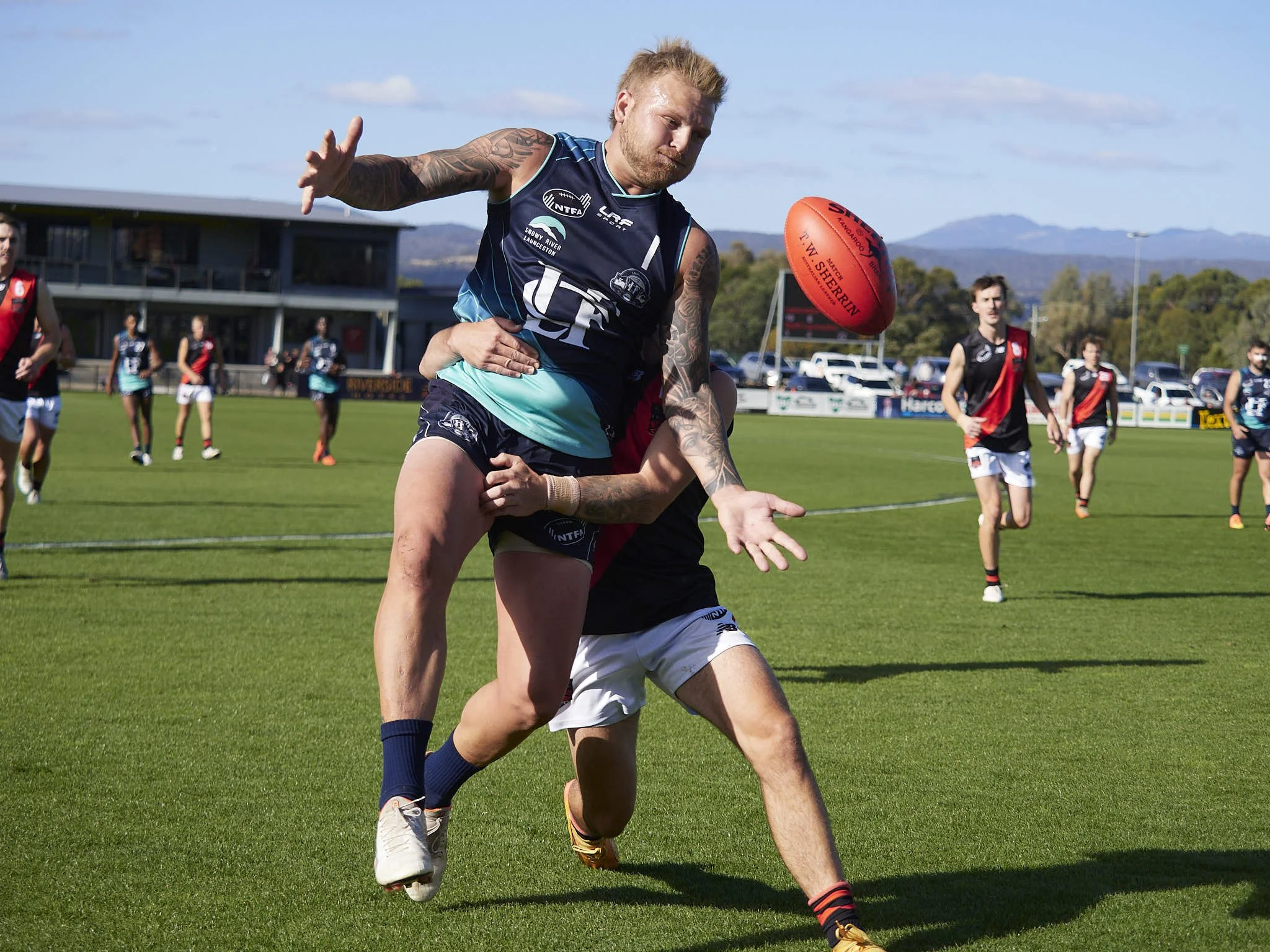
A lens that effortlessly grabs these a split second after the camera is switched over is more than enough (I run the f2.8 or f4 version and the 300 in tandem with two EM1x’s). The 300 got the initial kick.
Still in front with MFT, the butchers bill coming in at about $800-5500au all up depending on path taken. These are acceptable running costs and address genuine video improvements, with stills upgrades.
Full frame.
The SI.2 is a logical upgrade (or an S5IIx on sale-they seem to be holding their price at $2700au+), for full B-Raw support in a newer camera, but it still needs things (third BMVA), would logically lead to a full frame system space and possibly some dissatisfaction.
The $300au upgrade for my S5II makes more sense I guess as most of the other benefits of the S5IIx are nullified by B-Raw codecs (All-i internal, SSD out) and I have it now in a balanced kit, but it rankles for some reason.
The S5II upgrade is looking better as I write this.
Other brands tempt.
The Nikon ZR can take my L-mount glass with an adapter and I can source a couple of cheap IRIX lenses in the Z Mount. $5000au and a whole other system?
The Fuji XM-5 is a curiosity, a powerful one with another look and some funky stuff in a little power house. Adapting lenses will be the thing, maybe worth a look.
Lets stick t what we know………….. .
So the core of it;
Stick with MFT as the primary pathway, my comfort space and some full frame as a specialised problem solver or, shift to full frame gradually?
Gut and heart say pathway one, head leans towards pathway 2, but reluctantly. Ironically, I am shy to move into full frame because of image quality or more to the point easily achieved image quality. Yes, the full frames are technically better, but I trust MFT to get me what I want, I am less comfortable with full frame, even after more than two years growing the system and three decades using it.
I just find the depth of field math and benefits of the bigger sensor are not in balance for my needs or how I like to shoot.
Current thoughts in order of preference;
BMPCC4k to add a third and very clean B-Raw option with more BM goodness, also now with supported ProRes Raw in a dedicated MFT video camera. I really just want one to get that Black Magic goodness, hedged with mild fears of having a camera that does not mesh with my others and is quickly loosing relevance (or is it really?). This does balance with my cine lens options, makes use of some wasted rigging and adds a “cinematic” element more in line with my preferences (not the way everything is going). The question here is not so much “is it worth it”, more one of “what else can you get with all it’s capabilities for the money”. The G9II would then become a hybrid doing double duty as a sports camera and mobile video option.
Second BMVA 5” 12G and possibly S5II firmware upgrade to fully enable my G9II or S5II to B-Raw. A bit of a waste in some ways as the G9II is already a handy mobile rig with ProRes HQ V-Log or All-i internal and the S5II does good work as a hybrid. I do feel that sometimes I am sacrificing some of the BMVA’s potential on older Pana cams where full integration is lacking, but the whole thing somehow balances out and those cameras are better with it. There is nothing stopping me from using the G9II with the BMVA, it is just fiddly to swap and I cannot run three at once.
Second G9II for stills increasing my stills/sports power (yet to be fully proven) freeing up the first G9II (but that basically is already). Still only have two BMVA’s, so nothing really changes in video land, only stills.
The GH7 with it’s added benefits, again freeing the G9II, but little else.
S5IIx on sale…… not sure I am liking the direction that would go.
S1.2, which is as they say, the “tipping point” and will undoubtedly lead to other poor decisions like a shift to full frame, dearer, bigger and heavier lenses.
This started with a GH7 based thought stream, but has ended, as usual, back at the beginning with the BMPCC4k, or Video Assist and S5II firmware as the only real options if anything at all.
The reality is, as it stands now, the G9II with a BMVA is my most powerful camera technically, but my relative weakest in low light (only one without dual ISO and a “normal” MFT sensor). It is also my most powerful video cam without a BMVA and my highest res stills camera.
If I need multiple cameras to match, I can run them all in V-Log, some in ProResHQ as well for extra colour depth (The G9II, GH5s and S5).
This also brings up something I want to test more, which is the benefit of shooting 10 bit V-Log in ProRes 422 or PR 422 HQ at 1080 (B-Raw is not available to me in 1080 at capture), producing a high quality file smaller than any 4K quality setting (18 or 27 MBs compared to 34 MBs at 12:1 or 21-58 at Q5) with full dynamic range, possibly improving my consistency between more than two cameras and giving me more choice in pairings.
I have had a lot of success with V-Log and anyway B-Raw is not fully realised in most of my combinations, so for client work, would this mildly compressed 10 bit format with full dynamic range (controlled by the Log codec, PR only adds colour depth for grading) be more than enough? Most comparisons give the gong to B-Raw when mistakes are made, so let’s assume I get things roughly right? I may also look into HLG for lower noise recording.
A quick test today using the BMVA 12g 5”, looks good and the partially used SSD still had over 700mins available. Ed. nope, not fun to edit.
Another thought I have been sitting on for a while is to use BMVA’s only on MFT cameras, the two full frames limited to hybrid/V-Log and paired for light interviews.