My “budget” cine lens journey has been interesting.
I have had some genuine wins, the odd miss, but overall, for what I have spent, my return has been well and truly in the black.
As gear gets used, it either cements itself in your work space or falls away and often it is not the big things, the things you researched rigorously, but the little things, like camera to lens synergies, mechanical handling quirks, cosmetics, image rendering surprises and sometimes nothing you can put your finger on.
A prime example (‘scuse the pun) to me is the Spectrum 50mm T2 and it’s stable mate the 35mm T2. Reviews for these are universally favourable, but vary and each reviewer tends to lean towards one or the other.
For me it has been the 50mm.
The Spectrum 50mm is a giver. Handling the lens is delightful, even for stills, everything is silky smooth or reassuringly tight where it needs to be.
It has a “glassy” clean and clear rendering with slightly muted contrast, beautiful neutral-cool colours that tend to make warm tones pop, an old fashioned 3D rendering with nice Bokeh. It is for most uses an “invisible” lens.
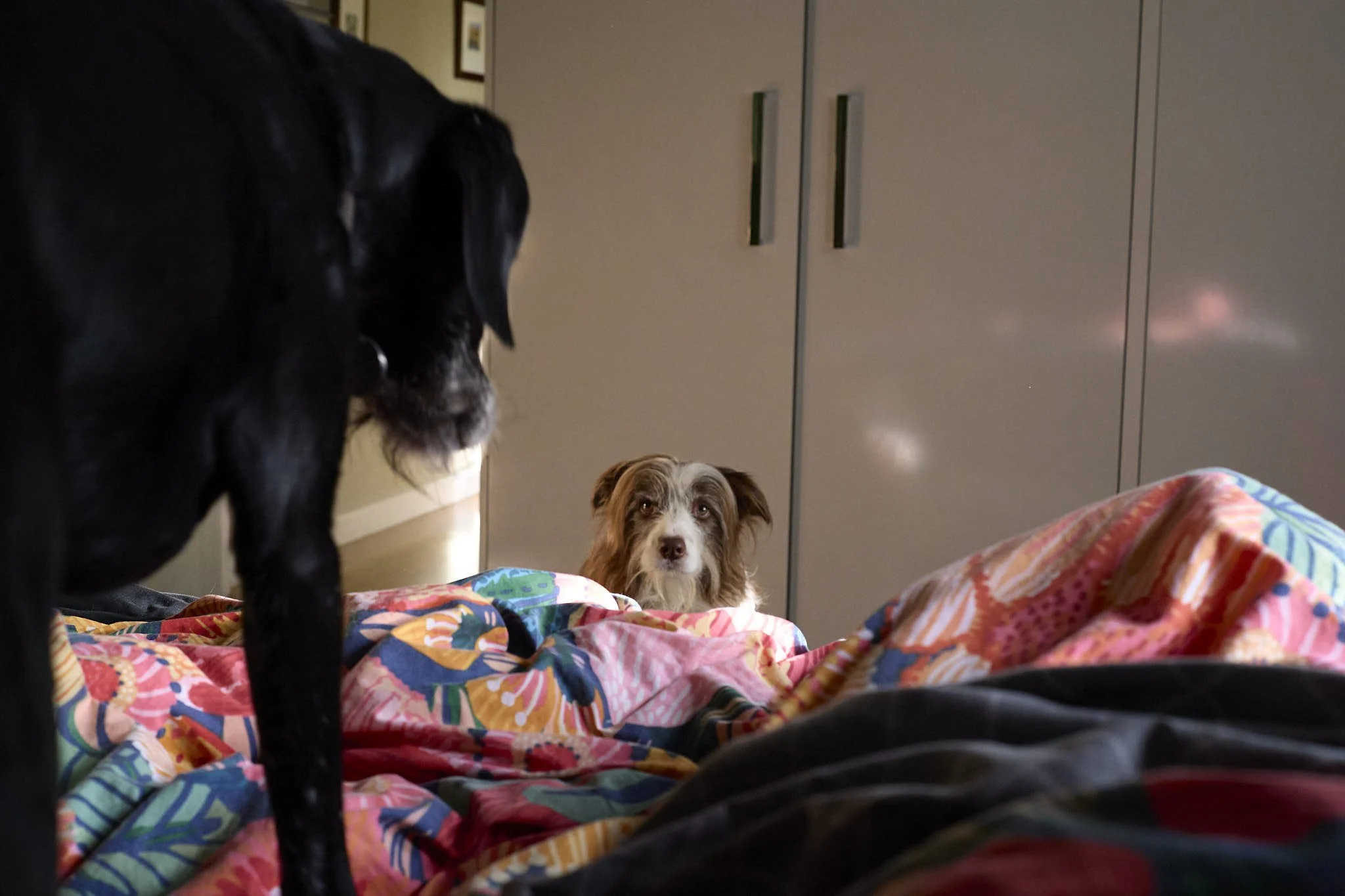
It is a story telling lens. At T4, it is “cinematically” perfect to my eye, able to snap out the main point of focus, while including other elements harmoniously and slight focus misses go largely unnoticed.
There is a little focus breathing, but not enough to notice in use, flare is controllable, but still there if you want it and overall I respond positively to what I see.

There is a feeling of three dimensionality, an old fashioned roundness and depth that is often missing with “perfect” modern glass. I often see now, that when a face is used as a test image, some lenses have a feeling of roundness and depth, others are flat and cardboard cut-out like. A recent comparison of Vespid 1’s vs Canon FD primes showed this, but the reviewer did not comment on that as the difference, just a feeling of “something nice” about the older FD lenses.

Things can still “pop” at T2, but even the seemingly flat plane of focus feels deeper. Contrast is lower, but still not enough to tame the highlight blow-out my S5’s are prone to (there seems no limit to their shadow recovery-see belw, but highlights are an issue). It is hard t put a name on it, but some lenses let you feel like you can reach into a frame and touch things.


In the pairs above and below I have aggressively recovered shadows with no ill effect, but struggled to get even mildly hot highlights back. This is basically the opposite to MFT files.


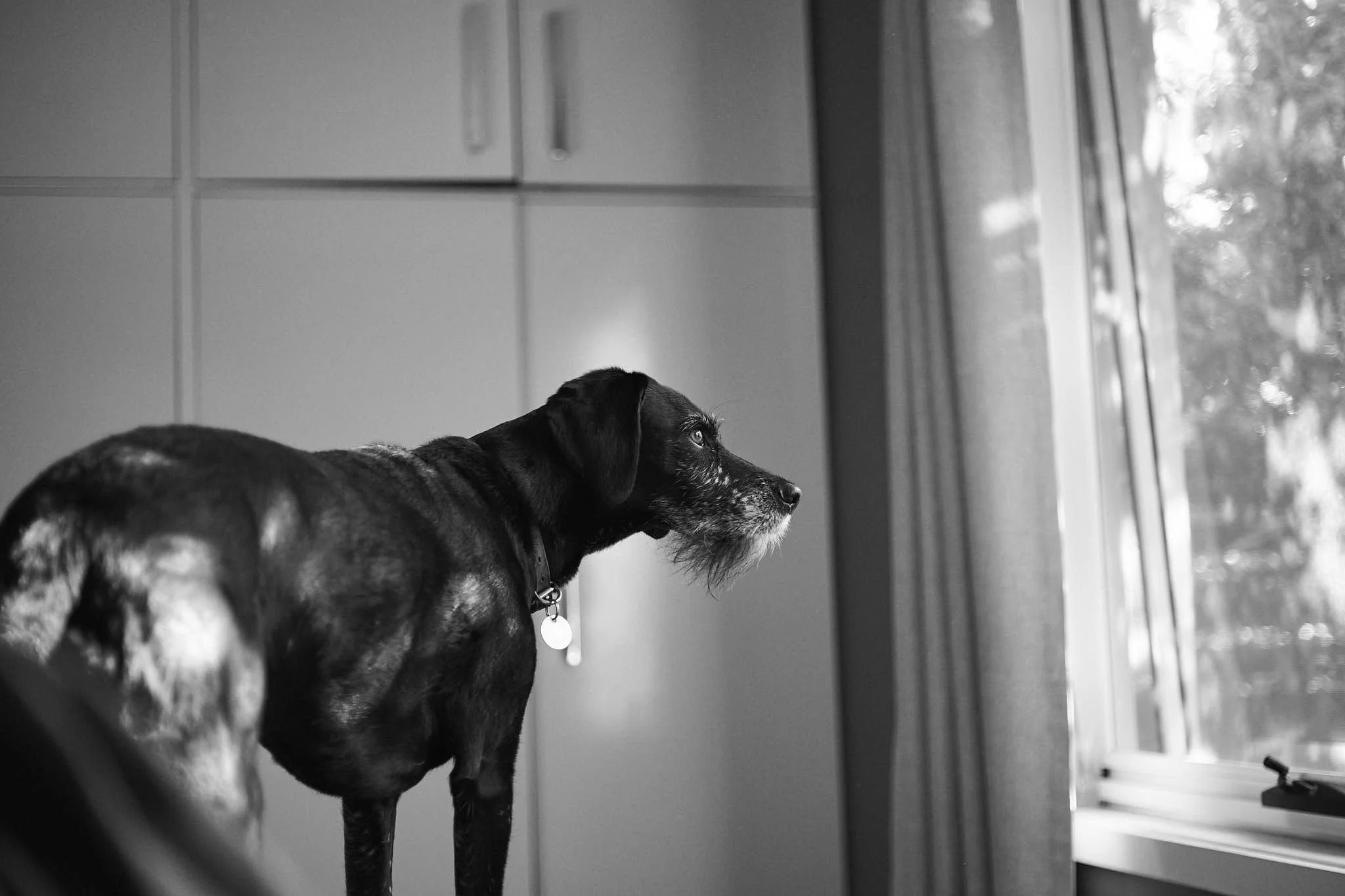
Mono from this lens is also very malleable, very filmic. Notice how the length of Lucy is rendered with no flattening which helps render the length of her naturally.

I has a nice balance of colour, contrast, sharpness and Bokeh. Ironically, the warm light and reflectance have rendered colours more like my memories of the 35mm.
Sharpness is certainly there, pleasing and natural to the eye without being hyper.
The image pair below again shows how easy it is to blow out highlights with S5’s (maximum recovery applied to little effect), but even a fine hair is clearly rendered.
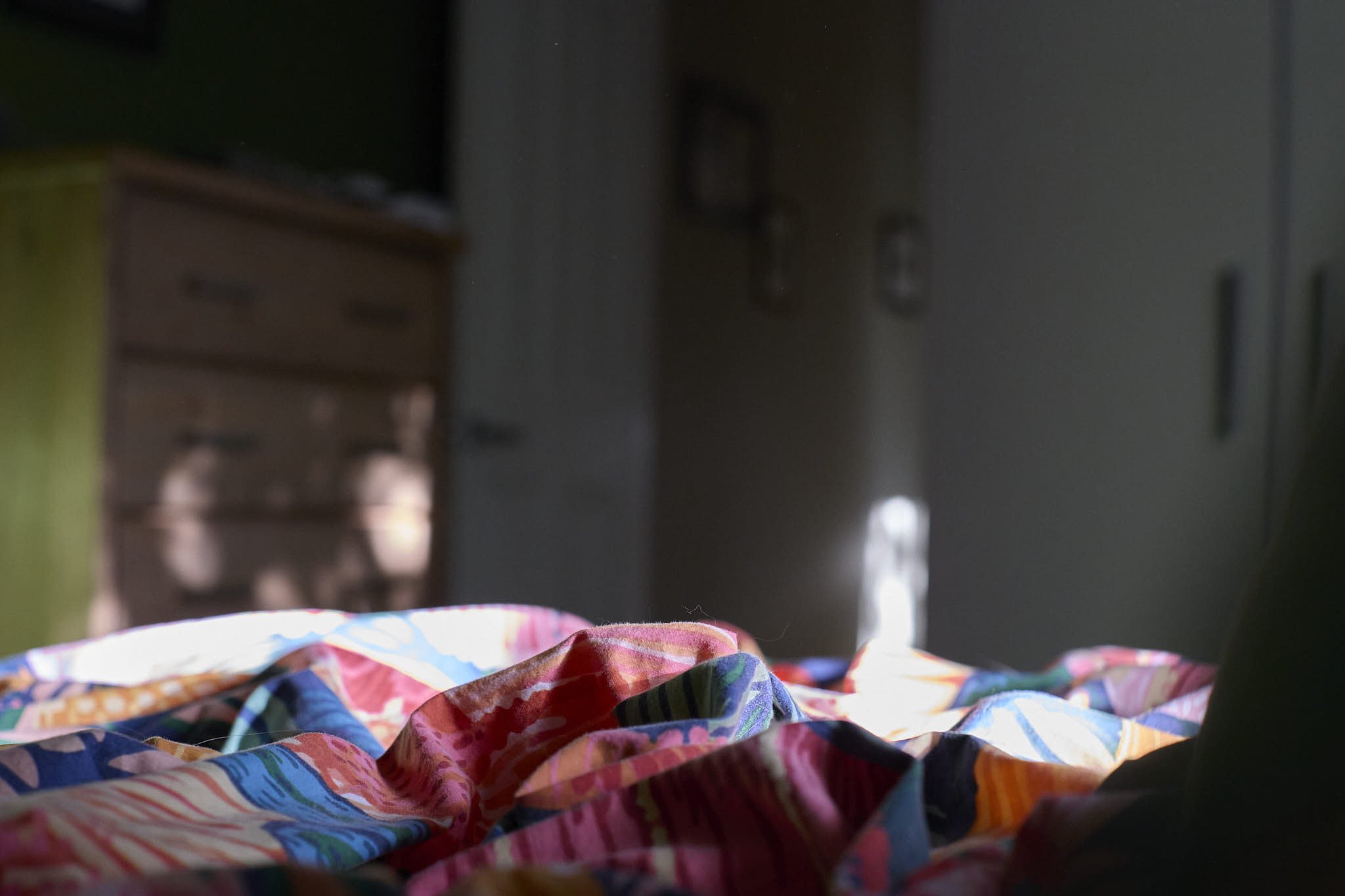

Now the 35mm semi reviewed before I did some test shots!
The other lens in the pair is the 35 T2 Spectrum, a decent lens that I have struggled with, so it gets little use.
Mechanically it is tighter in the focus ring than the 50, tight enough to be bothersome by comparison and the aperture ring is decidedly stiff, but conversely the lens mount is slightly loose (worst on the S5 Mk2 where there is slight shifting when I shift aperture), resulting in a less satisfying experience overall. A follow focus does help a little, but I don’t like using one unless I have to.
I go from buttery smooth, one-finger lightness to being aware of a firmer push needed. However, the focus ring is stable and the aperture ring won’t move by accident, so I don’t do that occasional ring miss and change aperture rather than focus, like on the 50.
Colour, based on reviews and my own comparisons, is quite green-warm at odds with the cool-Magenta lean of the 50 (which is closer to normal for me), meaning if I want to use it in conjunction with the 50 I have to adjust before or after (about 2 steps magenta/blue).
I do use the 35 on the cooler rendering S5 and the 50 on the warmer S5II, but even then they are far from a perfect match, the adjustment is about 600k with a sizeable tint shift.
Other optical characteristics are similar, but overall, I do not grab the 35 T2 over my 35 S-Prime, which is actually a close match to the 50 T2.
So, I did some tests shots the next day, a totally different day after 10mm of rain, cool, moody, dark, but the same space.
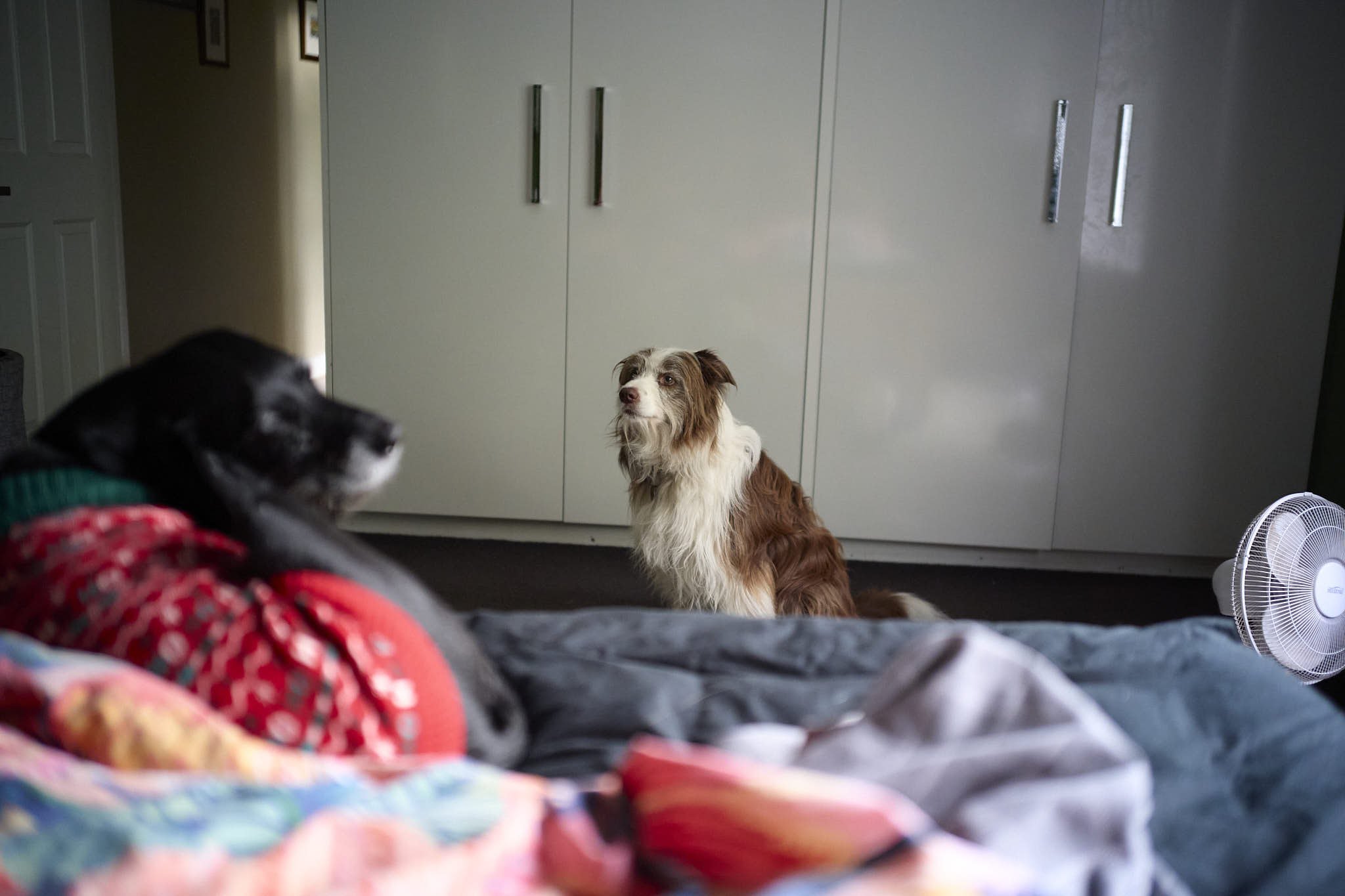
There is a slight green tint, but the day is also dull and cool (same camera, the S5II in AWB).

Yep a green tint, but nothing I cannot fix.

A slight blue and magenta shift, easy done.

Nothing fixed here, so lighting and subject can affect results anyway.

I shot this at 1/30th at T2, 6400 and still had to lighten it, the 50mm image above was 1/250th at ISO 4000. It seems the combination of the warmer lens and camera and cool day have managed near perfect white balance on the wall (the cup is slightly cream-white and copping the full dull daylight). Notice again, blown highlights.
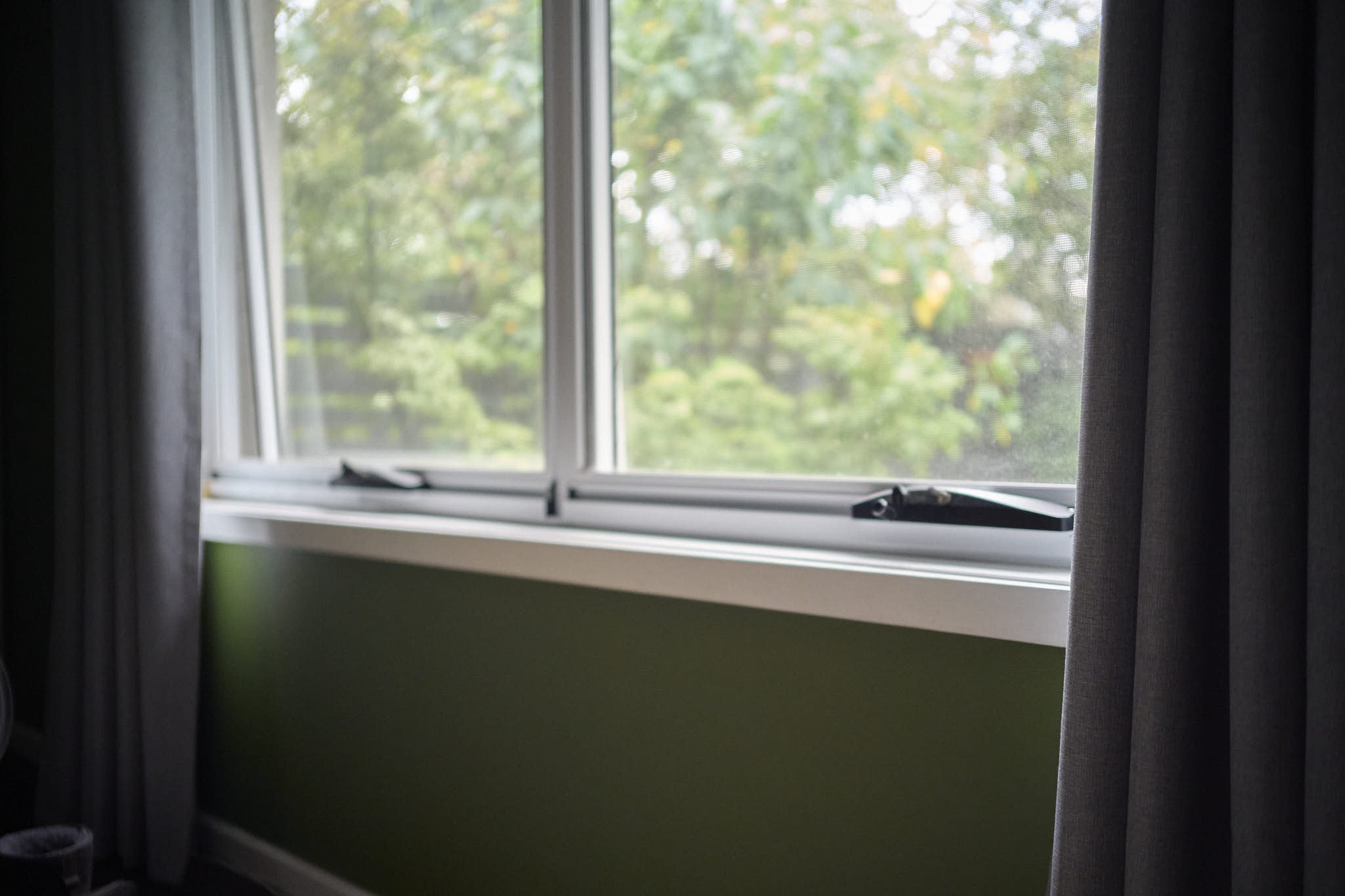
Bokeh transition is smooth to invisible, a bit like my 17 Oly, but with smoother backgrounds (focus is on the near curtain edge).
It is amazing what a day can do. the warm leaning S5II with the warm-green 35 has been a no-go for me up until now, but on this cool and gloomy day, they match well.

Depth is well expressed.
Takeaways.
The 35mm made me naturally want to get closer to the subject, which I tend to do with wider lenses, but this seemed a real pull, something I find happens if you “listen” to a lens. The close focus and front Bokeh both support that. Focus breathing seemed to be less obvious, but a wide can do that also.

I will admit, the 35 was slightly easier to grab focus with, not sure why.
The colour shift is there, partially hidden by the light on the day, but there, with the handy feature of taming some of the semi-blown highlights the S5’s exhibit. I do feel that it’s colouring is a clearer and easier fix than I remember.
The focus ring is tight, but even on the S5II, not horribly so. It is a two finger push not the one finger roll of the 50mm. The aperture ring is genuinely tight enough to prohibit changes on the fly, but also, where you put it, it stays!
Sharpness, Bokeh etc are similar.
If I had to give the lenses a character, I would say the 50 is a delicate, precise and persnickety lens a bit like a quiet accountant with a gentle creative side. Maybe a little aloof, happy to stand back and watch.
The 35 is more of a laid back country kid, relaxed and characterful, happy to get in close and get it’s hands dirty, with a more serious, practical side under the surface.
Was I wrong?
Happy to say, maybe.