I have had a few jobs lately that have reminded me what gear makes a difference by turning up time and time again.
Lastolite/Manfrotto 2.1x1.5 Walnut and Pewter collapsible backdrop.
When looking for these quite expensive backdrops, the only two patterns I really liked were the “old peeling wall in a cottage” Walnut and “not quite plain grey” Pewter. Fortunately, or more accurately miraculously, they came together as opposite sides of the same unit and for no reason I can explain, a local stockist had $50 off just that one.
Fated?
Maybe.
The Pewter side is basically grey, but it has a mild self pattern of a deeper texture than flat, a feeling of a slight metallic texture. I was after basically a not-mottle, trying to get away from the “brush stroke” look, but not wanting just plain grey (which I have).
The Walnut is basically anything I want it to be. More or less texture, any colour, dark or light.
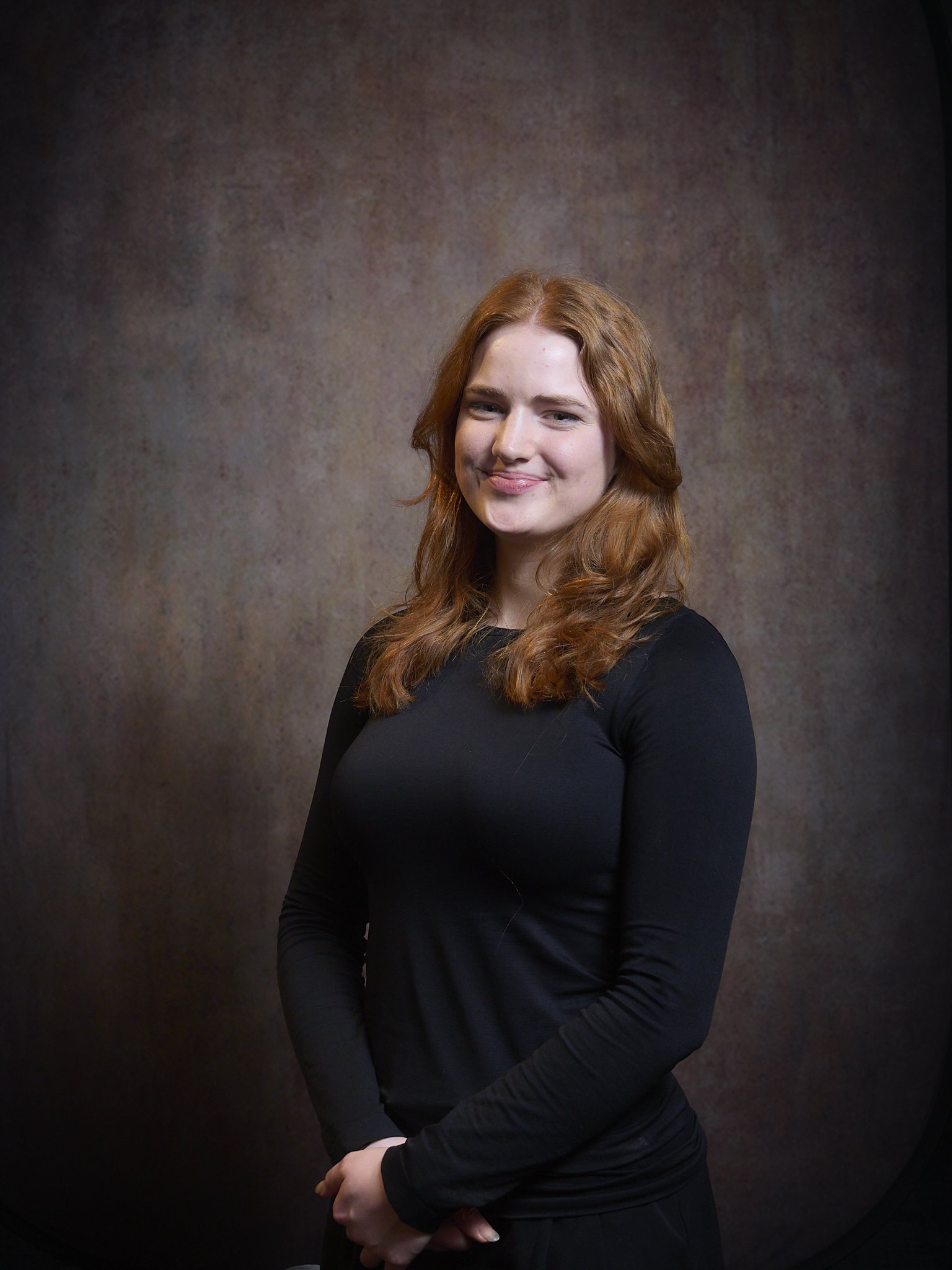
I have found colour is irrelevant in these days of layer masks, but texture is still important if you want a natural looking finish. This backdrop has been used as colours ranging from steel blue, woodland green, fiery orange and muted grey, more or less textured and lighter or darker, all from the base you see above.
Godox 860 flash (Olympus/Panasonic mount)
This was bought so I might be able to use high speed fill flash in bright light with some hope of consecutive or group shots as it packs a massive battery.
It does that.
What it also does is handle three large social events on a single battery charge. We are talking maybe 3-4000 fires, no issues, no waiting, no power drops, no misfires. I usually get home from a job with 3 of 4 bars left.
I shoot with it set to manual, usually set between 1/16th to 1/8th power, ISO 800, F1.8-2.8* using a small white bounce panel of my own making (hair band and a soft foam cut out).
I find any mistakes after a few years of using this kit, rarely fall too far out of salvageable range (the trick is to keep some things the same like lens aperture and distance), so guess-shoot then sometimes adjust and re-shoot seems to work and manual is significantly easier and quicker on the battery (no pre-flash).
Relying on TTL is less than perfect anyway and can be inconsistent.
I keep a 685 handy as backup, but so far, it has just been dead weight.
Olympus 17 F1.8 Mk1.
Travel, events, walk around, backup in low light, this just tends to be the one I turn to. Sharp wide open, long transition from sharp to out of focus, lightning fast and accurate AF, an organic tone that softens Panasonic sensors, handles flare very well, small, light,….. have I missed anything? Ok, not weather proof and mine is quite worn so it sometimes fails to engage manual focus, but otherwise, excellent and it has even managed to fend off excellent lenses like the Pana/Leica 15, Oly 17 f1.2 and remain the top one for me.
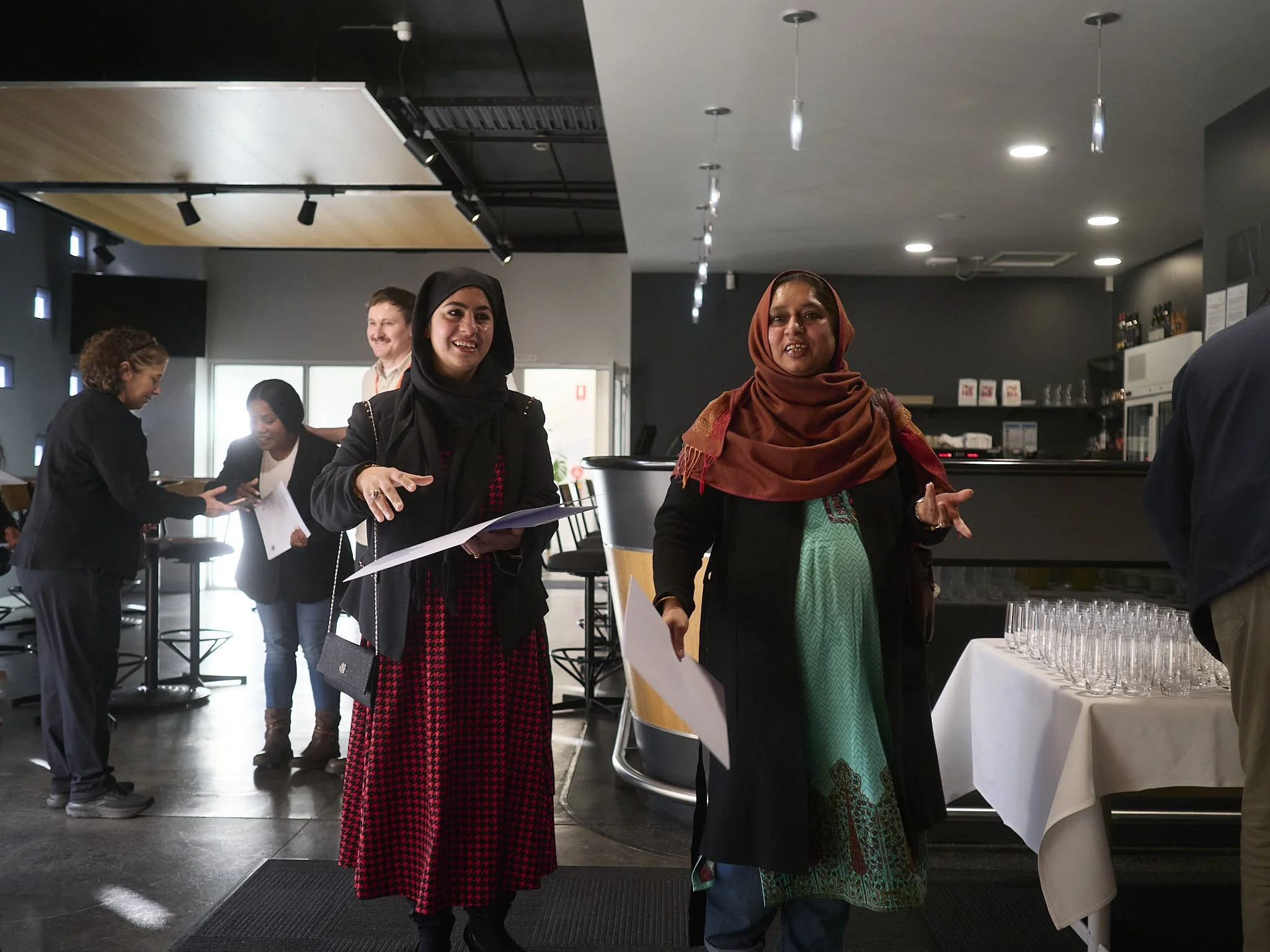
This lens has a secret ability. It is sharp wide open and can ‘cut-out” a subject even though it is a MFT wide angle, but it also has the ability to transition from sharp to out of focus invisibly, backgrounds are natural and coherent. In the image above, shot at f1.8, the subjects are sharp (thanks in part to a fast f1.8 aperture) and the they “pop”, but the people in the far background are still recognisable. The 15mm Pana/Leica for example, would render a more sharp/soft look, a more modern look, but at the expense of environmental context. It is a great story telling lens.
Panasonic G9 Mk1
I have plenty of great cameras, but the G9.I’s are a little special. I have two of these, one of them dropped no fewer than three times (unlucky much?).
Not my first (second or third) choice for sport, not my smallest or lightest option, they tend to band easily in silent mode, in fact they not a lot of things, they are nearly perfect ergonomically, better than the new one in fact, they also show nearly mind reading surety in close with a wide lens (Pana or Oly), are obviously tough, I have tested that, can match the EM1x for low light performance and produce a lovely image in most light.
I also have to give them credit for starting me out in video (why I got one in the first place, it’s hybrid nature). I settled on Standard setting with contrast down, producing lovely clean and colourful footage, then I pondered Log, extended recording etc* and went into a S5 (a bargain) and the G9’s fell away. They are still employed as the 5th and 6th cams for large jobs, but are otherwise unfortunately neglected.
Something that has been a surprise to me lately, something i had not really tried based on others opinions regarding AF speed etc, is body and face detect continuous focus with the 9 and 15mm, which rocks!
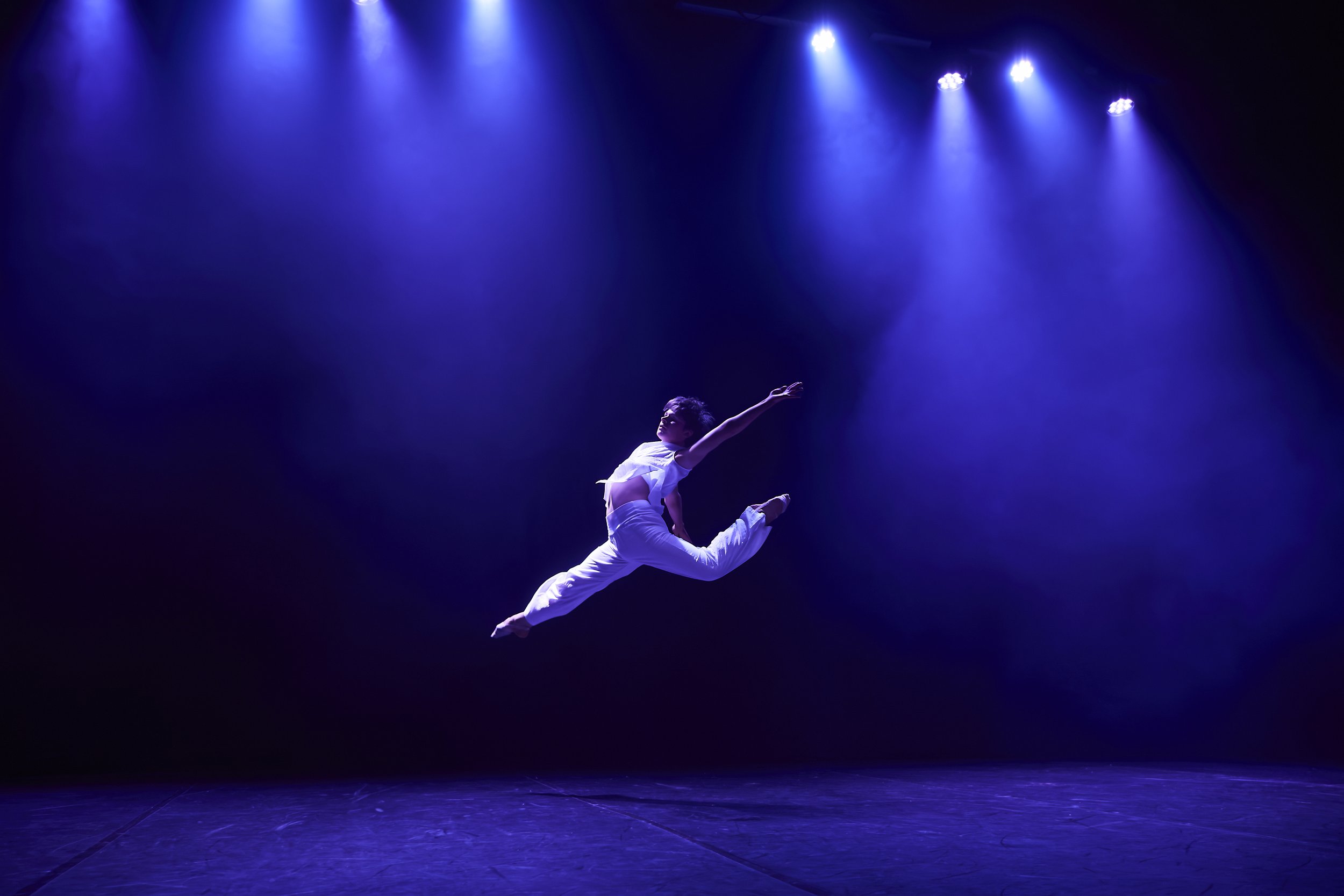
I find it hard to walk away from a second hand or clearance one, even though a few cameras I have are technically better. To put this in perspective, I would choose one over the S5II for wide lens stills and do, almost every day.
Olympus EM1x
These cameras (I have three these days) are most likely the most powerful second hand buy on the market today. Not only are they cheap for MFT, in part thanks to their size which to many defeats the purpose of MFT, but they are also incredibly cheap for second hand sports cams.
Designed for the Olympus anniversary and Olympic games that were unfortunately postponed for COVID, they are a EM1 Mk2 with dual processors and as for size, it is perfectly laid out for a professional sports camera.
The reality with size is, a pro sports camera has to be tough, cleanly laid out, responsive, weighty enough to balance with a long lens and fit any sized hand. Smaller is not always a benefit.
As for its “Achilles heel”, the small sensor, well lets just say I regularly and confidently shoot at ISO 6400 with a hand held 600 f4 (a 300 f4 with 2x MFT crop) and get results that people comment on positively and based on content, not technical short comings.
AF is a quick as I can be, rarely missing a shot unless I do and the cameras learning ability has made each one a specialist with the lens it is mated to. I was sceptical here until I switched bodies and found I lost a half step.
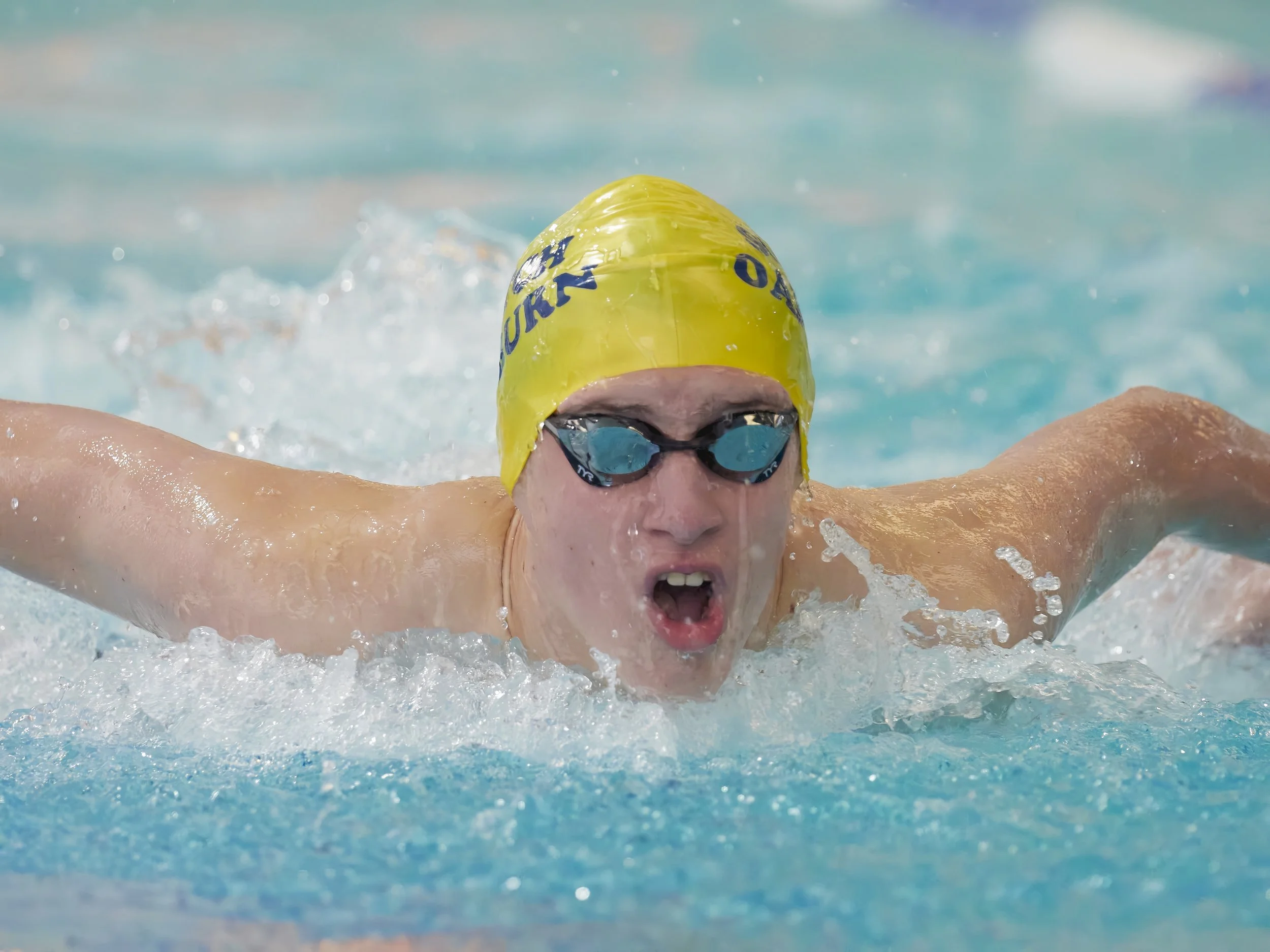
One environment that troubled me in the past was the local swimming baths. Poor light, murky even, bad colour, difficult access all conspiring to undo my best efforts. These days I can easily hand hold a 600mm equivalent at ISO 6400 and shoot between the legs of officials standing on the blocks if needed to get these shots and I remain nimble enough to get out of the way when needed.
Olympus 75, f1.8, 300 f4 and 40-150 f2.8
Part of the story above, these three lenses are the MFT advantage personified (there are other lenses, but these are the ones I have).
They have all had a lot of use and are showing it, but considering their lifestyles, they are doing well.
This has to be balanced with the two big selling points.
For the range of (in full frame terms) a 150 f1.8, 600 f4 and 80-300 f2.8, in a kit that I can carry all of at the same time and all mounted on a camera body, I paid about $5500au and second hand I could probably replace them all for $4000au or less.
I have a fully replaceable, easy to carry kit of lenses for dingy indoor sports like basketball at the local gym, shooting Hockey under weak lights or long range field sports like AFL. Throw in a light weight wide angle and you are set.
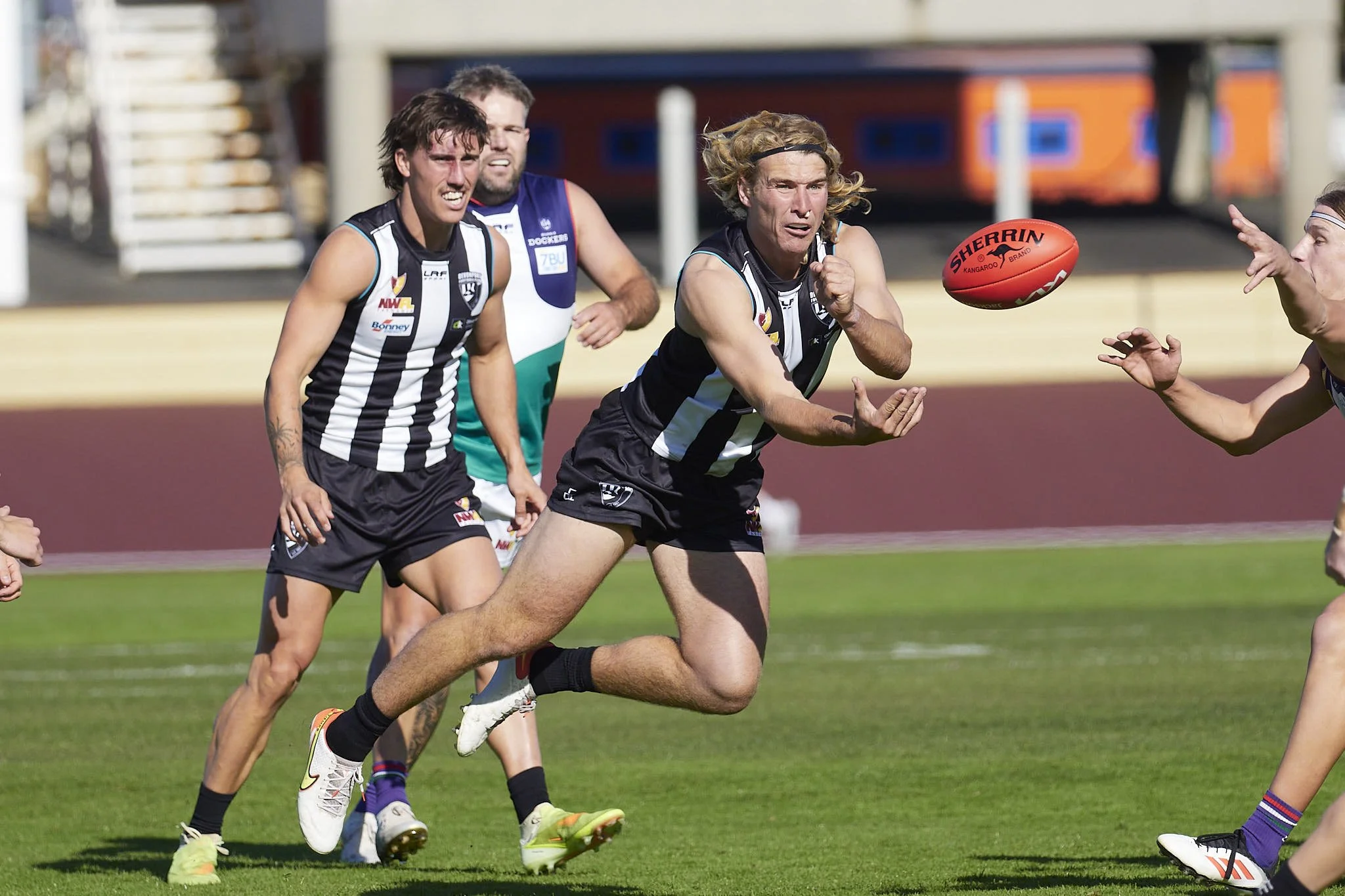
AFL is played on one of the biggest grounds of all field sports, so a range of 80-600 is ideal.
Black magic Video Assist 12g (7 and 5 inch)
My video journey has been swift and sometimes difficult.
The breakthrough for me was going into B-Raw. This not only improved my overall quality, but it closer aligned my video and stills work flows.
The Video Assists are compatible with all six of my Panasonic cameras more or less. With three I get B-Raw with various levels of support, three others can output over HDMI to ProRes for deeper colour depth and one of those could be upgraded to RAW-out.
I only have two units, which may change, but plenty of options for their use.
The 7” in particular is very quiet and has excellent HDMI pre-amps, so it is often my main sound recorder. The screens on both are brilliant (literally), intuitive and quite resilient, although I have caged both.
It is true that the overall rig is a slave to some cables and connectors, it is slightly messier than say a BM Pocket Cinema camera, but these have their own down sides. Usable AF, in camera stabilising, screen placement, battery life, form factor and weather sealing are all sacrificed for the saving of a few cables. If you run a separate screen, power solution or microphone, you cannot avoid some cables anyway.
Sure I missed something, but I give thanks to these items, they make life easier and often help me reach my potential.
*The MFT advantage of gathering f1.8 light and rendering f2.8 depth of field.
*Turns out all of these were available with an off board recorder, but information on that was sparse at the time. The happily plug into my BMVA12G’s for ProRes colour.