My video journey has been a series of stepping stones. These stones, a little like in an Indiana Jones flick, have been treacherous, occasionally disappeared or even proven to be illusionary, but they needed to be taken for better or worse.
The big ones, the ones that made a real difference were few and memorable.
Resolving to learn Resolve.
There were a few editing choices in front of me, but the free licence for a the bulk of DaVinci Resolve helped me make up my mind, even though I was aware of the steep learning curve, because even if I had to pay for it totally, it was still the right choice for my journey.
My copy of Studio Resolve came probably the way most do, through a purchase of another B product, so I either got it free with my Speed Editor Panel or the other way around, but either way, both were worth buying.
Asking the question “is there another way”.
Bogged down in a world of follow the leader, a world of Lut’s, Log and hazy grading, I kept thinking along the lines of, “is there another way”, “what do professional colourist do” and “why is what I like, not what others do” which lead me to find some more aware and professional voices coming down from professional training, not up from the bottom like me.
Cullen Kelly has been the main one, chosen as much to “pick a ride” as any other motivation, but so far his channel has answered all of my questions with clear, logical and efficient work strategies with a feeling of constant evolution and “my Resolve is mine”.
Going RAW.
I am a stills shooter who shoots RAW, I always have (in digital anyway, it was mono or slide in film). In video I felt a slave to “the dark side” of Lut presets, pseudo-RAW codecs, doing things a very technical way, as those who came before me said I should. Everything seemed to rely on presets. I don’t like presets unless I make them myself to suit a specific job.
When I bought my first 12G BMVA recorder, it literally changed my video perceptions.
I was suddenly in a world of genuine comfort, a world of power grades and self-controlled processing. Shooting became easier, even lighter on my system as B-Raw 8:1 is actually a lighter load on a system than 4k/ProRes/422/HQ and it edits more easily (RAW shoots bigger but edits lighter as their is no or little compression for your computer to unpack).
I can now deal with reasonable errors in white balance and exposure, get smoother and cleaner footage, better colours, more features and cleaner in-out processes. I have a base RAW Node tree that I apply (thanks to Mr Kelly’s guidance, but one of my own making) and with little effort I get clean, sharp and clear, non video looking footage.
It also came with an awareness that clean, sharp and clear is actually ok.
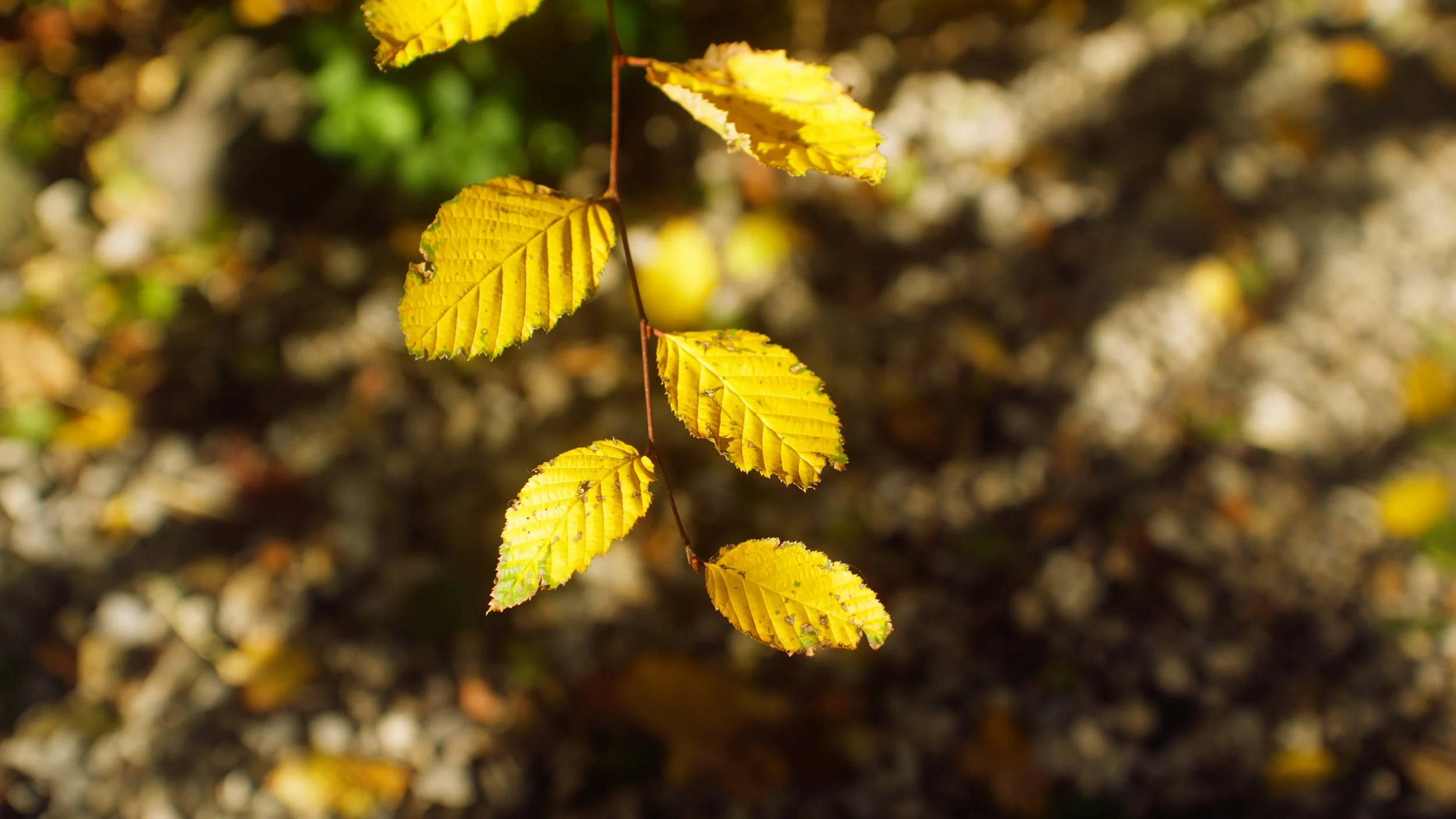
Video that can now produce good enough quality for stills lifted out with a stills-like work flow, fine by me.
Embracing cinema glass.
There is no burning need to buy cine glass. Panasonic S-primes and many other stills lenses are perfectly fine for video, but that’s the main reason why Black Mist and similar filters are so popular. Cine glass, even cheap cine glass changes a few things.
You get good at manual focus and its much better implementation, you rely less on filters and more on the lens itself, you learn to use a prime lens over a zoom, you get big forearms (they are heavy), you take the whole thing more seriously and sometimes (especially with anamorphic lenses), you get more “cinematic” results easily.
Like a lot of things, it is easy to dismiss a particular method when you don’t have the right tools.
The Vespid and Hope cine and Sirui anamorphic lenses have all been genuine quality shifters for me, not because they are necessarily sharper than some stills lenses, but because they are designed with a more wholistic approach to image capture.
Moving stock requires more than just high sharpness and contrast with acceptable Bokeh. It requires the ability to render contrast, blur and sharpness harmoniously to suit the medium, to be able to transition focus without breathing or other strange behaviour, to look good while shooting, not relying on post processing salvation.
After using real cine glass, I have become aware of just how specialised to the point of being flawed in many ways, some otherwise good stills glass can be.
Power to the people.
Finally going into V-mount and NP batteries to remove the 1hr limit for recording. Not much point having a camera with no recording limits, if other things limit you. The 1hr-ish cut off from the internal battery (highly conditional) is so very often just too short for many projects or at least tenuous enough to distract.
For example, the other night I shot a 75 minute performance that I had to shoot stills for and leave two unattended video cams to do the rest, both shooting 4 or 6k out to the BMVA’s one on a V-mount (powering the camera as well), the other on an NP-970 to the BMVA, the camera running on its own.
At the end of 75mins continuous recording, I still had 70% left on the V-Mount, 2 out of 4 “dots” on the NP adapter and I can only assume thanks to the NP doing the heavy lifting, the internal camera battery was still on 2 of 4 bars. I had batts and occasional dead spots to change them, but I did not have to.
Holding Firm On Gimbals.
I could have gone this way, it would have been a relatively small investment, but I held firm and avoided the gimbal thing. They have their uses, they are a crucial part of many cinematographers arsenal of tricks, but they can also be, especially when starting out, a crutch and worse, an addictive habit.
By rejecting them, I am slowly improving my hand held technique (make easier by my choice of Panasonic cameras), or to think of other non camera specific methods, like the noble tripod, slider or boom.
Many of the best shots in cinematic history were shot on sticks or hand held. Gimbals are only one method of capture and not always the best.
Choosing Panasonic Cameras.
This was a given I guess as MFT was my stills format of choice and the G9 MkI my first serious video maker, so as soon as I grew in this space, a mix of full frame and MFT cams, with Black Magic video assists as my upgrade of choice, everything made sense.
Panasonic tends to give you more of the real stuff quicker and cheaper, like waveform, red frame indicator, Log, 10/422 colour, epic stabe etc in a sub $2000au camera. AF needed some improving and they did, but even my first cam, the stills hybrid G9 mkI, without optional firmware, could shoot 4k/422/10bit in short bursts. With firmware, it could shoot Log and record out over its full sized HDMI.
Creating a dedicated video work space.
I have been happily working from a pair of M1 Air laptops for the last few years, but for video, especially the crowded work space that is Resolve, they were not cutting it. Speeds were fine, surprisingly so, but not screen size or handling.
I came into a video windfall that paid for a base model M4 Mac Mini, 29” screen, some fast off board storage and BM Micro Colour and Speed Editor panels. The speed editor in particular was basically free with a copy of Resolve Studio license (either are the same price), and the jog wheel has help immensely.
I do not use all or even most of their options, but the tactile nature of the controls gives added control and connection to the process.
With amble storage, including a small high speed dock accessory, my work flow is not faultless or instant, but I am not clogging up the works with unwanted stills and video work competing for the same space.
There have been other factors that have empowered my journey, but these are the ones that stand out to me, the real and I hate to use this term “game changers”, but they actually have.