As cinematographers and videographers, we need to remember who the real hero is.
Cinematographers are enablers, supports, realisers, but we are not the hero.
The hero of any good film or clip is the story, as related by the characters and the location.
Lighting, sound and cinematography all support and record that, simple as.
Yes, you can win an Oscar, but no, you will not be a house hold name.
There is a trend at the moment however of choosing to hero the process over the subject.
Subject is all, but process is an ever changing series of cans and cannot’s that usually limit us, but sometimes exceed our needs and then tend to be reigned back in, in an often futile effort to re-find lost balance.
When we have had an abundance of procedural problem solvers at hand for a while, a generation or so maybe, the up and coming shooters may learn to use what they now can as “standard” not extraordinary, that standardisation then contributing to formulaic norms that were not so very long ago, extremes.
Some things should stay in the extreme camp, because over use blunts their relevance and often makes them a little obvious and obnoxious.
I am referring to a couple of my pet hates, things that have empowered a new generation of shooters, but may also have hobbled them to destructive cycles and worse, made the process the hero at the expense of the subject.
PH 1 Overly shallow depth of field.
Very shallow depth has its place. It is perfect for the very intimate “inside the head of'“ shot, the shot that says look at, even into, me and share my emotional weight. It should not be used for basically every shot you do.
Shallow depth of field was for most of the history of photography and cinematography the enemy, the suffered consequence of low sensitivity film and insufficient or inefficient lighting. Creatives learned to embrace it as best tehy could, but on the whole, very few photographers liked it, lenses were not corrected for use wide open.
The general assumption was, the viewer would get nothing from it’s use, they would be slaves to a look imposed on them by an unkind physics equation and their ability to see the subject naturally, the way the eye sees would be the first victim. Deep depth of field was for many the holy grail, but without extreme efforts, often impossible to achieve, so a middle ground was the norm, F5.6-8.

Not natural folks.
The advent of near perfect face detect AF with now visible shifting, just sticky retention allowed us to use ever wider and sharper (because of it), photo lenses for video. This was great, a real problem solver, until it became an epidemic of kids with new toys all conforming to the same look.
Ironically, the new thing seems to be go into legacy MF glass and shot wide, accepting that for all its failings.
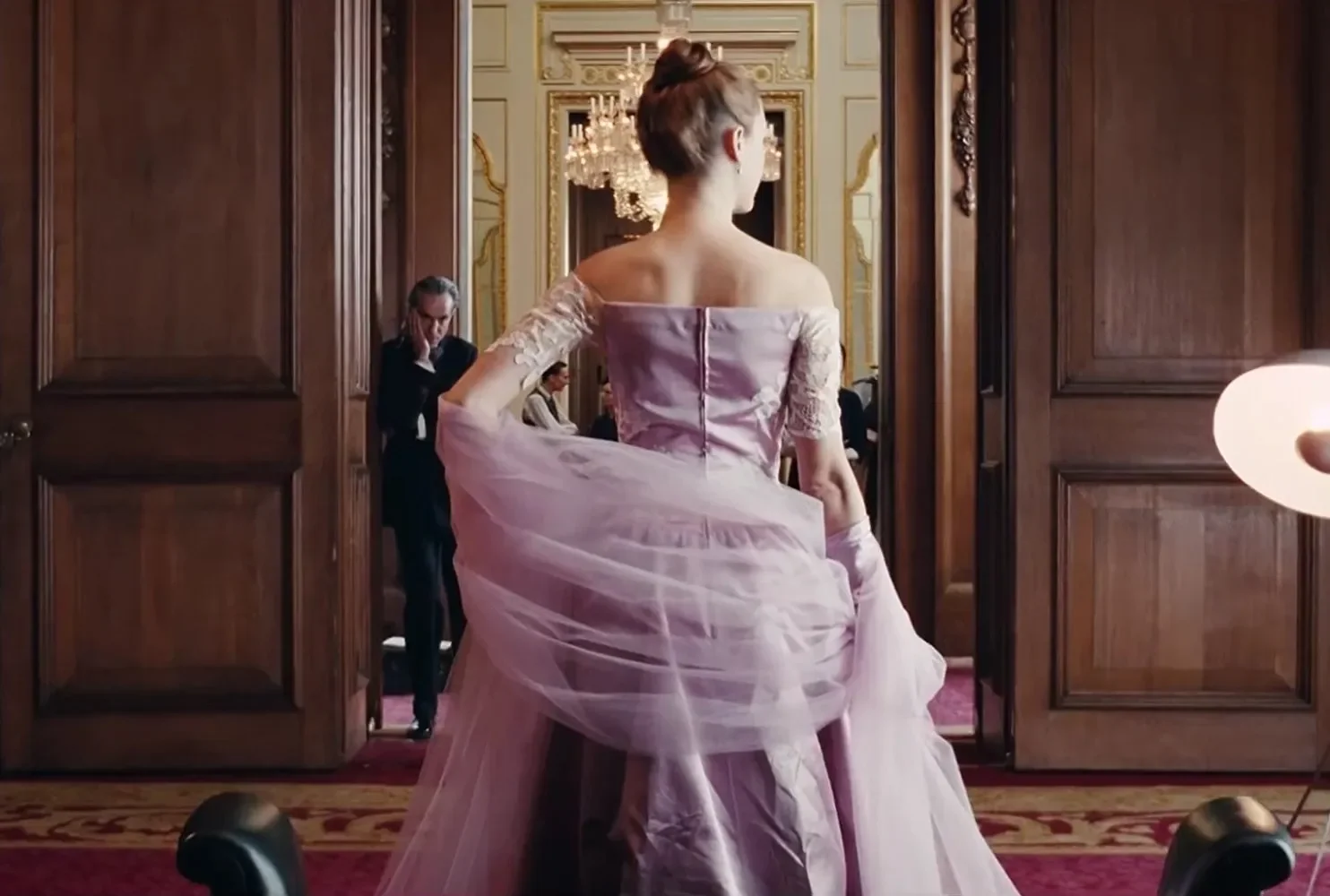
Telling a story well requires layers of depth in every sense. Exceedingly shallow Depth of Field can be replaced by focussing on points in the deeper plain of focus, not having that done for you by the cinematographer.
The key here I guess is that a process has to emphasise the emotional connection the viewer already has to the subject. If you are aware the subject is distressed, then a tight, shallow depth closeup is a support to that, it connects the viewer with the player on an instinctive level. If it is not supported by that connection, then it just becomes a gimmick, a cheap trick that fools and worse engages nobody.
It goes both ways. You need to support that scene of heightened emotional stress with something extreme, like an odd angle, a wider or closer lens, maybe a little hand holding, an effect of distortion, or the weight of the shot falls entirely on the player and they might as well be on stage, but it, like anything, is diminished if you over use it.
Many (most) great movie scenes were shot with depth, often some width and stillness, the power of the scene and the acting carrying the shot.
PH 2 Too much movement.
Like shallow depth, hand held gimbals, costing less than a kit lens have enabled anyone to “walk and talk” basically, to use movement as their creative crutch, to throw away their tripod.
Hollywood has always had movement, the more difficult the move, the more impressive it can be, but Hollywood has also known when to call it, when to let it go and remember that movement, like over use of shallow depth can draw the viewers attention to the process, not the story.