Northern Tasmanian Football Association (NTFA) finals this weekend and I had the pleasure of covering all four matches, although it turns out, I did two for free (need to check my roster closer).
I thought it would be a great time to talk about processes, expectations and results.
Gear and settings.
I have a pretty well oiled process these days of an EM1x with 300 f4 on a Black Rapid strap (hangs across my body on my right side) an EM1x with 40-150, the f4 in good light, f2.8 in mixed lighting, on a camera strap on the other shoulder facing into my body, so it sits lens down, not lens out. I could walk a 10k with this rig and often do.
I have just bought a 100-400, hopefully I will be able to shoot slower and lower grade sports with that and save the kit above from unnecessary abuse.
From here I can switch between them in the time it takes for a kick to leave a boot and be marked at the other end (either way).
In a small bag I have a third camera, usually a G9 with a wide or standard zoom and extra batts and cards etc. If I need a laptop, I use a Domke F802 or backpack instead.
A camera for each lens? It is ten time faster to change camera than lenses on the same camera and each is set up for it’s respective job. There is no excuse in this space to not duplicate cards, batteries etc.
How do I shoot?
AF on the long lens is set to continuous with a slim stack of three focus points with the central one prioritised and aligned to five “bands” across the frame. a quick flick of the control nubbin and I go from centre, centre left/right or far left/right. More columns only slows things down and to be honest I rarely stray from centre row for AFL or field sports. This is orientated to both horizontal and vertical formats, vertical is handy for centre bounces on small grounds.
The main game of the day required this as the total height of most shots exceeds 15’ so using a 600mm equivalent is a little cramped, it’s a chance to practice my timing and get lots of shots of the taller players. Not much variety admittedly and money for jam, but needed.
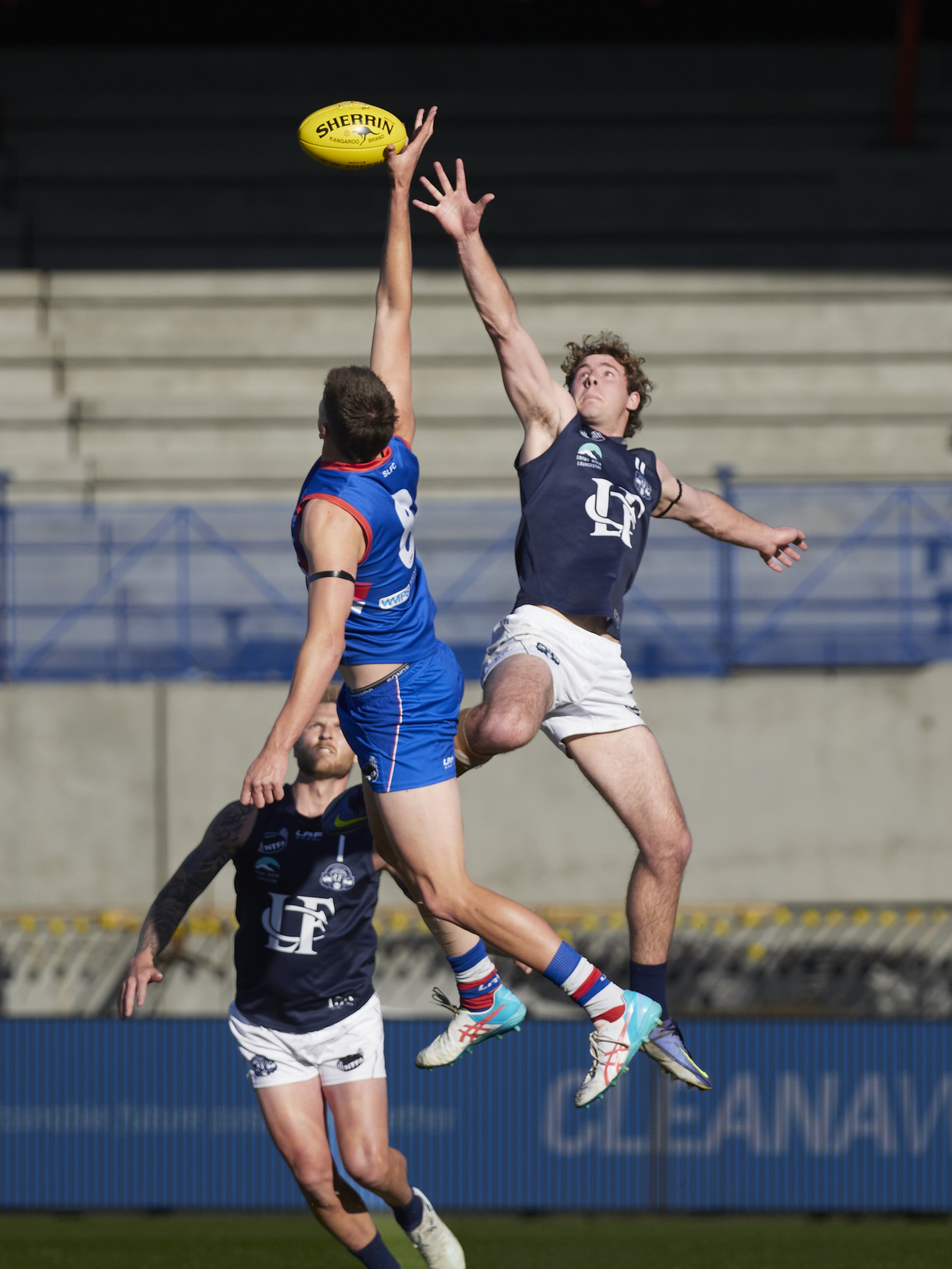
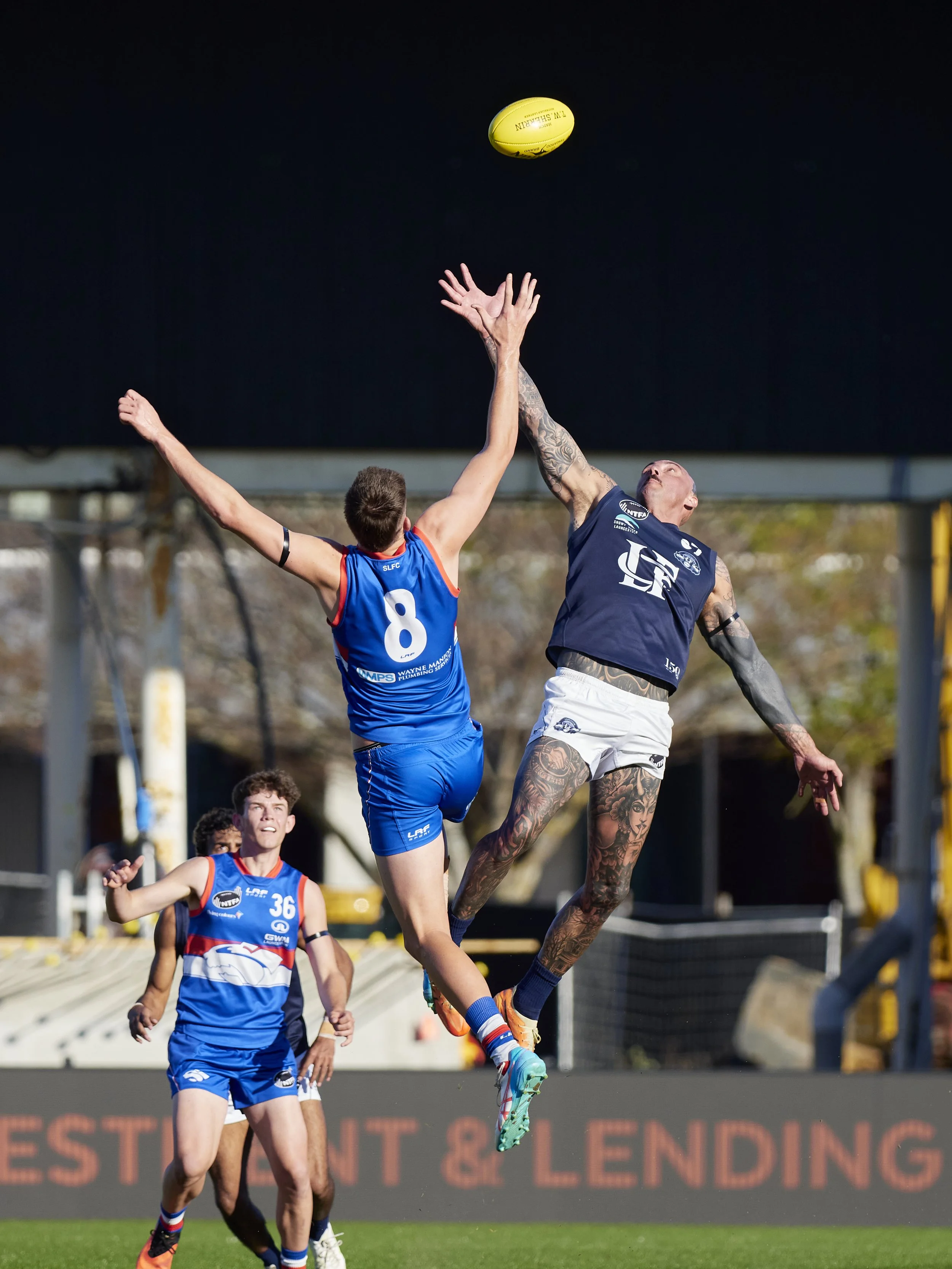
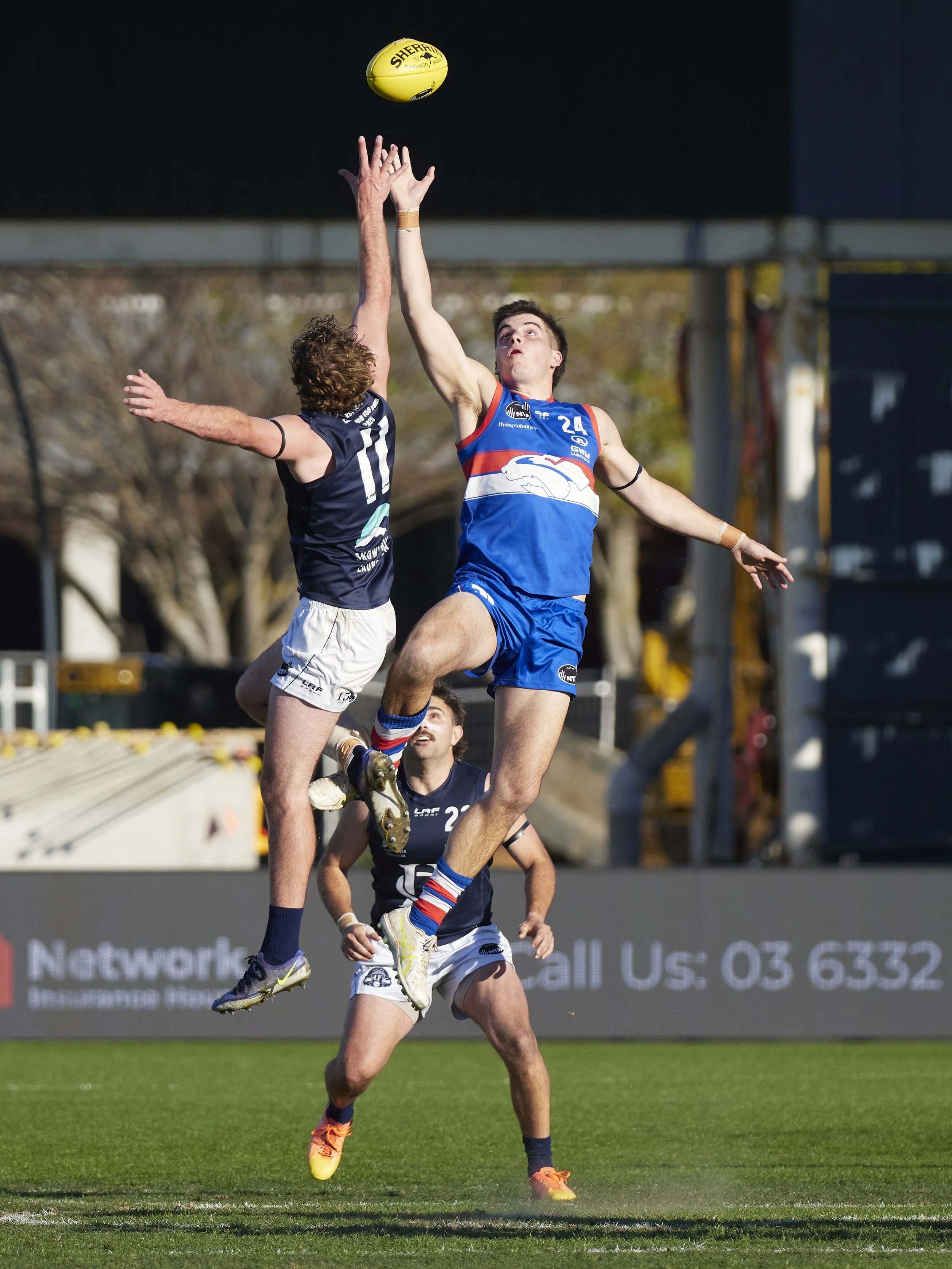
I can then pick out a single player from a group or see past intervening players. I find face detect etc, which has been excellent on Olympus cameras for a decade now, is useless for this type of sport because there are too many faces and I hate automation that fights me. Also, notice how face detect examples are often of single people, like baseball pitchers.
The second camera is set to a diamond shaped pattern with a central bias, which allows for fast grabs up close of groups, the thin stack being a little too tight for that type of shot, especially when quick-changing cameras.
The third camera is used for non game grabs is set to body/face detection for quick wide shots of packs and huddles, which makes the most of M43 depth of field, deep enough to cover whole groups at f4~5.6. I find the G9 Mk1’s to be excellent in this configuration.
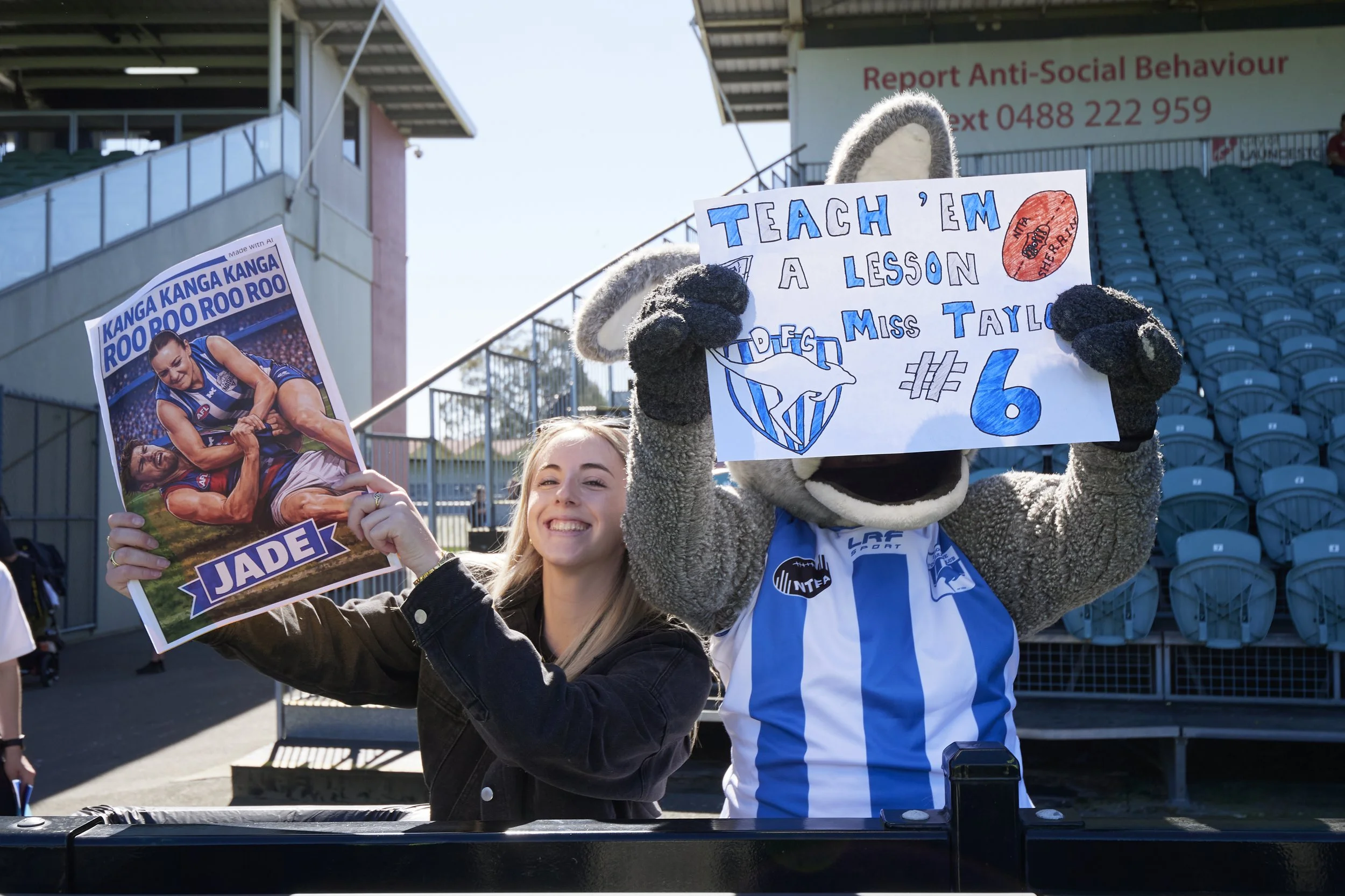
Even sideline grabs.
I will not go below 1/1000th of a second for action shots unless panning, but the wide lens camera can work down to 1/250th.
I tend to shoot in Aperture priority or manual (metering off grass or similar) with a fixed ISO in most light with the lenses wide open to make the most of their speed and maximise background blur. I rarely shoot on beautiful grounds, so blur is good.
If the light is low, I will switch to Shutter priority or manual set at 1/1000th and auto ISO, to guarantee motion freezing speed.
I shoot RAW and always will, because we all make mistakes and sometimes you are handed a plate full of pain.
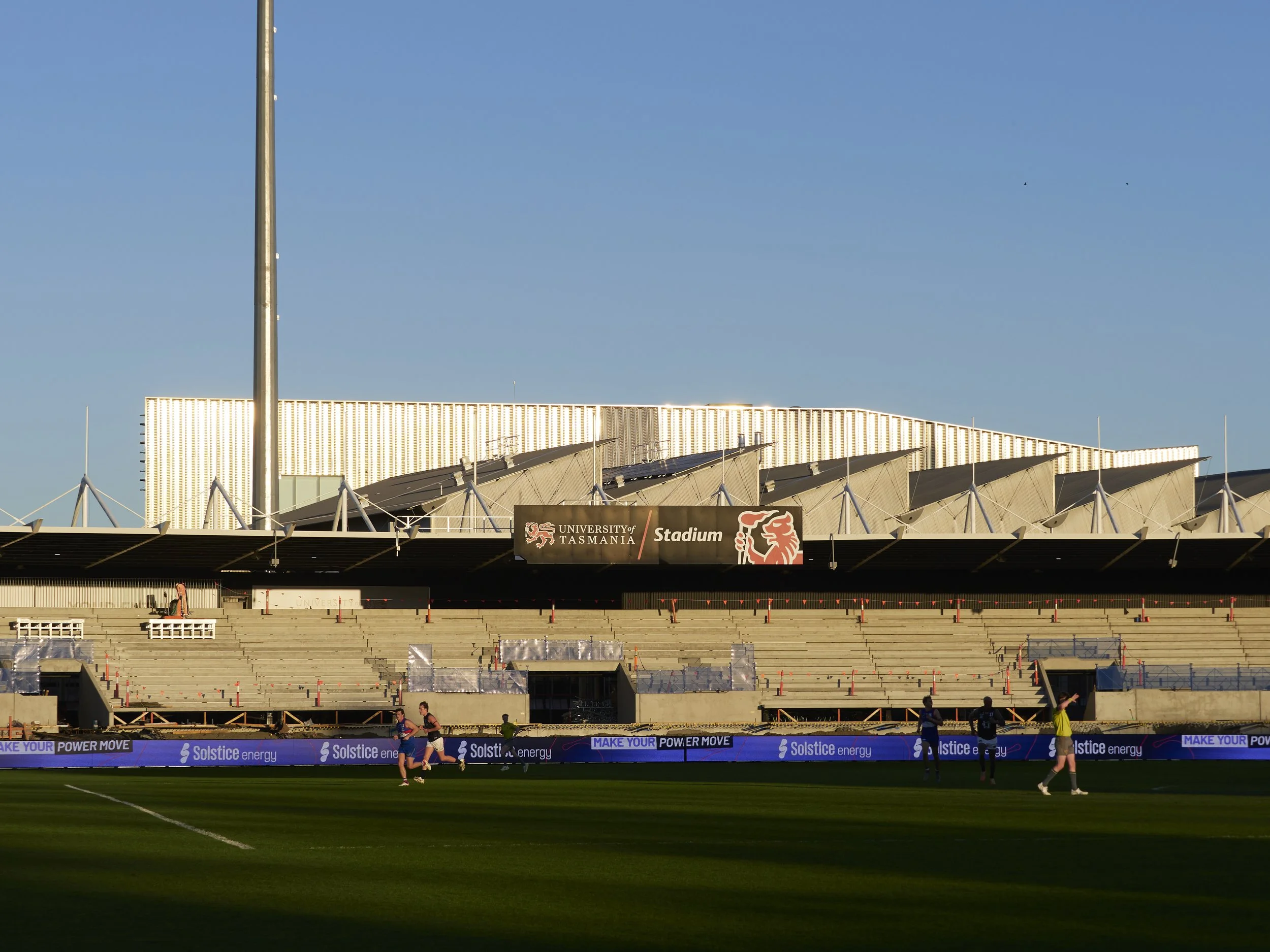
Towards the end of the day strong late afternoon light would cut through deep shadows (about 4 stops difference). This is what they pay you for.
This can make quick transfers difficult, like getting shots submitted without missing parts of the game, so I will run spare cards while processing, just in case and clean card sets for each game so I am not reloading whole games each quarter to find a few fresh files.
At the end of the day, the massive second card in each camera is loaded, the mess of switch cards ignored unless needed.
I do not, for field sports (except cricket*), and this may seem odd I will admit, shoot bursts.
I shoot single frames, usually in electronic shutter mode and find the EM1x’s so fast that I get what I see, or more to the point what I would see if I did not clip it. The reality of this game is, you don’t want to see your shot in the view finder, because if you do, you have missed it.
I find the burst comes down to timing and anticipation and then a loss of connection as the frame blacks out or flickers and the camera hungrily absorbs gigs of data. I prefer to shoot single precise files, even if they are close together. It is a contradiction that I have cameras that can shoot 18 fps with a near bottomless buffer, but all I care about is responsiveness.
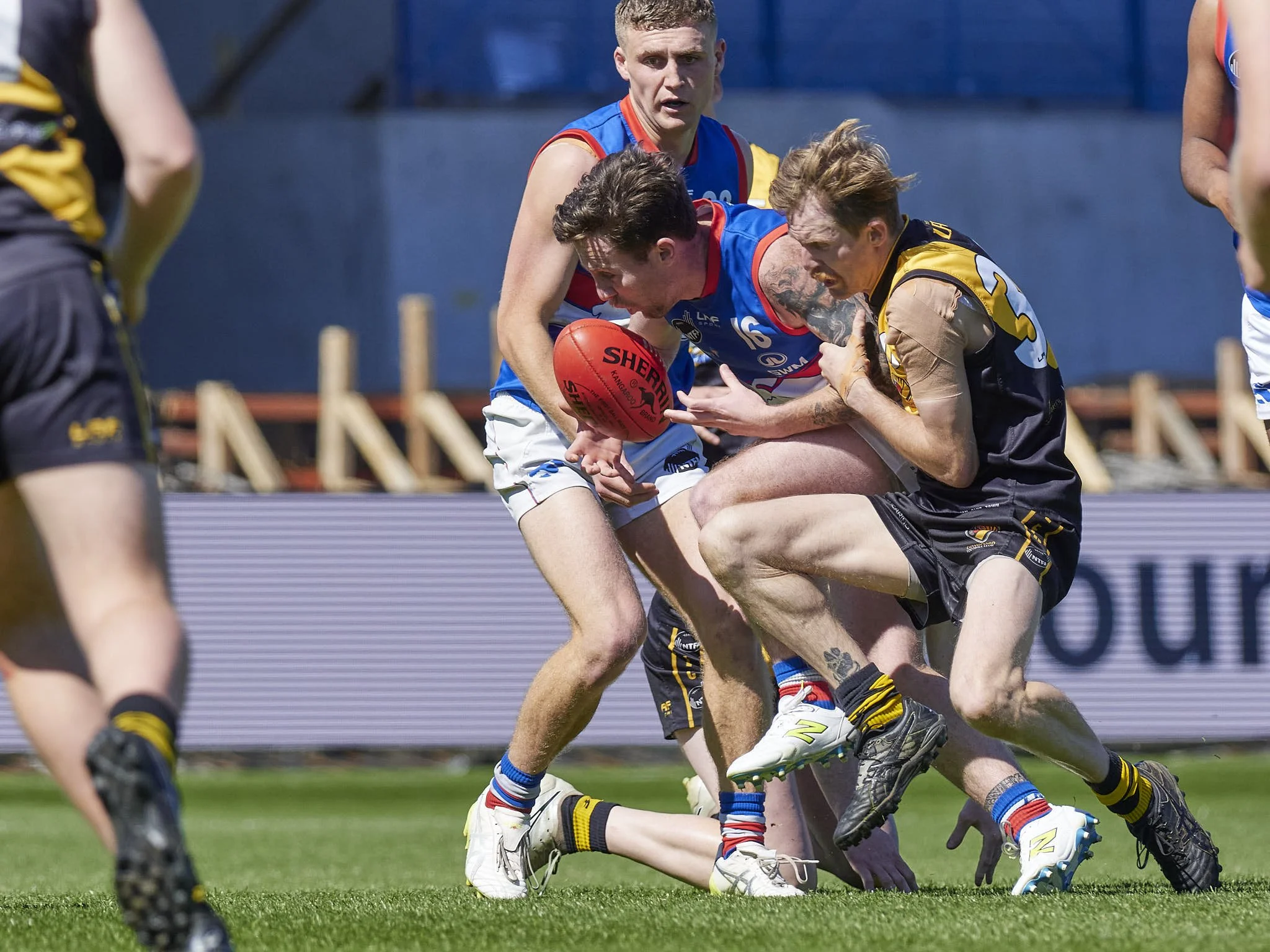
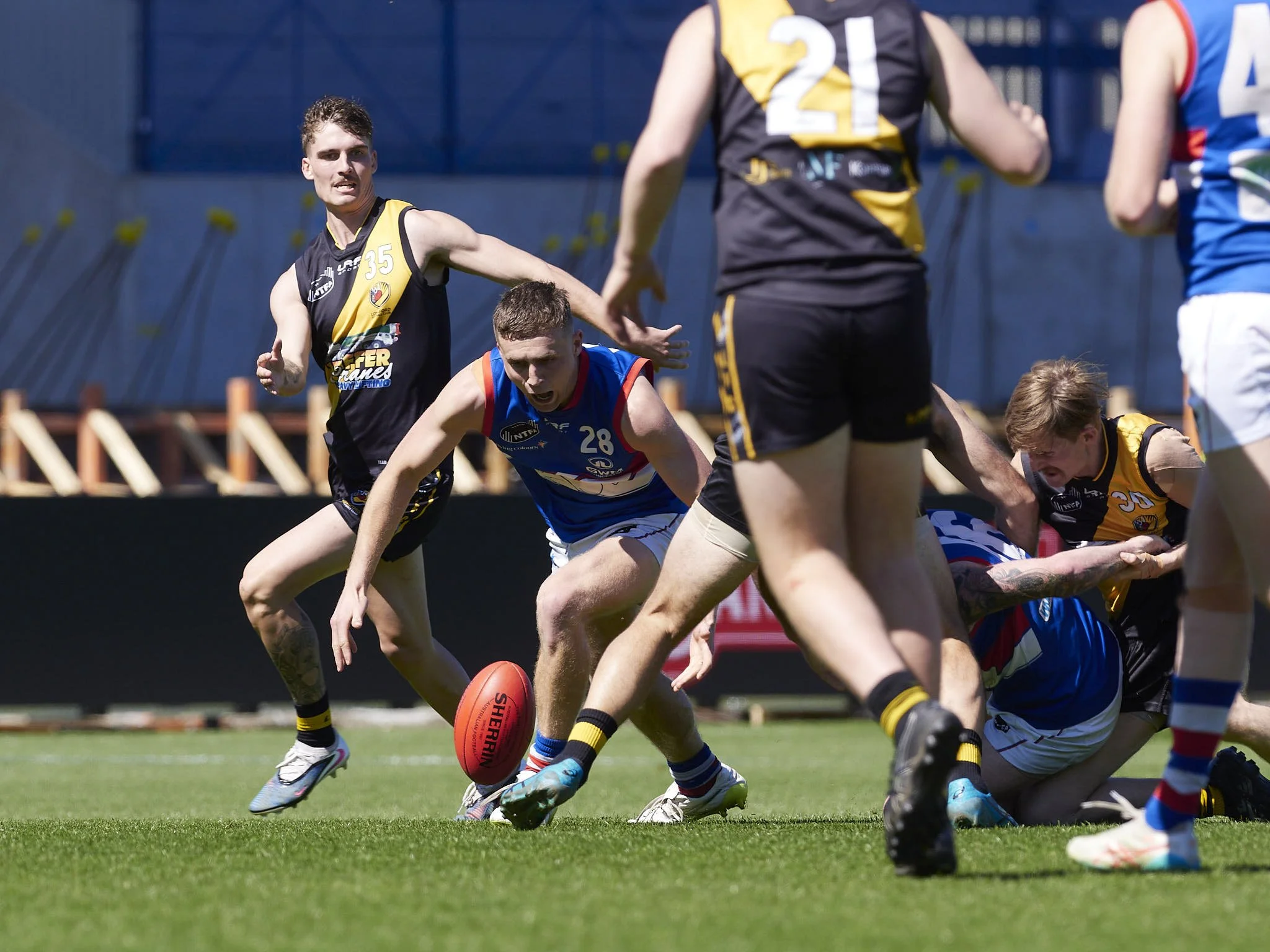
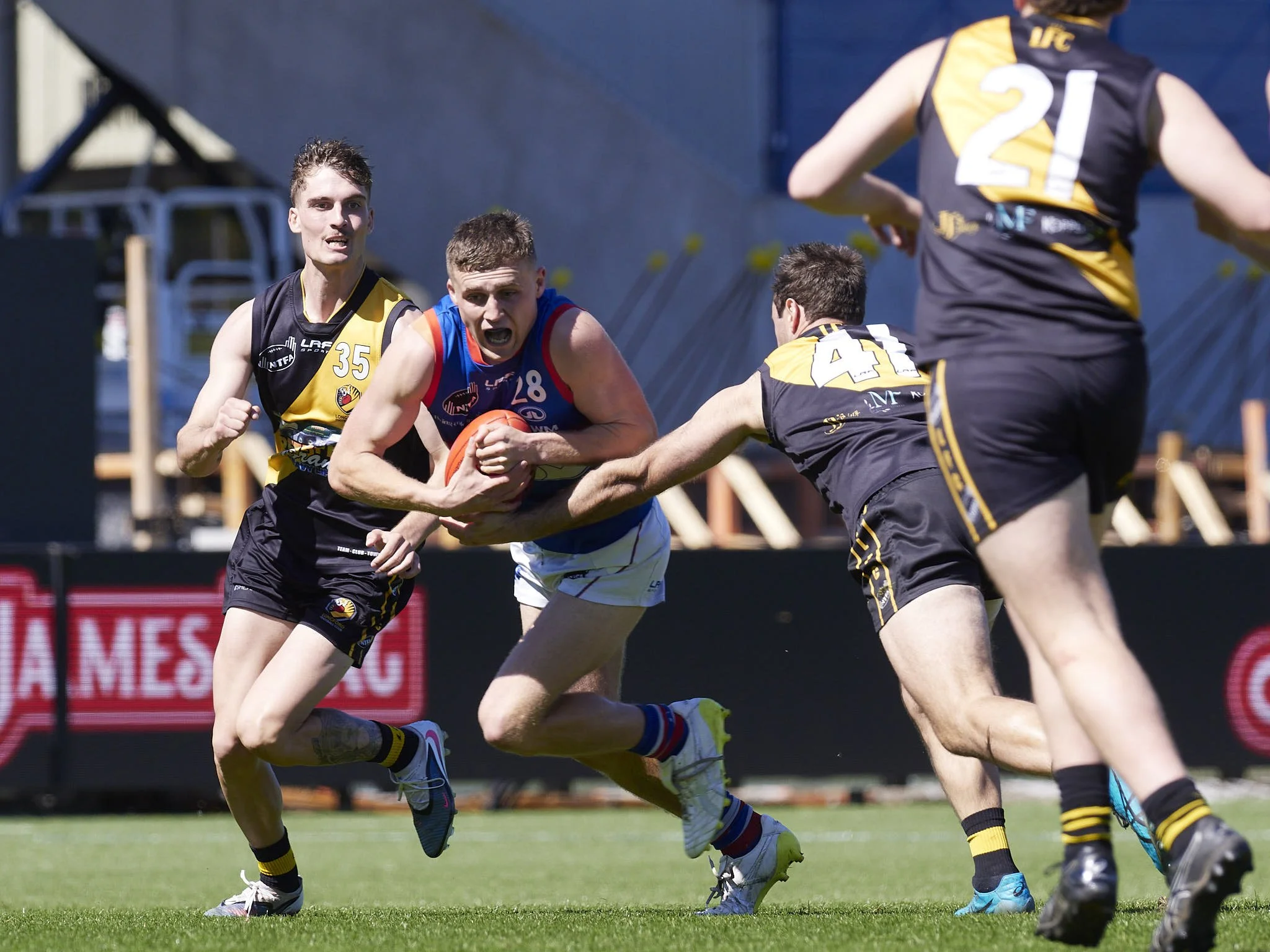
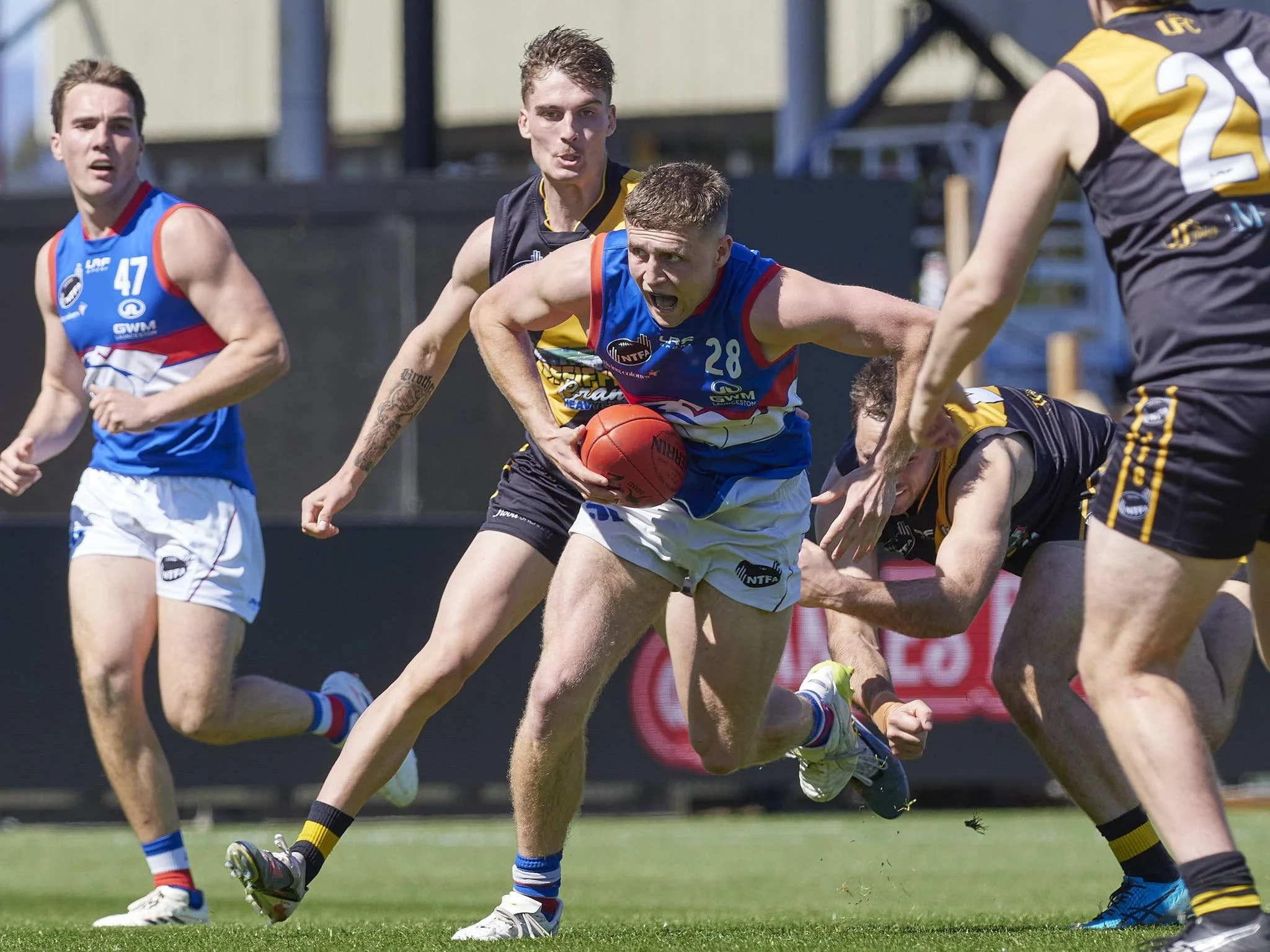
The two frame below were consecutive, but not a burst. The first is the recognition shot, the second the refined shot.
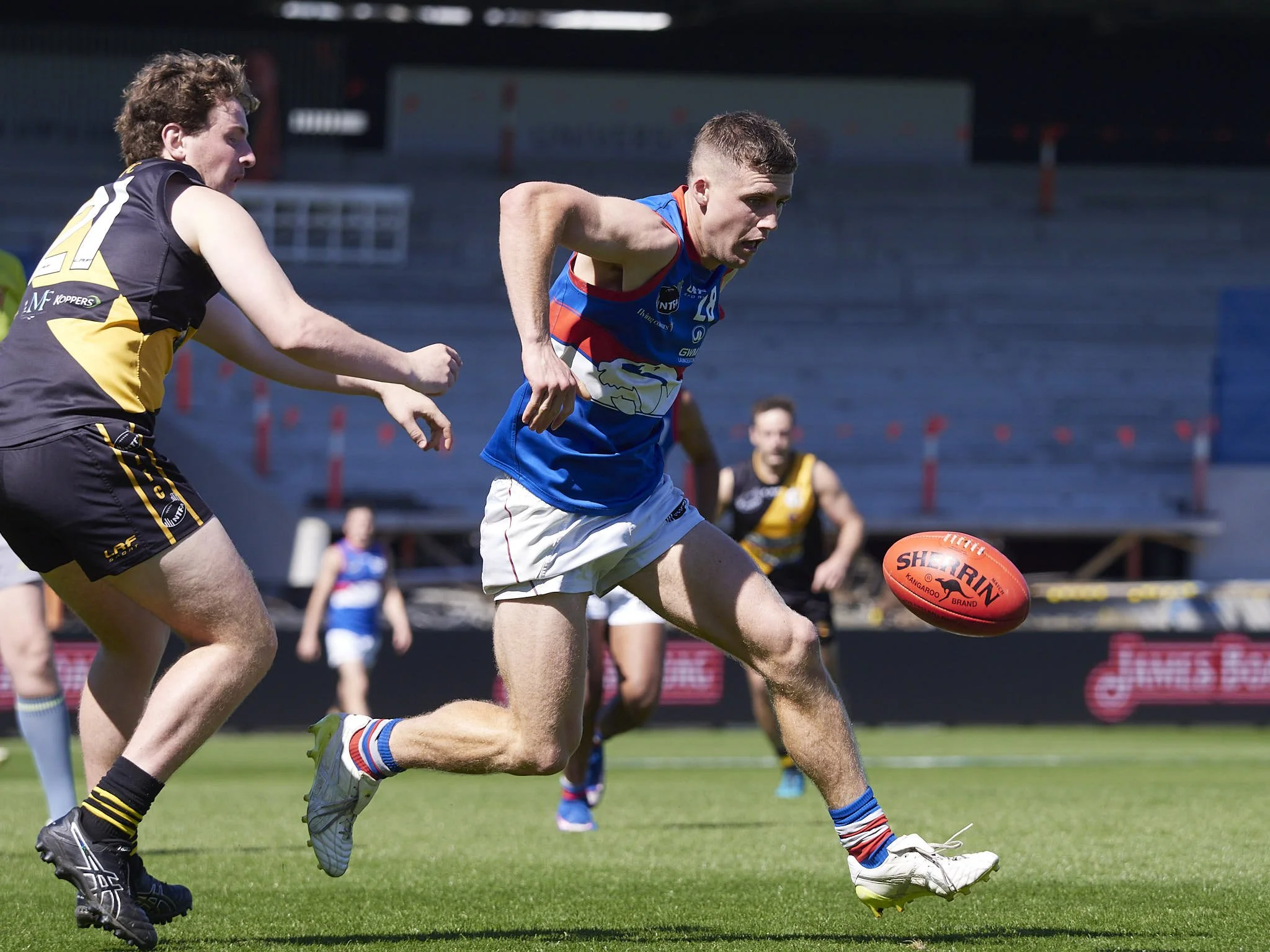
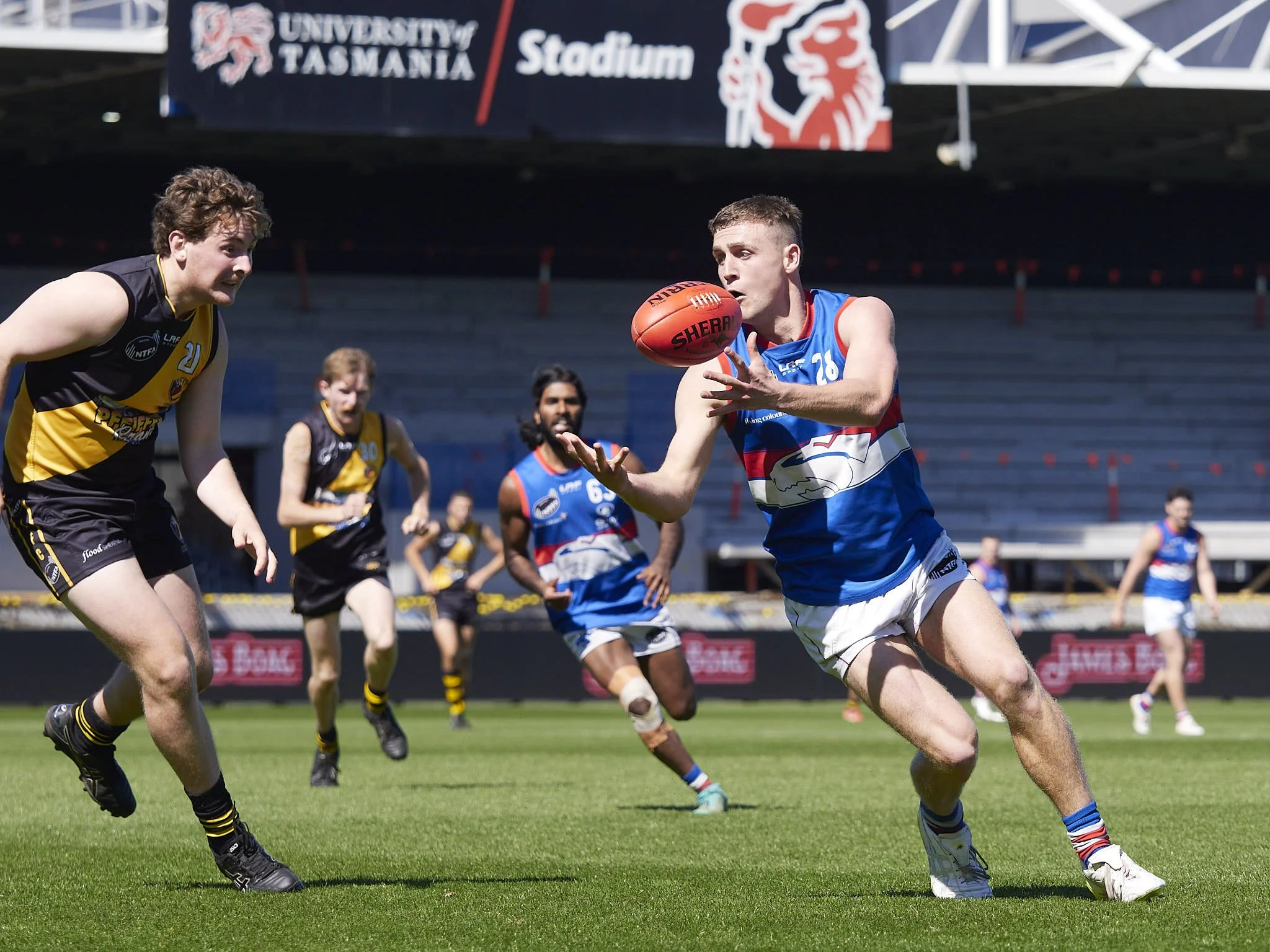
Given frame rates available to us these days, the images above could have been connected by 10-15 more files (a ball bounce), but why and would I have even seen the second one if I just “left it the camera” to do?
If you ask a soldier what they are more afraid of, a sniper or a burst of machine gun fire, they will always say the sniper. Be a sniper, not a chain gun.
This means I tend to get better at timing as the season goes, keep more connected to the game, get more keepers and less dross to comb through and tend to see things developing in a wider scope than just hammering one scene and hoping for the best.
One photographer next to me was shooting bursts of 10-20 over a second or so, sometimes to little effect as the anticipated action failed to take shape. If they got the action, they then needed to sift through and choose the winning shot. I can guarantee you that if your gear allows it (speed comes in many forms, reaction time is the most relevant to me), try single frame capture and see, you may never go back.
Over 4 games I shot 1670 files with my primary long lens camera and about 800 on the short lens backup and 100 on the wide lens camera and I followed all of every game. Of those 1670, I submitted 500 (about 800 in total) that all fit one of the categories below and about half of the total could have been used if relevant to do so (it can be handy to have a shot like, but not the same as another).
This also allows me to follow the game and shoot as I watch, quickly and quietly, all very Zen.
I am aware it does come down to gear. My EM1x’s are near instantly reactive, silent and light to the touch using either the main or vertical shutter button (another EM1x advantage).
Shot types.
The hero shot.
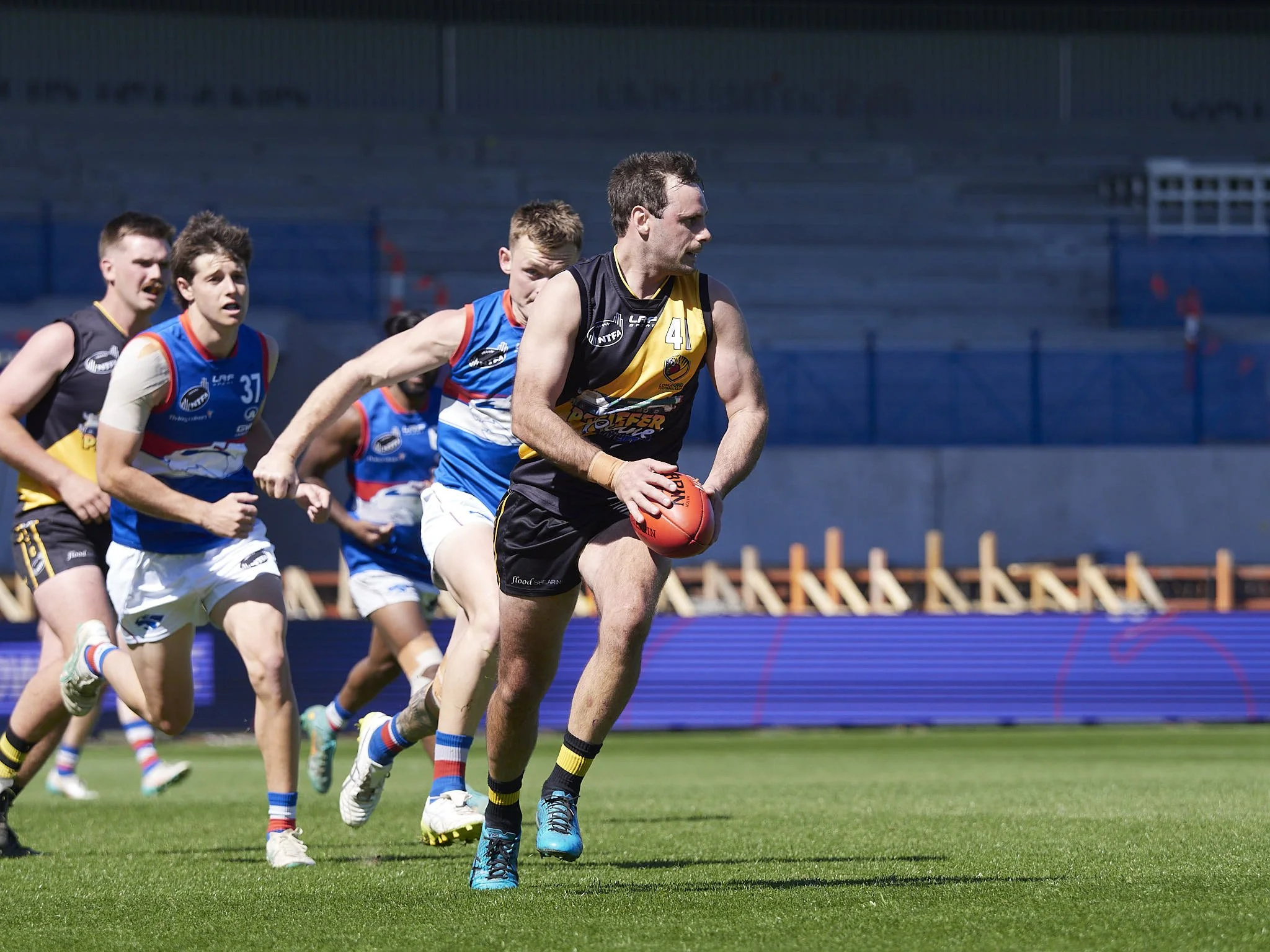
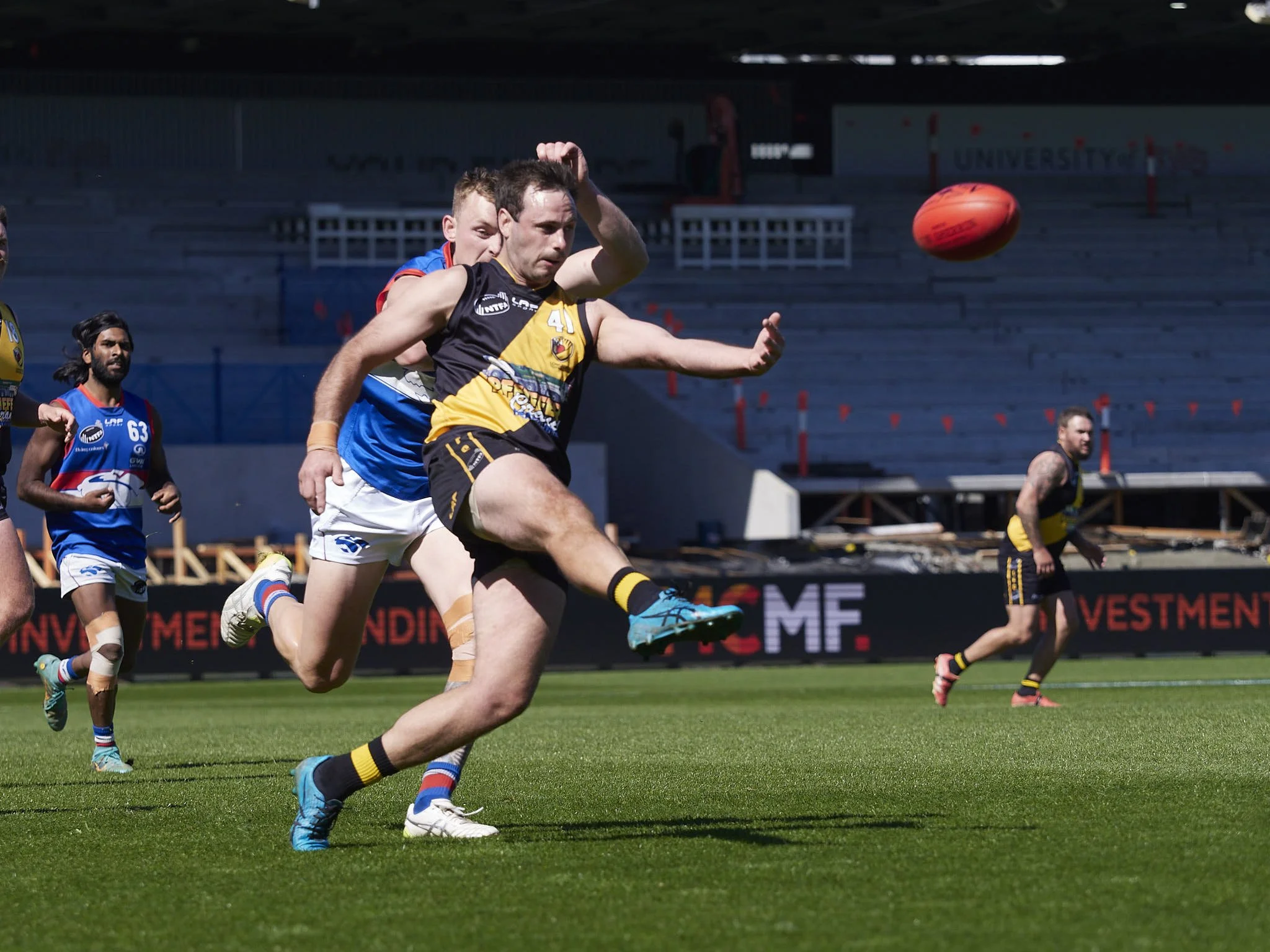
The hero shot is the sort a writer will want for an article about a game, player or team that is flattering, noble and gives ascendency to the central player. These are never “defeat” images, always shots of winners, with ball control, or at least neutral.
If the shot features an injury or unjust outcome, then it becomes one of the other types below.
They are reasonably easy to get, you can even stalk specific players if required, just wait for some clean play and ball possession or a leadership moment.
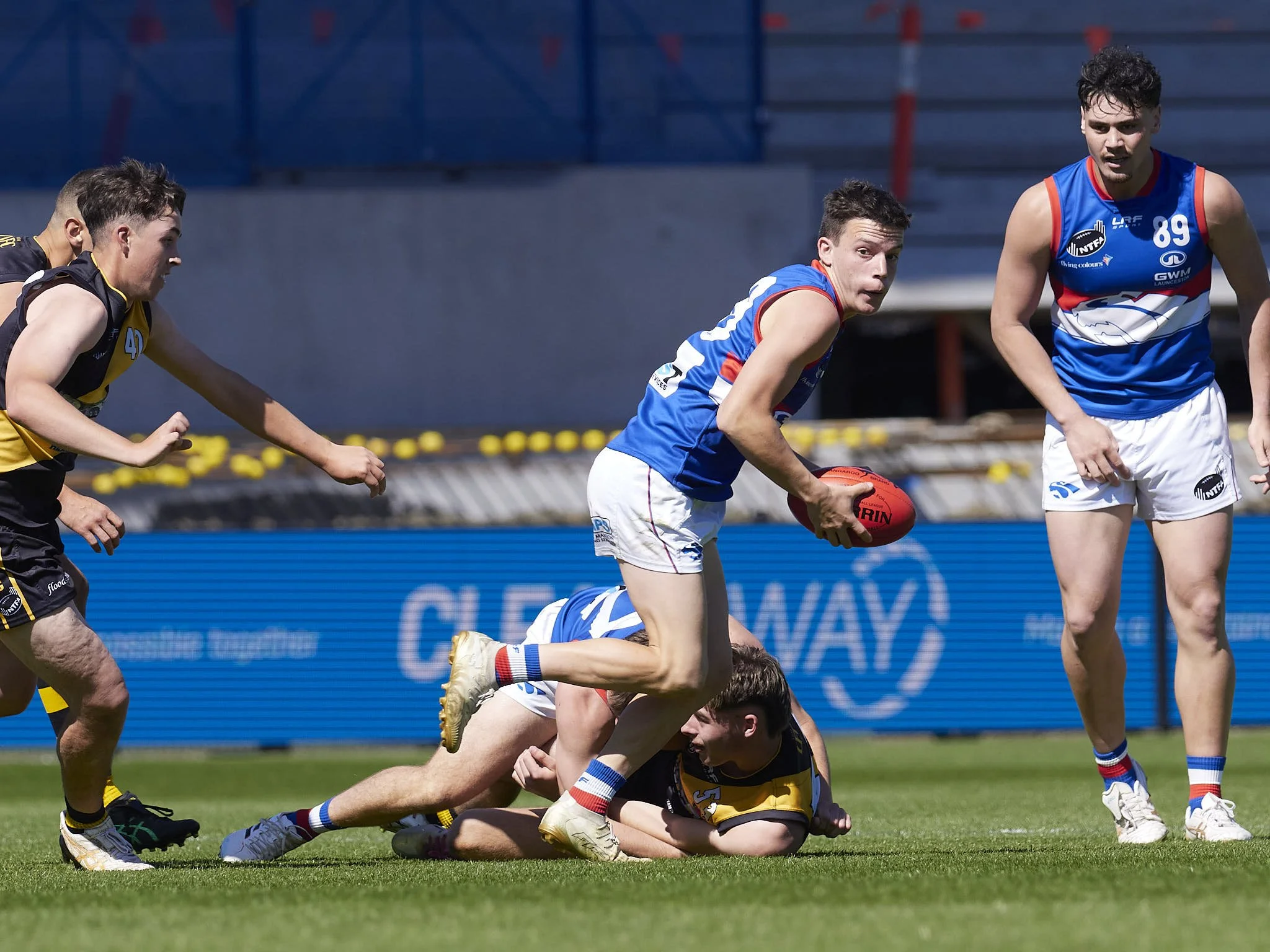
The drama shot.
The drama shot is the back page of the paper, score line eye catcher or facebook filler, the hook.
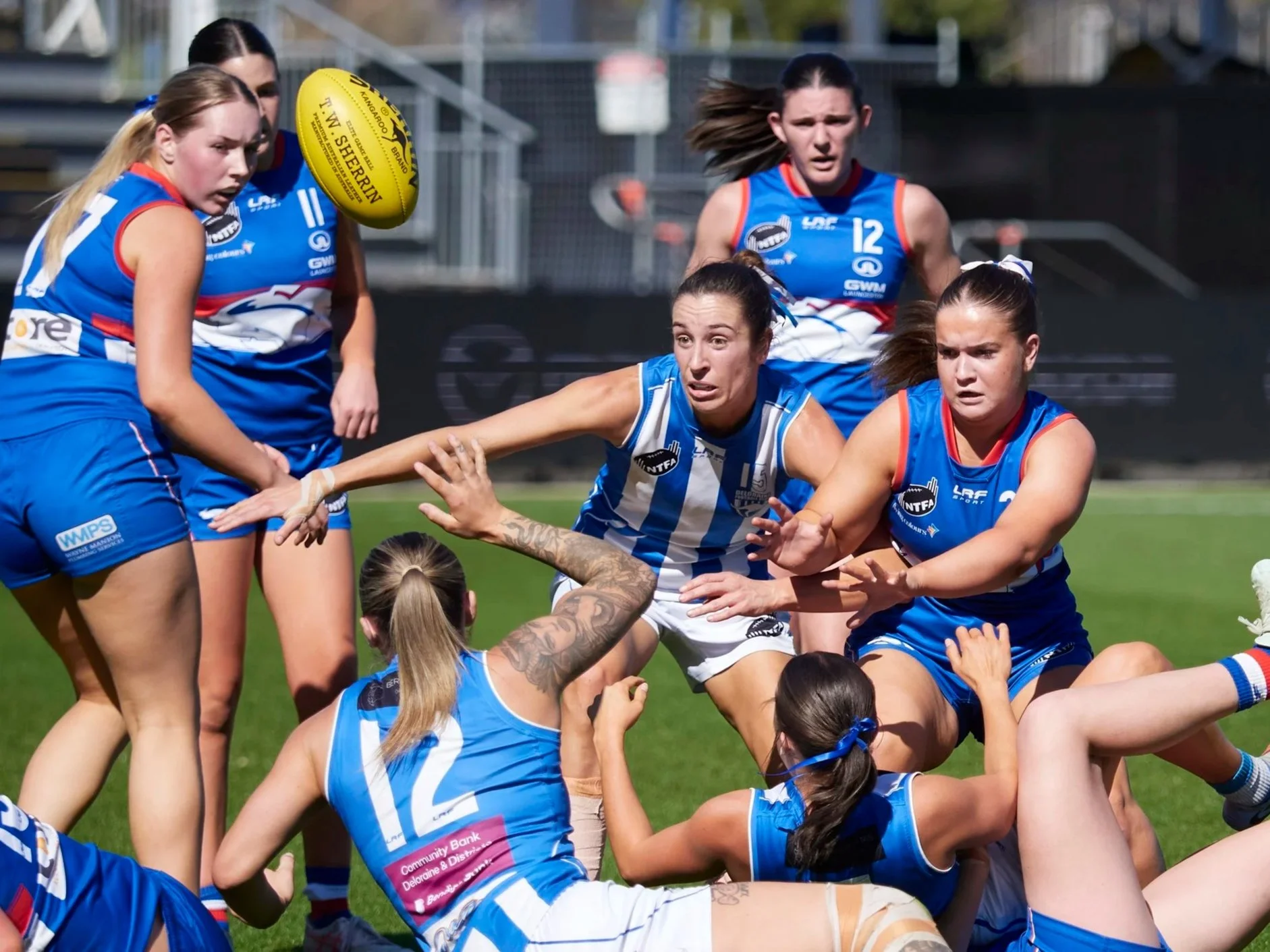
Drama comes from a question. What will or is about to happen, who will win, what is actually going on? They can be serious or even semi comical, but either way they need to be a point of contention, an unresolved moment or contact.
Drama shots are all about timing. My preference is for the point just before or after contact.
These are the same two players as above one or two frames later and both files could serve as a hero shot, but they have more to them and the secondary figure may be the point of interest.
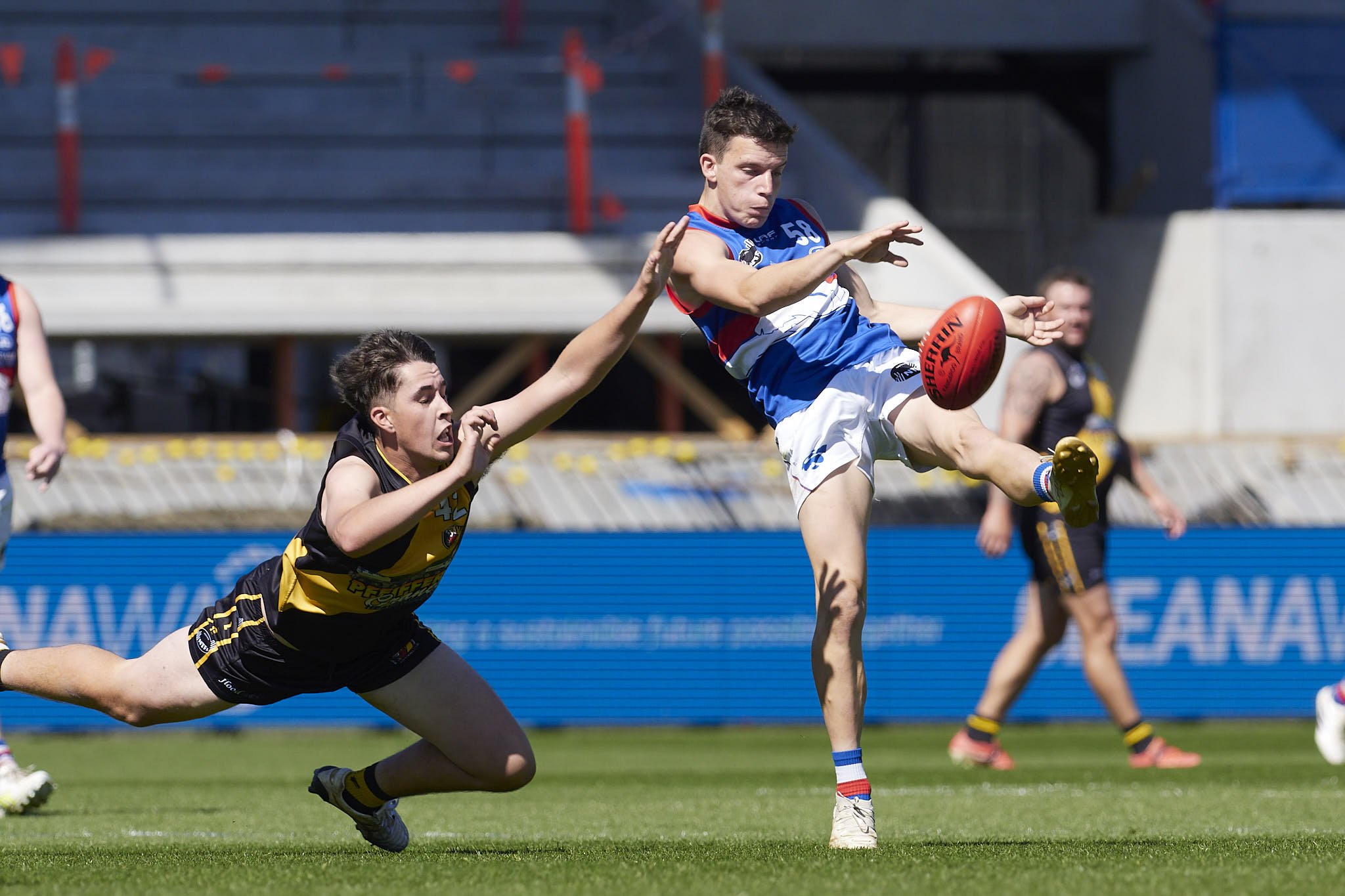
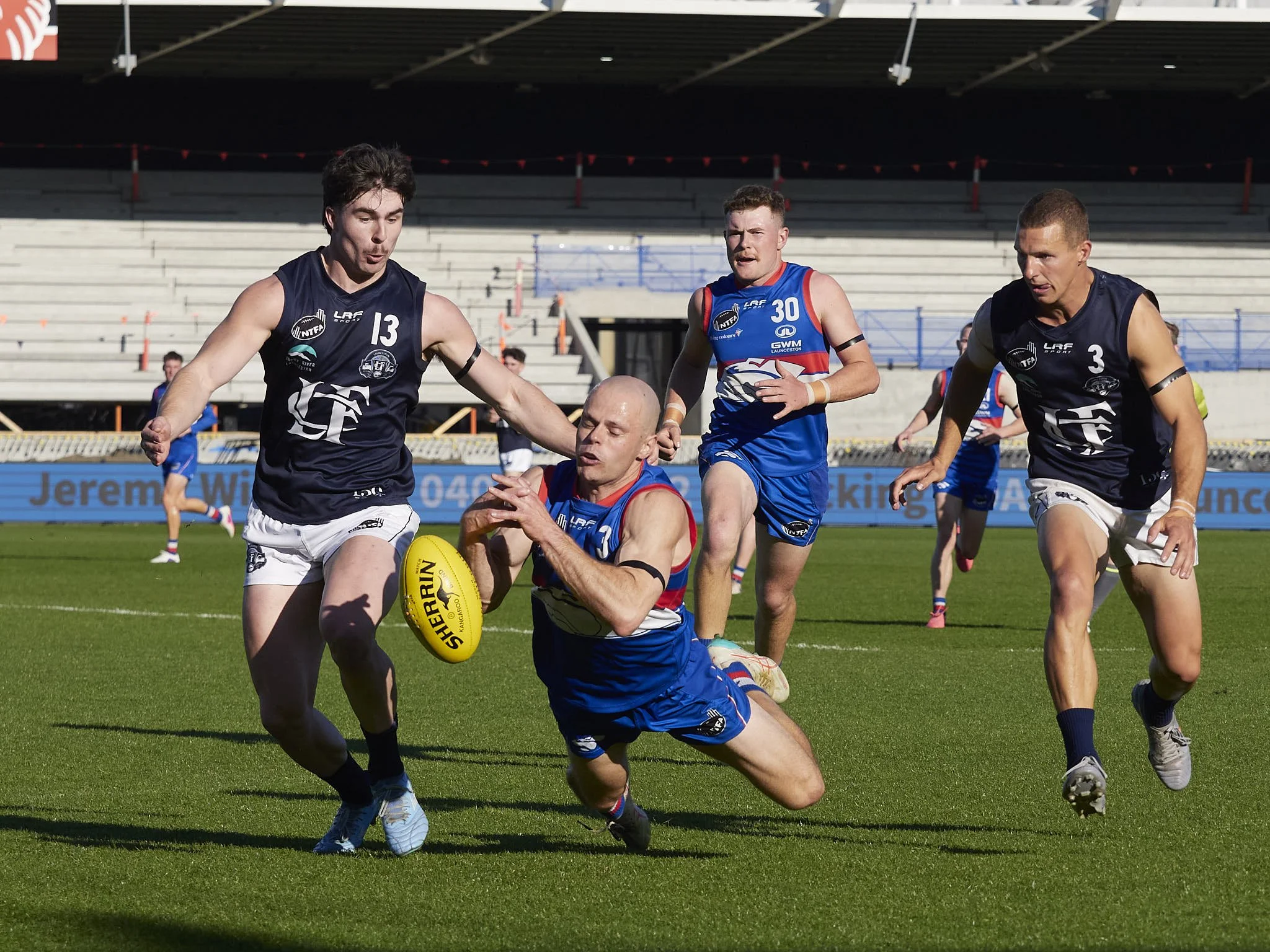
A drama shot can have defeat or loss, even comedy is ok to a point (but avoid shots that make a player look goofy).
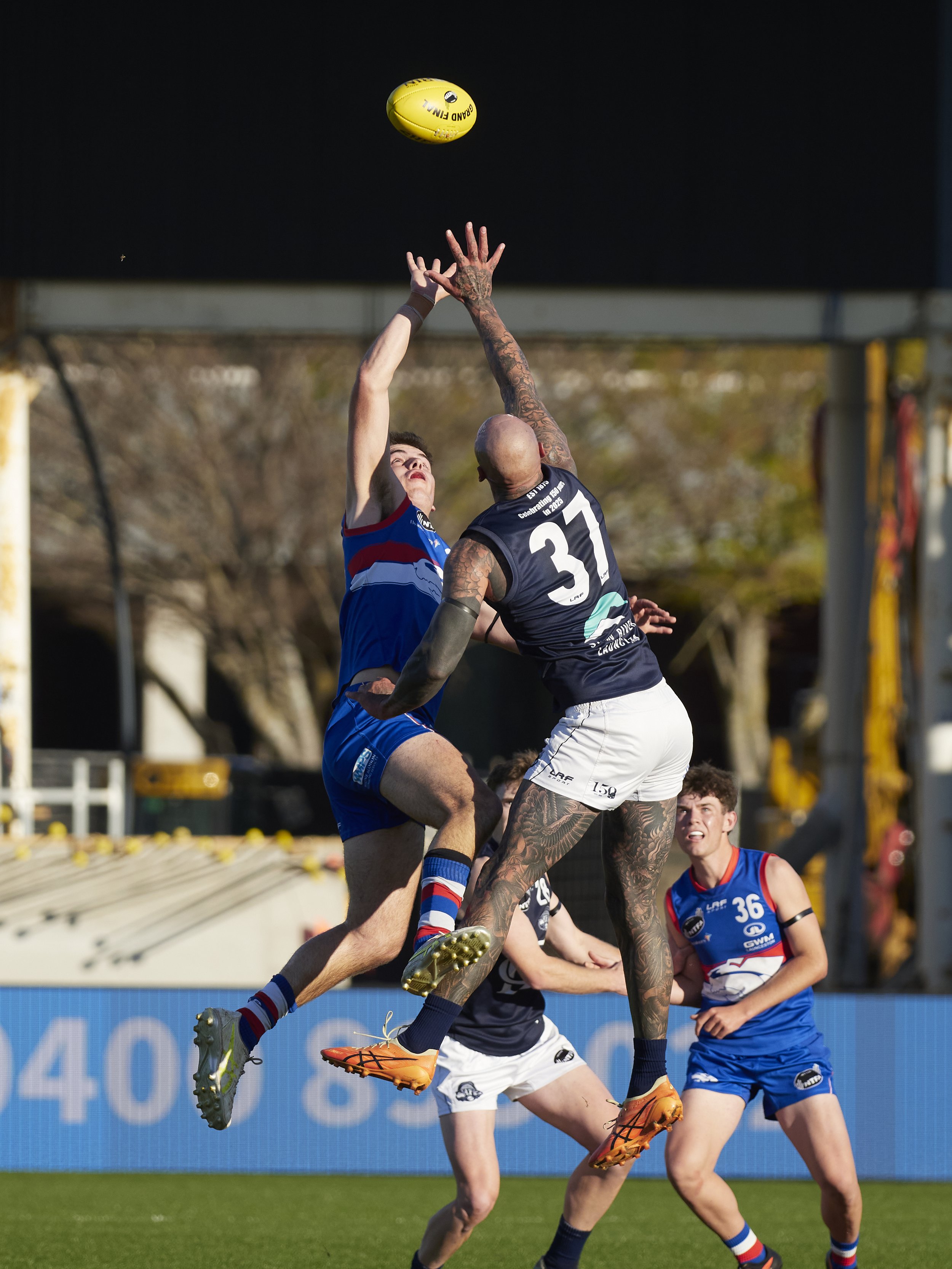
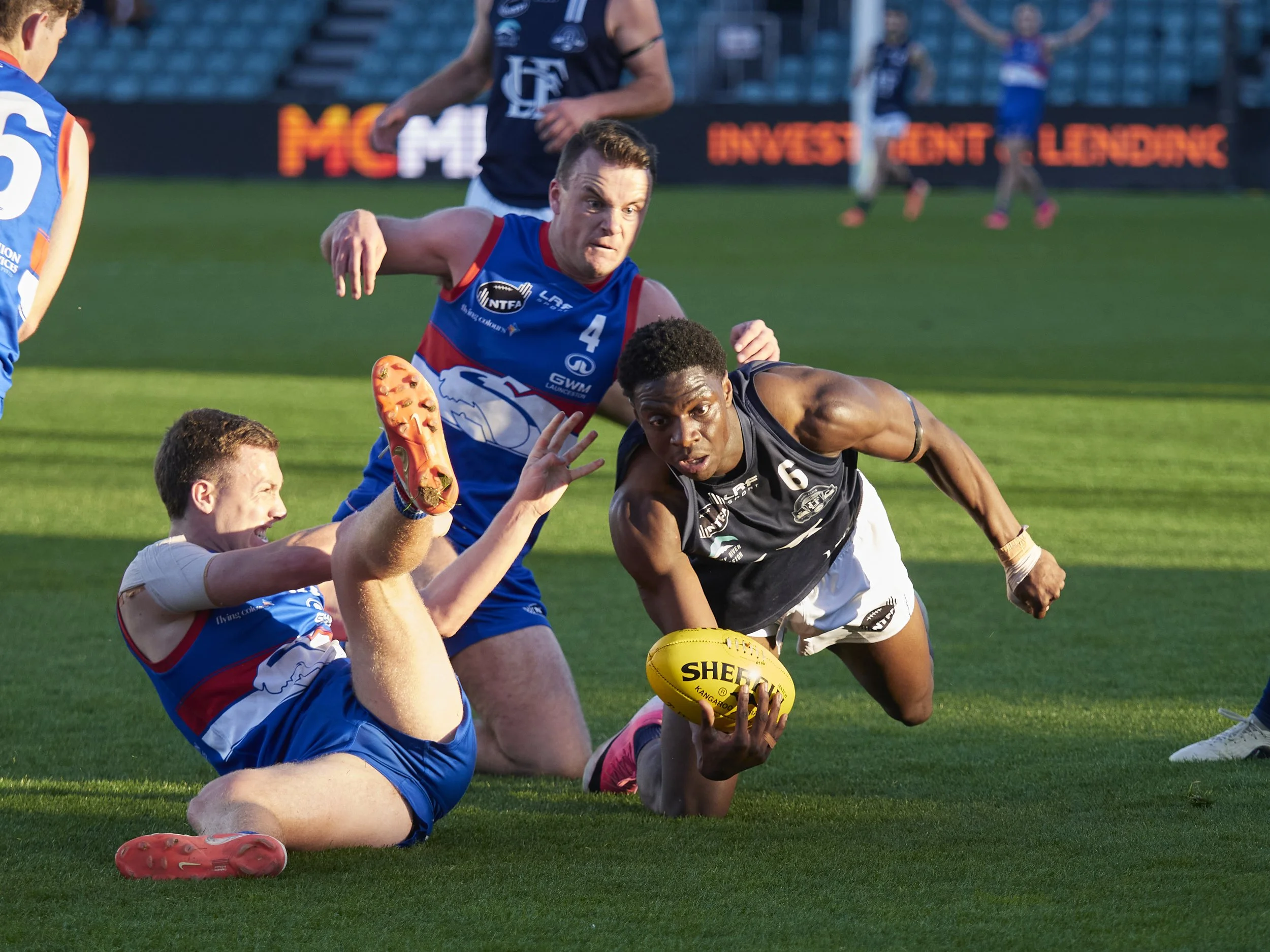
The finger-tip ball is a favourite. It is the focus of all attention, but nobody has control as yet which is where the drama comes in.
This type of pose does not suit a hero shot. I basically ask myself “would this be a football card image”?
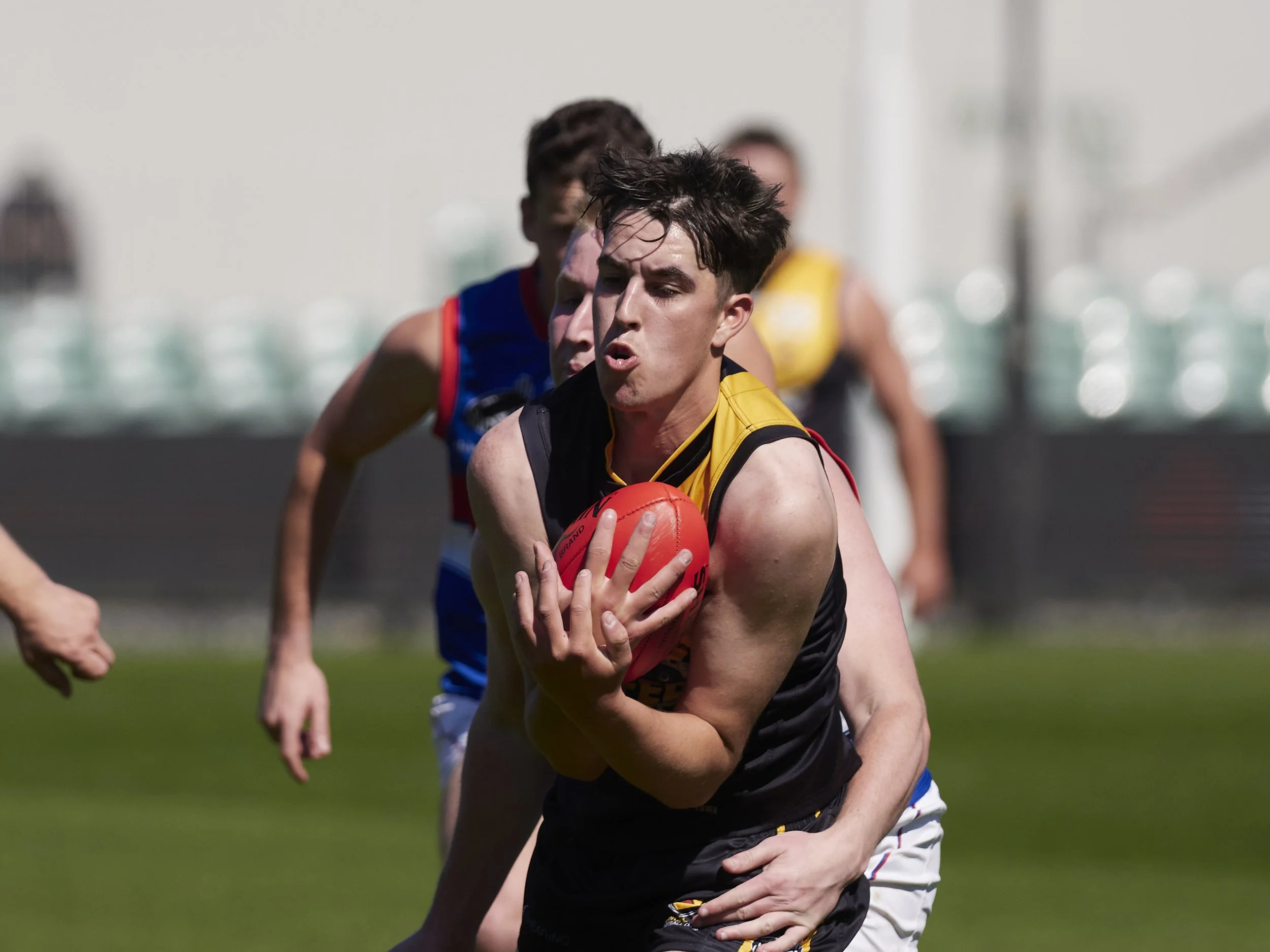
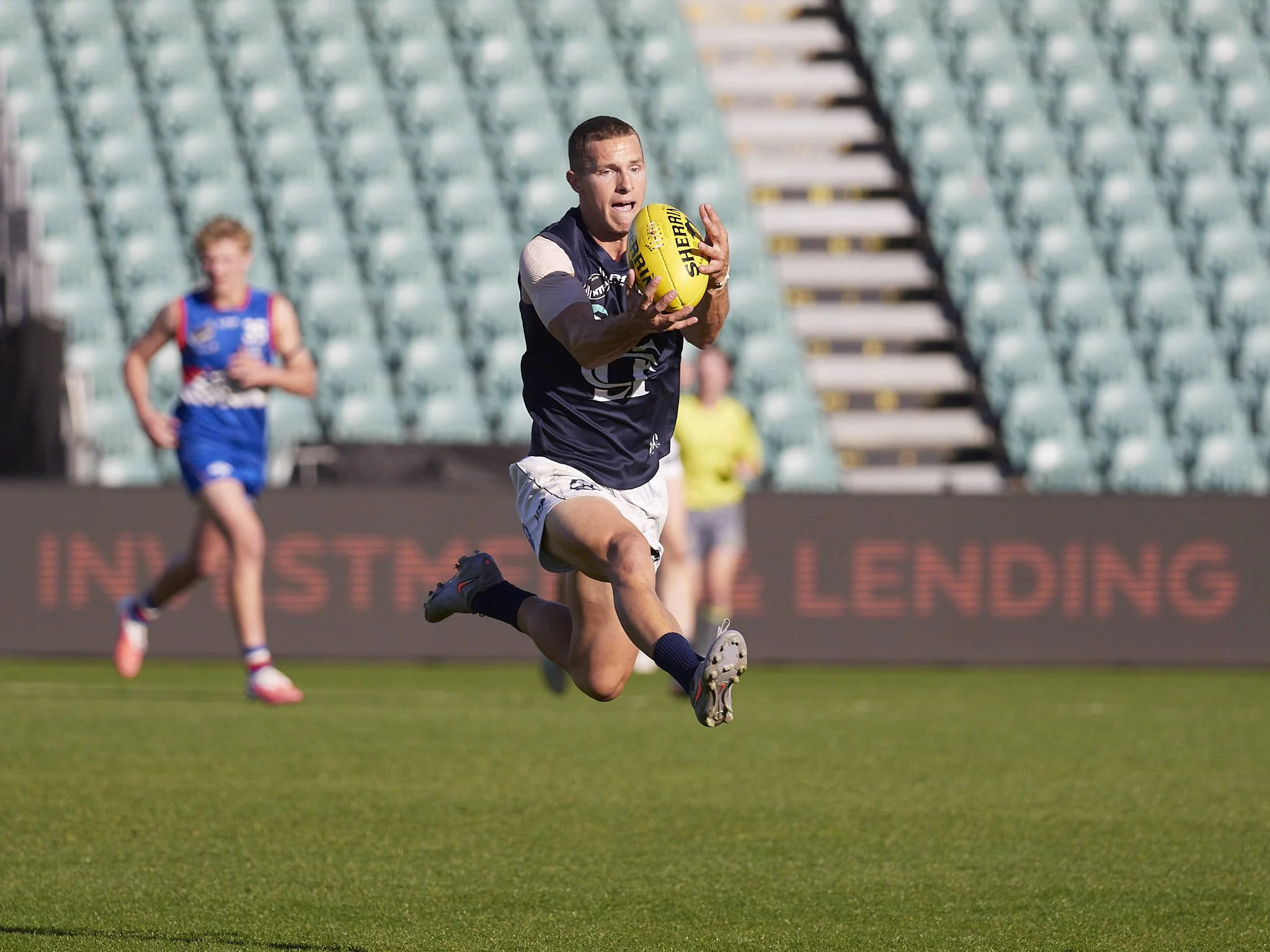
Of course with AFL football the clean catch or “mark” which gives the successful catcher uncontested possession is the high tide mark.
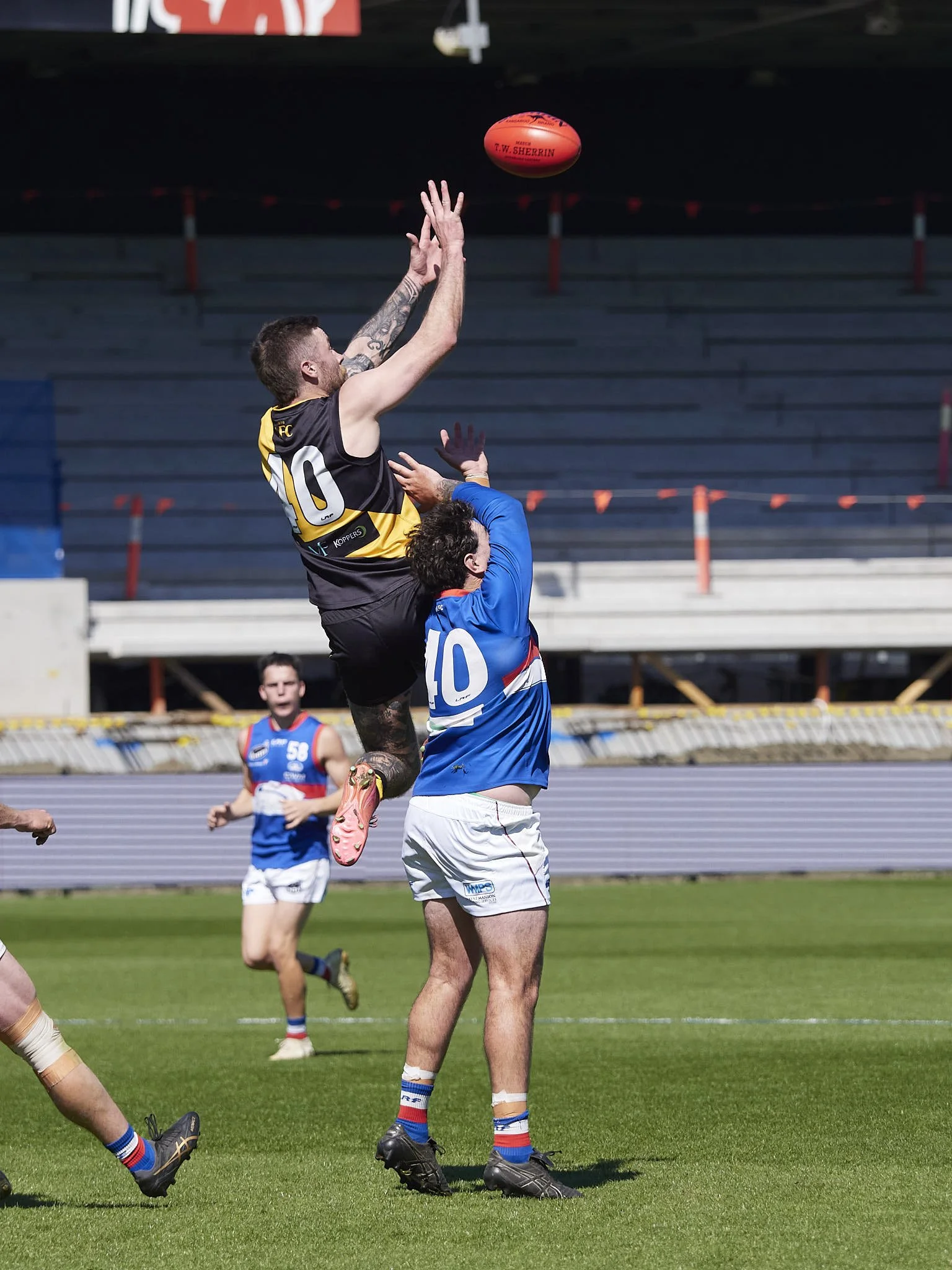
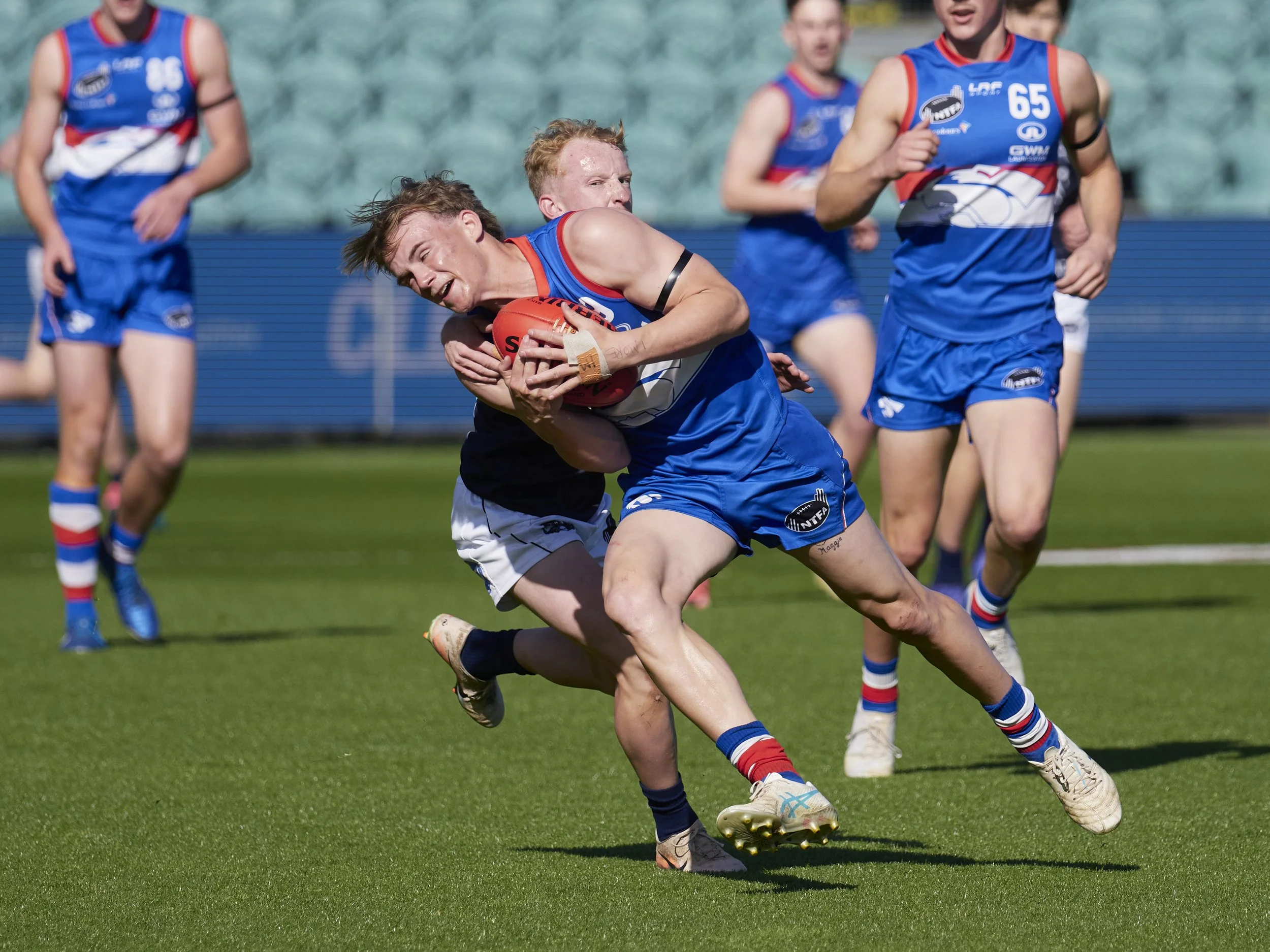
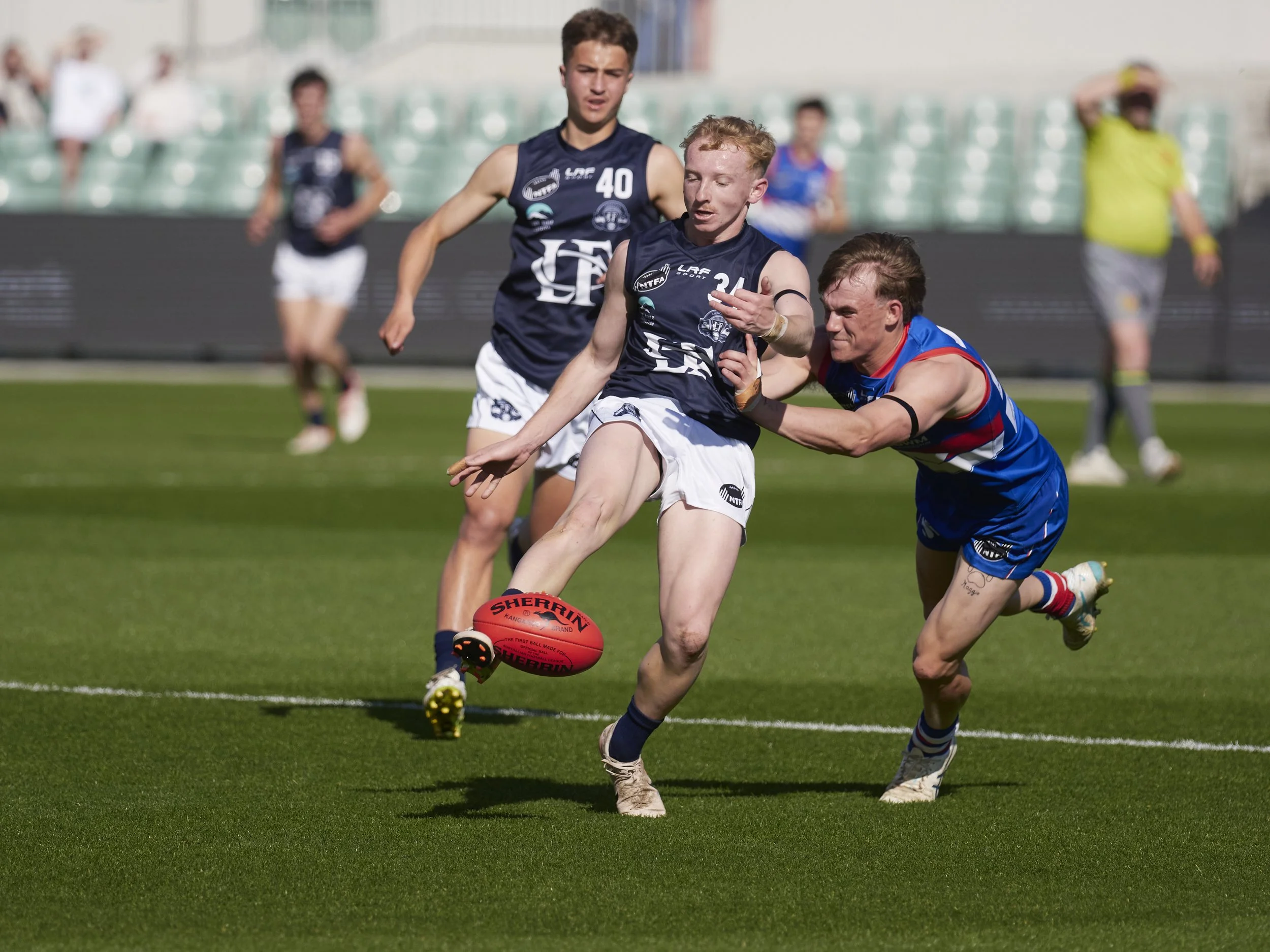
Sometimes, the ball is even compressed slightly.
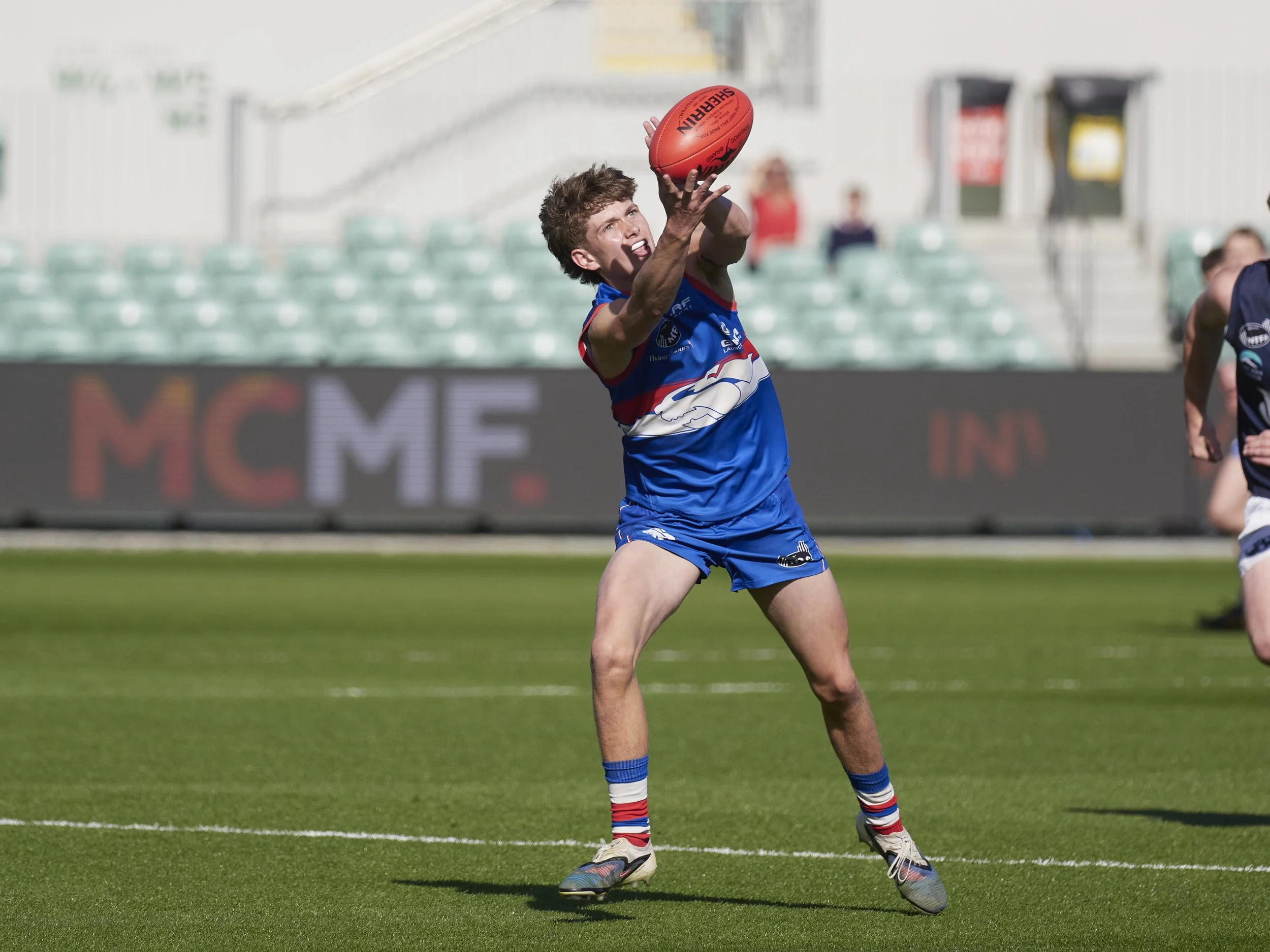
Eyes to the ball, fingers just making contact. Perfect.
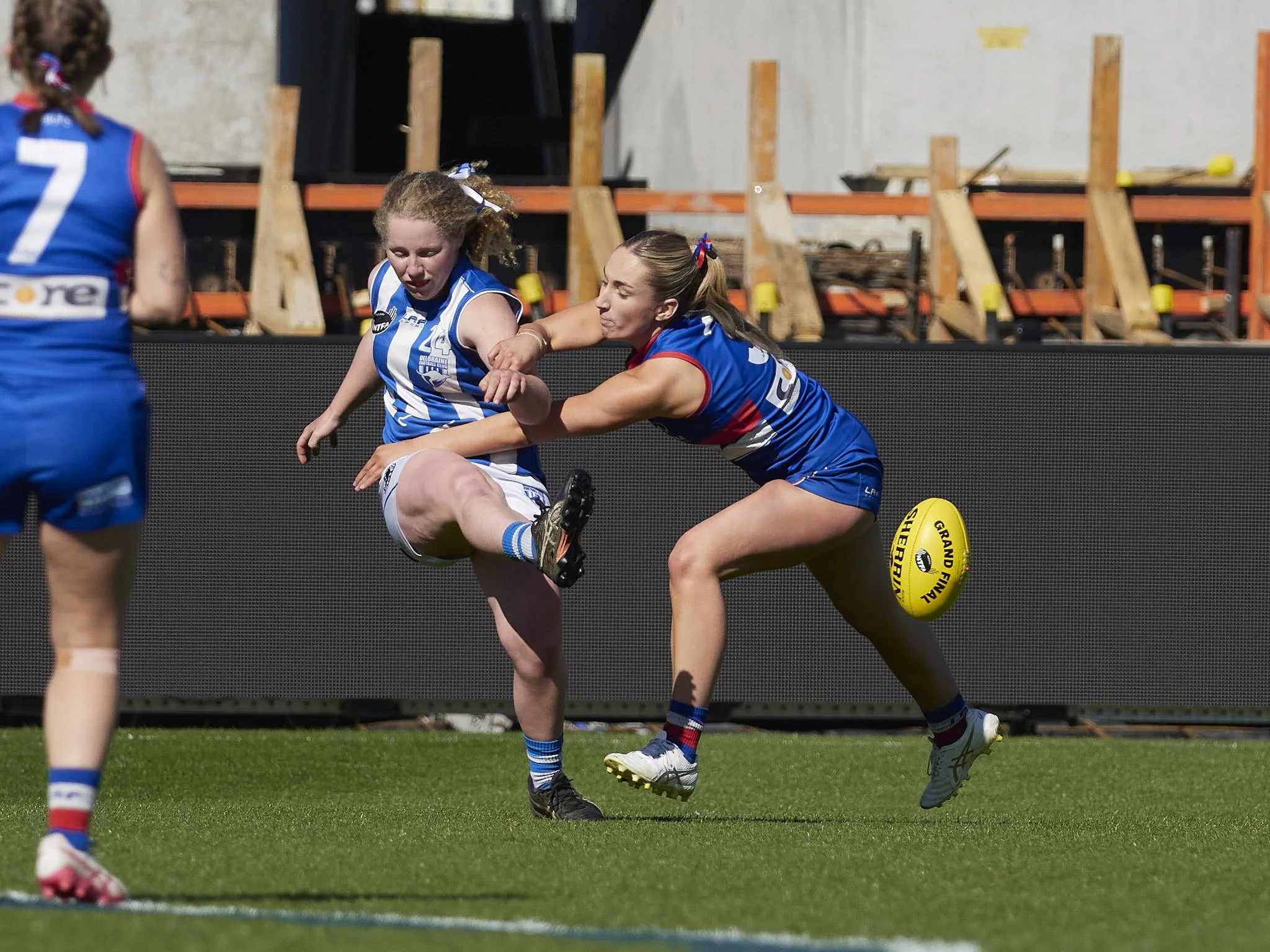
If contact is made, there is usually a point where it could go either way.
The story teller.
The story telling image ties the game together and gives us connection to the event. Big moments, big players, layers of information and poignant moments.
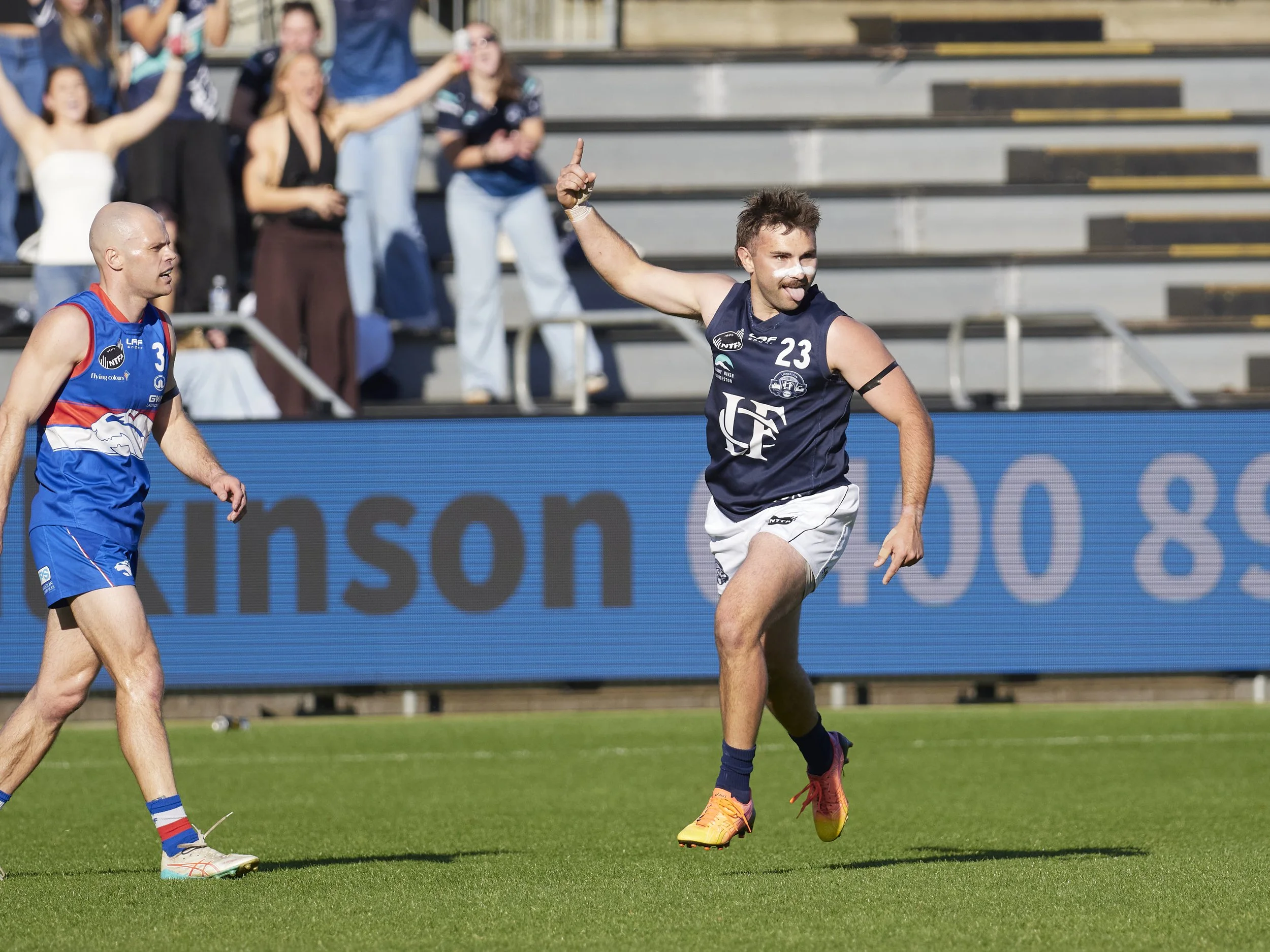
The celebration is more if you can add some push back.
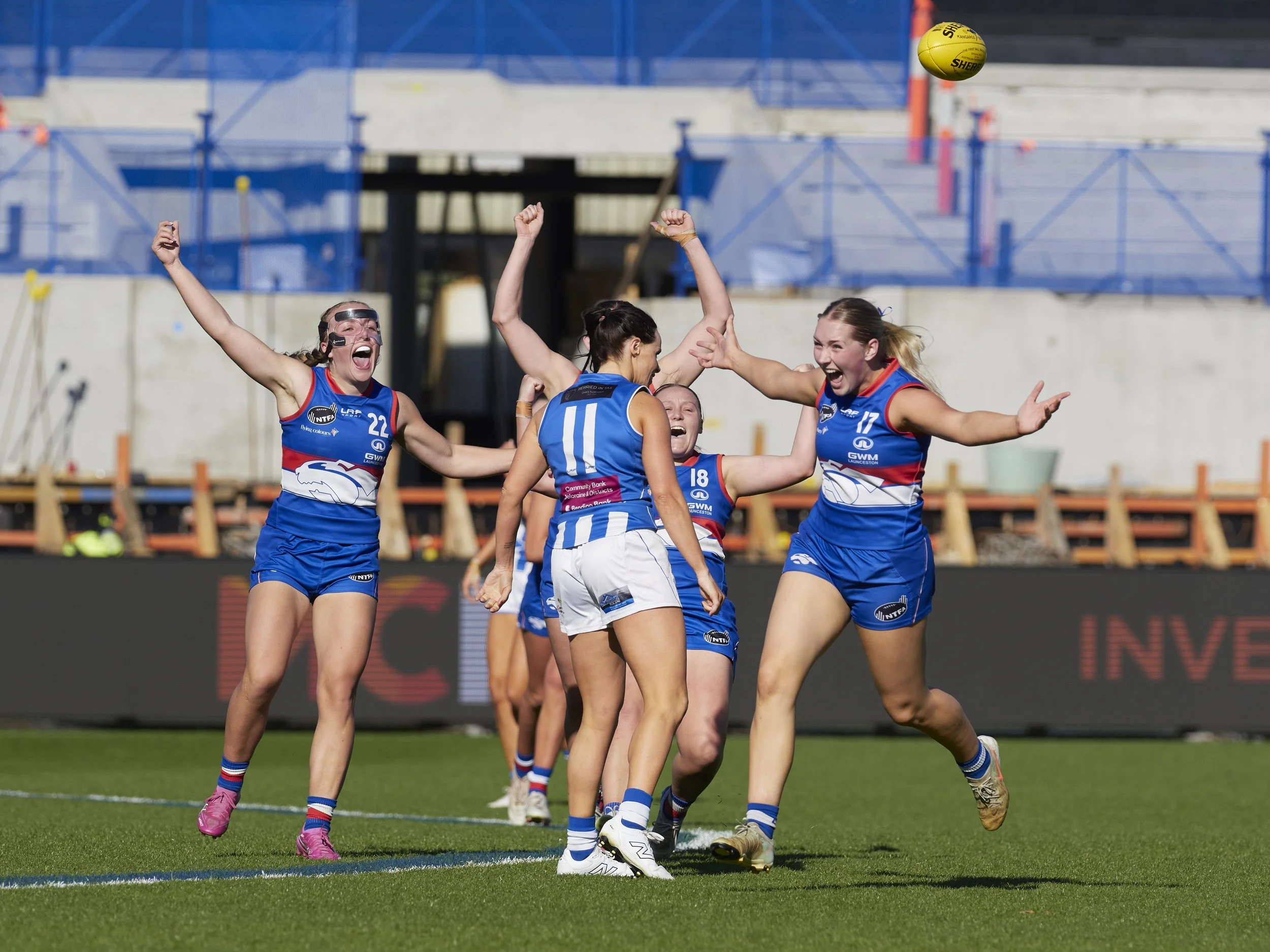
Dejection and elation. Layers of meaning.
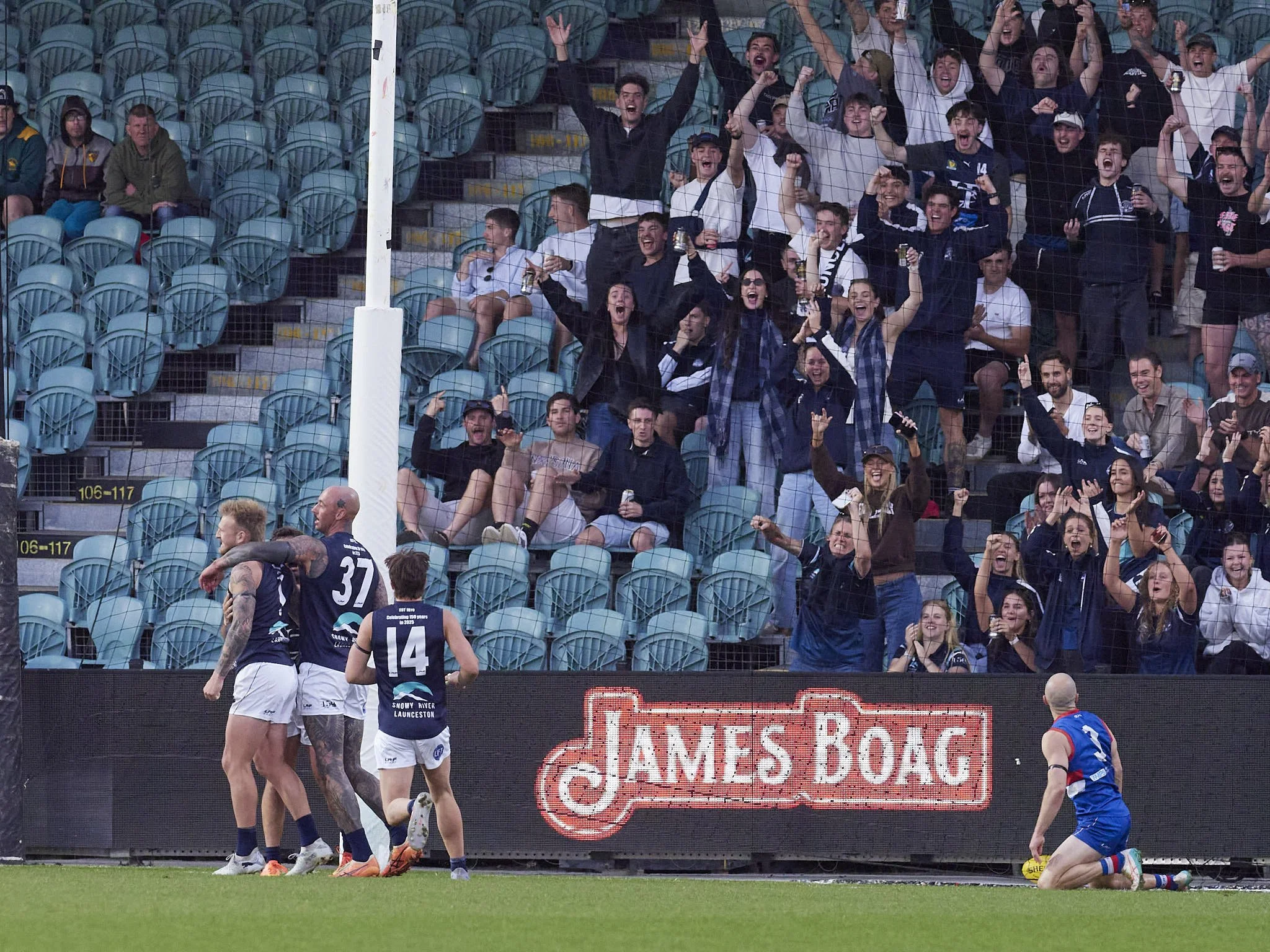
Number 3, who was player of his match and over represented in my submissions is the key here.
Some need to be connected for maximum effect, like this moment when a key player is taken off the field and the realisation that their season is over.
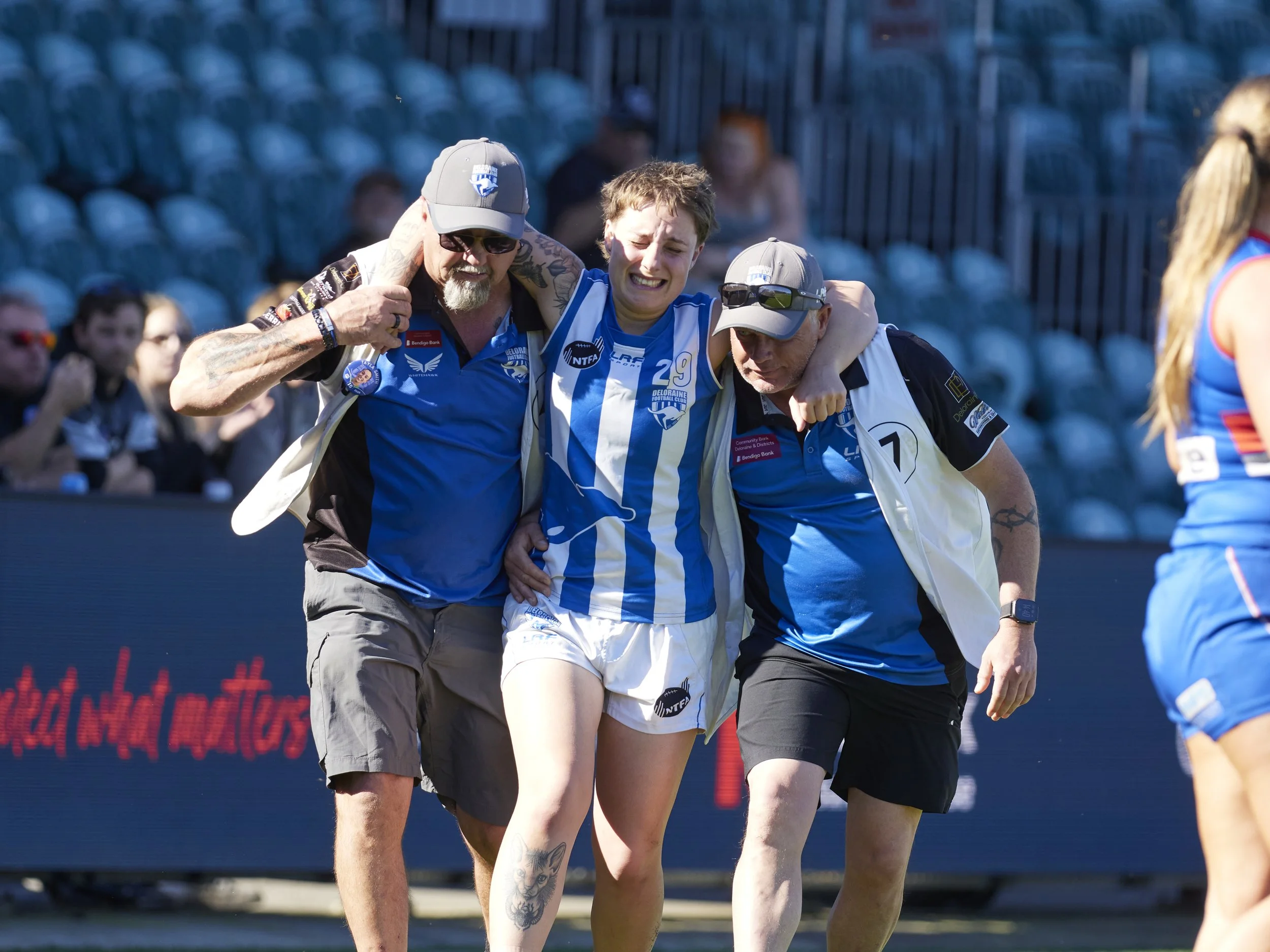
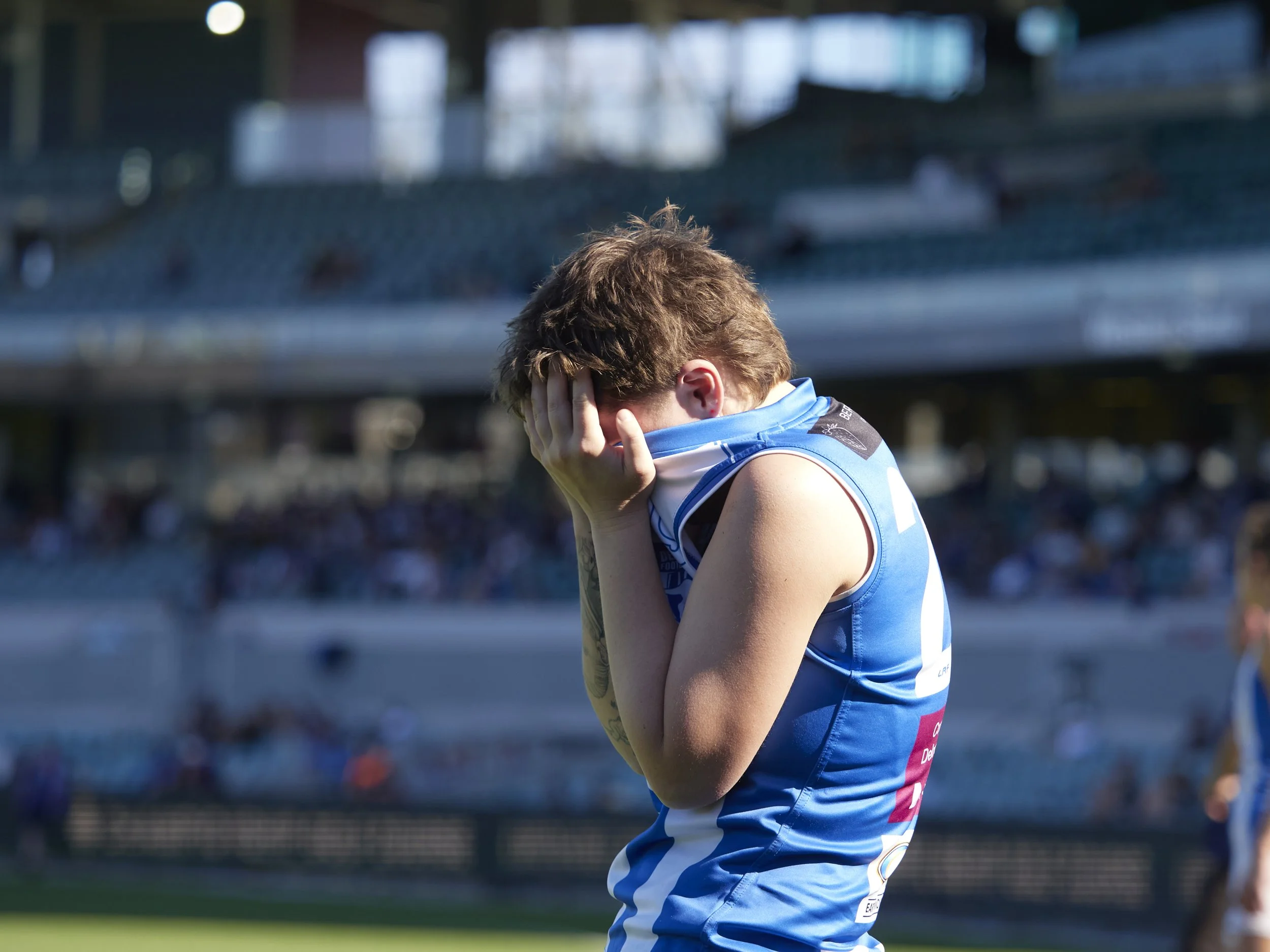
It can be an injury, be about the elements, weather or location, the leadership inspiring the players, or several of these at once.
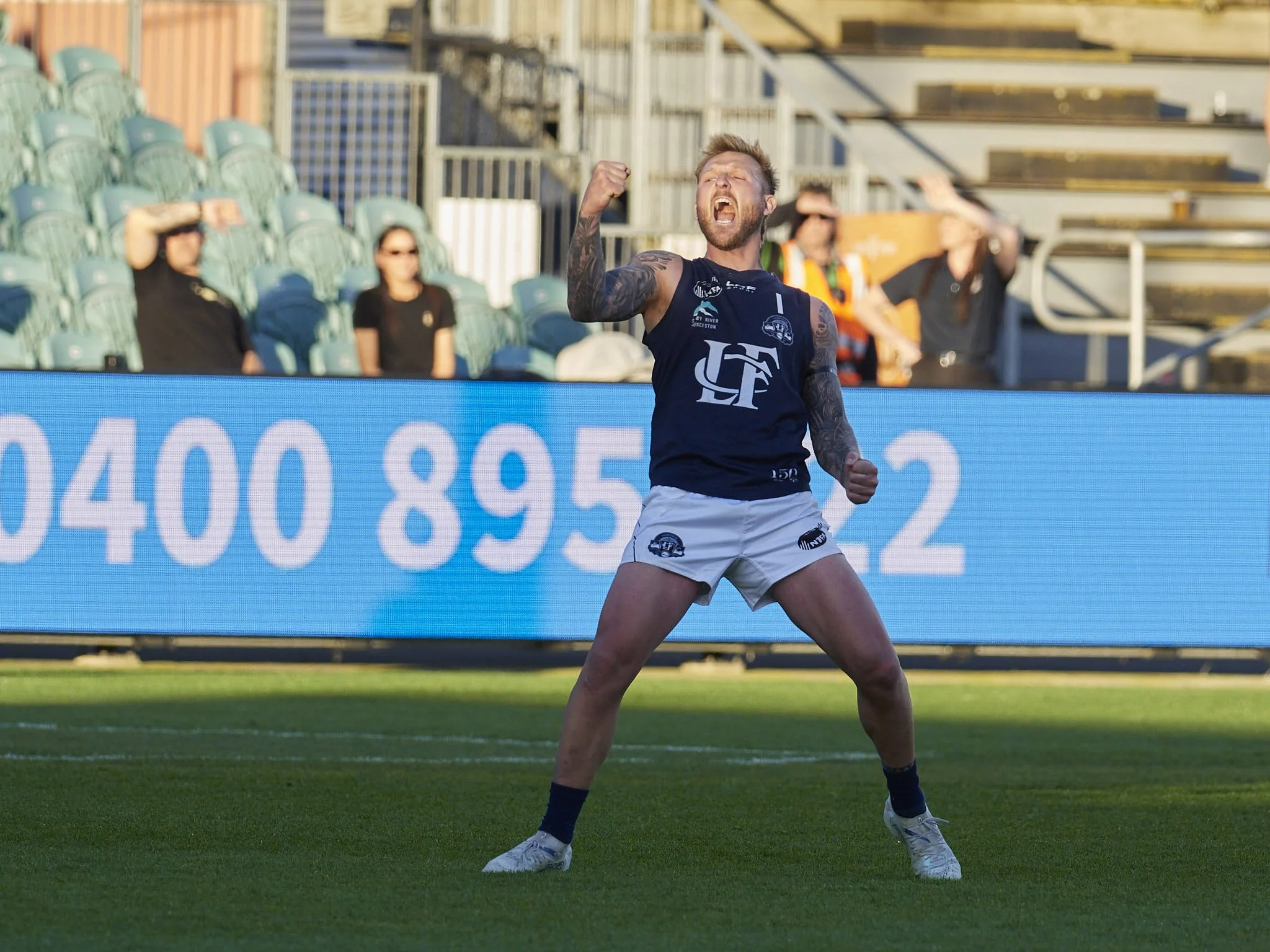
Leaders in particular will tend to rise to the top here. This shot specifically could fit anywhere, being a moment of elation for the captain/coach, maybe even a front page if the game is big enough.and they won (which they didn’t).
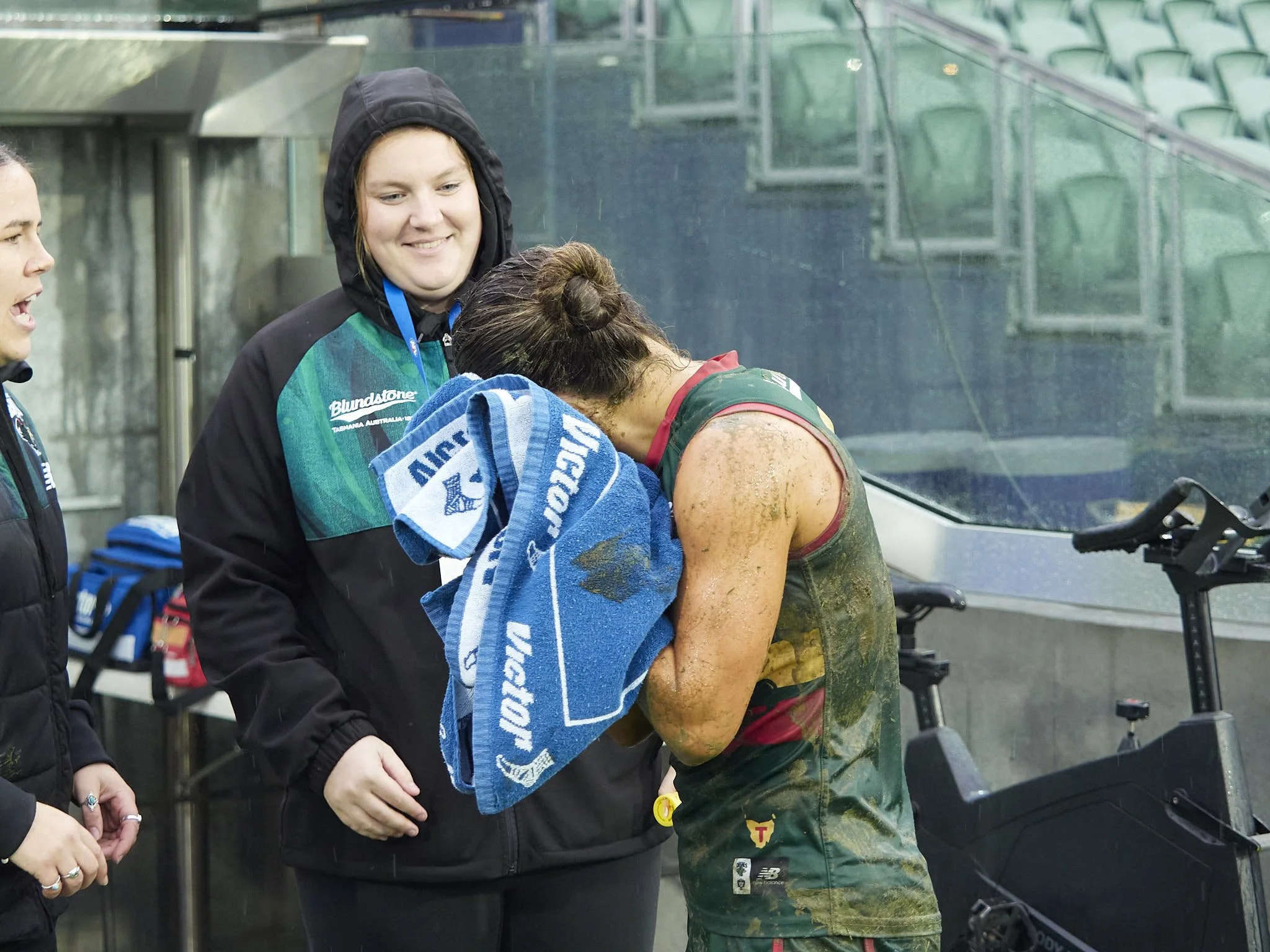
From another game day, this was the result of 15mm of near horizontal rain.
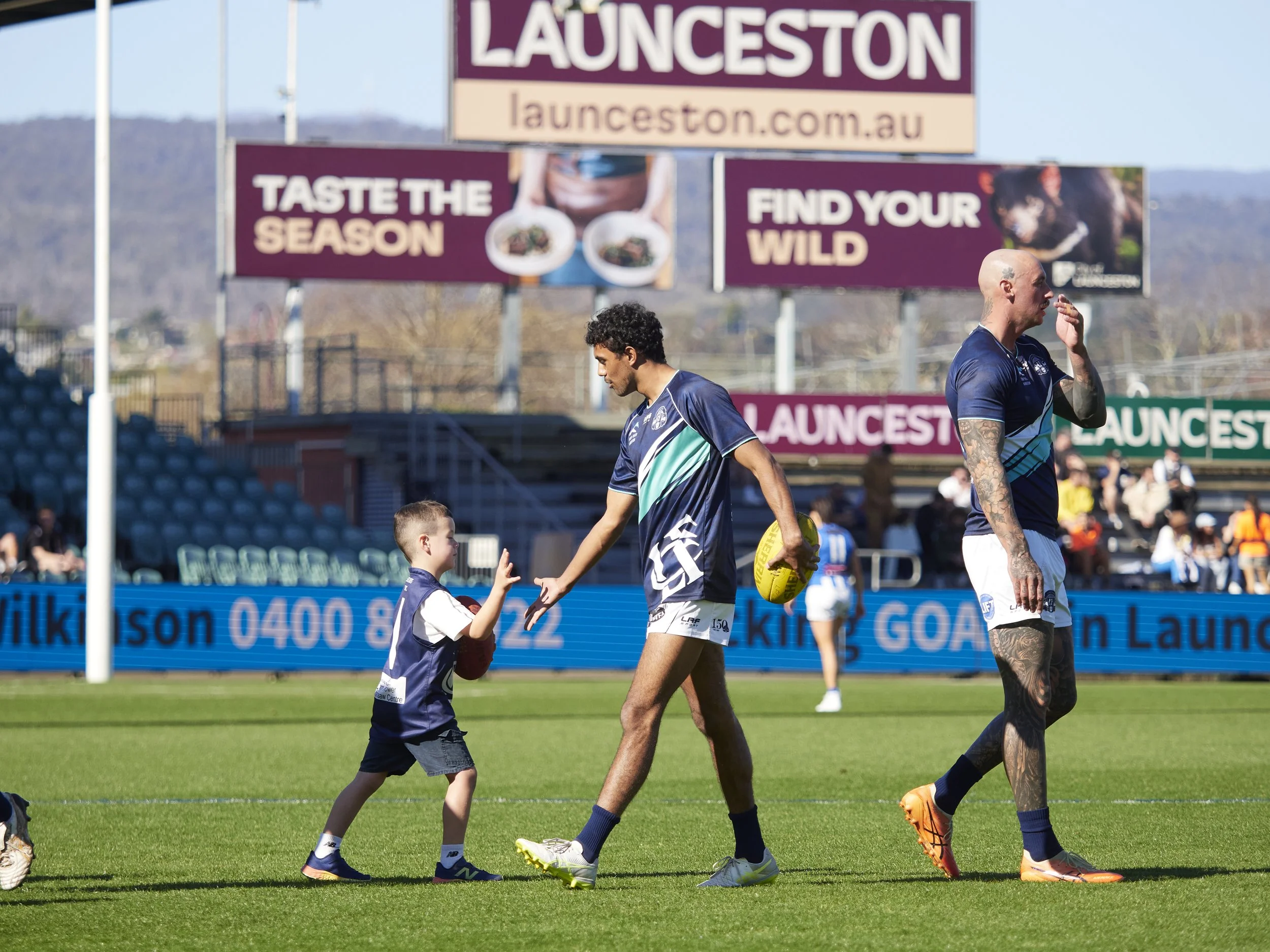
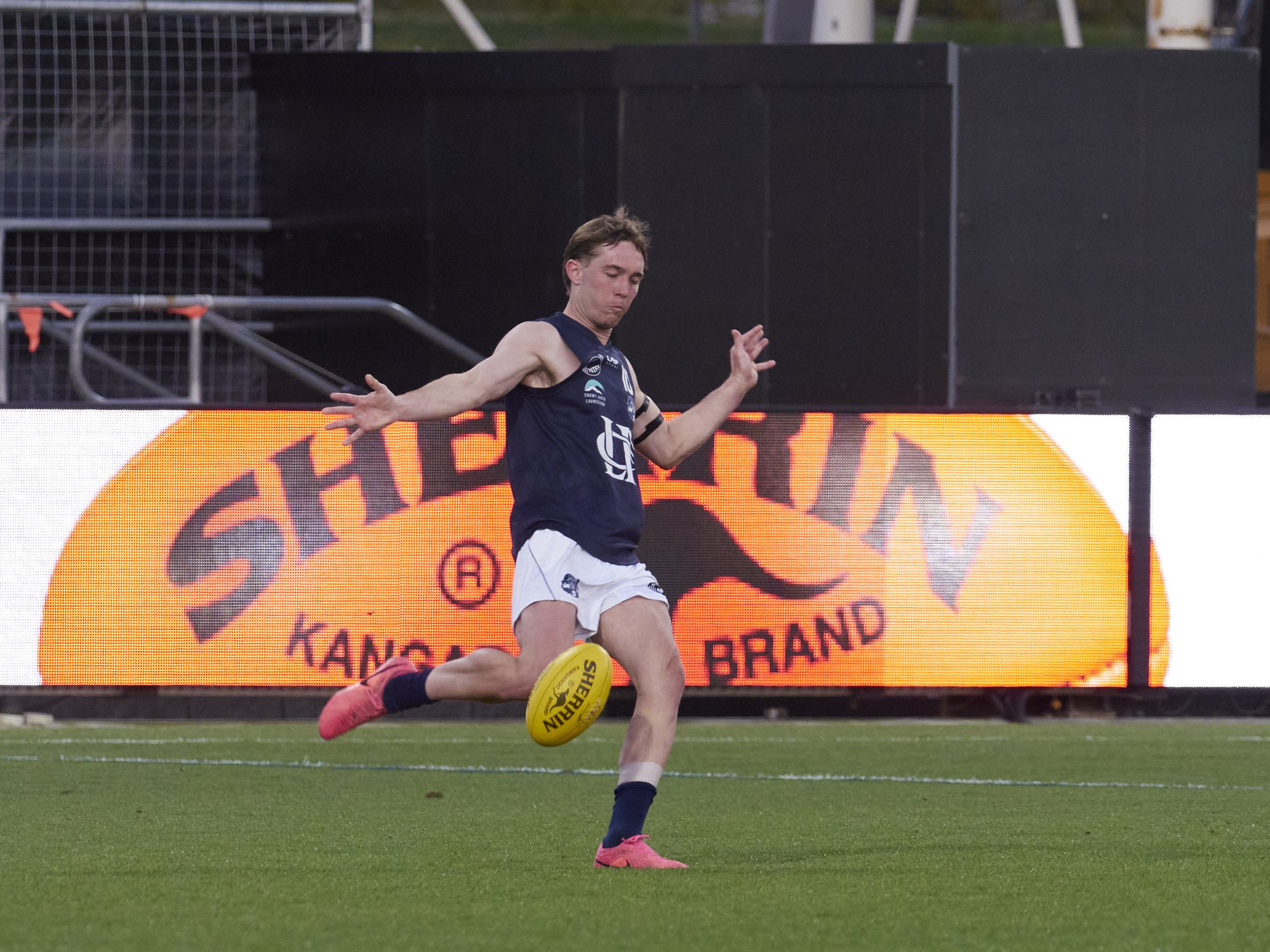
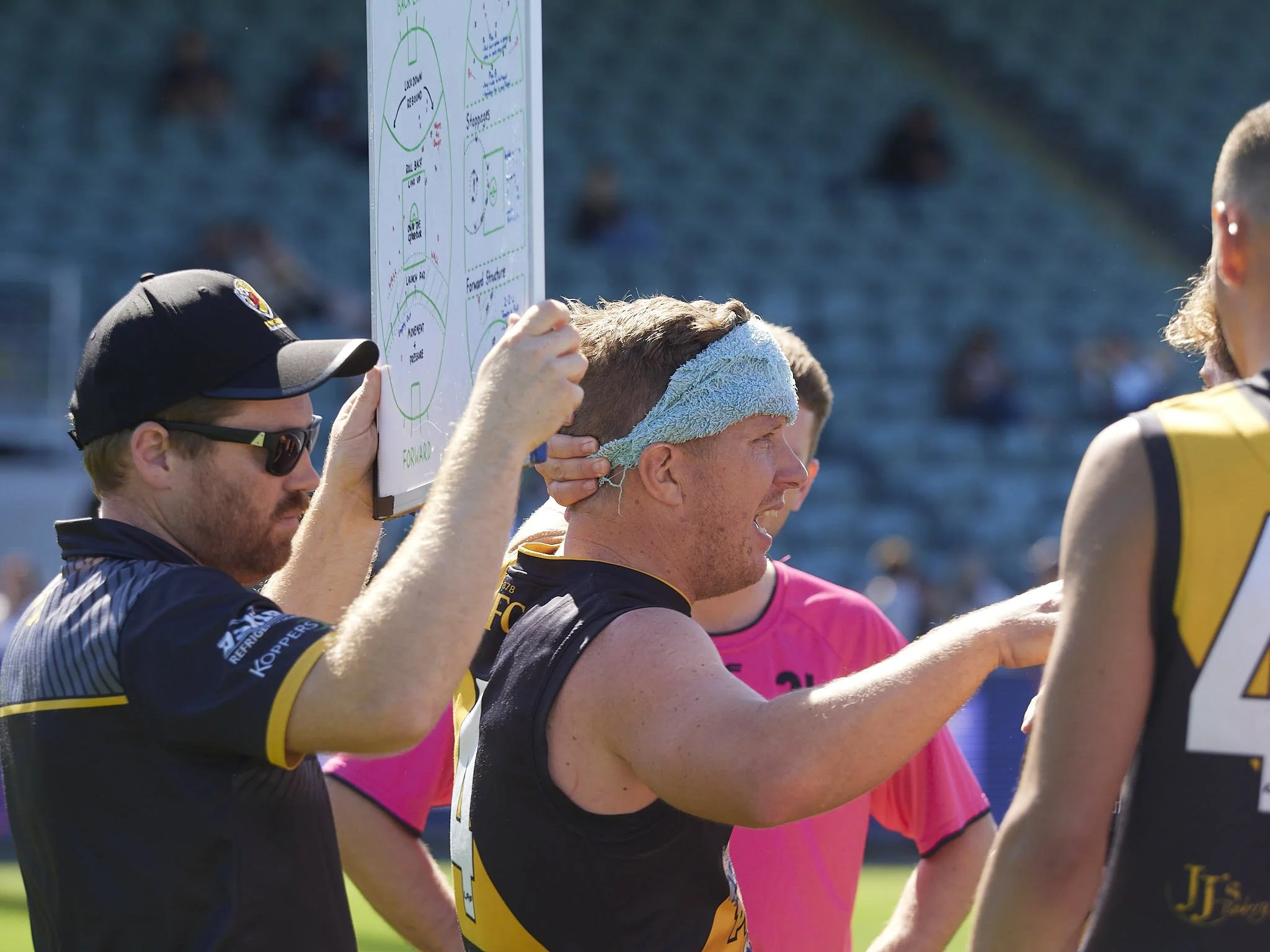
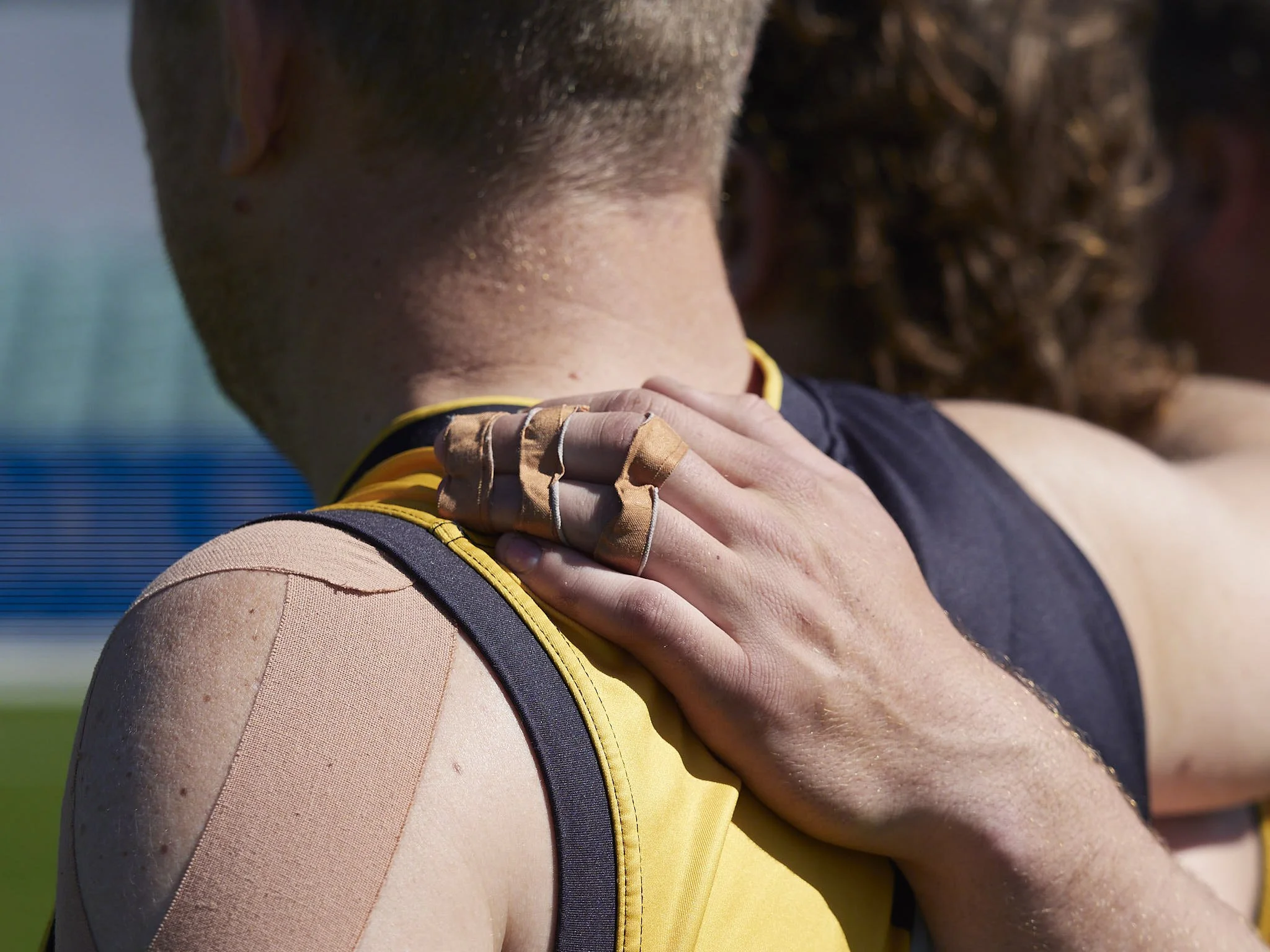
Even before the game a single image can portray commitment and the season just gone.
Sequences.
As I said above, I do not shoot bursts, but I will shoot a sequence. If the action keeps happening, I keep shooting.
Of the sequence below I submitted the first and third files.
What gets submitted?
Generally a shot must have the ball and clear faces to be of use, but there are exceptions.
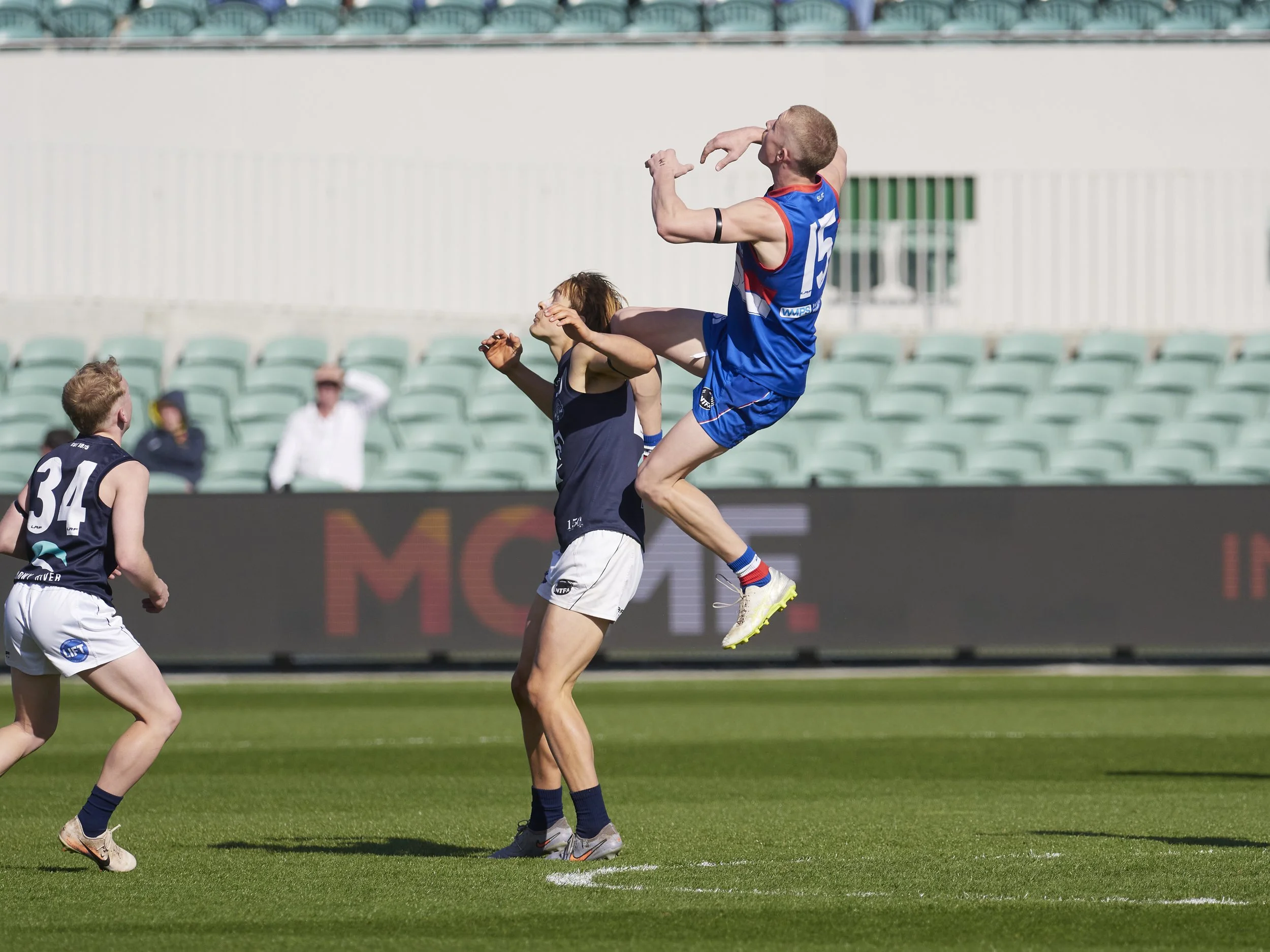
This player was man of the match and a possible future draft pick. The mark was taken, but I failed to get it cleanly, so this shot was submitted.
Messy shots can be handy, lots of faces etc, even if some are obscured.
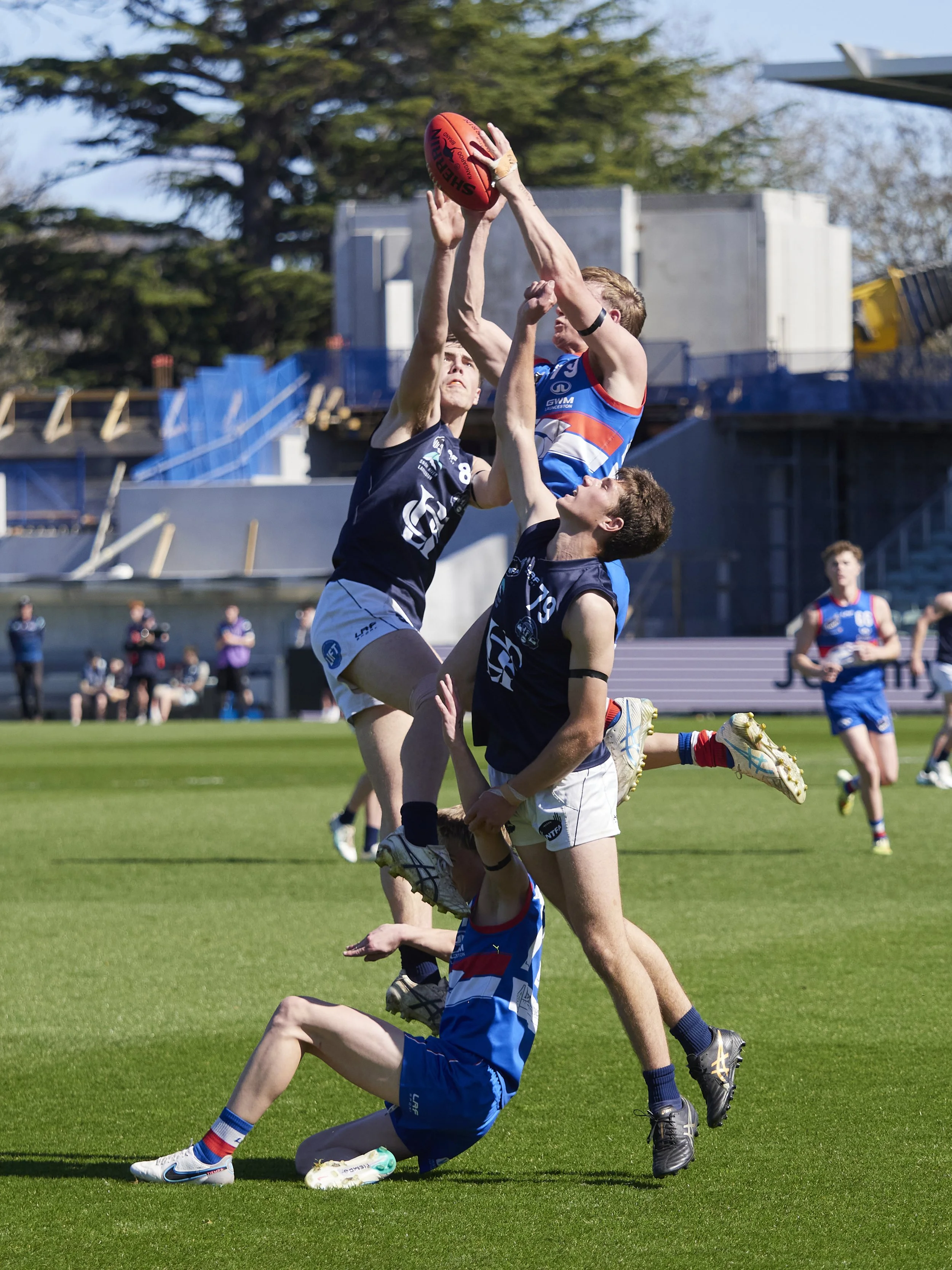
Some files just have a good shape.
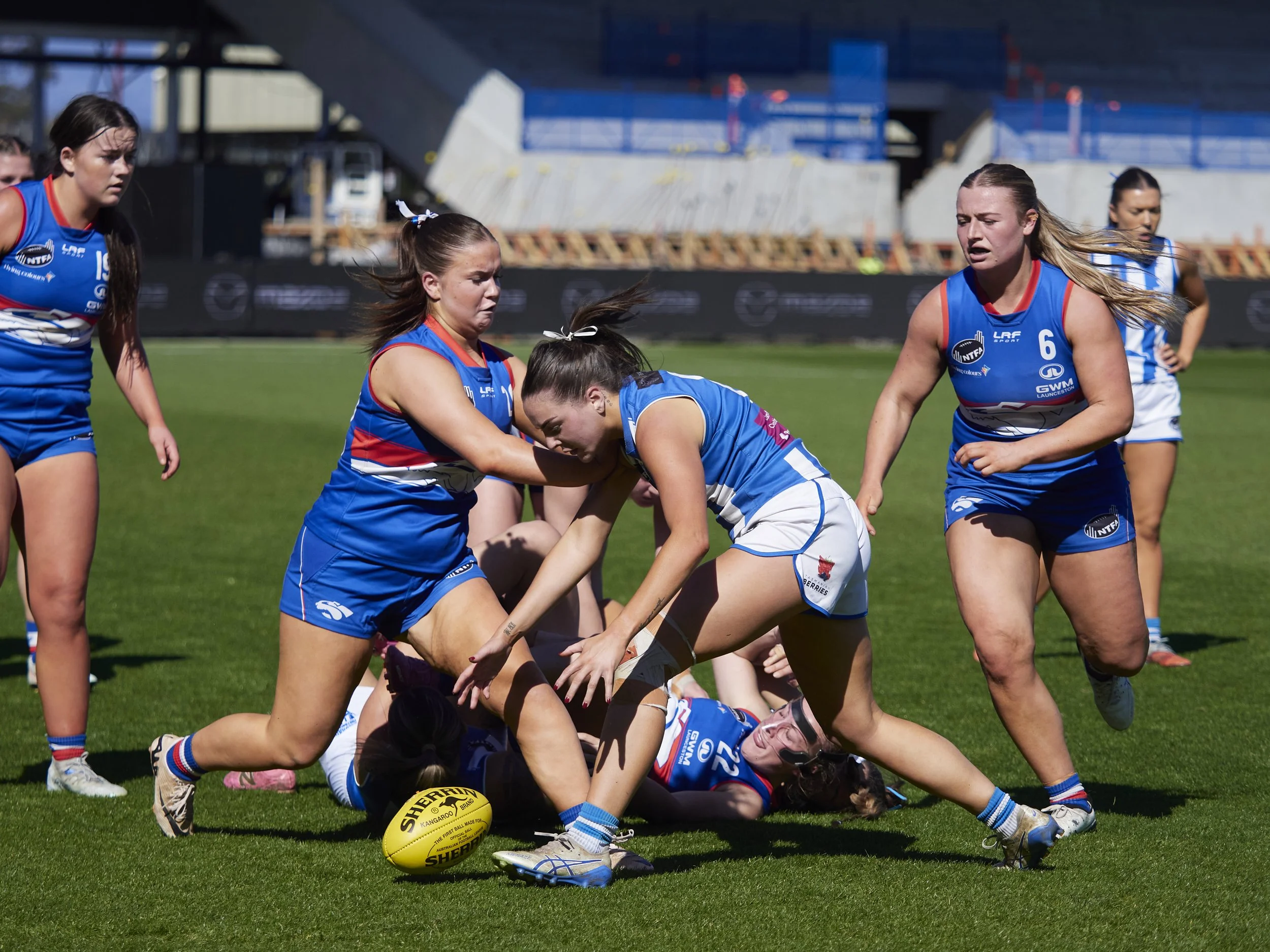
The file below would often miss the cut, just too messy and shapeless, but the players in it are all recognised and worth adding for “just in case” moments.
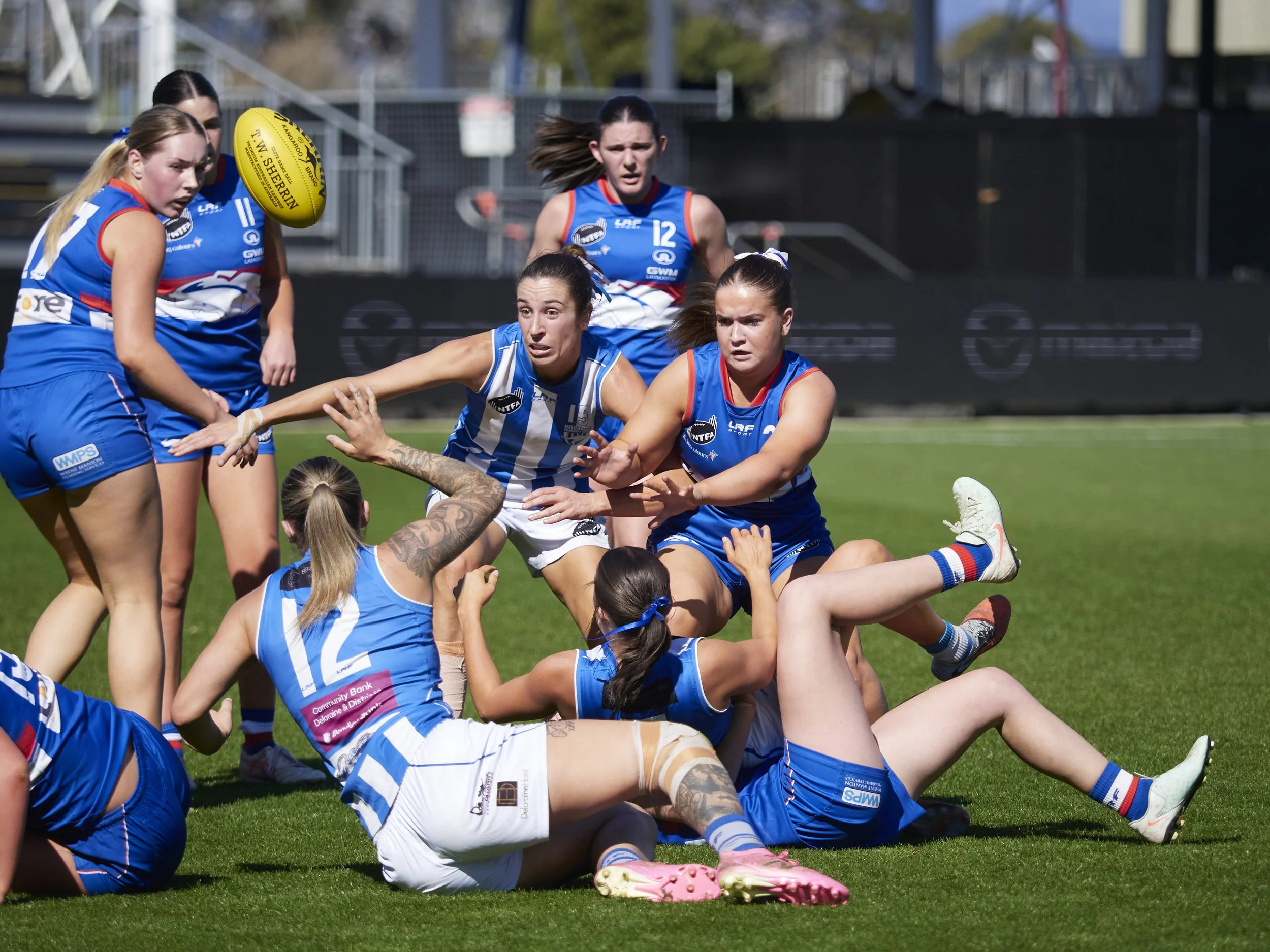
This shot from moments before had more forward pointing faces, more tension and drama. It’s almost remenissant of a Renaissance painting in pose and drama.
Cropping.
The file below shows the benefit of cropping the file above, but this can be tricky. Sometimes you feel you need to apply it to remind the future editor that the file has potential, but if you do, they cannot make that choice later, meaning the cropped file may not fit the intended need, have room for text or a page fit or bias too much away from a specific player.
Cropping, even heavy cropping is permissible as long as quality holds at least for on line or print use (which is about 2mp).
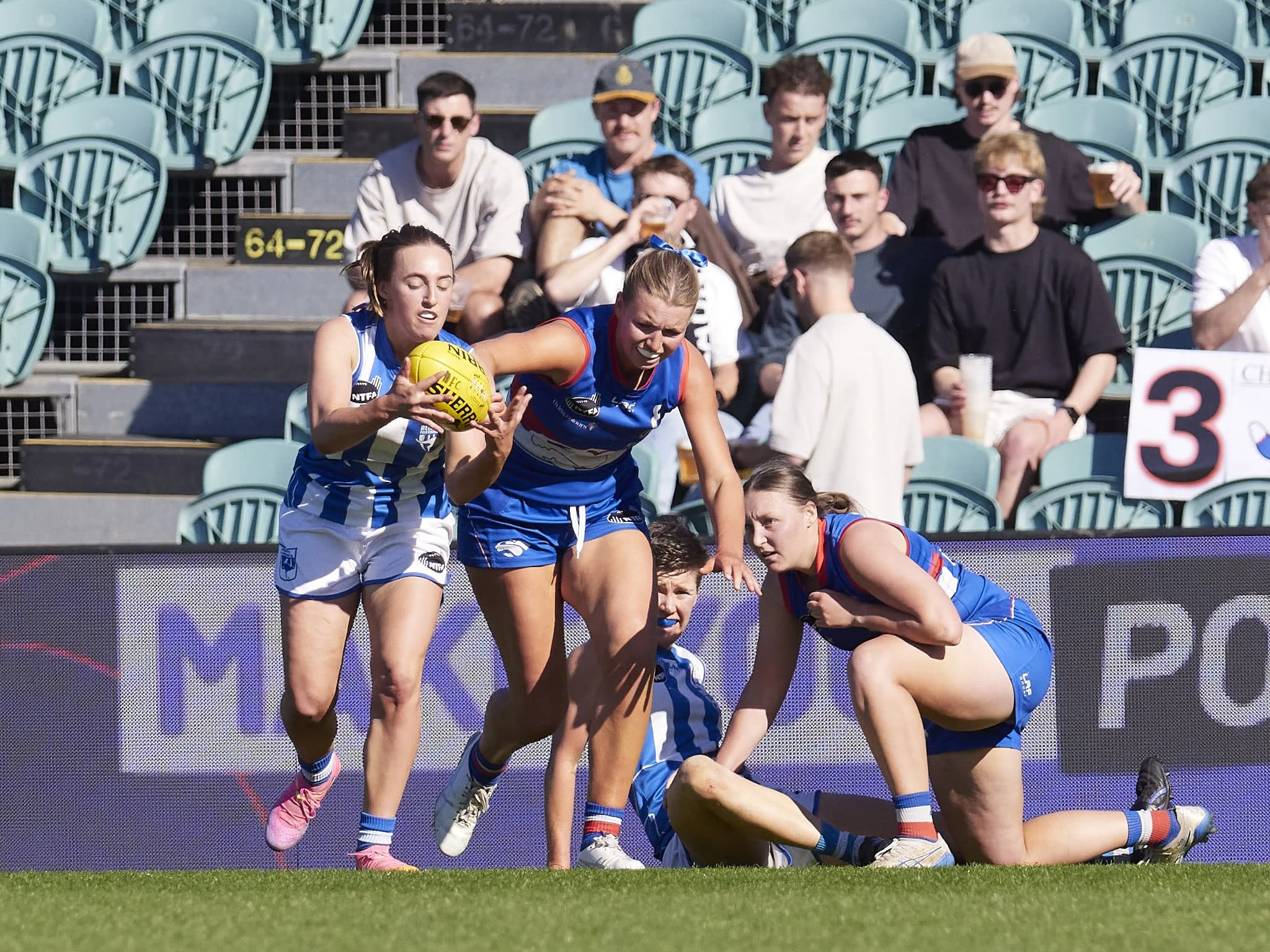
This file is sharp enough, has good crowd density and a player group that covers some of the respective stars of the teams.
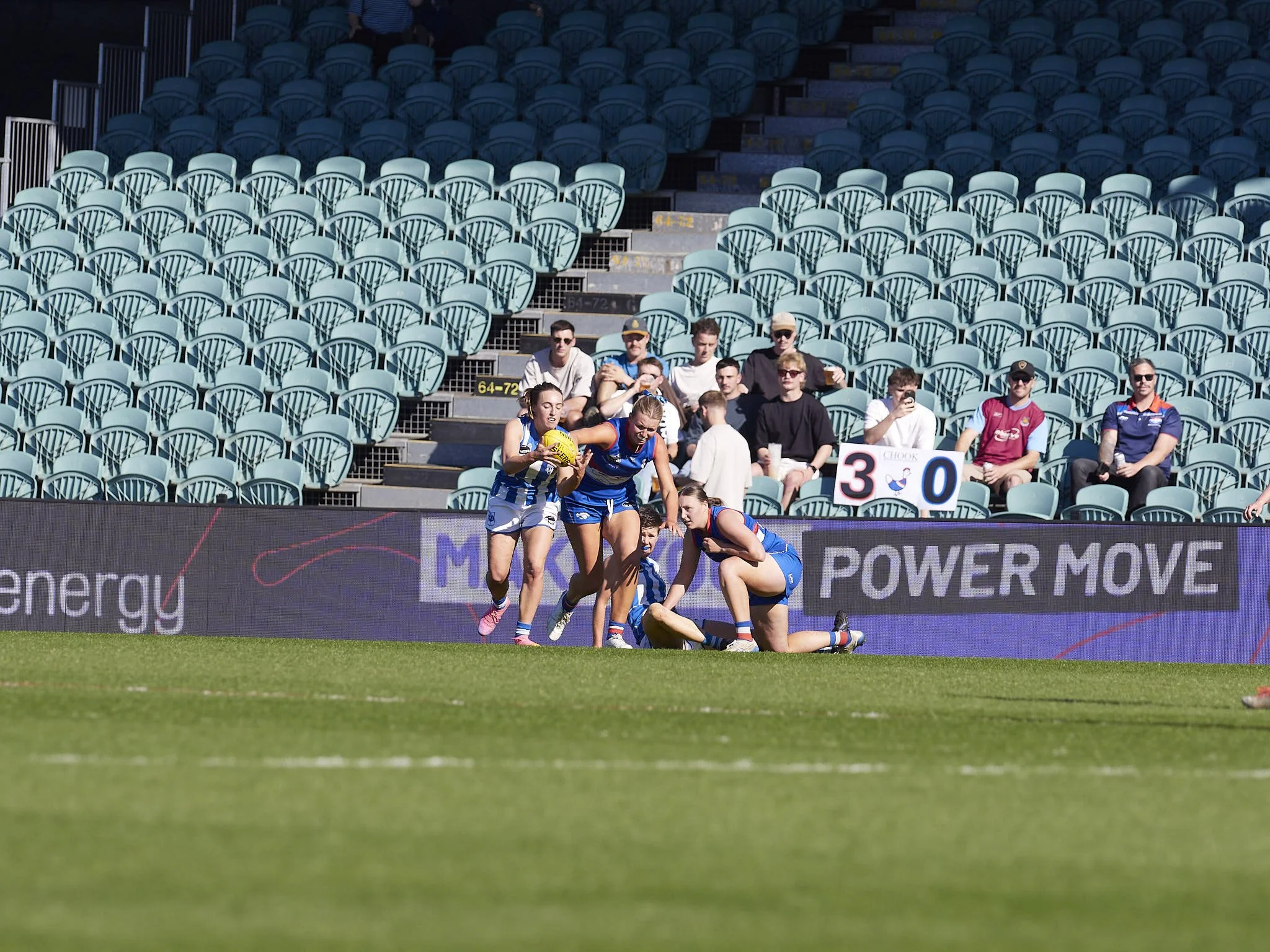
Unlike the original.
It was a great day if a little long with me not reading the roster, but when I was called regarding that in the second term of the first game after submitting my 1st quarter posting shots, I decided to go with my run of luck and it paid off.
In the end I submitted about 800 files, plenty for any use and hopefully many will be seen by someone, but regardless, I shoot for all the “what-iffs” of media needs and with the players in mind, no hard feelings if only they and I see the files.

Spectacular late afternoon light. Catergory? Story telling I guess.
*For cricket I intend to start using Pro-capture, a MFT speciality. This allows me to buffer several seconds of images and if something happens, push the shutter and capture the previous few seconds for a period of time and frame rate of my choosing. Great for a game where dozens of balls can pass without anything happening, then you miss the split second the stumps are knocked over or a catch is taken.