So I bought the 100-400 on sale and it looks to be a good purchase.
Based on a shop test, I jumped while the sale was on.
The AF is not as fast and smooth as the 300 f4 or 40-150 f2.8, but is on par with most other MFT lenses. I am hoping the versatility of the lens will out weight the difference to my usual 2 lens option.
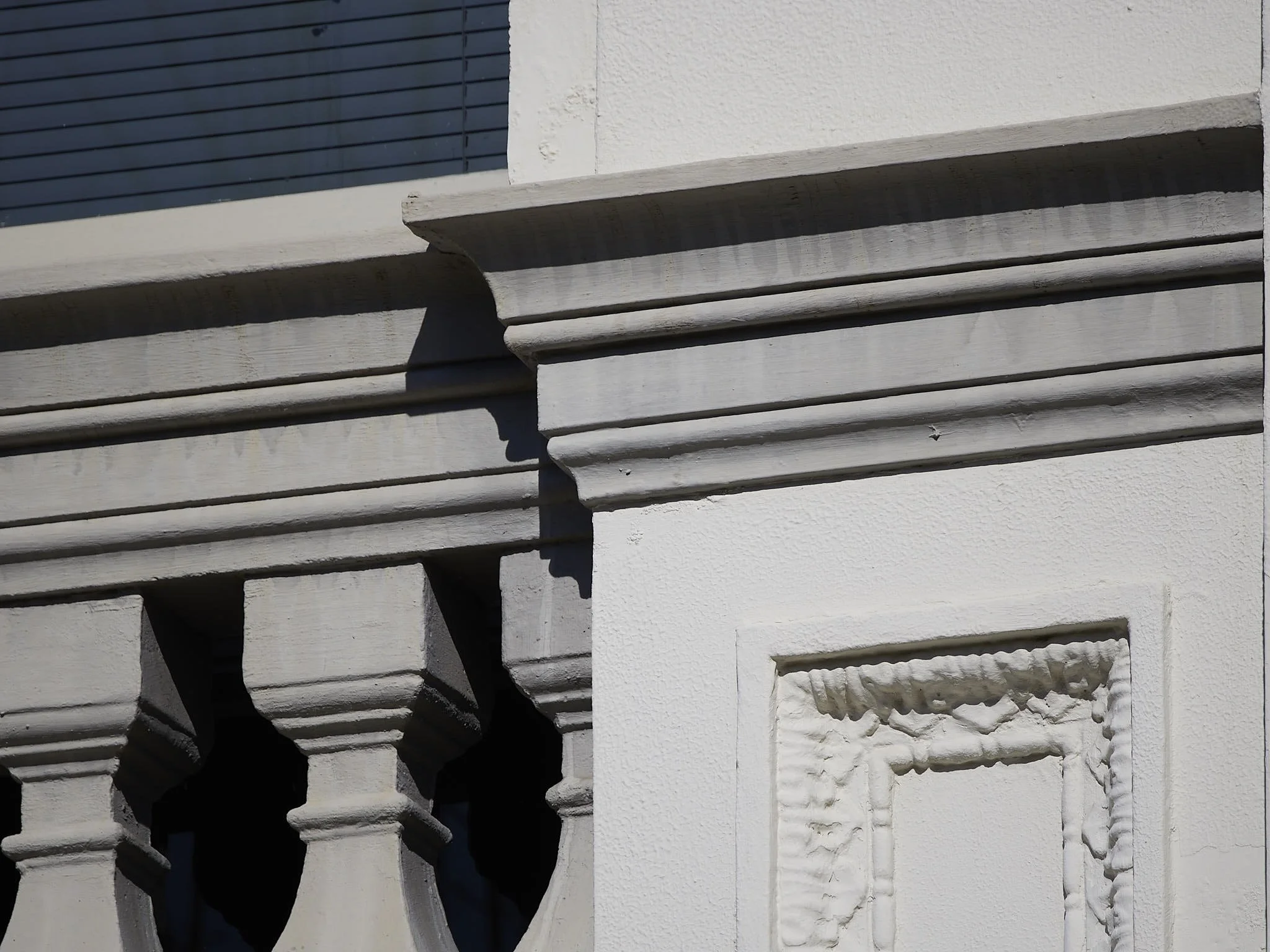
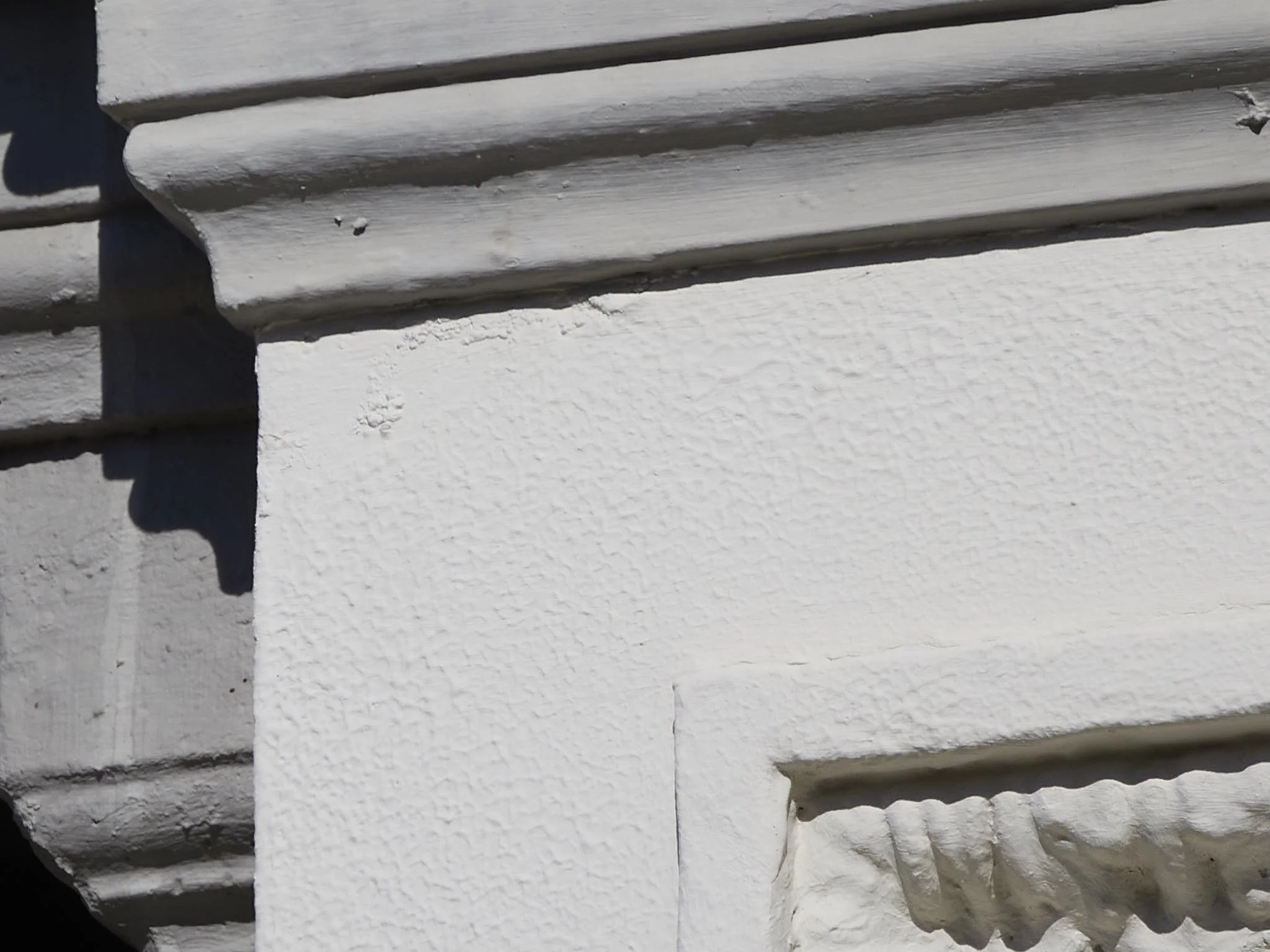
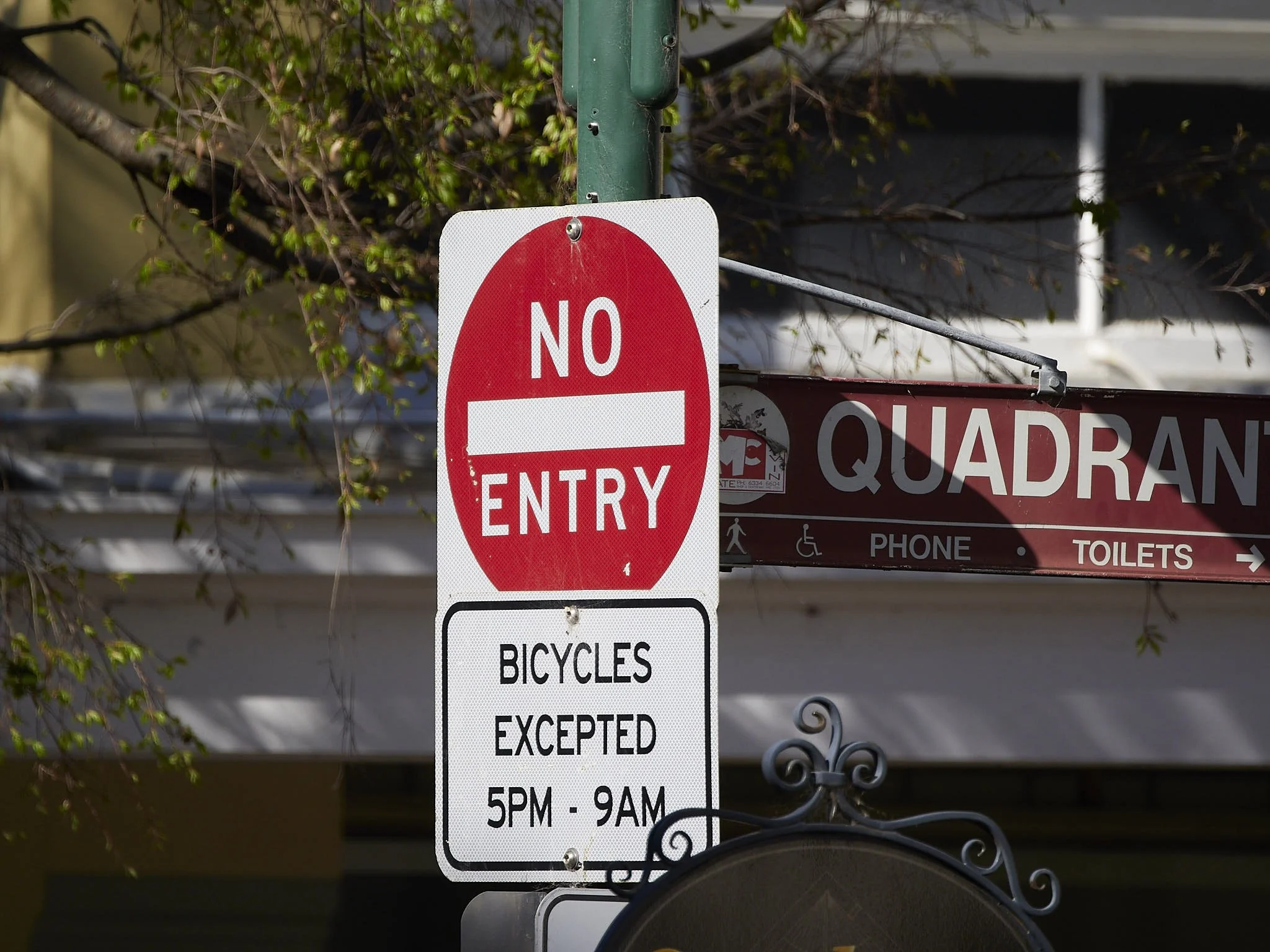
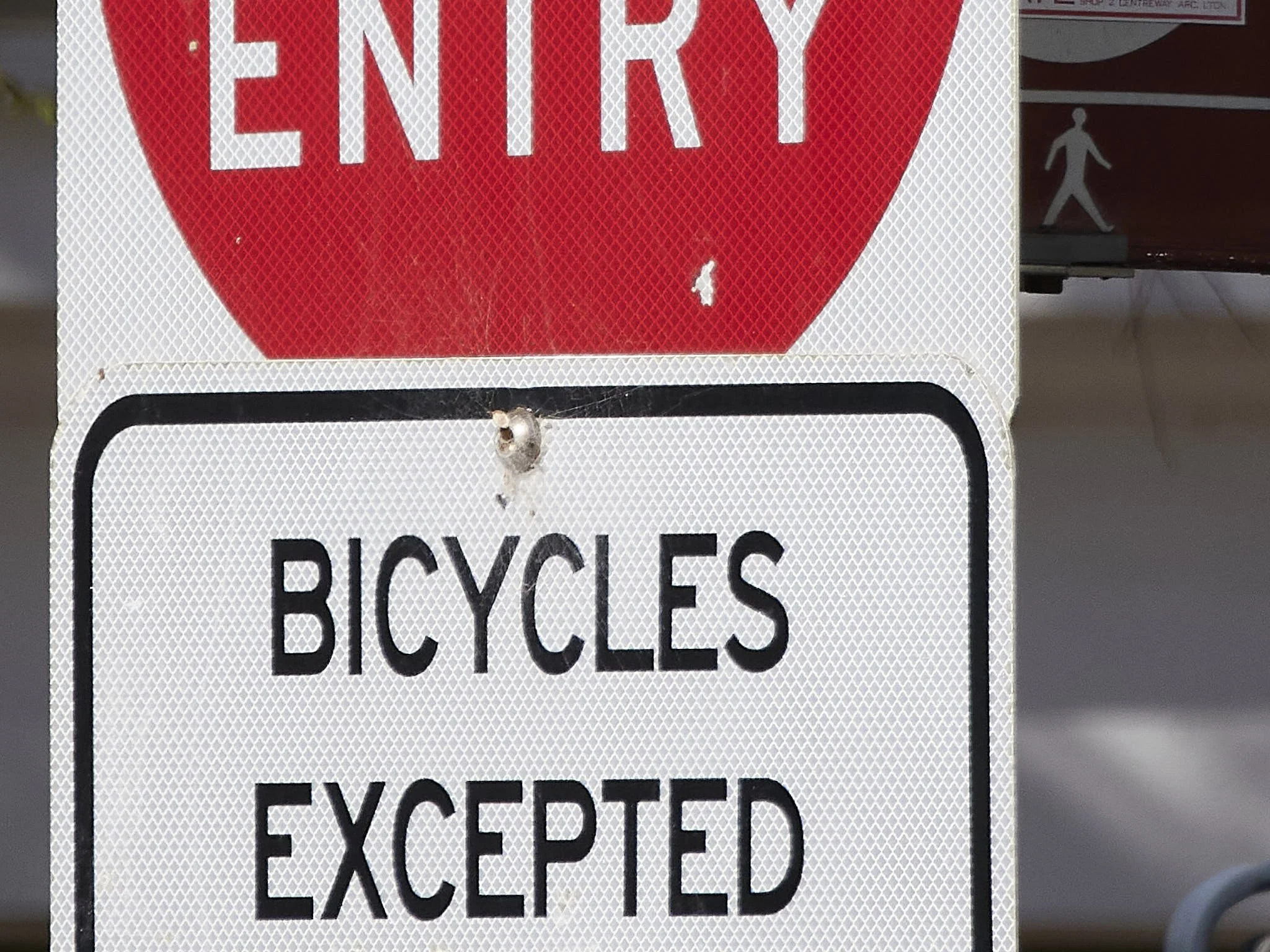
I shot the set below in the shop, which is actually a reasonably controlled space for me as I tested lenses out this door for years. It is nice in the hand, smooth and tight, but so far I only have the aged rear screen of an EM1x to crimp.
I bought it locally with a return option, but then a “funny” thing happened.
My wife and I went out for a quick dinner, a Friday night tradition and returned to a lounge room full of shredded card board. It seems one of our dogs took a shine to the box, totally randomly, but not without precedent.

Dodgy phone photo, but I was not going for prize winning quality, barely able to take it actually.
Looks like I am keeping it.
Good thing it’s sharp.

It seems to excel as a 200mm (400mm) macro!
The only thing I was concerned about once sharpness was confirmed is AF and stabiliser performance. I went OM over the Lumix long lens because of AF, so it needed to be better.
In the shop it seemed fast enough and did not bother me, but at home there was a slight hesitation on long transitions. I had mounted it on the EM1x I use for most long lens work, but it is my oldest one and I have never upgraded the firmware (because it just works!). I switched back to the EM1x I had with me when I bought it in the shop, a newer firmware model and it was much snappier.
The stabiliser also seemed a little twitchy, so I switched from auto to mode 1 (all direction) and it settled down, again likely a firmware thing. The stabe makes a huge difference to the long end, a lens length I have not used much before. This pairing now feels like it is in the same league my EM1x/300 f4 and I know that over time they will get even happier with each other.
I have now colour coded the camera and lens combo “green” (with small stickers), the same as my 300mm and it’s mate (blue) and the third EM1x with my two 40-150’s (yellow). The EM1x’s have learning AF (a term used before AI became all invasive) and I have seen the benefits of mating kit over extended periods.
In a way, Lucy, my Pointer~Lab hound actually saved me from myself. I have not been able to buy new glass for a while now without second guessing my choices and chasing problems.
In almost every case, a little settling down time fixes any qualms (with two real exceptions that were evident from the start), but that does not stop me from self destructing. The old saying “he who looks for trouble invariably finds it” comes to mind.
This is the type of thing I do;
Hand hold shots in poor light at too slow shutter speeds.
Fail to pay attention to technical things like ISO, minimum focussing distances.
Pixel peep to ridiculous levels, like 800% or on a camera screen. Enough said here. Any file breaks up under that much pressure, especially when you add all the other elements covered here*.
Fail to remember anything I have seen over the last few years, months or weeks even, so my comparisons seem to be against impossible scenarios. This includes shooting over 2 dozen sports finals recently, where I wold have had good and bad images, good and bad light, lots of variables and I would have adapted and not blamed my gear.
Look for trouble, not the good bits, which can even go so far as stubbornly look at the centre of an image, not where the focus actually fell or shoot in flat light. This is directly at odds with real use where you chase the good bits and hero them, ignoring the misses and not-so-goods.
Forget the brief and parameters of the purchase. I am not looking for a lens better than my current kit, but one that can do their job when they are overkill like good light low tier football, cricket, or occassional birding, saving them from unneeded ware and tare.
Basically, I become a poor photographer and a poor judge empowering the “inevitable” failure to launch I am assuming.
I remember a shot taken on the freshly bought 40-150 f2.8, a lens I trust implicitly now, taken in late afternoon light off a shiny surface in blue shadows that had a “milky” look. It was flare produced by a really crappy set of choices, but it produced a moment of buyers regret that I have clearly remembered, but not because it mattered in real terms, just because I remember it and it became irrelevant.

This was the best of three, but the one where focus fell where I wanted and you should always judge an image by its best results, but only if you can achieve them consistently. Some interesting “ringlet” highlights to the left, otherwise nice blur.

…. and this is the original.
So, taking all that into account, I like the images it makes and when given a half a chance, it can show itself to be sharp and consistent.

Nice Bokeh and blurring.
Even when I over crop.

The other lens in the mix was the 100-500 Lumix, a long lens for a camera that does not fill me with as much confidence in this space (S5II), but has shown to be solid when its true strength is required, low light performance. It has 2-3 stops more grunt in that end of things compared to the EM1x.
The dual barrier of high cost, slow speed and limited real benefit in reach and AF meant I might end up with a massive compromise and just use my MFT gear as I do anyway.
Now that I (well, Lucy) have settled on the Oly lens, this still leaves me with the untapped potential of the Lumix. My 85mm f1.8 is great, but does not have the reach for most sports. While cruising the net, the 70-200 f4 at $1200au popped up.
I have always avoided the 70-200’s as last time I checked, even the f4 model was $2k+, but it seems Lumix have adjusted their lens pricing down across the board, so the f4 is affordable and maybe a better long lens for the camera as a serious option.
I know I am already happy with ISO 51,200 on that camera if needed and 6400 is streets ahead of MFT (as much due to the dual ISO nature of the camera as the sensor), but the math of the slow 100-500 made that advantage less effective than a faster/longer lens on MFT.
The short 200mm has the S5II’s cropping power and cleaner high ISO files make it viable and affordable for indoor or night sport and if needed a teleconverter is an option. Longer lenses are the province of the MFT format.
It seems that my forced hand with the OM lens may be a dual push in the right direction.
It is also a much more logical every day lens to round out that kit.
I can now go out the door with a full frame kit with wide, standard, portrait, macro (IRIX) and long lens options covering 20-200.
Both lenses would cost about the same as just the 100-500.
Thanks Lucy.
*One file I was stressing over was (1) hovering around the focus limiter minimum setting of 6m, (2) hand held indoors at maximum reach, (3) at ISO 5000, (4) 1/125th of a second (5) of a gently moving subject, (6) in cool and flat light! Deserve what I get I guess.