A cheap cinema lens is a little like a cheap sword.
A cheap sword can hurt, even kill, it just sometimes lacks finesse.
Equally, a masterwork blade in the wrong hands is more likely to hurt the wielder than the intended target.
A cheap cinema lens is not a weapon, but the comparison stands.
They look the goods, do the job more or less, but what are the pitfalls, what are the catches.
I own a few, quite a few.
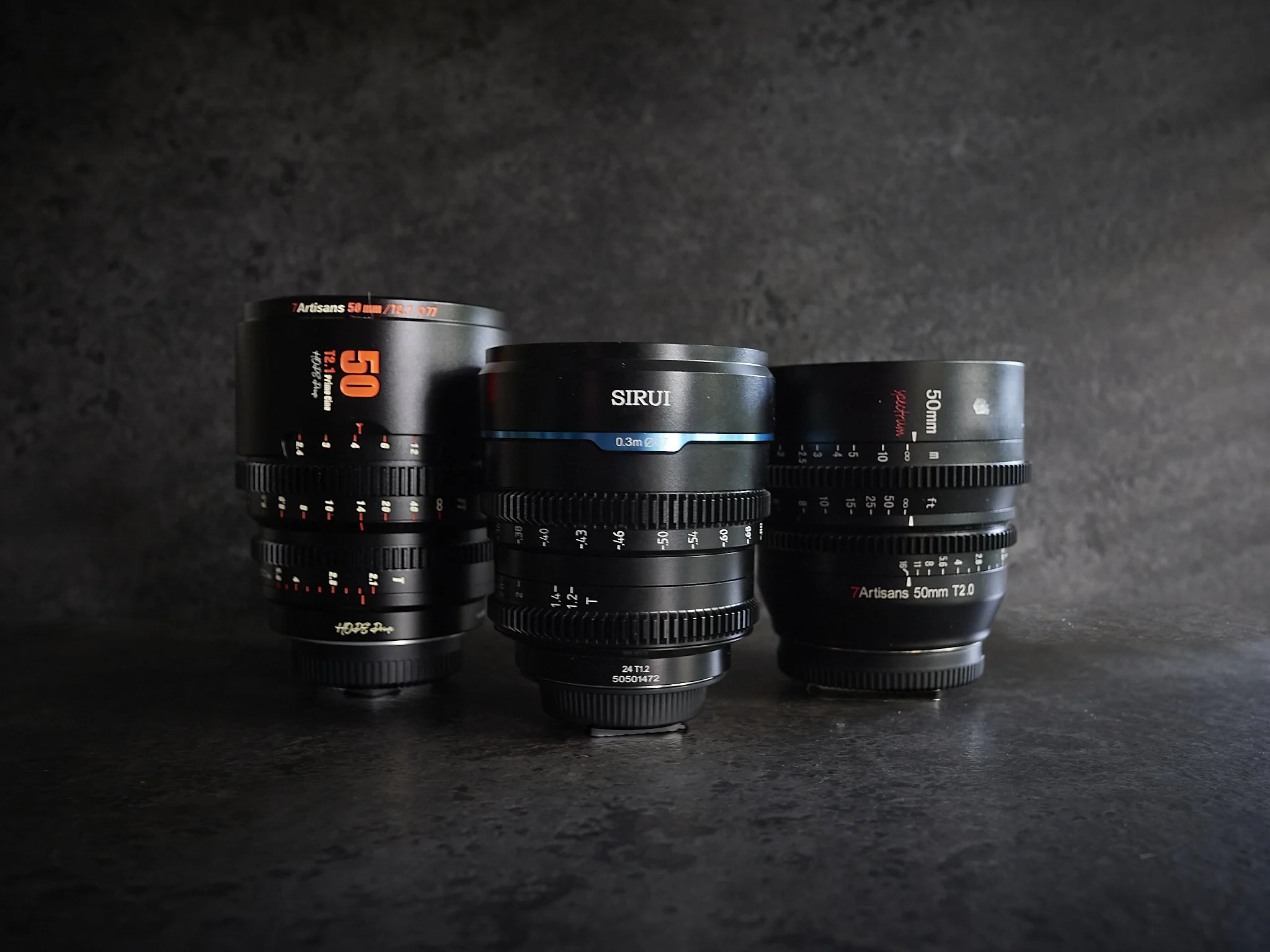
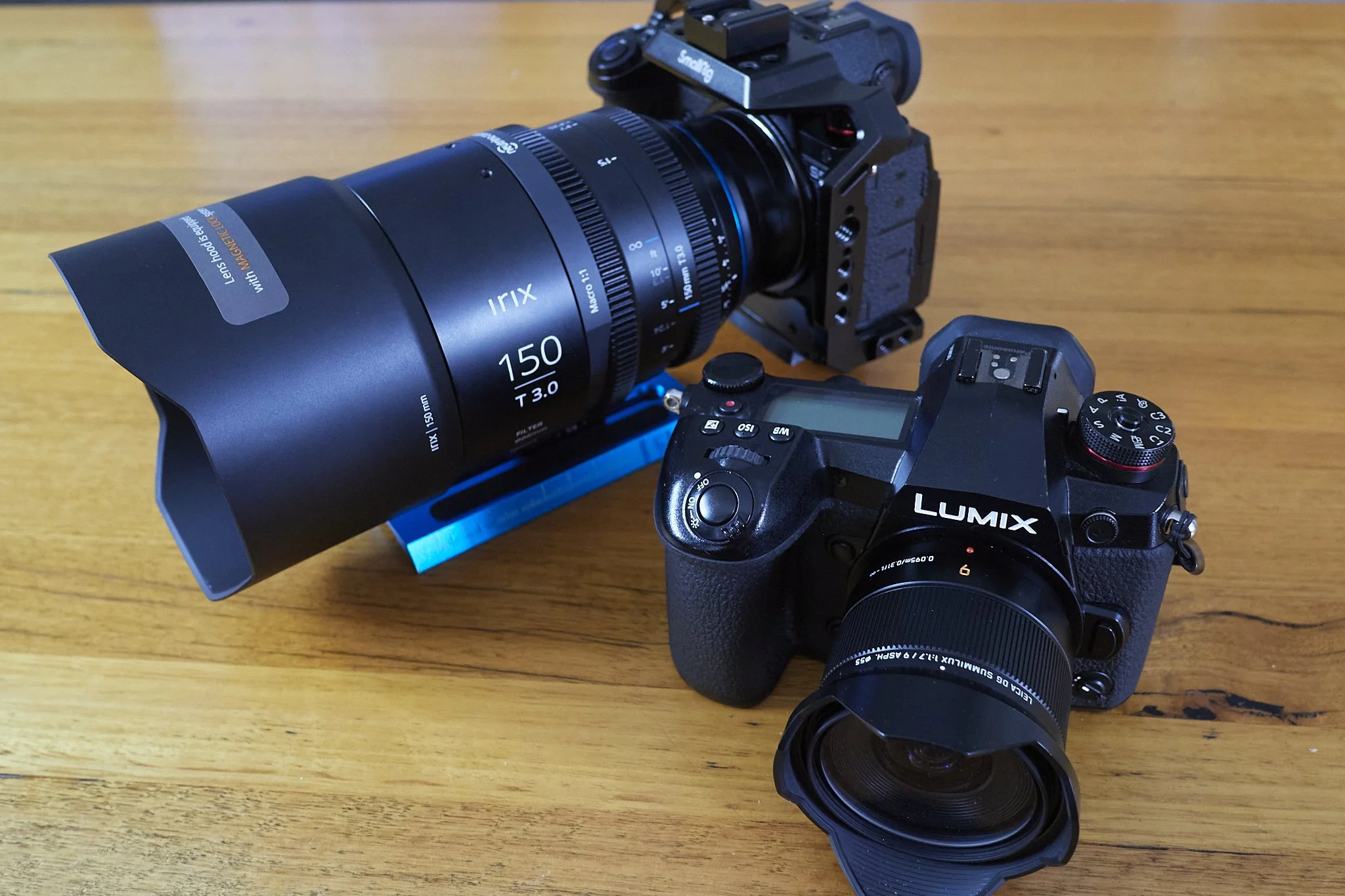
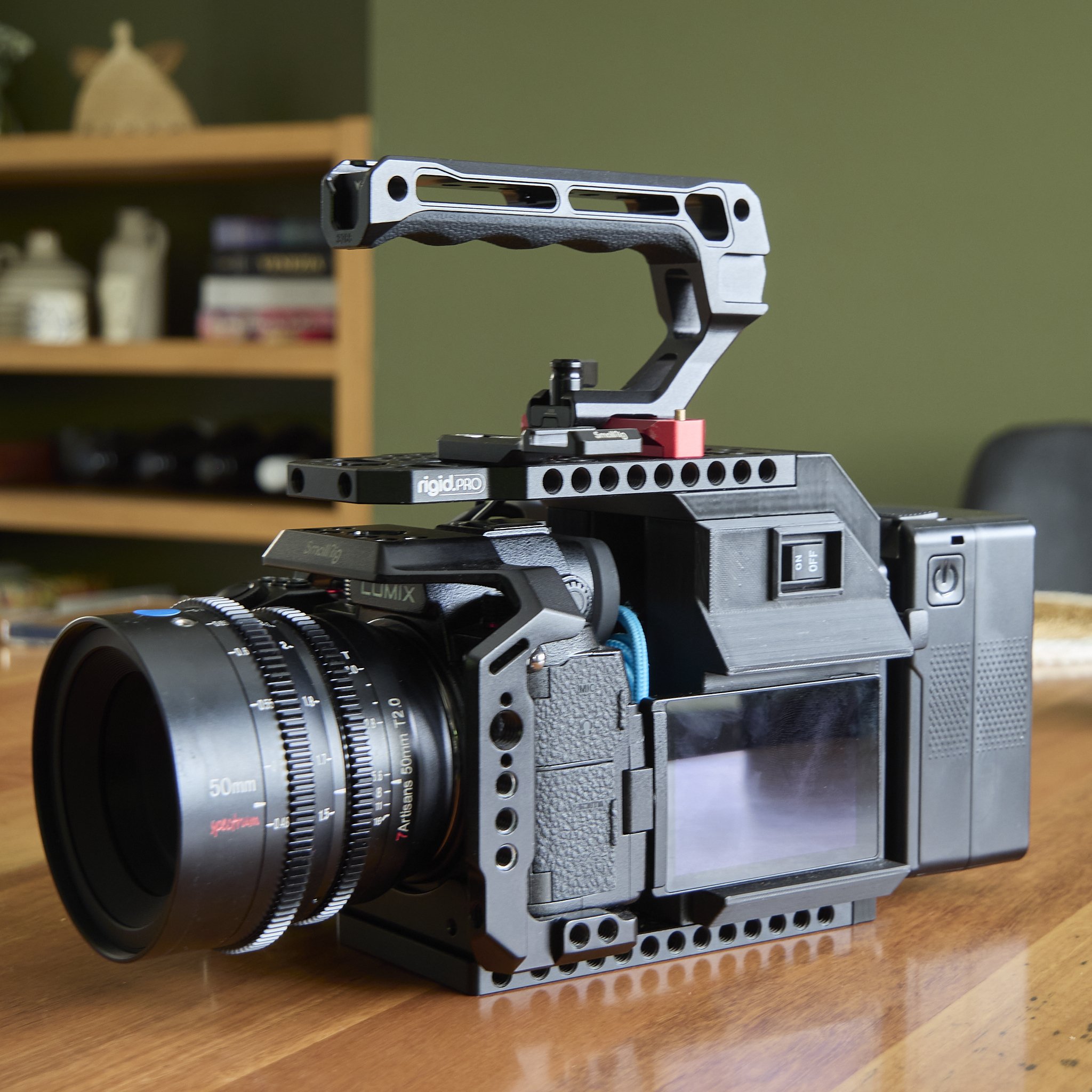
I have some 7Artisans Hope, Spectrum and Vision, Sirui anamorphic and Nightwalker lenses and a lone IRIX tele-macro. All were carefully chosen from many offerings to better match each other than even their actual set-mates often do, which is part of the reason for this post.
It has not all been perfectly smooth sailing, but a fun voyage.
I have returned one Hope lens due to poor mechanical and optical performance, which can happen to any lens offer and as I have said above, another reality of buying cheap lenses.
So, what are they in reality and how do they hold up compared to dearer glass?
The premise is, cine glass is allowed some “character”, does not need modern mechanical refinements like AF or complicated zoom construction, does not need to be light or compact and super fast lens speed is often considered excessive.
Mechanical consistency is important and these have that potential by design, but it is often more than just intent that is needed.
I have found that they are not reliably consistent in focus or aperture ring resistance nor mount tightness.
Some a delight, genuinely, some have issues enough that I need to be aware of what they will not do for me.
These are my favourites to focus pull without a speed focus attached.
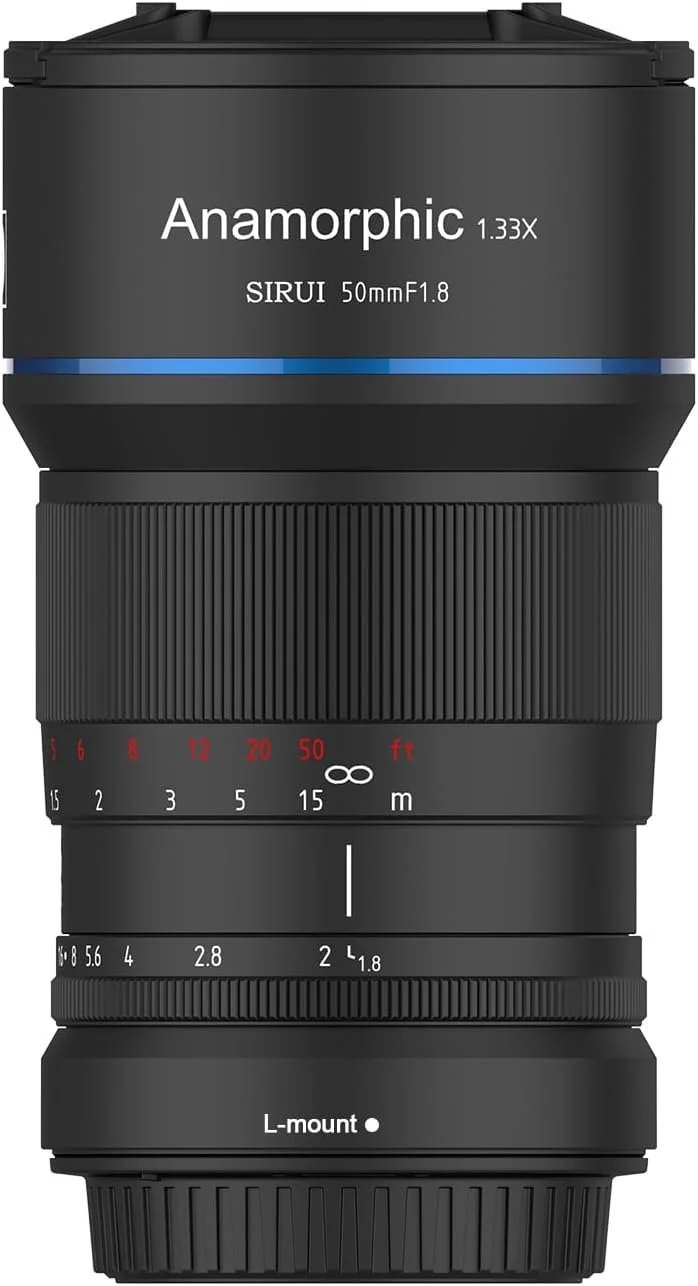
The 35 Spectrum is quite tight compared to the very nice 50, the 50 Hope is slightly heavier to pull than the near perfect 25, the IRIX is professionally damped-near perfect (a little tighter than the Hope 25) as I will assume all of their lenses are, the Sirui anamorphic is slightly heavier than the Hope 25 similar, the 12mm Vision a little lighter, the Sirui Nightwalker so light it almost feels broken.
I guess I should also include the Lumix S-Primes in this group, a set of semi-matched lenses with stills/cine features. Mechanically, they are excellent, but need to be on a Lumix cam to give you long throw.
Lens mounts have on the whole been good, with only a few exceptions. I can handle a slightly loose mount as long as the lens is light in other respects. The Hope 16mm failed here, tight to focus, but loose on the mount, making it genuinely compromised. The thing actually made a slight clunking sound and shifted when used, not ideal for a video lens.
My Vision 12mm, Sirui anamorphic and Spectrum 35 are loose on some mounts (S5II, G9II). The 12mm is the loosest, but it is so light to focus pull and so wide, I rarely care.
The rest are more or less tight depending on the camera (my S5 and GH5s have tight mounts).
In comparison my stills lenses that are most often used for video, (L-mounts, 12-60, 9mm Leica), lack longer natural focus throw, manual apertures and take a follow focus without attaching a separate ring, but on average are about as consistent mechanically (the 20-60 and 28-70 are also slightly loose on the S5II’s mount).
Optics.
This is difficult to clearly measure.
Cinema lenses are usually extraordinary in some ways, but also often quite poor in others. They have character, which can also be labeled “workable flaws”, especially anamorphic and legacy glass. These obvious flaws are embraced, but have to (1) fit in with the creators vision and (2) not stand in the way of that creation.
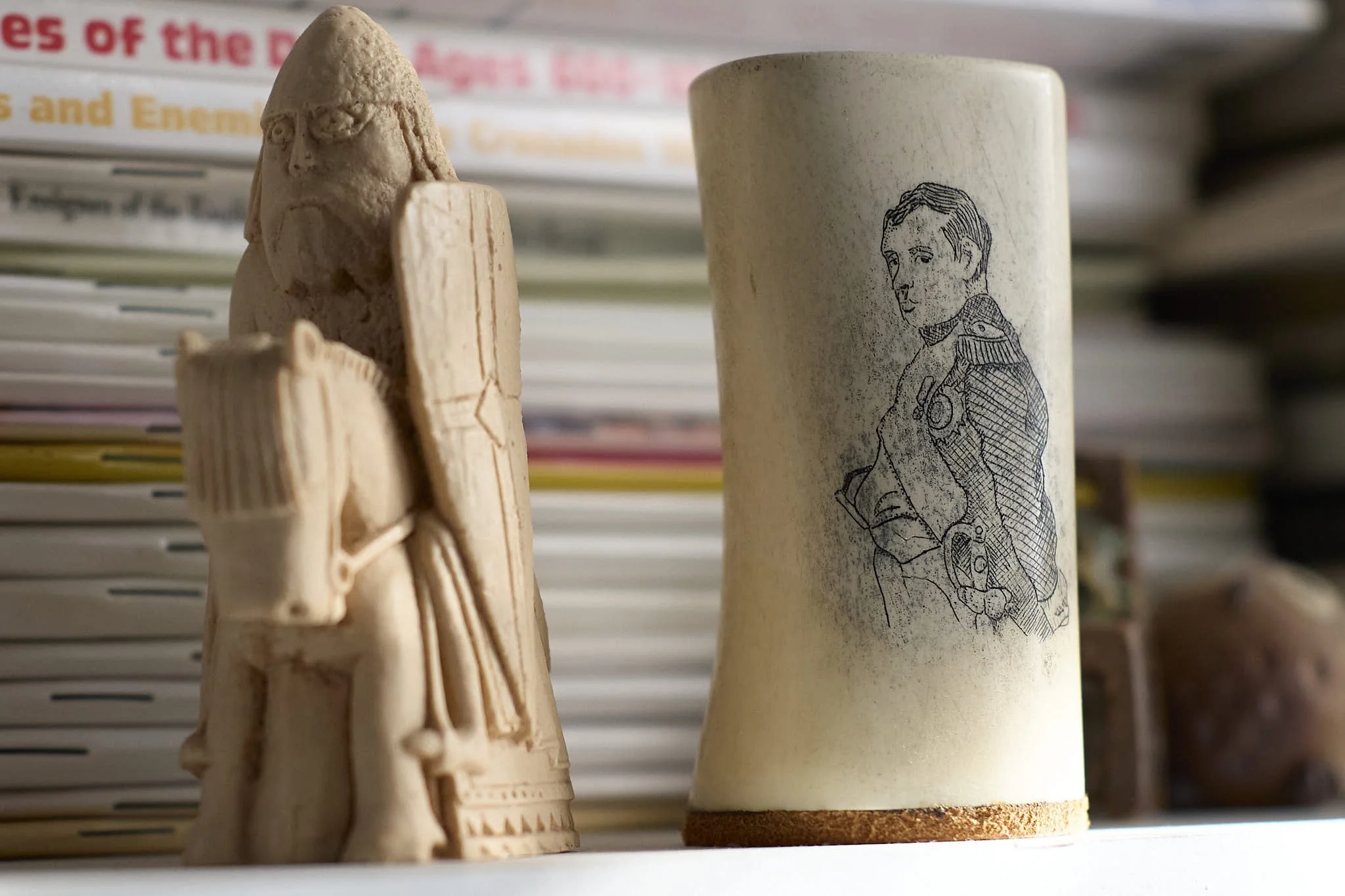
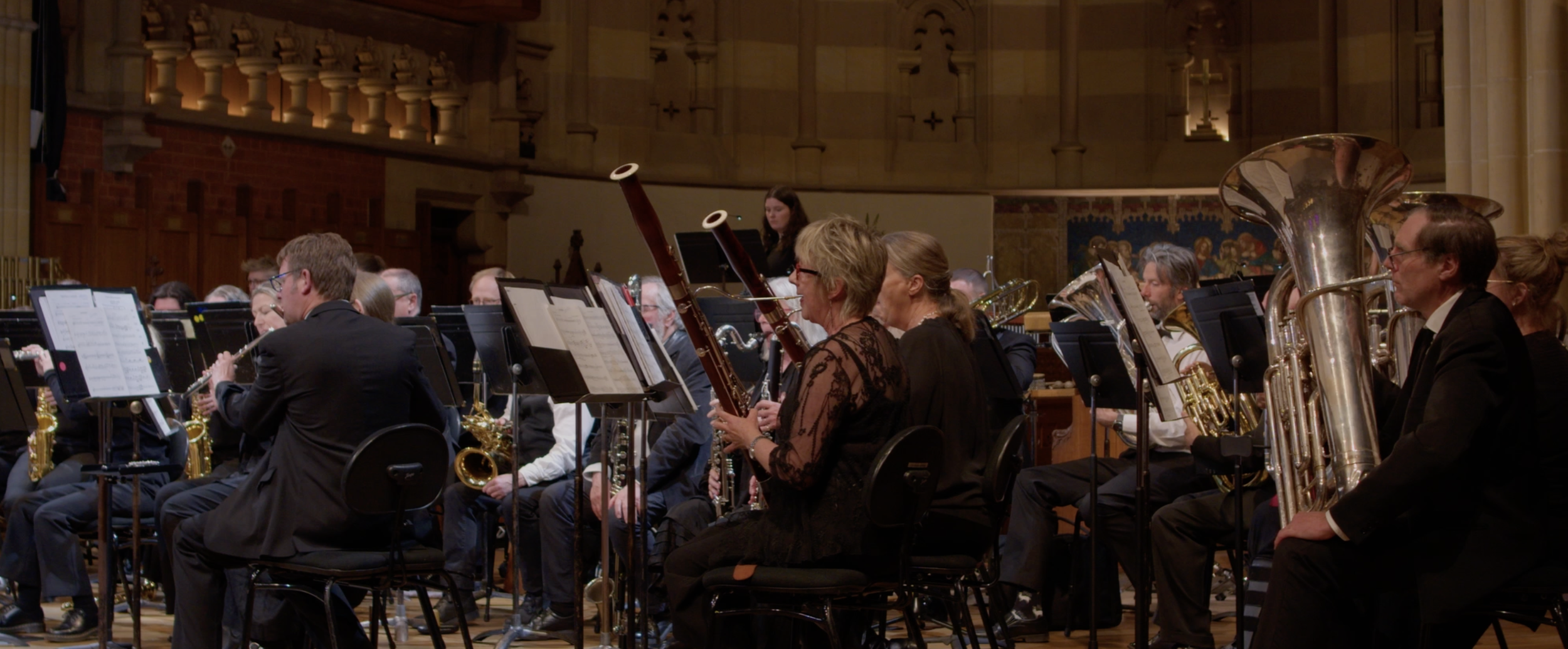
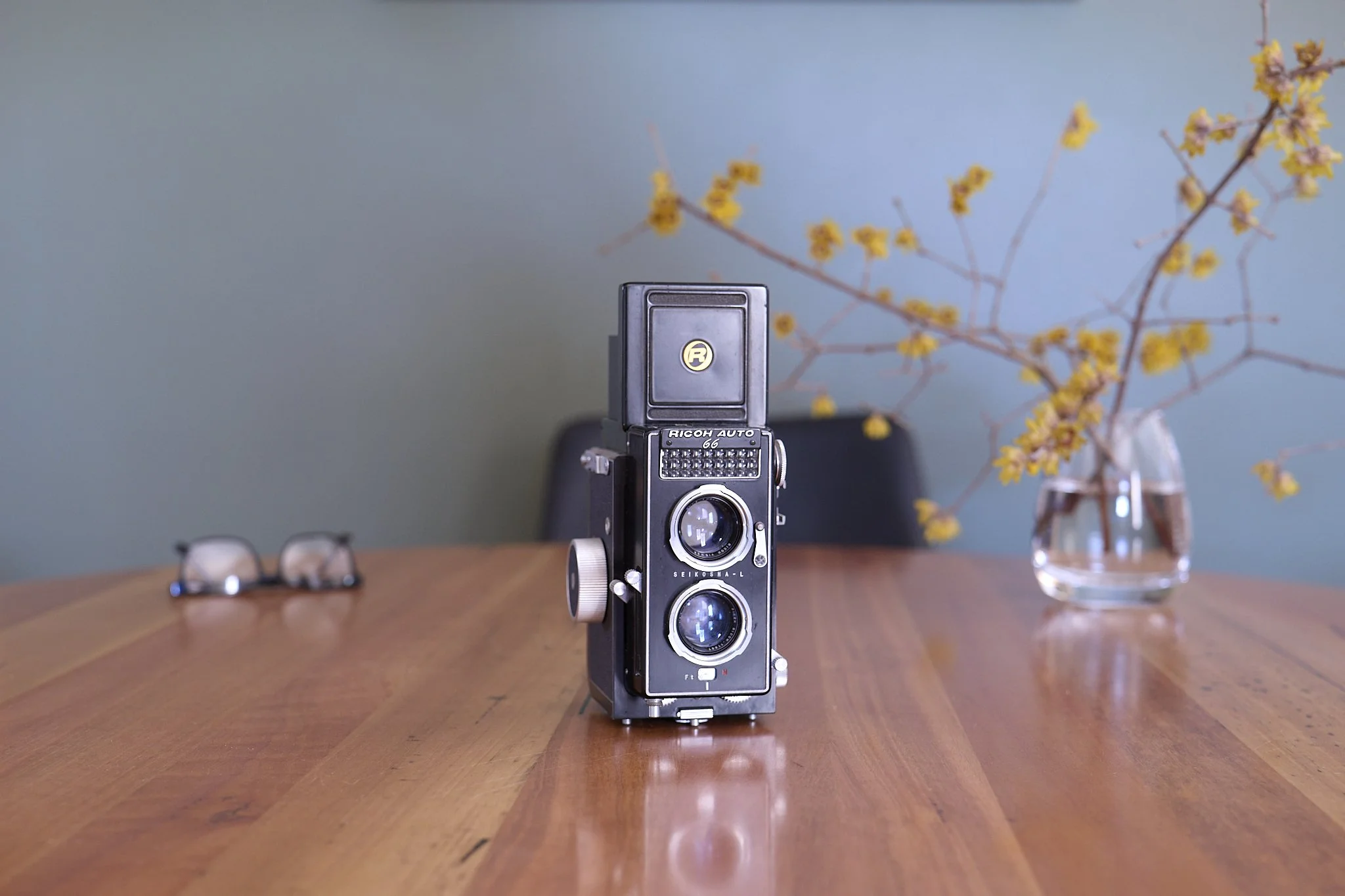
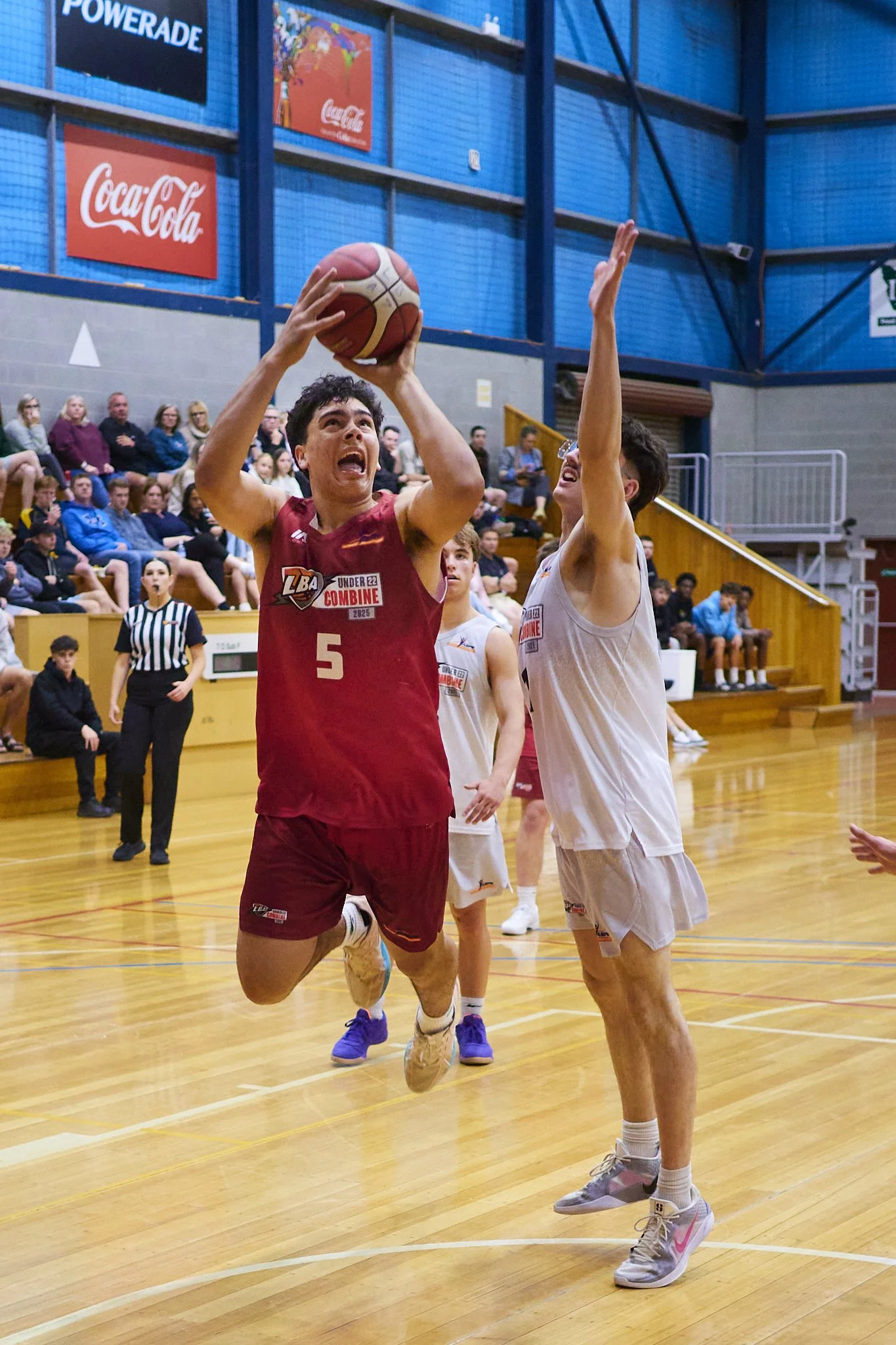
Below are a some test images recently taken with my Hope 25, an example of a “heart breaker” budget offering. this lens is a pleasure to use and could easily slip into my stills kit.