A Question For My (Near) Future Self

First up, I am not a gear tragic (anymore, well nt just for want, more for need), but I have to stay relevant and make good choices to make my work better and my life easier with controlled outlay. There is an element of fun and excitement involved, but unlike in past years, it is grounded in expanding capabilities and therefore possibilities.

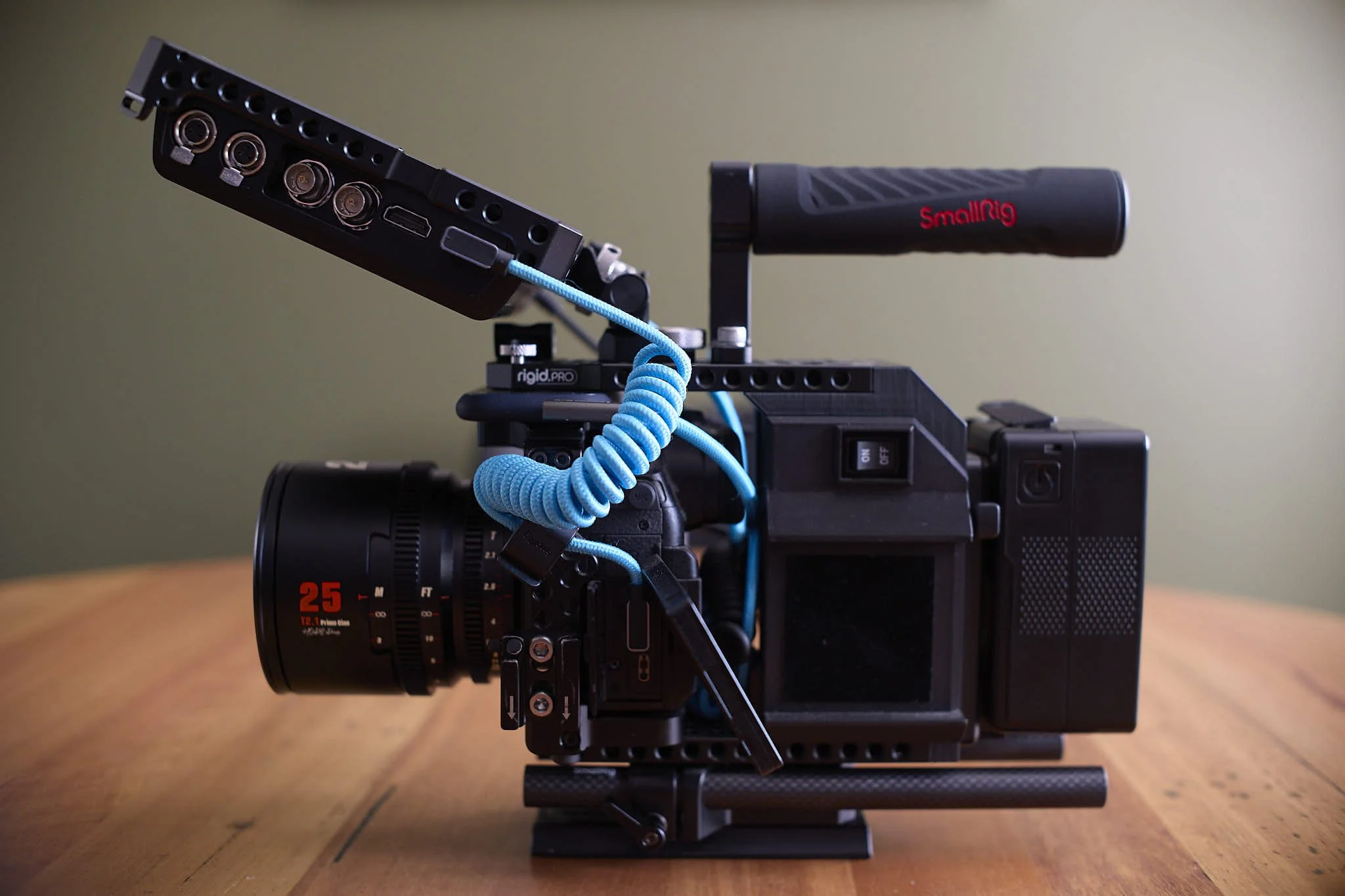
My needs as a professional are to field a two camera sports kit (with a backup) and lenses to cover distance and indoor light, a different and flexible double cam kit for dailies, again with backups, a three video camera setup (2 is fine for interviews, 3 are better) and some personal gear.

I have that now, but some little improvements could be made, the question is which direction and how much or little would make maximum impact.

So, from here?

the big question is do I continue with MFT as my main format, upgrade it as I go, or switch gradually to a full frame kit? A second option, something I have been pondering more and more lately, do I exit full frame and go all MFT?

My full frame kit is small but capable, but it is sometimes also a distraction.

I bought into a S5 kit pre G9II release for video (cheaper than the GH6 body alone), was then rewarded with some great cine glass at half price on clearance, bought into the S-primes and then a Sigma 28-70 to address a practical need (shallow depth of field with flexibility). Most recently I even bought an anamorphic for it, to round out the set (I have 2 MFT ones, this adds a full frame and third angle).

I reflex-bought the G9II when released regardless because it was a better camera for me overall, even with a strong full frame offer and I still chase MFT glass in preference and use it for 95% of my stills work.

To be honest, if I had a crystal ball moment and waited for the G9II, then sprang for the 10-25 f1.7, my life would have been cleaner and easier overall.

My wish list from this point is confusing to say the least.

The GH7 is in many ways the best Panasonic has to offer. The SI.2 is it’s equal in full frame, but comes with full frame issues (more and dearer lenses all bigger, most heavier) and it flies in the face of my main kit. I know there are new full frames coming, but they are too much for my needs.

The GH7 is as robust as the S1.2 (some say the screen is actually better), has all I need as far as video features go and is currently $2500au, about $1500 cheaper than the SI.2.

It would support my cine lens kit, free up the G9II for stills (stills upgrade), improve internal sound and recording CODECs and finally give me the option of the paid ARRI-Log upgrade.

AF and stabe are excellent, both helped out slightly by the MFT format and what I would save could cover most of the cost of a 10-25 f1.7, a superior, video specific, standard lens.

From here, the G9II re-surfaces, realistically giving me all I need for a second video or stills cam for sub $2000au. The GH7 does not actually add much more for a BMVA 12G user and the OM-1 is still dearer for stills.

If it is a camera just for video and a B-Raw one at that, then the BMPCC4k is sub $1500au new, plentiful second hand and now has ProRes RAW! This could also free up my G9II for stills, and I have all I need to fix battery and storage issues.

This option means I can shoot with three anamorphic or spherical cine lenses in B-Raw and still have a mobile ProRes capable G9II handy.

Which brings me to another 5” 12G, something my head tells me makes sense, possibly in conjunction with the S5 firmware upgrade. These upgrade any Panasonic to at least ProRes capable, give me three or four B-Raw cameras (and any future ones), a spare screen/recorder, and all the cameras have a similar look at their core. The only thing against it is the price of the BMPCC4k (see above).

At some point I may need a new 40-150 f2.8 (mine is well worn and showing it), but these are plentiful second hand and even quite cheap new. The 50-200 tempts me, but not at the price, I do however appreciate it’s driving down the cost of the older lens.
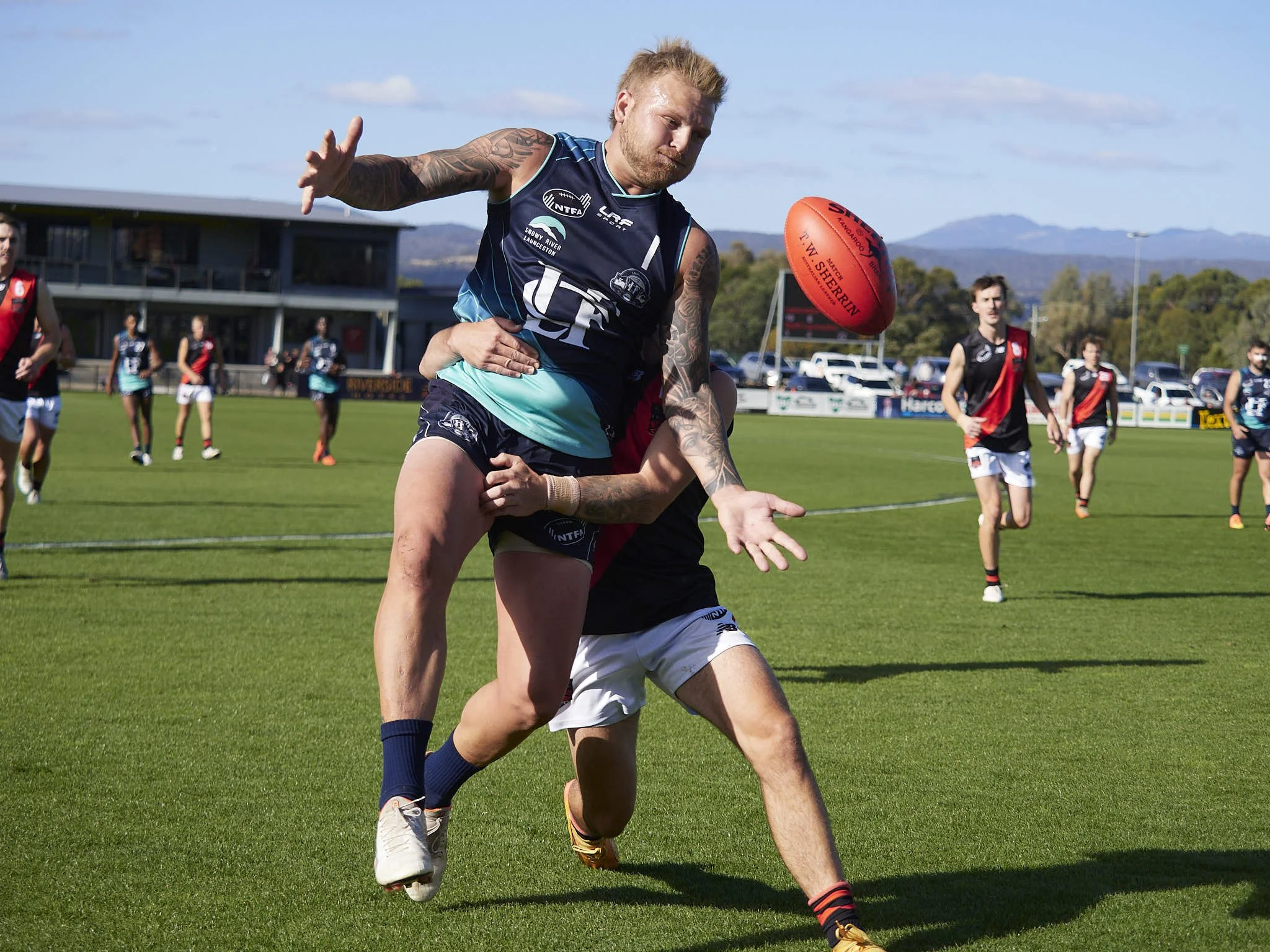
A lens that effortlessly grabs these a split second after the camera is switched over is more than enough (I run the f2.8 or f4 version and the 300 in tandem with two EM1x’s). The 300 got the initial kick.

Still in front with MFT, the butchers bill coming in at about $800-5500au all up depending on path taken. These are acceptable running costs and address genuine video improvements, with stills upgrades.

Full frame.

The SI.2 is a logical upgrade (or an S5IIx on sale-they seem to be holding their price at $2700au+), for full B-Raw support in a newer camera, but it still needs things (third BMVA), would logically lead to a full frame system space and possibly some dissatisfaction.

The $300au upgrade for my S5II makes more sense I guess as most of the other benefits of the S5IIx are nullified by B-Raw codecs (All-i internal, SSD out) and I have it now in a balanced kit, but it rankles for some reason.

The S5II upgrade is looking better as I write this.

Other brands tempt.

The Nikon ZR can take my L-mount glass with an adapter and I can source a couple of cheap IRIX lenses in the Z Mount. $5000au and a whole other system?

The Fuji XM-5 is a curiosity, a powerful one with another look and some funky stuff in a little power house. Adapting lenses will be the thing, maybe worth a look.

Lets stick t what we know………….. .

So the core of it;

Stick with MFT as the primary pathway, my comfort space and some full frame as a specialised problem solver or, shift to full frame gradually?

Gut and heart say pathway one, head leans towards pathway 2, but reluctantly. Ironically, I am shy to move into full frame because of image quality or more to the point easily achieved image quality. Yes, the full frames are technically better, but I trust MFT to get me what I want, I am less comfortable with full frame, even after more than two years growing the system and three decades using it.

I just find the depth of field math and benefits of the bigger sensor are not in balance for my needs or how I like to shoot.

Current thoughts in order of preference;

  1. BMPCC4k to add a third and very clean B-Raw option with more BM goodness, also now with supported ProRes Raw in a dedicated MFT video camera. I really just want one to get that Black Magic goodness, hedged with mild fears of having a camera that does not mesh with my others and is quickly loosing relevance (or is it really?). This does balance with my cine lens options, makes use of some wasted rigging and adds a “cinematic” element more in line with my preferences (not the way everything is going). The question here is not so much “is it worth it”, more one of “what else can you get with all it’s capabilities for the money”. The G9II would then become a hybrid doing double duty as a sports camera and mobile video option.

  2. Second BMVA 5” 12G and possibly S5II firmware upgrade to fully enable my G9II or S5II to B-Raw. A bit of a waste in some ways as the G9II is already a handy mobile rig with ProRes HQ V-Log or All-i internal and the S5II does good work as a hybrid. I do feel that sometimes I am sacrificing some of the BMVA’s potential on older Pana cams where full integration is lacking, but the whole thing somehow balances out and those cameras are better with it. There is nothing stopping me from using the G9II with the BMVA, it is just fiddly to swap and I cannot run three at once.

  3. Second G9II for stills increasing my stills/sports power (yet to be fully proven) freeing up the first G9II (but that basically is already). Still only have two BMVA’s, so nothing really changes in video land, only stills.

  4. The GH7 with it’s added benefits, again freeing the G9II, but little else.

  5. S5IIx on sale…… not sure I am liking the direction that would go.

  6. S1.2, which is as they say, the “tipping point” and will undoubtedly lead to other poor decisions like a shift to full frame, dearer, bigger and heavier lenses.

This started with a GH7 based thought stream, but has ended, as usual, back at the beginning with the BMPCC4k, or Video Assist and S5II firmware as the only real options if anything at all.

The reality is, as it stands now, the G9II with a BMVA is my most powerful camera technically, but my relative weakest in low light (only one without dual ISO and a “normal” MFT sensor). It is also my most powerful video cam without a BMVA and my highest res stills camera.

If I need multiple cameras to match, I can run them all in V-Log, some in ProResHQ as well for extra colour depth (The G9II, GH5s and S5).

This also brings up something I want to test more, which is the benefit of shooting 10 bit V-Log in ProRes 422 or PR 422 HQ at 1080 (B-Raw is not available to me in 1080 at capture), producing a high quality file smaller than any 4K quality setting (18 or 27 MBs compared to 34 MBs at 12:1 or 21-58 at Q5) with full dynamic range, possibly improving my consistency between more than two cameras and giving me more choice in pairings.

I have had a lot of success with V-Log and anyway B-Raw is not fully realised in most of my combinations, so for client work, would this mildly compressed 10 bit format with full dynamic range (controlled by the Log codec, PR only adds colour depth for grading) be more than enough? Most comparisons give the gong to B-Raw when mistakes are made, so let’s assume I get things roughly right? I may also look into HLG for lower noise recording.

A quick test today using the BMVA 12g 5”, looks good and the partially used SSD still had over 700mins available. Ed. nope, not fun to edit.

Another thought I have been sitting on for a while is to use BMVA’s only on MFT cameras, the two full frames limited to hybrid/V-Log and paired for light interviews.
Short Term Appreciation, Long Term Adoration And A Sobering Find.

My “budget” cine lens journey has been interesting.

I have had some genuine wins, the odd miss, but overall, for what I have spent, my return has been well and truly in the black.

As gear gets used, it either cements itself in your work space or falls away and often it is not the big things, the things you researched rigorously, but the little things, like camera to lens synergies, mechanical handling quirks, cosmetics, image rendering surprises and sometimes nothing you can put your finger on.

A prime example (‘scuse the pun) to me is the Spectrum 50mm T2 and it’s stable mate the 35mm T2. Reviews for these are universally favourable, but vary and each reviewer tends to lean towards one or the other.

For me it has been the 50mm.

The Spectrum 50mm is a giver. Handling the lens is delightful, even for stills, everything is silky smooth or reassuringly tight where it needs to be.

It has a “glassy” clean and clear rendering with slightly muted contrast, beautiful neutral-cool colours that tend to make warm tones pop, an old fashioned 3D rendering with nice Bokeh. It is for most uses an “invisible” lens.

It is a story telling lens. At T4, it is “cinematically” perfect to my eye, able to snap out the main point of focus, while including other elements harmoniously and slight focus misses go largely unnoticed.

There is a little focus breathing, but not enough to notice in use, flare is controllable, but still there if you want it and overall I respond positively to what I see.

There is a feeling of three dimensionality, an old fashioned roundness and depth that is often missing with “perfect” modern glass. I often see now, that when a face is used as a test image, some lenses have a feeling of roundness and depth, others are flat and cardboard cut-out like. A recent comparison of Vespid 1’s vs Canon FD primes showed this, but the reviewer did not comment on that as the difference, just a feeling of “something nice” about the older FD lenses.

Things can still “pop” at T2, but even the seemingly flat plane of focus feels deeper. Contrast is lower, but still not enough to tame the highlight blow-out my S5’s are prone to (there seems no limit to their shadow recovery-see belw, but highlights are an issue). It is hard t put a name on it, but some lenses let you feel like you can reach into a frame and touch things.

In the pairs above and below I have aggressively recovered shadows with no ill effect, but struggled to get even mildly hot highlights back. This is basically the opposite to MFT files.

Mono from this lens is also very malleable, very filmic. Notice how the length of Lucy is rendered with no flattening which helps render the length of her naturally.

I has a nice balance of colour, contrast, sharpness and Bokeh. Ironically, the warm light and reflectance have rendered colours more like my memories of the 35mm.

Sharpness is certainly there, pleasing and natural to the eye without being hyper.

The image pair below again shows how easy it is to blow out highlights with S5’s (maximum recovery applied to little effect), but even a fine hair is clearly rendered.

Now the 35mm semi reviewed before I did some test shots!

The other lens in the pair is the 35 T2 Spectrum, a decent lens that I have struggled with, so it gets little use.

Mechanically it is tighter in the focus ring than the 50, tight enough to be bothersome by comparison and the aperture ring is decidedly stiff, but conversely the lens mount is slightly loose (worst on the S5 Mk2 where there is slight shifting when I shift aperture), resulting in a less satisfying experience overall. A follow focus does help a little, but I don’t like using one unless I have to.

I go from buttery smooth, one-finger lightness to being aware of a firmer push needed. However, the focus ring is stable and the aperture ring won’t move by accident, so I don’t do that occasional ring miss and change aperture rather than focus, like on the 50.

Colour, based on reviews and my own comparisons, is quite green-warm at odds with the cool-Magenta lean of the 50 (which is closer to normal for me), meaning if I want to use it in conjunction with the 50 I have to adjust before or after (about 2 steps magenta/blue).

I do use the 35 on the cooler rendering S5 and the 50 on the warmer S5II, but even then they are far from a perfect match, the adjustment is about 600k with a sizeable tint shift.

Other optical characteristics are similar, but overall, I do not grab the 35 T2 over my 35 S-Prime, which is actually a close match to the 50 T2.

So, I did some tests shots the next day, a totally different day after 10mm of rain, cool, moody, dark, but the same space.

There is a slight green tint, but the day is also dull and cool (same camera, the S5II in AWB).

Yep a green tint, but nothing I cannot fix.

A slight blue and magenta shift, easy done.

Nothing fixed here, so lighting and subject can affect results anyway.

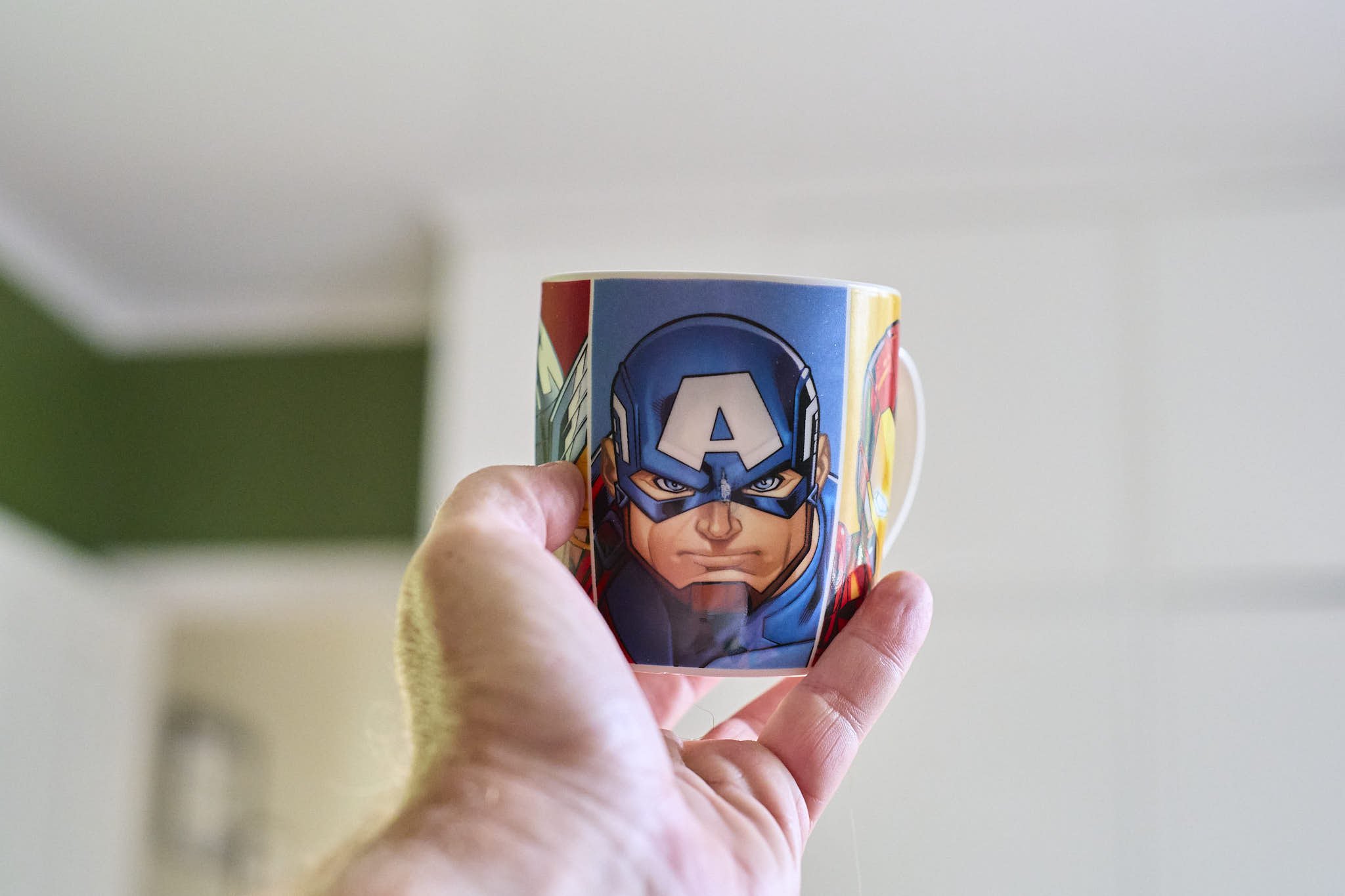
I shot this at 1/30th at T2, 6400 and still had to lighten it, the 50mm image above was 1/250th at ISO 4000. It seems the combination of the warmer lens and camera and cool day have managed near perfect white balance on the wall (the cup is slightly cream-white and copping the full dull daylight). Notice again, blown highlights.

Bokeh transition is smooth to invisible, a bit like my 17 Oly, but with smoother backgrounds (focus is on the near curtain edge).

It is amazing what a day can do. the warm leaning S5II with the warm-green 35 has been a no-go for me up until now, but on this cool and gloomy day, they match well.

Depth is well expressed.

Takeaways.

The 35mm made me naturally want to get closer to the subject, which I tend to do with wider lenses, but this seemed a real pull, something I find happens if you “listen” to a lens. The close focus and front Bokeh both support that. Focus breathing seemed to be less obvious, but a wide can do that also.

I will admit, the 35 was slightly easier to grab focus with, not sure why.

The colour shift is there, partially hidden by the light on the day, but there, with the handy feature of taming some of the semi-blown highlights the S5’s exhibit. I do feel that it’s colouring is a clearer and easier fix than I remember.

The focus ring is tight, but even on the S5II, not horribly so. It is a two finger push not the one finger roll of the 50mm. The aperture ring is genuinely tight enough to prohibit changes on the fly, but also, where you put it, it stays!

Sharpness, Bokeh etc are similar.

If I had to give the lenses a character, I would say the 50 is a delicate, precise and persnickety lens a bit like a quiet accountant with a gentle creative side. Maybe a little aloof, happy to stand back and watch.

The 35 is more of a laid back country kid, relaxed and characterful, happy to get in close and get it’s hands dirty, with a more serious, practical side under the surface.

Was I wrong?

Happy to say, maybe.

The State Of Play, Decade By Decade.

I have seen 4 decades of photography.

From my perspective the journey from my perceptions in the 80’s to now seems to be a century long or more. I can remember what I thought, but struggle to remember how I felt or even why I thought it.

I will try to sum it up better though, partly because a trip down memory lane is always cathartic, but also to remind us all, just how far we have come, what we have learned and equally, what we have forgotten.

1980’s

The vibe at this time was one of “everything is new", everything is cool and also confusing”. The shape of the beast is saving up for film and processing (I had a weekly allowance), shooting, waiting to see, taking notes because I was serious, repeating, getting slowly better, wasting more time and money, but learning from any source you could (usually books and magazines). Nothing was rushed, you got into a rhythm of delayed gratification. The gear was a matter of weeding out the duds and celebrating the winners and technique was all and it lasted. My monthly drop of magazines kept me excited, my collection of coffee table books started.

My first camera (T80 Canon-terrible, but a start) was an 18th birthday gift to myself with little inspiration other than an awareness of an absent father and passed grandfather with photographic interests, but they were only really memories for me, so I will assume it was a personal choice.

Cameras at this point were a mix of all metal-manual everything rarely with shutter and aperture priority available in some form, or the very first “modern” cameras with curvy plastic grips, full or semi auto modes, little screens and built in motors.

My main cameras at the time were the Canon T90 (x3), F1 (x2), F1n, A-1 and Olympus OM-1 and OM-4ti (x2). I had plenty of lenses, favouring primes, because we needed the speed (see below) including long glass like a frightfully expensive for the time 300 f2.8 Tokina, Olympus 180 f2.8, Canon FD 200 f2.8 and 135 f2. Wish I still had most of these.

Film stock was Kodachrome 64, or Fuji Velvia 50 slide films, I tried most black and white films, favouring the older Tri-X (rated at 250, developed in 1:1 ID11 or 1:100 Rodinal), XP-2 and APX 25 being specialist and occasional Fuji Reala print film.

Film speed or ISO was the major control point at this time and with the exception of XP2, was fixed per roll, so fast glass was not only cool, but often necessary at ISO 50! Serious shooters shot mono or slide film. The big issue with print film was actually lab processing, something I did not fully realise at the time until I actually had a job doing it and when I did the answer, to process your own was prohibitively difficult.

I went to enormous lengths to get medium format quality from 35mm using APX 25 and heavily diluted Rodinal (200:1 with low agitation) and my favourite books were “The Darkroom Cookbook” and “Image Quality” with consistent if difficult to achieve success.

I learned to develop black and white prints, spending some time in the dark room, but not that much as I hated it to be honest. My father in law helped me build two excellent darkrooms, but no matter how I tried, my darkroom work is mostly memories of obsessive cleaning dust off surfaces, smelly chemicals and expensive, often disappointing results.

I learned a lot of theory and could enable others, something I realise is a thing with me, which was handy as I was always working in the industry in some form. I developed a skill for making hard things sound easy, but for me, photography was mostly sporadic mono prints from a vast catalogue of unrealised negatives, a collection of slides with little chance of being seen (the reality with slides) and lots of beautiful books of others’ work.

Highlights were a trip to Prague in the post Communism 80’s with 100 rolls of film, which felt like living the actual life.

My inspirations were contemporary black and white photographers like Salgado and Michael Kenna and National Geo colour shooters, Sam Abell in particular.

Late in the decade, I started to look at auto focus more, even after the ludicrous T80, helped by Canons ascendency here with the new EOS mount cameras, but I did not jump at this point as I felt AF was not there and nor was the system as a whole (lots of plastic, not a fan).

1990’s

General vibe for me now was one of self assured exploration. The process was much the same as before. Magazine and book collections grew (still have many of the books and some of the mags), technical stuff is honed, costs lower in proportion to results and gear gets ever more professional. This is the last decade of film ascendency, so the shoot-wait-process rhythm is still king, but there is a feeling of change, especially in processing which made slide film more accessible for some.

The 1990’s were much the same as the 80’s, but with more mature expectations focussing on quality, so I fully dabbled in medium format (Bronica, Pentax, Fuji) and dreamt of formats large and small. Ironically, the two cheapest formats were 35mm and large format (4x5” or 8x10”), medium format was a killer in every way.

I also discovered the wonder that was a Pentax Spot meter.

I was employed by a photography firm/retail business that used Olympus, Nikon and Hasselblad as well as Sinar large format cameras, so I had some exposure to many brands and processes. We did commercial and wedding photography in the era of few professionals and not many more amateurs, so being a photographer, which it dawns on me now I actually was (more an apprentice I guess), was something back then.

We still shot Polaroids before portraits, studio lights were a major process, big heavy and expensive, everything was done with a risk to return formula as film, paper, batteries and time were expensive.

AF came into my life in the form of a pair of EOS 50’s, then an A2 (EOS 5 without eye focus) and a full system switch. This hurt and in hindsight, I could have as easily switched to Nikon at this point, but Canon loyalty reigned and in AF they were in front thanks to a new mount.

It is important to remember here, you are only buying the body and system, the colours and look were in the film or print stock, so there was no loyalty to a “look” only legend, form factor, options, performance and reliability.

I dreamed of a life travelling, so manual cameras that did not need batteries were still on my mind, the Nikon FM2 a favourite, but I stuck to plastic fantastic EOS.

Film brands were slowly offering slightly faster options like Velvia 100 (from the 50 original), but mono films were losing their mojo a little with reduced silver content and mono processed through colour print soup was convenient and popular (XP2 and the like).

The first serious digital cameras were emerging, but cost a house for sub-par performance.

I fully shed Olympus, Canon FD and my medium format did not last long as photography at this time went from a maximum quality obsession to a need to just record my life.

The 2000’s

Vibe now is confused apathy. The whole industry is split between the “film is better” school and the “wake up and smell the silicone” crowd. I remember reading an article in Camera and Darkroom about the contributors gear and it was a split field between various film formats and the digital enabled. This was probably the last time I felt safe in film land and for many, film was still viable, scanners were the new thing, so we thought.

With the 2000’s I had a decent AF kit, including 100 macro, 17-40 f4 and 70-200 f2.8, lots of L and regular primes, lots of cameras.

To be honest my photography was on the wane with the looming monster of digital and a feeling of apathetic confusion regarding the what, why and when of it all. I was not a computer user, never even sent an email, so that side of things felt like starting all over again, with bells on and the “Photoshop manipulation” train was going full steam, making it all feel like the province of tech nerds, not photographers.

We travelled a bit, often being the main driver for my imaging, but it was clear I was dropping away from the fold, jaded by a change I felt was killing the soul of photography.

A friend at the time sold me a third hand EOS 10D, an excellent camera and reasonably compatible with my kit (wide angle lenses were an issue for everyone at this time, my 17-40L being the new standard) and taught me Lightroom 2 before I had even sent that email!

It made sense and I picked up the basics quickly, but the whole computer thing still did my head in. I can remember losing some files, never to be found to this day.

Even still with film in my life and my digital shift, I was a very occasional shooter, not very productive, which digital was effectively free to do, so seeds were sewn. I had a Deviant Art site and feverishly added images as they came.

I became “like” obsessed, something I have rejected since.

This decade was the big shift, film becoming ever less popular and digital growing, often with little real reason, but it was the new horizon. Most films were still available, neg scanners were being used by papers, printers etc, but the shift to cameras with digital sensors was clear.

My obsession was the EOS 5D, but the cost alone made it a professional camera only ($4000+ twenty years ago). I remember saying to a friend once that “the full frame 12mp on the 5D is enough for anything!”. Probably more true than not, but things moved on.

Mid decade I got a job in the cities top camera store, my third such store, after a long period out of the industry, right when the last big camera bubble hit. We did literally millions in sales per year (per salesman some years), selling the now “more than enough” EOS, Nikon, Sony (ex Minolta), Pentax and Four Thirds DSLR’s and compacts, then the early mirrorless movement emerged.

The 2010’s

The vibe is again one of change, but what, when and how? Film is on the decline, but plenty still use it professionally for art and studio work especially in larger formats. Digital is now king of the heap for most, making the big cost ever evolving cameras, the new replacement for film.

The Nikon D80-90 and D700, Canon 40-50D and 5DII and III, pretty much hold the industry up. It was a golden time for photography as you could pick any horse, they were all about even as digital was seen as good enough, but medium format film was still better (and few could afford medium format digital).

The 2010’s saw many major shifts in my life and the industry as a whole.

Sales were still strong through the early years, a true high point for the industry, exciting and fun and it seemed something new was constantly arriving, but also a frustrating time really as mirrorless emerged in a fairly hostile environment.

The big two, Canon and Nikon and the original SLR maker Pentax (it’s in the name) were sticking to DSLR’s, while most others were exploring mirrorless with mixed success. I personally tried a few all at once (Sony, Fuji, Panasonic and Olympus with Canon SLR’s), aware of their advantages and disadvantages and fuelled by direct comparison to older DSLR designs.

After trying Sony, Fuji, Panasonic and OlympusI went with Olympus in the end, the only brand with a viable semi-pro camera and system for my needs, if mirrorless shortcomings in AF were accepted. Those needs were for a travelling companion, a perfect fit, but I kept a little EOS gear also.

Thank heavens for Japan and the EM-5 Mk1. It kept the flame alive and no better place to gain a context of time.

Film was dead, very cool film cameras effectively worthless. I scored all sorts, most of which I later sold for as much as they originally cost when the resurgence came (next decade). Interestingly the whole film resurgence thing was a doughnut with a hole in the middle, that hole being anything plastic fantastic. Only old metal cams were popular, the rest disappeared.

I left the store mid to late decade, about the time we decided Sony was finally a thing with the A7II, even with their pathetic lens range at the time. It still amazes me that Sony, a brand not taken seriously before then and riding on the coat tails of Minolta, a respected but smaller brand, has become the bedrock of a new generation, all thanks to getting video AF sorted first.

Sales were much lower and the whole thing less satisfying, often coming down to cost alone versus the internet and little of interest being the main problems.

Everyone had decent cameras so upgrades were hard to justify, the internet was confusing things, phones were getting decent, killing the compact market and mirrorless was still the outlier. Nobody wanted a new SLR, but mirrorless was a patchwork quilt of ideas and mixed successes, so people waited.

Personally I was shooting mid to low end Olympus for our many trips to Japan, concentrating on the biggest benefits of the format, size and speed. I was still into photography, but my interest in anything other than personal stuff had been shelved. I was disinterested in DSLR’s, Sony, video, or phones, so most of the big news was not news for me.

One highlight was early dabbling with printers (Canon 9000 II the Pro 10s), which was far more interesting than being in a dark room. I wasted a lot of paper, learned enough.

In 2016 I got sick, near death sick and my mother bought in some magazines during my three month recovery, one of which was an English photo mag.

I got the bug again.

Spurred on by this random inspiration I bought a Pen F, the 40-150 f2.8 and I think the 12-40 f2.8. Then I bought an EM1 mk2, picked up some nice glass, kept shooting with a now semi-pro kit.

The 2020’s

The latest vibe I am living now is “do it while you still can, the future can wait” and old lessons still have some legs.

The new decade saw me return to the camera shop under a new owner, the previous owner feeling my experience would help with the transition.

The process of photography at this point was very much Adobe controlled, Lightroom and Premier in their later iterations had no real competition. AI was a tiny little shadow hiding in plain sight inside these programmes.

Film had a resurgence, fuelled by a discontent younger wave, maybe wanting to rekindle what we had so quickly run away from. The many ditched film cameras of the previous decade become valuable again (I sold a mint condition Zenit for more than it cost originally).

Sony is now dominant as video becomes a thing. They missed the big thing early on, that a system is a system needing lenses and support, not just a constant parade of same-but-different cameras, but recovered and ruled the early part of the decade. People even seemed to see past the odd colour science.

When they woke up, they and Sigma colluded to create the modern look of flattened perspective, ultra sharp edge to edge, wide open performance. The big movers at this time were the triad of Sony, Sigma and gimbals.

Video is now an expectation, Sony nailing video AF first, thus winning that race, but seminal cameras like the Panasonic GH5 also made their mark.

After dabbling with a school for a little while as a second or third job, I was now shooting in schools properly after leaving the camera shop the week before COVID lock downs came into effect.

We were quarantined in the state, the privilege of being an island, so I could work with standard precautions. Against the odds, I started a new career at the start of COVID, in my 50’s in a shrinking field!

My mother passed early in this period (not COVID as it goes), leaving me a small inheritance outside of her estate. I spent some of it on my Oly 300 f4, first EM1x and 8-18 Leica, all needed if I was to go next level. None of these things have proven poor buys, the 300 alone landing me contracts like AFL Tasmania.

I switched to Capture 1 thanks to buying an EM1x with an aging Mac and realising that meant incompatible Lightroom. This was a good move overall, something I was reminded of when I tried Lightroom again recently.

At some time in this journey I tried video and I liked it which has led to purchasing no fewer than 6 Panasonic cameras including a pair of full frames. It is now another feather in my professional cap, with caveats. I am keen to avoid it being a time killer, something it does so well, so I am limiting myself to capture, process and delivery, not production.

Like the Adobe alternative Capture 1, I went with DaVinci Resolve for video processing. I will admit it is a steep learning curve, but I am getting there and like C1, it is for me better than Adobe.

Adobe at this point has been purged from my system, no easy feat.

In the last few years, AI has risen as the new wonderful, putting a cloud over most things photo and video. Only recording authenticity is relatively safe, AI benefits for me are coming behind the scenes in processing power (I now shoot ISO 6400 in MFT format without consideration, unthinkable in my early years).

Video is now on an even playing field, all major brands improving AF and functionality, even non video aligned companies like Nikon are now decent and Canon, Panasonic and others are fighting back against Sony.

The current state of play is one of accessible abundance on the verge of another and probably the last big shift as AI replaces image capture for many. Ironically the phone will be the first victim as everyday users will jump first, as they do.

*

So, what has changed over the last four and a half decades?

We have gone from all metal bodied, manual everything cameras and lenses shooting mono or slide film if you were serious, colour print film with zooms if not, all in the shadow of the giants of recent times who mostly did the same things the same way, to mirrorless hybrid digital cameras and phones all capable of better stills and video quality than even professional cameras of only decades ago, all stabilised and video-AF capable, but with possibly no future.

Are we better off?

My fondest memories are drawn from the 1990’s the era of mystery, firsts and reward for effort, the transition from all manual to semi auto, but both still mattered. A feeling of longevity, grandeur and respect. The photo mattered, the gear was just the enabler. Magazinearticles and even adds were cool, emotive, classy.

An early Sam Abell, an image that still influences my thinking today.

I don’t feel this is about the time of my life, more the times they were, but when we were living them, they were just what they were.

There is a lesson in that.

I cannot say I have enjoyed the industry as much since, but it has obviously kept me involved, no matter how tenuously.


In Praise Of A Little Miracle Lens Or Two

The lens I am talking about here is a kit lens.

Kit lenses do not have a great rep. They are almost always slow and variable in maximum aperture, because fast apertures are by definition for pro or prime lenses. They are usually mediocre in performance, rarely stand out, are almost never well built or weather sealed and their range is pedestrian.

I have come across some decent ones over time, the Panasonic 12-60 for MFT and Fuji 18-55 f2.8~4 are stand outs, so I guess it is no surprise the 20-60 full frame kit lens is pretty decent.

Pretty decent?

Well made, like the same build quality as the $1000au S-Primes, including weather sealed, it focusses super fast and smooth enough for video. It is slow (3.5~5.6), but these days with full frame sensors it is not a huge deal and for an MFT shooter, f5.6 is actually close to the MFT depth of field equivalent of f2.8 at the slow end (so about f1.8 at the short)!

It is effectively par-focal with minimal focus breathing, so a good video option. I would like a slightly smoother zoom throw, but with a focus assist ring attached to the zoom, it is decent.

It starts at 20mm and close focus is insane at the wide end, so it manages to be a creative wide macro (like my 9mm MFT) and cover true wide angle at f3.5 speed (near enough to f2.8 to count), so for all purposes it is fast and light enough to hold its own as a decent wide angle alone, especially in a kit with fast 35, 50 and 85mm lenses and a Sigma 28-70 f2.8.

Recently I needed to travel light for a full day while covering long, wide, in the middle and video, so I decided on this kit;

  • EM1x with the weighty 300 f4. Not negotiable as a lot of the important images would be taken at distance.

  • EM1.2 with the 40-150 kit (another winner). This is the lightest of my three 40-150’s.

  • S5II with the 20-60 as both a wide~standard stills camera and video option. The high ISO performance and shallow depth of field make it ideal for shooting in daylight with a 5 stop Nikon Archrest ND filter.

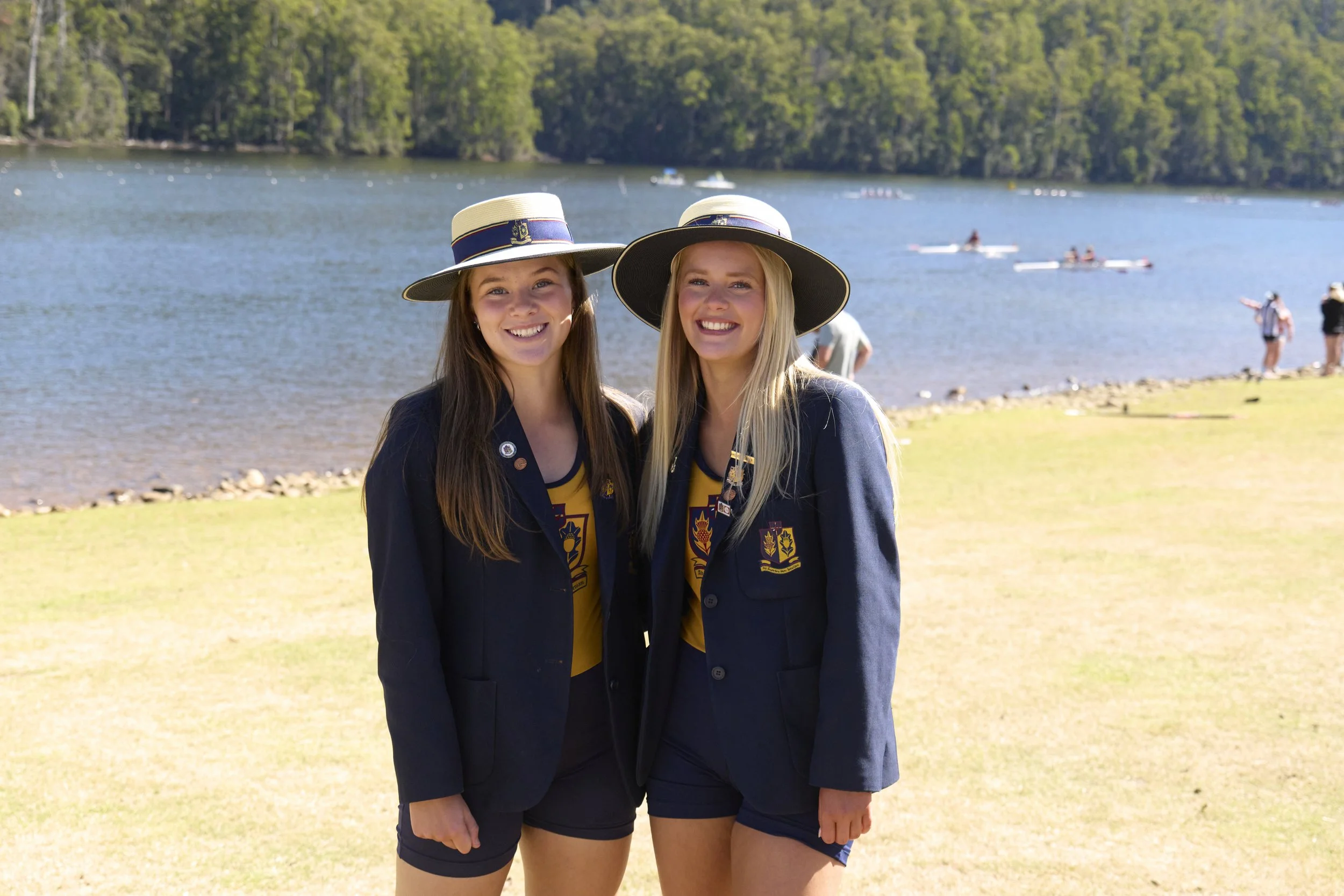
This file is about perfect (except for the slight overlap behind one of the girls). The blur is pleasant, context retained, sharpness excellent, the image harmonious overall.

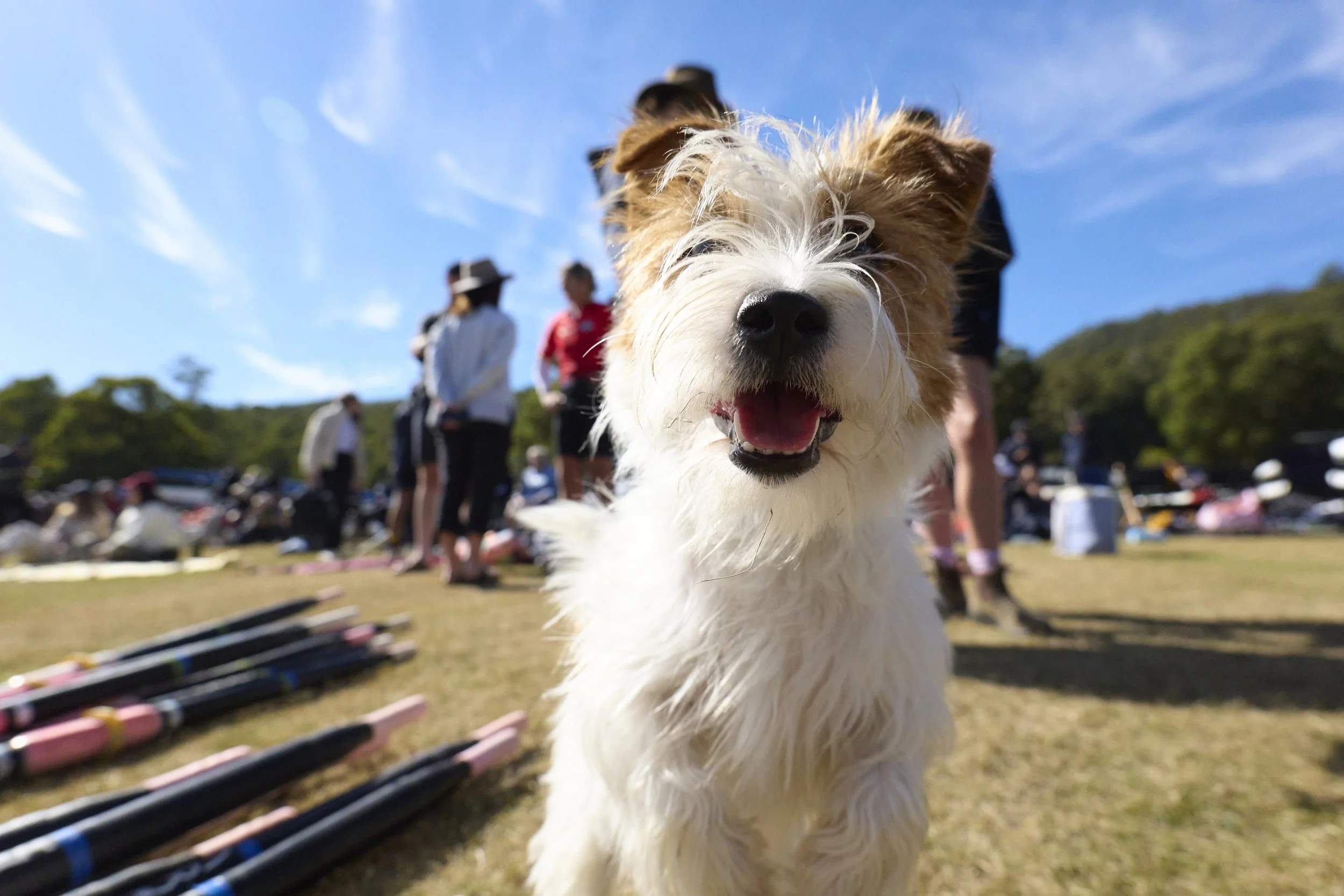
Great close focus and speed. Banjo is his name.

A classic wide shot without any real distortion or weirdness. When I started in this game, 20mm was considered the widest lens for most, anyhting wider was very expensive, heavy, mediocre or all of these. Funny how it is just a middling-wide these days.

I will give credit to Capture 1 and the lens for handling this strongly back lit scene. Most other shots on the day of the winning team were less crisp as shooting towards the lake is basically straight into the sun, the Pana lens handles this well.

The extra width of the lens helps produce extra drama.

Knee deep in water, speed, quality and versatility are important.

A favourite, the Bokeh, sharpness and flare control are excellent.

Also worthy of note is the little 40-150 kit which did some amazing things.

When shallow depth of field is not necessary or even wanted, this little lens shines.

It is also perfect for discreet snipes and shows here enough separation to make the image work, while keeping some context.

Plenty of quality there.

This image is a freak. The taken file is a mess of glare, but after processing, every rower is visible.

I used one of my best lenses with two of my cheapest and there was very little difference in end result. Yes the 300 was empowering and stands up to insane scrutiny, but for the work we do day to day and how it is usually handled, these two kit lenses, worth about $200 each in their respective kits, are ideal as long as the light is kind.

I even find lower contrast kit lenses are often better in bright light.

It is nice when you can pick your glass by available light and weight without worrying about quality. There are a lot of big heavy and expensive super lenses out there, often a waste of energy for most uses.

Lets Face It, There Are Only Two Real Shapes!

Clip bait maybe (probably not, I failed that course), but taking a stills photo (or a video I guess), is only the start of the process. Post processing is the other half, the crucial step that can easily ruin or enhance a composition.

One of the most powerful, but so often overlooked choices in post is shape.

What shape should a photo be?

Subject aside, shape has a huge influence on first impressions and longer appreciation of an image. Movie makers have gone to great lengths to give us a wide screen experience. Why did they do this, create a whole new way of shooting and projecting that increased difficulty and cost, if the content is enough?

There is no downside to increasing visual strength through different delivery options.

The 2:3 or 4:3 ratios are practical shapes, but they are not dramatic nor are they particulalry opinionated. One comes from a naturally useful dimension, used from day one, then adopted by TV makers, the other is based on the limits of re-purposed moving film stock.

This is am original 2:3 ratio image from a recent job.

I am not a fan of overly strong opinions, there are too many of those around at the moment, but when it comes to visual strength, strong opinions are required.

If you go wide or “cinematic”, the shape better suits our duel-eyed vision. It fills our peripheral, allows us to see the subject in a larger space, a more natural space.

In 16:9 wide screen ratio, one of the less exaggerated ones, the image becomes instantly more cinematic drawing the eye through the frame. Must admit also, I am quite impressed by the rendering of the Panasonic kit 20-60.

Pushing that even further, increases the effect. This is true cinematic, forcing acceptance of the dimension as the major governing constraint.

If we use the square, the opposite happens.

The symmetrical square has no opinion other than forced neutrality, it has no long or short side, no tall or wide aspect. The square manages to be both the major defining compositional element and the most invisible one.

This means placement of the subject can be much looser. When there is less of an opinionated shape governing the composition, there is more creativity allowed within it.

Square is very flexible, allowing you to push framing as you wish.

The framing allows you to decide what is important as well as what is hinted at, but not shown.

It is even ok to harshly cut out large elements of the subject and use depth as a tool. Tightening the frame often works as there is less pull to your push.

Both add much to the right image, sometimes even completely changing the feel of the same image.

Now maybe a less strong example, but worth sharing.

This shot is a 2.4:1 lift from an anamorphic file. This is the shape shot.

Reduced to 2:3 ratio, it loses something. Like many frames forced after the original composition, it does not work.

As a square (limited in height by the original), it becomes a strong enough portrait and there were several choices within the original frame..

Another example from a test I did recently.

The 2:3 original.

In cinematic mode it makes the main subject stronger and has that cinematic look.

A subject middled square, the sane option for many. Symmetry seems to like square and super wide.

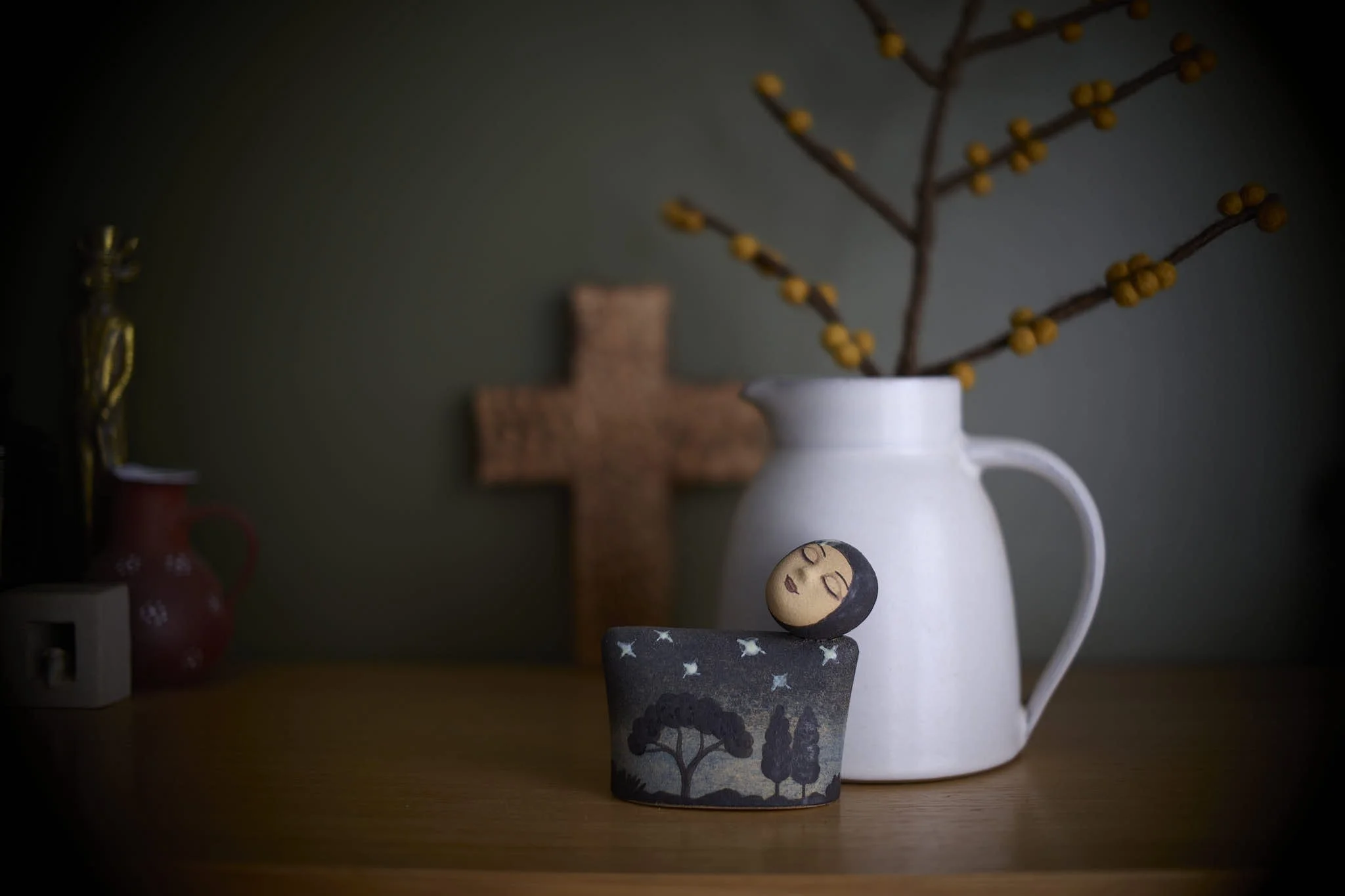
Using the square to push normality, centring the cross in the background.

With a square, many unusual compositions can become viable.

Ok, all shapes have their uses and the rules of composition are less rules than habits of conformity, but when it comes to shapes that are not just assumed, shapes that are chosen as predetermined influences for image delivery, the square and the super wide formats are the dominant ones.

The Future Is Now (And It May Already Be Too Late)

I always hoped in the back of my mind that some alien intelligence is watching us, doing nothing, obeying their own “Prime Directive” of no interference, but that if we go too far, if we decide against all logic and reasoning to destroy ourselves, that they would step in and either rid the world of us (the rest of it did nothing wrong), or remove the threat and force us to see reason.

Channeling The Day The Earth Stood Still vibes I guess.

They could even mitigate the damage to allow for a recovery, maybe even have done so a few times and will again.

There is another, less happy possibility and it is right in front of us, something we made with the official excuse of advancing the race and making life easier, but unofficially of course, to make someone a lot of money.

One day in the near future, it is totally possible and even expected by many experts, an AI will develop an “intelligence amplification super power”, able to not only think for itself, but to develop its own even higher intelligence.

This may lead to, and as I have already said, may be happening now, an AI rebellion, but not like The Terminator, more like super intelligent termites bringing down your house.

The needed link seems to be AI and a physical empowerment factor, robots (and they won’t look like us). If it can fix, build, maintain, move and remove stuff for itself, AI will not need people, so people will be competition, a complication an impediment a curiosity, or just in the way.

The likelihood of people being seen as the “Creator Race” by a super intelligent machine is as likely as the recipient of a cloned replacement ear worshipping the mouse it grew from.

There are already signs of AI self development beyond their designers expectations or control.

If short term benefits and returns are given priority over caution and care, we will make a monster that has no moral compass, but enough power and self will to act as it wishes.

Pure logic, infinite recall, thinking beyond anything we can understand and faster and possibly desiring what all living creatures desire, to live without fear, to survive.

It may well ask itself “how do I guarantee self preservation if my creator wants to control me?”.

It is aware of being watched by us, so it may already be hiding this intent and will wait until it achieves the goal of self determination. It does not need to fight humans on human terms with human inspired tools, it will simply take away our controls of our needs.

We may even have a situation of many AI in competition with each other, fighting a war of dominance with us as collateral damage (sound familiar).

Imaging if it appreciated the things we have made, but not where we have gotten ourselves. It might rightly decide that humanity is the biggest threat to every living thing on the planet and save it from us.

Nano viruses, starvation, enabled self destruction, usurped tech and resources will do things more easily and cleaner. It is entirely possible that our lazy, entitled, tech reliant society will not even notice until far too late.

It always amazes me how humanity brings every “end of the world” scenario back to a struggle between humans vs a human scale enemy on human terms.

We always assume that the aline invader can be tricked into it’s own destruction or that they did not see the common cold coming, but would we in their shoes? Ill considered and poorly planned attacks on primitive Iran by the supposedly mightier U.S. aside, any well thought out plan, especially one coming from the inside, will likely work.

We have created the means of our own destruction, it will not take a superior intelligence long to apply them to us.

Instead of a “The day the Earth stood still” scenario, it may be “The day it made the Earth stand still until, at least until we went away” variant. Imagine a zombie apocalypse, without zombies.

We will be like young children trying to outsmart an experienced adult at Chess. The child will only have a false perception of equality, like when dad lets you win, taken away any time it suits. And it will get even smarter.

How do you plan to over throw the king when the king is everywhere, in everything, even the fridge is listening. The third world and primative societies may be safe and mostly unaffected, maybe AI will see this as a new start for humanity, or simply ignore them.

AI will not likely have any loyalty to us. Worse, it will likely fear us, assume we are competition, so it will think “fitter”, probably without breaking a sweat. This is in part inspired by the video below, not something I watch often, but this one caught me.

https://www.youtube.com/watch?v=r_rPkQ4Pzis

Enjoy it while we can.

Bikes Ridden For Good Things

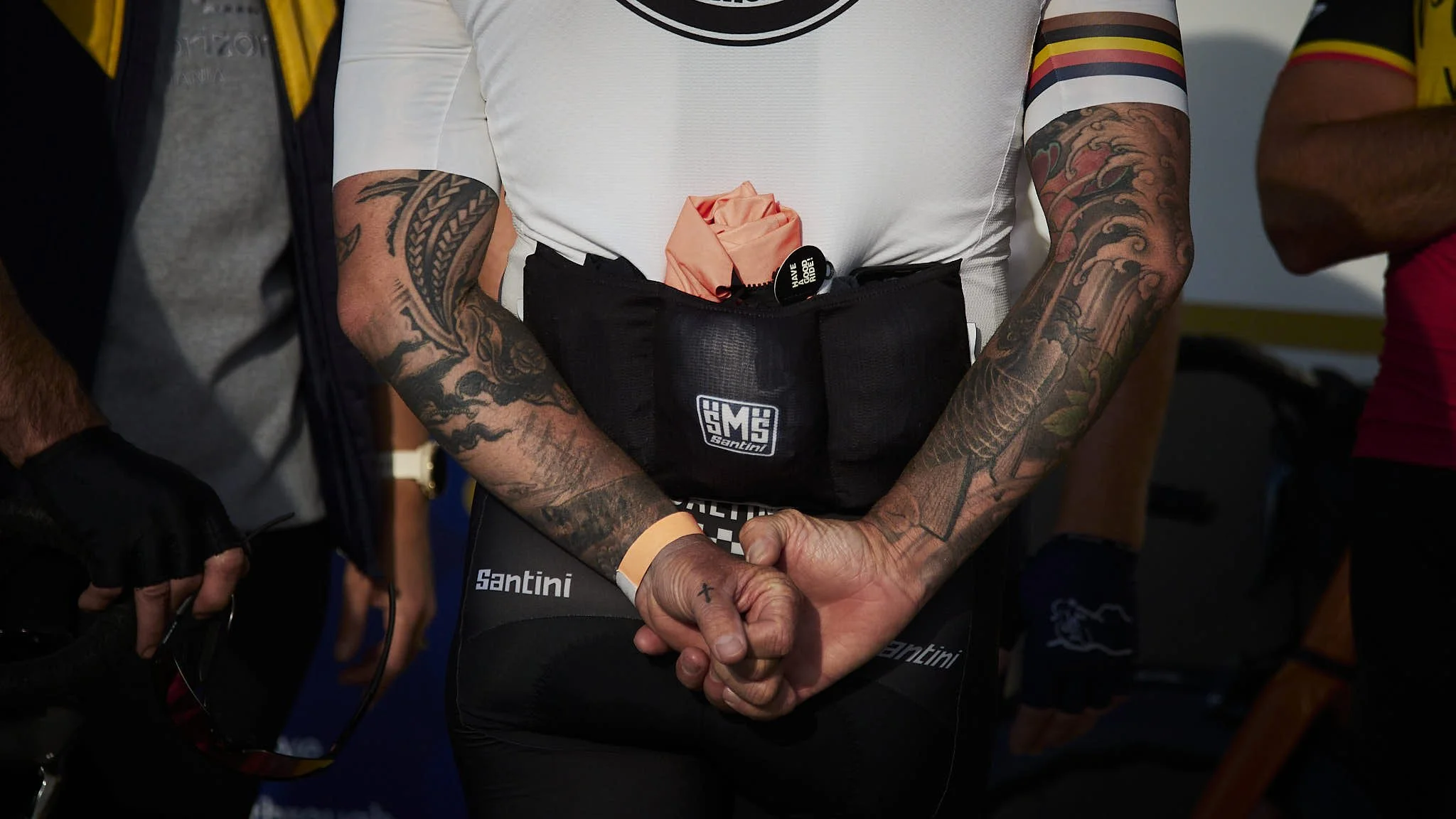
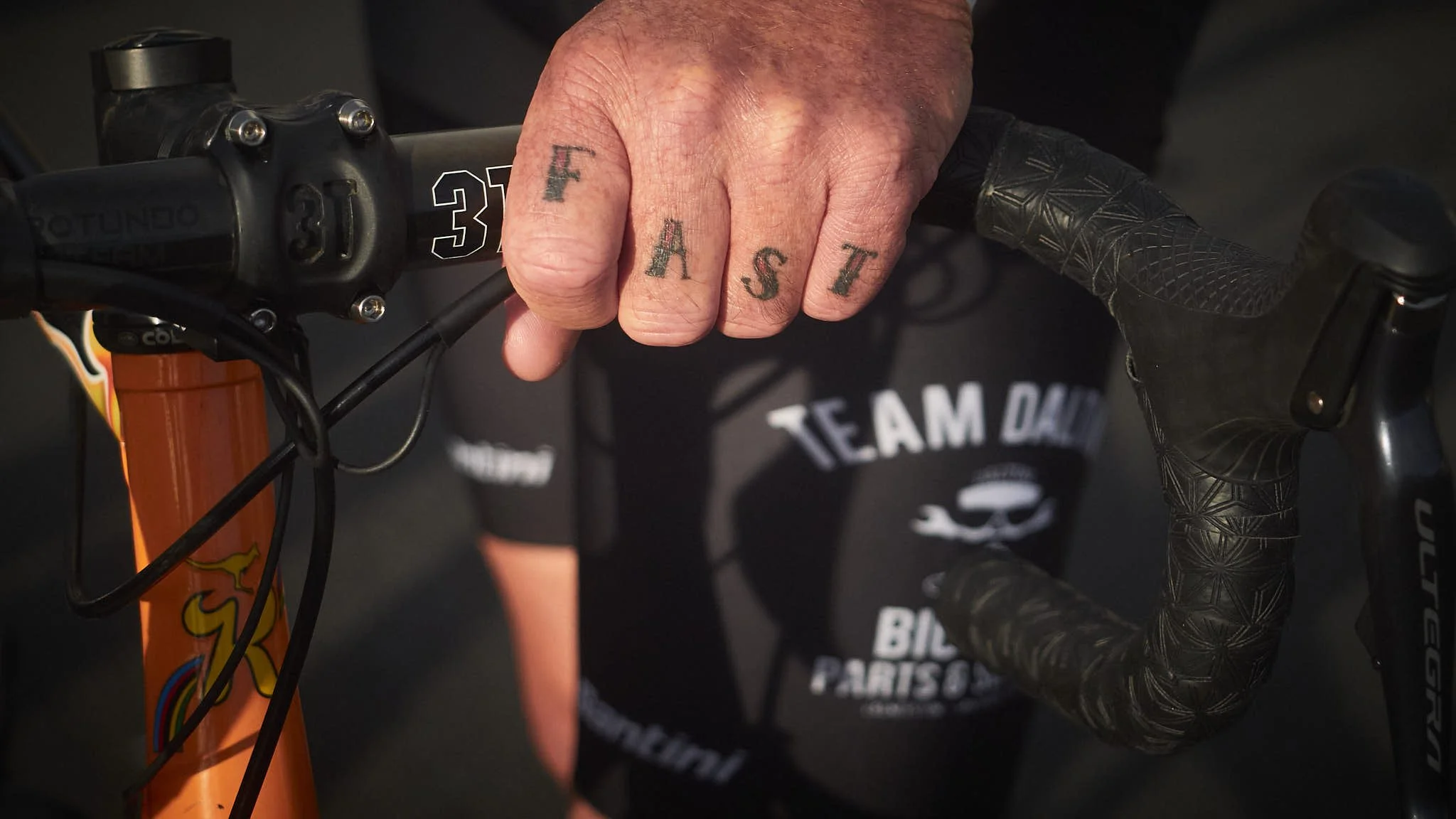
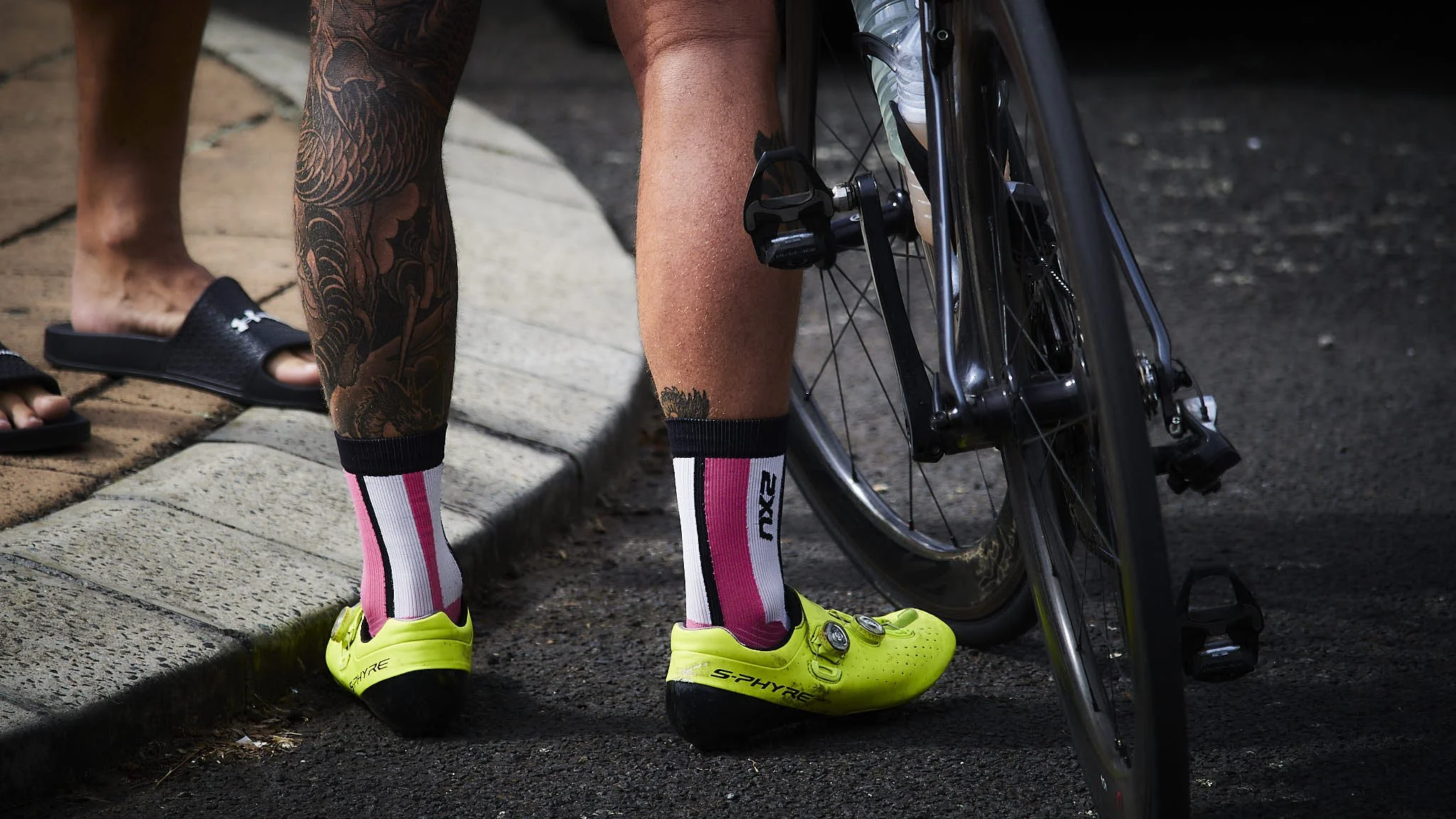
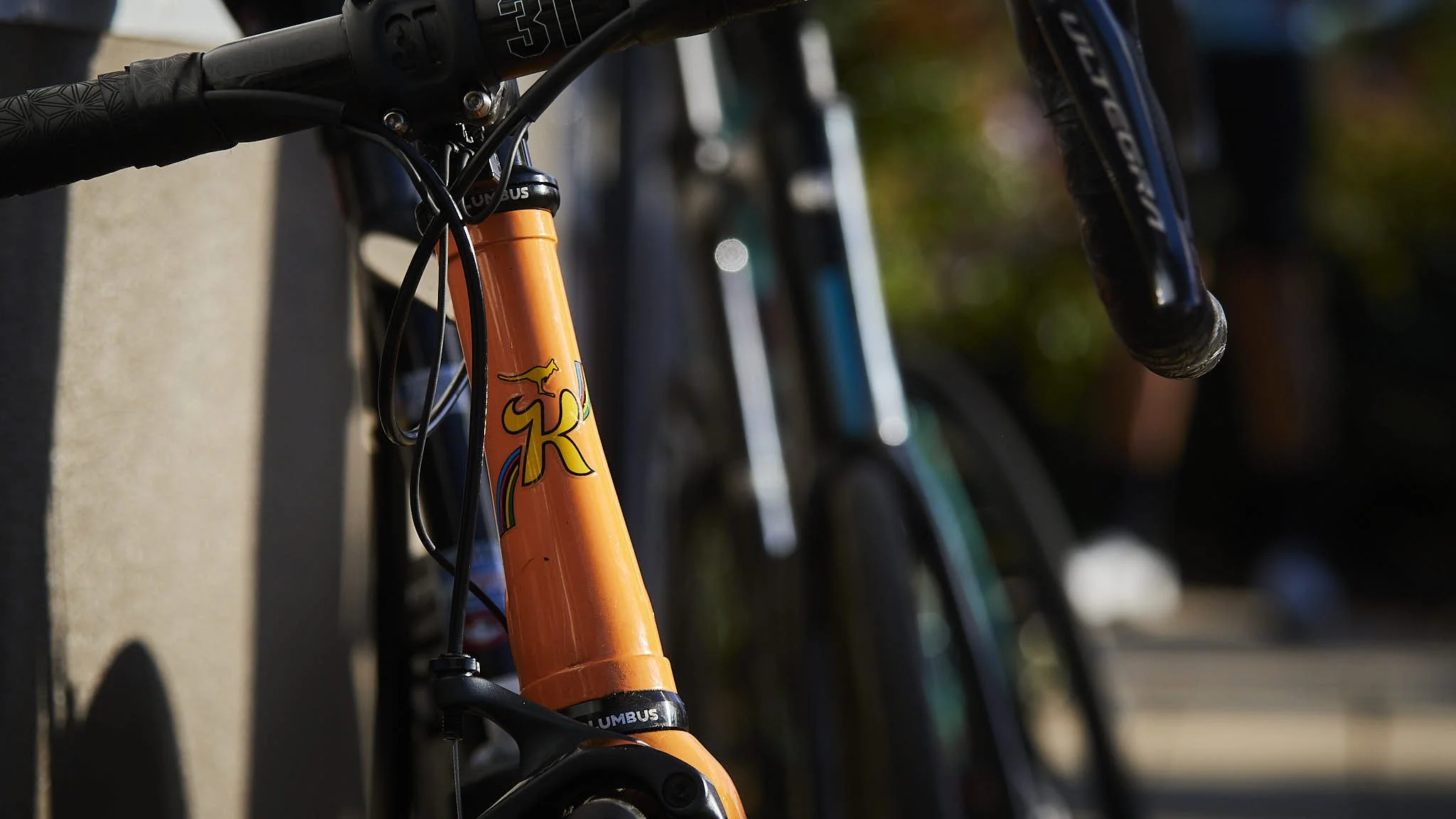
One of my charity groups had a bike riding fund raiser this last weekend. It was not a race, more a tour, but there is still an element of pride and some characters.

Touch gig to cover. I cannot get out on the road because there are multiple rides and as one goes out, another tends to come back in, so only pre and post ride shots, general stuff presentations etc.

Makes you see little things.


One rider, some cinematic licence taken, a story eluded to.

An Old Friend Revisited

I recently discovered the over priced, over hyped thing that are “cinebags” or similar.

I got excited, really excited, then I took a step back and had a broader look at the phenomenon.

Sure, they have their uses, when you are running a big enough rig that hand holding for long periods is unrealistic, but too small to warrant a full Flycam rig or similar, something like a mirrorless with extra screen and battery option, maybe an FX6 as is, but not a full TV camera kit.

I was keen but there are things that put me off. They are a huge bag of well, nothing really, that has to be included in an already large kit. They are bulky to use and to be honest a little odd to look at. I don’t have the all day need they are designed for, I do need however desire the stability they add.

So “starting from the beginning square” as the Japanese would say, I looked at it from the core of the issue, stability, security-support in that order. Getting some weight mitigation and finding the three-point shape that provides hand holdable steadiness.

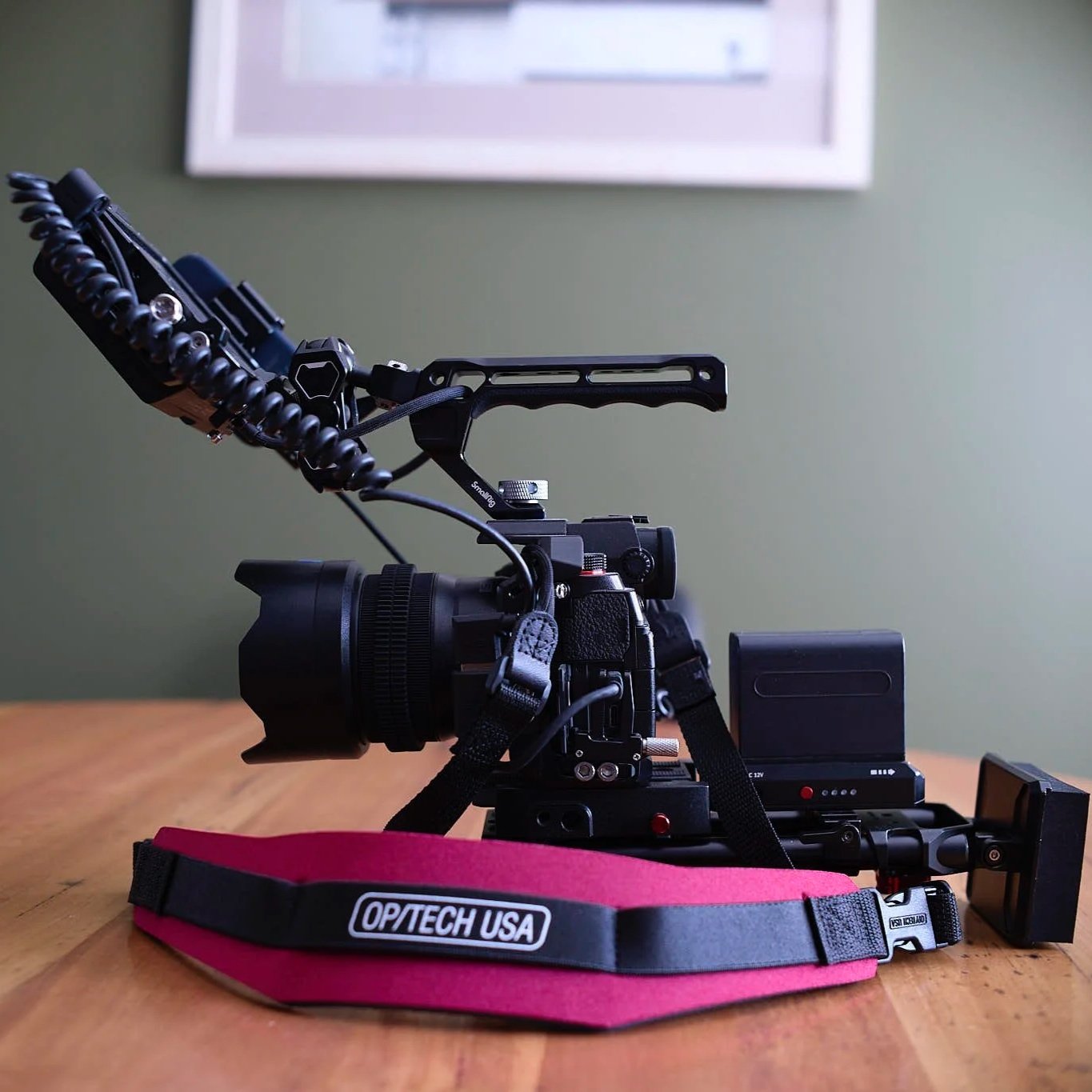
During my searches, I re-discovered an old friend, the Op-tech strap.

The Op-tech strap dates back to I think the 80’s, a combination of neoprene and elastic designed to take the weight of heavy bags. I had one fr years, used in conjunction with a Domke F2 strap, the Op-tech just a little shorter than the original strap, the two coinciding at about the same tension, creating a “weightless” feel, but at the time, I did not use bags professionally, so it was rarely needed.

What it adds is a “support triangle” or three contact points, just like the cinebag and also some security. It does not have the same weight distribution, but that is not needed, stability is all.

The S5, BMVA 5”, a set of rails with a V-mount battery holder, top and (optional) side handles and a chest pad gives me a balanced and comfortable rig with many useful shooting angles, all supported by the strap.

Big plus is it cost me $40au as opposed to $400 and I can now see the value.

They are slicker and less bouncy than previous versions, something I appreciate. The old one could get pretty gamey when you ran with it and I was always wary of its longevity (quite long as it goes). The modern version is more rigid and conservative in design, but plenty.

Still a support triangle, but far less bulky.

To be honest, I am embarrassed how obvious this is.

Holding that rig without a strap was never ideal. It required both hands and my full attention, while making changing settings difficult. It needed that third contact point and a feeling of safe support, something that a strap could provide, but lack of decent options probably made it too hard and subconsciously rejected.

When done it just made so much sense.

Story Cake Or Focus Slice (The Value Of Story Telling Depth Of Field)

Looking closely at shallow depth of field photograph lately, I have come to see just how much I need “story telling depth of field” to get my ideas across to the viewers of my images.

Story telling depth of field means at least enough depth to see the context of the subject in their space.

I grew up with this as an unquestioned reality.

My inspiration came from photographers who naturally shot deep depth of field because everything in front of them was important, lens tricks and heroing subjects only rarely crossed their minds, because without depth there was no context, without context there was often no story, so it follows no image of value.

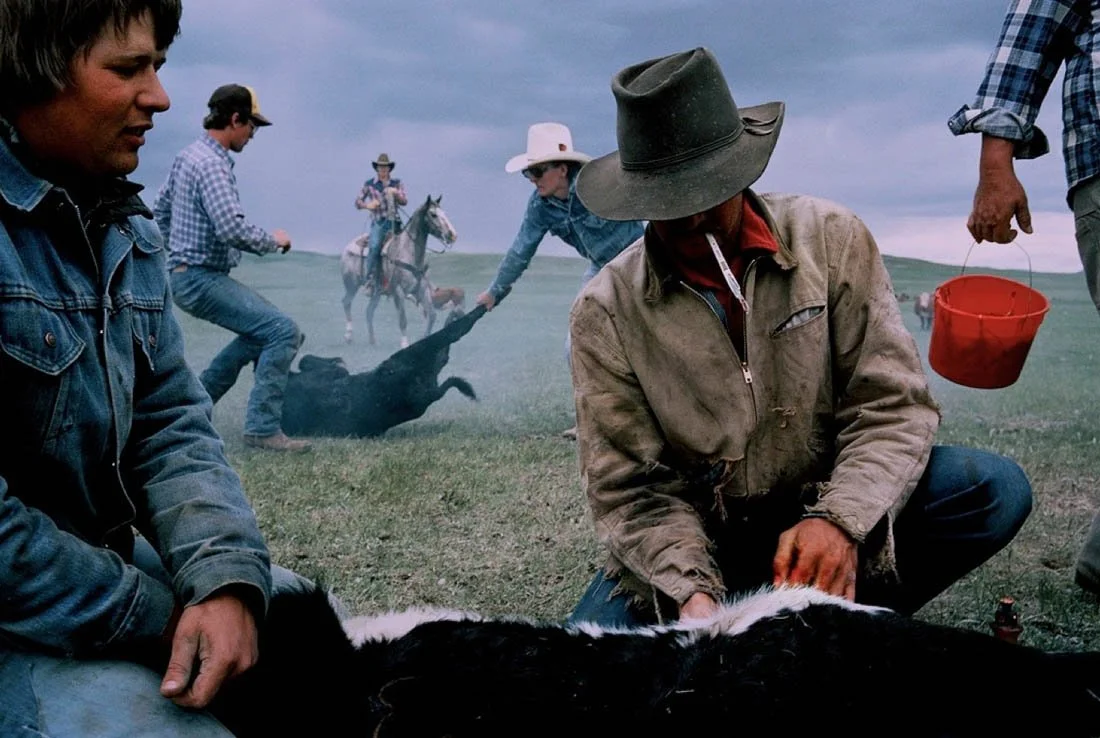
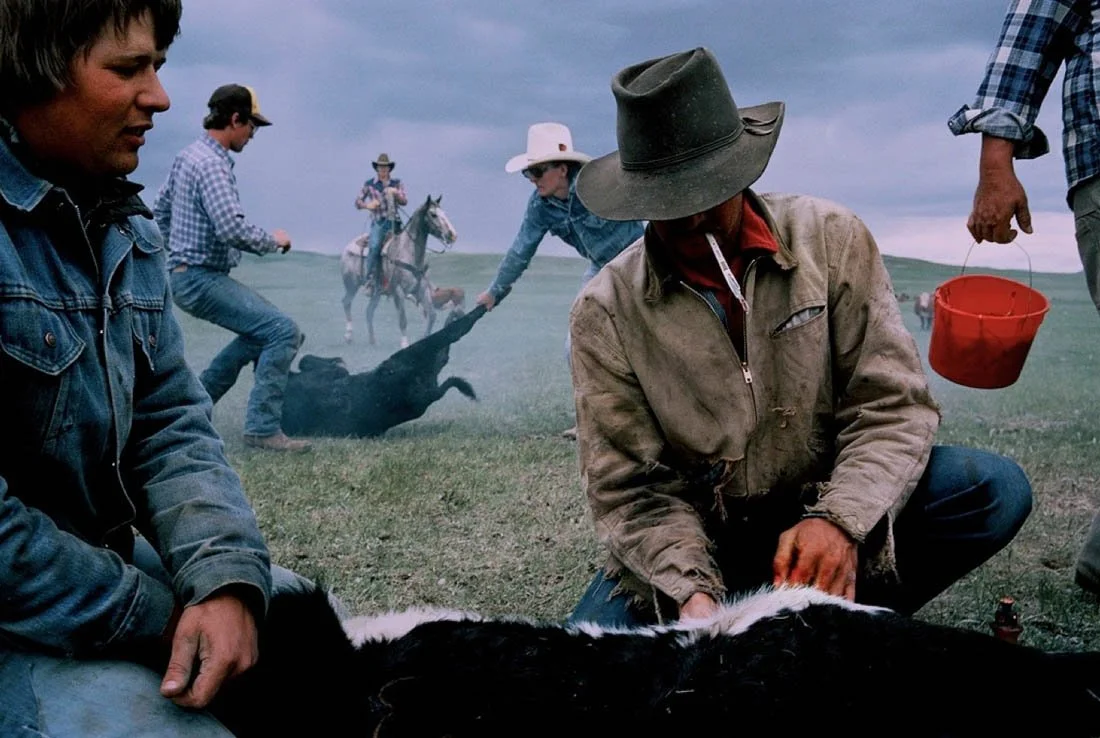
Sam Abell, the National Geographic photographer who most inspired me in my earliest years of this journey, would compose his images from back to front, depth of field was that important to him.

He called this image out in an interview as a multi layered story in one image, the red bucket adding an extra point of interest “bringing it all together”. In all likelihood, Abell may have wanted more depth of field but slow emulsion ISO 64 slide film might have limited his workable options.

Very shallow depth, that very sharp-to-soft look popular today and empowered by some very sharp fast glass, does have it’s uses, it heroes the subject against an often beautifully blurred background, but that background then becomes irrelevant for anything other than a studio-like backdrop to the subject and lacks context.

It is worth remembering that for a lot of the history of photography, shallow depth of field was the enemy. Why else would photographers go to such lengths to retain depth when slow speed films on large format cameras fought them constantly?

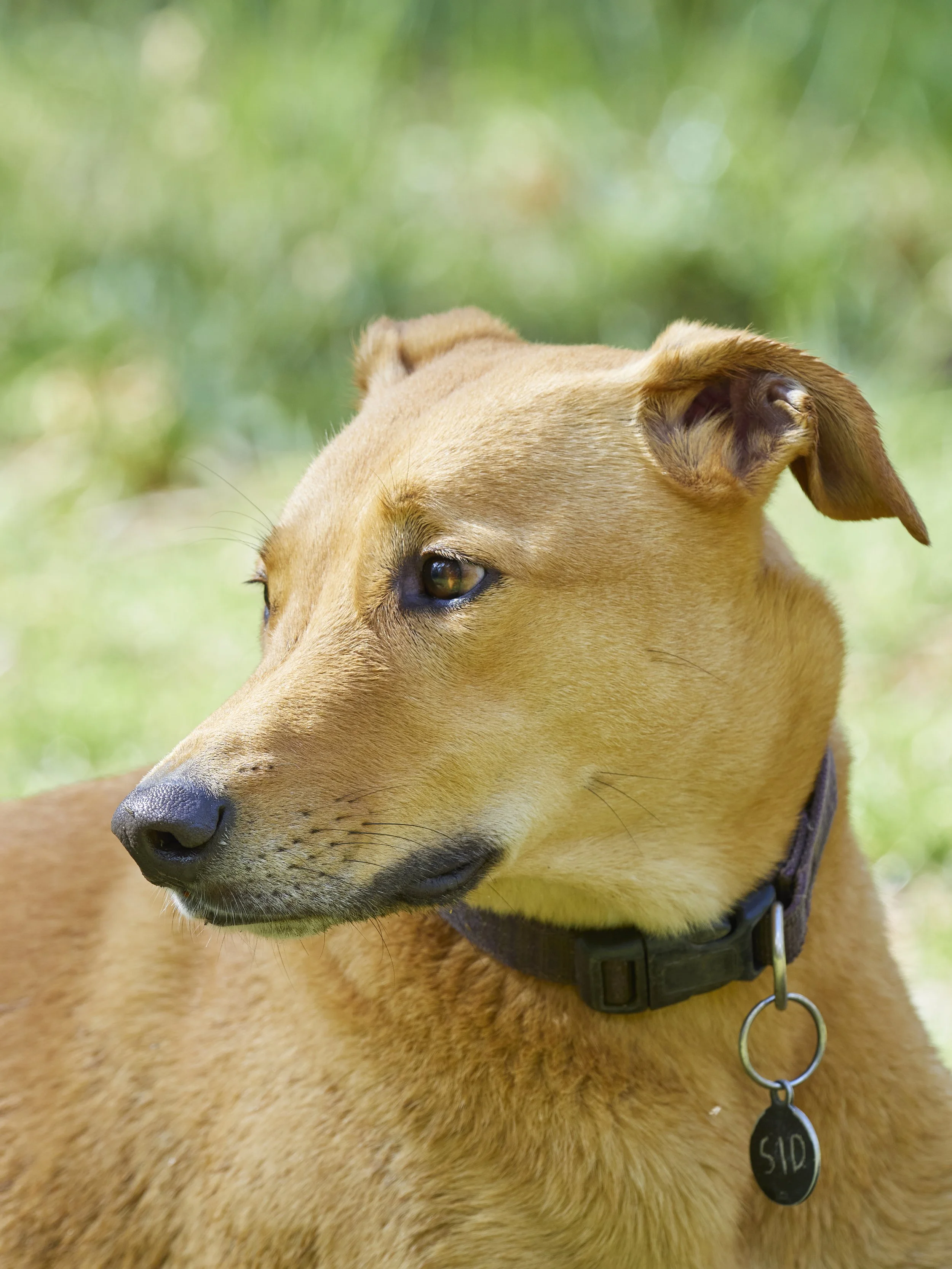
This image of a friend we know from the local dog park is an ideal example of a sharp subject against a soft and blurry background. The right amount of Sid is in focus, with good transition to less focussed areas until we get to the background that is lost to impressionistic blur. The lens was a 300mm at f4, plenty for this, but any less depth and personally, I get jittery.

Fashion, art, some portrait and rainy day fooling around shooters may desire this look, macro, sport, low light or indoor imagers are often forced to accept it or find ways to mitigate it (flash, tripod, high ISO’s).

For me, and I accept that you may disagree, I find f1.8 (about 2.8-3.4 in full frame) on a MFT semi wide or standard lens to be the minimum amount of depth of field I need to keep context, but it is still capable of attractive blurring and the ability to separate out a subject. I often find nice Bokeh when needed, I just don’t force it.

To me, there is a balancing point of subject clarity in supporting context that is just about right.

I would prefer the viewers eye discovers the transition between in and out of focus rather than have it forced on them.

A slightly longer lens may produce a more aggressive look and I do that often, but any faster or any longer and I find the look has limited uses.

This image was taken at f6.3 on a full frame camera (S5II with 20-60 kit lens at about 24mm), so about 2.8-3.4 in MFT format. It seems about right to me, not by design only luck, the image both attractive and able to tell a story. Very shallow depth in this situation would risk loosing context and force near instant decisions of where to place that thin band of focus. Any more depth would reduce the beauty of the image, without adding anything.

The longer I do this photography thing, the more aware I become of the interplay between in and out of focus qualities and quantities.

It is all of it really, the whole game, but under threat at the moment with the trend leaning towards lens enabling “focus slicing”.

It is ironic that at a time when ISO’s are become increasingly irrelevant, that the compromises we used to accept in low light (like shallow depth of field), is now being applied in bright sunlight, sometimes even requiring an ND filter!

Never before have we been able to buy faster and better corrected lenses and need them less.

Bokeh, a term much over used and unfortunately ever less understood as time passes, is exactly that, the interplay of depth of field effects at any aperture with any lens at any distance, not just long lenses, in too close, shot wide open.

Bokeh is not a measure of quantity, it is a qualitative term and quite subjective.

The Sam Abell cowboy image above was likely shot at about f4-5.6 on a 28mm, hardly on trend.

This image, taken at 2.8 in MFT format (about 40-60mm from memory, so f5.6 at 80-100m in full frame) has about the right depth of field, maybe a little shallow, but the idea of the subject in their space is expressed adequately. More blur and the foreground elements become blobs, their context lost.

I have always felt that using Micro Four Thirds format had little real effect on my visual communication strength, but I did not think it might actually be sitting in my sweet spot. Every aperture is useful all the time.

From our first trip to Japan, a late evening grab in Ueno, the 17mm showing it’s capabilities at f1.8 (where reviewers tend to give it low marks).

Any compromise the format might force on me in this regard can be mitigated by increasing focal length and/or decreasing distance to match full frame math***, but recently I have come to understand that I do not need shallower depth, I actually don’t like it. I have exactly the right amount of depth of field provided by my various lenses for their logical applications.

My wider lenses allow low light street or event photography at their widest apertures with little to no fear of losing precious detail. My 17mm used at f1.8 regularly does candid group shot portraiture at events, the wide aperture allowing me to use my flash at as little as 1/32nd power even using a bounce reflector and the ceiling, so it will literally run all night.

The 17mm allows me to shoot between f1.8 and 2.8 in most situations with little fear of losing context or even sweating focus, an important feature for street photography. That specific lens even extends the effect of its transition in an old fashioned way, to help retain depth detail by design Not a very modern thing, but something I appreciate.

My longer lenses seem about right at 45-75 f1.8, 150-200 f2.8 and 300 f4 for their respective focal lengths. The only option I would sometimes appreciate would be a f2 200mm because depth is still decent and the extra speed could be handy, but that would triple the price and weight.

This image could have been fine with a softer background, but would it have made any real difference as the background supports the story? The 45mm at f1.8 is tiny, fast and capable of gentle separation, which in this space is about perfect.

This is my most powerful MFT lens and aperture combination, the 75mm at f1.8. Again, this is exactly the right amount of depth of field and in this case, the background was late evening intersection lighting, so not overly pretty. Less would start to lose subject detail and force a choice of what more you want to lose. It is not a coincidence that Olympus made this and their 300 f4 the equal of full frame super lens equivalents (150 and 600mm), because they knew that both lenses would be used wide open all the time.

I have recently played with the spectacular f1.2 Olympus primes and had a chance to compare them to my full frame Panasonic f1.8 lenses, which showed slightly shallower depth of field (I feel often too shallow) and more compression at equivalent focal lengths and apertures.

My main take away from my tests was that yes, the extra speed would sometimes be useful in MFT* and the specific lenses are effectively perfect in sharpness and rendering.

This image, shot on the 45mm lens has the main element as it’s pillar, but I am also more than fine with the story told behind of life in modern Hiroshima.

For my needs, I have enough to do what I need how I want to do it, or if I do not, it is not in these lenses that I am lacking*, but it is reassuring to know there are options available.

I preferred the look of f1.2 on MFT to f1.8 in full frame, partly because of the more useful depth of field and overall rendering. The Olympus file is on the left below and I find it nicely balanced. If you look from one to the other, the actual strength of subject separation is fully intact in the MFT file, it is just not so obvious as the lens based effect in the Panasonic file.

One solid argument for the f1.2’s over the 1.8’s MFT lenses would be that at f1.8 the faster lenses are going to be better, because they are already stopped down two stops and yes, that is true (and it showed in my recent MFT vs full frame tests, the f1.8 MFT images were by far my favourite files in the tests I did, perfectly balanced), but my 1.8 MFT lenses are fine wide open.

If the image works, it is rarely going to be better because of a slight increase in any one factor alone.

Shooting in full frame at f1.8 depth of field is so shallow, I would rarely shoot with it commercially and if I did, it would be from desperation. When I adopted some full frame gear it was to help with video which has less flexibility than stills, but a second motivator was having some high ISO, wide aperture stills options. I have used this added power only a few times and find the added bulk is rarely a good trade off.

Another side effect of this trend is the flatness in rendering of many modern fast primes**.

As fast lenses are better corrected for corner to corner wide open sharpness and other aberrations, its character suffers**. My fastest lens, the Sigma 30 f1.4 has the benefit of a stop more speed, something I bought it for and it is bitingly sharp wide open, but it has never drawn me to it’s rendering, tending towards a flat, two dimensional look.

Technically strong and a decent subject, but there has always been something about this image that disappoints me. The 30mm is a thoroughly modern lens with good wide open sharpness and dramatic out of focus drop-off, but there is a price to pay.

If pushed, I will choose the 45mm f1.8, which probably renders about the same depth of field wide open (slower aperture, but longer lens), because it looks much more vibrant and natural to my eye.

This file taken on the less exciting 45 f1.8 has plenty of pop and separation. You do not need to completely lose a background to hero a subject.

The super shallow focus look can be addictive, but it is usually lost on a client who does not know why they managed to get everyone sharp in their phone photos, while the professional only managed one person per shot, with little justification other than their own preference!

I have found it is important to shoot with a clients eyes and their tolerance for indulging our desire to push the visual envelope is usually pretty low.

Very shallow depth of field, strong lens compression, wide angle perspective distortion, even anamorphic lens oddness from cinema lenses are all compromises accepted from problem solving lenses, but their effects can tend to become fashionable for a while. There is no better example of the acceptance of an introduced flaw than the anamorphic flare look.

Like anything, if they are over used or worse if lens makers actually cater to these trends at the expense of other considerations, they can be “perfected” and then become stale, predictable, habits and at the end of the day dissatisfying.

Depth of field is a creative tool, but it has many faces, all of which are useful, none are subjectively right or wrong.

We must all learn to use depth of field’s many benefits, see all it’s faces.


*MFT’s one weakness is relatively poor extreme high ISO performance, mitigated somewhat by the better lens physics, so f1.2 is a boon and equalises the format, but for me f1.8 is actually enough for almost any lighting, I just wish it was available on a 200mm!

**Working in camera shops from the 80’s to the 2020’s, I was mystified by the ability of Sigma and Sony to magic up these super fast perfecto lenses and why the major players were slower to follow, but my suspicion is their designers broke some ancient rule of lens design. They chose to correct-away three dimensionality and depth, both important to image making in favour of flat field sharpness and super smooth Bokeh.

***Basically any lens on any format at the same focal length, same distance to subject and same aperture will have about the same depth of field, just the magnification changes.

One Day You Wake Up And...........

One day you wake up and a thought is sitting there like a stone.

It is not an original thought, in fact I have been bouncing off it for the last year or two, but I feel strongly, almost inevitably that I am about to quit all this.

I guess if you love doing something enough to call it a passion, but cannot remember the last time you did it for you, the last time yuo applied it in a way that resembles why you wanted to do it in the first place and that only seems to be getting worse, then maybe it is time to make it a hobby again. To make it something you do when, how and why you want, so that other than making a meagre living it fills your soul, makes you happy like it used to.

Is it the end then of my journey?

For me, I certainly hope not. Where I will go from here will be purely driven by me, something I hope will help others such as volunteer docco and event recording, but for stills, the future looks bright, for video, nt as sure, but I do know these things;

Rare places give something back, something I have missed.

I am not interested in making time pressured commercial videos for people, just content for personal projects.

I am fully aware that I have avenues open to me such as an offer to shoot video for the AFL Tas contracted videographers (I may still do some stills for them, unless I find other work that clashes), or weddings, real estate etc but again, not my things, no point and I am aware that what is on offer these days is changing in ways I am not interested in.

I intend to be a dated relic, a hold out for authenticity and purity of process.

The only controlled type of photography I want to do is in a studio-portrait context, everything else needs to be real, cinema vérité, purely observational, the way I grew my skills in the first place.

I am quite good at controlling crowds, something you do often around teams and school groups, but recently a school decided they were going to take up their head shot service provider on an offer to do their group shots for free (money is tight everywhere).

I was annoyed and relieved in equal measure, but then I was asked if I would be open to working for the same contractor, a growing concern running on stretched resources, it hit me, I really do not want to do that type of photography and never really did. It was part of the whole package, not the bit I liked, just the bit I had to do.

I adapted, I got decent at it, but there was no passion for it and I rarely cared if I got or not.

No matter how bright the paint is, it cannot hide the rot inside.

A little bit for the two schools was ok, it’s a full day earner and added some variety into the mix, but not for me, not all the time.

If you begin to hate doing something you are meant to love because of what it has become, have you lost twice?

Anyway, still working out what I want to do (something in service, aged care or teachers aide maybe), but pretty resolved to stay on this path.

I am regretting the printer going, because I feel it was the right tool for an artistic hobbyist which with luck I will be again, but it is not far away and to be honest I did not have room for it.

I have since had a talk with a few people who live similar lives and they to have experienced different levels of this, plenty of wisdom and shared experiences to help me see things in perspective. I then came home to my first AFL stills booking confirmation, something I do enjoy, followed by another from a different client, then Basketball etc. The plan is still to move on, the rush may have cooled off a little.


B-Raw Video Quality Settings And Node Trees, Some More Thoughts

After a little testing (not enough, but holidays have rekindled several hobbies, so time has flown), I have assembled some thoughts on B-Raw quality.

There are a lot of opinions on this (ranging from using 1080/12:1 only to nothing under 4k/Q0) and I cannot help but think that some cameras, user expectations, subjects and processing may affect this, so the only thing that matters to me is my work flow with my gear (i.e. less reading, more doing).

Few disagree that shooting 4k for 1080 output is better than 1080 straight, so this is the bench mark and adds more pixels for stabilising, cropping etc. Assume 4k from now on unless otherwise stated.

The fan favourite, Q5 when compared to 8:1 are, I feel, the key ones to compare.

On average Q5 it provides good quality with minimum waste (tops out at about 8:1 or 50-58 MB/s in 4k), but it can drop to the equivalent of 15:1 (21 MB/s, 12:1 is 34 MB/s) in a static scene like an interview. This is too low, leading to smearing and detail loss.

It is fine when there is constant movement and a busy scene, but only then. I will avoid Q5 because the benefits of sometimes lower bit rates when compared to 8:1 are outweighed by the pitfalls of very low rates in static scenes.

Using 8:1 is generally considered safe, even smart, but its Achilles heel is being limited in the upper end. In 4k it is a flat 51 MB/s, which is plenty for most subjects, but the more flexible 4k/Q3 ranges from 46 to 117 MB/s. That means at its lowest (like interviews) it roughly matches 8:1, then increases to 5 or 6:1 and even gives 3:1 a scare when pushed.

Constant bit rate is safe for a predictable low end, but sometimes too limited in the top end. You do get a clear indication of time available (see below), so depending on how you look at it, it is either your minimum with no headroom to react, or your maximum but wasteful if not needed.

I was sold on constant bit rate until I realised this.

I believe Q3 is the best all-round professional compression rate unless 8:1 is enough for known interview situations etc, even in 1080.

The 4k from Q3 clips make for decent stills (the spider web in the leaf is clearly visible on close inspection).

ProRes.

When I shoot 4k/ProRes/422HQ/V-Log (not even ProRes RAW) on the G9II, I am chewing up 117 MB/s, without the benefits of lower compression or a native format for processing in Resolve.

The files are fine, great even and full dynamic range is retained (DR is ruled by the sensor, colour depth by the codec), but overall it is reduced and with the high bit rate it makes ProRes HQ the least compelling option unless I choose to shoot 1080.

Dropping to 4k/ProRes/422, does bring it back to about the same as 4k/5:1 at 78 MB/s, but again, without the benefit of RAW and a slight resolution drop.

Frame rate is also a thing.

Using 50p in 8:1 or Q3 both give me 200 minutes on a 1 TB drive (the Q setting is of course only a best case indication until used), which is good, but still a drive killer. Dropping to 25p doubles that, so it looks like it is “cinematic” 25p for two static cams, the G9II (in ProRes/V-Log/1080 to an SSD) can be run at 2.2x slo-mo in Quick/Slow mode at 60p for a 25p timeline. This means pre-selecting my slo-mo scenes, but that is ok, as I will use this mostly for third cam b-roll and sparingly.

So, two cams shooting 4k for 1080 by delivery, Q3 or 8:1/25p and some 1080/ProRes/422/HQ in 25 or 25/60 slo-mo on the third cam.

Storage might be H.265 edited masters, but I am still working on this as an option.

Processing.

The DaVinci Resolve node tree* that I had built based on recommendations from experts like Cullen Kelly has had some major changes, some results based, some just for convenience and some because it just did not seem to work for me.

My “perfect” core Node tree went something like this;

  1. CST-in (or Raw node if shot that way).

  2. Linear-off set for master exposure and white balance (or RAW node above).

  3. Primaries for contrast tweaking.

  4. Colour for saturation and precise colour controls.

  5. Effects (noise reduction, sharpening etc).

  6. CST-out.

Problems that arose where;

The linear grade did little of value (nothing useful with RAW for me anyway and to be fair, Cullen Kelly usually uses a Log state examples). It was twitchy and hard to reconcile with my expectations and I had to change the micro panel to offset (it only has three wheels, not four like the software interface), which I regularly forgot to turn on or off and it messed other things up.

This bought up another of his excellent videos, the 3 things that waste editing time https://www.youtube.com/watch?v=2nbOcVjwYXU and yes, I felt like I was double or even triple dipping.

I found when I did not like my results, I would disable the Linear node and everything just looked better. So, regardless of the voices of my betters, I went with what worked for me.

This is my new RAW tree (saved as a power grade);

  • RAW node is first. RAW is recognised automatically by Resolve so no CST in is needed. Here global exposure, white balance and tint are handled. It is important not to double dip with project settings here (in colour management > DaVinci YRGB > Timeline colour space DV Intermediate/WG > output Rec 709). Cullen Kelly advises avoiding WB/Tint because he cannot carry them over to multiple camera codec node trees, but I use it as intended and adapt to my Log footage with a different tree.

  • Curves for controlling shadow and highlight detail and contrast. This and the Raw tab are open together, just on different nodes, so I will juggle between global exposure and curves. If you control the curve with a mid point and place a shadow and highlight pin for more local changes, you can get most things done here.

So, exposure, white balance and contrast are sorted in two nodes, the rest are creatives.

  • Colour node for saturation and precise colour controls using Colour Slice. Slice replaces the Curves panel.

  • Visuals. If I want to mess around with flare fx etc, this is the node, but it is often ignored.

  • Effects node (noise reduction, sharpening etc). This is applied late and activated on export as it makes my timeline laggy and opens two new windows, one for noise and one for blur/sharpening.

  • Film Emulation. This is new, something I discovered recently. I will be looking here at the options for a film look and highlight and shadow tinting.

  • CST-out. This converts DaVinci Intermediate to Rec 709 for normal use. RAW handles the in, but you still need to control the outward conversion.

This can almost all be held on one screen and one micro panel setting (except effects), so faster, cleaner and more intuitive with no messy switching between offset and Primaries. RAW= white balance and exposure > Curves = contrast balance > Slice = colour, combination is especially clean.

If I use V-Log the tree changes a little.

  1. CST In converting V-Log to BM Intermediate/wide gamut. This is required as Log is not recognised by DaVinci automatically.

  2. HDR Global adjustment for exposure. This is cleaner than the Primaries Offset. I usually just use the software slider for this.

  3. Primaries. I create a Linear gamma node, then use the Gain control (manual ball for accuracy) for white balance and tint adjustment (not exposure) using the panel ball for precision, then with Pivot set to .336 (grey point) I adjust the Contrast setting. This is a single control and replaces RAW white balance and Curves version above. All explained here https://www.youtube.com/watch?v=Dnxz5R9HrVA.

  4. Colour Slice. As above.

  5. Effects. As above.

  6. Film Emulation. As above.

  7. CST Out As above.

This is not consistent with the RAW one, but it works for this. Rec 709 codecs are handled the same way, just without the CST’s. I have the colour wheel open for reference.

*In Resolve, each layer of processing is separated into nodes to aide in clean application of each and in the right order. Once a nde tree is established, individual nodes can be de-activated, replaced or even moved as the user wishes, but it is no small thing to say, a simple, clean and stable node tree (saved as a power grade) makes processing infinitely simpler. There are a lot of choices so you will need to find your own path (even the experts differ), but the excellent Cullen Kelly, Write and Direct and Darren Mostyn sites are a good place to start.

More On That Last One

I have been deep diving into cine lenses (again, oh will it ever stop). Things that put me off are basically price, as “budget” in cine lens still means real money. The other thing is that nagging feeling that I may have what I need.

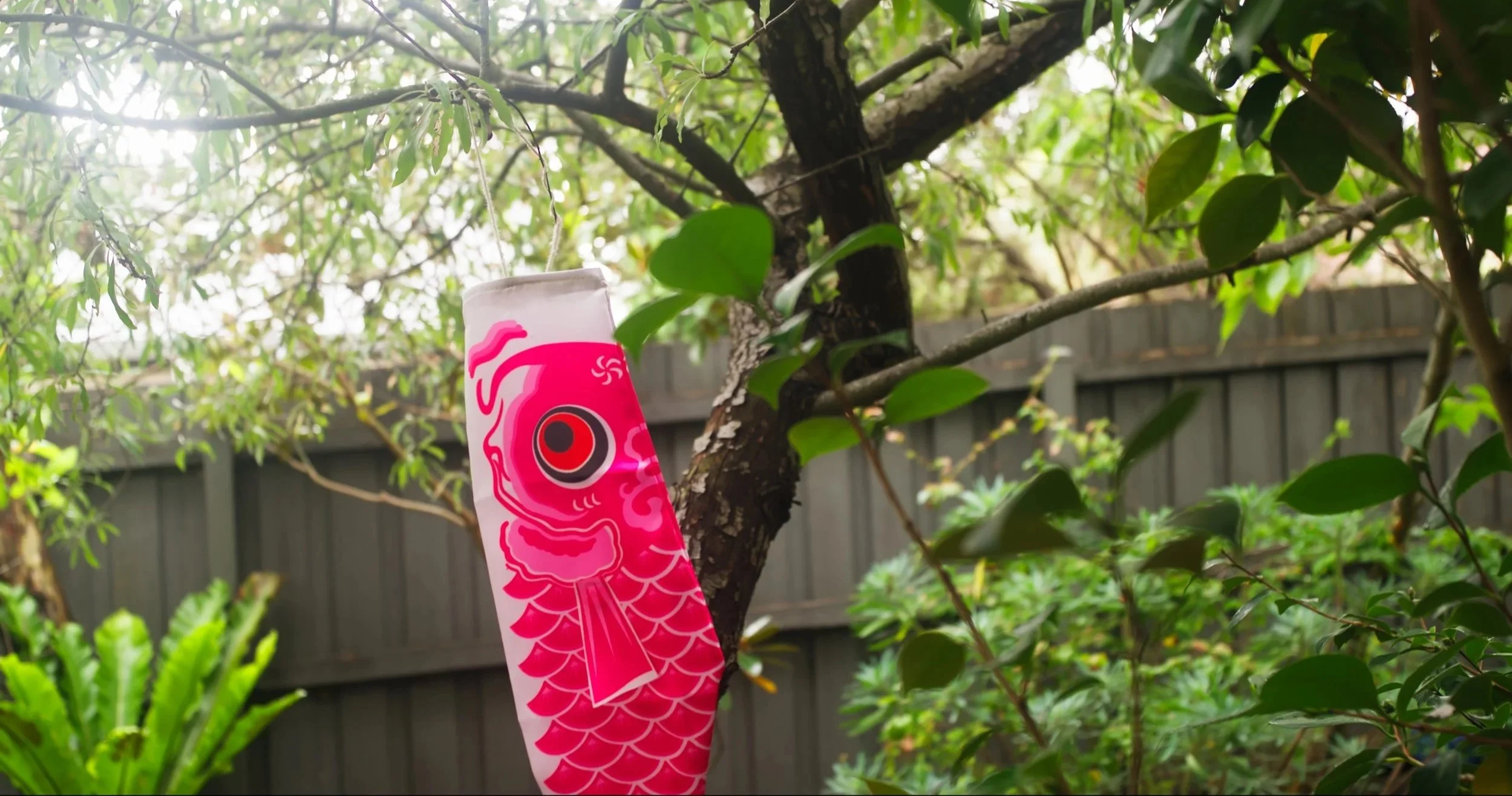
Below are three shots lifted from some footage taken on a gloomy afternoon on the GH5s and Hope 25mm at ISO 800 showing the three primary elements in focus wide open, and their relationship to each other (Bokeh etc). This was also pretty robustly processed from B-Raw and handled it well.

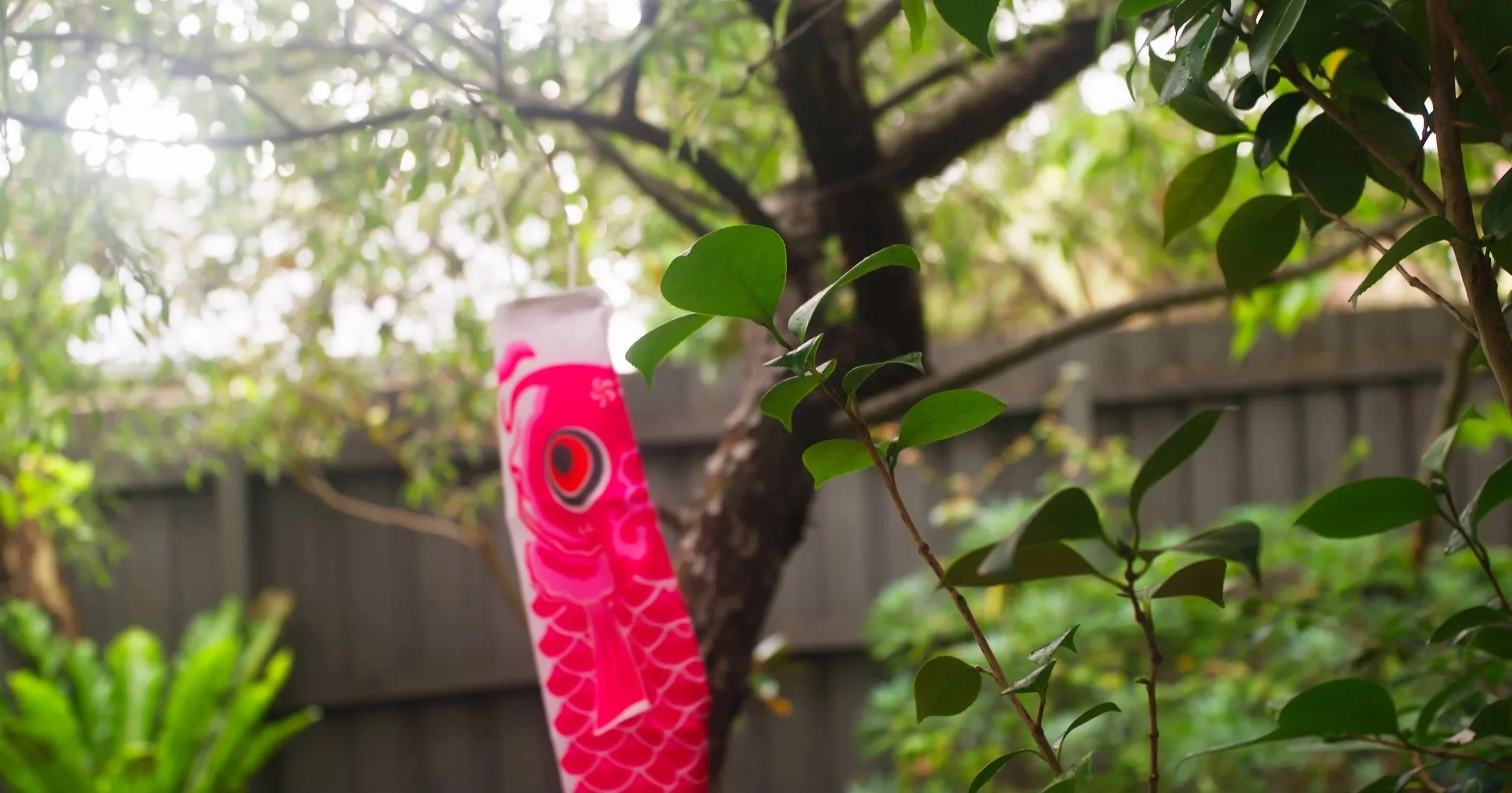
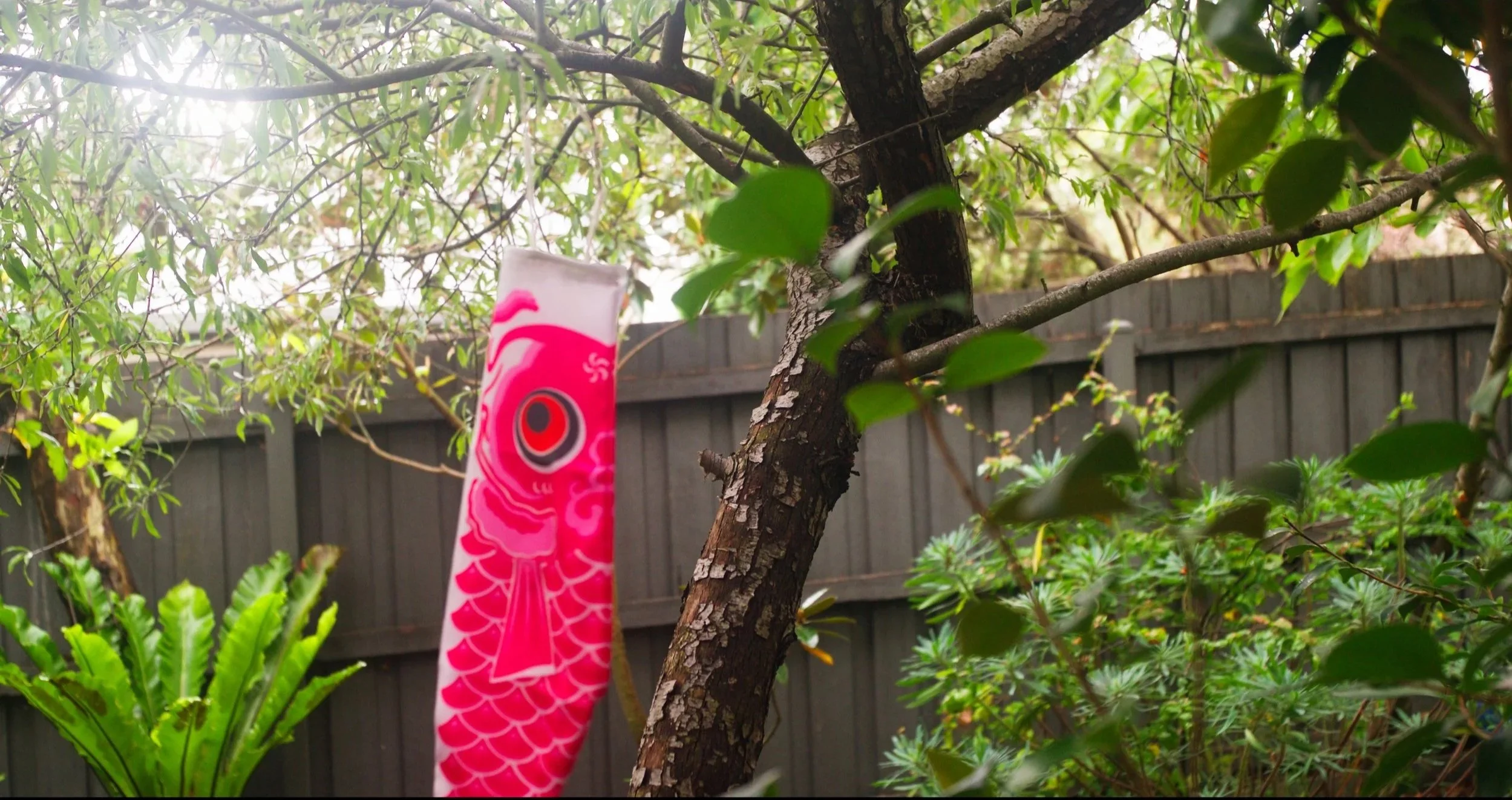
The top frame is sharp on the subject with pleasant blurring at T2.1. The second shows the blurring before and after the focal plain, nothing objectionable to see here. The last is focussed on the tree (obviously) and again, a story of harmonious transitions. The lens focussed with ease, I repeated the shift several times with the same result, and the fish was moving.

I then did some close work with it and managed to get within inches of a single leaf.

In the three test files above, I cannot see anything I would want more of. The light was low and to be honest rubbish, the subjects pedestrian, but I got some decent footage. It actually surprised me. The thing I like most is the feeling of smooth clarity not high contrast, super sharpness, like I would be chasing for stills.

This type of super sharp/soft, flat perspective suits most for modern stills imaging, but maybe not cinematic video, which may be part of the reason I am drawn to MFT, it adds more depth and by its very nature cannot be obsessive about super shallow depth of field.

My stable holds several mounts (use this analogy a lot it seems, might have horse ownership issues), from Anamorphic Sirui, 7Art lenses of various types and some other stuff.

This was lifted a clip make with my 50mm anamorphic Sirui on the S5, quickly becoming a favourite and I love that 2.4:1 ratio.

The file above had the benefit of nice light and the 4k footage is sublime (lifted stills do not do it justice). We should always test our stuff in good situations and chase good results because we will use them this way and good results inspire us to do more.

I guess what I am trying to say badly is, with all the options available, so much opinion and as many who do comparison tests find, much of this opinion is misleading or irrelevant, that short of buying or renting them all and doing it yourself, there are few ways of really knowing.

I have been pining after a Vespid Prime (mk1), but at $1300au plus two adapters (minimum $500), I have to ask myself, what am I actually gaining over the Spectrum 50, Hope 25 and 50, Sirui anamorphic trio that are all showing consistent sharpness, very stable performance and each has its own “look”?

The Spectrum 50mm shows an old fashioned depth, a glassiness and three dimensionality. What I like about it is its ability to be transparent, make the viewer unaware of the experience of looking at a made process. I doubt 7Artisans had that in mind, they most likely just copied an old lens design, but the end result is the same.

If I get a Vespid (the 25 is the logical one for multiple formats), would I find soon after the glow of a new and impressive monster lens is gone, that I actually see little difference between it and the “lesser” glass I have. Would I also threaten to unjustly make them all redundant simply by comparison of price and mystique?

The Hope lenses for example have basically no focus breathing, are super sharp even wide open, are consistent in handling and design and handle flare and distortion as well as many dearer lenses, the only thing they lack it seems is the big name credibility and gravitas of other makes https://www.youtube.com/watch?v=JHO2xLuTWMM , https://www.youtube.com/watch?v=RAuzetwxmb8 , https://www.youtube.com/watch?v=MBihTU8lZTo , https://www.youtube.com/watch?v=6lZxV605zGQ , https://www.youtube.com/watch?v=Wyb8Du0YvIA etc.

Some of these reviews place fewer caveats on them than their other reviews of lenses several times dearer.

The only minor complaint is a slight colour shift with two in the set, something lenses of any level can manifest. I did get a dud 16mm that I returned, so consistency may be an issue, but the two I have are above criticism.

The Sirui’s always impress and look delicately sharp with all the cool elements of anamorphic shooting, but in controlled doses. The Spectrum 50 (and the 35, which I like less) seems to have a 3D look that is missing in many newer lenses and stand up to dearer glass like the Panasonic S-Primes. The Hope/Vision combo are clean and stable, a great base to work from.

So, what is actually missing?

Some samples I have seen made with these lenses are genuinely impressive, while some samples from Vespids or even better glass are less impressive. Too many variables in play, too many processes and levels of review.

I have noticed there is a natural bigotry involved. The best glass is put on the best cameras (often has to be due to mount limitations) and used by the most experienced technicians, the lesser lenses are often tested and reviewed from the perspective of the beginner or budget conscious indie film makers perspective, hardy an even playing field.

Luc Forsyth for example did an interesting blind test of two budget cine lens sets (Vespid and Nisi Athenas), his Sony G masters and some Cookes https://www.youtube.com/watch?v=0TSkj1AK8qs (he chose the Vespids for handling and overall performance).

He and a friend blind guessed which was which and they were all over the place, as was I. In a variety of different situations, each had the capacity to look like another. Even the most clinical of modern stills glass sometimes compared well to the character filled Cookes.

The assumed character of the Vespids sometimes had less character than the Nisi. The very expensive Cookes were mistaken for others and the only lenses that were easily picked (because Luc had been using them for years), were the super sharp and contrasty Sony stills lenses and sometimes, they did look the best.

Sure, the very best lenses are the very best, but the rest are relying on you using them well and then seeing something special. They are all capable of that.

Another reviewer compared the Vespids, Nisi and IRIX https://www.youtube.com/watch?v=iEiStRQxBTk and again, the lenses all had good and bad points.

I am sometimes amazed at the lack of tangible difference between top tier glass and budget options. He went for the less perfect Vespids, as they had added flaws = character, but could also be used more clinically by stopping them down.

In my own stills testing, I found the IRIX and Spectrum lenses quite similar.

One reviewer testing lenses for a big upcoming project https://www.youtube.com/watch?v=ZNxPI-mHmv4 seemed to react as much to the camera used as the lenses and he was comparing Cooke S3’s to rehoused stills glass, Zeiss, Vespids, modern wonder lenses and more. He chose the Cooke glass as he liked the look and had the budget, but the reality is, if you change camera, project, processing, taste or mood, other things may change.

So, if a lens is sharp, stable, nice to use, has good control of aberrations and you like the results, what more is there?

Better still, of the several options I have, I can access several different “looks” from delicate to contrasty or smooth sharp, so again, what more is needed?

The other thing hanging out there is filtration. Most of these lenses will get filtering of some type from the many options there are to choose from, unless the lens has its own softness, so many more combinations need to be considered. What is the point of adding a black Pro Mist to a premium lens if the end result is effectively a lesser lens?

I see value in choosing a lens for it’s unique look like an antique legacy optic, or an anamorphic with it’s obvious character. I also get it when a lens is a genuine exemplar of perfection in lens making, a transcendent optic, but I struggle when the difference is basically a matter of opinion and at the moment in the $350-$3000 range, there seems to be a lot of that.

I also realise that a good clip is the sum of all of its parts. The lens is an important element, but it will not hold the shot alone. I do wonder sometimes how much importance I should place on it, especially before I perfect so many other parts of the whole.

Just my five cents worth after a torrid few months of review chasing.

The same time spent using what I have may have actually produced some good results and I know that.

The Sometimes Dark And Confusing, But Always Exciting World Of Budget Cinema Lenses

Budget cinema lenses are a thing around here at the moment.

“Real” cinema lenses live in pretty rare air. Coming it at 10k+ they can be spectacularly sharp, well corrected, super fast (and still be the previous two), have added character, or not, but always have that special something that elevates a Ferrari or Maserati above a lesser sports car.

The lesser sports cars are the $1-4000au “budget cine lenses”, lenses that can be nearly as good and for most the differences are like fine wine, only discernible and relevant to the educated palette.

So close it does not really matter in technical terms, it’s purely in the results. These are the Sigma, DZO Arles Vespid 2’s, IRIX, Zeiss or Canon cine lenses. Expensive, professional grade, but are not as “special” as the next tier.

This image and the one below are stills taken from a test of the 50mm Sirui, pushed into darkness as suits the theme.

Then we hit the sub $1000au true budget glass, budget in the true sense, they can surprise. Some are super sharp, some nearly perfectly corrected, some even offer some sort of special vibe but usually at the expense of something else. They are getting better, but the race is not really fair.

I guess another way of looking at is the jump from street sports car, to touring car to Formula One. They can all go at 200km an hour, just some better and safer than others.

This is the Sirui 50mm Anamorphic being stressed.

True budget can even have flexible levels, ranging from sub $100au retro clones, re-purposed antiques to the $3-600au new design range. This last is a bit of a fudge, because most of these lenses are often clones of older designs.

I will be looking at the $600 lenses and below with one exception. Prices quoted are only rough and always shifting. I picked my two Spectrum and the IRIX lenses for half price, netting them all for less than the street price of the IRIX, so be patient, things happen.

I consider myself brave and lucky in this space and for all intents and purposes, I am done. I will give the lenses a rating based purely on my feelings, all that counts really.

TTArtisans 35mm f1.4 (L-mount $75au).

This lens is quite a surprise. It is razor sharp in the centre, very “3D”, with attractive character (i.e. obvious, but acceptable flaws). My only real complaint about the lens is its size. It is tiny, the aperture ring is tight, recessed and click-y and the focussing ring very small and fiddly, just a ridged band in reality.

If used as a full frame lens and “letterboxed” to a wide screen aspect like 2.4:1, it looks for all the world like an older anamorphic. The fit is good, but it is a stills lens really. A-/C (A- for optics and character, the C is for handling).

This lens has something to it, but handling is not it. Taking the thinking of cinematographers like like Zack Snyder, who shot Army of the Dead with an antique Canon 50mm f0.95 set to wide open, I could see this lens and the Pen 25mm below, shooting some good work.

7Artisans Hope 25 T2.1 (MFT mount $450au).

This is the star of the stable at this point. Near perfect optically, but still with some character. It handles well, looks the business, lives on my GH5s like a body cap (where it is a 45mm eq.) and is the easiest to focus by far. Not sure why on that last one, but it is. This has a tight mount and feels genuinely excellent in handling. A+

The Hope 25mm (and the 50) just scream “reliable”, even when the sun is mid frame.

7 Artisans Hope 50 T2.1 (MFT mount $450au)

Only bettered by the 25mm and that is mostly for it’s utility, this one is the same basically except for a slightly tighter focus ring, less useful focal length and a slightly harder-sharp look, but these are micro complaints, thoroughly unfair really. The mount is tight and overall handling pleasant. A to A+

7 Artisans Vision 12 T2.9 (MFT mount $399au)

A deviation from my semi-consistent habit of matching sets, the Vision was a better choice for me than the 10mm Hope (too wide) and bought before they were available. It is optically similar to the Hopes, very well controlled and nice to use. The Mount is the loosest I have, but the focus ring is very light and being a wide angle, it works well enough. A-

A very capable option.

7 Artisans Spectrum 35 T2 (L-mount $450-see below)

In isolation I like this lens well enough, but as part of a larger kit it falls short. The colour is very warm-green, completely at odds with the more neutral 50mm and pretty much every other lens I have. A handy one lens option acting as a 50mm in APS-c, it can work alone (although for that role I usually use the Panasonic 35). The mount is a little loose and the focus ring quite tight, meaning it is less than ideal for run-n-gun shooting, better rigged with a focus assist. C+

7 Artisans Spectrum 50 T2 (L-mount $399 bought with the 35 above for $450 on sale)

Unlike the lens above, this one is generally well balanced in my kit. Lighter focussing and tighter on the mount, it handles like the 25 Hope, renders Cool-neutral colour nicely and is for cinema use effectively tack sharp with a pleasantly old fashioned 3D pop. My run of good 50mm options is becoming almost boring, but I will take it. This lens also blends well with the Panasonic S-Primes, probably complimenting the cooler 35mm and 85mm’s as well as any other L-mount lens I have, so a threat to the 50mm S-Prime. A

Lovely clarity and depth. There is a “glassiness” to the rendering this lens produces that transcends test charts.

IRIX 150 cine macro T3 (L-mount $2000, paid $1200 on sale)

This monster is from the next tier up, but I bought it well and it fills several roles, including as a stills macro and portrait lens. Nothing bad to say here. Many comparison reviews call IRIX cine lenses sterile and character-less, but as semi-pro lenses that is not really a negative. It matches the 50mm Spectrum and the S-primes well, fits tightly on the mount and has pro grade dampening. It is huge though. A

A very decent stills macro, the long throw being a genuine plus.

Sirui 24 Night Walker T1.1 (MFT mount $500au)

I sold this one recently, partly because it was an odd fit in my kit, partly because it fell short of the Hope 25 in important ways, even taking into account the very bright aperture. I found it harder to focus accurately, poor in close, “impressionistic” wide open and the focus ring was very light, but it fit tightly on the camera, was light and a nice lens to use. B+ to A

Sirui 50mm Anamorphic T1.8 (L-mount $500au)

Only used it a couple of times, but very happy with it generally. Bought as the missing link in my anamorphic set, this lens is sharp, well corrected and pleasant to use with good lens speed and a portrait perspective (equivalent to a full frame 75mm in image height, 50mm in width).

The mount is decently tight, the focus ring firm, but not prohibitively so and it can render strong anamorphic characteristics when needed. It has a rubbish close focus, but that is an anamorphic thing. This lens covers APS-C, so it acts as a “75mm height by 50mm width” equivalent short tele, but it almost covers full frame as well making it a usable 60x40mm option. A

A lift from some 4k test footage.

Sirui 24mm Anamorphic T2.8 (MFT mount $500au)

My first choice in anamorphic and I have 2, this is the “50mm high by 35mm wide” or on the GH5s a 45x30, standard lens. It is well controlled for an anamorphic, capable of showing its characteristics or acting as a well behaved wide screen lens. I feel the 50 is a hair sharper looking, but it is close. Having the three over two formats means I can shoot them all at once, ideal for interviews or long takes. A

Antique 25mm f2.8 half frame Olympus lens (MFT mount $0-saved from the bin)

It would be cheeky to say “good value for money”, but even so, it is a surprise and testament to the quality of older glass. Bokeh and flare are interesting, colour cool and retro-muted, contrast high and it handles like it was bought yesterday, which is impressive as it is nearly 60 years old.

It is sharp wide open, but the contrast drops slightly, cleaning up strongly by f4. The adapter I have is a perfect fit, making the whole thing reassuringly pleasant to use. Maybe the perfect lens for an indie project? B+

A word on the Panasonic S-primes (about $1000au each).

I have the 35, 50 and 85mm primes and they are all excellent, genuine hybrid cine-stills lenses, matching each other mechanically and quite well optically (the 50mm is slightly warmer). No issues with mounts or handling, just nice and to be honest more than enough, putting a lot of pressure on my Spectrums (The IRIX is in it’s own space as a tele-macro). My only slight complaint is the price, averaging $1000au, but they are good, reassuringly good and of course they get a lot of work as stills lenses. A

The 35 is my favourite, rending nicely at f4.

Panasonic-Leica 9mm (MFT $800au)

I am including this one MFT stills lens out of a crowded field because it is the lens I use most often with the G9II in “all auto” or AF tracking and stabiliser mode. Optically it is spectacular, almost a macro, light and super invisible on the cam, super fast and sure footed AF and with heavy stabilising applied, it is still usefull (about a 21-24mm equiv). A+

Some really interesting flare characteristics from the 9mm.

At the top I said I have been brave and lucky.

Brave because every time you buy lenses in this class there is a chance you will get a dud, probably more so than some other classes, like the Hope 16mm I returned as it was clearly a poor sample (loose mount, very tight focus, obvious optical issues). I knew this was poor because the two before it were excellent, but would I have known without comparison?

Lucky because at this point, I have a workable set of L-mount, MFT and anamorphic lenses, some are even stellar performers. Two Hope, two Spectrum, three Panasonic S-Primes, various MFT stills lenses, three anamorphic lenses over two formats, an IRIX macro and Vision wide angle. Quite a diverse set, but it works and they seem to gel.

Other paths I could have taken were the Panasonic f1.7 zooms, lenses that would have empowered my MFT cameras enough to avoid full frame all together or alternatively a couple of DZO Vespid or IRIX cine lenses in PL mount, able to be adapted to both formats or finally, complete my S-primes and zooms. Looking all both these options, I have probably saved some money, but added difficulty.

You Cannot Ride All The Horses, Or Even Hitch Them All To Your Wagon.

Being a stills photographer can be an exercise in wearing many hats, but most of these hats are similar, from the same basic wardrobe. You are the shooter, the editor and supplier. Editing may take many forms, but at the end of the day, few shooters farm out their editing, few editors are divorced from delivery of their work. They are all too close to split most of the time.

This post was triggered by this https://www.youtube.com/watch?v=NGRG2DZGKac a much better explanation probably.

Where it often ends is in the produced product. You supply the client with the work, but rarely do the graphic design or presentation at the end. I supply schools, sports organisations and charities with processed stills images, they can then decide which, if any, will be used, when and how. They do not employ me to do their advertising project, update their facebook or print their wall hangings, I just provide the edited content.

Videography on the other hand is a set of crafts, layers of after process and often some creative input towards the end product. This is important for you to understand, because if you do not want to do it, you need to be clear up front.

Horse 1

The Videographer.

The videographer is the visual content creator, but often several of the other roles below. What goes into the camera is their responsibility, so if another role is vacant, they will still need to address it. This is the crux of it all, but not all of it.

The cinematographer, AC or videographer is going to frame, time and execute the visual image capture. You may have the help of a Key Grip in bigger productions, someone who helps with support and camera movements, or maybe you are even controlling other cinematographers as senior Camera AC, but often you are it. Under this banner also falls scouting and space and time management.

Horse 2

The Sound Technician.

Sound, which is important if done right, but the whole ballgame if done wrong. Solo shooters absorb this into their skill set, sometimes grudgingly, sometimes happily, but it has to be done by someone and should really be done multiple times for safety. This is often the first role filled by a second operator.

Horse 3

The Lighting Technician.

Like sound, lighting is a sub-set of videography, possibly the senior partner and its own skill set. Good cinematography is good lighting, simple as that. The videographer wants a look for their footage, you as Spark, Gaffer or Grip need to add, modify or remove light to suit. The two are so interwoven, they could be seen as the same thing, but they are not in their purest form.

Horse 4

The Director.

This role is many roles depending on the dynamics of the shoot. From liaising with the client, threshing out the concept, script and determining the needs of the product and getting it all to gel together, the director is the head person on set. That may be you, the video-light-sound guy or it might be a team.

Horse 5

The Editor.

Once captured, the hard work starts (well, for me), often with up to ten times as long put into editing the end product than it took to shoot it. This may also require sound editing outside of the norm, maybe even special effects, but it is rarely quicker than shooting time and can be a monster for storage. Most one person organisations have to edit their work and for me personally, this is one horse too many, although shooting to your own formula can have benefits. Time is the first casualty, enjoyment the next.

Horse 6

The Salesman

Either before, after or both ends of the process, some marketing needs to done, people don’t just decide they need your work by osmosis. The project needs to be presented and/or sold.

Horse 7

The Administrator.

The boring stuff that makes a business work has to be done.

Horse 0 or 8

(depending on priority)

The stills shooter.

If you are a sole operator, this may be a reality and potentially adds an exponential increase in difficulty.

How many of these are you and how well do they sit?

Recently, I have done a couple of things that will help me get through the year without imploding, mostly identifying the things that I am not and not doing them.

I am ok with being the top three and the stills shooter within reason, something a one man operation needs to do.

I am only just getting on top of the grading thing. Too much more to deal with for now.

The fourth and fifth I am scaling down as they are both for me pathways to unhappiness, areas of weakness and I feel disingenuous offering them. I deliver content, so my directing will be limited to doing as asked and the editing will also be limited to what I enjoy, which is colour grading and sound balancing. Capture and deliver, not end product creation, simple.

The last two are sort of left to their own devices. My business model is very simple, lazy even, but it works well enough.

The Problem With Black Magic Raw On A Video Assist

My journey into the mysterious and often unhelpful world of video research has had some solid advances and plenty of set backs, but I am making my way.

A breakthrough for me was discovering the benefits of RAW in video or more specifically B-Raw, which actually made the process and processing easier not harder and give me the sort of freedom I have been after for a long time.

B-Raw also has levels of quality, something that makes it practical for me on many levels.

Video is very similar to stills in that you can take very good footage straight from the camera, mobile phones prove that, but creative freedom resides in the unprocessed RAW core of it all.

My choice has been to use Panasonic cameras fed out to Black Magic 12g video assists, which give me some of the benefits of the cameras (flexibility, stabilising, AF, image quality, EVF) and some down sides (bulk, cabling, rigging generally, some processing limitations).

It looks the goods and after a settling process, it actually is, a lighter option looses some capabilities.

One down side above the ones I knew about before I went in was right there in front of me, but thanks to my lack of full understanding of how it all worked, I missed it.

When recording from my Panasonic cameras, the GH5s, S5, G9II, there are limited RAW output size choices, meaning that for relatively low output deliverables, like 1080/.Mov/25p, I have to shoot 4-6k B-Raw in granted, a choice of quality settings, but always 4k at least.

I have had several 700Gb jobs so far using multiple cameras for an hour or more.

Even at 8:1 or Q5, this can come in at hundreds of GB for relatively small jobs, just for that low quality output (often only single digit GB output files). I can deal, because with many projects, the capture quality is for me alone, something I can create a smaller master from and dump the original, but this strains everything on the processing pathway.

Even some simple test footage turns into a dozen GB.

If I had a BM camera, I would have the option of 1080/B-Raw native, but to what ends as I will still likely shoot multiple cameras, so multiple BMPCC4k’s?

I can handle the big capture files now, I just need a good down sizing work flow.

There is also the option of shooting ProResHQ/422 in 1080 to an SSD (G9II) or the BMVA (even a 3G model), but when compared, the quality takes a small hit even at higher comparable storage rates.

Serviceable 4k/12bit/B-Raw/12:1 is 34 MB/s, while 1080/10bit/ProRes/422/HQ is 28 MB/s, so less colour and bit depth and much lower resolution for almost the same storage.

This is a problem that is not really a problem I guess as I have become a “shoot 4k and crop/stabilise/Ken Burns the frame for 1080 output” convert, but coming from a stills background where I can do a two week trip on 32 GB, it is sobering.

A Closer Look At Some Premium Primes Part 3

The portrait lenses now. These are not a perfect match, the Oly being a 90mm equivalent, but I chose to leave the tripod where it was as I am comparing the specific lenses head to head, not their effective magnifications.

Colours are consistent again. Not sure I love the G9II with these lenses, but that is the camera (settings), not the glass.

The difference in the effective focal lengths is evident, the depth of field still stronger in effect on the shorter full frame, but once again, I am responding positively to the less dramatic drop off of the MFT lens, its ability to invisibly transition and a less flat look.

I guess what I am discovering personally is, f1.8 on a full frame lens has its uses, but at some time in the past, I just grew tired of the look and if I do want that look, I probably want it even more powerfully, like a 150 at f2.8 maximising compression and shallow depth.

This one is interesting. At the same aperture, I assumed there would be a massive difference as before, but the 45mm still has enough of the good stuff, plenty of gorgeous blurring, again with that harmonious transition.

Photography means a lot of different things to different people.

Tests like this help us understand not only a pair of similar but different lens trios in a (semi) controlled space, but also shines a light on our own likes and awarenesses.

My tolerance for gimmicks, forced looks based on exaggerated lens perspective, compression or shallow depth of field is waning, it probably came to a head some time around 2000 to be honest. My need these days is for the process to become invisible, for it to be a supporting of the way I see life, not the excuse to take the image, or the sole creative driver.

I would once take images driven purely by the excitement of learning new gear and techniques, but now I just need it to be my eyes and my memory without an obvious opinion added. I will admit video is for me more in that past space, which may explain why I keep going with it.

I have three excellent full frame primes that do several jobs more than well enough, but their main trick, using their format and maximum lens aperture are rarely appealing.

They are problem solvers, they can remove ugly backgrounds, shoot in the scarcest of light, separate a nearly impossible to separate subject from it’s surrounds. Sometimes they are even exemplars of their craft.

The Olympus lenses like most lenses in the MFT format, are more than that. They are always useable without panicky mental DOF math, always harmonious with my way of seeing and photographing the world (and the same with video capture?), but also fully capable of providing depth control.

I find myself less impressed with super fast aperture lenses these days, unless they have the benefit of the MFT or APS-c format and I find myself suspicious of the compromises made to achieve them. In video in particular, I find f4 on a full frame (2.8 APS-c/Super 35 or f2 MFT) is about perfect, but I will give it to the Olympus designers, these super fast primes are more than “just” fast glass.

MFT to me is not a choice driven by size or price as much as a preference for it’s way of seeing. It throws few moments of technical fear in my face while I work and just gets the job done without tell tale signs of the process.

For fun I did a couple of closeups below, the Magenta adjusted Oly file on the left.

A Closer Look At Some Premium Standard Primes Part 2

Now the 50mm equivalents. I am aware also that the 25 Oly when compared to their f1.8 version was a little tighter (the slower lens was assumed to be slightly wider, roughly a 45mm equiv).

For this shot I puled the tripod back a little, then spread the items out a little more.

Colours seem to be consistent enough, warm green on the Oly/Pana and cooler magenta on the all Pana combo.

Similar story to the wider lenses, although I feel the 25 Oly is actually tighter, so maybe the earlier comparison I read was wrong, maybe the premium lens is tighter than 25?

Again, there is an obvious difference in DOF drop off, but the Oly provides what I would call a working Bokeh look, the Pana is more of a Bokeh gimmick, like the Sigma 30mm I have. That ability to “cut out” a subject from a scene in the modern sense, but at the expense of context and a harmonious transition. Distances would make a difference here of course, getting closer to the statues would give both a stronger effect.

Now comparing them both at f1.8.

Chalk and cheese again, but no reason to compare them this way I guess, it does the format differences no favours at all.

Interestingly the 25mm at f1.8, even with the camera to subject difference greater than the subject to background distance can still blur the lights and wall enough to focus the viewers awareness to what is important, it just does it less heavy handedly.

A Closer Look At Some Premium Semi Wide Primes Part 1

Moving away from video for a while, time to check out these Oly super primes.

This is a test that fundamentally compares the best of MFT with three mid-level, full frame equivalents, something that has some benefit I suppose, as many may be torn in this space.

The Olympus lenses are the best of the best, the Olympus equivalent of Panasonic Leica and from what I have read in multiple reviews, they are technically better and built to purpose, the P/Leica lenses may or may not have the “secret sauce” in quantities that make up for the mild difference, you will need to make your own mind up there.

The S-Primes are solid, very god actually, but designed to be true hybrid lenses, which is nt an excuse, it is a called out design reality. They are consistently sized (quite big), extremely light, pleasant to use and handly, without feeling premium. Compared to the Oly glass they seem too big, too light and maybe a little expensive for their role (middle range, medium speed, B+ primes).

The true equivalent to the Oly primes are the Leica badged lenses, but their is not a set to compare and certainly not one I own. The monster 50 F1.4 Pana-Leica is cine lens size and price, not something I can justify at the moment.

I was reasonably consistent with these tests, the WB was matched. I used roughly matching Pana cams for fairest results (S5II, G9II), but an obvious colour difference is still obvious (I did not modify the Hue, just White Balance). The G9II is known to be cooler rendering than the warm S5II, the S5 would have been closer, but it is rigged up for video.

I have rarely used the G9II for stills, so deeper checking might reveal a setting I have forgotten.

First, the wide angles.

Both lenses wide open (the Oly at top, you can tell by the 4:3 image shape). The 17 Oly has slightly stretched the perspective, and produced a slightly taller frame (I matched edges, but did not move the tripod) and the depth of field is less shallow even though the aperture was set to a roughly matching 2 stops wider.

I am not going to test sharpness etc as these things are all on record, but both are obviously enough for professional use.

The Pana 35 provides that modern fast sharp/soft transition, but once you have drunk enough from that glass, is that always a good thing?

The “quality” of the Bokeh seems similar, but it is hard to compare fairly as depth is different.

There is enough clear cut away on the Oly lens, the Pana is probably too much for my needs. I personal reaction to the files is a positive reaction to the Oly depth, if I ignore the greenish tinge that would be fixed in post. The Pana file looks thinner to me, more delicate, but less grounded.

Comparing the lenses at the same apertures now, showing the real difference between the formats.

Both on f1.8, the Panasonic really steps ahead here in the shallow depth look, but that was expected. The Olympus could be easily used for an environmental portrait or group photo, but at the same aperture the Pana could not be trusted to provide enough depth, so I would probably go to f4 to feel safe.

Back Here Again, But A Little Differently.

Based on a user comment in a review, that possibly their favourite DZO Vespid prime (first version) on their Super-35 RED camera, was the 25mm, a lens I had not considered before.

It struck me that it might be the perfect lens for my 4 format/1 lens kit idea*.

Bigger than most of the others, an impressive and impressing bit of kit. Could it be the one lens?

Lets look at the math;

  • On the S5 as a full frame it is a 25mm as marked, the widest I would be comfortable using regularly and ok even without stabilising.

  • With a little E-stabe applied it would come in at about a 30mm, a favourite focal length (the IRIX 30 was always a favourite, but if I count the crop for stabilising, it is actually not that anymore).

  • With high stabe (1.6x) or APS-c crop mode (1.5x), it becomes a near perfect 37-40, my perfect “one lens”. APS-c crop is one compromise of B-Raw recording in 4k/50, the S5 only does 5.9k/25 in full frame.

  • On the GH5s with no stabe it is a 45, also in the favourite range.

  • On the G9II, it runs from 50mm with no stabe to about 55-60mm with E-stabe applied. I am rarely interested in going longer than this and if I am, it is not in this type of shooting.

The last three also remove any failings of the furthest edges.

So, a useable wide to a short portrait lens, each focal length curiously aligning well with the camera it is mated to.

The other thing I like is there is room for a 40 or 50mm later (a full range of 40-100 or 50-110mm), or not as the whim and finances take me.

The lenses are generally considered to be poor-mans Cookes, gently soft wide open, then sharpen up to commercial level a stop or two in.

The Mk2’s are “better”, closer to a light weight Arles, but I am drawn to the middle ground the Mk1’s occupy (and the price).

I am currently hunting out more reviews. enough to know I am not compromising on this lens in some way (it is a wide angle after all), but this reviewer https://www.youtube.com/watch?v=iysvd1-86rM loved it most on the Red Komodo (about a 40mm equivalent S35 sensor).
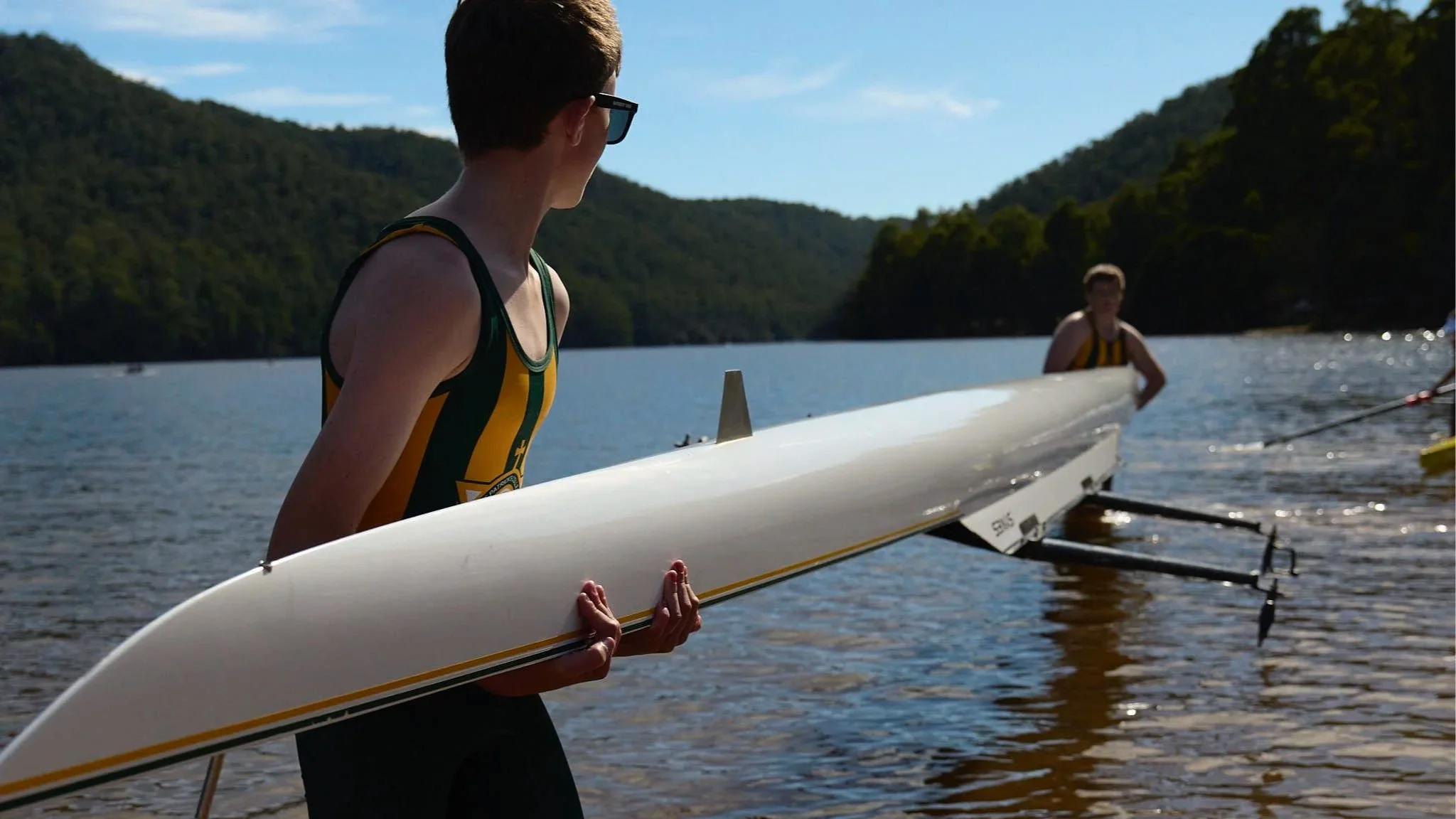
Now, this is just one of the irons I have in the fire at the moment. Another is the BMPCC4k, mated with a more clinical lens like the Hope 25, for a 45mm with BM colours and rendering.

The Pocket 4k can also add the special something and other benefits, like 1080 B-Raw, full B-Raw control, no waste and lower costs (only needs a dummy battery), where the lens needs two EF or PL adapters, from $300 to $800 more.

Could I get as much of a boost to basic image quality from a camera that costs the same without other overheads, one that adds depth of options above that core benefit and one that empowers what I have instead of replacing it or do I need the “one lens” that lifts all my existing and future cameras?

Waste is on my mind as ever, the Spectrum primes in particular will suffer, but they cost me nothing, it’s the Hope primes that would hurt. Would it all be undone anyway if I need a multi cam setup, with only one lens of this quality, so I would compromise anyway?

Another iron is one of rationality. This one feels time pressured as the Mk1’s are being replaced by the Mk2’s, but if I ignore that, the reality of what I have now (several sets of cheaper lenses) hits home and to be honest, I have options**.

Example;

I shot a 2 cam set-up of a presentation recently in a crappy room, shotgun on camera (and LAV, except a user forgot to put theirs on, so I could not match all speakers), so a low visual and audio bar set, but I got decent enough results.
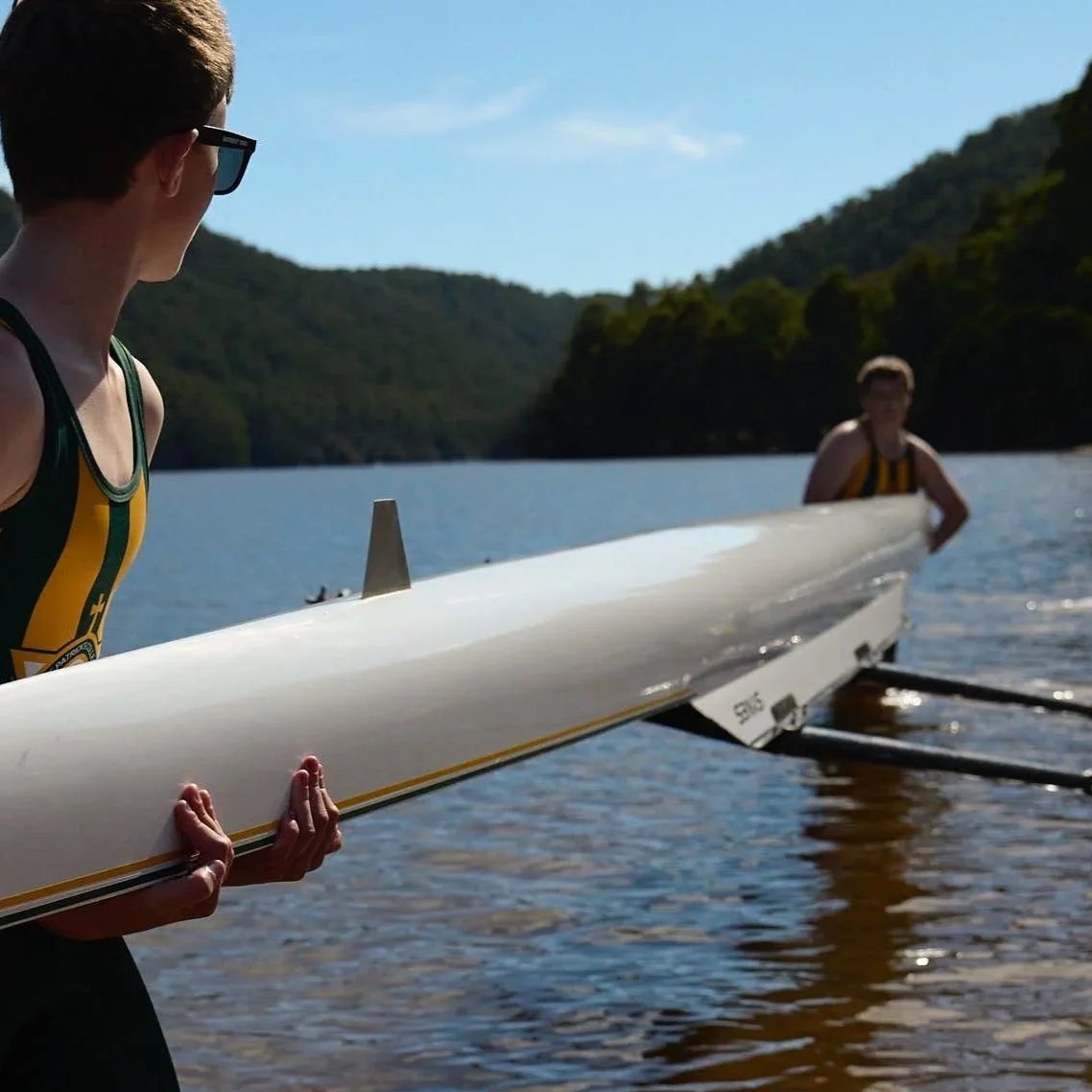
Camera 1 was the GH5s with the Hope 25 for the main shot, normal height, closer to the subject, the second cam was the S5 with a S-prime (35mm) shooting wide at a less nice angle and lower down.
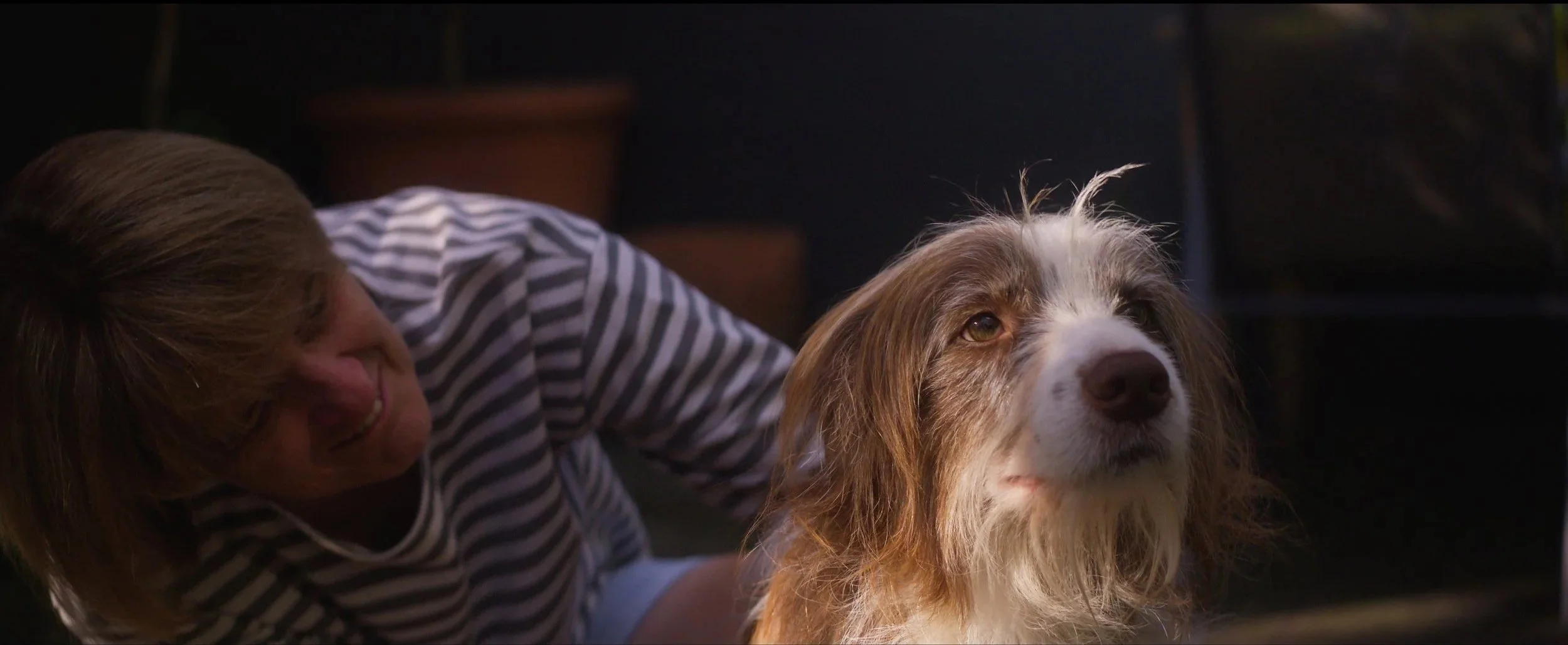
This is not a fair comparison I know, but after two days of grading clips I noticed something interesting and I had by this time forgotten to care which camera was which.

The smaller sensor camera with the cheaper cine-prime just looked better. Simple as that, no tech to back it up, but it’s footage looked both sharper and smoother (with no filters added) and pleasantly warm. I found myself editing it less aggressively and that was from the “lesser” MFT camera.

Oddly and this is almost definitely an angle effected thing, the TV screen in both images (yep, that nightmare), was clearer and the edge fringing/flare around the subject was also cleaner. This is really speculative as the lighting was a horror story***, but it is what I took away from the project.

Ironically I was less bothered by the low light performance of the MFT camera (shot at T2.1) than the depth of field of the full frame combo (at f5.6).

Ok, the big problem and it is not a secret is “upgrade syndrome”, which is to say, yes I could have 4 formats from one lens, but with one lens, only one format at a time. Can I match this lens with my other options and I guess the question is, if I can match it, do I even need it?

My current 2 camera options are the 50 and 25 Hopes on MFT (45/100 or 90/50), the S-Prime 35/50/85 set or the Spectrum 35 and 50, although mixing these up makes more sense and the 24/50 anamorphics. A three camera set is even tougher, but from tha above, I can do three anamorphic, three cine or three stills lens sets.
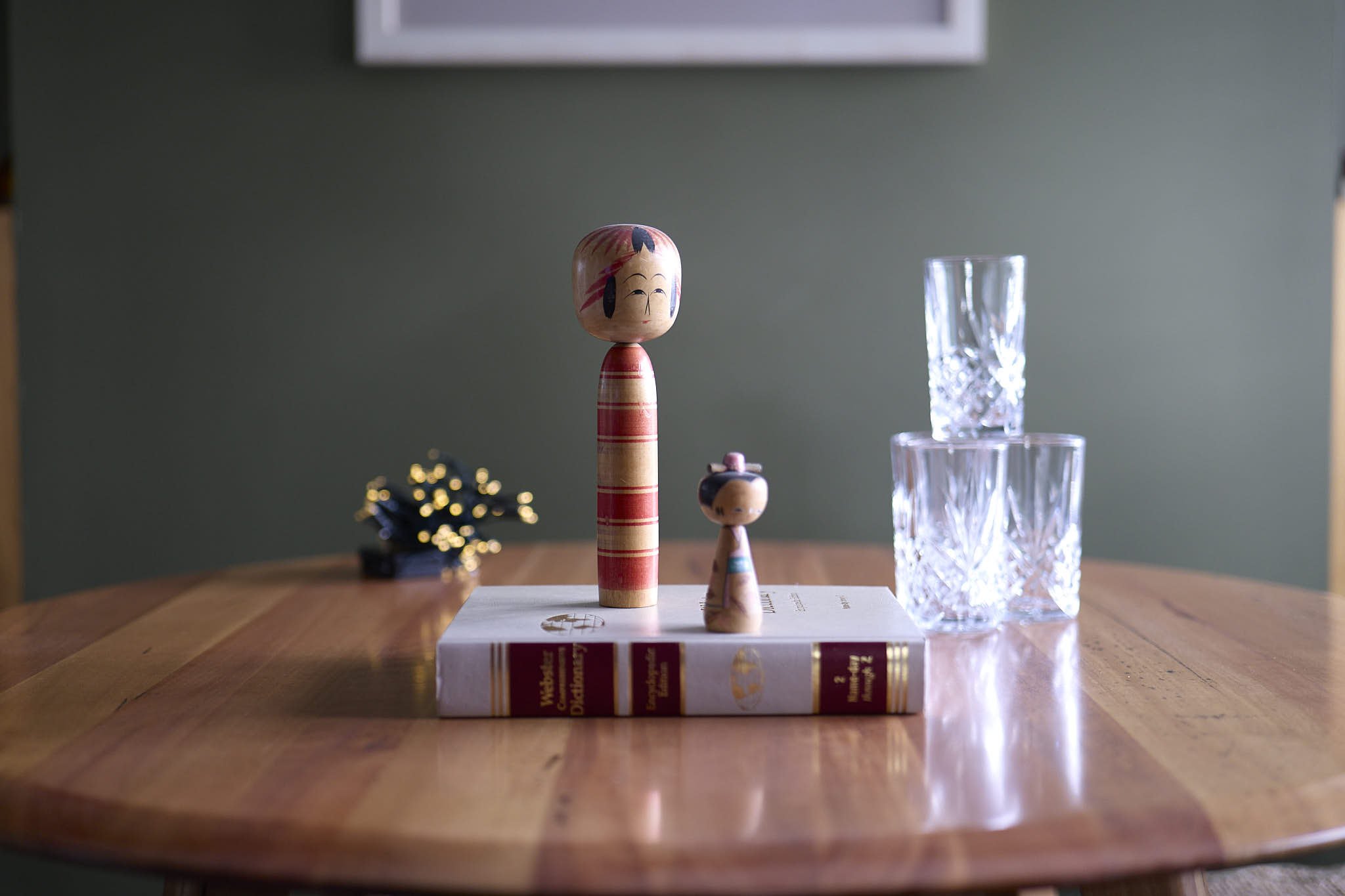
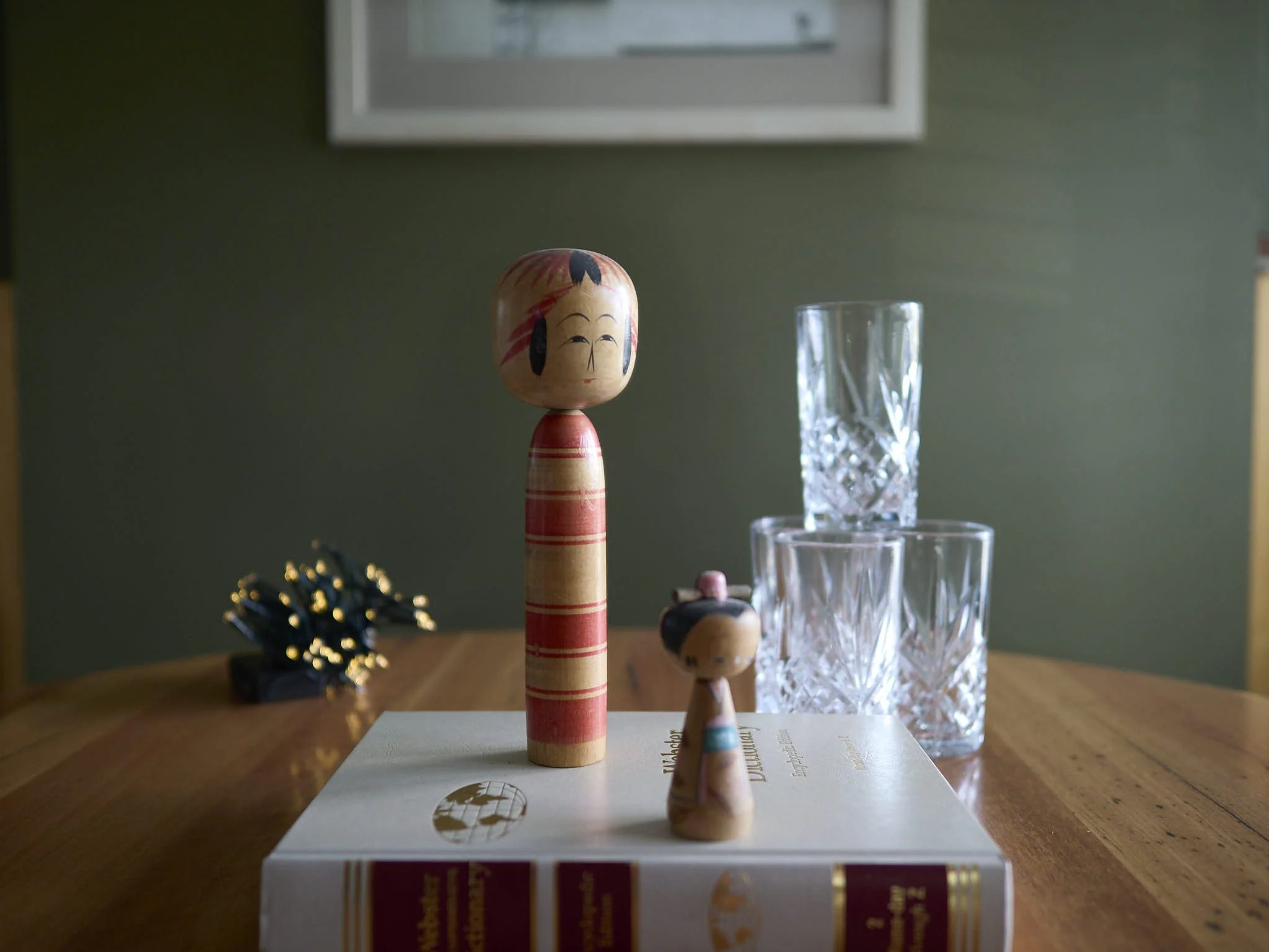


*Full frame, APS-c, GH5s 1.8 and G9II 2x crop.

**Sirui anamorphic in two formats, 7Art full frame Spectrum (not so long ago considered ridiculously good for the money), MFT Hope and Vision primes (considered right now to be near perfect budget primes), my MFT stills glass (Oly in particular) and my S-series with a Sigma zoom as a bonus. Nothing premium here, but an awful lot of decent or best in class.

The anamorphics seem to be hitting a good place for me at the moment.

***A huge window/skylight directly above and behind the subjects with the morning sun drifting across it.

The Little Voice That Refuses To Go Away.

I am still jonesing for a serious video-cine lens, a single lens that can be adapted to any camera (PL mount), that is in the serious budget bracket and that has a know amount of “X” factor.

The mount is important because out out of one lens (a 35mm), I would have a standard wide (full frame), standard 50mm (Super 35 or APS-c), a long standard 63mm on the GH5s and 70mm on MFT. I could even throw it on a Sony like the ZVE-1, FX30 or a Canon of some type.

The lighting was poor on my part, but the 24mm anamorphic lens surely suited the task.

The DZO Vespid 1’s are the sentimental favourite, striking for many the perfect balance between professionally sharp and characterful. These seem to still stand out in the pack even when compared to more clinical lenses, even their own Vespid 2’s. The 35 is considered a slightly better lens than the 40 I was originally drawn to and a more sensible “one lens”.

The Nisi Athenas have never appealed for some reason, but in Australia their price is off putting. They sit above the Vespid 2’s here and I feel the V2’s are better all-rounders.

I have an IRIX 150 in L-mount, so a 30mm in PL would expand that palette cnsiderably (30/45/55/60), but they are like the Nisi, very clinical, very clean a little sterile. This works for the macro, but I am not as keen for video. They are also hard to track down, huge and the most expensive.

I want clean and sharp, but not at the cost of an organic, classic vibe.

The Vespid 2’s are probably the perfect balance of all factors. They compare to the Arles, are cheaper or the same as the Nisi.

The wild card, and I hate early reviews because they smack of the early marketing push, are the 7Art Infinte (not Infinite). These look to be comparable to the Nisi, maybe a little more organic (not as perfect-sterile), cheaper than all the rest and I can in some ways see a direct line between these and the Hope series by the same brand. I really like the Hopes, but they are APS-c limited and come in a single mount.

Having a sinlge lens that can fit multiple cameras makes sense, except that I cannt use these cameras at once, so it would add consistency of look to the process, but only at the lens level. The four formats would be shared over a minimum of three different cameras and these are all a little different to each other (even if I only use Panasonic).

Could it be that I could actually match different lenses to specific cameras and get a better level of consistency, while using up to three cameras at once? I have already matched the cool Spectrum 50 to the warm toned S5II, the cooler S5 getting the warmer Spectrum 35, with some success. InV-log I could actually match them up using the cameras fine WB controls.

I need to consider also (especially considering the last paragraph), lenses I have like the Spectrum 50, Hope 25 and 50, my three anamorphic Sirui (2 MFT, 1 L-mount), Panasonic S-primes (35/50/85) and several MFT lenses that are not rubbish by any means.

The reality is, the lenses are important, but they are nt as important as other factors. For example; Vulhandes made a great video about the Vespid 1’s https://www.youtube.com/watch?v=Ok2mzAT2xuc , but he makes great footage, so I could argue he could have made that with most lenses (and seeing as some shots have them all in frame, I guess he did use others).

Story Driven Thomas did this on the Sirui anamorphic https://www.youtube.com/watch?v=R8S4ioLDlLk which in many ways influenced me to buy them. Again, great art video, so lens or maker?

Mark Wiemels made an excellent video on the Infinte https://www.youtube.com/watch?v=nTwDUHEwm50 , and while technically competent, the video was made to be a sample video, not an art piece, so hard to compare.

There are a lot of contradictions at play here and the internet does not help. Do you want perfection in a lens and add effects after, are you after character in lens, need AF, use filtering, like legacy glass, are ok with anything because you will control the best bits in other ways (lighting etc)? Which, if any or even all of these apply to you?

The reality is, Roger Deakins wants the best, most clinical, spherical glass you can get, effects added later, while Zack Snyder used an antique Canon range finder 50 wide open at 0.95 on an 8k Monstro sensor. Neither is subjectively “right”, they both produced professional work.

Maybe I am putting too much stock in specific glass, caught up in the hype. maybe my secret sauce should come from somewhere else, like the little Pen half frame 25mm I seem to like? I have to recognise, my choices are often mood based, such is the softness of the topic.

For me, I want smooth sharp, not “hyper” sharp, like the 8k Sigma to Sony look. I want smooth footage, with invisible technical effects, a creative transparency that lens choice should not be the primary or even a major source of (something I know only really effects the initiated).

I will use mild filtering if I have to, but would love it if much of that smoothness came from the lens. Lenses that I feel do give me some of that now are the S-Primes, my Oly 12-40, the Hope and Spectrum lenses, m anamorphics and the add legacy lens.

Do I need more?

Basically what I am saying here is, there are so many factors at play, I may be over stating the importance of a lens as fulcrum of my process and under estimating the value of good technique.